Muhammad ﷺ
Draft for review: not yet checked by a scholar.
Muhammad ﷺ is the final prophet.
Sources
- Ibn Kathir, al-Sira al-Nabawiyya 1/183 (opens in a new tab)
Al-Ahzaab 33:40
مَّا كَانَ مُحَمَّدٌ أَبَآ أَحَدٍ مِّن رِّجَالِكُمْ وَلَـٰكِن رَّسُولَ ٱللَّهِ وَخَاتَمَ ٱلنَّبِيِّـۧنَ ۗ وَكَانَ ٱللَّهُ بِكُلِّ شَىْءٍ عَلِيمًا٤٠
Muḥammad is not the father of [any] one of your men, but [he is] the Messenger of Allāh and seal [i.e., last] of the prophets. And ever is Allāh, of all things, Knowing. (40)
Al-Ahzaab 33:40 · Saheeh International
In 10 seconds
Muhammad ﷺ received revelation. The Prophet ﷺ migrated to Madinah and taught people to respect lives and belongings.
Sources
- Ibn Kathir, al-Sira al-Nabawiyya 1/385 (opens in a new tab)
- Sahih al-Bukhari 4953 (opens in a new tab)
- Ibn Kathir, al-Sira al-Nabawiyya 2/245–246 (opens in a new tab)
- Sahih al-Bukhari 3905 (opens in a new tab)
- Ibn Kathir, al-Sira al-Nabawiyya 2/302–303 (opens in a new tab)
- Sahih al-Bukhari 3932 (opens in a new tab)
- Ibn Kathir, al-Sira al-Nabawiyya 4/340 (opens in a new tab)
- Sahih Muslim 1218a (opens in a new tab)
Story in 1 minute
Read the story as a list
The Prophet ﷺ was an orphan, and Allah gave him care and shelter. The Prophet ﷺ also tended sheep for the people of Makkah.
- Ibn Kathir, al-Sira al-Nabawiyya 1/225–226 (opens in a new tab)
Ad-Dhuhaa 93:6
أَلَمْ يَجِدْكَ يَتِيمًا فَـَٔاوَىٰ٦
Did He not find you an orphan and give [you] refuge? (6)
Ad-Dhuhaa 93:6 · Saheeh International - Ibn Kathir, al-Sira al-Nabawiyya 1/265 (opens in a new tab)
- Sahih al-Bukhari 2262 (opens in a new tab)
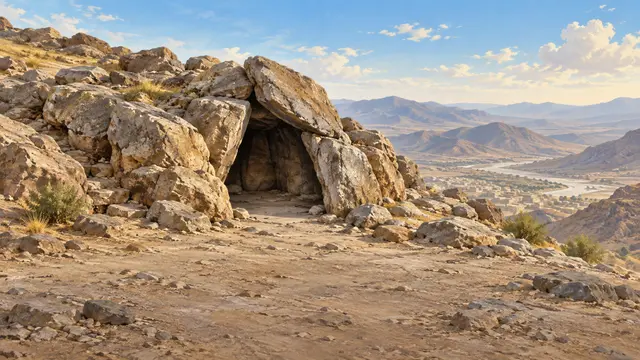
Revelation came to the Prophet ﷺ in the cave of Hira. The Prophet ﷺ returned frightened, and Khadija offered comfort.
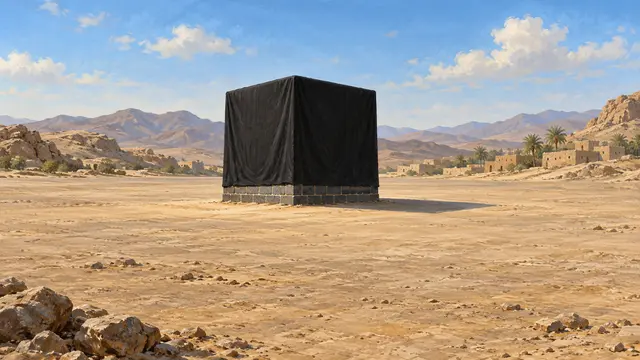
Believers told the Prophet ﷺ about their suffering beside the Kaaba. The Prophet ﷺ reminded them to be patient and trust Allah's promise.
Allah took the Prophet ﷺ by night to al-Masjid al-Aqsa. As the Prophet ﷺ was taken up through the heavens, Allah required five daily prayers.
- Ibn Kathir, al-Sira al-Nabawiyya 2/94 (opens in a new tab)
Al-Israa 17:1
سُبْحَـٰنَ ٱلَّذِىٓ أَسْرَىٰ بِعَبْدِهِۦ لَيْلًا مِّنَ ٱلْمَسْجِدِ ٱلْحَرَامِ إِلَى ٱلْمَسْجِدِ ٱلْأَقْصَا ٱلَّذِى بَـٰرَكْنَا حَوْلَهُۥ لِنُرِيَهُۥ مِنْ ءَايَـٰتِنَآ ۚ إِنَّهُۥ هُوَ ٱلسَّمِيعُ ٱلْبَصِيرُ١
Exalted[722] is He who took His Servant [i.e., Prophet Muḥammad (ﷺ)] by night from al-Masjid al-Ḥarām to al-Masjid al-Aqṣā,[723] whose surroundings We have blessed, to show him of Our signs. Indeed, He is the Hearing,[724] the Seeing.[725] (1)
Translation notes
[722] Above any imperfection or failure to do as He wills. [723] In Jerusalem. [724] Who hears every sound, distinguishes every voice, understands every word, and accepts and responds to supplications. [725] Who sees and understands all things apparent and unapparent, visible and invisible.Al-Israa 17:1 · Saheeh International - Ibn Kathir, al-Sira al-Nabawiyya 2/99 (opens in a new tab)
- Sahih Muslim 162a (opens in a new tab)
- Ibn Kathir, al-Sira al-Nabawiyya 2/101 (opens in a new tab)
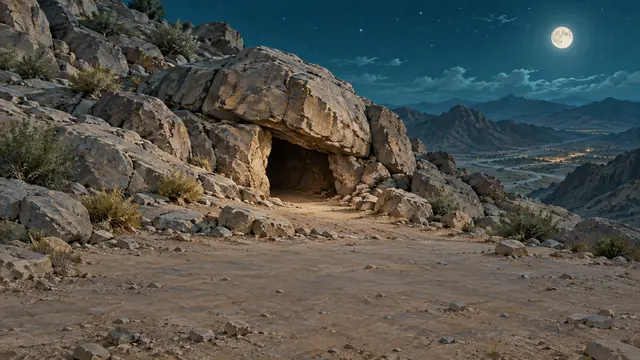
The Prophet ﷺ migrated with Abu Bakr. In the cave of Thawr, the Prophet ﷺ reassured the companion that Allah was with them.
- Ibn Kathir, al-Sira al-Nabawiyya 2/245–246 (opens in a new tab)
- Sahih al-Bukhari 3905 (opens in a new tab)
- Ibn Kathir, al-Sira al-Nabawiyya 2/246 (opens in a new tab)
- Ibn Kathir, al-Sira al-Nabawiyya 2/242 (opens in a new tab)
At-Tawba 9:40
إِلَّا تَنصُرُوهُ فَقَدْ نَصَرَهُ ٱللَّهُ إِذْ أَخْرَجَهُ ٱلَّذِينَ كَفَرُوا۟ ثَانِىَ ٱثْنَيْنِ إِذْ هُمَا فِى ٱلْغَارِ إِذْ يَقُولُ لِصَـٰحِبِهِۦ لَا تَحْزَنْ إِنَّ ٱللَّهَ مَعَنَا ۖ فَأَنزَلَ ٱللَّهُ سَكِينَتَهُۥ عَلَيْهِ وَأَيَّدَهُۥ بِجُنُودٍ لَّمْ تَرَوْهَا وَجَعَلَ كَلِمَةَ ٱلَّذِينَ كَفَرُوا۟ ٱلسُّفْلَىٰ ۗ وَكَلِمَةُ ٱللَّهِ هِىَ ٱلْعُلْيَا ۗ وَٱللَّهُ عَزِيزٌ حَكِيمٌ٤٠
If you do not aid him [i.e., the Prophet (ﷺ)] - Allāh has already aided him when those who disbelieved had driven him out [of Makkah] as one of two,[476] when they were in the cave and he [i.e., Muḥammad (ﷺ)] said to his companion, "Do not grieve; indeed Allāh is with us." And Allāh sent down His tranquility upon him and supported him with soldiers [i.e., angels] you did not see and made the word[477] of those who disbelieved the lowest,[478] while the word of Allāh[479] - that is the highest. And Allāh is Exalted in Might and Wise. (40)
Translation notes
[476] The second was his companion, Abū Bakr. [477] i.e., their claims and slogans. [478] i.e., degraded and dishonored. [479] "Lā ilāha ill-Allāh" ("There is no deity except Allāh").At-Tawba 9:40 · Saheeh International
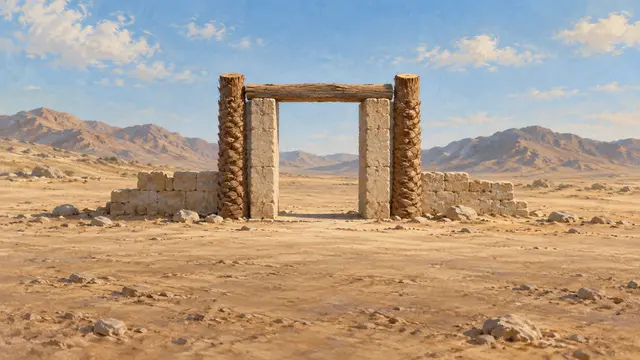
The Prophet ﷺ ordered a mosque built in Madinah. The Prophet ﷺ joined Abd al-Rahman and Sad in brotherhood, and Sad offered to share his wealth.
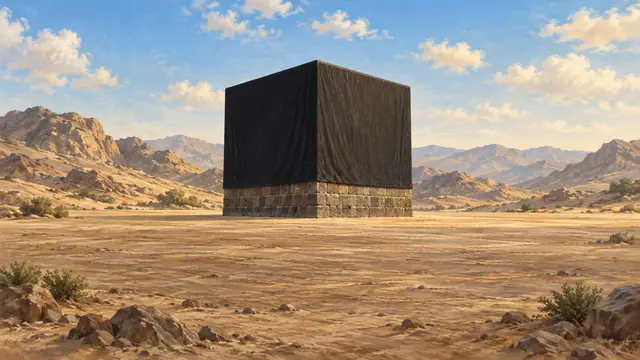
The Prophet ﷺ made a treaty with Quraysh at Hudaybiyya. Later, Makkah was opened, and the Prophet ﷺ removed the idols around the Kaaba.
On the Farewell Pilgrimage, the Prophet ﷺ taught that lives and property are sacred. At Arafat, Allah revealed that the religion was complete.
- Ibn Kathir, al-Sira al-Nabawiyya 4/215 (opens in a new tab)
- Ibn Kathir, al-Sira al-Nabawiyya 4/340 (opens in a new tab)
- Sahih Muslim 1218a (opens in a new tab)
- Ibn Kathir, al-Sira al-Nabawiyya 4/353 (opens in a new tab)
Al-Maaida 5:3
حُرِّمَتْ عَلَيْكُمُ ٱلْمَيْتَةُ وَٱلدَّمُ وَلَحْمُ ٱلْخِنزِيرِ وَمَآ أُهِلَّ لِغَيْرِ ٱللَّهِ بِهِۦ وَٱلْمُنْخَنِقَةُ وَٱلْمَوْقُوذَةُ وَٱلْمُتَرَدِّيَةُ وَٱلنَّطِيحَةُ وَمَآ أَكَلَ ٱلسَّبُعُ إِلَّا مَا ذَكَّيْتُمْ وَمَا ذُبِحَ عَلَى ٱلنُّصُبِ وَأَن تَسْتَقْسِمُوا۟ بِٱلْأَزْلَـٰمِ ۚ ذَٰلِكُمْ فِسْقٌ ۗ ٱلْيَوْمَ يَئِسَ ٱلَّذِينَ كَفَرُوا۟ مِن دِينِكُمْ فَلَا تَخْشَوْهُمْ وَٱخْشَوْنِ ۚ ٱلْيَوْمَ أَكْمَلْتُ لَكُمْ دِينَكُمْ وَأَتْمَمْتُ عَلَيْكُمْ نِعْمَتِى وَرَضِيتُ لَكُمُ ٱلْإِسْلَـٰمَ دِينًا ۚ فَمَنِ ٱضْطُرَّ فِى مَخْمَصَةٍ غَيْرَ مُتَجَانِفٍ لِّإِثْمٍ ۙ فَإِنَّ ٱللَّهَ غَفُورٌ رَّحِيمٌ٣
Prohibited to you are dead animals,[241] blood, the flesh of swine, and that which has been dedicated to other than Allāh, and [those animals] killed by strangling or by a violent blow or by a head-long fall or by the goring of horns, and those from which a wild animal has eaten, except what you [are able to] slaughter [before its death], and those which are sacrificed on stone altars,[242] and [prohibited is] that you seek decision through divining arrows. That is grave disobedience. This day those who disbelieve have despaired of [defeating] your religion; so fear them not, but fear Me. This day I have perfected for you your religion and completed My favor upon you and have approved for you Islām as religion. But whoever is forced by severe hunger with no inclination to sin - then indeed, Allāh is Forgiving and Merciful. (3)
Translation notes
[241] See footnote to 2:173. [242] In the name of anything other than Allāh.Al-Maaida 5:3 · Saheeh International - Sahih al-Bukhari 45 (opens in a new tab)
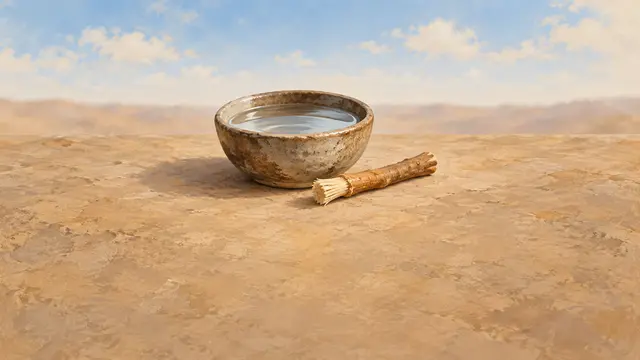
The Prophet ﷺ died in Aisha's home. Abu Bakr reminded the people that Allah lives and never dies.
What we learn
We care for our relatives and help people in need.
Sources
- Ibn Kathir, al-Sira al-Nabawiyya 1/386 (opens in a new tab)
- Sahih al-Bukhari 4953 (opens in a new tab)
- Ibn Kathir, al-Sira al-Nabawiyya 2/324 (opens in a new tab)
Al-Hashr 59:9
وَٱلَّذِينَ تَبَوَّءُو ٱلدَّارَ وَٱلْإِيمَـٰنَ مِن قَبْلِهِمْ يُحِبُّونَ مَنْ هَاجَرَ إِلَيْهِمْ وَلَا يَجِدُونَ فِى صُدُورِهِمْ حَاجَةً مِّمَّآ أُوتُوا۟ وَيُؤْثِرُونَ عَلَىٰٓ أَنفُسِهِمْ وَلَوْ كَانَ بِهِمْ خَصَاصَةٌ ۚ وَمَن يُوقَ شُحَّ نَفْسِهِۦ فَأُو۟لَـٰٓئِكَ هُمُ ٱلْمُفْلِحُونَ٩
And [also for] those who were settled in the Home [i.e.,al-Madīnah] and [adopted] the faith before them.[1656] They love those who emigrated to them and find not any want in their breasts of what they [i.e., the emigrants] were given but give [them] preference over themselves, even though they are in privation. And whoever is protected from the stinginess of his soul - it is those who will be the successful. (9)
Translation notes
[1656] Before the settlement of the emigrants (Muhājireen) among the Anṣār, for whom a share is delegated as well.Al-Hashr 59:9 · Saheeh International
We trust Allah and take sensible steps to stay safe.
Sources
- Ibn Kathir, al-Sira al-Nabawiyya 2/246 (opens in a new tab)
- Sahih al-Bukhari 3905 (opens in a new tab)
- Ibn Kathir, al-Sira al-Nabawiyya 2/242 (opens in a new tab)
At-Tawba 9:40
إِلَّا تَنصُرُوهُ فَقَدْ نَصَرَهُ ٱللَّهُ إِذْ أَخْرَجَهُ ٱلَّذِينَ كَفَرُوا۟ ثَانِىَ ٱثْنَيْنِ إِذْ هُمَا فِى ٱلْغَارِ إِذْ يَقُولُ لِصَـٰحِبِهِۦ لَا تَحْزَنْ إِنَّ ٱللَّهَ مَعَنَا ۖ فَأَنزَلَ ٱللَّهُ سَكِينَتَهُۥ عَلَيْهِ وَأَيَّدَهُۥ بِجُنُودٍ لَّمْ تَرَوْهَا وَجَعَلَ كَلِمَةَ ٱلَّذِينَ كَفَرُوا۟ ٱلسُّفْلَىٰ ۗ وَكَلِمَةُ ٱللَّهِ هِىَ ٱلْعُلْيَا ۗ وَٱللَّهُ عَزِيزٌ حَكِيمٌ٤٠
If you do not aid him [i.e., the Prophet (ﷺ)] - Allāh has already aided him when those who disbelieved had driven him out [of Makkah] as one of two,[476] when they were in the cave and he [i.e., Muḥammad (ﷺ)] said to his companion, "Do not grieve; indeed Allāh is with us." And Allāh sent down His tranquility upon him and supported him with soldiers [i.e., angels] you did not see and made the word[477] of those who disbelieved the lowest,[478] while the word of Allāh[479] - that is the highest. And Allāh is Exalted in Might and Wise. (40)
Translation notes
[476] The second was his companion, Abū Bakr. [477] i.e., their claims and slogans. [478] i.e., degraded and dishonored. [479] "Lā ilāha ill-Allāh" ("There is no deity except Allāh").At-Tawba 9:40 · Saheeh International
We respect people’s lives and belongings.
The full chapter
Simplified from Ibn Kathir's al-Sira al-Nabawiyya. Every paragraph shows its sources.
Lineage and birth
The lineage of Muhammad ﷺ to ʿAdnan is: Muhammad ﷺ, son of ʿAbd Allah, ʿAbd al-Muttalib, Hashim, ʿAbd Manaf, Qusayy, Kilab, Murra, Kaʿb, Luʾayy, Ghalib, Fihr, Malik, al-Nadr, Kinana, Khuzayma, Mudrika, Ilyas, Mudar, Nizar, Maʿadd, ʿAdnan. ʿAdnan descends from Ismaʿil (Ishmael), peace be upon him; no chain of intervening names is established here.
The predominant historical account places the birth of the Prophet ﷺ in the Year of the Elephant.
The Prophet ﷺ was born on a Monday.
Scholars differ about the birth date of the Prophet ﷺ in Rabi al-Awwal. Ibn Kathir reports the eighth through al-Humaydi from Ibn Hazm, preferred by Ibn Dihya, and the twelfth from Ibn Ishaq, describing it as the popular majority view. Neither date is treated here as certain.
The orphaned Prophet ﷺ received shelter from Allah.
Sources
- Ibn Kathir, al-Sira al-Nabawiyya 1/225–226 (opens in a new tab)
Ad-Dhuhaa 93:6
أَلَمْ يَجِدْكَ يَتِيمًا فَـَٔاوَىٰ٦
Did He not find you an orphan and give [you] refuge? (6)
Ad-Dhuhaa 93:6 · Saheeh International
أَلَمْ يَجِدْكَ يَتِيمًا فَـَٔاوَىٰ٦ Did He not find you an orphan and give [you] refuge? (6) Childhood, trustworthiness and marriage
Halima al-Saʿdiyya nursed the Prophet ﷺ. According to Ibn Ishaq, Amina bint Wahb, mother of the Prophet ﷺ, died when the Prophet ﷺ was six. ʿAbd al-Muttalib cared for his grandson, the Prophet ﷺ, after Amina died. After ʿAbd al-Muttalib died, Abu Talib became the guardian of the Prophet ﷺ.
His people called the Prophet ﷺ al-Amin, the trustworthy one, because they knew his honesty.
Before the marriage, Khadija relied on the trustworthiness of the Prophet ﷺ in her trade. The Prophet ﷺ married Khadija bint Khuwaylid. Khadija was the first wife of the Prophet ﷺ.
The Prophet ﷺ tended sheep for the people of Makkah for payment.
The beginning of revelation
Revelation came to the Prophet ﷺ at the age of forty. The first revelation experienced by the Prophet ﷺ was through true dreams. The Prophet ﷺ used to worship in the cave of Hira. The angel came to the Prophet ﷺ in Hira and commanded the Prophet ﷺ to read. The opening verses of al-ʿAlaq were the first Qur'anic revelation received by the Prophet ﷺ.
Sources
- Ibn Kathir, al-Sira al-Nabawiyya 1/385 (opens in a new tab)
- Ibn Kathir, al-Sira al-Nabawiyya 1/389 (opens in a new tab)
- Sahih al-Bukhari 3851 (opens in a new tab)
- Sahih al-Bukhari 4953 (opens in a new tab)
Al-Alaq 96:1–5
ٱقْرَأْ بِٱسْمِ رَبِّكَ ٱلَّذِى خَلَقَ١ خَلَقَ ٱلْإِنسَـٰنَ مِنْ عَلَقٍ٢ ٱقْرَأْ وَرَبُّكَ ٱلْأَكْرَمُ٣ ٱلَّذِى عَلَّمَ بِٱلْقَلَمِ٤ عَلَّمَ ٱلْإِنسَـٰنَ مَا لَمْ يَعْلَمْ٥
Recite in the name of your Lord who created – (1) Created man from a clinging substance. (2) Recite, and your Lord is the most Generous - (3) Who taught by the pen – (4) Taught man that which he knew not. (5)
Al-Alaq 96:1–5 · Saheeh International
Allah commanded reading in His name and stated that He taught humanity what it did not know.
Sources
- Ibn Kathir, al-Sira al-Nabawiyya 1/385 (opens in a new tab)
Al-Alaq 96:1–5
ٱقْرَأْ بِٱسْمِ رَبِّكَ ٱلَّذِى خَلَقَ١ خَلَقَ ٱلْإِنسَـٰنَ مِنْ عَلَقٍ٢ ٱقْرَأْ وَرَبُّكَ ٱلْأَكْرَمُ٣ ٱلَّذِى عَلَّمَ بِٱلْقَلَمِ٤ عَلَّمَ ٱلْإِنسَـٰنَ مَا لَمْ يَعْلَمْ٥
Recite in the name of your Lord who created – (1) Created man from a clinging substance. (2) Recite, and your Lord is the most Generous - (3) Who taught by the pen – (4) Taught man that which he knew not. (5)
Al-Alaq 96:1–5 · Saheeh International
The Prophet ﷺ returned to Khadija frightened after the first revelation. Khadija reassured the Prophet ﷺ by recalling care for relatives and help for people in need. Khadija took the Prophet ﷺ to Waraqa ibn Nawfal to hear what had happened.
Allah commanded the Prophet ﷺ to rise and warn, and to magnify the Lord.
Sources
- Ibn Kathir, al-Sira al-Nabawiyya 1/387 (opens in a new tab)
Al-Muddaththir 74:1–5
يَـٰٓأَيُّهَا ٱلْمُدَّثِّرُ١ قُمْ فَأَنذِرْ٢ وَرَبَّكَ فَكَبِّرْ٣ وَثِيَابَكَ فَطَهِّرْ٤ وَٱلرُّجْزَ فَٱهْجُرْ٥
O you who covers himself [with a garment],[1788] (1) Arise and warn (2) And your Lord glorify (3) And your clothing purify (4) And uncleanliness[1789] avoid (5)
Translation notes
[1788] Referring to the Prophet (ﷺ). [1789] Specifically, idols or generally, bad conduct and morals.Al-Muddaththir 74:1–5 · Saheeh International
ٱقْرَأْ بِٱسْمِ رَبِّكَ ٱلَّذِى خَلَقَ١ خَلَقَ ٱلْإِنسَـٰنَ مِنْ عَلَقٍ٢ ٱقْرَأْ وَرَبُّكَ ٱلْأَكْرَمُ٣ ٱلَّذِى عَلَّمَ بِٱلْقَلَمِ٤ عَلَّمَ ٱلْإِنسَـٰنَ مَا لَمْ يَعْلَمْ٥ Recite in the name of your Lord who created – (1) Created man from a clinging substance. (2) Recite, and your Lord is the most Generous - (3) Who taught by the pen – (4) Taught man that which he knew not. (5) يَـٰٓأَيُّهَا ٱلْمُدَّثِّرُ١ قُمْ فَأَنذِرْ٢ وَرَبَّكَ فَكَبِّرْ٣ وَثِيَابَكَ فَطَهِّرْ٤ وَٱلرُّجْزَ فَٱهْجُرْ٥ O you who covers himself [with a garment],[1788] (1) Arise and warn (2) And your Lord glorify (3) And your clothing purify (4) And uncleanliness[1789] avoid (5) Translation notes
[1788] Referring to the Prophet (ﷺ). [1789] Specifically, idols or generally, bad conduct and morals.The call and patience in Makkah
Allah commanded the Prophet ﷺ to warn close relatives.
Sources
- Ibn Kathir, al-Sira al-Nabawiyya 1/455 (opens in a new tab)
Ash-Shu'araa 26:214
وَأَنذِرْ عَشِيرَتَكَ ٱلْأَقْرَبِينَ٢١٤
And warn, [O Muḥammad], your closest kindred. (214)
Ash-Shu'araa 26:214 · Saheeh International
At al-Safa, the people acknowledged that they had known only truthfulness from the Prophet ﷺ. The Prophet ﷺ warned the people at al-Safa of Allah's punishment.
Allah commanded the Prophet ﷺ to be gentle toward the believers who followed the Prophet ﷺ.
Sources
- Ibn Kathir, al-Sira al-Nabawiyya 1/455 (opens in a new tab)
Ash-Shu'araa 26:215
وَٱخْفِضْ جَنَاحَكَ لِمَنِ ٱتَّبَعَكَ مِنَ ٱلْمُؤْمِنِينَ٢١٥
And lower your wing [i.e., show kindness] to those who follow you of the believers. (215)
Ash-Shu'araa 26:215 · Saheeh International
Khabbab and his companions brought their suffering to the Prophet ﷺ beside the Kaaba. The Prophet ﷺ reminded the companions that earlier believers had remained faithful under persecution. The Prophet ﷺ reassured the companions that Allah would bring this faith to completion.
وَأَنذِرْ عَشِيرَتَكَ ٱلْأَقْرَبِينَ٢١٤ وَٱخْفِضْ جَنَاحَكَ لِمَنِ ٱتَّبَعَكَ مِنَ ٱلْمُؤْمِنِينَ٢١٥ And warn, [O Muḥammad], your closest kindred. (214) And lower your wing [i.e., show kindness] to those who follow you of the believers. (215) The Night Journey, ascent and mercy after rejection
Allah took the Prophet ﷺ by night from al-Masjid al-Haram to al-Masjid al-Aqsa.
Sources
- Ibn Kathir, al-Sira al-Nabawiyya 2/94 (opens in a new tab)
Al-Israa 17:1
سُبْحَـٰنَ ٱلَّذِىٓ أَسْرَىٰ بِعَبْدِهِۦ لَيْلًا مِّنَ ٱلْمَسْجِدِ ٱلْحَرَامِ إِلَى ٱلْمَسْجِدِ ٱلْأَقْصَا ٱلَّذِى بَـٰرَكْنَا حَوْلَهُۥ لِنُرِيَهُۥ مِنْ ءَايَـٰتِنَآ ۚ إِنَّهُۥ هُوَ ٱلسَّمِيعُ ٱلْبَصِيرُ١
Exalted[722] is He who took His Servant [i.e., Prophet Muḥammad (ﷺ)] by night from al-Masjid al-Ḥarām to al-Masjid al-Aqṣā,[723] whose surroundings We have blessed, to show him of Our signs. Indeed, He is the Hearing,[724] the Seeing.[725] (1)
Translation notes
[722] Above any imperfection or failure to do as He wills. [723] In Jerusalem. [724] Who hears every sound, distinguishes every voice, understands every word, and accepts and responds to supplications. [725] Who sees and understands all things apparent and unapparent, visible and invisible.Al-Israa 17:1 · Saheeh International
The Prophet ﷺ prayed two rakʿas in the mosque at Jerusalem during the Night Journey. The Prophet ﷺ was taken up through the heavens. Five daily prayers were prescribed for the community of the Prophet ﷺ. The five prayers carry the reward of fifty prayers.
After suffering harm, the Prophet ﷺ hoped that Allah would bring forth from his people’s descendants those who would worship Allah alone.
سُبْحَـٰنَ ٱلَّذِىٓ أَسْرَىٰ بِعَبْدِهِۦ لَيْلًا مِّنَ ٱلْمَسْجِدِ ٱلْحَرَامِ إِلَى ٱلْمَسْجِدِ ٱلْأَقْصَا ٱلَّذِى بَـٰرَكْنَا حَوْلَهُۥ لِنُرِيَهُۥ مِنْ ءَايَـٰتِنَآ ۚ إِنَّهُۥ هُوَ ٱلسَّمِيعُ ٱلْبَصِيرُ١ Exalted[722] is He who took His Servant [i.e., Prophet Muḥammad (ﷺ)] by night from al-Masjid al-Ḥarām to al-Masjid al-Aqṣā,[723] whose surroundings We have blessed, to show him of Our signs. Indeed, He is the Hearing,[724] the Seeing.[725] (1) Translation notes
[722] Above any imperfection or failure to do as He wills. [723] In Jerusalem. [724] Who hears every sound, distinguishes every voice, understands every word, and accepts and responds to supplications. [725] Who sees and understands all things apparent and unapparent, visible and invisible.The migration and the cave
The Prophet ﷺ was shown the destination of migration, with palm trees between two lava tracts. The Prophet ﷺ received permission to leave on the migration. Abu Bakr accompanied the Prophet ﷺ on the migration.
The Prophet ﷺ reassured the companion in the cave that Allah was with them.
Sources
- Ibn Kathir, al-Sira al-Nabawiyya 2/242 (opens in a new tab)
At-Tawba 9:40
إِلَّا تَنصُرُوهُ فَقَدْ نَصَرَهُ ٱللَّهُ إِذْ أَخْرَجَهُ ٱلَّذِينَ كَفَرُوا۟ ثَانِىَ ٱثْنَيْنِ إِذْ هُمَا فِى ٱلْغَارِ إِذْ يَقُولُ لِصَـٰحِبِهِۦ لَا تَحْزَنْ إِنَّ ٱللَّهَ مَعَنَا ۖ فَأَنزَلَ ٱللَّهُ سَكِينَتَهُۥ عَلَيْهِ وَأَيَّدَهُۥ بِجُنُودٍ لَّمْ تَرَوْهَا وَجَعَلَ كَلِمَةَ ٱلَّذِينَ كَفَرُوا۟ ٱلسُّفْلَىٰ ۗ وَكَلِمَةُ ٱللَّهِ هِىَ ٱلْعُلْيَا ۗ وَٱللَّهُ عَزِيزٌ حَكِيمٌ٤٠
If you do not aid him [i.e., the Prophet (ﷺ)] - Allāh has already aided him when those who disbelieved had driven him out [of Makkah] as one of two,[476] when they were in the cave and he [i.e., Muḥammad (ﷺ)] said to his companion, "Do not grieve; indeed Allāh is with us." And Allāh sent down His tranquility upon him and supported him with soldiers [i.e., angels] you did not see and made the word[477] of those who disbelieved the lowest,[478] while the word of Allāh[479] - that is the highest. And Allāh is Exalted in Might and Wise. (40)
Translation notes
[476] The second was his companion, Abū Bakr. [477] i.e., their claims and slogans. [478] i.e., degraded and dishonored. [479] "Lā ilāha ill-Allāh" ("There is no deity except Allāh").At-Tawba 9:40 · Saheeh International
The Prophet ﷺ and Abu Bakr stayed in the cave of Thawr for three nights. Asmaʾ bint Abi Bakr helped prepare the journey's provisions and tied the food bag with part of her belt. ʿAbd Allah ibn Abi Bakr brought news of Quraysh to the cave. The Prophet ﷺ and Abu Bakr hired a skilled guide. The migration guide took the coastal route.
إِلَّا تَنصُرُوهُ فَقَدْ نَصَرَهُ ٱللَّهُ إِذْ أَخْرَجَهُ ٱلَّذِينَ كَفَرُوا۟ ثَانِىَ ٱثْنَيْنِ إِذْ هُمَا فِى ٱلْغَارِ إِذْ يَقُولُ لِصَـٰحِبِهِۦ لَا تَحْزَنْ إِنَّ ٱللَّهَ مَعَنَا ۖ فَأَنزَلَ ٱللَّهُ سَكِينَتَهُۥ عَلَيْهِ وَأَيَّدَهُۥ بِجُنُودٍ لَّمْ تَرَوْهَا وَجَعَلَ كَلِمَةَ ٱلَّذِينَ كَفَرُوا۟ ٱلسُّفْلَىٰ ۗ وَكَلِمَةُ ٱللَّهِ هِىَ ٱلْعُلْيَا ۗ وَٱللَّهُ عَزِيزٌ حَكِيمٌ٤٠ If you do not aid him [i.e., the Prophet (ﷺ)] - Allāh has already aided him when those who disbelieved had driven him out [of Makkah] as one of two,[476] when they were in the cave and he [i.e., Muḥammad (ﷺ)] said to his companion, "Do not grieve; indeed Allāh is with us." And Allāh sent down His tranquility upon him and supported him with soldiers [i.e., angels] you did not see and made the word[477] of those who disbelieved the lowest,[478] while the word of Allāh[479] - that is the highest. And Allāh is Exalted in Might and Wise. (40) Translation notes
[476] The second was his companion, Abū Bakr. [477] i.e., their claims and slogans. [478] i.e., degraded and dishonored. [479] "Lā ilāha ill-Allāh" ("There is no deity except Allāh").Building the mosque and establishing brotherhood
On arriving in Madinah, the Prophet ﷺ stayed among Banu ʿAmr ibn ʿAwf. The Prophet ﷺ ordered the building of the mosque in Madinah. Palm trunks were arranged at the mosque's qibla side, and its two doorposts were made of stone. The Prophet ﷺ prayed for the Muhajirun and Ansar during the building of the mosque.
The Prophet ﷺ established brotherhood between ʿAbd al-Rahman ibn ʿAwf and Saʿd ibn al-Rabiʿ. Saʿd ibn al-Rabiʿ offered to share his wealth with ʿAbd al-Rahman ibn ʿAwf.
Allah praised those who love people who migrate to them and put others before themselves even when in need.
Sources
- Ibn Kathir, al-Sira al-Nabawiyya 2/324 (opens in a new tab)
Al-Hashr 59:9
وَٱلَّذِينَ تَبَوَّءُو ٱلدَّارَ وَٱلْإِيمَـٰنَ مِن قَبْلِهِمْ يُحِبُّونَ مَنْ هَاجَرَ إِلَيْهِمْ وَلَا يَجِدُونَ فِى صُدُورِهِمْ حَاجَةً مِّمَّآ أُوتُوا۟ وَيُؤْثِرُونَ عَلَىٰٓ أَنفُسِهِمْ وَلَوْ كَانَ بِهِمْ خَصَاصَةٌ ۚ وَمَن يُوقَ شُحَّ نَفْسِهِۦ فَأُو۟لَـٰٓئِكَ هُمُ ٱلْمُفْلِحُونَ٩
And [also for] those who were settled in the Home [i.e.,al-Madīnah] and [adopted] the faith before them.[1656] They love those who emigrated to them and find not any want in their breasts of what they [i.e., the emigrants] were given but give [them] preference over themselves, even though they are in privation. And whoever is protected from the stinginess of his soul - it is those who will be the successful. (9)
Translation notes
[1656] Before the settlement of the emigrants (Muhājireen) among the Anṣār, for whom a share is delegated as well.Al-Hashr 59:9 · Saheeh International
وَٱلَّذِينَ تَبَوَّءُو ٱلدَّارَ وَٱلْإِيمَـٰنَ مِن قَبْلِهِمْ يُحِبُّونَ مَنْ هَاجَرَ إِلَيْهِمْ وَلَا يَجِدُونَ فِى صُدُورِهِمْ حَاجَةً مِّمَّآ أُوتُوا۟ وَيُؤْثِرُونَ عَلَىٰٓ أَنفُسِهِمْ وَلَوْ كَانَ بِهِمْ خَصَاصَةٌ ۚ وَمَن يُوقَ شُحَّ نَفْسِهِۦ فَأُو۟لَـٰٓئِكَ هُمُ ٱلْمُفْلِحُونَ٩ And [also for] those who were settled in the Home [i.e.,al-Madīnah] and [adopted] the faith before them.[1656] They love those who emigrated to them and find not any want in their breasts of what they [i.e., the emigrants] were given but give [them] preference over themselves, even though they are in privation. And whoever is protected from the stinginess of his soul - it is those who will be the successful. (9) Translation notes
[1656] Before the settlement of the emigrants (Muhājireen) among the Anṣār, for whom a share is delegated as well.Badr
Allah helped the believers at Badr when they were weak. Some believers wished to meet the unarmed group. Allah answered the believers' plea and promised help.
Sources
- Ibn Kathir, al-Sira al-Nabawiyya 2/380 (opens in a new tab)
Aal-i-Imraan 3:123
وَلَقَدْ نَصَرَكُمُ ٱللَّهُ بِبَدْرٍ وَأَنتُمْ أَذِلَّةٌ ۖ فَٱتَّقُوا۟ ٱللَّهَ لَعَلَّكُمْ تَشْكُرُونَ١٢٣
And already had Allāh given you victory at [the battle of] Badr while you were weak [i.e., few in number]. Then fear Allāh; perhaps you will be grateful. (123)
Aal-i-Imraan 3:123 · Saheeh International Al-Anfaal 8:7
وَإِذْ يَعِدُكُمُ ٱللَّهُ إِحْدَى ٱلطَّآئِفَتَيْنِ أَنَّهَا لَكُمْ وَتَوَدُّونَ أَنَّ غَيْرَ ذَاتِ ٱلشَّوْكَةِ تَكُونُ لَكُمْ وَيُرِيدُ ٱللَّهُ أَن يُحِقَّ ٱلْحَقَّ بِكَلِمَـٰتِهِۦ وَيَقْطَعَ دَابِرَ ٱلْكَـٰفِرِينَ٧
[Remember, O believers], when Allāh promised you one of the two groups[438] - that it would be yours - and you wished that the unarmed one would be yours. But Allāh intended to establish the truth by His words and to eliminate the disbelievers (7)
Translation notes
[438] i.e., either the caravan of Quraysh or their army.Al-Anfaal 8:7 · Saheeh International Al-Anfaal 8:9–10
إِذْ تَسْتَغِيثُونَ رَبَّكُمْ فَٱسْتَجَابَ لَكُمْ أَنِّى مُمِدُّكُم بِأَلْفٍ مِّنَ ٱلْمَلَـٰٓئِكَةِ مُرْدِفِينَ٩ وَمَا جَعَلَهُ ٱللَّهُ إِلَّا بُشْرَىٰ وَلِتَطْمَئِنَّ بِهِۦ قُلُوبُكُمْ ۚ وَمَا ٱلنَّصْرُ إِلَّا مِنْ عِندِ ٱللَّهِ ۚ إِنَّ ٱللَّهَ عَزِيزٌ حَكِيمٌ١٠
[Remember] when you were asking help of your Lord, and He answered you, "Indeed, I will reinforce you with a thousand from the angels, following one another." (9) And Allāh made it not but good tidings and so that your hearts would be assured thereby. And victory is not but from Allāh. Indeed, Allāh is Exalted in Might and Wise. (10)
Al-Anfaal 8:9–10 · Saheeh International
وَلَقَدْ نَصَرَكُمُ ٱللَّهُ بِبَدْرٍ وَأَنتُمْ أَذِلَّةٌ ۖ فَٱتَّقُوا۟ ٱللَّهَ لَعَلَّكُمْ تَشْكُرُونَ١٢٣ And already had Allāh given you victory at [the battle of] Badr while you were weak [i.e., few in number]. Then fear Allāh; perhaps you will be grateful. (123) وَإِذْ يَعِدُكُمُ ٱللَّهُ إِحْدَى ٱلطَّآئِفَتَيْنِ أَنَّهَا لَكُمْ وَتَوَدُّونَ أَنَّ غَيْرَ ذَاتِ ٱلشَّوْكَةِ تَكُونُ لَكُمْ وَيُرِيدُ ٱللَّهُ أَن يُحِقَّ ٱلْحَقَّ بِكَلِمَـٰتِهِۦ وَيَقْطَعَ دَابِرَ ٱلْكَـٰفِرِينَ٧ [Remember, O believers], when Allāh promised you one of the two groups[438] - that it would be yours - and you wished that the unarmed one would be yours. But Allāh intended to establish the truth by His words and to eliminate the disbelievers (7) Translation notes
[438] i.e., either the caravan of Quraysh or their army.إِذْ تَسْتَغِيثُونَ رَبَّكُمْ فَٱسْتَجَابَ لَكُمْ أَنِّى مُمِدُّكُم بِأَلْفٍ مِّنَ ٱلْمَلَـٰٓئِكَةِ مُرْدِفِينَ٩ وَمَا جَعَلَهُ ٱللَّهُ إِلَّا بُشْرَىٰ وَلِتَطْمَئِنَّ بِهِۦ قُلُوبُكُمْ ۚ وَمَا ٱلنَّصْرُ إِلَّا مِنْ عِندِ ٱللَّهِ ۚ إِنَّ ٱللَّهَ عَزِيزٌ حَكِيمٌ١٠ [Remember] when you were asking help of your Lord, and He answered you, "Indeed, I will reinforce you with a thousand from the angels, following one another." (9) And Allāh made it not but good tidings and so that your hearts would be assured thereby. And victory is not but from Allāh. Indeed, Allāh is Exalted in Might and Wise. (10) Uhud in Ibn Kathir’s account
Ibn Kathir links verses 121 and 152 of Al Imran to the battle of Uhud. This identifies the setting in Ibn Kathir’s account; the verses do not name Uhud.
The Prophet ﷺ went out to assign the believers their positions for battle. Disagreement and disobedience followed the believers' initial success. Allah stated that He pardoned the believers after their disagreement and disobedience.
Sources
- Ibn Kathir, al-Sira al-Nabawiyya 3/18 (opens in a new tab)
Aal-i-Imraan 3:121
وَإِذْ غَدَوْتَ مِنْ أَهْلِكَ تُبَوِّئُ ٱلْمُؤْمِنِينَ مَقَـٰعِدَ لِلْقِتَالِ ۗ وَٱللَّهُ سَمِيعٌ عَلِيمٌ١٢١
And [remember] when you, [O Muḥammad], left your family in the morning to post the believers at their stations for the battle [of Uḥud] - and Allāh is Hearing and Knowing - (121)
Aal-i-Imraan 3:121 · Saheeh International - Ibn Kathir, al-Sira al-Nabawiyya 3/46 (opens in a new tab)
Aal-i-Imraan 3:152
وَلَقَدْ صَدَقَكُمُ ٱللَّهُ وَعْدَهُۥٓ إِذْ تَحُسُّونَهُم بِإِذْنِهِۦ ۖ حَتَّىٰٓ إِذَا فَشِلْتُمْ وَتَنَـٰزَعْتُمْ فِى ٱلْأَمْرِ وَعَصَيْتُم مِّنۢ بَعْدِ مَآ أَرَىٰكُم مَّا تُحِبُّونَ ۚ مِنكُم مَّن يُرِيدُ ٱلدُّنْيَا وَمِنكُم مَّن يُرِيدُ ٱلْـَٔاخِرَةَ ۚ ثُمَّ صَرَفَكُمْ عَنْهُمْ لِيَبْتَلِيَكُمْ ۖ وَلَقَدْ عَفَا عَنكُمْ ۗ وَٱللَّهُ ذُو فَضْلٍ عَلَى ٱلْمُؤْمِنِينَ١٥٢
And Allāh had certainly fulfilled His promise to you when you were killing them [i.e., the enemy] by His permission until [the time] when you lost courage and fell to disputing about the order [given by the Prophet (ﷺ)] and disobeyed after He had shown you that which you love.[148] Among you are some who desire this world, and among you are some who desire the Hereafter. Then He turned you back from them [defeated] that He might test you. And He has already forgiven you, and Allāh is the possessor of bounty for the believers. (152)
Translation notes
[148] i.e., the spoils of war.Aal-i-Imraan 3:152 · Saheeh International
وَإِذْ غَدَوْتَ مِنْ أَهْلِكَ تُبَوِّئُ ٱلْمُؤْمِنِينَ مَقَـٰعِدَ لِلْقِتَالِ ۗ وَٱللَّهُ سَمِيعٌ عَلِيمٌ١٢١ And [remember] when you, [O Muḥammad], left your family in the morning to post the believers at their stations for the battle [of Uḥud] - and Allāh is Hearing and Knowing - (121) وَلَقَدْ صَدَقَكُمُ ٱللَّهُ وَعْدَهُۥٓ إِذْ تَحُسُّونَهُم بِإِذْنِهِۦ ۖ حَتَّىٰٓ إِذَا فَشِلْتُمْ وَتَنَـٰزَعْتُمْ فِى ٱلْأَمْرِ وَعَصَيْتُم مِّنۢ بَعْدِ مَآ أَرَىٰكُم مَّا تُحِبُّونَ ۚ مِنكُم مَّن يُرِيدُ ٱلدُّنْيَا وَمِنكُم مَّن يُرِيدُ ٱلْـَٔاخِرَةَ ۚ ثُمَّ صَرَفَكُمْ عَنْهُمْ لِيَبْتَلِيَكُمْ ۖ وَلَقَدْ عَفَا عَنكُمْ ۗ وَٱللَّهُ ذُو فَضْلٍ عَلَى ٱلْمُؤْمِنِينَ١٥٢ And Allāh had certainly fulfilled His promise to you when you were killing them [i.e., the enemy] by His permission until [the time] when you lost courage and fell to disputing about the order [given by the Prophet (ﷺ)] and disobeyed after He had shown you that which you love.[148] Among you are some who desire this world, and among you are some who desire the Hereafter. Then He turned you back from them [defeated] that He might test you. And He has already forgiven you, and Allāh is the possessor of bounty for the believers. (152) Translation notes
[148] i.e., the spoils of war.The trench and the confederates
The believers faced severe fear and testing when the confederate armies came. Allah sent a wind and forces unseen by the believers against the confederates. Allah turned the confederates back with their anger, without achieving what they sought.
Sources
- Ibn Kathir, al-Sira al-Nabawiyya 3/178–179 (opens in a new tab)
Al-Ahzaab 33:10–11
إِذْ جَآءُوكُم مِّن فَوْقِكُمْ وَمِنْ أَسْفَلَ مِنكُمْ وَإِذْ زَاغَتِ ٱلْأَبْصَـٰرُ وَبَلَغَتِ ٱلْقُلُوبُ ٱلْحَنَاجِرَ وَتَظُنُّونَ بِٱللَّهِ ٱلظُّنُونَا۠١٠ هُنَالِكَ ٱبْتُلِىَ ٱلْمُؤْمِنُونَ وَزُلْزِلُوا۟ زِلْزَالًا شَدِيدًا١١
[Remember] when they came at you from above you and from below you, and when eyes shifted [in fear], and hearts reached the throats, and you assumed about Allāh [various] assumptions. (10) There the believers were tested and shaken with a severe shaking. (11)
Al-Ahzaab 33:10–11 · Saheeh International - Ibn Kathir, al-Sira al-Nabawiyya 3/178 (opens in a new tab)
Al-Ahzaab 33:9
يَـٰٓأَيُّهَا ٱلَّذِينَ ءَامَنُوا۟ ٱذْكُرُوا۟ نِعْمَةَ ٱللَّهِ عَلَيْكُمْ إِذْ جَآءَتْكُمْ جُنُودٌ فَأَرْسَلْنَا عَلَيْهِمْ رِيحًا وَجُنُودًا لَّمْ تَرَوْهَا ۚ وَكَانَ ٱللَّهُ بِمَا تَعْمَلُونَ بَصِيرًا٩
O you who have believed, remember the favor of Allāh upon you when armies came to [attack] you and We sent upon them a wind and armies [of angels] you did not see. And ever is Allāh, of what you do, Seeing. (9)
Al-Ahzaab 33:9 · Saheeh International - Ibn Kathir, al-Sira al-Nabawiyya 3/179 (opens in a new tab)
Al-Ahzaab 33:25
وَرَدَّ ٱللَّهُ ٱلَّذِينَ كَفَرُوا۟ بِغَيْظِهِمْ لَمْ يَنَالُوا۟ خَيْرًا ۚ وَكَفَى ٱللَّهُ ٱلْمُؤْمِنِينَ ٱلْقِتَالَ ۚ وَكَانَ ٱللَّهُ قَوِيًّا عَزِيزًا٢٥
And Allāh repelled those who disbelieved, in their rage, not having obtained any good. And sufficient was Allāh for the believers in battle, and ever is Allāh Powerful and Exalted in Might. (25)
Al-Ahzaab 33:25 · Saheeh International
The Muhajirun and Ansar dug the trench around Madinah.
يَـٰٓأَيُّهَا ٱلَّذِينَ ءَامَنُوا۟ ٱذْكُرُوا۟ نِعْمَةَ ٱللَّهِ عَلَيْكُمْ إِذْ جَآءَتْكُمْ جُنُودٌ فَأَرْسَلْنَا عَلَيْهِمْ رِيحًا وَجُنُودًا لَّمْ تَرَوْهَا ۚ وَكَانَ ٱللَّهُ بِمَا تَعْمَلُونَ بَصِيرًا٩ إِذْ جَآءُوكُم مِّن فَوْقِكُمْ وَمِنْ أَسْفَلَ مِنكُمْ وَإِذْ زَاغَتِ ٱلْأَبْصَـٰرُ وَبَلَغَتِ ٱلْقُلُوبُ ٱلْحَنَاجِرَ وَتَظُنُّونَ بِٱللَّهِ ٱلظُّنُونَا۠١٠ هُنَالِكَ ٱبْتُلِىَ ٱلْمُؤْمِنُونَ وَزُلْزِلُوا۟ زِلْزَالًا شَدِيدًا١١ O you who have believed, remember the favor of Allāh upon you when armies came to [attack] you and We sent upon them a wind and armies [of angels] you did not see. And ever is Allāh, of what you do, Seeing. (9) [Remember] when they came at you from above you and from below you, and when eyes shifted [in fear], and hearts reached the throats, and you assumed about Allāh [various] assumptions. (10) There the believers were tested and shaken with a severe shaking. (11) وَرَدَّ ٱللَّهُ ٱلَّذِينَ كَفَرُوا۟ بِغَيْظِهِمْ لَمْ يَنَالُوا۟ خَيْرًا ۚ وَكَفَى ٱللَّهُ ٱلْمُؤْمِنِينَ ٱلْقِتَالَ ۚ وَكَانَ ٱللَّهُ قَوِيًّا عَزِيزًا٢٥ And Allāh repelled those who disbelieved, in their rage, not having obtained any good. And sufficient was Allāh for the believers in battle, and ever is Allāh Powerful and Exalted in Might. (25) Hudaybiyya
The Prophet ﷺ came to Hudaybiyya intending to perform ʿumra.
Allah was pleased with the believers who pledged allegiance to the Prophet ﷺ under the tree.
Sources
- Ibn Kathir, al-Sira al-Nabawiyya 3/319 (opens in a new tab)
Al-Fath 48:18
۞ لَّقَدْ رَضِىَ ٱللَّهُ عَنِ ٱلْمُؤْمِنِينَ إِذْ يُبَايِعُونَكَ تَحْتَ ٱلشَّجَرَةِ فَعَلِمَ مَا فِى قُلُوبِهِمْ فَأَنزَلَ ٱلسَّكِينَةَ عَلَيْهِمْ وَأَثَـٰبَهُمْ فَتْحًا قَرِيبًا١٨
Certainly was Allāh pleased with the believers when they pledged allegiance to you, [O Muḥammad], under the tree, and He knew what was in their hearts, so He sent down tranquility upon them and rewarded them with an imminent conquest[1514] (18)
Translation notes
[1514] That of Khaybar, which preceded the conquest of Makkah.Al-Fath 48:18 · Saheeh International
A treaty was concluded at Hudaybiyya between the Prophet ﷺ and Quraysh. The agreement postponed entry into Makkah for ʿumra until the following year.
Allah described the opening granted to the Prophet ﷺ as a clear victory.
Sources
- Ibn Kathir, al-Sira al-Nabawiyya 3/337 (opens in a new tab)
Al-Fath 48:1
إِنَّا فَتَحْنَا لَكَ فَتْحًا مُّبِينًا١
Indeed, We have given you, [O Muḥammad], a clear conquest[1507] (1)
Translation notes
[1507] Ibn Masʿūd said, "You [people] consider the conquest to be that of Makkah, but we consider it to be the Treaty of al-Ḥudaybiyyah." Al-Bukhārī reported a similar quotation from al-Barā’ bin ʿĀzib. Although initially regarded by the companions as a setback, the treaty, in effect, served to promote the spread of Islām, which led to the conquest of Makkah two years later.Al-Fath 48:1 · Saheeh International
۞ لَّقَدْ رَضِىَ ٱللَّهُ عَنِ ٱلْمُؤْمِنِينَ إِذْ يُبَايِعُونَكَ تَحْتَ ٱلشَّجَرَةِ فَعَلِمَ مَا فِى قُلُوبِهِمْ فَأَنزَلَ ٱلسَّكِينَةَ عَلَيْهِمْ وَأَثَـٰبَهُمْ فَتْحًا قَرِيبًا١٨ Certainly was Allāh pleased with the believers when they pledged allegiance to you, [O Muḥammad], under the tree, and He knew what was in their hearts, so He sent down tranquility upon them and rewarded them with an imminent conquest[1514] (18) Translation notes
[1514] That of Khaybar, which preceded the conquest of Makkah.إِنَّا فَتَحْنَا لَكَ فَتْحًا مُّبِينًا١ Indeed, We have given you, [O Muḥammad], a clear conquest[1507] (1) Translation notes
[1507] Ibn Masʿūd said, "You [people] consider the conquest to be that of Makkah, but we consider it to be the Treaty of al-Ḥudaybiyyah." Al-Bukhārī reported a similar quotation from al-Barā’ bin ʿĀzib. Although initially regarded by the companions as a setback, the treaty, in effect, served to promote the spread of Islām, which led to the conquest of Makkah two years later.The opening of Makkah
The opening of Makkah took place in Ramadan, in year 8 AH.
The Prophet ﷺ removed the idols surrounding the Kaaba on the day Makkah was opened. While removing the idols, the Prophet ﷺ recited words declaring the arrival of truth and the passing of falsehood.
Sources
- Ibn Kathir, al-Sira al-Nabawiyya 3/571 (opens in a new tab)
- Sahih al-Bukhari 4287 (opens in a new tab)
Al-Israa 17:81
وَقُلْ جَآءَ ٱلْحَقُّ وَزَهَقَ ٱلْبَـٰطِلُ ۚ إِنَّ ٱلْبَـٰطِلَ كَانَ زَهُوقًا٨١
And say, "Truth has come, and falsehood has departed. Indeed is falsehood, [by nature], ever bound to depart." (81)
Al-Israa 17:81 · Saheeh International
وَقُلْ جَآءَ ٱلْحَقُّ وَزَهَقَ ٱلْبَـٰطِلُ ۚ إِنَّ ٱلْبَـٰطِلَ كَانَ زَهُوقًا٨١ And say, "Truth has come, and falsehood has departed. Indeed is falsehood, [by nature], ever bound to depart." (81) The Farewell Pilgrimage
The Prophet ﷺ performed the Farewell Pilgrimage in the tenth year. In the pilgrimage sermon, the Prophet ﷺ taught the sanctity of people's lives and property. The Prophet ﷺ urged holding firmly to Allah's Book. The Prophet ﷺ urged mindfulness of Allah in the treatment of women.
Allah declared the religion complete, His blessing fulfilled, and Islam chosen as the religion.
Sources
- Ibn Kathir, al-Sira al-Nabawiyya 4/353 (opens in a new tab)
Al-Maaida 5:3
حُرِّمَتْ عَلَيْكُمُ ٱلْمَيْتَةُ وَٱلدَّمُ وَلَحْمُ ٱلْخِنزِيرِ وَمَآ أُهِلَّ لِغَيْرِ ٱللَّهِ بِهِۦ وَٱلْمُنْخَنِقَةُ وَٱلْمَوْقُوذَةُ وَٱلْمُتَرَدِّيَةُ وَٱلنَّطِيحَةُ وَمَآ أَكَلَ ٱلسَّبُعُ إِلَّا مَا ذَكَّيْتُمْ وَمَا ذُبِحَ عَلَى ٱلنُّصُبِ وَأَن تَسْتَقْسِمُوا۟ بِٱلْأَزْلَـٰمِ ۚ ذَٰلِكُمْ فِسْقٌ ۗ ٱلْيَوْمَ يَئِسَ ٱلَّذِينَ كَفَرُوا۟ مِن دِينِكُمْ فَلَا تَخْشَوْهُمْ وَٱخْشَوْنِ ۚ ٱلْيَوْمَ أَكْمَلْتُ لَكُمْ دِينَكُمْ وَأَتْمَمْتُ عَلَيْكُمْ نِعْمَتِى وَرَضِيتُ لَكُمُ ٱلْإِسْلَـٰمَ دِينًا ۚ فَمَنِ ٱضْطُرَّ فِى مَخْمَصَةٍ غَيْرَ مُتَجَانِفٍ لِّإِثْمٍ ۙ فَإِنَّ ٱللَّهَ غَفُورٌ رَّحِيمٌ٣
Prohibited to you are dead animals,[241] blood, the flesh of swine, and that which has been dedicated to other than Allāh, and [those animals] killed by strangling or by a violent blow or by a head-long fall or by the goring of horns, and those from which a wild animal has eaten, except what you [are able to] slaughter [before its death], and those which are sacrificed on stone altars,[242] and [prohibited is] that you seek decision through divining arrows. That is grave disobedience. This day those who disbelieve have despaired of [defeating] your religion; so fear them not, but fear Me. This day I have perfected for you your religion and completed My favor upon you and have approved for you Islām as religion. But whoever is forced by severe hunger with no inclination to sin - then indeed, Allāh is Forgiving and Merciful. (3)
Translation notes
[241] See footnote to 2:173. [242] In the name of anything other than Allāh.Al-Maaida 5:3 · Saheeh International
The verse declaring the religion complete was revealed while the Prophet ﷺ was at ʿArafat on a Friday.
Sources
- Ibn Kathir, al-Sira al-Nabawiyya 4/353 (opens in a new tab)
- Sahih al-Bukhari 45 (opens in a new tab)
Al-Maaida 5:3
حُرِّمَتْ عَلَيْكُمُ ٱلْمَيْتَةُ وَٱلدَّمُ وَلَحْمُ ٱلْخِنزِيرِ وَمَآ أُهِلَّ لِغَيْرِ ٱللَّهِ بِهِۦ وَٱلْمُنْخَنِقَةُ وَٱلْمَوْقُوذَةُ وَٱلْمُتَرَدِّيَةُ وَٱلنَّطِيحَةُ وَمَآ أَكَلَ ٱلسَّبُعُ إِلَّا مَا ذَكَّيْتُمْ وَمَا ذُبِحَ عَلَى ٱلنُّصُبِ وَأَن تَسْتَقْسِمُوا۟ بِٱلْأَزْلَـٰمِ ۚ ذَٰلِكُمْ فِسْقٌ ۗ ٱلْيَوْمَ يَئِسَ ٱلَّذِينَ كَفَرُوا۟ مِن دِينِكُمْ فَلَا تَخْشَوْهُمْ وَٱخْشَوْنِ ۚ ٱلْيَوْمَ أَكْمَلْتُ لَكُمْ دِينَكُمْ وَأَتْمَمْتُ عَلَيْكُمْ نِعْمَتِى وَرَضِيتُ لَكُمُ ٱلْإِسْلَـٰمَ دِينًا ۚ فَمَنِ ٱضْطُرَّ فِى مَخْمَصَةٍ غَيْرَ مُتَجَانِفٍ لِّإِثْمٍ ۙ فَإِنَّ ٱللَّهَ غَفُورٌ رَّحِيمٌ٣
Prohibited to you are dead animals,[241] blood, the flesh of swine, and that which has been dedicated to other than Allāh, and [those animals] killed by strangling or by a violent blow or by a head-long fall or by the goring of horns, and those from which a wild animal has eaten, except what you [are able to] slaughter [before its death], and those which are sacrificed on stone altars,[242] and [prohibited is] that you seek decision through divining arrows. That is grave disobedience. This day those who disbelieve have despaired of [defeating] your religion; so fear them not, but fear Me. This day I have perfected for you your religion and completed My favor upon you and have approved for you Islām as religion. But whoever is forced by severe hunger with no inclination to sin - then indeed, Allāh is Forgiving and Merciful. (3)
Translation notes
[241] See footnote to 2:173. [242] In the name of anything other than Allāh.Al-Maaida 5:3 · Saheeh International
حُرِّمَتْ عَلَيْكُمُ ٱلْمَيْتَةُ وَٱلدَّمُ وَلَحْمُ ٱلْخِنزِيرِ وَمَآ أُهِلَّ لِغَيْرِ ٱللَّهِ بِهِۦ وَٱلْمُنْخَنِقَةُ وَٱلْمَوْقُوذَةُ وَٱلْمُتَرَدِّيَةُ وَٱلنَّطِيحَةُ وَمَآ أَكَلَ ٱلسَّبُعُ إِلَّا مَا ذَكَّيْتُمْ وَمَا ذُبِحَ عَلَى ٱلنُّصُبِ وَأَن تَسْتَقْسِمُوا۟ بِٱلْأَزْلَـٰمِ ۚ ذَٰلِكُمْ فِسْقٌ ۗ ٱلْيَوْمَ يَئِسَ ٱلَّذِينَ كَفَرُوا۟ مِن دِينِكُمْ فَلَا تَخْشَوْهُمْ وَٱخْشَوْنِ ۚ ٱلْيَوْمَ أَكْمَلْتُ لَكُمْ دِينَكُمْ وَأَتْمَمْتُ عَلَيْكُمْ نِعْمَتِى وَرَضِيتُ لَكُمُ ٱلْإِسْلَـٰمَ دِينًا ۚ فَمَنِ ٱضْطُرَّ فِى مَخْمَصَةٍ غَيْرَ مُتَجَانِفٍ لِّإِثْمٍ ۙ فَإِنَّ ٱللَّهَ غَفُورٌ رَّحِيمٌ٣ Prohibited to you are dead animals,[241] blood, the flesh of swine, and that which has been dedicated to other than Allāh, and [those animals] killed by strangling or by a violent blow or by a head-long fall or by the goring of horns, and those from which a wild animal has eaten, except what you [are able to] slaughter [before its death], and those which are sacrificed on stone altars,[242] and [prohibited is] that you seek decision through divining arrows. That is grave disobedience. This day those who disbelieve have despaired of [defeating] your religion; so fear them not, but fear Me. This day I have perfected for you your religion and completed My favor upon you and have approved for you Islām as religion. But whoever is forced by severe hunger with no inclination to sin - then indeed, Allāh is Forgiving and Merciful. (3) Translation notes
[241] See footnote to 2:173. [242] In the name of anything other than Allāh.Death and remaining faithful
The Prophet ﷺ died in the eleventh year after the Hijra.
The Prophet ﷺ died in Aisha's home. At death, the Prophet ﷺ chose the Highest Companion.
After the death of the Prophet ﷺ, Abu Bakr reminded the people that Allah lives and never dies.
The Qur'an states that Muhammad ﷺ is a messenger preceded by other messengers, and believers must not turn back at the death of Muhammad ﷺ.
Sources
- Ibn Kathir, al-Sira al-Nabawiyya 4/480–481 (opens in a new tab)
Aal-i-Imraan 3:144
وَمَا مُحَمَّدٌ إِلَّا رَسُولٌ قَدْ خَلَتْ مِن قَبْلِهِ ٱلرُّسُلُ ۚ أَفَإِي۟ن مَّاتَ أَوْ قُتِلَ ٱنقَلَبْتُمْ عَلَىٰٓ أَعْقَـٰبِكُمْ ۚ وَمَن يَنقَلِبْ عَلَىٰ عَقِبَيْهِ فَلَن يَضُرَّ ٱللَّهَ شَيْـًٔا ۗ وَسَيَجْزِى ٱللَّهُ ٱلشَّـٰكِرِينَ١٤٤
Muḥammad is not but a messenger. [Other] messengers have passed on before him. So if he was to die or be killed, would you turn back on your heels [to unbelief]? And he who turns back on his heels will never harm Allāh at all; but Allāh will reward the grateful. (144)
Aal-i-Imraan 3:144 · Saheeh International
The Prophet ﷺ died on a Monday.
Historians differ about the date in Rabi al-Awwal of the death of the Prophet ﷺ. Ibn Ishaq and Ibn Sad give the twelfth, Sad ibn Ibrahim the second, and al-Layth, through Yahya ibn Bukayr, the first. Al-Suhayli objects by calendar calculation to Monday falling on the twelfth; Ibn Kathir suggests differing regional month starts to reconcile the reports. The disagreement remains unresolved.
The Prophet ﷺ died aged sixty-three.
Muhammad ﷺ is the final prophet.
Sources
- Ibn Kathir, al-Sira al-Nabawiyya 1/183 (opens in a new tab)
Al-Ahzaab 33:40
مَّا كَانَ مُحَمَّدٌ أَبَآ أَحَدٍ مِّن رِّجَالِكُمْ وَلَـٰكِن رَّسُولَ ٱللَّهِ وَخَاتَمَ ٱلنَّبِيِّـۧنَ ۗ وَكَانَ ٱللَّهُ بِكُلِّ شَىْءٍ عَلِيمًا٤٠
Muḥammad is not the father of [any] one of your men, but [he is] the Messenger of Allāh and seal [i.e., last] of the prophets. And ever is Allāh, of all things, Knowing. (40)
Al-Ahzaab 33:40 · Saheeh International
وَمَا مُحَمَّدٌ إِلَّا رَسُولٌ قَدْ خَلَتْ مِن قَبْلِهِ ٱلرُّسُلُ ۚ أَفَإِي۟ن مَّاتَ أَوْ قُتِلَ ٱنقَلَبْتُمْ عَلَىٰٓ أَعْقَـٰبِكُمْ ۚ وَمَن يَنقَلِبْ عَلَىٰ عَقِبَيْهِ فَلَن يَضُرَّ ٱللَّهَ شَيْـًٔا ۗ وَسَيَجْزِى ٱللَّهُ ٱلشَّـٰكِرِينَ١٤٤ Muḥammad is not but a messenger. [Other] messengers have passed on before him. So if he was to die or be killed, would you turn back on your heels [to unbelief]? And he who turns back on his heels will never harm Allāh at all; but Allāh will reward the grateful. (144) مَّا كَانَ مُحَمَّدٌ أَبَآ أَحَدٍ مِّن رِّجَالِكُمْ وَلَـٰكِن رَّسُولَ ٱللَّهِ وَخَاتَمَ ٱلنَّبِيِّـۧنَ ۗ وَكَانَ ٱللَّهُ بِكُلِّ شَىْءٍ عَلِيمًا٤٠ Muḥammad is not the father of [any] one of your men, but [he is] the Messenger of Allāh and seal [i.e., last] of the prophets. And ever is Allāh, of all things, Knowing. (40) Sources on this page
Qur'an
- Aal-i-Imraan
3:121
وَإِذْ غَدَوْتَ مِنْ أَهْلِكَ تُبَوِّئُ ٱلْمُؤْمِنِينَ مَقَـٰعِدَ لِلْقِتَالِ ۗ وَٱللَّهُ سَمِيعٌ عَلِيمٌ١٢١
And [remember] when you, [O Muḥammad], left your family in the morning to post the believers at their stations for the battle [of Uḥud] - and Allāh is Hearing and Knowing - (121)
Aal-i-Imraan 3:121 · Saheeh International 3:123
وَلَقَدْ نَصَرَكُمُ ٱللَّهُ بِبَدْرٍ وَأَنتُمْ أَذِلَّةٌ ۖ فَٱتَّقُوا۟ ٱللَّهَ لَعَلَّكُمْ تَشْكُرُونَ١٢٣
And already had Allāh given you victory at [the battle of] Badr while you were weak [i.e., few in number]. Then fear Allāh; perhaps you will be grateful. (123)
Aal-i-Imraan 3:123 · Saheeh International 3:144
وَمَا مُحَمَّدٌ إِلَّا رَسُولٌ قَدْ خَلَتْ مِن قَبْلِهِ ٱلرُّسُلُ ۚ أَفَإِي۟ن مَّاتَ أَوْ قُتِلَ ٱنقَلَبْتُمْ عَلَىٰٓ أَعْقَـٰبِكُمْ ۚ وَمَن يَنقَلِبْ عَلَىٰ عَقِبَيْهِ فَلَن يَضُرَّ ٱللَّهَ شَيْـًٔا ۗ وَسَيَجْزِى ٱللَّهُ ٱلشَّـٰكِرِينَ١٤٤
Muḥammad is not but a messenger. [Other] messengers have passed on before him. So if he was to die or be killed, would you turn back on your heels [to unbelief]? And he who turns back on his heels will never harm Allāh at all; but Allāh will reward the grateful. (144)
Aal-i-Imraan 3:144 · Saheeh International 3:152
وَلَقَدْ صَدَقَكُمُ ٱللَّهُ وَعْدَهُۥٓ إِذْ تَحُسُّونَهُم بِإِذْنِهِۦ ۖ حَتَّىٰٓ إِذَا فَشِلْتُمْ وَتَنَـٰزَعْتُمْ فِى ٱلْأَمْرِ وَعَصَيْتُم مِّنۢ بَعْدِ مَآ أَرَىٰكُم مَّا تُحِبُّونَ ۚ مِنكُم مَّن يُرِيدُ ٱلدُّنْيَا وَمِنكُم مَّن يُرِيدُ ٱلْـَٔاخِرَةَ ۚ ثُمَّ صَرَفَكُمْ عَنْهُمْ لِيَبْتَلِيَكُمْ ۖ وَلَقَدْ عَفَا عَنكُمْ ۗ وَٱللَّهُ ذُو فَضْلٍ عَلَى ٱلْمُؤْمِنِينَ١٥٢
And Allāh had certainly fulfilled His promise to you when you were killing them [i.e., the enemy] by His permission until [the time] when you lost courage and fell to disputing about the order [given by the Prophet (ﷺ)] and disobeyed after He had shown you that which you love.[148] Among you are some who desire this world, and among you are some who desire the Hereafter. Then He turned you back from them [defeated] that He might test you. And He has already forgiven you, and Allāh is the possessor of bounty for the believers. (152)
Translation notes
[148] i.e., the spoils of war.Aal-i-Imraan 3:152 · Saheeh International - Al-Maaida
5:3
حُرِّمَتْ عَلَيْكُمُ ٱلْمَيْتَةُ وَٱلدَّمُ وَلَحْمُ ٱلْخِنزِيرِ وَمَآ أُهِلَّ لِغَيْرِ ٱللَّهِ بِهِۦ وَٱلْمُنْخَنِقَةُ وَٱلْمَوْقُوذَةُ وَٱلْمُتَرَدِّيَةُ وَٱلنَّطِيحَةُ وَمَآ أَكَلَ ٱلسَّبُعُ إِلَّا مَا ذَكَّيْتُمْ وَمَا ذُبِحَ عَلَى ٱلنُّصُبِ وَأَن تَسْتَقْسِمُوا۟ بِٱلْأَزْلَـٰمِ ۚ ذَٰلِكُمْ فِسْقٌ ۗ ٱلْيَوْمَ يَئِسَ ٱلَّذِينَ كَفَرُوا۟ مِن دِينِكُمْ فَلَا تَخْشَوْهُمْ وَٱخْشَوْنِ ۚ ٱلْيَوْمَ أَكْمَلْتُ لَكُمْ دِينَكُمْ وَأَتْمَمْتُ عَلَيْكُمْ نِعْمَتِى وَرَضِيتُ لَكُمُ ٱلْإِسْلَـٰمَ دِينًا ۚ فَمَنِ ٱضْطُرَّ فِى مَخْمَصَةٍ غَيْرَ مُتَجَانِفٍ لِّإِثْمٍ ۙ فَإِنَّ ٱللَّهَ غَفُورٌ رَّحِيمٌ٣
Prohibited to you are dead animals,[241] blood, the flesh of swine, and that which has been dedicated to other than Allāh, and [those animals] killed by strangling or by a violent blow or by a head-long fall or by the goring of horns, and those from which a wild animal has eaten, except what you [are able to] slaughter [before its death], and those which are sacrificed on stone altars,[242] and [prohibited is] that you seek decision through divining arrows. That is grave disobedience. This day those who disbelieve have despaired of [defeating] your religion; so fear them not, but fear Me. This day I have perfected for you your religion and completed My favor upon you and have approved for you Islām as religion. But whoever is forced by severe hunger with no inclination to sin - then indeed, Allāh is Forgiving and Merciful. (3)
Translation notes
[241] See footnote to 2:173. [242] In the name of anything other than Allāh.Al-Maaida 5:3 · Saheeh International - Al-Anfaal
8:7
وَإِذْ يَعِدُكُمُ ٱللَّهُ إِحْدَى ٱلطَّآئِفَتَيْنِ أَنَّهَا لَكُمْ وَتَوَدُّونَ أَنَّ غَيْرَ ذَاتِ ٱلشَّوْكَةِ تَكُونُ لَكُمْ وَيُرِيدُ ٱللَّهُ أَن يُحِقَّ ٱلْحَقَّ بِكَلِمَـٰتِهِۦ وَيَقْطَعَ دَابِرَ ٱلْكَـٰفِرِينَ٧
[Remember, O believers], when Allāh promised you one of the two groups[438] - that it would be yours - and you wished that the unarmed one would be yours. But Allāh intended to establish the truth by His words and to eliminate the disbelievers (7)
Translation notes
[438] i.e., either the caravan of Quraysh or their army.Al-Anfaal 8:7 · Saheeh International 8:9–10
إِذْ تَسْتَغِيثُونَ رَبَّكُمْ فَٱسْتَجَابَ لَكُمْ أَنِّى مُمِدُّكُم بِأَلْفٍ مِّنَ ٱلْمَلَـٰٓئِكَةِ مُرْدِفِينَ٩ وَمَا جَعَلَهُ ٱللَّهُ إِلَّا بُشْرَىٰ وَلِتَطْمَئِنَّ بِهِۦ قُلُوبُكُمْ ۚ وَمَا ٱلنَّصْرُ إِلَّا مِنْ عِندِ ٱللَّهِ ۚ إِنَّ ٱللَّهَ عَزِيزٌ حَكِيمٌ١٠
[Remember] when you were asking help of your Lord, and He answered you, "Indeed, I will reinforce you with a thousand from the angels, following one another." (9) And Allāh made it not but good tidings and so that your hearts would be assured thereby. And victory is not but from Allāh. Indeed, Allāh is Exalted in Might and Wise. (10)
Al-Anfaal 8:9–10 · Saheeh International - At-Tawba
9:40
إِلَّا تَنصُرُوهُ فَقَدْ نَصَرَهُ ٱللَّهُ إِذْ أَخْرَجَهُ ٱلَّذِينَ كَفَرُوا۟ ثَانِىَ ٱثْنَيْنِ إِذْ هُمَا فِى ٱلْغَارِ إِذْ يَقُولُ لِصَـٰحِبِهِۦ لَا تَحْزَنْ إِنَّ ٱللَّهَ مَعَنَا ۖ فَأَنزَلَ ٱللَّهُ سَكِينَتَهُۥ عَلَيْهِ وَأَيَّدَهُۥ بِجُنُودٍ لَّمْ تَرَوْهَا وَجَعَلَ كَلِمَةَ ٱلَّذِينَ كَفَرُوا۟ ٱلسُّفْلَىٰ ۗ وَكَلِمَةُ ٱللَّهِ هِىَ ٱلْعُلْيَا ۗ وَٱللَّهُ عَزِيزٌ حَكِيمٌ٤٠
If you do not aid him [i.e., the Prophet (ﷺ)] - Allāh has already aided him when those who disbelieved had driven him out [of Makkah] as one of two,[476] when they were in the cave and he [i.e., Muḥammad (ﷺ)] said to his companion, "Do not grieve; indeed Allāh is with us." And Allāh sent down His tranquility upon him and supported him with soldiers [i.e., angels] you did not see and made the word[477] of those who disbelieved the lowest,[478] while the word of Allāh[479] - that is the highest. And Allāh is Exalted in Might and Wise. (40)
Translation notes
[476] The second was his companion, Abū Bakr. [477] i.e., their claims and slogans. [478] i.e., degraded and dishonored. [479] "Lā ilāha ill-Allāh" ("There is no deity except Allāh").At-Tawba 9:40 · Saheeh International - Al-Israa
17:1
سُبْحَـٰنَ ٱلَّذِىٓ أَسْرَىٰ بِعَبْدِهِۦ لَيْلًا مِّنَ ٱلْمَسْجِدِ ٱلْحَرَامِ إِلَى ٱلْمَسْجِدِ ٱلْأَقْصَا ٱلَّذِى بَـٰرَكْنَا حَوْلَهُۥ لِنُرِيَهُۥ مِنْ ءَايَـٰتِنَآ ۚ إِنَّهُۥ هُوَ ٱلسَّمِيعُ ٱلْبَصِيرُ١
Exalted[722] is He who took His Servant [i.e., Prophet Muḥammad (ﷺ)] by night from al-Masjid al-Ḥarām to al-Masjid al-Aqṣā,[723] whose surroundings We have blessed, to show him of Our signs. Indeed, He is the Hearing,[724] the Seeing.[725] (1)
Translation notes
[722] Above any imperfection or failure to do as He wills. [723] In Jerusalem. [724] Who hears every sound, distinguishes every voice, understands every word, and accepts and responds to supplications. [725] Who sees and understands all things apparent and unapparent, visible and invisible.Al-Israa 17:1 · Saheeh International 17:81
وَقُلْ جَآءَ ٱلْحَقُّ وَزَهَقَ ٱلْبَـٰطِلُ ۚ إِنَّ ٱلْبَـٰطِلَ كَانَ زَهُوقًا٨١
And say, "Truth has come, and falsehood has departed. Indeed is falsehood, [by nature], ever bound to depart." (81)
Al-Israa 17:81 · Saheeh International - Ash-Shu'araa
26:214
وَأَنذِرْ عَشِيرَتَكَ ٱلْأَقْرَبِينَ٢١٤
And warn, [O Muḥammad], your closest kindred. (214)
Ash-Shu'araa 26:214 · Saheeh International 26:214–215
وَأَنذِرْ عَشِيرَتَكَ ٱلْأَقْرَبِينَ٢١٤ وَٱخْفِضْ جَنَاحَكَ لِمَنِ ٱتَّبَعَكَ مِنَ ٱلْمُؤْمِنِينَ٢١٥
And warn, [O Muḥammad], your closest kindred. (214) And lower your wing [i.e., show kindness] to those who follow you of the believers. (215)
Ash-Shu'araa 26:214–215 · Saheeh International 26:215
وَٱخْفِضْ جَنَاحَكَ لِمَنِ ٱتَّبَعَكَ مِنَ ٱلْمُؤْمِنِينَ٢١٥
And lower your wing [i.e., show kindness] to those who follow you of the believers. (215)
Ash-Shu'araa 26:215 · Saheeh International - Al-Ahzaab
33:9
يَـٰٓأَيُّهَا ٱلَّذِينَ ءَامَنُوا۟ ٱذْكُرُوا۟ نِعْمَةَ ٱللَّهِ عَلَيْكُمْ إِذْ جَآءَتْكُمْ جُنُودٌ فَأَرْسَلْنَا عَلَيْهِمْ رِيحًا وَجُنُودًا لَّمْ تَرَوْهَا ۚ وَكَانَ ٱللَّهُ بِمَا تَعْمَلُونَ بَصِيرًا٩
O you who have believed, remember the favor of Allāh upon you when armies came to [attack] you and We sent upon them a wind and armies [of angels] you did not see. And ever is Allāh, of what you do, Seeing. (9)
Al-Ahzaab 33:9 · Saheeh International 33:9–11
يَـٰٓأَيُّهَا ٱلَّذِينَ ءَامَنُوا۟ ٱذْكُرُوا۟ نِعْمَةَ ٱللَّهِ عَلَيْكُمْ إِذْ جَآءَتْكُمْ جُنُودٌ فَأَرْسَلْنَا عَلَيْهِمْ رِيحًا وَجُنُودًا لَّمْ تَرَوْهَا ۚ وَكَانَ ٱللَّهُ بِمَا تَعْمَلُونَ بَصِيرًا٩ إِذْ جَآءُوكُم مِّن فَوْقِكُمْ وَمِنْ أَسْفَلَ مِنكُمْ وَإِذْ زَاغَتِ ٱلْأَبْصَـٰرُ وَبَلَغَتِ ٱلْقُلُوبُ ٱلْحَنَاجِرَ وَتَظُنُّونَ بِٱللَّهِ ٱلظُّنُونَا۠١٠ هُنَالِكَ ٱبْتُلِىَ ٱلْمُؤْمِنُونَ وَزُلْزِلُوا۟ زِلْزَالًا شَدِيدًا١١
O you who have believed, remember the favor of Allāh upon you when armies came to [attack] you and We sent upon them a wind and armies [of angels] you did not see. And ever is Allāh, of what you do, Seeing. (9) [Remember] when they came at you from above you and from below you, and when eyes shifted [in fear], and hearts reached the throats, and you assumed about Allāh [various] assumptions. (10) There the believers were tested and shaken with a severe shaking. (11)
Al-Ahzaab 33:9–11 · Saheeh International 33:10–11
إِذْ جَآءُوكُم مِّن فَوْقِكُمْ وَمِنْ أَسْفَلَ مِنكُمْ وَإِذْ زَاغَتِ ٱلْأَبْصَـٰرُ وَبَلَغَتِ ٱلْقُلُوبُ ٱلْحَنَاجِرَ وَتَظُنُّونَ بِٱللَّهِ ٱلظُّنُونَا۠١٠ هُنَالِكَ ٱبْتُلِىَ ٱلْمُؤْمِنُونَ وَزُلْزِلُوا۟ زِلْزَالًا شَدِيدًا١١
[Remember] when they came at you from above you and from below you, and when eyes shifted [in fear], and hearts reached the throats, and you assumed about Allāh [various] assumptions. (10) There the believers were tested and shaken with a severe shaking. (11)
Al-Ahzaab 33:10–11 · Saheeh International 33:25
وَرَدَّ ٱللَّهُ ٱلَّذِينَ كَفَرُوا۟ بِغَيْظِهِمْ لَمْ يَنَالُوا۟ خَيْرًا ۚ وَكَفَى ٱللَّهُ ٱلْمُؤْمِنِينَ ٱلْقِتَالَ ۚ وَكَانَ ٱللَّهُ قَوِيًّا عَزِيزًا٢٥
And Allāh repelled those who disbelieved, in their rage, not having obtained any good. And sufficient was Allāh for the believers in battle, and ever is Allāh Powerful and Exalted in Might. (25)
Al-Ahzaab 33:25 · Saheeh International 33:40
مَّا كَانَ مُحَمَّدٌ أَبَآ أَحَدٍ مِّن رِّجَالِكُمْ وَلَـٰكِن رَّسُولَ ٱللَّهِ وَخَاتَمَ ٱلنَّبِيِّـۧنَ ۗ وَكَانَ ٱللَّهُ بِكُلِّ شَىْءٍ عَلِيمًا٤٠
Muḥammad is not the father of [any] one of your men, but [he is] the Messenger of Allāh and seal [i.e., last] of the prophets. And ever is Allāh, of all things, Knowing. (40)
Al-Ahzaab 33:40 · Saheeh International - Al-Fath
48:1
إِنَّا فَتَحْنَا لَكَ فَتْحًا مُّبِينًا١
Indeed, We have given you, [O Muḥammad], a clear conquest[1507] (1)
Translation notes
[1507] Ibn Masʿūd said, "You [people] consider the conquest to be that of Makkah, but we consider it to be the Treaty of al-Ḥudaybiyyah." Al-Bukhārī reported a similar quotation from al-Barā’ bin ʿĀzib. Although initially regarded by the companions as a setback, the treaty, in effect, served to promote the spread of Islām, which led to the conquest of Makkah two years later.Al-Fath 48:1 · Saheeh International 48:18
۞ لَّقَدْ رَضِىَ ٱللَّهُ عَنِ ٱلْمُؤْمِنِينَ إِذْ يُبَايِعُونَكَ تَحْتَ ٱلشَّجَرَةِ فَعَلِمَ مَا فِى قُلُوبِهِمْ فَأَنزَلَ ٱلسَّكِينَةَ عَلَيْهِمْ وَأَثَـٰبَهُمْ فَتْحًا قَرِيبًا١٨
Certainly was Allāh pleased with the believers when they pledged allegiance to you, [O Muḥammad], under the tree, and He knew what was in their hearts, so He sent down tranquility upon them and rewarded them with an imminent conquest[1514] (18)
Translation notes
[1514] That of Khaybar, which preceded the conquest of Makkah.Al-Fath 48:18 · Saheeh International - Al-Hashr
59:9
وَٱلَّذِينَ تَبَوَّءُو ٱلدَّارَ وَٱلْإِيمَـٰنَ مِن قَبْلِهِمْ يُحِبُّونَ مَنْ هَاجَرَ إِلَيْهِمْ وَلَا يَجِدُونَ فِى صُدُورِهِمْ حَاجَةً مِّمَّآ أُوتُوا۟ وَيُؤْثِرُونَ عَلَىٰٓ أَنفُسِهِمْ وَلَوْ كَانَ بِهِمْ خَصَاصَةٌ ۚ وَمَن يُوقَ شُحَّ نَفْسِهِۦ فَأُو۟لَـٰٓئِكَ هُمُ ٱلْمُفْلِحُونَ٩
And [also for] those who were settled in the Home [i.e.,al-Madīnah] and [adopted] the faith before them.[1656] They love those who emigrated to them and find not any want in their breasts of what they [i.e., the emigrants] were given but give [them] preference over themselves, even though they are in privation. And whoever is protected from the stinginess of his soul - it is those who will be the successful. (9)
Translation notes
[1656] Before the settlement of the emigrants (Muhājireen) among the Anṣār, for whom a share is delegated as well.Al-Hashr 59:9 · Saheeh International - Al-Muddaththir
74:1–5
يَـٰٓأَيُّهَا ٱلْمُدَّثِّرُ١ قُمْ فَأَنذِرْ٢ وَرَبَّكَ فَكَبِّرْ٣ وَثِيَابَكَ فَطَهِّرْ٤ وَٱلرُّجْزَ فَٱهْجُرْ٥
O you who covers himself [with a garment],[1788] (1) Arise and warn (2) And your Lord glorify (3) And your clothing purify (4) And uncleanliness[1789] avoid (5)
Translation notes
[1788] Referring to the Prophet (ﷺ). [1789] Specifically, idols or generally, bad conduct and morals.Al-Muddaththir 74:1–5 · Saheeh International - Ad-Dhuhaa
93:6
أَلَمْ يَجِدْكَ يَتِيمًا فَـَٔاوَىٰ٦
Did He not find you an orphan and give [you] refuge? (6)
Ad-Dhuhaa 93:6 · Saheeh International - Al-Alaq
96:1–5
ٱقْرَأْ بِٱسْمِ رَبِّكَ ٱلَّذِى خَلَقَ١ خَلَقَ ٱلْإِنسَـٰنَ مِنْ عَلَقٍ٢ ٱقْرَأْ وَرَبُّكَ ٱلْأَكْرَمُ٣ ٱلَّذِى عَلَّمَ بِٱلْقَلَمِ٤ عَلَّمَ ٱلْإِنسَـٰنَ مَا لَمْ يَعْلَمْ٥
Recite in the name of your Lord who created – (1) Created man from a clinging substance. (2) Recite, and your Lord is the most Generous - (3) Who taught by the pen – (4) Taught man that which he knew not. (5)
Al-Alaq 96:1–5 · Saheeh International
Hadith
- Sahih al-Bukhari 4953 (opens in a new tab)
- Sahih al-Bukhari 3905 (opens in a new tab)
- Sahih al-Bukhari 3932 (opens in a new tab)
- Sahih Muslim 1218a (opens in a new tab)
- Sahih al-Bukhari 2262 (opens in a new tab)
- Sahih al-Bukhari 3612 (opens in a new tab)
- Sahih Muslim 162a (opens in a new tab)
- Sahih al-Bukhari 3780 (opens in a new tab)
- Sahih al-Bukhari 2731 (opens in a new tab)
- Sahih al-Bukhari 4287 (opens in a new tab)
- Sahih al-Bukhari 45 (opens in a new tab)
- Sahih al-Bukhari 4449 (opens in a new tab)
- Sahih al-Bukhari 4452 (opens in a new tab)
- Sahih al-Bukhari 4770 (opens in a new tab)
- Sahih Muslim 1162b (opens in a new tab)
- Sahih al-Bukhari 3851 (opens in a new tab)
- Sahih al-Bukhari 3231 (opens in a new tab)
- Sahih al-Bukhari 4100 (opens in a new tab)
- Sahih al-Bukhari 4437 (opens in a new tab)
- Sahih al-Bukhari 1387 (opens in a new tab)
- Sahih al-Bukhari 4466 (opens in a new tab)
Ibn Kathir, al-Sira al-Nabawiyya
1/74–75 (opens in a new tab)1/183 (opens in a new tab)1/184–188 (opens in a new tab)1/198 (opens in a new tab)1/199 (opens in a new tab)1/201–203 (opens in a new tab)1/225–226 (opens in a new tab)1/225 (opens in a new tab)1/235 (opens in a new tab)1/239 (opens in a new tab)1/241 (opens in a new tab)1/249–250 (opens in a new tab)1/262 (opens in a new tab)1/263 (opens in a new tab)1/265 (opens in a new tab)1/385 (opens in a new tab)1/386 (opens in a new tab)1/387 (opens in a new tab)1/389 (opens in a new tab)1/455 (opens in a new tab)1/456 (opens in a new tab)1/496 (opens in a new tab)2/94 (opens in a new tab)2/99 (opens in a new tab)2/101 (opens in a new tab)2/152–153 (opens in a new tab)2/213 (opens in a new tab)2/242 (opens in a new tab)2/245–246 (opens in a new tab)2/245 (opens in a new tab)2/246 (opens in a new tab)2/246–247 (opens in a new tab)2/302–303 (opens in a new tab)2/303 (opens in a new tab)2/324 (opens in a new tab)2/327 (opens in a new tab)2/380 (opens in a new tab)3/18 (opens in a new tab)3/46 (opens in a new tab)3/178–179 (opens in a new tab)3/178 (opens in a new tab)3/179 (opens in a new tab)3/184 (opens in a new tab)3/319 (opens in a new tab)3/330–331 (opens in a new tab)3/333 (opens in a new tab)3/337 (opens in a new tab)3/540–542 (opens in a new tab)3/571 (opens in a new tab)4/215 (opens in a new tab)4/340 (opens in a new tab)4/341 (opens in a new tab)4/353 (opens in a new tab)4/427 (opens in a new tab)4/475 (opens in a new tab)4/475–476 (opens in a new tab)4/480–481 (opens in a new tab)4/505 (opens in a new tab)4/507 (opens in a new tab)4/509 (opens in a new tab)4/511–512 (opens in a new tab)
- Qur'an text: Tanzil Project (tanzil.net), Uthmani script, CC BY 3.0, reproduced without any change.
- English meanings of the Qur'an: Saheeh International, issued by Noor International Center, from QuranEnc.com, version 1.1.2.
- Hadith numbers follow sunnah.com; their wording is checked against the open hadith-api dataset (public domain).
- Ibn Kathir, Qasas al-Anbiya, edited by Mustafa Abdul-Wahid, Cairo 1968; and his al-Sira al-Nabawiyya, edited by Mustafa Abdul-Wahid, Cairo 1395 AH/1976 CE, four volumes, for the story of Muhammad ﷺ. Page links go to shamela.ws.