
Ayyub (Job) peace be upon him
era debated
Draft for review: not yet checked by a scholar.
He called on his Lord when harm touched him, and Allah answered him
Sources
Al-Anbiyaa 21:83–84
۞ وَأَيُّوبَ إِذْ نَادَىٰ رَبَّهُۥٓ أَنِّى مَسَّنِىَ ٱلضُّرُّ وَأَنتَ أَرْحَمُ ٱلرَّٰحِمِينَ٨٣ فَٱسْتَجَبْنَا لَهُۥ فَكَشَفْنَا مَا بِهِۦ مِن ضُرٍّ ۖ وَءَاتَيْنَـٰهُ أَهْلَهُۥ وَمِثْلَهُم مَّعَهُمْ رَحْمَةً مِّنْ عِندِنَا وَذِكْرَىٰ لِلْعَـٰبِدِينَ٨٤
And [mention] Job, when he called to his Lord, "Indeed, adversity has touched me, and You are the most merciful of the merciful." (83) So We responded to him and removed what afflicted him of adversity. And We gave him [back] his family and the like thereof with them as mercy from Us and a reminder for the worshippers [of Allāh]. (84)
Al-Anbiyaa 21:83–84 · Saheeh International
In 10 seconds
Harm touched Ayyub (Job), peace be upon him. He called on his Lord, the Most Merciful. Allah answered him, removed the harm, and gave him his family and as many again.
Sources
Al-Anbiyaa 21:83–84
۞ وَأَيُّوبَ إِذْ نَادَىٰ رَبَّهُۥٓ أَنِّى مَسَّنِىَ ٱلضُّرُّ وَأَنتَ أَرْحَمُ ٱلرَّٰحِمِينَ٨٣ فَٱسْتَجَبْنَا لَهُۥ فَكَشَفْنَا مَا بِهِۦ مِن ضُرٍّ ۖ وَءَاتَيْنَـٰهُ أَهْلَهُۥ وَمِثْلَهُم مَّعَهُمْ رَحْمَةً مِّنْ عِندِنَا وَذِكْرَىٰ لِلْعَـٰبِدِينَ٨٤
And [mention] Job, when he called to his Lord, "Indeed, adversity has touched me, and You are the most merciful of the merciful." (83) So We responded to him and removed what afflicted him of adversity. And We gave him [back] his family and the like thereof with them as mercy from Us and a reminder for the worshippers [of Allāh]. (84)
Al-Anbiyaa 21:83–84 · Saheeh International Saad 38:43
وَوَهَبْنَا لَهُۥٓ أَهْلَهُۥ وَمِثْلَهُم مَّعَهُمْ رَحْمَةً مِّنَّا وَذِكْرَىٰ لِأُو۟لِى ٱلْأَلْبَـٰبِ٤٣
And We granted him his family and a like [number] with them as mercy from Us and a reminder for those of understanding. (43)
Saad 38:43 · Saheeh International
Story in 1 minute
Read the story as a list

Ayyub (Job), peace be upon him, was a prophet. Allah sent revelation to him.
An-Nisaa 4:163
۞ إِنَّآ أَوْحَيْنَآ إِلَيْكَ كَمَآ أَوْحَيْنَآ إِلَىٰ نُوحٍ وَٱلنَّبِيِّـۧنَ مِنۢ بَعْدِهِۦ ۚ وَأَوْحَيْنَآ إِلَىٰٓ إِبْرَٰهِيمَ وَإِسْمَـٰعِيلَ وَإِسْحَـٰقَ وَيَعْقُوبَ وَٱلْأَسْبَاطِ وَعِيسَىٰ وَأَيُّوبَ وَيُونُسَ وَهَـٰرُونَ وَسُلَيْمَـٰنَ ۚ وَءَاتَيْنَا دَاوُۥدَ زَبُورًا١٦٣
Indeed, We have revealed to you, [O Muḥammad], as We revealed to Noah and the prophets after him. And We revealed to Abraham, Ishmael, Isaac, Jacob, the Descendants,[235] Jesus, Job, Jonah, Aaron, and Solomon; and to David We gave the book [of Psalms]. (163)
Translation notes
[235] Al-Asbāṭ. See footnote to 2:136.An-Nisaa 4:163 · Saheeh International
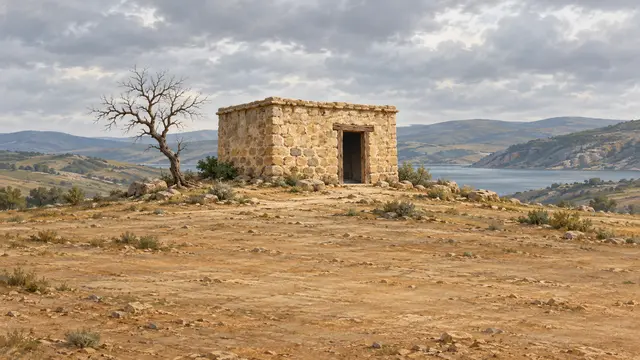
Then harm touched Ayyub, and he suffered hardship and pain.
Al-Anbiyaa 21:83
۞ وَأَيُّوبَ إِذْ نَادَىٰ رَبَّهُۥٓ أَنِّى مَسَّنِىَ ٱلضُّرُّ وَأَنتَ أَرْحَمُ ٱلرَّٰحِمِينَ٨٣
And [mention] Job, when he called to his Lord, "Indeed, adversity has touched me, and You are the most merciful of the merciful." (83)
Al-Anbiyaa 21:83 · Saheeh International Saad 38:41
وَٱذْكُرْ عَبْدَنَآ أَيُّوبَ إِذْ نَادَىٰ رَبَّهُۥٓ أَنِّى مَسَّنِىَ ٱلشَّيْطَـٰنُ بِنُصْبٍ وَعَذَابٍ٤١
And remember Our servant Job, when he called to his Lord, "Indeed, Satan has touched me with hardship and torment." (41)
Saad 38:41 · Saheeh International - Ibn Kathir, Qasas al-Anbiya 1/361 (opens in a new tab)

Ayyub called on his Lord. He told Him that harm had touched him, and that He is the Most Merciful of all who show mercy.
Al-Anbiyaa 21:83
۞ وَأَيُّوبَ إِذْ نَادَىٰ رَبَّهُۥٓ أَنِّى مَسَّنِىَ ٱلضُّرُّ وَأَنتَ أَرْحَمُ ٱلرَّٰحِمِينَ٨٣
And [mention] Job, when he called to his Lord, "Indeed, adversity has touched me, and You are the most merciful of the merciful." (83)
Al-Anbiyaa 21:83 · Saheeh International Saad 38:41
وَٱذْكُرْ عَبْدَنَآ أَيُّوبَ إِذْ نَادَىٰ رَبَّهُۥٓ أَنِّى مَسَّنِىَ ٱلشَّيْطَـٰنُ بِنُصْبٍ وَعَذَابٍ٤١
And remember Our servant Job, when he called to his Lord, "Indeed, Satan has touched me with hardship and torment." (41)
Saad 38:41 · Saheeh International - Ibn Kathir, Qasas al-Anbiya 1/361 (opens in a new tab)
Allah answered him and told him to strike the ground with his foot. There was cool water for him to wash with and to drink.
Al-Anbiyaa 21:84
فَٱسْتَجَبْنَا لَهُۥ فَكَشَفْنَا مَا بِهِۦ مِن ضُرٍّ ۖ وَءَاتَيْنَـٰهُ أَهْلَهُۥ وَمِثْلَهُم مَّعَهُمْ رَحْمَةً مِّنْ عِندِنَا وَذِكْرَىٰ لِلْعَـٰبِدِينَ٨٤
So We responded to him and removed what afflicted him of adversity. And We gave him [back] his family and the like thereof with them as mercy from Us and a reminder for the worshippers [of Allāh]. (84)
Al-Anbiyaa 21:84 · Saheeh International Saad 38:42
ٱرْكُضْ بِرِجْلِكَ ۖ هَـٰذَا مُغْتَسَلٌۢ بَارِدٌ وَشَرَابٌ٤٢
[So he was told], "Strike [the ground] with your foot; this is a [spring for a] cool bath and drink." (42)
Saad 38:42 · Saheeh International - Ibn Kathir, Qasas al-Anbiya 1/361 (opens in a new tab)

Allah removed the harm from him and gave him his family, and as many again with them: a mercy from Him, and a reminder for everyone who worships Allah.
Al-Anbiyaa 21:84
فَٱسْتَجَبْنَا لَهُۥ فَكَشَفْنَا مَا بِهِۦ مِن ضُرٍّ ۖ وَءَاتَيْنَـٰهُ أَهْلَهُۥ وَمِثْلَهُم مَّعَهُمْ رَحْمَةً مِّنْ عِندِنَا وَذِكْرَىٰ لِلْعَـٰبِدِينَ٨٤
So We responded to him and removed what afflicted him of adversity. And We gave him [back] his family and the like thereof with them as mercy from Us and a reminder for the worshippers [of Allāh]. (84)
Al-Anbiyaa 21:84 · Saheeh International Saad 38:43
وَوَهَبْنَا لَهُۥٓ أَهْلَهُۥ وَمِثْلَهُم مَّعَهُمْ رَحْمَةً مِّنَّا وَذِكْرَىٰ لِأُو۟لِى ٱلْأَلْبَـٰبِ٤٣
And We granted him his family and a like [number] with them as mercy from Us and a reminder for those of understanding. (43)
Saad 38:43 · Saheeh International - Ibn Kathir, Qasas al-Anbiya 1/361 (opens in a new tab)
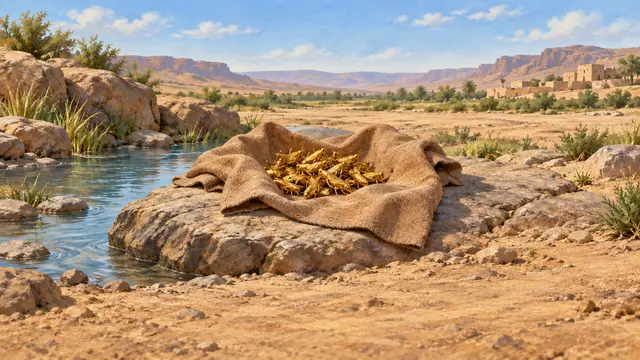
Once, while Ayyub was washing, golden locusts fell on him, and he began gathering them into his garment.

His Lord called: "Did I not make you rich enough to need none of what you see?" He said: "Yes, my Lord, but I can never do without Your blessing."
What we learn
When harm touches us, we call on Allah: He is the Most Merciful of all
Sources
Al-Anbiyaa 21:83–84
۞ وَأَيُّوبَ إِذْ نَادَىٰ رَبَّهُۥٓ أَنِّى مَسَّنِىَ ٱلضُّرُّ وَأَنتَ أَرْحَمُ ٱلرَّٰحِمِينَ٨٣ فَٱسْتَجَبْنَا لَهُۥ فَكَشَفْنَا مَا بِهِۦ مِن ضُرٍّ ۖ وَءَاتَيْنَـٰهُ أَهْلَهُۥ وَمِثْلَهُم مَّعَهُمْ رَحْمَةً مِّنْ عِندِنَا وَذِكْرَىٰ لِلْعَـٰبِدِينَ٨٤
And [mention] Job, when he called to his Lord, "Indeed, adversity has touched me, and You are the most merciful of the merciful." (83) So We responded to him and removed what afflicted him of adversity. And We gave him [back] his family and the like thereof with them as mercy from Us and a reminder for the worshippers [of Allāh]. (84)
Al-Anbiyaa 21:83–84 · Saheeh International
Ayyub's story is a reminder for everyone who worships Allah
Sources
Al-Anbiyaa 21:84
فَٱسْتَجَبْنَا لَهُۥ فَكَشَفْنَا مَا بِهِۦ مِن ضُرٍّ ۖ وَءَاتَيْنَـٰهُ أَهْلَهُۥ وَمِثْلَهُم مَّعَهُمْ رَحْمَةً مِّنْ عِندِنَا وَذِكْرَىٰ لِلْعَـٰبِدِينَ٨٤
So We responded to him and removed what afflicted him of adversity. And We gave him [back] his family and the like thereof with them as mercy from Us and a reminder for the worshippers [of Allāh]. (84)
Al-Anbiyaa 21:84 · Saheeh International Saad 38:43
وَوَهَبْنَا لَهُۥٓ أَهْلَهُۥ وَمِثْلَهُم مَّعَهُمْ رَحْمَةً مِّنَّا وَذِكْرَىٰ لِأُو۟لِى ٱلْأَلْبَـٰبِ٤٣
And We granted him his family and a like [number] with them as mercy from Us and a reminder for those of understanding. (43)
Saad 38:43 · Saheeh International
We can never do without Allah's blessing
The full chapter
Simplified from Ibn Kathir's Stories of the Prophets. Every paragraph shows its sources.
His lineage and his mention in the Qur'an
Ibn Ishaq said that Ayyub (Job), peace be upon him, was a man of al-Rum.
He is one of the prophets whom the Qur'an names as receiving revelation.
Sources
An-Nisaa 4:163
۞ إِنَّآ أَوْحَيْنَآ إِلَيْكَ كَمَآ أَوْحَيْنَآ إِلَىٰ نُوحٍ وَٱلنَّبِيِّـۧنَ مِنۢ بَعْدِهِۦ ۚ وَأَوْحَيْنَآ إِلَىٰٓ إِبْرَٰهِيمَ وَإِسْمَـٰعِيلَ وَإِسْحَـٰقَ وَيَعْقُوبَ وَٱلْأَسْبَاطِ وَعِيسَىٰ وَأَيُّوبَ وَيُونُسَ وَهَـٰرُونَ وَسُلَيْمَـٰنَ ۚ وَءَاتَيْنَا دَاوُۥدَ زَبُورًا١٦٣
Indeed, We have revealed to you, [O Muḥammad], as We revealed to Noah and the prophets after him. And We revealed to Abraham, Ishmael, Isaac, Jacob, the Descendants,[235] Jesus, Job, Jonah, Aaron, and Solomon; and to David We gave the book [of Psalms]. (163)
Translation notes
[235] Al-Asbāṭ. See footnote to 2:136.An-Nisaa 4:163 · Saheeh International
In Surah al-An'am, Allah names him among the descendants of a prophet before him. Ibn Kathir says 'his' in 'his descendants' refers to Ibrahim (Abraham), peace be upon him: the better-known view, and the correct one in his judgement, so Ayyub is of Ibrahim's offspring. Others say it refers to Nuh (Noah), peace be upon him, because Lut (Lot), peace be upon him, is named in the same verses and is not Ibrahim's descendant. On either view, Ayyub descends from Nuh.
Sources
Al-An'aam 6:84
وَوَهَبْنَا لَهُۥٓ إِسْحَـٰقَ وَيَعْقُوبَ ۚ كُلًّا هَدَيْنَا ۚ وَنُوحًا هَدَيْنَا مِن قَبْلُ ۖ وَمِن ذُرِّيَّتِهِۦ دَاوُۥدَ وَسُلَيْمَـٰنَ وَأَيُّوبَ وَيُوسُفَ وَمُوسَىٰ وَهَـٰرُونَ ۚ وَكَذَٰلِكَ نَجْزِى ٱلْمُحْسِنِينَ٨٤
And We gave to him [i.e., Abraham] Isaac and Jacob - all [of them] We guided. And Noah, We guided before; and among his descendants, David and Solomon and Job and Joseph and Moses and Aaron. Thus do We reward the doers of good. (84)
Al-An'aam 6:84 · Saheeh International Al-An'aam 6:86
وَإِسْمَـٰعِيلَ وَٱلْيَسَعَ وَيُونُسَ وَلُوطًا ۚ وَكُلًّا فَضَّلْنَا عَلَى ٱلْعَـٰلَمِينَ٨٦
And Ishmael and Elisha and Jonah and Lot - and all [of them] We preferred over the worlds. (86)
Al-An'aam 6:86 · Saheeh International - Ibn Kathir, Qasas al-Anbiya 1/360 (opens in a new tab)
- Ibn Kathir, Qasas al-Anbiya 1/232 (opens in a new tab)
Ibn Kathir tells Ayyub's story after that of Yusuf (Joseph), peace be upon him, because in the better-known report Ayyub's wife was a descendant of Yusuf. In al-Kalbi's order of the prophets, reported by Ibn 'Asakir, Ayyub comes last, after Musa (Moses), Harun (Aaron), Ilyas (Elijah), al-Yasa' (Elisha) and Yunus (Jonah), peace be upon them. Ibn Kathir says part of that order is doubtful.
۞ إِنَّآ أَوْحَيْنَآ إِلَيْكَ كَمَآ أَوْحَيْنَآ إِلَىٰ نُوحٍ وَٱلنَّبِيِّـۧنَ مِنۢ بَعْدِهِۦ ۚ وَأَوْحَيْنَآ إِلَىٰٓ إِبْرَٰهِيمَ وَإِسْمَـٰعِيلَ وَإِسْحَـٰقَ وَيَعْقُوبَ وَٱلْأَسْبَاطِ وَعِيسَىٰ وَأَيُّوبَ وَيُونُسَ وَهَـٰرُونَ وَسُلَيْمَـٰنَ ۚ وَءَاتَيْنَا دَاوُۥدَ زَبُورًا١٦٣ Indeed, We have revealed to you, [O Muḥammad], as We revealed to Noah and the prophets after him. And We revealed to Abraham, Ishmael, Isaac, Jacob, the Descendants,[235] Jesus, Job, Jonah, Aaron, and Solomon; and to David We gave the book [of Psalms]. (163) Translation notes
[235] Al-Asbāṭ. See footnote to 2:136.His story in the Qur'an
In Surah al-Anbiya, Allah tells that Ayyub called to his Lord that adversity had touched him and that He is the Most Merciful of the merciful. Allah answered him, removed the adversity from him, and gave him his family and the like of them with them, as mercy from Him and a reminder for the worshippers.
Sources
Al-Anbiyaa 21:83–84
۞ وَأَيُّوبَ إِذْ نَادَىٰ رَبَّهُۥٓ أَنِّى مَسَّنِىَ ٱلضُّرُّ وَأَنتَ أَرْحَمُ ٱلرَّٰحِمِينَ٨٣ فَٱسْتَجَبْنَا لَهُۥ فَكَشَفْنَا مَا بِهِۦ مِن ضُرٍّ ۖ وَءَاتَيْنَـٰهُ أَهْلَهُۥ وَمِثْلَهُم مَّعَهُمْ رَحْمَةً مِّنْ عِندِنَا وَذِكْرَىٰ لِلْعَـٰبِدِينَ٨٤
And [mention] Job, when he called to his Lord, "Indeed, adversity has touched me, and You are the most merciful of the merciful." (83) So We responded to him and removed what afflicted him of adversity. And We gave him [back] his family and the like thereof with them as mercy from Us and a reminder for the worshippers [of Allāh]. (84)
Al-Anbiyaa 21:83–84 · Saheeh International - Ibn Kathir, Qasas al-Anbiya 1/361 (opens in a new tab)
In Surah Sad, Allah tells His Prophet ﷺ to remember His servant Ayyub, who called to his Lord that Satan had touched him with hardship and torment. He was told: strike the ground with your foot; here is cool water to bathe in and to drink. Allah granted him his family and as many again with them, as mercy from Him and a reminder for people of understanding, and told him to take a bunch in his hand, strike with it and not break his oath. Allah praised him: He found him patient, an excellent servant, one who kept turning back to Him.
Sources
Saad 38:41–44
وَٱذْكُرْ عَبْدَنَآ أَيُّوبَ إِذْ نَادَىٰ رَبَّهُۥٓ أَنِّى مَسَّنِىَ ٱلشَّيْطَـٰنُ بِنُصْبٍ وَعَذَابٍ٤١ ٱرْكُضْ بِرِجْلِكَ ۖ هَـٰذَا مُغْتَسَلٌۢ بَارِدٌ وَشَرَابٌ٤٢ وَوَهَبْنَا لَهُۥٓ أَهْلَهُۥ وَمِثْلَهُم مَّعَهُمْ رَحْمَةً مِّنَّا وَذِكْرَىٰ لِأُو۟لِى ٱلْأَلْبَـٰبِ٤٣ وَخُذْ بِيَدِكَ ضِغْثًا فَٱضْرِب بِّهِۦ وَلَا تَحْنَثْ ۗ إِنَّا وَجَدْنَـٰهُ صَابِرًا ۚ نِّعْمَ ٱلْعَبْدُ ۖ إِنَّهُۥٓ أَوَّابٌ٤٤
And remember Our servant Job, when he called to his Lord, "Indeed, Satan has touched me with hardship and torment." (41) [So he was told], "Strike [the ground] with your foot; this is a [spring for a] cool bath and drink." (42) And We granted him his family and a like [number] with them as mercy from Us and a reminder for those of understanding. (43) [We said], "And take in your hand a bunch [of grass] and strike with it and do not break your oath."[1329] Indeed, We found him patient, an excellent servant. Indeed, he was one repeatedly turning back [to Allāh]. (44)
Translation notes
[1329] At a point during his illness, Job became angry with his wife and swore that if he recovered, he would punish her with one hundred lashes. According to Allāh's instruction, the oath was fulfilled by striking her once with one hundred blades of grass.Saad 38:41–44 · Saheeh International - Ibn Kathir, Qasas al-Anbiya 1/361 (opens in a new tab)
۞ وَأَيُّوبَ إِذْ نَادَىٰ رَبَّهُۥٓ أَنِّى مَسَّنِىَ ٱلضُّرُّ وَأَنتَ أَرْحَمُ ٱلرَّٰحِمِينَ٨٣ فَٱسْتَجَبْنَا لَهُۥ فَكَشَفْنَا مَا بِهِۦ مِن ضُرٍّ ۖ وَءَاتَيْنَـٰهُ أَهْلَهُۥ وَمِثْلَهُم مَّعَهُمْ رَحْمَةً مِّنْ عِندِنَا وَذِكْرَىٰ لِلْعَـٰبِدِينَ٨٤ And [mention] Job, when he called to his Lord, "Indeed, adversity has touched me, and You are the most merciful of the merciful." (83) So We responded to him and removed what afflicted him of adversity. And We gave him [back] his family and the like thereof with them as mercy from Us and a reminder for the worshippers [of Allāh]. (84) وَٱذْكُرْ عَبْدَنَآ أَيُّوبَ إِذْ نَادَىٰ رَبَّهُۥٓ أَنِّى مَسَّنِىَ ٱلشَّيْطَـٰنُ بِنُصْبٍ وَعَذَابٍ٤١ ٱرْكُضْ بِرِجْلِكَ ۖ هَـٰذَا مُغْتَسَلٌۢ بَارِدٌ وَشَرَابٌ٤٢ وَوَهَبْنَا لَهُۥٓ أَهْلَهُۥ وَمِثْلَهُم مَّعَهُمْ رَحْمَةً مِّنَّا وَذِكْرَىٰ لِأُو۟لِى ٱلْأَلْبَـٰبِ٤٣ And remember Our servant Job, when he called to his Lord, "Indeed, Satan has touched me with hardship and torment." (41) [So he was told], "Strike [the ground] with your foot; this is a [spring for a] cool bath and drink." (42) And We granted him his family and a like [number] with them as mercy from Us and a reminder for those of understanding. (43) His trial and his patience
Scholars of tafsir and history said that Ayyub was very wealthy, with livestock, enslaved people and herds, and wide lands in al-Bathaniyya in the land of Hawran, and that he had many children and family. All of it was taken from him, and he was tested in his body with many kinds of affliction. Through it all he was patient and hoped for Allah's reward, remembering Allah night and day, morning and evening.
His illness lasted long, and people cut themselves off from him. No one stayed kind to him except his wife: she kept faith with him, remembering his past kindness to her, and came to look after him. Her own state weakened and her money ran low, until she worked for people for wages to feed him, patient with him through the loss of wealth and children.
Here Ibn Kathir cites a hadith that he says is established in the Sahih: the Prophet ﷺ said that the people tested most severely are the prophets, then the best, then the next best, and that a man is tested according to his religion: if his religion is firm, his trial is increased. Al-Tirmidhi reports it and calls it hasan sahih.
Sources
- Jami' at-Tirmidhi 2398 (opens in a new tab)Grading: al-Tirmidhi (awaiting the scholar's confirmation)
- Ibn Kathir, Qasas al-Anbiya 1/362 (opens in a new tab)
All this only increased Ayyub in patience, hope of reward, praise and thanks, until his patience became proverbial, and so did the trials that befell him.
Ibn Kathir mentions a long account, reported from Wahb ibn Munabbih and other scholars of the Children of Israel, of how Ayyub lost his wealth, his children and his health, and says: 'Allah knows best whether it is true.' So its details are not given here.
His healing
Allah's command to 'strike with your foot' means to strike the ground with it. Ayyub obeyed, and Allah made a spring of cold water gush out for him. He was told to bathe in it and drink from it, and Allah removed the pain, harm, sickness and disease in his body, outside and inside. After all that, Allah gave him health outside and inside, full good looks and much wealth.
Sources
Saad 38:42
ٱرْكُضْ بِرِجْلِكَ ۖ هَـٰذَا مُغْتَسَلٌۢ بَارِدٌ وَشَرَابٌ٤٢
[So he was told], "Strike [the ground] with your foot; this is a [spring for a] cool bath and drink." (42)
Saad 38:42 · Saheeh International - Ibn Kathir, Qasas al-Anbiya 1/367 (opens in a new tab)
Al-Bukhari reports that the Prophet ﷺ said: while Ayyub was bathing, golden locusts fell on him, and he began gathering them into his garment. His Lord called him: 'Did I not make you rich enough to need none of what you see?' He said: 'Yes, my Lord, but I can never do without Your blessing.'
On Allah's words that He gave Ayyub his family and the like of them with them, Ibn Kathir gives two views: that Allah brought the same people back to life; or that He rewarded him for those who had died, gave him others in their place in this world, and will reunite him with all of them in the Hereafter.
Sources
Al-Anbiyaa 21:84
فَٱسْتَجَبْنَا لَهُۥ فَكَشَفْنَا مَا بِهِۦ مِن ضُرٍّ ۖ وَءَاتَيْنَـٰهُ أَهْلَهُۥ وَمِثْلَهُم مَّعَهُمْ رَحْمَةً مِّنْ عِندِنَا وَذِكْرَىٰ لِلْعَـٰبِدِينَ٨٤
So We responded to him and removed what afflicted him of adversity. And We gave him [back] his family and the like thereof with them as mercy from Us and a reminder for the worshippers [of Allāh]. (84)
Al-Anbiyaa 21:84 · Saheeh International Saad 38:43
وَوَهَبْنَا لَهُۥٓ أَهْلَهُۥ وَمِثْلَهُم مَّعَهُمْ رَحْمَةً مِّنَّا وَذِكْرَىٰ لِأُو۟لِى ٱلْأَلْبَـٰبِ٤٣
And We granted him his family and a like [number] with them as mercy from Us and a reminder for those of understanding. (43)
Saad 38:43 · Saheeh International - Ibn Kathir, Qasas al-Anbiya 1/367 (opens in a new tab)
'As mercy from Us' means: We lifted his hardship and removed his harm out of mercy, kindness and goodness to him. 'A reminder for the worshippers' means a reminder for anyone tested in body, wealth or children: they have a model in Allah's prophet Ayyub, whom Allah tested with more than that, and who was patient and hoped for reward until Allah relieved him.
Sources
Al-Anbiyaa 21:84
فَٱسْتَجَبْنَا لَهُۥ فَكَشَفْنَا مَا بِهِۦ مِن ضُرٍّ ۖ وَءَاتَيْنَـٰهُ أَهْلَهُۥ وَمِثْلَهُم مَّعَهُمْ رَحْمَةً مِّنْ عِندِنَا وَذِكْرَىٰ لِلْعَـٰبِدِينَ٨٤
So We responded to him and removed what afflicted him of adversity. And We gave him [back] his family and the like thereof with them as mercy from Us and a reminder for the worshippers [of Allāh]. (84)
Al-Anbiyaa 21:84 · Saheeh International - Ibn Kathir, Qasas al-Anbiya 1/367–368 (opens in a new tab)
ٱرْكُضْ بِرِجْلِكَ ۖ هَـٰذَا مُغْتَسَلٌۢ بَارِدٌ وَشَرَابٌ٤٢ [So he was told], "Strike [the ground] with your foot; this is a [spring for a] cool bath and drink." (42) The concession about his oath
Allah's command to take a bunch in his hand, strike with it and not break his oath was a concession to His servant and messenger Ayyub about an oath he had sworn to strike his wife a hundred lashes. When Allah healed him, He instructed him to take a bunch, like a date-cluster stalk that holds many twigs, and strike her with it once; this counted as a hundred strokes, so he kept his oath. Ibn Kathir says this is relief and a way out for whoever fears Allah and obeys Him, especially for his wife, who was patient, hoped for reward, and was truthful and dutiful; that is why Allah followed the concession with His praise: He found him patient, an excellent servant, one who kept turning back to Him.
Sources
Saad 38:44
وَخُذْ بِيَدِكَ ضِغْثًا فَٱضْرِب بِّهِۦ وَلَا تَحْنَثْ ۗ إِنَّا وَجَدْنَـٰهُ صَابِرًا ۚ نِّعْمَ ٱلْعَبْدُ ۖ إِنَّهُۥٓ أَوَّابٌ٤٤
[We said], "And take in your hand a bunch [of grass] and strike with it and do not break your oath."[1329] Indeed, We found him patient, an excellent servant. Indeed, he was one repeatedly turning back [to Allāh]. (44)
Translation notes
[1329] At a point during his illness, Job became angry with his wife and swore that if he recovered, he would punish her with one hundred lashes. According to Allāh's instruction, the oath was fulfilled by striking her once with one hundred blades of grass.Saad 38:44 · Saheeh International - Ibn Kathir, Qasas al-Anbiya 1/368–369 (opens in a new tab)
Many jurists applied this concession to oaths and vows. Others stretched it so far that they wrote books of legal devices for escaping oaths, opening them with this verse and filling them with strange things.
His death
Ibn Jarir and other historians said that Ayyub was ninety-three when he died; others said he lived longer.
Many people claim that his son was Dhul-Kifl, peace be upon him, and Allah knows best. That is why Ibn Kathir tells Dhul-Kifl's story after Ayyub's: because it was said that he was his son.
Sources on this page
Qur'an
- An-Nisaa
4:163
۞ إِنَّآ أَوْحَيْنَآ إِلَيْكَ كَمَآ أَوْحَيْنَآ إِلَىٰ نُوحٍ وَٱلنَّبِيِّـۧنَ مِنۢ بَعْدِهِۦ ۚ وَأَوْحَيْنَآ إِلَىٰٓ إِبْرَٰهِيمَ وَإِسْمَـٰعِيلَ وَإِسْحَـٰقَ وَيَعْقُوبَ وَٱلْأَسْبَاطِ وَعِيسَىٰ وَأَيُّوبَ وَيُونُسَ وَهَـٰرُونَ وَسُلَيْمَـٰنَ ۚ وَءَاتَيْنَا دَاوُۥدَ زَبُورًا١٦٣
Indeed, We have revealed to you, [O Muḥammad], as We revealed to Noah and the prophets after him. And We revealed to Abraham, Ishmael, Isaac, Jacob, the Descendants,[235] Jesus, Job, Jonah, Aaron, and Solomon; and to David We gave the book [of Psalms]. (163)
Translation notes
[235] Al-Asbāṭ. See footnote to 2:136.An-Nisaa 4:163 · Saheeh International - Al-An'aam
6:84
وَوَهَبْنَا لَهُۥٓ إِسْحَـٰقَ وَيَعْقُوبَ ۚ كُلًّا هَدَيْنَا ۚ وَنُوحًا هَدَيْنَا مِن قَبْلُ ۖ وَمِن ذُرِّيَّتِهِۦ دَاوُۥدَ وَسُلَيْمَـٰنَ وَأَيُّوبَ وَيُوسُفَ وَمُوسَىٰ وَهَـٰرُونَ ۚ وَكَذَٰلِكَ نَجْزِى ٱلْمُحْسِنِينَ٨٤
And We gave to him [i.e., Abraham] Isaac and Jacob - all [of them] We guided. And Noah, We guided before; and among his descendants, David and Solomon and Job and Joseph and Moses and Aaron. Thus do We reward the doers of good. (84)
Al-An'aam 6:84 · Saheeh International 6:86
وَإِسْمَـٰعِيلَ وَٱلْيَسَعَ وَيُونُسَ وَلُوطًا ۚ وَكُلًّا فَضَّلْنَا عَلَى ٱلْعَـٰلَمِينَ٨٦
And Ishmael and Elisha and Jonah and Lot - and all [of them] We preferred over the worlds. (86)
Al-An'aam 6:86 · Saheeh International - Al-Anbiyaa
21:83
۞ وَأَيُّوبَ إِذْ نَادَىٰ رَبَّهُۥٓ أَنِّى مَسَّنِىَ ٱلضُّرُّ وَأَنتَ أَرْحَمُ ٱلرَّٰحِمِينَ٨٣
And [mention] Job, when he called to his Lord, "Indeed, adversity has touched me, and You are the most merciful of the merciful." (83)
Al-Anbiyaa 21:83 · Saheeh International 21:83–84
۞ وَأَيُّوبَ إِذْ نَادَىٰ رَبَّهُۥٓ أَنِّى مَسَّنِىَ ٱلضُّرُّ وَأَنتَ أَرْحَمُ ٱلرَّٰحِمِينَ٨٣ فَٱسْتَجَبْنَا لَهُۥ فَكَشَفْنَا مَا بِهِۦ مِن ضُرٍّ ۖ وَءَاتَيْنَـٰهُ أَهْلَهُۥ وَمِثْلَهُم مَّعَهُمْ رَحْمَةً مِّنْ عِندِنَا وَذِكْرَىٰ لِلْعَـٰبِدِينَ٨٤
And [mention] Job, when he called to his Lord, "Indeed, adversity has touched me, and You are the most merciful of the merciful." (83) So We responded to him and removed what afflicted him of adversity. And We gave him [back] his family and the like thereof with them as mercy from Us and a reminder for the worshippers [of Allāh]. (84)
Al-Anbiyaa 21:83–84 · Saheeh International 21:84
فَٱسْتَجَبْنَا لَهُۥ فَكَشَفْنَا مَا بِهِۦ مِن ضُرٍّ ۖ وَءَاتَيْنَـٰهُ أَهْلَهُۥ وَمِثْلَهُم مَّعَهُمْ رَحْمَةً مِّنْ عِندِنَا وَذِكْرَىٰ لِلْعَـٰبِدِينَ٨٤
So We responded to him and removed what afflicted him of adversity. And We gave him [back] his family and the like thereof with them as mercy from Us and a reminder for the worshippers [of Allāh]. (84)
Al-Anbiyaa 21:84 · Saheeh International - Saad
38:41
وَٱذْكُرْ عَبْدَنَآ أَيُّوبَ إِذْ نَادَىٰ رَبَّهُۥٓ أَنِّى مَسَّنِىَ ٱلشَّيْطَـٰنُ بِنُصْبٍ وَعَذَابٍ٤١
And remember Our servant Job, when he called to his Lord, "Indeed, Satan has touched me with hardship and torment." (41)
Saad 38:41 · Saheeh International 38:41–43
وَٱذْكُرْ عَبْدَنَآ أَيُّوبَ إِذْ نَادَىٰ رَبَّهُۥٓ أَنِّى مَسَّنِىَ ٱلشَّيْطَـٰنُ بِنُصْبٍ وَعَذَابٍ٤١ ٱرْكُضْ بِرِجْلِكَ ۖ هَـٰذَا مُغْتَسَلٌۢ بَارِدٌ وَشَرَابٌ٤٢ وَوَهَبْنَا لَهُۥٓ أَهْلَهُۥ وَمِثْلَهُم مَّعَهُمْ رَحْمَةً مِّنَّا وَذِكْرَىٰ لِأُو۟لِى ٱلْأَلْبَـٰبِ٤٣
And remember Our servant Job, when he called to his Lord, "Indeed, Satan has touched me with hardship and torment." (41) [So he was told], "Strike [the ground] with your foot; this is a [spring for a] cool bath and drink." (42) And We granted him his family and a like [number] with them as mercy from Us and a reminder for those of understanding. (43)
Saad 38:41–43 · Saheeh International 38:41–44
وَٱذْكُرْ عَبْدَنَآ أَيُّوبَ إِذْ نَادَىٰ رَبَّهُۥٓ أَنِّى مَسَّنِىَ ٱلشَّيْطَـٰنُ بِنُصْبٍ وَعَذَابٍ٤١ ٱرْكُضْ بِرِجْلِكَ ۖ هَـٰذَا مُغْتَسَلٌۢ بَارِدٌ وَشَرَابٌ٤٢ وَوَهَبْنَا لَهُۥٓ أَهْلَهُۥ وَمِثْلَهُم مَّعَهُمْ رَحْمَةً مِّنَّا وَذِكْرَىٰ لِأُو۟لِى ٱلْأَلْبَـٰبِ٤٣ وَخُذْ بِيَدِكَ ضِغْثًا فَٱضْرِب بِّهِۦ وَلَا تَحْنَثْ ۗ إِنَّا وَجَدْنَـٰهُ صَابِرًا ۚ نِّعْمَ ٱلْعَبْدُ ۖ إِنَّهُۥٓ أَوَّابٌ٤٤
And remember Our servant Job, when he called to his Lord, "Indeed, Satan has touched me with hardship and torment." (41) [So he was told], "Strike [the ground] with your foot; this is a [spring for a] cool bath and drink." (42) And We granted him his family and a like [number] with them as mercy from Us and a reminder for those of understanding. (43) [We said], "And take in your hand a bunch [of grass] and strike with it and do not break your oath."[1329] Indeed, We found him patient, an excellent servant. Indeed, he was one repeatedly turning back [to Allāh]. (44)
Translation notes
[1329] At a point during his illness, Job became angry with his wife and swore that if he recovered, he would punish her with one hundred lashes. According to Allāh's instruction, the oath was fulfilled by striking her once with one hundred blades of grass.Saad 38:41–44 · Saheeh International 38:42
ٱرْكُضْ بِرِجْلِكَ ۖ هَـٰذَا مُغْتَسَلٌۢ بَارِدٌ وَشَرَابٌ٤٢
[So he was told], "Strike [the ground] with your foot; this is a [spring for a] cool bath and drink." (42)
Saad 38:42 · Saheeh International 38:43
وَوَهَبْنَا لَهُۥٓ أَهْلَهُۥ وَمِثْلَهُم مَّعَهُمْ رَحْمَةً مِّنَّا وَذِكْرَىٰ لِأُو۟لِى ٱلْأَلْبَـٰبِ٤٣
And We granted him his family and a like [number] with them as mercy from Us and a reminder for those of understanding. (43)
Saad 38:43 · Saheeh International 38:44
وَخُذْ بِيَدِكَ ضِغْثًا فَٱضْرِب بِّهِۦ وَلَا تَحْنَثْ ۗ إِنَّا وَجَدْنَـٰهُ صَابِرًا ۚ نِّعْمَ ٱلْعَبْدُ ۖ إِنَّهُۥٓ أَوَّابٌ٤٤
[We said], "And take in your hand a bunch [of grass] and strike with it and do not break your oath."[1329] Indeed, We found him patient, an excellent servant. Indeed, he was one repeatedly turning back [to Allāh]. (44)
Translation notes
[1329] At a point during his illness, Job became angry with his wife and swore that if he recovered, he would punish her with one hundred lashes. According to Allāh's instruction, the oath was fulfilled by striking her once with one hundred blades of grass.Saad 38:44 · Saheeh International
Hadith
- Sahih al-Bukhari 3391 (opens in a new tab)
- Sahih al-Bukhari 279 (opens in a new tab)
- Sahih al-Bukhari 7493 (opens in a new tab)
- Jami' at-Tirmidhi 2398 (opens in a new tab)Grading: al-Tirmidhi (awaiting the scholar's confirmation)
Ibn Kathir, Qasas al-Anbiya
1/232 (opens in a new tab)1/360 (opens in a new tab)1/361 (opens in a new tab)1/361–362 (opens in a new tab)1/362 (opens in a new tab)1/362–363 (opens in a new tab)1/363 (opens in a new tab)1/367 (opens in a new tab)1/367–368 (opens in a new tab)1/368–369 (opens in a new tab)1/369 (opens in a new tab)2/253 (opens in a new tab)
- Qur'an text: Tanzil Project (tanzil.net), Uthmani script, CC BY 3.0, reproduced without any change.
- English meanings of the Qur'an: Saheeh International, issued by Noor International Center, from QuranEnc.com, version 1.1.2.
- Hadith numbers follow sunnah.com; their wording is checked against the open hadith-api dataset (public domain).
- Ibn Kathir, Qasas al-Anbiya, edited by Mustafa Abdul-Wahid, Cairo 1968; and his al-Sira al-Nabawiyya, edited by Mustafa Abdul-Wahid, Cairo 1395 AH/1976 CE, four volumes, for the story of Muhammad ﷺ. Page links go to shamela.ws.