
Yusuf (Joseph) peace be upon him
Draft for review: not yet checked by a scholar.
He was patient and feared Allah; Allah established him in the land, and he forgave his brothers
Sources
Yusuf 12:90
قَالُوٓا۟ أَءِنَّكَ لَأَنتَ يُوسُفُ ۖ قَالَ أَنَا۠ يُوسُفُ وَهَـٰذَآ أَخِى ۖ قَدْ مَنَّ ٱللَّهُ عَلَيْنَآ ۖ إِنَّهُۥ مَن يَتَّقِ وَيَصْبِرْ فَإِنَّ ٱللَّهَ لَا يُضِيعُ أَجْرَ ٱلْمُحْسِنِينَ٩٠
They said, "Are you indeed Joseph?" He said, "I am Joseph, and this is my brother. Allāh has certainly favored us. Indeed, he who fears Allāh and is patient, then indeed, Allāh does not allow to be lost the reward of those who do good." (90)
Yusuf 12:90 · Saheeh International Yusuf 12:56
وَكَذَٰلِكَ مَكَّنَّا لِيُوسُفَ فِى ٱلْأَرْضِ يَتَبَوَّأُ مِنْهَا حَيْثُ يَشَآءُ ۚ نُصِيبُ بِرَحْمَتِنَا مَن نَّشَآءُ ۖ وَلَا نُضِيعُ أَجْرَ ٱلْمُحْسِنِينَ٥٦
And thus We established Joseph in the land to settle therein wherever he willed. We touch with Our mercy whom We will, and We do not allow to be lost the reward of those who do good. (56)
Yusuf 12:56 · Saheeh International Yusuf 12:92
قَالَ لَا تَثْرِيبَ عَلَيْكُمُ ٱلْيَوْمَ ۖ يَغْفِرُ ٱللَّهُ لَكُمْ ۖ وَهُوَ أَرْحَمُ ٱلرَّٰحِمِينَ٩٢
He said, "No blame will there be upon you today. May Allāh forgive you; and He is the most merciful of the merciful. (92)
Yusuf 12:92 · Saheeh International
In 10 seconds
His brothers plotted against Yusuf (Joseph), peace be upon him, and threw him into a well. Allah gave him power in Egypt; he forgave them and rejoined his family.
Sources
Yusuf 12:9–10
ٱقْتُلُوا۟ يُوسُفَ أَوِ ٱطْرَحُوهُ أَرْضًا يَخْلُ لَكُمْ وَجْهُ أَبِيكُمْ وَتَكُونُوا۟ مِنۢ بَعْدِهِۦ قَوْمًا صَـٰلِحِينَ٩ قَالَ قَآئِلٌ مِّنْهُمْ لَا تَقْتُلُوا۟ يُوسُفَ وَأَلْقُوهُ فِى غَيَـٰبَتِ ٱلْجُبِّ يَلْتَقِطْهُ بَعْضُ ٱلسَّيَّارَةِ إِن كُنتُمْ فَـٰعِلِينَ١٠
Kill Joseph or cast him out to [another] land; the countenance [i.e., attention] of your father will [then] be only for you, and you will be after that a righteous people."[586] (9) Said a speaker among them, "Do not kill Joseph but throw him into the bottom of the well; some travelers will pick him up - if you would do [something]." (10)
Translation notes
[586] i.e., You can repent thereafter.Yusuf 12:9–10 · Saheeh International Yusuf 12:15
فَلَمَّا ذَهَبُوا۟ بِهِۦ وَأَجْمَعُوٓا۟ أَن يَجْعَلُوهُ فِى غَيَـٰبَتِ ٱلْجُبِّ ۚ وَأَوْحَيْنَآ إِلَيْهِ لَتُنَبِّئَنَّهُم بِأَمْرِهِمْ هَـٰذَا وَهُمْ لَا يَشْعُرُونَ١٥
So when they took him [out] and agreed to put him into the bottom of the well...[587] But We inspired to him, "You will surely inform them [someday] about this affair of theirs while they do not perceive [your identity]." (15)
Translation notes
[587] The conclusion of this sentence is estimated to be "...they tormented him."Yusuf 12:15 · Saheeh International Yusuf 12:56
وَكَذَٰلِكَ مَكَّنَّا لِيُوسُفَ فِى ٱلْأَرْضِ يَتَبَوَّأُ مِنْهَا حَيْثُ يَشَآءُ ۚ نُصِيبُ بِرَحْمَتِنَا مَن نَّشَآءُ ۖ وَلَا نُضِيعُ أَجْرَ ٱلْمُحْسِنِينَ٥٦
And thus We established Joseph in the land to settle therein wherever he willed. We touch with Our mercy whom We will, and We do not allow to be lost the reward of those who do good. (56)
Yusuf 12:56 · Saheeh International Yusuf 12:92
قَالَ لَا تَثْرِيبَ عَلَيْكُمُ ٱلْيَوْمَ ۖ يَغْفِرُ ٱللَّهُ لَكُمْ ۖ وَهُوَ أَرْحَمُ ٱلرَّٰحِمِينَ٩٢
He said, "No blame will there be upon you today. May Allāh forgive you; and He is the most merciful of the merciful. (92)
Yusuf 12:92 · Saheeh International Yusuf 12:99–100
فَلَمَّا دَخَلُوا۟ عَلَىٰ يُوسُفَ ءَاوَىٰٓ إِلَيْهِ أَبَوَيْهِ وَقَالَ ٱدْخُلُوا۟ مِصْرَ إِن شَآءَ ٱللَّهُ ءَامِنِينَ٩٩ وَرَفَعَ أَبَوَيْهِ عَلَى ٱلْعَرْشِ وَخَرُّوا۟ لَهُۥ سُجَّدًا ۖ وَقَالَ يَـٰٓأَبَتِ هَـٰذَا تَأْوِيلُ رُءْيَـٰىَ مِن قَبْلُ قَدْ جَعَلَهَا رَبِّى حَقًّا ۖ وَقَدْ أَحْسَنَ بِىٓ إِذْ أَخْرَجَنِى مِنَ ٱلسِّجْنِ وَجَآءَ بِكُم مِّنَ ٱلْبَدْوِ مِنۢ بَعْدِ أَن نَّزَغَ ٱلشَّيْطَـٰنُ بَيْنِى وَبَيْنَ إِخْوَتِىٓ ۚ إِنَّ رَبِّى لَطِيفٌ لِّمَا يَشَآءُ ۚ إِنَّهُۥ هُوَ ٱلْعَلِيمُ ٱلْحَكِيمُ١٠٠
And when they entered upon Joseph, he took his parents to himself [i.e., embraced them] and said, "Enter Egypt, Allāh willing, safe [and secure]." (99) And he raised his parents upon the throne, and they bowed to him in prostration.[618] And he said, "O my father, this is the explanation of my vision of before. My Lord has made it reality. And He was certainly good to me when He took me out of prison and brought you [here] from bedouin life after Satan had induced [estrangement] between me and my brothers. Indeed, my Lord is Subtle[619] in what He wills. Indeed, it is He who is the Knowing, the Wise. (100)
Translation notes
[618] That of greeting and respect, which was lawful until the time of Prophet Muḥammad (ﷺ). Prostration to any person or object other than Allāh was then prohibited conclusively. [619] Perceptive of unapparent matters within which is benefit to His servants.Yusuf 12:99–100 · Saheeh International
Story in 1 minute
Read the story as a list
Yusuf, peace be upon him, dreamt that eleven stars, the sun and the moon bowed down to him. His father told him not to tell his dream to his brothers.
Yusuf 12:4–5
إِذْ قَالَ يُوسُفُ لِأَبِيهِ يَـٰٓأَبَتِ إِنِّى رَأَيْتُ أَحَدَ عَشَرَ كَوْكَبًا وَٱلشَّمْسَ وَٱلْقَمَرَ رَأَيْتُهُمْ لِى سَـٰجِدِينَ٤ قَالَ يَـٰبُنَىَّ لَا تَقْصُصْ رُءْيَاكَ عَلَىٰٓ إِخْوَتِكَ فَيَكِيدُوا۟ لَكَ كَيْدًا ۖ إِنَّ ٱلشَّيْطَـٰنَ لِلْإِنسَـٰنِ عَدُوٌّ مُّبِينٌ٥
[Of these stories mention] when Joseph said to his father,[584] "O my father, indeed I have seen [in a dream] eleven stars and the sun and the moon; I saw them prostrating to me." (4) He said, "O my son, do not relate your vision to your brothers or they will contrive against you a plan. Indeed Satan, to man, is a manifest enemy. (5)
Translation notes
[584] The prophet Jacob (upon whom be peace).Yusuf 12:4–5 · Saheeh International - Ibn Kathir, Qasas al-Anbiya 1/309–310 (opens in a new tab)
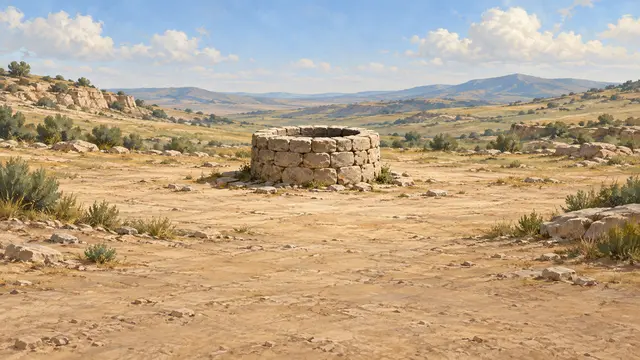
His brothers plotted against him and threw him down a well. Allah revealed to him that one day he would tell them of this.
Yusuf 12:9–10
ٱقْتُلُوا۟ يُوسُفَ أَوِ ٱطْرَحُوهُ أَرْضًا يَخْلُ لَكُمْ وَجْهُ أَبِيكُمْ وَتَكُونُوا۟ مِنۢ بَعْدِهِۦ قَوْمًا صَـٰلِحِينَ٩ قَالَ قَآئِلٌ مِّنْهُمْ لَا تَقْتُلُوا۟ يُوسُفَ وَأَلْقُوهُ فِى غَيَـٰبَتِ ٱلْجُبِّ يَلْتَقِطْهُ بَعْضُ ٱلسَّيَّارَةِ إِن كُنتُمْ فَـٰعِلِينَ١٠
Kill Joseph or cast him out to [another] land; the countenance [i.e., attention] of your father will [then] be only for you, and you will be after that a righteous people."[586] (9) Said a speaker among them, "Do not kill Joseph but throw him into the bottom of the well; some travelers will pick him up - if you would do [something]." (10)
Translation notes
[586] i.e., You can repent thereafter.Yusuf 12:9–10 · Saheeh International Yusuf 12:15
فَلَمَّا ذَهَبُوا۟ بِهِۦ وَأَجْمَعُوٓا۟ أَن يَجْعَلُوهُ فِى غَيَـٰبَتِ ٱلْجُبِّ ۚ وَأَوْحَيْنَآ إِلَيْهِ لَتُنَبِّئَنَّهُم بِأَمْرِهِمْ هَـٰذَا وَهُمْ لَا يَشْعُرُونَ١٥
So when they took him [out] and agreed to put him into the bottom of the well...[587] But We inspired to him, "You will surely inform them [someday] about this affair of theirs while they do not perceive [your identity]." (15)
Translation notes
[587] The conclusion of this sentence is estimated to be "...they tormented him."Yusuf 12:15 · Saheeh International - Ibn Kathir, Qasas al-Anbiya 1/312–314 (opens in a new tab)
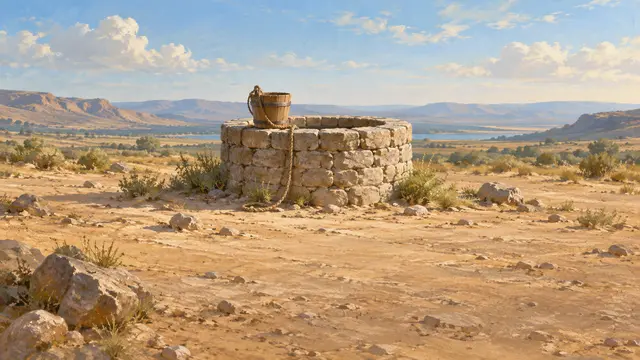
Travellers came; one let down his bucket and found him. He was sold for a few coins. His buyer in Egypt told his wife to treat him with honour.
Yusuf 12:19–21
وَجَآءَتْ سَيَّارَةٌ فَأَرْسَلُوا۟ وَارِدَهُمْ فَأَدْلَىٰ دَلْوَهُۥ ۖ قَالَ يَـٰبُشْرَىٰ هَـٰذَا غُلَـٰمٌ ۚ وَأَسَرُّوهُ بِضَـٰعَةً ۚ وَٱللَّهُ عَلِيمٌۢ بِمَا يَعْمَلُونَ١٩ وَشَرَوْهُ بِثَمَنٍۭ بَخْسٍ دَرَٰهِمَ مَعْدُودَةٍ وَكَانُوا۟ فِيهِ مِنَ ٱلزَّٰهِدِينَ٢٠ وَقَالَ ٱلَّذِى ٱشْتَرَىٰهُ مِن مِّصْرَ لِٱمْرَأَتِهِۦٓ أَكْرِمِى مَثْوَىٰهُ عَسَىٰٓ أَن يَنفَعَنَآ أَوْ نَتَّخِذَهُۥ وَلَدًا ۚ وَكَذَٰلِكَ مَكَّنَّا لِيُوسُفَ فِى ٱلْأَرْضِ وَلِنُعَلِّمَهُۥ مِن تَأْوِيلِ ٱلْأَحَادِيثِ ۚ وَٱللَّهُ غَالِبٌ عَلَىٰٓ أَمْرِهِۦ وَلَـٰكِنَّ أَكْثَرَ ٱلنَّاسِ لَا يَعْلَمُونَ٢١
And there came a company of travelers; then they sent their water drawer, and he let down his bucket. He said, "Good news! Here is a boy." And they concealed him, [taking him] as merchandise;[589] and Allāh was Knowing of what they did. (19) And they sold him for a reduced price - a few dirhams - and they were, concerning him, of those content with little. (20) And the one from Egypt[590] who bought him said to his wife, "Make his residence comfortable. Perhaps he will benefit us, or we will adopt him as a son." And thus, We established Joseph in the land that We might teach him the interpretation of events [i.e., dreams]. And Allāh is predominant over His affair, but most of the people do not know. (21)
Translation notes
[589] To be sold as a slave. [590] The minister in charge of supplies, whose title was al-ʿAzeez.Yusuf 12:19–21 · Saheeh International - Ibn Kathir, Qasas al-Anbiya 1/316–318 (opens in a new tab)
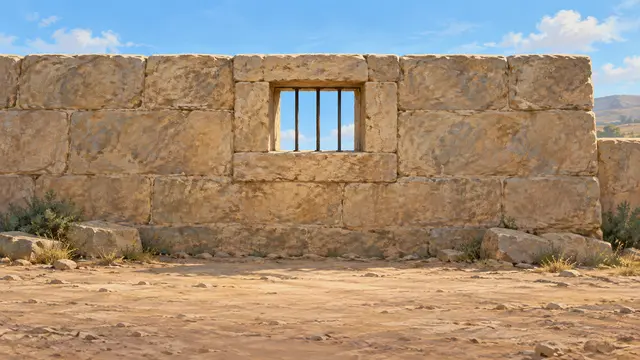
When Yusuf grew up, his master's wife wanted him to do something wrong. He refused, saying prison was dearer to him than that. So he was jailed, though innocent.
Yusuf 12:22
وَلَمَّا بَلَغَ أَشُدَّهُۥٓ ءَاتَيْنَـٰهُ حُكْمًا وَعِلْمًا ۚ وَكَذَٰلِكَ نَجْزِى ٱلْمُحْسِنِينَ٢٢
And when he [i.e., Joseph] reached maturity, We gave him judgement and knowledge. And thus We reward the doers of good. (22)
Yusuf 12:22 · Saheeh International Yusuf 12:33–35
قَالَ رَبِّ ٱلسِّجْنُ أَحَبُّ إِلَىَّ مِمَّا يَدْعُونَنِىٓ إِلَيْهِ ۖ وَإِلَّا تَصْرِفْ عَنِّى كَيْدَهُنَّ أَصْبُ إِلَيْهِنَّ وَأَكُن مِّنَ ٱلْجَـٰهِلِينَ٣٣ فَٱسْتَجَابَ لَهُۥ رَبُّهُۥ فَصَرَفَ عَنْهُ كَيْدَهُنَّ ۚ إِنَّهُۥ هُوَ ٱلسَّمِيعُ ٱلْعَلِيمُ٣٤ ثُمَّ بَدَا لَهُم مِّنۢ بَعْدِ مَا رَأَوُا۟ ٱلْـَٔايَـٰتِ لَيَسْجُنُنَّهُۥ حَتَّىٰ حِينٍ٣٥
He said, "My Lord, prison is more to my liking than that to which they invite me. And if You do not avert from me their plan, I might incline toward them and [thus] be of the ignorant." (33) So his Lord responded to him and averted from him their plan. Indeed, He is the Hearing, the Knowing. (34) Then it appeared to them after they had seen the signs[595] that he [i.e., al-ʿAzeez] should surely imprison him for a time.[596] (35)
Translation notes
[595] Proofs of his innocence. [596] Until the scandal be forgotten.Yusuf 12:33–35 · Saheeh International - Ibn Kathir, Qasas al-Anbiya 1/319–326 (opens in a new tab)

The king dreamt seven thin cows ate seven fat ones. Yusuf advised planting for seven years and storing the grain in its ears, as seven hard years would follow.
Yusuf 12:43
وَقَالَ ٱلْمَلِكُ إِنِّىٓ أَرَىٰ سَبْعَ بَقَرَٰتٍ سِمَانٍ يَأْكُلُهُنَّ سَبْعٌ عِجَافٌ وَسَبْعَ سُنۢبُلَـٰتٍ خُضْرٍ وَأُخَرَ يَابِسَـٰتٍ ۖ يَـٰٓأَيُّهَا ٱلْمَلَأُ أَفْتُونِى فِى رُءْيَـٰىَ إِن كُنتُمْ لِلرُّءْيَا تَعْبُرُونَ٤٣
And [subsequently] the king said, "Indeed, I have seen [in a dream] seven fat cows being eaten by seven [that were] lean, and seven green spikes [of grain] and others [that were] dry. O eminent ones, explain to me my vision, if you should interpret visions." (43)
Yusuf 12:43 · Saheeh International Yusuf 12:46–48
يُوسُفُ أَيُّهَا ٱلصِّدِّيقُ أَفْتِنَا فِى سَبْعِ بَقَرَٰتٍ سِمَانٍ يَأْكُلُهُنَّ سَبْعٌ عِجَافٌ وَسَبْعِ سُنۢبُلَـٰتٍ خُضْرٍ وَأُخَرَ يَابِسَـٰتٍ لَّعَلِّىٓ أَرْجِعُ إِلَى ٱلنَّاسِ لَعَلَّهُمْ يَعْلَمُونَ٤٦ قَالَ تَزْرَعُونَ سَبْعَ سِنِينَ دَأَبًا فَمَا حَصَدتُّمْ فَذَرُوهُ فِى سُنۢبُلِهِۦٓ إِلَّا قَلِيلًا مِّمَّا تَأْكُلُونَ٤٧ ثُمَّ يَأْتِى مِنۢ بَعْدِ ذَٰلِكَ سَبْعٌ شِدَادٌ يَأْكُلْنَ مَا قَدَّمْتُمْ لَهُنَّ إِلَّا قَلِيلًا مِّمَّا تُحْصِنُونَ٤٨
[He said], "Joseph, O man of truth, explain to us about seven fat cows eaten by seven [that were] lean, and seven green spikes [of grain] and others [that were] dry - that I may return to the people [i.e., the king and his court]; perhaps they will know [about you]." (46) [Joseph] said, "You will plant for seven years consecutively; and what you harvest leave in its spikes, except a little from which you will eat. (47) Then will come after that seven difficult [years] which will consume what you advanced [i.e., saved] for them, except a little from which you will store. (48)
Yusuf 12:46–48 · Saheeh International - Ibn Kathir, Qasas al-Anbiya 1/330–332 (opens in a new tab)
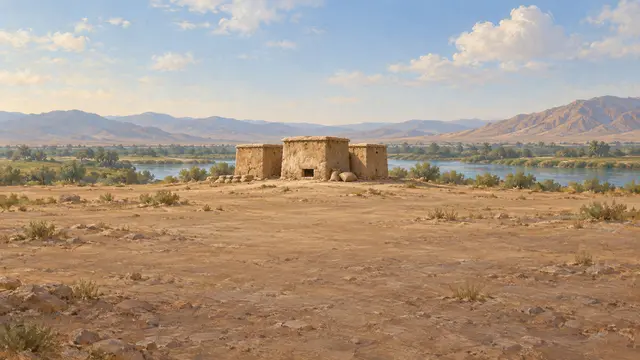
The king told Yusuf he was trusted among them. He asked to keep the land's storehouses. His brothers came for food: he knew them; they did not know him.
Yusuf 12:54–55
وَقَالَ ٱلْمَلِكُ ٱئْتُونِى بِهِۦٓ أَسْتَخْلِصْهُ لِنَفْسِى ۖ فَلَمَّا كَلَّمَهُۥ قَالَ إِنَّكَ ٱلْيَوْمَ لَدَيْنَا مَكِينٌ أَمِينٌ٥٤ قَالَ ٱجْعَلْنِى عَلَىٰ خَزَآئِنِ ٱلْأَرْضِ ۖ إِنِّى حَفِيظٌ عَلِيمٌ٥٥
And the king said, "Bring him to me; I will appoint him exclusively for myself." And when he spoke to him, he said, "Indeed, you are today established [in position] and trusted." (54) [Joseph] said, "Appoint me over the storehouses of the land. Indeed, I will be a knowing guardian." (55)
Yusuf 12:54–55 · Saheeh International Yusuf 12:58
وَجَآءَ إِخْوَةُ يُوسُفَ فَدَخَلُوا۟ عَلَيْهِ فَعَرَفَهُمْ وَهُمْ لَهُۥ مُنكِرُونَ٥٨
And the brothers of Joseph came [seeking food], and they entered upon him; and he recognized them, but he was to them unknown.[602] (58)
Translation notes
[602] Due to the change in his appearance over the years.Yusuf 12:58 · Saheeh International - Ibn Kathir, Qasas al-Anbiya 1/334–337 (opens in a new tab)

When they came again, he told them he was Yusuf and forgave them. He sent his shirt; when it was laid on his father's face, he could see again.
Yusuf 12:88–90
فَلَمَّا دَخَلُوا۟ عَلَيْهِ قَالُوا۟ يَـٰٓأَيُّهَا ٱلْعَزِيزُ مَسَّنَا وَأَهْلَنَا ٱلضُّرُّ وَجِئْنَا بِبِضَـٰعَةٍ مُّزْجَىٰةٍ فَأَوْفِ لَنَا ٱلْكَيْلَ وَتَصَدَّقْ عَلَيْنَآ ۖ إِنَّ ٱللَّهَ يَجْزِى ٱلْمُتَصَدِّقِينَ٨٨ قَالَ هَلْ عَلِمْتُم مَّا فَعَلْتُم بِيُوسُفَ وَأَخِيهِ إِذْ أَنتُمْ جَـٰهِلُونَ٨٩ قَالُوٓا۟ أَءِنَّكَ لَأَنتَ يُوسُفُ ۖ قَالَ أَنَا۠ يُوسُفُ وَهَـٰذَآ أَخِى ۖ قَدْ مَنَّ ٱللَّهُ عَلَيْنَآ ۖ إِنَّهُۥ مَن يَتَّقِ وَيَصْبِرْ فَإِنَّ ٱللَّهَ لَا يُضِيعُ أَجْرَ ٱلْمُحْسِنِينَ٩٠
So when they entered upon him [i.e., Joseph], they said, "O ʿAzeez, adversity has touched us and our family, and we have come with goods poor in quality, but give us full measure and be charitable to us. Indeed, Allāh rewards the charitable." (88) He said, "Do you know what you did with Joseph and his brother when you were ignorant?" (89) They said, "Are you indeed Joseph?" He said, "I am Joseph, and this is my brother. Allāh has certainly favored us. Indeed, he who fears Allāh and is patient, then indeed, Allāh does not allow to be lost the reward of those who do good." (90)
Yusuf 12:88–90 · Saheeh International Yusuf 12:92–93
قَالَ لَا تَثْرِيبَ عَلَيْكُمُ ٱلْيَوْمَ ۖ يَغْفِرُ ٱللَّهُ لَكُمْ ۖ وَهُوَ أَرْحَمُ ٱلرَّٰحِمِينَ٩٢ ٱذْهَبُوا۟ بِقَمِيصِى هَـٰذَا فَأَلْقُوهُ عَلَىٰ وَجْهِ أَبِى يَأْتِ بَصِيرًا وَأْتُونِى بِأَهْلِكُمْ أَجْمَعِينَ٩٣
He said, "No blame will there be upon you today. May Allāh forgive you; and He is the most merciful of the merciful. (92) Take this, my shirt, and cast it over the face of my father; he will become seeing. And bring me your family, all together." (93)
Yusuf 12:92–93 · Saheeh International Yusuf 12:96
فَلَمَّآ أَن جَآءَ ٱلْبَشِيرُ أَلْقَىٰهُ عَلَىٰ وَجْهِهِۦ فَٱرْتَدَّ بَصِيرًا ۖ قَالَ أَلَمْ أَقُل لَّكُمْ إِنِّىٓ أَعْلَمُ مِنَ ٱللَّهِ مَا لَا تَعْلَمُونَ٩٦
And when the bearer of good tidings[617] arrived, he cast it over his face, and he returned [once again] seeing. He said, "Did I not tell you that I know from Allāh that which you do not know?" (96)
Translation notes
[617] He who carried Joseph's shirt from among the brothers.Yusuf 12:96 · Saheeh International - Ibn Kathir, Qasas al-Anbiya 1/347–350 (opens in a new tab)
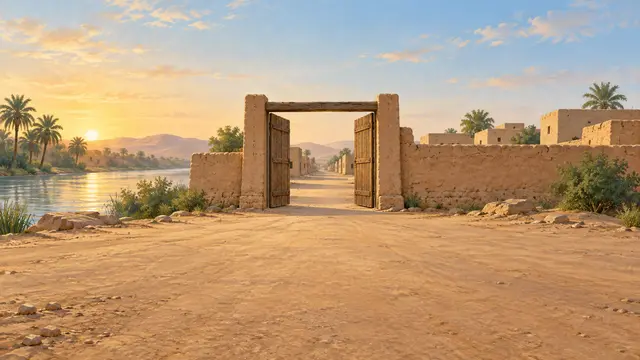
His parents and brothers came to Egypt. He raised his parents onto the throne, and they bowed down to him. He told his father this was his dream's meaning.
Yusuf 12:93
ٱذْهَبُوا۟ بِقَمِيصِى هَـٰذَا فَأَلْقُوهُ عَلَىٰ وَجْهِ أَبِى يَأْتِ بَصِيرًا وَأْتُونِى بِأَهْلِكُمْ أَجْمَعِينَ٩٣
Take this, my shirt, and cast it over the face of my father; he will become seeing. And bring me your family, all together." (93)
Yusuf 12:93 · Saheeh International Yusuf 12:99–100
فَلَمَّا دَخَلُوا۟ عَلَىٰ يُوسُفَ ءَاوَىٰٓ إِلَيْهِ أَبَوَيْهِ وَقَالَ ٱدْخُلُوا۟ مِصْرَ إِن شَآءَ ٱللَّهُ ءَامِنِينَ٩٩ وَرَفَعَ أَبَوَيْهِ عَلَى ٱلْعَرْشِ وَخَرُّوا۟ لَهُۥ سُجَّدًا ۖ وَقَالَ يَـٰٓأَبَتِ هَـٰذَا تَأْوِيلُ رُءْيَـٰىَ مِن قَبْلُ قَدْ جَعَلَهَا رَبِّى حَقًّا ۖ وَقَدْ أَحْسَنَ بِىٓ إِذْ أَخْرَجَنِى مِنَ ٱلسِّجْنِ وَجَآءَ بِكُم مِّنَ ٱلْبَدْوِ مِنۢ بَعْدِ أَن نَّزَغَ ٱلشَّيْطَـٰنُ بَيْنِى وَبَيْنَ إِخْوَتِىٓ ۚ إِنَّ رَبِّى لَطِيفٌ لِّمَا يَشَآءُ ۚ إِنَّهُۥ هُوَ ٱلْعَلِيمُ ٱلْحَكِيمُ١٠٠
And when they entered upon Joseph, he took his parents to himself [i.e., embraced them] and said, "Enter Egypt, Allāh willing, safe [and secure]." (99) And he raised his parents upon the throne, and they bowed to him in prostration.[618] And he said, "O my father, this is the explanation of my vision of before. My Lord has made it reality. And He was certainly good to me when He took me out of prison and brought you [here] from bedouin life after Satan had induced [estrangement] between me and my brothers. Indeed, my Lord is Subtle[619] in what He wills. Indeed, it is He who is the Knowing, the Wise. (100)
Translation notes
[618] That of greeting and respect, which was lawful until the time of Prophet Muḥammad (ﷺ). Prostration to any person or object other than Allāh was then prohibited conclusively. [619] Perceptive of unapparent matters within which is benefit to His servants.Yusuf 12:99–100 · Saheeh International - Ibn Kathir, Qasas al-Anbiya 1/352–355 (opens in a new tab)
What we learn
Whoever fears Allah and is patient, Allah never lets his reward be lost
Sources
Yusuf 12:90
قَالُوٓا۟ أَءِنَّكَ لَأَنتَ يُوسُفُ ۖ قَالَ أَنَا۠ يُوسُفُ وَهَـٰذَآ أَخِى ۖ قَدْ مَنَّ ٱللَّهُ عَلَيْنَآ ۖ إِنَّهُۥ مَن يَتَّقِ وَيَصْبِرْ فَإِنَّ ٱللَّهَ لَا يُضِيعُ أَجْرَ ٱلْمُحْسِنِينَ٩٠
They said, "Are you indeed Joseph?" He said, "I am Joseph, and this is my brother. Allāh has certainly favored us. Indeed, he who fears Allāh and is patient, then indeed, Allāh does not allow to be lost the reward of those who do good." (90)
Yusuf 12:90 · Saheeh International
Forgiving those who wronged us, as Yusuf forgave his brothers
Sources
Yusuf 12:92
قَالَ لَا تَثْرِيبَ عَلَيْكُمُ ٱلْيَوْمَ ۖ يَغْفِرُ ٱللَّهُ لَكُمْ ۖ وَهُوَ أَرْحَمُ ٱلرَّٰحِمِينَ٩٢
He said, "No blame will there be upon you today. May Allāh forgive you; and He is the most merciful of the merciful. (92)
Yusuf 12:92 · Saheeh International
Worshipping Allah alone, as Yusuf taught his two companions in prison
Sources
Yusuf 12:39–40
يَـٰصَـٰحِبَىِ ٱلسِّجْنِ ءَأَرْبَابٌ مُّتَفَرِّقُونَ خَيْرٌ أَمِ ٱللَّهُ ٱلْوَٰحِدُ ٱلْقَهَّارُ٣٩ مَا تَعْبُدُونَ مِن دُونِهِۦٓ إِلَّآ أَسْمَآءً سَمَّيْتُمُوهَآ أَنتُمْ وَءَابَآؤُكُم مَّآ أَنزَلَ ٱللَّهُ بِهَا مِن سُلْطَـٰنٍ ۚ إِنِ ٱلْحُكْمُ إِلَّا لِلَّهِ ۚ أَمَرَ أَلَّا تَعْبُدُوٓا۟ إِلَّآ إِيَّاهُ ۚ ذَٰلِكَ ٱلدِّينُ ٱلْقَيِّمُ وَلَـٰكِنَّ أَكْثَرَ ٱلنَّاسِ لَا يَعْلَمُونَ٤٠
O [my] two companions of prison, are separate lords better or Allāh, the One,[597] the Prevailing?[598] (39) You worship not besides Him except [mere] names you have named them,[599] you and your fathers, for which Allāh has sent down no evidence. Legislation is not but for Allāh. He has commanded that you worship not except Him. That is the correct religion, but most of the people do not know. (40)
Translation notes
[597] Single, individual and unique in His attributes and His deeds. [598] He who subdues doubts and false arguments with clear evidences and who subdues and imposes His will upon all creation. [599] The false objects of worship which you have called "gods."Yusuf 12:39–40 · Saheeh International
The full chapter
Simplified from Ibn Kathir's Stories of the Prophets. Every paragraph shows its sources.
The best of stories, and the dream
Allah revealed a whole sura of the Qur'an about Yusuf and what happened to him, and told His Prophet Muhammad ﷺ that He was relating to him the best of stories through the revelation of this Qur'an, of which he had been unaware before.
Sources
Yusuf 12:1–3
الٓر ۚ تِلْكَ ءَايَـٰتُ ٱلْكِتَـٰبِ ٱلْمُبِينِ١ إِنَّآ أَنزَلْنَـٰهُ قُرْءَٰنًا عَرَبِيًّا لَّعَلَّكُمْ تَعْقِلُونَ٢ نَحْنُ نَقُصُّ عَلَيْكَ أَحْسَنَ ٱلْقَصَصِ بِمَآ أَوْحَيْنَآ إِلَيْكَ هَـٰذَا ٱلْقُرْءَانَ وَإِن كُنتَ مِن قَبْلِهِۦ لَمِنَ ٱلْغَـٰفِلِينَ٣
Alif, Lām, Rā.[582] These are the verses of the clear Book. (1) Indeed, We have sent it down as an Arabic Qur’ān[583] that you might understand. (2) We relate to you, [O Muḥammad], the best of stories in what We have revealed to you of this Qur’ān although you were, before it, among the unaware. (3)
Translation notes
[582] See footnote to 2:1. [583] i.e., revealed in the Arabic language.Yusuf 12:1–3 · Saheeh International - Ibn Kathir, Qasas al-Anbiya 1/306–307 (opens in a new tab)
Ibn Kathir holds that the Qur'an makes the books of the People of the Book unnecessary. He cites a report by Imam Ahmad from Jabir: 'Umar ibn al-Khattab brought the Prophet ﷺ a text he had got from some of the People of the Book; the Prophet ﷺ grew angry and said that he had brought them the message pure and clear, and that if Musa (Moses), peace be upon him, were alive, he would have no choice but to follow him. Ibn Kathir says its chain is sound.
Yusuf saw in a dream eleven stars, the sun and the moon bowing down to him, and told the dream to his father Ya'qub (Jacob), peace be upon him. His father told him not to tell it to his brothers, or they would plot against him, for Satan is a clear enemy to man. He told him that his Lord would choose him, teach him the interpretation of events, and complete His favour on him and on the family of Ya'qub, as He had completed it on his forefathers before, Ibrahim (Abraham) and Ishaq (Isaac), peace be upon them.
Sources
Yusuf 12:4–6
إِذْ قَالَ يُوسُفُ لِأَبِيهِ يَـٰٓأَبَتِ إِنِّى رَأَيْتُ أَحَدَ عَشَرَ كَوْكَبًا وَٱلشَّمْسَ وَٱلْقَمَرَ رَأَيْتُهُمْ لِى سَـٰجِدِينَ٤ قَالَ يَـٰبُنَىَّ لَا تَقْصُصْ رُءْيَاكَ عَلَىٰٓ إِخْوَتِكَ فَيَكِيدُوا۟ لَكَ كَيْدًا ۖ إِنَّ ٱلشَّيْطَـٰنَ لِلْإِنسَـٰنِ عَدُوٌّ مُّبِينٌ٥ وَكَذَٰلِكَ يَجْتَبِيكَ رَبُّكَ وَيُعَلِّمُكَ مِن تَأْوِيلِ ٱلْأَحَادِيثِ وَيُتِمُّ نِعْمَتَهُۥ عَلَيْكَ وَعَلَىٰٓ ءَالِ يَعْقُوبَ كَمَآ أَتَمَّهَا عَلَىٰٓ أَبَوَيْكَ مِن قَبْلُ إِبْرَٰهِيمَ وَإِسْحَـٰقَ ۚ إِنَّ رَبَّكَ عَلِيمٌ حَكِيمٌ٦
[Of these stories mention] when Joseph said to his father,[584] "O my father, indeed I have seen [in a dream] eleven stars and the sun and the moon; I saw them prostrating to me." (4) He said, "O my son, do not relate your vision to your brothers or they will contrive against you a plan. Indeed Satan, to man, is a manifest enemy. (5) And thus will your Lord choose you and teach you the interpretation of narratives [i.e., events or dreams] and complete His favor upon you and upon the family of Jacob, as He completed it upon your fathers before, Abraham and Isaac. Indeed, your Lord is Knowing and Wise." (6)
Translation notes
[584] The prophet Jacob (upon whom be peace).Yusuf 12:4–6 · Saheeh International - Ibn Kathir, Qasas al-Anbiya 1/309–311 (opens in a new tab)
The exegetes say Yusuf saw this dream as a boy, before he came of age; the stars stand for his brothers, and the sun and the moon for his parents. His father understood that Yusuf would reach a high rank in this world and the next, so he told him to keep the dream hidden, so that his brothers would not envy him and plot against him.
The Prophet ﷺ spoke of the nobility of Yusuf, his father Ya'qub, his grandfather Ishaq and his great-grandfather Ibrahim. Asked who was most honourable, he explained that honour rests on fear of Allah. When the questioners clarified that they meant something else, he named Yusuf and spoke of his prophethood, that of his forefathers, and Ibrahim's rank as Allah's close friend.
Sources
- Sahih al-Bukhari 3382 (opens in a new tab)
- Sahih al-Bukhari 3390 (opens in a new tab)
- Sahih al-Bukhari 3353 (opens in a new tab)
- Sahih Muslim 2378 (opens in a new tab)
Yusuf 12:38
وَٱتَّبَعْتُ مِلَّةَ ءَابَآءِىٓ إِبْرَٰهِيمَ وَإِسْحَـٰقَ وَيَعْقُوبَ ۚ مَا كَانَ لَنَآ أَن نُّشْرِكَ بِٱللَّهِ مِن شَىْءٍ ۚ ذَٰلِكَ مِن فَضْلِ ٱللَّهِ عَلَيْنَا وَعَلَى ٱلنَّاسِ وَلَـٰكِنَّ أَكْثَرَ ٱلنَّاسِ لَا يَشْكُرُونَ٣٨
And I have followed the religion of my fathers, Abraham, Isaac and Jacob. And it was not for us to associate anything with Allāh. That is from the favor of Allāh upon us and upon the people, but most of the people are not grateful. (38)
Yusuf 12:38 · Saheeh International - Ibn Kathir, Qasas al-Anbiya 1/310–311 (opens in a new tab)
Ya'qub had twelve sons, and all the tribes of Bani Isra'il trace back to them; the noblest, greatest and most honoured of them was Yusuf.
Scholars differ on whether Yusuf's brothers were prophets. A group of scholars, Ibn Kathir among them, hold that none of them was a prophet except Yusuf, because their deeds and words in this story point that way, and because the Qur'an states revelation to no one else among them. Others argued that they were prophets because the Descendants (al-Asbat) are named among those who received revelation; Ibn Kathir calls this argument weak, since al-Asbat means the tribes of Bani Isra'il and the prophets who were among them.
Sources
- Ibn Kathir, Qasas al-Anbiya 1/309–310 (opens in a new tab)
Al-Baqara 2:136
قُولُوٓا۟ ءَامَنَّا بِٱللَّهِ وَمَآ أُنزِلَ إِلَيْنَا وَمَآ أُنزِلَ إِلَىٰٓ إِبْرَٰهِـۧمَ وَإِسْمَـٰعِيلَ وَإِسْحَـٰقَ وَيَعْقُوبَ وَٱلْأَسْبَاطِ وَمَآ أُوتِىَ مُوسَىٰ وَعِيسَىٰ وَمَآ أُوتِىَ ٱلنَّبِيُّونَ مِن رَّبِّهِمْ لَا نُفَرِّقُ بَيْنَ أَحَدٍ مِّنْهُمْ وَنَحْنُ لَهُۥ مُسْلِمُونَ١٣٦
Say, [O believers], "We have believed in Allāh and what has been revealed to us and what has been revealed to Abraham and Ishmael and Isaac and Jacob and the Descendants [al-Asbāṭ][48] and what was given to Moses and Jesus and what was given to the prophets from their Lord. We make no distinction between any of them, and we are Muslims [in submission] to Him." (136)
Translation notes
[48] The twelve tribes of Israel descended from Jacob.Al-Baqara 2:136 · Saheeh International
إِذْ قَالَ يُوسُفُ لِأَبِيهِ يَـٰٓأَبَتِ إِنِّى رَأَيْتُ أَحَدَ عَشَرَ كَوْكَبًا وَٱلشَّمْسَ وَٱلْقَمَرَ رَأَيْتُهُمْ لِى سَـٰجِدِينَ٤ قَالَ يَـٰبُنَىَّ لَا تَقْصُصْ رُءْيَاكَ عَلَىٰٓ إِخْوَتِكَ فَيَكِيدُوا۟ لَكَ كَيْدًا ۖ إِنَّ ٱلشَّيْطَـٰنَ لِلْإِنسَـٰنِ عَدُوٌّ مُّبِينٌ٥ وَكَذَٰلِكَ يَجْتَبِيكَ رَبُّكَ وَيُعَلِّمُكَ مِن تَأْوِيلِ ٱلْأَحَادِيثِ وَيُتِمُّ نِعْمَتَهُۥ عَلَيْكَ وَعَلَىٰٓ ءَالِ يَعْقُوبَ كَمَآ أَتَمَّهَا عَلَىٰٓ أَبَوَيْكَ مِن قَبْلُ إِبْرَٰهِيمَ وَإِسْحَـٰقَ ۚ إِنَّ رَبَّكَ عَلِيمٌ حَكِيمٌ٦ [Of these stories mention] when Joseph said to his father,[584] "O my father, indeed I have seen [in a dream] eleven stars and the sun and the moon; I saw them prostrating to me." (4) He said, "O my son, do not relate your vision to your brothers or they will contrive against you a plan. Indeed Satan, to man, is a manifest enemy. (5) And thus will your Lord choose you and teach you the interpretation of narratives [i.e., events or dreams] and complete His favor upon you and upon the family of Jacob, as He completed it upon your fathers before, Abraham and Isaac. Indeed, your Lord is Knowing and Wise." (6) Translation notes
[584] The prophet Jacob (upon whom be peace).The brothers' plot and the well
In Yusuf and his brothers there are signs for those who ask. His brothers said that Yusuf and his brother were dearer to their father than they were, though they were a strong group, and that their father was clearly in error. Then they talked of killing him or casting him out to a distant land, so that their father's attention would be theirs alone. One of them proposed sparing his life and throwing him into the bottom of the well so that some travellers would pick him up.
Sources
Yusuf 12:7–10
۞ لَّقَدْ كَانَ فِى يُوسُفَ وَإِخْوَتِهِۦٓ ءَايَـٰتٌ لِّلسَّآئِلِينَ٧ إِذْ قَالُوا۟ لَيُوسُفُ وَأَخُوهُ أَحَبُّ إِلَىٰٓ أَبِينَا مِنَّا وَنَحْنُ عُصْبَةٌ إِنَّ أَبَانَا لَفِى ضَلَـٰلٍ مُّبِينٍ٨ ٱقْتُلُوا۟ يُوسُفَ أَوِ ٱطْرَحُوهُ أَرْضًا يَخْلُ لَكُمْ وَجْهُ أَبِيكُمْ وَتَكُونُوا۟ مِنۢ بَعْدِهِۦ قَوْمًا صَـٰلِحِينَ٩ قَالَ قَآئِلٌ مِّنْهُمْ لَا تَقْتُلُوا۟ يُوسُفَ وَأَلْقُوهُ فِى غَيَـٰبَتِ ٱلْجُبِّ يَلْتَقِطْهُ بَعْضُ ٱلسَّيَّارَةِ إِن كُنتُمْ فَـٰعِلِينَ١٠
Certainly were there in Joseph and his brothers signs for those who ask, [such as] (7) When they said, "Joseph and his brother[585] are more beloved to our father than we, while we are a clan. Indeed, our father is in clear error. (8) Kill Joseph or cast him out to [another] land; the countenance [i.e., attention] of your father will [then] be only for you, and you will be after that a righteous people."[586] (9) Said a speaker among them, "Do not kill Joseph but throw him into the bottom of the well; some travelers will pick him up - if you would do [something]." (10)
Translation notes
[585] Benjamin, who was born of the same mother as Joseph. [586] i.e., You can repent thereafter.Yusuf 12:7–10 · Saheeh International - Ibn Kathir, Qasas al-Anbiya 1/312–313 (opens in a new tab)
Ibn Kathir says that 'his brother' was his full brother, and that they envied the two of them because their father loved them more than the rest.
They asked their father to send him with them the next day to enjoy himself and play, saying they wished him well and would look after him. He said it saddened him to let him go, and he feared a wolf would eat him while they were not watching. They replied that they would be losers if a wolf ate him despite their numbers.
Sources
Yusuf 12:11–14
قَالُوا۟ يَـٰٓأَبَانَا مَا لَكَ لَا تَأْمَ۫نَّا عَلَىٰ يُوسُفَ وَإِنَّا لَهُۥ لَنَـٰصِحُونَ١١ أَرْسِلْهُ مَعَنَا غَدًا يَرْتَعْ وَيَلْعَبْ وَإِنَّا لَهُۥ لَحَـٰفِظُونَ١٢ قَالَ إِنِّى لَيَحْزُنُنِىٓ أَن تَذْهَبُوا۟ بِهِۦ وَأَخَافُ أَن يَأْكُلَهُ ٱلذِّئْبُ وَأَنتُمْ عَنْهُ غَـٰفِلُونَ١٣ قَالُوا۟ لَئِنْ أَكَلَهُ ٱلذِّئْبُ وَنَحْنُ عُصْبَةٌ إِنَّآ إِذًا لَّخَـٰسِرُونَ١٤
They said, "O our father, why do you not entrust us with Joseph while indeed, we are to him sincere counselors? (11) Send him with us tomorrow that he may eat well and play. And indeed, we will be his guardians." (12) [Jacob] said, "Indeed, it saddens me that you should take him, and I fear that a wolf would eat him while you are of him unaware." (13) They said, "If a wolf should eat him while we are a [strong] clan, indeed, we would then be losers." (14)
Yusuf 12:11–14 · Saheeh International - Ibn Kathir, Qasas al-Anbiya 1/313 (opens in a new tab)
When they took him away and agreed to put him into the bottom of the well, Allah revealed to him that he would one day tell them of this deed of theirs while they did not realise it. Then they came to their father at nightfall, weeping. They said they had gone racing and left Yusuf with their things, and a wolf had eaten him, and that he would not believe them even if they told the truth.
Sources
Yusuf 12:15–17
فَلَمَّا ذَهَبُوا۟ بِهِۦ وَأَجْمَعُوٓا۟ أَن يَجْعَلُوهُ فِى غَيَـٰبَتِ ٱلْجُبِّ ۚ وَأَوْحَيْنَآ إِلَيْهِ لَتُنَبِّئَنَّهُم بِأَمْرِهِمْ هَـٰذَا وَهُمْ لَا يَشْعُرُونَ١٥ وَجَآءُوٓ أَبَاهُمْ عِشَآءً يَبْكُونَ١٦ قَالُوا۟ يَـٰٓأَبَانَآ إِنَّا ذَهَبْنَا نَسْتَبِقُ وَتَرَكْنَا يُوسُفَ عِندَ مَتَـٰعِنَا فَأَكَلَهُ ٱلذِّئْبُ ۖ وَمَآ أَنتَ بِمُؤْمِنٍ لَّنَا وَلَوْ كُنَّا صَـٰدِقِينَ١٧
So when they took him [out] and agreed to put him into the bottom of the well...[587] But We inspired to him, "You will surely inform them [someday] about this affair of theirs while they do not perceive [your identity]." (15) And they came to their father at night, weeping. (16) They said, "O our father, indeed we went racing each other and left Joseph with our possessions, and a wolf ate him. But you would not believe us, even if we were truthful." (17)
Translation notes
[587] The conclusion of this sentence is estimated to be "...they tormented him."Yusuf 12:15–17 · Saheeh International - Ibn Kathir, Qasas al-Anbiya 1/314–315 (opens in a new tab)
They brought his shirt with false blood on it. Their father said that their souls had made their deed seem acceptable to them, and resolved to be patient and seek Allah's help against what they described. Ibn Kathir says the blood was a fake: they slaughtered a young goat and put its blood on his shirt to make their father think a wolf had eaten him. Their trick did not work on him because he knew they envied Yusuf.
Sources
Yusuf 12:18
وَجَآءُو عَلَىٰ قَمِيصِهِۦ بِدَمٍ كَذِبٍ ۚ قَالَ بَلْ سَوَّلَتْ لَكُمْ أَنفُسُكُمْ أَمْرًا ۖ فَصَبْرٌ جَمِيلٌ ۖ وَٱللَّهُ ٱلْمُسْتَعَانُ عَلَىٰ مَا تَصِفُونَ١٨
And they brought upon his shirt false blood.[588] [Jacob] said, "Rather, your souls have enticed you to something, so patience is most fitting. And Allāh is the one sought for help against that which you describe." (18)
Translation notes
[588] They had stained Joseph's shirt with the blood of a lamb but had forgotten to tear it, thereby arousing their father's suspicion.Yusuf 12:18 · Saheeh International - Ibn Kathir, Qasas al-Anbiya 1/315 (opens in a new tab)
إِذْ قَالُوا۟ لَيُوسُفُ وَأَخُوهُ أَحَبُّ إِلَىٰٓ أَبِينَا مِنَّا وَنَحْنُ عُصْبَةٌ إِنَّ أَبَانَا لَفِى ضَلَـٰلٍ مُّبِينٍ٨ ٱقْتُلُوا۟ يُوسُفَ أَوِ ٱطْرَحُوهُ أَرْضًا يَخْلُ لَكُمْ وَجْهُ أَبِيكُمْ وَتَكُونُوا۟ مِنۢ بَعْدِهِۦ قَوْمًا صَـٰلِحِينَ٩ قَالَ قَآئِلٌ مِّنْهُمْ لَا تَقْتُلُوا۟ يُوسُفَ وَأَلْقُوهُ فِى غَيَـٰبَتِ ٱلْجُبِّ يَلْتَقِطْهُ بَعْضُ ٱلسَّيَّارَةِ إِن كُنتُمْ فَـٰعِلِينَ١٠ When they said, "Joseph and his brother[585] are more beloved to our father than we, while we are a clan. Indeed, our father is in clear error. (8) Kill Joseph or cast him out to [another] land; the countenance [i.e., attention] of your father will [then] be only for you, and you will be after that a righteous people."[586] (9) Said a speaker among them, "Do not kill Joseph but throw him into the bottom of the well; some travelers will pick him up - if you would do [something]." (10) Translation notes
[585] Benjamin, who was born of the same mother as Joseph. [586] i.e., You can repent thereafter.فَلَمَّا ذَهَبُوا۟ بِهِۦ وَأَجْمَعُوٓا۟ أَن يَجْعَلُوهُ فِى غَيَـٰبَتِ ٱلْجُبِّ ۚ وَأَوْحَيْنَآ إِلَيْهِ لَتُنَبِّئَنَّهُم بِأَمْرِهِمْ هَـٰذَا وَهُمْ لَا يَشْعُرُونَ١٥ So when they took him [out] and agreed to put him into the bottom of the well...[587] But We inspired to him, "You will surely inform them [someday] about this affair of theirs while they do not perceive [your identity]." (15) Translation notes
[587] The conclusion of this sentence is estimated to be "...they tormented him."Sold in Egypt
A company of travellers came and sent someone to draw water. He let down his bucket and rejoiced at finding a boy. They hid him to sell him, and Allah knew what they were doing. They sold him for a low price, a few dirhams, caring little for him.
Sources
Yusuf 12:19–20
وَجَآءَتْ سَيَّارَةٌ فَأَرْسَلُوا۟ وَارِدَهُمْ فَأَدْلَىٰ دَلْوَهُۥ ۖ قَالَ يَـٰبُشْرَىٰ هَـٰذَا غُلَـٰمٌ ۚ وَأَسَرُّوهُ بِضَـٰعَةً ۚ وَٱللَّهُ عَلِيمٌۢ بِمَا يَعْمَلُونَ١٩ وَشَرَوْهُ بِثَمَنٍۭ بَخْسٍ دَرَٰهِمَ مَعْدُودَةٍ وَكَانُوا۟ فِيهِ مِنَ ٱلزَّٰهِدِينَ٢٠
And there came a company of travelers; then they sent their water drawer, and he let down his bucket. He said, "Good news! Here is a boy." And they concealed him, [taking him] as merchandise;[589] and Allāh was Knowing of what they did. (19) And they sold him for a reduced price - a few dirhams - and they were, concerning him, of those content with little. (20)
Translation notes
[589] To be sold as a slave.Yusuf 12:19–20 · Saheeh International - Ibn Kathir, Qasas al-Anbiya 1/316–317 (opens in a new tab)
The man from Egypt who bought him told his wife to treat him honourably, hoping he would benefit them or that they might adopt him as a son. So Allah established Yusuf in the land, to teach him the interpretation of events. Allah always carries out His purpose, but most people do not know.
Sources
Yusuf 12:21
وَقَالَ ٱلَّذِى ٱشْتَرَىٰهُ مِن مِّصْرَ لِٱمْرَأَتِهِۦٓ أَكْرِمِى مَثْوَىٰهُ عَسَىٰٓ أَن يَنفَعَنَآ أَوْ نَتَّخِذَهُۥ وَلَدًا ۚ وَكَذَٰلِكَ مَكَّنَّا لِيُوسُفَ فِى ٱلْأَرْضِ وَلِنُعَلِّمَهُۥ مِن تَأْوِيلِ ٱلْأَحَادِيثِ ۚ وَٱللَّهُ غَالِبٌ عَلَىٰٓ أَمْرِهِۦ وَلَـٰكِنَّ أَكْثَرَ ٱلنَّاسِ لَا يَعْلَمُونَ٢١
And the one from Egypt[590] who bought him said to his wife, "Make his residence comfortable. Perhaps he will benefit us, or we will adopt him as a son." And thus, We established Joseph in the land that We might teach him the interpretation of events [i.e., dreams]. And Allāh is predominant over His affair, but most of the people do not know. (21)
Translation notes
[590] The minister in charge of supplies, whose title was al-ʿAzeez.Yusuf 12:21 · Saheeh International - Ibn Kathir, Qasas al-Anbiya 1/317–318 (opens in a new tab)
Ibn Kathir reports that the man who bought him is said to have been the 'Aziz of Egypt, the minister in charge of its treasuries.
When Yusuf reached full strength, Allah gave him judgement and knowledge; that is how Allah rewards those who do good.
Sources
Yusuf 12:22
وَلَمَّا بَلَغَ أَشُدَّهُۥٓ ءَاتَيْنَـٰهُ حُكْمًا وَعِلْمًا ۚ وَكَذَٰلِكَ نَجْزِى ٱلْمُحْسِنِينَ٢٢
And when he [i.e., Joseph] reached maturity, We gave him judgement and knowledge. And thus We reward the doers of good. (22)
Yusuf 12:22 · Saheeh International - Ibn Kathir, Qasas al-Anbiya 1/319 (opens in a new tab)
وَجَآءَتْ سَيَّارَةٌ فَأَرْسَلُوا۟ وَارِدَهُمْ فَأَدْلَىٰ دَلْوَهُۥ ۖ قَالَ يَـٰبُشْرَىٰ هَـٰذَا غُلَـٰمٌ ۚ وَأَسَرُّوهُ بِضَـٰعَةً ۚ وَٱللَّهُ عَلِيمٌۢ بِمَا يَعْمَلُونَ١٩ وَشَرَوْهُ بِثَمَنٍۭ بَخْسٍ دَرَٰهِمَ مَعْدُودَةٍ وَكَانُوا۟ فِيهِ مِنَ ٱلزَّٰهِدِينَ٢٠ وَقَالَ ٱلَّذِى ٱشْتَرَىٰهُ مِن مِّصْرَ لِٱمْرَأَتِهِۦٓ أَكْرِمِى مَثْوَىٰهُ عَسَىٰٓ أَن يَنفَعَنَآ أَوْ نَتَّخِذَهُۥ وَلَدًا ۚ وَكَذَٰلِكَ مَكَّنَّا لِيُوسُفَ فِى ٱلْأَرْضِ وَلِنُعَلِّمَهُۥ مِن تَأْوِيلِ ٱلْأَحَادِيثِ ۚ وَٱللَّهُ غَالِبٌ عَلَىٰٓ أَمْرِهِۦ وَلَـٰكِنَّ أَكْثَرَ ٱلنَّاسِ لَا يَعْلَمُونَ٢١ وَلَمَّا بَلَغَ أَشُدَّهُۥٓ ءَاتَيْنَـٰهُ حُكْمًا وَعِلْمًا ۚ وَكَذَٰلِكَ نَجْزِى ٱلْمُحْسِنِينَ٢٢ And there came a company of travelers; then they sent their water drawer, and he let down his bucket. He said, "Good news! Here is a boy." And they concealed him, [taking him] as merchandise;[589] and Allāh was Knowing of what they did. (19) And they sold him for a reduced price - a few dirhams - and they were, concerning him, of those content with little. (20) And the one from Egypt[590] who bought him said to his wife, "Make his residence comfortable. Perhaps he will benefit us, or we will adopt him as a son." And thus, We established Joseph in the land that We might teach him the interpretation of events [i.e., dreams]. And Allāh is predominant over His affair, but most of the people do not know. (21) And when he [i.e., Joseph] reached maturity, We gave him judgement and knowledge. And thus We reward the doers of good. (22) Translation notes
[589] To be sold as a slave. [590] The minister in charge of supplies, whose title was al-ʿAzeez.The test in the house of al-'Aziz
The wife of al-'Aziz, in whose house he lived, wanted him to do what was not allowed and closed the doors. He refused and sought refuge in Allah, recalled his master's kindness to him, and explained that wrongdoers do not succeed.
Sources
Yusuf 12:23
وَرَٰوَدَتْهُ ٱلَّتِى هُوَ فِى بَيْتِهَا عَن نَّفْسِهِۦ وَغَلَّقَتِ ٱلْأَبْوَٰبَ وَقَالَتْ هَيْتَ لَكَ ۚ قَالَ مَعَاذَ ٱللَّهِ ۖ إِنَّهُۥ رَبِّىٓ أَحْسَنَ مَثْوَاىَ ۖ إِنَّهُۥ لَا يُفْلِحُ ٱلظَّـٰلِمُونَ٢٣
And she, in whose house he was, sought to seduce him. She closed the doors and said, "Come, you." He said, "[I seek] the refuge of Allāh. Indeed, he[591] is my master, who has made good my residence. Indeed, wrongdoers will not succeed." (23)
Translation notes
[591] Her husband, al-ʿAzeez.Yusuf 12:23 · Saheeh International - Ibn Kathir, Qasas al-Anbiya 1/319–320 (opens in a new tab)
Ibn Kathir says that most of what the exegetes say at this point was taken from the books of the People of the Book, and it is better to leave it. What must be believed is that Allah protected Yusuf, cleared him, and kept him far from indecency, as Allah says that He turned evil and indecency away from him, for he was one of His chosen servants.
Sources
Yusuf 12:24
وَلَقَدْ هَمَّتْ بِهِۦ ۖ وَهَمَّ بِهَا لَوْلَآ أَن رَّءَا بُرْهَـٰنَ رَبِّهِۦ ۚ كَذَٰلِكَ لِنَصْرِفَ عَنْهُ ٱلسُّوٓءَ وَٱلْفَحْشَآءَ ۚ إِنَّهُۥ مِنْ عِبَادِنَا ٱلْمُخْلَصِينَ٢٤
And she certainly determined [to seduce] him, and he would have inclined to her had he not seen the proof [i.e., sign] of his Lord. And thus [it was] that We should avert from him evil and immorality. Indeed, he was of Our chosen servants. (24)
Yusuf 12:24 · Saheeh International - Ibn Kathir, Qasas al-Anbiya 1/320–321 (opens in a new tab)
They both raced to the door, he fleeing from her and she following him, and she tore his shirt from behind. They found her husband at the door, and she accused Yusuf. He replied that she had been the one who wanted this from him. A witness from her family explained that a tear at the front of his shirt would indicate she was truthful, while a tear at the back would indicate she was lying. When her husband saw the shirt torn at the back, he said this was her plotting.
Sources
Yusuf 12:25–28
وَٱسْتَبَقَا ٱلْبَابَ وَقَدَّتْ قَمِيصَهُۥ مِن دُبُرٍ وَأَلْفَيَا سَيِّدَهَا لَدَا ٱلْبَابِ ۚ قَالَتْ مَا جَزَآءُ مَنْ أَرَادَ بِأَهْلِكَ سُوٓءًا إِلَّآ أَن يُسْجَنَ أَوْ عَذَابٌ أَلِيمٌ٢٥ قَالَ هِىَ رَٰوَدَتْنِى عَن نَّفْسِى ۚ وَشَهِدَ شَاهِدٌ مِّنْ أَهْلِهَآ إِن كَانَ قَمِيصُهُۥ قُدَّ مِن قُبُلٍ فَصَدَقَتْ وَهُوَ مِنَ ٱلْكَـٰذِبِينَ٢٦ وَإِن كَانَ قَمِيصُهُۥ قُدَّ مِن دُبُرٍ فَكَذَبَتْ وَهُوَ مِنَ ٱلصَّـٰدِقِينَ٢٧ فَلَمَّا رَءَا قَمِيصَهُۥ قُدَّ مِن دُبُرٍ قَالَ إِنَّهُۥ مِن كَيْدِكُنَّ ۖ إِنَّ كَيْدَكُنَّ عَظِيمٌ٢٨
And they both raced to the door, and she tore his shirt from the back, and they found her husband at the door. She said, "What is the recompense of one who intended evil for your wife but that he be imprisoned or a painful punishment?" (25) [Joseph] said, "It was she who sought to seduce me." And a witness from her family testified, "If his shirt is torn from the front, then she has told the truth, and he is of the liars. (26) But if his shirt is torn from the back, then she has lied, and he is of the truthful." (27) So when he [i.e., her husband] saw his shirt torn from the back, he said, "Indeed, it is of your [i.e., women's] plan. Indeed, your plan is great [i.e., vehement]. (28)
Yusuf 12:25–28 · Saheeh International - Ibn Kathir, Qasas al-Anbiya 1/321–322 (opens in a new tab)
Scholars differ about the witness. Some say he was a baby in the cradle: Ibn Abbas said so, it is also reported from Abu Hurayra, Hilal ibn Yasaf, al-Hasan al-Basri, Sa'id ibn Jubayr and al-Dahhak, and Ibn Jarir chose it. Others say he was a grown man related to her husband or to her: Ibn Abbas, 'Ikrima, Mujahid, al-Hasan, Qatada, al-Suddi, Ibn Ishaq and Zayd ibn Aslam.
Sources
- Ibn Kathir, Qasas al-Anbiya 1/321 (opens in a new tab)
Yusuf 12:26
قَالَ هِىَ رَٰوَدَتْنِى عَن نَّفْسِى ۚ وَشَهِدَ شَاهِدٌ مِّنْ أَهْلِهَآ إِن كَانَ قَمِيصُهُۥ قُدَّ مِن قُبُلٍ فَصَدَقَتْ وَهُوَ مِنَ ٱلْكَـٰذِبِينَ٢٦
[Joseph] said, "It was she who sought to seduce me." And a witness from her family testified, "If his shirt is torn from the front, then she has told the truth, and he is of the liars. (26)
Yusuf 12:26 · Saheeh International
Her husband asked Yusuf to let the matter pass and tell no one about it, and told his wife to seek forgiveness for her sin because she had done wrong.
Sources
Yusuf 12:29
يُوسُفُ أَعْرِضْ عَنْ هَـٰذَا ۚ وَٱسْتَغْفِرِى لِذَنۢبِكِ ۖ إِنَّكِ كُنتِ مِنَ ٱلْخَاطِـِٔينَ٢٩
Joseph, ignore this.[592] And, [my wife], ask forgiveness for your sin. Indeed, you were of the sinful." (29)
Translation notes
[592] i.e., conceal it and act as if it had not taken place.Yusuf 12:29 · Saheeh International - Ibn Kathir, Qasas al-Anbiya 1/322 (opens in a new tab)
Ibn Kathir connected Yusuf's conduct with the hadith in which the Prophet ﷺ described seven whom Allah will shade on the Day of Resurrection when no other shade remains. They include a man who refuses the invitation of a woman of rank and beauty out of fear of Allah. Ibn Kathir considered Yusuf foremost among those fitting this description.
يُوسُفُ أَعْرِضْ عَنْ هَـٰذَا ۚ وَٱسْتَغْفِرِى لِذَنۢبِكِ ۖ إِنَّكِ كُنتِ مِنَ ٱلْخَاطِـِٔينَ٢٩ Joseph, ignore this.[592] And, [my wife], ask forgiveness for your sin. Indeed, you were of the sinful." (29) Translation notes
[592] i.e., conceal it and act as if it had not taken place.The women of the city, and choosing prison
Women in the city talked about the wife of al-'Aziz and blamed her. When she heard of their talk, she invited them, prepared a gathering for them and gave each a knife. When they saw Yusuf, they were struck with awe and cut their hands. They glorified Allah and said that Yusuf was not a human being but a noble angel.
Sources
Yusuf 12:30–31
۞ وَقَالَ نِسْوَةٌ فِى ٱلْمَدِينَةِ ٱمْرَأَتُ ٱلْعَزِيزِ تُرَٰوِدُ فَتَىٰهَا عَن نَّفْسِهِۦ ۖ قَدْ شَغَفَهَا حُبًّا ۖ إِنَّا لَنَرَىٰهَا فِى ضَلَـٰلٍ مُّبِينٍ٣٠ فَلَمَّا سَمِعَتْ بِمَكْرِهِنَّ أَرْسَلَتْ إِلَيْهِنَّ وَأَعْتَدَتْ لَهُنَّ مُتَّكَـًٔا وَءَاتَتْ كُلَّ وَٰحِدَةٍ مِّنْهُنَّ سِكِّينًا وَقَالَتِ ٱخْرُجْ عَلَيْهِنَّ ۖ فَلَمَّا رَأَيْنَهُۥٓ أَكْبَرْنَهُۥ وَقَطَّعْنَ أَيْدِيَهُنَّ وَقُلْنَ حَـٰشَ لِلَّهِ مَا هَـٰذَا بَشَرًا إِنْ هَـٰذَآ إِلَّا مَلَكٌ كَرِيمٌ٣١
And women in the city said, "The wife of al-ʿAzeez is seeking to seduce her slave boy; he has impassioned her with love. Indeed, we see her [to be] in clear error." (30) So when she heard of their scheming, she sent for them and prepared for them a banquet and gave each one of them a knife and said [to Joseph], "Come out before them." And when they saw him, they greatly admired him and cut their hands[593] and said, "Perfect is Allāh![594] This is not a man; this is none but a noble angel." (31)
Translation notes
[593] So distracted were they at the sight of him. [594] In His ability to create such beauty.Yusuf 12:30–31 · Saheeh International - Ibn Kathir, Qasas al-Anbiya 1/322–324 (opens in a new tab)
The Prophet ﷺ said that on the night of the Night Journey he met Yusuf in the third heaven, and he had been given half of beauty.
Al-Suhayli and other scholars explained the Prophet's ﷺ saying that Yusuf was given half of beauty as meaning half of the beauty of Adam, peace be upon him.
The wife of al-'Aziz told the women that this was the man they had blamed her about, that she had wanted him to do what was forbidden and he had refused. She threatened him with prison if he did not obey her. Yusuf prayed to his Lord, saying prison was dearer to him than what they called him to. He feared he might incline towards them and act ignorantly unless Allah turned their plotting away from him. His Lord answered him and turned their plotting away; He is the All-Hearing, the All-Knowing.
Sources
Yusuf 12:32–34
قَالَتْ فَذَٰلِكُنَّ ٱلَّذِى لُمْتُنَّنِى فِيهِ ۖ وَلَقَدْ رَٰوَدتُّهُۥ عَن نَّفْسِهِۦ فَٱسْتَعْصَمَ ۖ وَلَئِن لَّمْ يَفْعَلْ مَآ ءَامُرُهُۥ لَيُسْجَنَنَّ وَلَيَكُونًا مِّنَ ٱلصَّـٰغِرِينَ٣٢ قَالَ رَبِّ ٱلسِّجْنُ أَحَبُّ إِلَىَّ مِمَّا يَدْعُونَنِىٓ إِلَيْهِ ۖ وَإِلَّا تَصْرِفْ عَنِّى كَيْدَهُنَّ أَصْبُ إِلَيْهِنَّ وَأَكُن مِّنَ ٱلْجَـٰهِلِينَ٣٣ فَٱسْتَجَابَ لَهُۥ رَبُّهُۥ فَصَرَفَ عَنْهُ كَيْدَهُنَّ ۚ إِنَّهُۥ هُوَ ٱلسَّمِيعُ ٱلْعَلِيمُ٣٤
She said, "That is the one about whom you blamed me. And I certainly sought to seduce him, but he firmly refused; and if he will not do what I order him, he will surely be imprisoned and will be of those debased." (32) He said, "My Lord, prison is more to my liking than that to which they invite me. And if You do not avert from me their plan, I might incline toward them and [thus] be of the ignorant." (33) So his Lord responded to him and averted from him their plan. Indeed, He is the Hearing, the Knowing. (34)
Yusuf 12:32–34 · Saheeh International - Ibn Kathir, Qasas al-Anbiya 1/324–325 (opens in a new tab)
Then, even after they had seen the signs of his innocence, they decided to put him in prison for a while.
Sources
Yusuf 12:35
ثُمَّ بَدَا لَهُم مِّنۢ بَعْدِ مَا رَأَوُا۟ ٱلْـَٔايَـٰتِ لَيَسْجُنُنَّهُۥ حَتَّىٰ حِينٍ٣٥
Then it appeared to them after they had seen the signs[595] that he [i.e., al-ʿAzeez] should surely imprison him for a time.[596] (35)
Translation notes
[595] Proofs of his innocence. [596] Until the scandal be forgotten.Yusuf 12:35 · Saheeh International - Ibn Kathir, Qasas al-Anbiya 1/325–326 (opens in a new tab)
Ibn Kathir says they jailed him unjustly so that people would talk less about the affair; this too was part of what Allah decreed for him and of how He protected him, since it kept him away from them.
قَالَ رَبِّ ٱلسِّجْنُ أَحَبُّ إِلَىَّ مِمَّا يَدْعُونَنِىٓ إِلَيْهِ ۖ وَإِلَّا تَصْرِفْ عَنِّى كَيْدَهُنَّ أَصْبُ إِلَيْهِنَّ وَأَكُن مِّنَ ٱلْجَـٰهِلِينَ٣٣ فَٱسْتَجَابَ لَهُۥ رَبُّهُۥ فَصَرَفَ عَنْهُ كَيْدَهُنَّ ۚ إِنَّهُۥ هُوَ ٱلسَّمِيعُ ٱلْعَلِيمُ٣٤ He said, "My Lord, prison is more to my liking than that to which they invite me. And if You do not avert from me their plan, I might incline toward them and [thus] be of the ignorant." (33) So his Lord responded to him and averted from him their plan. Indeed, He is the Hearing, the Knowing. (34) Calling to Allah in prison
Two young men entered the prison with him. Each had a dream, and they asked him to explain it, saying they regarded him as someone who did good.
Sources
Yusuf 12:36
وَدَخَلَ مَعَهُ ٱلسِّجْنَ فَتَيَانِ ۖ قَالَ أَحَدُهُمَآ إِنِّىٓ أَرَىٰنِىٓ أَعْصِرُ خَمْرًا ۖ وَقَالَ ٱلْـَٔاخَرُ إِنِّىٓ أَرَىٰنِىٓ أَحْمِلُ فَوْقَ رَأْسِى خُبْزًا تَأْكُلُ ٱلطَّيْرُ مِنْهُ ۖ نَبِّئْنَا بِتَأْوِيلِهِۦٓ ۖ إِنَّا نَرَىٰكَ مِنَ ٱلْمُحْسِنِينَ٣٦
And there entered the prison with him two young men. One of them said, "Indeed, I have seen myself [in a dream] pressing [grapes for] wine." The other said, "Indeed, I have seen myself carrying upon my head [some] bread, from which the birds were eating. Inform us of its interpretation; indeed, we see you to be of those who do good." (36)
Yusuf 12:36 · Saheeh International - Ibn Kathir, Qasas al-Anbiya 1/325–327 (opens in a new tab)
He told them he would explain their dreams, and that this was part of what his Lord had taught him, because he had left the religion of people who do not believe in Allah and deny the Hereafter, and followed the religion of his forefathers Ibrahim, Ishaq and Ya'qub. He called them to worship Allah alone and asked whether many gods were better than Allah, the One, the All-Powerful. He explained that what they worshipped besides Allah were names they and their fathers had invented, that judgement belongs to Allah alone, and that His command to worship Him alone is the right religion.
Sources
Yusuf 12:37–40
قَالَ لَا يَأْتِيكُمَا طَعَامٌ تُرْزَقَانِهِۦٓ إِلَّا نَبَّأْتُكُمَا بِتَأْوِيلِهِۦ قَبْلَ أَن يَأْتِيَكُمَا ۚ ذَٰلِكُمَا مِمَّا عَلَّمَنِى رَبِّىٓ ۚ إِنِّى تَرَكْتُ مِلَّةَ قَوْمٍ لَّا يُؤْمِنُونَ بِٱللَّهِ وَهُم بِٱلْـَٔاخِرَةِ هُمْ كَـٰفِرُونَ٣٧ وَٱتَّبَعْتُ مِلَّةَ ءَابَآءِىٓ إِبْرَٰهِيمَ وَإِسْحَـٰقَ وَيَعْقُوبَ ۚ مَا كَانَ لَنَآ أَن نُّشْرِكَ بِٱللَّهِ مِن شَىْءٍ ۚ ذَٰلِكَ مِن فَضْلِ ٱللَّهِ عَلَيْنَا وَعَلَى ٱلنَّاسِ وَلَـٰكِنَّ أَكْثَرَ ٱلنَّاسِ لَا يَشْكُرُونَ٣٨ يَـٰصَـٰحِبَىِ ٱلسِّجْنِ ءَأَرْبَابٌ مُّتَفَرِّقُونَ خَيْرٌ أَمِ ٱللَّهُ ٱلْوَٰحِدُ ٱلْقَهَّارُ٣٩ مَا تَعْبُدُونَ مِن دُونِهِۦٓ إِلَّآ أَسْمَآءً سَمَّيْتُمُوهَآ أَنتُمْ وَءَابَآؤُكُم مَّآ أَنزَلَ ٱللَّهُ بِهَا مِن سُلْطَـٰنٍ ۚ إِنِ ٱلْحُكْمُ إِلَّا لِلَّهِ ۚ أَمَرَ أَلَّا تَعْبُدُوٓا۟ إِلَّآ إِيَّاهُ ۚ ذَٰلِكَ ٱلدِّينُ ٱلْقَيِّمُ وَلَـٰكِنَّ أَكْثَرَ ٱلنَّاسِ لَا يَعْلَمُونَ٤٠
He said, "You will not receive food that is provided to you except that I will inform you of its interpretation before it comes to you. That is from what my Lord has taught me. Indeed, I have left the religion of a people who do not believe in Allāh, and they, in the Hereafter, are disbelievers. (37) And I have followed the religion of my fathers, Abraham, Isaac and Jacob. And it was not for us to associate anything with Allāh. That is from the favor of Allāh upon us and upon the people, but most of the people are not grateful. (38) O [my] two companions of prison, are separate lords better or Allāh, the One,[597] the Prevailing?[598] (39) You worship not besides Him except [mere] names you have named them,[599] you and your fathers, for which Allāh has sent down no evidence. Legislation is not but for Allāh. He has commanded that you worship not except Him. That is the correct religion, but most of the people do not know. (40)
Translation notes
[597] Single, individual and unique in His attributes and His deeds. [598] He who subdues doubts and false arguments with clear evidences and who subdues and imposes His will upon all creation. [599] The false objects of worship which you have called "gods."Yusuf 12:37–40 · Saheeh International - Ibn Kathir, Qasas al-Anbiya 1/325–327 (opens in a new tab)
Ibn Kathir says that calling them to Allah at that moment was perfectly done, since they respected him and were ready to accept what he said; so it was fitting to call them to what would benefit them more than what they had asked about.
Then he explained that one man's dream meant he would serve wine to his master, while the other would be crucified and birds would eat from his head. He told them that the matter they had asked about was settled.
Sources
Yusuf 12:41
يَـٰصَـٰحِبَىِ ٱلسِّجْنِ أَمَّآ أَحَدُكُمَا فَيَسْقِى رَبَّهُۥ خَمْرًا ۖ وَأَمَّا ٱلْـَٔاخَرُ فَيُصْلَبُ فَتَأْكُلُ ٱلطَّيْرُ مِن رَّأْسِهِۦ ۚ قُضِىَ ٱلْأَمْرُ ٱلَّذِى فِيهِ تَسْتَفْتِيَانِ٤١
O two companions of prison, as for one of you, he will give drink to his master of wine; but as for the other, he will be crucified, and the birds will eat from his head. The matter has been decreed about which you both inquire." (41)
Yusuf 12:41 · Saheeh International - Ibn Kathir, Qasas al-Anbiya 1/328 (opens in a new tab)
He asked the man he thought would be freed to mention his case to his master. Satan made the man forget, and Yusuf stayed in prison for several years. Ibn Kathir understands this as showing that using ordinary means is allowed and does not conflict with trust in Allah.
Sources
Yusuf 12:42
وَقَالَ لِلَّذِى ظَنَّ أَنَّهُۥ نَاجٍ مِّنْهُمَا ٱذْكُرْنِى عِندَ رَبِّكَ فَأَنسَىٰهُ ٱلشَّيْطَـٰنُ ذِكْرَ رَبِّهِۦ فَلَبِثَ فِى ٱلسِّجْنِ بِضْعَ سِنِينَ٤٢
And he said to the one whom he knew would go free, "Mention me before your master." But Satan made him forget the mention [to] his master, and he [i.e., Joseph] remained in prison several years. (42)
Yusuf 12:42 · Saheeh International - Ibn Kathir, Qasas al-Anbiya 1/328–329 (opens in a new tab)
Scholars differ over who was made to forget. Mujahid, Ibn Ishaq and others say it was the man who was freed: he forgot to tell the king about Yusuf; Ibn Kathir says this is correct. It is reported from Ibn Abbas and 'Ikrima that it was Yusuf; Ibn Kathir calls this view weak.
Sources
- Ibn Kathir, Qasas al-Anbiya 1/328–329 (opens in a new tab)
Yusuf 12:42
وَقَالَ لِلَّذِى ظَنَّ أَنَّهُۥ نَاجٍ مِّنْهُمَا ٱذْكُرْنِى عِندَ رَبِّكَ فَأَنسَىٰهُ ٱلشَّيْطَـٰنُ ذِكْرَ رَبِّهِۦ فَلَبِثَ فِى ٱلسِّجْنِ بِضْعَ سِنِينَ٤٢
And he said to the one whom he knew would go free, "Mention me before your master." But Satan made him forget the mention [to] his master, and he [i.e., Joseph] remained in prison several years. (42)
Yusuf 12:42 · Saheeh International
قَالَ لَا يَأْتِيكُمَا طَعَامٌ تُرْزَقَانِهِۦٓ إِلَّا نَبَّأْتُكُمَا بِتَأْوِيلِهِۦ قَبْلَ أَن يَأْتِيَكُمَا ۚ ذَٰلِكُمَا مِمَّا عَلَّمَنِى رَبِّىٓ ۚ إِنِّى تَرَكْتُ مِلَّةَ قَوْمٍ لَّا يُؤْمِنُونَ بِٱللَّهِ وَهُم بِٱلْـَٔاخِرَةِ هُمْ كَـٰفِرُونَ٣٧ وَٱتَّبَعْتُ مِلَّةَ ءَابَآءِىٓ إِبْرَٰهِيمَ وَإِسْحَـٰقَ وَيَعْقُوبَ ۚ مَا كَانَ لَنَآ أَن نُّشْرِكَ بِٱللَّهِ مِن شَىْءٍ ۚ ذَٰلِكَ مِن فَضْلِ ٱللَّهِ عَلَيْنَا وَعَلَى ٱلنَّاسِ وَلَـٰكِنَّ أَكْثَرَ ٱلنَّاسِ لَا يَشْكُرُونَ٣٨ يَـٰصَـٰحِبَىِ ٱلسِّجْنِ ءَأَرْبَابٌ مُّتَفَرِّقُونَ خَيْرٌ أَمِ ٱللَّهُ ٱلْوَٰحِدُ ٱلْقَهَّارُ٣٩ مَا تَعْبُدُونَ مِن دُونِهِۦٓ إِلَّآ أَسْمَآءً سَمَّيْتُمُوهَآ أَنتُمْ وَءَابَآؤُكُم مَّآ أَنزَلَ ٱللَّهُ بِهَا مِن سُلْطَـٰنٍ ۚ إِنِ ٱلْحُكْمُ إِلَّا لِلَّهِ ۚ أَمَرَ أَلَّا تَعْبُدُوٓا۟ إِلَّآ إِيَّاهُ ۚ ذَٰلِكَ ٱلدِّينُ ٱلْقَيِّمُ وَلَـٰكِنَّ أَكْثَرَ ٱلنَّاسِ لَا يَعْلَمُونَ٤٠ He said, "You will not receive food that is provided to you except that I will inform you of its interpretation before it comes to you. That is from what my Lord has taught me. Indeed, I have left the religion of a people who do not believe in Allāh, and they, in the Hereafter, are disbelievers. (37) And I have followed the religion of my fathers, Abraham, Isaac and Jacob. And it was not for us to associate anything with Allāh. That is from the favor of Allāh upon us and upon the people, but most of the people are not grateful. (38) O [my] two companions of prison, are separate lords better or Allāh, the One,[597] the Prevailing?[598] (39) You worship not besides Him except [mere] names you have named them,[599] you and your fathers, for which Allāh has sent down no evidence. Legislation is not but for Allāh. He has commanded that you worship not except Him. That is the correct religion, but most of the people do not know. (40) Translation notes
[597] Single, individual and unique in His attributes and His deeds. [598] He who subdues doubts and false arguments with clear evidences and who subdues and imposes His will upon all creation. [599] The false objects of worship which you have called "gods."The king's dream, and Yusuf's innocence made clear
The king saw in a dream seven fat cows being eaten by seven thin ones, and seven green ears of grain and others that were dry. He asked his chief men to explain it. They dismissed it as confused dreams and admitted they could not interpret them.
Sources
Yusuf 12:43–44
وَقَالَ ٱلْمَلِكُ إِنِّىٓ أَرَىٰ سَبْعَ بَقَرَٰتٍ سِمَانٍ يَأْكُلُهُنَّ سَبْعٌ عِجَافٌ وَسَبْعَ سُنۢبُلَـٰتٍ خُضْرٍ وَأُخَرَ يَابِسَـٰتٍ ۖ يَـٰٓأَيُّهَا ٱلْمَلَأُ أَفْتُونِى فِى رُءْيَـٰىَ إِن كُنتُمْ لِلرُّءْيَا تَعْبُرُونَ٤٣ قَالُوٓا۟ أَضْغَـٰثُ أَحْلَـٰمٍ ۖ وَمَا نَحْنُ بِتَأْوِيلِ ٱلْأَحْلَـٰمِ بِعَـٰلِمِينَ٤٤
And [subsequently] the king said, "Indeed, I have seen [in a dream] seven fat cows being eaten by seven [that were] lean, and seven green spikes [of grain] and others [that were] dry. O eminent ones, explain to me my vision, if you should interpret visions." (43) They said, "[It is but] a mixture of false dreams, and we are not learned in the interpretation of dreams." (44)
Yusuf 12:43–44 · Saheeh International - Ibn Kathir, Qasas al-Anbiya 1/330–331 (opens in a new tab)
The man who had been freed remembered Yusuf after some time. He went to him, addressed him as a truthful man, and asked him to explain the dream so he could return to the people and let them know its meaning.
Sources
Yusuf 12:45–46
وَقَالَ ٱلَّذِى نَجَا مِنْهُمَا وَٱدَّكَرَ بَعْدَ أُمَّةٍ أَنَا۠ أُنَبِّئُكُم بِتَأْوِيلِهِۦ فَأَرْسِلُونِ٤٥ يُوسُفُ أَيُّهَا ٱلصِّدِّيقُ أَفْتِنَا فِى سَبْعِ بَقَرَٰتٍ سِمَانٍ يَأْكُلُهُنَّ سَبْعٌ عِجَافٌ وَسَبْعِ سُنۢبُلَـٰتٍ خُضْرٍ وَأُخَرَ يَابِسَـٰتٍ لَّعَلِّىٓ أَرْجِعُ إِلَى ٱلنَّاسِ لَعَلَّهُمْ يَعْلَمُونَ٤٦
But the one who was freed and remembered after a time said, "I will inform you of its interpretation, so send me forth." (45) [He said], "Joseph, O man of truth, explain to us about seven fat cows eaten by seven [that were] lean, and seven green spikes [of grain] and others [that were] dry - that I may return to the people [i.e., the king and his court]; perhaps they will know [about you]." (46)
Yusuf 12:45–46 · Saheeh International - Ibn Kathir, Qasas al-Anbiya 1/331–332 (opens in a new tab)
Yusuf advised them to plant for seven successive years and keep their harvest in its ears except for the little they ate. He told them that seven hard years would follow, during which they would use up their stores except for a little they kept. Then a year would come when people would receive rain and press their crops.
Sources
Yusuf 12:47–49
قَالَ تَزْرَعُونَ سَبْعَ سِنِينَ دَأَبًا فَمَا حَصَدتُّمْ فَذَرُوهُ فِى سُنۢبُلِهِۦٓ إِلَّا قَلِيلًا مِّمَّا تَأْكُلُونَ٤٧ ثُمَّ يَأْتِى مِنۢ بَعْدِ ذَٰلِكَ سَبْعٌ شِدَادٌ يَأْكُلْنَ مَا قَدَّمْتُمْ لَهُنَّ إِلَّا قَلِيلًا مِّمَّا تُحْصِنُونَ٤٨ ثُمَّ يَأْتِى مِنۢ بَعْدِ ذَٰلِكَ عَامٌ فِيهِ يُغَاثُ ٱلنَّاسُ وَفِيهِ يَعْصِرُونَ٤٩
[Joseph] said, "You will plant for seven years consecutively; and what you harvest leave in its spikes, except a little from which you will eat. (47) Then will come after that seven difficult [years] which will consume what you advanced [i.e., saved] for them, except a little from which you will store. (48) Then will come after that a year in which the people will be given rain and in which they will press [olives and grapes]." (49)
Yusuf 12:47–49 · Saheeh International - Ibn Kathir, Qasas al-Anbiya 1/332 (opens in a new tab)
Ibn Kathir says that Yusuf gave his knowledge without delay or conditions, and did not first ask to be let out; he explained the dream and showed them what to do in the years of plenty and the years of drought.
The king ordered Yusuf to be brought to him. When the messenger arrived, Yusuf asked him to return to his master and ask about the women who had cut their hands, explaining that his Lord knew their plotting. Ibn Kathir says Yusuf wanted not to leave until everyone knew that he had been imprisoned unjustly and was innocent of the accusations.
Sources
Yusuf 12:50
وَقَالَ ٱلْمَلِكُ ٱئْتُونِى بِهِۦ ۖ فَلَمَّا جَآءَهُ ٱلرَّسُولُ قَالَ ٱرْجِعْ إِلَىٰ رَبِّكَ فَسْـَٔلْهُ مَا بَالُ ٱلنِّسْوَةِ ٱلَّـٰتِى قَطَّعْنَ أَيْدِيَهُنَّ ۚ إِنَّ رَبِّى بِكَيْدِهِنَّ عَلِيمٌ٥٠
And the king said, "Bring him to me." But when the messenger came to him, [Joseph] said, "Return to your master and ask him what is the case of the women who cut their hands. Indeed, my Lord is Knowing of their plan." (50)
Yusuf 12:50 · Saheeh International - Ibn Kathir, Qasas al-Anbiya 1/333 (opens in a new tab)
Praising Yusuf's patience, the Prophet ﷺ said that had he himself stayed in prison as long as Yusuf did, he would have answered the one who came to call him out.
The king questioned the women. They glorified Allah and testified that they knew of no wrongdoing by Yusuf. The wife of al-'Aziz acknowledged that the truth had become clear, that she had been the one who wanted this from him, and that he was truthful.
Sources
Yusuf 12:51
قَالَ مَا خَطْبُكُنَّ إِذْ رَٰوَدتُّنَّ يُوسُفَ عَن نَّفْسِهِۦ ۚ قُلْنَ حَـٰشَ لِلَّهِ مَا عَلِمْنَا عَلَيْهِ مِن سُوٓءٍ ۚ قَالَتِ ٱمْرَأَتُ ٱلْعَزِيزِ ٱلْـَٔـٰنَ حَصْحَصَ ٱلْحَقُّ أَنَا۠ رَٰوَدتُّهُۥ عَن نَّفْسِهِۦ وَإِنَّهُۥ لَمِنَ ٱلصَّـٰدِقِينَ٥١
Said [the king to the women], "What was your condition when you sought to seduce Joseph?" They said, "Perfect is Allāh![600] We know about him no evil." The wife of al-ʿAzeez said, "Now the truth has become evident. It was I who sought to seduce him, and indeed, he is of the truthful. (51)
Translation notes
[600] In His ability to create such purity of character.Yusuf 12:51 · Saheeh International - Ibn Kathir, Qasas al-Anbiya 1/334 (opens in a new tab)
Scholars differ over who speaks in Surah Yusuf, verses 52–53. Some say it is Yusuf, the only view Ibn Jarir and Ibn Abi Hatim give. Others, including many later scholars, say this continues the speech of the wife of al-'Aziz. Ibn Kathir considers this more apparent, more fitting and stronger.
Sources
- Ibn Kathir, Qasas al-Anbiya 1/334 (opens in a new tab)
Yusuf 12:52–53
ذَٰلِكَ لِيَعْلَمَ أَنِّى لَمْ أَخُنْهُ بِٱلْغَيْبِ وَأَنَّ ٱللَّهَ لَا يَهْدِى كَيْدَ ٱلْخَآئِنِينَ٥٢ ۞ وَمَآ أُبَرِّئُ نَفْسِىٓ ۚ إِنَّ ٱلنَّفْسَ لَأَمَّارَةٌۢ بِٱلسُّوٓءِ إِلَّا مَا رَحِمَ رَبِّىٓ ۚ إِنَّ رَبِّى غَفُورٌ رَّحِيمٌ٥٣
That is so he [i.e., al-ʿAzeez] will know that I did not betray him in [his] absence and that Allāh does not guide the plan of betrayers. (52) And I do not acquit myself. Indeed, the soul is a persistent enjoiner of evil, except those upon which my Lord has mercy. Indeed, my Lord is Forgiving and Merciful."[601] (53)
Translation notes
[601] Although Ibn Katheer attributes the words of verses 52-53 to the wife of al-ʿAzeez, others have concluded that they were spoken by Joseph, thereby justifying his request for an inquiry and acknowledging Allāh's mercy to him.Yusuf 12:52–53 · Saheeh International
وَقَالَ ٱلْمَلِكُ إِنِّىٓ أَرَىٰ سَبْعَ بَقَرَٰتٍ سِمَانٍ يَأْكُلُهُنَّ سَبْعٌ عِجَافٌ وَسَبْعَ سُنۢبُلَـٰتٍ خُضْرٍ وَأُخَرَ يَابِسَـٰتٍ ۖ يَـٰٓأَيُّهَا ٱلْمَلَأُ أَفْتُونِى فِى رُءْيَـٰىَ إِن كُنتُمْ لِلرُّءْيَا تَعْبُرُونَ٤٣ قَالُوٓا۟ أَضْغَـٰثُ أَحْلَـٰمٍ ۖ وَمَا نَحْنُ بِتَأْوِيلِ ٱلْأَحْلَـٰمِ بِعَـٰلِمِينَ٤٤ وَقَالَ ٱلَّذِى نَجَا مِنْهُمَا وَٱدَّكَرَ بَعْدَ أُمَّةٍ أَنَا۠ أُنَبِّئُكُم بِتَأْوِيلِهِۦ فَأَرْسِلُونِ٤٥ يُوسُفُ أَيُّهَا ٱلصِّدِّيقُ أَفْتِنَا فِى سَبْعِ بَقَرَٰتٍ سِمَانٍ يَأْكُلُهُنَّ سَبْعٌ عِجَافٌ وَسَبْعِ سُنۢبُلَـٰتٍ خُضْرٍ وَأُخَرَ يَابِسَـٰتٍ لَّعَلِّىٓ أَرْجِعُ إِلَى ٱلنَّاسِ لَعَلَّهُمْ يَعْلَمُونَ٤٦ قَالَ تَزْرَعُونَ سَبْعَ سِنِينَ دَأَبًا فَمَا حَصَدتُّمْ فَذَرُوهُ فِى سُنۢبُلِهِۦٓ إِلَّا قَلِيلًا مِّمَّا تَأْكُلُونَ٤٧ ثُمَّ يَأْتِى مِنۢ بَعْدِ ذَٰلِكَ سَبْعٌ شِدَادٌ يَأْكُلْنَ مَا قَدَّمْتُمْ لَهُنَّ إِلَّا قَلِيلًا مِّمَّا تُحْصِنُونَ٤٨ ثُمَّ يَأْتِى مِنۢ بَعْدِ ذَٰلِكَ عَامٌ فِيهِ يُغَاثُ ٱلنَّاسُ وَفِيهِ يَعْصِرُونَ٤٩ And [subsequently] the king said, "Indeed, I have seen [in a dream] seven fat cows being eaten by seven [that were] lean, and seven green spikes [of grain] and others [that were] dry. O eminent ones, explain to me my vision, if you should interpret visions." (43) They said, "[It is but] a mixture of false dreams, and we are not learned in the interpretation of dreams." (44) But the one who was freed and remembered after a time said, "I will inform you of its interpretation, so send me forth." (45) [He said], "Joseph, O man of truth, explain to us about seven fat cows eaten by seven [that were] lean, and seven green spikes [of grain] and others [that were] dry - that I may return to the people [i.e., the king and his court]; perhaps they will know [about you]." (46) [Joseph] said, "You will plant for seven years consecutively; and what you harvest leave in its spikes, except a little from which you will eat. (47) Then will come after that seven difficult [years] which will consume what you advanced [i.e., saved] for them, except a little from which you will store. (48) Then will come after that a year in which the people will be given rain and in which they will press [olives and grapes]." (49) وَقَالَ ٱلْمَلِكُ ٱئْتُونِى بِهِۦ ۖ فَلَمَّا جَآءَهُ ٱلرَّسُولُ قَالَ ٱرْجِعْ إِلَىٰ رَبِّكَ فَسْـَٔلْهُ مَا بَالُ ٱلنِّسْوَةِ ٱلَّـٰتِى قَطَّعْنَ أَيْدِيَهُنَّ ۚ إِنَّ رَبِّى بِكَيْدِهِنَّ عَلِيمٌ٥٠ قَالَ مَا خَطْبُكُنَّ إِذْ رَٰوَدتُّنَّ يُوسُفَ عَن نَّفْسِهِۦ ۚ قُلْنَ حَـٰشَ لِلَّهِ مَا عَلِمْنَا عَلَيْهِ مِن سُوٓءٍ ۚ قَالَتِ ٱمْرَأَتُ ٱلْعَزِيزِ ٱلْـَٔـٰنَ حَصْحَصَ ٱلْحَقُّ أَنَا۠ رَٰوَدتُّهُۥ عَن نَّفْسِهِۦ وَإِنَّهُۥ لَمِنَ ٱلصَّـٰدِقِينَ٥١ And the king said, "Bring him to me." But when the messenger came to him, [Joseph] said, "Return to your master and ask him what is the case of the women who cut their hands. Indeed, my Lord is Knowing of their plan." (50) Said [the king to the women], "What was your condition when you sought to seduce Joseph?" They said, "Perfect is Allāh![600] We know about him no evil." The wife of al-ʿAzeez said, "Now the truth has become evident. It was I who sought to seduce him, and indeed, he is of the truthful. (51) Translation notes
[600] In His ability to create such purity of character.Over the storehouses of the land
When Yusuf's innocence became clear, the king ordered him brought into his own service. After speaking with him, he told Yusuf that he held a high and trusted position with him. Yusuf asked to be put in charge of the land's storehouses, explaining that he had the knowledge and ability to guard them.
Sources
Yusuf 12:54–55
وَقَالَ ٱلْمَلِكُ ٱئْتُونِى بِهِۦٓ أَسْتَخْلِصْهُ لِنَفْسِى ۖ فَلَمَّا كَلَّمَهُۥ قَالَ إِنَّكَ ٱلْيَوْمَ لَدَيْنَا مَكِينٌ أَمِينٌ٥٤ قَالَ ٱجْعَلْنِى عَلَىٰ خَزَآئِنِ ٱلْأَرْضِ ۖ إِنِّى حَفِيظٌ عَلِيمٌ٥٥
And the king said, "Bring him to me; I will appoint him exclusively for myself." And when he spoke to him, he said, "Indeed, you are today established [in position] and trusted." (54) [Joseph] said, "Appoint me over the storehouses of the land. Indeed, I will be a knowing guardian." (55)
Yusuf 12:54–55 · Saheeh International - Ibn Kathir, Qasas al-Anbiya 1/334–335 (opens in a new tab)
Ibn Kathir says he asked to manage the food stores because of the hardship expected after the good years, so as to take care of the people and be gentle with them; and that this shows it is allowed to ask for a post when one knows one is trustworthy and able.
So Allah established Yusuf in the land, to settle in it wherever he wished. Allah touches with His mercy whom He wills and does not let the reward of those who do good be lost; and the reward of the Hereafter is better for those who believe and fear Him.
Sources
Yusuf 12:56–57
وَكَذَٰلِكَ مَكَّنَّا لِيُوسُفَ فِى ٱلْأَرْضِ يَتَبَوَّأُ مِنْهَا حَيْثُ يَشَآءُ ۚ نُصِيبُ بِرَحْمَتِنَا مَن نَّشَآءُ ۖ وَلَا نُضِيعُ أَجْرَ ٱلْمُحْسِنِينَ٥٦ وَلَأَجْرُ ٱلْـَٔاخِرَةِ خَيْرٌ لِّلَّذِينَ ءَامَنُوا۟ وَكَانُوا۟ يَتَّقُونَ٥٧
And thus We established Joseph in the land to settle therein wherever he willed. We touch with Our mercy whom We will, and We do not allow to be lost the reward of those who do good. (56) And the reward of the Hereafter is better for those who believed and were fearing Allāh. (57)
Yusuf 12:56–57 · Saheeh International - Ibn Kathir, Qasas al-Anbiya 1/335–336 (opens in a new tab)
وَقَالَ ٱلْمَلِكُ ٱئْتُونِى بِهِۦٓ أَسْتَخْلِصْهُ لِنَفْسِى ۖ فَلَمَّا كَلَّمَهُۥ قَالَ إِنَّكَ ٱلْيَوْمَ لَدَيْنَا مَكِينٌ أَمِينٌ٥٤ قَالَ ٱجْعَلْنِى عَلَىٰ خَزَآئِنِ ٱلْأَرْضِ ۖ إِنِّى حَفِيظٌ عَلِيمٌ٥٥ وَكَذَٰلِكَ مَكَّنَّا لِيُوسُفَ فِى ٱلْأَرْضِ يَتَبَوَّأُ مِنْهَا حَيْثُ يَشَآءُ ۚ نُصِيبُ بِرَحْمَتِنَا مَن نَّشَآءُ ۖ وَلَا نُضِيعُ أَجْرَ ٱلْمُحْسِنِينَ٥٦ وَلَأَجْرُ ٱلْـَٔاخِرَةِ خَيْرٌ لِّلَّذِينَ ءَامَنُوا۟ وَكَانُوا۟ يَتَّقُونَ٥٧ And the king said, "Bring him to me; I will appoint him exclusively for myself." And when he spoke to him, he said, "Indeed, you are today established [in position] and trusted." (54) [Joseph] said, "Appoint me over the storehouses of the land. Indeed, I will be a knowing guardian." (55) And thus We established Joseph in the land to settle therein wherever he willed. We touch with Our mercy whom We will, and We do not allow to be lost the reward of those who do good. (56) And the reward of the Hereafter is better for those who believed and were fearing Allāh. (57) The brothers, the promise and the cup
Yusuf's brothers came to Egypt for food after the drought had spread. He recognised them, but they did not recognise him, since they had not imagined the rank he had reached. After giving them what they came for, he asked them to bring their brother from their father. He reminded them of his full measure and hospitality, and warned that they would receive no food from him unless they brought him. He told his servants to put their goods back in their bags so they would recognise them and return.
Sources
Yusuf 12:58–62
وَجَآءَ إِخْوَةُ يُوسُفَ فَدَخَلُوا۟ عَلَيْهِ فَعَرَفَهُمْ وَهُمْ لَهُۥ مُنكِرُونَ٥٨ وَلَمَّا جَهَّزَهُم بِجَهَازِهِمْ قَالَ ٱئْتُونِى بِأَخٍ لَّكُم مِّنْ أَبِيكُمْ ۚ أَلَا تَرَوْنَ أَنِّىٓ أُوفِى ٱلْكَيْلَ وَأَنَا۠ خَيْرُ ٱلْمُنزِلِينَ٥٩ فَإِن لَّمْ تَأْتُونِى بِهِۦ فَلَا كَيْلَ لَكُمْ عِندِى وَلَا تَقْرَبُونِ٦٠ قَالُوا۟ سَنُرَٰوِدُ عَنْهُ أَبَاهُ وَإِنَّا لَفَـٰعِلُونَ٦١ وَقَالَ لِفِتْيَـٰنِهِ ٱجْعَلُوا۟ بِضَـٰعَتَهُمْ فِى رِحَالِهِمْ لَعَلَّهُمْ يَعْرِفُونَهَآ إِذَا ٱنقَلَبُوٓا۟ إِلَىٰٓ أَهْلِهِمْ لَعَلَّهُمْ يَرْجِعُونَ٦٢
And the brothers of Joseph came [seeking food], and they entered upon him; and he recognized them, but he was to them unknown.[602] (58) And when he had furnished them with their supplies, he said, "Bring me a brother of yours from your father.[603] Do you not see that I give full measure and that I am the best of accommodators? (59) But if you do not bring him to me, no measure will there be [hereafter] for you from me, nor will you approach me." (60) They said, "We will attempt to dissuade his father from [keeping] him, and indeed, we will do [it]." (61) And [Joseph] said to his servants, "Put their merchandise[604] into their saddlebags so they might recognize it when they have gone back to their people that perhaps they will [again] return." (62)
Translation notes
[602] Due to the change in his appearance over the years. [603] i.e., Benjamin, who had been kept at home by his father Jacob. [604] The goods which they had brought to trade for food supplies.Yusuf 12:58–62 · Saheeh International - Ibn Kathir, Qasas al-Anbiya 1/337–339 (opens in a new tab)
When they returned to their father, they told him they would receive no more measure unless he sent their brother with them. He reminded them what had happened when he entrusted Yusuf to them and affirmed Allah's supreme protection and mercy. They found their goods returned to them. He made them swear by Allah to bring their brother back unless they were all overpowered, and called Allah to witness their agreement.
Sources
Yusuf 12:63–66
فَلَمَّا رَجَعُوٓا۟ إِلَىٰٓ أَبِيهِمْ قَالُوا۟ يَـٰٓأَبَانَا مُنِعَ مِنَّا ٱلْكَيْلُ فَأَرْسِلْ مَعَنَآ أَخَانَا نَكْتَلْ وَإِنَّا لَهُۥ لَحَـٰفِظُونَ٦٣ قَالَ هَلْ ءَامَنُكُمْ عَلَيْهِ إِلَّا كَمَآ أَمِنتُكُمْ عَلَىٰٓ أَخِيهِ مِن قَبْلُ ۖ فَٱللَّهُ خَيْرٌ حَـٰفِظًا ۖ وَهُوَ أَرْحَمُ ٱلرَّٰحِمِينَ٦٤ وَلَمَّا فَتَحُوا۟ مَتَـٰعَهُمْ وَجَدُوا۟ بِضَـٰعَتَهُمْ رُدَّتْ إِلَيْهِمْ ۖ قَالُوا۟ يَـٰٓأَبَانَا مَا نَبْغِى ۖ هَـٰذِهِۦ بِضَـٰعَتُنَا رُدَّتْ إِلَيْنَا ۖ وَنَمِيرُ أَهْلَنَا وَنَحْفَظُ أَخَانَا وَنَزْدَادُ كَيْلَ بَعِيرٍ ۖ ذَٰلِكَ كَيْلٌ يَسِيرٌ٦٥ قَالَ لَنْ أُرْسِلَهُۥ مَعَكُمْ حَتَّىٰ تُؤْتُونِ مَوْثِقًا مِّنَ ٱللَّهِ لَتَأْتُنَّنِى بِهِۦٓ إِلَّآ أَن يُحَاطَ بِكُمْ ۖ فَلَمَّآ ءَاتَوْهُ مَوْثِقَهُمْ قَالَ ٱللَّهُ عَلَىٰ مَا نَقُولُ وَكِيلٌ٦٦
So when they returned to their father, they said, "O our father, [further] measure has been denied to us, so send with us our brother [that] we will be given measure. And indeed, we will be his guardians." (63) He said, "Should I entrust you with him except [under coercion] as I entrusted you with his brother before? But Allāh is the best guardian, and He is the most merciful of the merciful." (64) And when they opened their baggage, they found their merchandise returned to them. They said, "O our father, what [more] could we desire? This is our merchandise returned to us. And we will obtain supplies [i.e., food] for our family and protect our brother and obtain an increase of a camel's load; that is an easy measurement."[605] (65) [Jacob] said, "Never will I send him with you until you give me a promise [i.e., oath] by Allāh that you will bring him [back] to me, unless you should be surrounded [i.e., overcome by enemies]." And when they had given their promise, he said, "Allāh, over what we say, is Entrusted."[606] (66)
Translation notes
[605] For them. Or one obtained by us with ease. [606] i.e., sufficient to witness and deal with the matter.Yusuf 12:63–66 · Saheeh International - Ibn Kathir, Qasas al-Anbiya 1/339–340 (opens in a new tab)
Their father told them to enter by different gates rather than one gate. He acknowledged that he could not protect them against Allah's decree, that judgement belongs to Allah alone, and that he trusted in Him. This instruction could not avert Allah's decree; it fulfilled a wish in Ya'qub's heart.
Sources
Yusuf 12:67–68
وَقَالَ يَـٰبَنِىَّ لَا تَدْخُلُوا۟ مِنۢ بَابٍ وَٰحِدٍ وَٱدْخُلُوا۟ مِنْ أَبْوَٰبٍ مُّتَفَرِّقَةٍ ۖ وَمَآ أُغْنِى عَنكُم مِّنَ ٱللَّهِ مِن شَىْءٍ ۖ إِنِ ٱلْحُكْمُ إِلَّا لِلَّهِ ۖ عَلَيْهِ تَوَكَّلْتُ ۖ وَعَلَيْهِ فَلْيَتَوَكَّلِ ٱلْمُتَوَكِّلُونَ٦٧ وَلَمَّا دَخَلُوا۟ مِنْ حَيْثُ أَمَرَهُمْ أَبُوهُم مَّا كَانَ يُغْنِى عَنْهُم مِّنَ ٱللَّهِ مِن شَىْءٍ إِلَّا حَاجَةً فِى نَفْسِ يَعْقُوبَ قَضَىٰهَا ۚ وَإِنَّهُۥ لَذُو عِلْمٍ لِّمَا عَلَّمْنَـٰهُ وَلَـٰكِنَّ أَكْثَرَ ٱلنَّاسِ لَا يَعْلَمُونَ٦٨
And he said, "O my sons, do not enter from one gate but enter from different gates; and I cannot avail you against [the decree of] Allāh at all. The decision is only for Allāh; upon Him I have relied, and upon Him let those who would rely [indeed] rely." (67) And when they entered from where their father had ordered them, it did not avail them against Allāh at all except [it was] a need [i.e., concern] within the soul of Jacob, which he satisfied. And indeed, he was a possessor of knowledge because of what We had taught him, but most of the people do not know. (68)
Yusuf 12:67–68 · Saheeh International - Ibn Kathir, Qasas al-Anbiya 1/340–341 (opens in a new tab)
Scholars differ over why he told them this. Some say he did not want anyone to harm them with the evil eye, since they were fine-looking men: Ibn Abbas, Mujahid, al-Qurazi, Qatada, al-Suddi and al-Dahhak. Others say he wanted them to spread out so that they might find news of Yusuf: Ibrahim al-Nakha'i. Ibn Kathir says the first view is more apparent.
Sources
- Ibn Kathir, Qasas al-Anbiya 1/340–341 (opens in a new tab)
Yusuf 12:67
وَقَالَ يَـٰبَنِىَّ لَا تَدْخُلُوا۟ مِنۢ بَابٍ وَٰحِدٍ وَٱدْخُلُوا۟ مِنْ أَبْوَٰبٍ مُّتَفَرِّقَةٍ ۖ وَمَآ أُغْنِى عَنكُم مِّنَ ٱللَّهِ مِن شَىْءٍ ۖ إِنِ ٱلْحُكْمُ إِلَّا لِلَّهِ ۖ عَلَيْهِ تَوَكَّلْتُ ۖ وَعَلَيْهِ فَلْيَتَوَكَّلِ ٱلْمُتَوَكِّلُونَ٦٧
And he said, "O my sons, do not enter from one gate but enter from different gates; and I cannot avail you against [the decree of] Allāh at all. The decision is only for Allāh; upon Him I have relied, and upon Him let those who would rely [indeed] rely." (67)
Yusuf 12:67 · Saheeh International
When they came in to Yusuf, he drew his brother close, revealed that he was his brother, and reassured him not to grieve over their deeds. Then he had the drinking cup put in his brother's bag, and a caller accused the caravan of theft. The brothers said that whoever had it in his bag would himself be taken as the penalty. He searched their bags before his brother's, then took the cup out of it. Allah arranged this for Yusuf: he could not have kept his brother under the king's law without Allah's will. Above every person with knowledge is someone more knowledgeable.
Sources
Yusuf 12:69–76
وَلَمَّا دَخَلُوا۟ عَلَىٰ يُوسُفَ ءَاوَىٰٓ إِلَيْهِ أَخَاهُ ۖ قَالَ إِنِّىٓ أَنَا۠ أَخُوكَ فَلَا تَبْتَئِسْ بِمَا كَانُوا۟ يَعْمَلُونَ٦٩ فَلَمَّا جَهَّزَهُم بِجَهَازِهِمْ جَعَلَ ٱلسِّقَايَةَ فِى رَحْلِ أَخِيهِ ثُمَّ أَذَّنَ مُؤَذِّنٌ أَيَّتُهَا ٱلْعِيرُ إِنَّكُمْ لَسَـٰرِقُونَ٧٠ قَالُوا۟ وَأَقْبَلُوا۟ عَلَيْهِم مَّاذَا تَفْقِدُونَ٧١ قَالُوا۟ نَفْقِدُ صُوَاعَ ٱلْمَلِكِ وَلِمَن جَآءَ بِهِۦ حِمْلُ بَعِيرٍ وَأَنَا۠ بِهِۦ زَعِيمٌ٧٢ قَالُوا۟ تَٱللَّهِ لَقَدْ عَلِمْتُم مَّا جِئْنَا لِنُفْسِدَ فِى ٱلْأَرْضِ وَمَا كُنَّا سَـٰرِقِينَ٧٣ قَالُوا۟ فَمَا جَزَٰٓؤُهُۥٓ إِن كُنتُمْ كَـٰذِبِينَ٧٤ قَالُوا۟ جَزَٰٓؤُهُۥ مَن وُجِدَ فِى رَحْلِهِۦ فَهُوَ جَزَٰٓؤُهُۥ ۚ كَذَٰلِكَ نَجْزِى ٱلظَّـٰلِمِينَ٧٥ فَبَدَأَ بِأَوْعِيَتِهِمْ قَبْلَ وِعَآءِ أَخِيهِ ثُمَّ ٱسْتَخْرَجَهَا مِن وِعَآءِ أَخِيهِ ۚ كَذَٰلِكَ كِدْنَا لِيُوسُفَ ۖ مَا كَانَ لِيَأْخُذَ أَخَاهُ فِى دِينِ ٱلْمَلِكِ إِلَّآ أَن يَشَآءَ ٱللَّهُ ۚ نَرْفَعُ دَرَجَـٰتٍ مَّن نَّشَآءُ ۗ وَفَوْقَ كُلِّ ذِى عِلْمٍ عَلِيمٌ٧٦
And when they entered upon Joseph, he took his brother to himself; he said, "Indeed, I am your brother, so do not despair over what they used to do [to me]." (69) So when he had furnished them with their supplies, he put the [gold measuring] bowl into the bag of his brother. Then an announcer called out, "O caravan, indeed you are thieves." (70) They said while approaching them, "What is it you are missing?" (71) They said, "We are missing the measure of the king. And for he who produces it is [the reward of] a camel's load, and I am responsible for it." (72) They said, "By Allāh, you have certainly known that we did not come to cause corruption in the land, and we have not been thieves." (73) They [the accusers] said, "Then what would be its recompense[607] if you should be liars?" (74) [The brothers] said, "Its recompense is that he in whose bag it is found - he [himself] will be its recompense.[608] Thus do we recompense the wrongdoers." (75) So he began [the search] with their bags before the bag of his brother; then he extracted it from the bag of his brother. Thus did We plan for Joseph. He could not have taken his brother within the religion [i.e., law] of the king except that Allāh willed. We raise in degrees whom We will, but over every possessor of knowledge is one [more] knowing.[609] (76)
Translation notes
[607] The punishment for theft. [608] According to their law, a convicted thief was made a slave of the one from whom he had stolen. [609] Ending with the ultimate knowledge of Allāh (subḥānahu wa taʿālā).Yusuf 12:69–76 · Saheeh International - Ibn Kathir, Qasas al-Anbiya 1/341–343 (opens in a new tab)
Ibn Kathir says that under their law a thief was handed over to the one he had stolen from, and that Yusuf did this by Allah's command, for the great good that came from it: his father and his family coming to him.
They claimed that a brother of his had stolen before. Yusuf concealed his feelings from them. They then asked him to take one of them in their brother's place for the sake of their elderly father. He sought refuge in Allah from taking anyone except the person with whom the property had been found, explaining that doing so would be unjust.
Sources
Yusuf 12:77–79
۞ قَالُوٓا۟ إِن يَسْرِقْ فَقَدْ سَرَقَ أَخٌ لَّهُۥ مِن قَبْلُ ۚ فَأَسَرَّهَا يُوسُفُ فِى نَفْسِهِۦ وَلَمْ يُبْدِهَا لَهُمْ ۚ قَالَ أَنتُمْ شَرٌّ مَّكَانًا ۖ وَٱللَّهُ أَعْلَمُ بِمَا تَصِفُونَ٧٧ قَالُوا۟ يَـٰٓأَيُّهَا ٱلْعَزِيزُ إِنَّ لَهُۥٓ أَبًا شَيْخًا كَبِيرًا فَخُذْ أَحَدَنَا مَكَانَهُۥٓ ۖ إِنَّا نَرَىٰكَ مِنَ ٱلْمُحْسِنِينَ٧٨ قَالَ مَعَاذَ ٱللَّهِ أَن نَّأْخُذَ إِلَّا مَن وَجَدْنَا مَتَـٰعَنَا عِندَهُۥٓ إِنَّآ إِذًا لَّظَـٰلِمُونَ٧٩
They said, "If he steals - a brother of his has stolen before." But Joseph kept it within himself and did not reveal it to them.[610] He said, "You are worse in position, and Allāh is most knowing of what you describe." (77) They said, "O ʿAzeez,[611] indeed he has a father [who is] an old man, so take one of us in place of him. Indeed, we see you as a doer of good." (78) He said, "[I seek] the refuge of Allāh [to prevent] that we take except him with whom we found our possession. Indeed, we would then be unjust." (79)
Translation notes
[610] He did not answer that he himself had been stolen by them from his father. [611] Addressing Joseph, who now held the title of "al-ʿAzeez."Yusuf 12:77–79 · Saheeh International - Ibn Kathir, Qasas al-Anbiya 1/342–343 (opens in a new tab)
وَجَآءَ إِخْوَةُ يُوسُفَ فَدَخَلُوا۟ عَلَيْهِ فَعَرَفَهُمْ وَهُمْ لَهُۥ مُنكِرُونَ٥٨ وَلَمَّا جَهَّزَهُم بِجَهَازِهِمْ قَالَ ٱئْتُونِى بِأَخٍ لَّكُم مِّنْ أَبِيكُمْ ۚ أَلَا تَرَوْنَ أَنِّىٓ أُوفِى ٱلْكَيْلَ وَأَنَا۠ خَيْرُ ٱلْمُنزِلِينَ٥٩ فَإِن لَّمْ تَأْتُونِى بِهِۦ فَلَا كَيْلَ لَكُمْ عِندِى وَلَا تَقْرَبُونِ٦٠ قَالُوا۟ سَنُرَٰوِدُ عَنْهُ أَبَاهُ وَإِنَّا لَفَـٰعِلُونَ٦١ وَقَالَ لِفِتْيَـٰنِهِ ٱجْعَلُوا۟ بِضَـٰعَتَهُمْ فِى رِحَالِهِمْ لَعَلَّهُمْ يَعْرِفُونَهَآ إِذَا ٱنقَلَبُوٓا۟ إِلَىٰٓ أَهْلِهِمْ لَعَلَّهُمْ يَرْجِعُونَ٦٢ And the brothers of Joseph came [seeking food], and they entered upon him; and he recognized them, but he was to them unknown.[602] (58) And when he had furnished them with their supplies, he said, "Bring me a brother of yours from your father.[603] Do you not see that I give full measure and that I am the best of accommodators? (59) But if you do not bring him to me, no measure will there be [hereafter] for you from me, nor will you approach me." (60) They said, "We will attempt to dissuade his father from [keeping] him, and indeed, we will do [it]." (61) And [Joseph] said to his servants, "Put their merchandise[604] into their saddlebags so they might recognize it when they have gone back to their people that perhaps they will [again] return." (62) Translation notes
[602] Due to the change in his appearance over the years. [603] i.e., Benjamin, who had been kept at home by his father Jacob. [604] The goods which they had brought to trade for food supplies.وَلَمَّا دَخَلُوا۟ عَلَىٰ يُوسُفَ ءَاوَىٰٓ إِلَيْهِ أَخَاهُ ۖ قَالَ إِنِّىٓ أَنَا۠ أَخُوكَ فَلَا تَبْتَئِسْ بِمَا كَانُوا۟ يَعْمَلُونَ٦٩ And when they entered upon Joseph, he took his brother to himself; he said, "Indeed, I am your brother, so do not despair over what they used to do [to me]." (69) Ya'qub's grief, and Yusuf reveals his identity
When they lost hope of persuading him, they went apart to confer. The eldest reminded them of their oath to their father and their earlier failure towards Yusuf. He declared that he would not leave the land until his father gave permission or Allah judged for him. He told them to return to their father and report what they had seen.
Sources
Yusuf 12:80–82
فَلَمَّا ٱسْتَيْـَٔسُوا۟ مِنْهُ خَلَصُوا۟ نَجِيًّا ۖ قَالَ كَبِيرُهُمْ أَلَمْ تَعْلَمُوٓا۟ أَنَّ أَبَاكُمْ قَدْ أَخَذَ عَلَيْكُم مَّوْثِقًا مِّنَ ٱللَّهِ وَمِن قَبْلُ مَا فَرَّطتُمْ فِى يُوسُفَ ۖ فَلَنْ أَبْرَحَ ٱلْأَرْضَ حَتَّىٰ يَأْذَنَ لِىٓ أَبِىٓ أَوْ يَحْكُمَ ٱللَّهُ لِى ۖ وَهُوَ خَيْرُ ٱلْحَـٰكِمِينَ٨٠ ٱرْجِعُوٓا۟ إِلَىٰٓ أَبِيكُمْ فَقُولُوا۟ يَـٰٓأَبَانَآ إِنَّ ٱبْنَكَ سَرَقَ وَمَا شَهِدْنَآ إِلَّا بِمَا عَلِمْنَا وَمَا كُنَّا لِلْغَيْبِ حَـٰفِظِينَ٨١ وَسْـَٔلِ ٱلْقَرْيَةَ ٱلَّتِى كُنَّا فِيهَا وَٱلْعِيرَ ٱلَّتِىٓ أَقْبَلْنَا فِيهَا ۖ وَإِنَّا لَصَـٰدِقُونَ٨٢
So when they had despaired of him, they secluded themselves in private consultation. The eldest of them said, "Do you not know that your father has taken upon you an oath by Allāh and [that] before you failed in [your duty to] Joseph? So I will never leave [this] land until my father permits me or Allāh decides for me,[612] and He is the best of judges. (80) Return to your father and say, 'O our father, indeed your son has stolen, and we did not testify except to what we knew. And we were not witnesses of the unseen.[613] (81) And ask the city in which we were and the caravan in which we came - and indeed, we are truthful.'" (82)
Translation notes
[612] i.e., in my favor by bringing about the release of Benjamin. [613] i.e., We could not have known when we gave you the oath that he would steal and be apprehended.Yusuf 12:80–82 · Saheeh International - Ibn Kathir, Qasas al-Anbiya 1/344–345 (opens in a new tab)
Ya'qub said their souls had made a deed seem acceptable to them. He resolved to be patient and hoped Allah would return all his sons to him. He turned away and expressed his sorrow for Yusuf, and his eyes turned white with grief. When they reproached him, he explained that he complained of his sorrow only to Allah and knew from Allah what they did not. He told them to search for Yusuf and his brother and not despair of Allah's mercy.
Sources
Yusuf 12:83–87
قَالَ بَلْ سَوَّلَتْ لَكُمْ أَنفُسُكُمْ أَمْرًا ۖ فَصَبْرٌ جَمِيلٌ ۖ عَسَى ٱللَّهُ أَن يَأْتِيَنِى بِهِمْ جَمِيعًا ۚ إِنَّهُۥ هُوَ ٱلْعَلِيمُ ٱلْحَكِيمُ٨٣ وَتَوَلَّىٰ عَنْهُمْ وَقَالَ يَـٰٓأَسَفَىٰ عَلَىٰ يُوسُفَ وَٱبْيَضَّتْ عَيْنَاهُ مِنَ ٱلْحُزْنِ فَهُوَ كَظِيمٌ٨٤ قَالُوا۟ تَٱللَّهِ تَفْتَؤُا۟ تَذْكُرُ يُوسُفَ حَتَّىٰ تَكُونَ حَرَضًا أَوْ تَكُونَ مِنَ ٱلْهَـٰلِكِينَ٨٥ قَالَ إِنَّمَآ أَشْكُوا۟ بَثِّى وَحُزْنِىٓ إِلَى ٱللَّهِ وَأَعْلَمُ مِنَ ٱللَّهِ مَا لَا تَعْلَمُونَ٨٦ يَـٰبَنِىَّ ٱذْهَبُوا۟ فَتَحَسَّسُوا۟ مِن يُوسُفَ وَأَخِيهِ وَلَا تَا۟يْـَٔسُوا۟ مِن رَّوْحِ ٱللَّهِ ۖ إِنَّهُۥ لَا يَا۟يْـَٔسُ مِن رَّوْحِ ٱللَّهِ إِلَّا ٱلْقَوْمُ ٱلْكَـٰفِرُونَ٨٧
[Jacob] said, "Rather, your souls have enticed you to something, so patience is most fitting. Perhaps Allāh will bring them to me all together. Indeed, it is He who is the Knowing, the Wise." (83) And he turned away from them and said, "Oh, my sorrow over Joseph," and his eyes became white[614] from grief, for he was [of that] a suppressor.[615] (84) They said, "By Allāh, you will not cease remembering Joseph until you become fatally ill or become of those who perish." (85) He said, "I only complain of my suffering and my grief to Allāh, and I know from Allāh that which you do not know. (86) O my sons, go and find out about Joseph and his brother and despair not of relief from Allāh. Indeed, no one despairs of relief from Allāh except the disbelieving people." (87)
Translation notes
[614] i.e., he lost his sight. [615] He did not express the extent of his grief or his anger at what he suspected his sons had done but was patient, depending only upon Allāh for help.Yusuf 12:83–87 · Saheeh International - Ibn Kathir, Qasas al-Anbiya 1/345–347 (opens in a new tab)
They came to Yusuf and told him that hardship had struck them and their family and that they had brought goods of poor quality. They asked him for full measure and charity. He asked about what they had done to Yusuf and his brother in their ignorance, and they asked whether he was Yusuf. He confirmed his identity and pointed to his brother, recalling Allah's favour to them both. He explained that Allah preserves the reward of those who fear Him, remain patient and do good.
Sources
Yusuf 12:88–90
فَلَمَّا دَخَلُوا۟ عَلَيْهِ قَالُوا۟ يَـٰٓأَيُّهَا ٱلْعَزِيزُ مَسَّنَا وَأَهْلَنَا ٱلضُّرُّ وَجِئْنَا بِبِضَـٰعَةٍ مُّزْجَىٰةٍ فَأَوْفِ لَنَا ٱلْكَيْلَ وَتَصَدَّقْ عَلَيْنَآ ۖ إِنَّ ٱللَّهَ يَجْزِى ٱلْمُتَصَدِّقِينَ٨٨ قَالَ هَلْ عَلِمْتُم مَّا فَعَلْتُم بِيُوسُفَ وَأَخِيهِ إِذْ أَنتُمْ جَـٰهِلُونَ٨٩ قَالُوٓا۟ أَءِنَّكَ لَأَنتَ يُوسُفُ ۖ قَالَ أَنَا۠ يُوسُفُ وَهَـٰذَآ أَخِى ۖ قَدْ مَنَّ ٱللَّهُ عَلَيْنَآ ۖ إِنَّهُۥ مَن يَتَّقِ وَيَصْبِرْ فَإِنَّ ٱللَّهَ لَا يُضِيعُ أَجْرَ ٱلْمُحْسِنِينَ٩٠
So when they entered upon him [i.e., Joseph], they said, "O ʿAzeez, adversity has touched us and our family, and we have come with goods poor in quality, but give us full measure and be charitable to us. Indeed, Allāh rewards the charitable." (88) He said, "Do you know what you did with Joseph and his brother when you were ignorant?" (89) They said, "Are you indeed Joseph?" He said, "I am Joseph, and this is my brother. Allāh has certainly favored us. Indeed, he who fears Allāh and is patient, then indeed, Allāh does not allow to be lost the reward of those who do good." (90)
Yusuf 12:88–90 · Saheeh International - Ibn Kathir, Qasas al-Anbiya 1/347–349 (opens in a new tab)
They swore by Allah that He had favoured Yusuf over them and admitted their wrongdoing. Yusuf forgave them, reassured them that he would not reproach them, and prayed for Allah to forgive them, recalling His great mercy.
Sources
Yusuf 12:91–92
قَالُوا۟ تَٱللَّهِ لَقَدْ ءَاثَرَكَ ٱللَّهُ عَلَيْنَا وَإِن كُنَّا لَخَـٰطِـِٔينَ٩١ قَالَ لَا تَثْرِيبَ عَلَيْكُمُ ٱلْيَوْمَ ۖ يَغْفِرُ ٱللَّهُ لَكُمْ ۖ وَهُوَ أَرْحَمُ ٱلرَّٰحِمِينَ٩٢
They said, "By Allāh, certainly has Allāh preferred you over us, and indeed, we have been sinners." (91) He said, "No blame will there be upon you today. May Allāh forgive you; and He is the most merciful of the merciful. (92)
Yusuf 12:91–92 · Saheeh International - Ibn Kathir, Qasas al-Anbiya 1/349 (opens in a new tab)
Yusuf told them to take his shirt and lay it on his father's face so his sight would return, and to bring their whole family. When the caravan left Egypt, their father told those around him that he could smell Yusuf, even if they thought he had lost his senses. They regarded this as his old error. When the bearer of good news arrived and laid the shirt on his face, his sight returned. He reminded them that he had already told them he knew from Allah what they did not.
Sources
Yusuf 12:93–96
ٱذْهَبُوا۟ بِقَمِيصِى هَـٰذَا فَأَلْقُوهُ عَلَىٰ وَجْهِ أَبِى يَأْتِ بَصِيرًا وَأْتُونِى بِأَهْلِكُمْ أَجْمَعِينَ٩٣ وَلَمَّا فَصَلَتِ ٱلْعِيرُ قَالَ أَبُوهُمْ إِنِّى لَأَجِدُ رِيحَ يُوسُفَ ۖ لَوْلَآ أَن تُفَنِّدُونِ٩٤ قَالُوا۟ تَٱللَّهِ إِنَّكَ لَفِى ضَلَـٰلِكَ ٱلْقَدِيمِ٩٥ فَلَمَّآ أَن جَآءَ ٱلْبَشِيرُ أَلْقَىٰهُ عَلَىٰ وَجْهِهِۦ فَٱرْتَدَّ بَصِيرًا ۖ قَالَ أَلَمْ أَقُل لَّكُمْ إِنِّىٓ أَعْلَمُ مِنَ ٱللَّهِ مَا لَا تَعْلَمُونَ٩٦
Take this, my shirt, and cast it over the face of my father; he will become seeing. And bring me your family, all together." (93) And when the caravan departed [from Egypt], their father said,[616] "Indeed, I find the smell of Joseph [and would say that he was alive] if you did not think me weakened in mind." (94) They said, "By Allāh, indeed you are in your [same] old error." (95) And when the bearer of good tidings[617] arrived, he cast it over his face, and he returned [once again] seeing. He said, "Did I not tell you that I know from Allāh that which you do not know?" (96)
Translation notes
[616] To those present with him, either some of his sons or other relatives. [617] He who carried Joseph's shirt from among the brothers.Yusuf 12:93–96 · Saheeh International - Ibn Kathir, Qasas al-Anbiya 1/349–350 (opens in a new tab)
They admitted their sins to their father and asked him to seek forgiveness for them. He promised to ask his Lord to forgive them, reminding them that He forgives and shows mercy.
Sources
Yusuf 12:97–98
قَالُوا۟ يَـٰٓأَبَانَا ٱسْتَغْفِرْ لَنَا ذُنُوبَنَآ إِنَّا كُنَّا خَـٰطِـِٔينَ٩٧ قَالَ سَوْفَ أَسْتَغْفِرُ لَكُمْ رَبِّىٓ ۖ إِنَّهُۥ هُوَ ٱلْغَفُورُ ٱلرَّحِيمُ٩٨
They said, "O our father, ask for us forgiveness of our sins; indeed, we have been sinners." (97) He said, "I will ask forgiveness for you from my Lord. Indeed, it is He who is the Forgiving, the Merciful." (98)
Yusuf 12:97–98 · Saheeh International - Ibn Kathir, Qasas al-Anbiya 1/350–351 (opens in a new tab)
قَالَ إِنَّمَآ أَشْكُوا۟ بَثِّى وَحُزْنِىٓ إِلَى ٱللَّهِ وَأَعْلَمُ مِنَ ٱللَّهِ مَا لَا تَعْلَمُونَ٨٦ يَـٰبَنِىَّ ٱذْهَبُوا۟ فَتَحَسَّسُوا۟ مِن يُوسُفَ وَأَخِيهِ وَلَا تَا۟يْـَٔسُوا۟ مِن رَّوْحِ ٱللَّهِ ۖ إِنَّهُۥ لَا يَا۟يْـَٔسُ مِن رَّوْحِ ٱللَّهِ إِلَّا ٱلْقَوْمُ ٱلْكَـٰفِرُونَ٨٧ He said, "I only complain of my suffering and my grief to Allāh, and I know from Allāh that which you do not know. (86) O my sons, go and find out about Joseph and his brother and despair not of relief from Allāh. Indeed, no one despairs of relief from Allāh except the disbelieving people." (87) قَالُوٓا۟ أَءِنَّكَ لَأَنتَ يُوسُفُ ۖ قَالَ أَنَا۠ يُوسُفُ وَهَـٰذَآ أَخِى ۖ قَدْ مَنَّ ٱللَّهُ عَلَيْنَآ ۖ إِنَّهُۥ مَن يَتَّقِ وَيَصْبِرْ فَإِنَّ ٱللَّهَ لَا يُضِيعُ أَجْرَ ٱلْمُحْسِنِينَ٩٠ قَالُوا۟ تَٱللَّهِ لَقَدْ ءَاثَرَكَ ٱللَّهُ عَلَيْنَا وَإِن كُنَّا لَخَـٰطِـِٔينَ٩١ قَالَ لَا تَثْرِيبَ عَلَيْكُمُ ٱلْيَوْمَ ۖ يَغْفِرُ ٱللَّهُ لَكُمْ ۖ وَهُوَ أَرْحَمُ ٱلرَّٰحِمِينَ٩٢ ٱذْهَبُوا۟ بِقَمِيصِى هَـٰذَا فَأَلْقُوهُ عَلَىٰ وَجْهِ أَبِى يَأْتِ بَصِيرًا وَأْتُونِى بِأَهْلِكُمْ أَجْمَعِينَ٩٣ They said, "Are you indeed Joseph?" He said, "I am Joseph, and this is my brother. Allāh has certainly favored us. Indeed, he who fears Allāh and is patient, then indeed, Allāh does not allow to be lost the reward of those who do good." (90) They said, "By Allāh, certainly has Allāh preferred you over us, and indeed, we have been sinners." (91) He said, "No blame will there be upon you today. May Allāh forgive you; and He is the most merciful of the merciful. (92) Take this, my shirt, and cast it over the face of my father; he will become seeing. And bring me your family, all together." (93) The reunion, and Yusuf's prayer
When they came to Yusuf, he drew his parents close and welcomed them into Egypt in safety, if Allah willed. He raised his parents onto the throne, and they bowed down to him. He explained to his father that Allah had fulfilled his earlier dream. He recalled his Lord's kindness in bringing him out of prison and bringing his family from the desert after Satan had stirred trouble between him and his brothers, and praised Allah's gentleness, knowledge and wisdom.
Sources
Yusuf 12:99–100
فَلَمَّا دَخَلُوا۟ عَلَىٰ يُوسُفَ ءَاوَىٰٓ إِلَيْهِ أَبَوَيْهِ وَقَالَ ٱدْخُلُوا۟ مِصْرَ إِن شَآءَ ٱللَّهُ ءَامِنِينَ٩٩ وَرَفَعَ أَبَوَيْهِ عَلَى ٱلْعَرْشِ وَخَرُّوا۟ لَهُۥ سُجَّدًا ۖ وَقَالَ يَـٰٓأَبَتِ هَـٰذَا تَأْوِيلُ رُءْيَـٰىَ مِن قَبْلُ قَدْ جَعَلَهَا رَبِّى حَقًّا ۖ وَقَدْ أَحْسَنَ بِىٓ إِذْ أَخْرَجَنِى مِنَ ٱلسِّجْنِ وَجَآءَ بِكُم مِّنَ ٱلْبَدْوِ مِنۢ بَعْدِ أَن نَّزَغَ ٱلشَّيْطَـٰنُ بَيْنِى وَبَيْنَ إِخْوَتِىٓ ۚ إِنَّ رَبِّى لَطِيفٌ لِّمَا يَشَآءُ ۚ إِنَّهُۥ هُوَ ٱلْعَلِيمُ ٱلْحَكِيمُ١٠٠
And when they entered upon Joseph, he took his parents to himself [i.e., embraced them] and said, "Enter Egypt, Allāh willing, safe [and secure]." (99) And he raised his parents upon the throne, and they bowed to him in prostration.[618] And he said, "O my father, this is the explanation of my vision of before. My Lord has made it reality. And He was certainly good to me when He took me out of prison and brought you [here] from bedouin life after Satan had induced [estrangement] between me and my brothers. Indeed, my Lord is Subtle[619] in what He wills. Indeed, it is He who is the Knowing, the Wise. (100)
Translation notes
[618] That of greeting and respect, which was lawful until the time of Prophet Muḥammad (ﷺ). Prostration to any person or object other than Allāh was then prohibited conclusively. [619] Perceptive of unapparent matters within which is benefit to His servants.Yusuf 12:99–100 · Saheeh International - Ibn Kathir, Qasas al-Anbiya 1/352–355 (opens in a new tab)
Ibn Kathir says that his parents and his eleven brothers bowed down to him out of respect and honour; this was allowed for them and stayed so in the earlier laws until it was forbidden in ours.
Ibn Jarir and others understand the apparent meaning of the Qur'an to indicate that Yusuf's mother was alive at the reunion. Ibn Kathir considers this reading strong.
Sources
- Ibn Kathir, Qasas al-Anbiya 1/354 (opens in a new tab)
Yusuf 12:99–100
فَلَمَّا دَخَلُوا۟ عَلَىٰ يُوسُفَ ءَاوَىٰٓ إِلَيْهِ أَبَوَيْهِ وَقَالَ ٱدْخُلُوا۟ مِصْرَ إِن شَآءَ ٱللَّهُ ءَامِنِينَ٩٩ وَرَفَعَ أَبَوَيْهِ عَلَى ٱلْعَرْشِ وَخَرُّوا۟ لَهُۥ سُجَّدًا ۖ وَقَالَ يَـٰٓأَبَتِ هَـٰذَا تَأْوِيلُ رُءْيَـٰىَ مِن قَبْلُ قَدْ جَعَلَهَا رَبِّى حَقًّا ۖ وَقَدْ أَحْسَنَ بِىٓ إِذْ أَخْرَجَنِى مِنَ ٱلسِّجْنِ وَجَآءَ بِكُم مِّنَ ٱلْبَدْوِ مِنۢ بَعْدِ أَن نَّزَغَ ٱلشَّيْطَـٰنُ بَيْنِى وَبَيْنَ إِخْوَتِىٓ ۚ إِنَّ رَبِّى لَطِيفٌ لِّمَا يَشَآءُ ۚ إِنَّهُۥ هُوَ ٱلْعَلِيمُ ٱلْحَكِيمُ١٠٠
And when they entered upon Joseph, he took his parents to himself [i.e., embraced them] and said, "Enter Egypt, Allāh willing, safe [and secure]." (99) And he raised his parents upon the throne, and they bowed to him in prostration.[618] And he said, "O my father, this is the explanation of my vision of before. My Lord has made it reality. And He was certainly good to me when He took me out of prison and brought you [here] from bedouin life after Satan had induced [estrangement] between me and my brothers. Indeed, my Lord is Subtle[619] in what He wills. Indeed, it is He who is the Knowing, the Wise. (100)
Translation notes
[618] That of greeting and respect, which was lawful until the time of Prophet Muḥammad (ﷺ). Prostration to any person or object other than Allāh was then prohibited conclusively. [619] Perceptive of unapparent matters within which is benefit to His servants.Yusuf 12:99–100 · Saheeh International
Scholars differ over how long Yusuf was away from his father: eighty years, as reported from al-Hasan al-Basri (also eighty-three from him), thirty-five according to Qatada, and eighteen according to Ibn Ishaq. Ibn Kathir says the story itself suggests the length: he was tested at about seventeen, as several said; he stayed in prison several years, seven according to 'Ikrima; then came the seven good years; then his brothers came in the first, second and third years of the drought.
Sources
- Ibn Kathir, Qasas al-Anbiya 1/352 (opens in a new tab)
- Ibn Kathir, Qasas al-Anbiya 1/353 (opens in a new tab)
Yusuf 12:42
وَقَالَ لِلَّذِى ظَنَّ أَنَّهُۥ نَاجٍ مِّنْهُمَا ٱذْكُرْنِى عِندَ رَبِّكَ فَأَنسَىٰهُ ٱلشَّيْطَـٰنُ ذِكْرَ رَبِّهِۦ فَلَبِثَ فِى ٱلسِّجْنِ بِضْعَ سِنِينَ٤٢
And he said to the one whom he knew would go free, "Mention me before your master." But Satan made him forget the mention [to] his master, and he [i.e., Joseph] remained in prison several years. (42)
Yusuf 12:42 · Saheeh International
Yusuf then prayed to his Lord, acknowledging the power and knowledge of interpretation He had given him. He affirmed that Allah created the heavens and the earth and was his protector in this world and the next, and asked to die as a Muslim and join the righteous.
Sources
Yusuf 12:101
۞ رَبِّ قَدْ ءَاتَيْتَنِى مِنَ ٱلْمُلْكِ وَعَلَّمْتَنِى مِن تَأْوِيلِ ٱلْأَحَادِيثِ ۚ فَاطِرَ ٱلسَّمَـٰوَٰتِ وَٱلْأَرْضِ أَنتَ وَلِىِّۦ فِى ٱلدُّنْيَا وَٱلْـَٔاخِرَةِ ۖ تَوَفَّنِى مُسْلِمًا وَأَلْحِقْنِى بِٱلصَّـٰلِحِينَ١٠١
My Lord, You have given me [something] of sovereignty and taught me of the interpretation of dreams. Creator of the heavens and earth, You are my protector in this world and the Hereafter. Cause me to die a Muslim and join me with the righteous." (101)
Yusuf 12:101 · Saheeh International - Ibn Kathir, Qasas al-Anbiya 1/355–356 (opens in a new tab)
Ibn Kathir explains that Yusuf asked to remain Muslim when his time to die came, after Allah's favour was complete and his family reunited. He also mentions the possibilities that the prayer was made as death approached, or that asking for death was permitted under their law. He favours the reading that Yusuf prayed as death approached or asked to die a Muslim whenever his time came. In our law, the Prophet ﷺ forbade wishing for death because of harm one suffers. He taught anyone who felt compelled to pray about this to ask Allah to preserve his life while life was better for him and take him when death was better for him.
فَلَمَّا دَخَلُوا۟ عَلَىٰ يُوسُفَ ءَاوَىٰٓ إِلَيْهِ أَبَوَيْهِ وَقَالَ ٱدْخُلُوا۟ مِصْرَ إِن شَآءَ ٱللَّهُ ءَامِنِينَ٩٩ وَرَفَعَ أَبَوَيْهِ عَلَى ٱلْعَرْشِ وَخَرُّوا۟ لَهُۥ سُجَّدًا ۖ وَقَالَ يَـٰٓأَبَتِ هَـٰذَا تَأْوِيلُ رُءْيَـٰىَ مِن قَبْلُ قَدْ جَعَلَهَا رَبِّى حَقًّا ۖ وَقَدْ أَحْسَنَ بِىٓ إِذْ أَخْرَجَنِى مِنَ ٱلسِّجْنِ وَجَآءَ بِكُم مِّنَ ٱلْبَدْوِ مِنۢ بَعْدِ أَن نَّزَغَ ٱلشَّيْطَـٰنُ بَيْنِى وَبَيْنَ إِخْوَتِىٓ ۚ إِنَّ رَبِّى لَطِيفٌ لِّمَا يَشَآءُ ۚ إِنَّهُۥ هُوَ ٱلْعَلِيمُ ٱلْحَكِيمُ١٠٠ ۞ رَبِّ قَدْ ءَاتَيْتَنِى مِنَ ٱلْمُلْكِ وَعَلَّمْتَنِى مِن تَأْوِيلِ ٱلْأَحَادِيثِ ۚ فَاطِرَ ٱلسَّمَـٰوَٰتِ وَٱلْأَرْضِ أَنتَ وَلِىِّۦ فِى ٱلدُّنْيَا وَٱلْـَٔاخِرَةِ ۖ تَوَفَّنِى مُسْلِمًا وَأَلْحِقْنِى بِٱلصَّـٰلِحِينَ١٠١ And when they entered upon Joseph, he took his parents to himself [i.e., embraced them] and said, "Enter Egypt, Allāh willing, safe [and secure]." (99) And he raised his parents upon the throne, and they bowed to him in prostration.[618] And he said, "O my father, this is the explanation of my vision of before. My Lord has made it reality. And He was certainly good to me when He took me out of prison and brought you [here] from bedouin life after Satan had induced [estrangement] between me and my brothers. Indeed, my Lord is Subtle[619] in what He wills. Indeed, it is He who is the Knowing, the Wise. (100) My Lord, You have given me [something] of sovereignty and taught me of the interpretation of dreams. Creator of the heavens and earth, You are my protector in this world and the Hereafter. Cause me to die a Muslim and join me with the righteous." (101) Translation notes
[618] That of greeting and respect, which was lawful until the time of Prophet Muḥammad (ﷺ). Prostration to any person or object other than Allāh was then prohibited conclusively. [619] Perceptive of unapparent matters within which is benefit to His servants.Sources on this page
Qur'an
- Al-Baqara
2:136
قُولُوٓا۟ ءَامَنَّا بِٱللَّهِ وَمَآ أُنزِلَ إِلَيْنَا وَمَآ أُنزِلَ إِلَىٰٓ إِبْرَٰهِـۧمَ وَإِسْمَـٰعِيلَ وَإِسْحَـٰقَ وَيَعْقُوبَ وَٱلْأَسْبَاطِ وَمَآ أُوتِىَ مُوسَىٰ وَعِيسَىٰ وَمَآ أُوتِىَ ٱلنَّبِيُّونَ مِن رَّبِّهِمْ لَا نُفَرِّقُ بَيْنَ أَحَدٍ مِّنْهُمْ وَنَحْنُ لَهُۥ مُسْلِمُونَ١٣٦
Say, [O believers], "We have believed in Allāh and what has been revealed to us and what has been revealed to Abraham and Ishmael and Isaac and Jacob and the Descendants [al-Asbāṭ][48] and what was given to Moses and Jesus and what was given to the prophets from their Lord. We make no distinction between any of them, and we are Muslims [in submission] to Him." (136)
Translation notes
[48] The twelve tribes of Israel descended from Jacob.Al-Baqara 2:136 · Saheeh International - Yusuf
12:1–3
الٓر ۚ تِلْكَ ءَايَـٰتُ ٱلْكِتَـٰبِ ٱلْمُبِينِ١ إِنَّآ أَنزَلْنَـٰهُ قُرْءَٰنًا عَرَبِيًّا لَّعَلَّكُمْ تَعْقِلُونَ٢ نَحْنُ نَقُصُّ عَلَيْكَ أَحْسَنَ ٱلْقَصَصِ بِمَآ أَوْحَيْنَآ إِلَيْكَ هَـٰذَا ٱلْقُرْءَانَ وَإِن كُنتَ مِن قَبْلِهِۦ لَمِنَ ٱلْغَـٰفِلِينَ٣
Alif, Lām, Rā.[582] These are the verses of the clear Book. (1) Indeed, We have sent it down as an Arabic Qur’ān[583] that you might understand. (2) We relate to you, [O Muḥammad], the best of stories in what We have revealed to you of this Qur’ān although you were, before it, among the unaware. (3)
Translation notes
[582] See footnote to 2:1. [583] i.e., revealed in the Arabic language.Yusuf 12:1–3 · Saheeh International 12:4
إِذْ قَالَ يُوسُفُ لِأَبِيهِ يَـٰٓأَبَتِ إِنِّى رَأَيْتُ أَحَدَ عَشَرَ كَوْكَبًا وَٱلشَّمْسَ وَٱلْقَمَرَ رَأَيْتُهُمْ لِى سَـٰجِدِينَ٤
[Of these stories mention] when Joseph said to his father,[584] "O my father, indeed I have seen [in a dream] eleven stars and the sun and the moon; I saw them prostrating to me." (4)
Translation notes
[584] The prophet Jacob (upon whom be peace).Yusuf 12:4 · Saheeh International 12:4–5
إِذْ قَالَ يُوسُفُ لِأَبِيهِ يَـٰٓأَبَتِ إِنِّى رَأَيْتُ أَحَدَ عَشَرَ كَوْكَبًا وَٱلشَّمْسَ وَٱلْقَمَرَ رَأَيْتُهُمْ لِى سَـٰجِدِينَ٤ قَالَ يَـٰبُنَىَّ لَا تَقْصُصْ رُءْيَاكَ عَلَىٰٓ إِخْوَتِكَ فَيَكِيدُوا۟ لَكَ كَيْدًا ۖ إِنَّ ٱلشَّيْطَـٰنَ لِلْإِنسَـٰنِ عَدُوٌّ مُّبِينٌ٥
[Of these stories mention] when Joseph said to his father,[584] "O my father, indeed I have seen [in a dream] eleven stars and the sun and the moon; I saw them prostrating to me." (4) He said, "O my son, do not relate your vision to your brothers or they will contrive against you a plan. Indeed Satan, to man, is a manifest enemy. (5)
Translation notes
[584] The prophet Jacob (upon whom be peace).Yusuf 12:4–5 · Saheeh International 12:4–6
إِذْ قَالَ يُوسُفُ لِأَبِيهِ يَـٰٓأَبَتِ إِنِّى رَأَيْتُ أَحَدَ عَشَرَ كَوْكَبًا وَٱلشَّمْسَ وَٱلْقَمَرَ رَأَيْتُهُمْ لِى سَـٰجِدِينَ٤ قَالَ يَـٰبُنَىَّ لَا تَقْصُصْ رُءْيَاكَ عَلَىٰٓ إِخْوَتِكَ فَيَكِيدُوا۟ لَكَ كَيْدًا ۖ إِنَّ ٱلشَّيْطَـٰنَ لِلْإِنسَـٰنِ عَدُوٌّ مُّبِينٌ٥ وَكَذَٰلِكَ يَجْتَبِيكَ رَبُّكَ وَيُعَلِّمُكَ مِن تَأْوِيلِ ٱلْأَحَادِيثِ وَيُتِمُّ نِعْمَتَهُۥ عَلَيْكَ وَعَلَىٰٓ ءَالِ يَعْقُوبَ كَمَآ أَتَمَّهَا عَلَىٰٓ أَبَوَيْكَ مِن قَبْلُ إِبْرَٰهِيمَ وَإِسْحَـٰقَ ۚ إِنَّ رَبَّكَ عَلِيمٌ حَكِيمٌ٦
[Of these stories mention] when Joseph said to his father,[584] "O my father, indeed I have seen [in a dream] eleven stars and the sun and the moon; I saw them prostrating to me." (4) He said, "O my son, do not relate your vision to your brothers or they will contrive against you a plan. Indeed Satan, to man, is a manifest enemy. (5) And thus will your Lord choose you and teach you the interpretation of narratives [i.e., events or dreams] and complete His favor upon you and upon the family of Jacob, as He completed it upon your fathers before, Abraham and Isaac. Indeed, your Lord is Knowing and Wise." (6)
Translation notes
[584] The prophet Jacob (upon whom be peace).Yusuf 12:4–6 · Saheeh International 12:7–10
۞ لَّقَدْ كَانَ فِى يُوسُفَ وَإِخْوَتِهِۦٓ ءَايَـٰتٌ لِّلسَّآئِلِينَ٧ إِذْ قَالُوا۟ لَيُوسُفُ وَأَخُوهُ أَحَبُّ إِلَىٰٓ أَبِينَا مِنَّا وَنَحْنُ عُصْبَةٌ إِنَّ أَبَانَا لَفِى ضَلَـٰلٍ مُّبِينٍ٨ ٱقْتُلُوا۟ يُوسُفَ أَوِ ٱطْرَحُوهُ أَرْضًا يَخْلُ لَكُمْ وَجْهُ أَبِيكُمْ وَتَكُونُوا۟ مِنۢ بَعْدِهِۦ قَوْمًا صَـٰلِحِينَ٩ قَالَ قَآئِلٌ مِّنْهُمْ لَا تَقْتُلُوا۟ يُوسُفَ وَأَلْقُوهُ فِى غَيَـٰبَتِ ٱلْجُبِّ يَلْتَقِطْهُ بَعْضُ ٱلسَّيَّارَةِ إِن كُنتُمْ فَـٰعِلِينَ١٠
Certainly were there in Joseph and his brothers signs for those who ask, [such as] (7) When they said, "Joseph and his brother[585] are more beloved to our father than we, while we are a clan. Indeed, our father is in clear error. (8) Kill Joseph or cast him out to [another] land; the countenance [i.e., attention] of your father will [then] be only for you, and you will be after that a righteous people."[586] (9) Said a speaker among them, "Do not kill Joseph but throw him into the bottom of the well; some travelers will pick him up - if you would do [something]." (10)
Translation notes
[585] Benjamin, who was born of the same mother as Joseph. [586] i.e., You can repent thereafter.Yusuf 12:7–10 · Saheeh International 12:8–10
إِذْ قَالُوا۟ لَيُوسُفُ وَأَخُوهُ أَحَبُّ إِلَىٰٓ أَبِينَا مِنَّا وَنَحْنُ عُصْبَةٌ إِنَّ أَبَانَا لَفِى ضَلَـٰلٍ مُّبِينٍ٨ ٱقْتُلُوا۟ يُوسُفَ أَوِ ٱطْرَحُوهُ أَرْضًا يَخْلُ لَكُمْ وَجْهُ أَبِيكُمْ وَتَكُونُوا۟ مِنۢ بَعْدِهِۦ قَوْمًا صَـٰلِحِينَ٩ قَالَ قَآئِلٌ مِّنْهُمْ لَا تَقْتُلُوا۟ يُوسُفَ وَأَلْقُوهُ فِى غَيَـٰبَتِ ٱلْجُبِّ يَلْتَقِطْهُ بَعْضُ ٱلسَّيَّارَةِ إِن كُنتُمْ فَـٰعِلِينَ١٠
When they said, "Joseph and his brother[585] are more beloved to our father than we, while we are a clan. Indeed, our father is in clear error. (8) Kill Joseph or cast him out to [another] land; the countenance [i.e., attention] of your father will [then] be only for you, and you will be after that a righteous people."[586] (9) Said a speaker among them, "Do not kill Joseph but throw him into the bottom of the well; some travelers will pick him up - if you would do [something]." (10)
Translation notes
[585] Benjamin, who was born of the same mother as Joseph. [586] i.e., You can repent thereafter.Yusuf 12:8–10 · Saheeh International 12:9–10
ٱقْتُلُوا۟ يُوسُفَ أَوِ ٱطْرَحُوهُ أَرْضًا يَخْلُ لَكُمْ وَجْهُ أَبِيكُمْ وَتَكُونُوا۟ مِنۢ بَعْدِهِۦ قَوْمًا صَـٰلِحِينَ٩ قَالَ قَآئِلٌ مِّنْهُمْ لَا تَقْتُلُوا۟ يُوسُفَ وَأَلْقُوهُ فِى غَيَـٰبَتِ ٱلْجُبِّ يَلْتَقِطْهُ بَعْضُ ٱلسَّيَّارَةِ إِن كُنتُمْ فَـٰعِلِينَ١٠
Kill Joseph or cast him out to [another] land; the countenance [i.e., attention] of your father will [then] be only for you, and you will be after that a righteous people."[586] (9) Said a speaker among them, "Do not kill Joseph but throw him into the bottom of the well; some travelers will pick him up - if you would do [something]." (10)
Translation notes
[586] i.e., You can repent thereafter.Yusuf 12:9–10 · Saheeh International 12:11–14
قَالُوا۟ يَـٰٓأَبَانَا مَا لَكَ لَا تَأْمَ۫نَّا عَلَىٰ يُوسُفَ وَإِنَّا لَهُۥ لَنَـٰصِحُونَ١١ أَرْسِلْهُ مَعَنَا غَدًا يَرْتَعْ وَيَلْعَبْ وَإِنَّا لَهُۥ لَحَـٰفِظُونَ١٢ قَالَ إِنِّى لَيَحْزُنُنِىٓ أَن تَذْهَبُوا۟ بِهِۦ وَأَخَافُ أَن يَأْكُلَهُ ٱلذِّئْبُ وَأَنتُمْ عَنْهُ غَـٰفِلُونَ١٣ قَالُوا۟ لَئِنْ أَكَلَهُ ٱلذِّئْبُ وَنَحْنُ عُصْبَةٌ إِنَّآ إِذًا لَّخَـٰسِرُونَ١٤
They said, "O our father, why do you not entrust us with Joseph while indeed, we are to him sincere counselors? (11) Send him with us tomorrow that he may eat well and play. And indeed, we will be his guardians." (12) [Jacob] said, "Indeed, it saddens me that you should take him, and I fear that a wolf would eat him while you are of him unaware." (13) They said, "If a wolf should eat him while we are a [strong] clan, indeed, we would then be losers." (14)
Yusuf 12:11–14 · Saheeh International 12:15
فَلَمَّا ذَهَبُوا۟ بِهِۦ وَأَجْمَعُوٓا۟ أَن يَجْعَلُوهُ فِى غَيَـٰبَتِ ٱلْجُبِّ ۚ وَأَوْحَيْنَآ إِلَيْهِ لَتُنَبِّئَنَّهُم بِأَمْرِهِمْ هَـٰذَا وَهُمْ لَا يَشْعُرُونَ١٥
So when they took him [out] and agreed to put him into the bottom of the well...[587] But We inspired to him, "You will surely inform them [someday] about this affair of theirs while they do not perceive [your identity]." (15)
Translation notes
[587] The conclusion of this sentence is estimated to be "...they tormented him."Yusuf 12:15 · Saheeh International 12:15–17
فَلَمَّا ذَهَبُوا۟ بِهِۦ وَأَجْمَعُوٓا۟ أَن يَجْعَلُوهُ فِى غَيَـٰبَتِ ٱلْجُبِّ ۚ وَأَوْحَيْنَآ إِلَيْهِ لَتُنَبِّئَنَّهُم بِأَمْرِهِمْ هَـٰذَا وَهُمْ لَا يَشْعُرُونَ١٥ وَجَآءُوٓ أَبَاهُمْ عِشَآءً يَبْكُونَ١٦ قَالُوا۟ يَـٰٓأَبَانَآ إِنَّا ذَهَبْنَا نَسْتَبِقُ وَتَرَكْنَا يُوسُفَ عِندَ مَتَـٰعِنَا فَأَكَلَهُ ٱلذِّئْبُ ۖ وَمَآ أَنتَ بِمُؤْمِنٍ لَّنَا وَلَوْ كُنَّا صَـٰدِقِينَ١٧
So when they took him [out] and agreed to put him into the bottom of the well...[587] But We inspired to him, "You will surely inform them [someday] about this affair of theirs while they do not perceive [your identity]." (15) And they came to their father at night, weeping. (16) They said, "O our father, indeed we went racing each other and left Joseph with our possessions, and a wolf ate him. But you would not believe us, even if we were truthful." (17)
Translation notes
[587] The conclusion of this sentence is estimated to be "...they tormented him."Yusuf 12:15–17 · Saheeh International 12:18
وَجَآءُو عَلَىٰ قَمِيصِهِۦ بِدَمٍ كَذِبٍ ۚ قَالَ بَلْ سَوَّلَتْ لَكُمْ أَنفُسُكُمْ أَمْرًا ۖ فَصَبْرٌ جَمِيلٌ ۖ وَٱللَّهُ ٱلْمُسْتَعَانُ عَلَىٰ مَا تَصِفُونَ١٨
And they brought upon his shirt false blood.[588] [Jacob] said, "Rather, your souls have enticed you to something, so patience is most fitting. And Allāh is the one sought for help against that which you describe." (18)
Translation notes
[588] They had stained Joseph's shirt with the blood of a lamb but had forgotten to tear it, thereby arousing their father's suspicion.Yusuf 12:18 · Saheeh International 12:19
وَجَآءَتْ سَيَّارَةٌ فَأَرْسَلُوا۟ وَارِدَهُمْ فَأَدْلَىٰ دَلْوَهُۥ ۖ قَالَ يَـٰبُشْرَىٰ هَـٰذَا غُلَـٰمٌ ۚ وَأَسَرُّوهُ بِضَـٰعَةً ۚ وَٱللَّهُ عَلِيمٌۢ بِمَا يَعْمَلُونَ١٩
And there came a company of travelers; then they sent their water drawer, and he let down his bucket. He said, "Good news! Here is a boy." And they concealed him, [taking him] as merchandise;[589] and Allāh was Knowing of what they did. (19)
Translation notes
[589] To be sold as a slave.Yusuf 12:19 · Saheeh International 12:19–20
وَجَآءَتْ سَيَّارَةٌ فَأَرْسَلُوا۟ وَارِدَهُمْ فَأَدْلَىٰ دَلْوَهُۥ ۖ قَالَ يَـٰبُشْرَىٰ هَـٰذَا غُلَـٰمٌ ۚ وَأَسَرُّوهُ بِضَـٰعَةً ۚ وَٱللَّهُ عَلِيمٌۢ بِمَا يَعْمَلُونَ١٩ وَشَرَوْهُ بِثَمَنٍۭ بَخْسٍ دَرَٰهِمَ مَعْدُودَةٍ وَكَانُوا۟ فِيهِ مِنَ ٱلزَّٰهِدِينَ٢٠
And there came a company of travelers; then they sent their water drawer, and he let down his bucket. He said, "Good news! Here is a boy." And they concealed him, [taking him] as merchandise;[589] and Allāh was Knowing of what they did. (19) And they sold him for a reduced price - a few dirhams - and they were, concerning him, of those content with little. (20)
Translation notes
[589] To be sold as a slave.Yusuf 12:19–20 · Saheeh International 12:19–21
وَجَآءَتْ سَيَّارَةٌ فَأَرْسَلُوا۟ وَارِدَهُمْ فَأَدْلَىٰ دَلْوَهُۥ ۖ قَالَ يَـٰبُشْرَىٰ هَـٰذَا غُلَـٰمٌ ۚ وَأَسَرُّوهُ بِضَـٰعَةً ۚ وَٱللَّهُ عَلِيمٌۢ بِمَا يَعْمَلُونَ١٩ وَشَرَوْهُ بِثَمَنٍۭ بَخْسٍ دَرَٰهِمَ مَعْدُودَةٍ وَكَانُوا۟ فِيهِ مِنَ ٱلزَّٰهِدِينَ٢٠ وَقَالَ ٱلَّذِى ٱشْتَرَىٰهُ مِن مِّصْرَ لِٱمْرَأَتِهِۦٓ أَكْرِمِى مَثْوَىٰهُ عَسَىٰٓ أَن يَنفَعَنَآ أَوْ نَتَّخِذَهُۥ وَلَدًا ۚ وَكَذَٰلِكَ مَكَّنَّا لِيُوسُفَ فِى ٱلْأَرْضِ وَلِنُعَلِّمَهُۥ مِن تَأْوِيلِ ٱلْأَحَادِيثِ ۚ وَٱللَّهُ غَالِبٌ عَلَىٰٓ أَمْرِهِۦ وَلَـٰكِنَّ أَكْثَرَ ٱلنَّاسِ لَا يَعْلَمُونَ٢١
And there came a company of travelers; then they sent their water drawer, and he let down his bucket. He said, "Good news! Here is a boy." And they concealed him, [taking him] as merchandise;[589] and Allāh was Knowing of what they did. (19) And they sold him for a reduced price - a few dirhams - and they were, concerning him, of those content with little. (20) And the one from Egypt[590] who bought him said to his wife, "Make his residence comfortable. Perhaps he will benefit us, or we will adopt him as a son." And thus, We established Joseph in the land that We might teach him the interpretation of events [i.e., dreams]. And Allāh is predominant over His affair, but most of the people do not know. (21)
Translation notes
[589] To be sold as a slave. [590] The minister in charge of supplies, whose title was al-ʿAzeez.Yusuf 12:19–21 · Saheeh International 12:19–22
وَجَآءَتْ سَيَّارَةٌ فَأَرْسَلُوا۟ وَارِدَهُمْ فَأَدْلَىٰ دَلْوَهُۥ ۖ قَالَ يَـٰبُشْرَىٰ هَـٰذَا غُلَـٰمٌ ۚ وَأَسَرُّوهُ بِضَـٰعَةً ۚ وَٱللَّهُ عَلِيمٌۢ بِمَا يَعْمَلُونَ١٩ وَشَرَوْهُ بِثَمَنٍۭ بَخْسٍ دَرَٰهِمَ مَعْدُودَةٍ وَكَانُوا۟ فِيهِ مِنَ ٱلزَّٰهِدِينَ٢٠ وَقَالَ ٱلَّذِى ٱشْتَرَىٰهُ مِن مِّصْرَ لِٱمْرَأَتِهِۦٓ أَكْرِمِى مَثْوَىٰهُ عَسَىٰٓ أَن يَنفَعَنَآ أَوْ نَتَّخِذَهُۥ وَلَدًا ۚ وَكَذَٰلِكَ مَكَّنَّا لِيُوسُفَ فِى ٱلْأَرْضِ وَلِنُعَلِّمَهُۥ مِن تَأْوِيلِ ٱلْأَحَادِيثِ ۚ وَٱللَّهُ غَالِبٌ عَلَىٰٓ أَمْرِهِۦ وَلَـٰكِنَّ أَكْثَرَ ٱلنَّاسِ لَا يَعْلَمُونَ٢١ وَلَمَّا بَلَغَ أَشُدَّهُۥٓ ءَاتَيْنَـٰهُ حُكْمًا وَعِلْمًا ۚ وَكَذَٰلِكَ نَجْزِى ٱلْمُحْسِنِينَ٢٢
And there came a company of travelers; then they sent their water drawer, and he let down his bucket. He said, "Good news! Here is a boy." And they concealed him, [taking him] as merchandise;[589] and Allāh was Knowing of what they did. (19) And they sold him for a reduced price - a few dirhams - and they were, concerning him, of those content with little. (20) And the one from Egypt[590] who bought him said to his wife, "Make his residence comfortable. Perhaps he will benefit us, or we will adopt him as a son." And thus, We established Joseph in the land that We might teach him the interpretation of events [i.e., dreams]. And Allāh is predominant over His affair, but most of the people do not know. (21) And when he [i.e., Joseph] reached maturity, We gave him judgement and knowledge. And thus We reward the doers of good. (22)
Translation notes
[589] To be sold as a slave. [590] The minister in charge of supplies, whose title was al-ʿAzeez.Yusuf 12:19–22 · Saheeh International 12:21
وَقَالَ ٱلَّذِى ٱشْتَرَىٰهُ مِن مِّصْرَ لِٱمْرَأَتِهِۦٓ أَكْرِمِى مَثْوَىٰهُ عَسَىٰٓ أَن يَنفَعَنَآ أَوْ نَتَّخِذَهُۥ وَلَدًا ۚ وَكَذَٰلِكَ مَكَّنَّا لِيُوسُفَ فِى ٱلْأَرْضِ وَلِنُعَلِّمَهُۥ مِن تَأْوِيلِ ٱلْأَحَادِيثِ ۚ وَٱللَّهُ غَالِبٌ عَلَىٰٓ أَمْرِهِۦ وَلَـٰكِنَّ أَكْثَرَ ٱلنَّاسِ لَا يَعْلَمُونَ٢١
And the one from Egypt[590] who bought him said to his wife, "Make his residence comfortable. Perhaps he will benefit us, or we will adopt him as a son." And thus, We established Joseph in the land that We might teach him the interpretation of events [i.e., dreams]. And Allāh is predominant over His affair, but most of the people do not know. (21)
Translation notes
[590] The minister in charge of supplies, whose title was al-ʿAzeez.Yusuf 12:21 · Saheeh International 12:22
وَلَمَّا بَلَغَ أَشُدَّهُۥٓ ءَاتَيْنَـٰهُ حُكْمًا وَعِلْمًا ۚ وَكَذَٰلِكَ نَجْزِى ٱلْمُحْسِنِينَ٢٢
And when he [i.e., Joseph] reached maturity, We gave him judgement and knowledge. And thus We reward the doers of good. (22)
Yusuf 12:22 · Saheeh International 12:23
وَرَٰوَدَتْهُ ٱلَّتِى هُوَ فِى بَيْتِهَا عَن نَّفْسِهِۦ وَغَلَّقَتِ ٱلْأَبْوَٰبَ وَقَالَتْ هَيْتَ لَكَ ۚ قَالَ مَعَاذَ ٱللَّهِ ۖ إِنَّهُۥ رَبِّىٓ أَحْسَنَ مَثْوَاىَ ۖ إِنَّهُۥ لَا يُفْلِحُ ٱلظَّـٰلِمُونَ٢٣
And she, in whose house he was, sought to seduce him. She closed the doors and said, "Come, you." He said, "[I seek] the refuge of Allāh. Indeed, he[591] is my master, who has made good my residence. Indeed, wrongdoers will not succeed." (23)
Translation notes
[591] Her husband, al-ʿAzeez.Yusuf 12:23 · Saheeh International 12:24
وَلَقَدْ هَمَّتْ بِهِۦ ۖ وَهَمَّ بِهَا لَوْلَآ أَن رَّءَا بُرْهَـٰنَ رَبِّهِۦ ۚ كَذَٰلِكَ لِنَصْرِفَ عَنْهُ ٱلسُّوٓءَ وَٱلْفَحْشَآءَ ۚ إِنَّهُۥ مِنْ عِبَادِنَا ٱلْمُخْلَصِينَ٢٤
And she certainly determined [to seduce] him, and he would have inclined to her had he not seen the proof [i.e., sign] of his Lord. And thus [it was] that We should avert from him evil and immorality. Indeed, he was of Our chosen servants. (24)
Yusuf 12:24 · Saheeh International 12:25–28
وَٱسْتَبَقَا ٱلْبَابَ وَقَدَّتْ قَمِيصَهُۥ مِن دُبُرٍ وَأَلْفَيَا سَيِّدَهَا لَدَا ٱلْبَابِ ۚ قَالَتْ مَا جَزَآءُ مَنْ أَرَادَ بِأَهْلِكَ سُوٓءًا إِلَّآ أَن يُسْجَنَ أَوْ عَذَابٌ أَلِيمٌ٢٥ قَالَ هِىَ رَٰوَدَتْنِى عَن نَّفْسِى ۚ وَشَهِدَ شَاهِدٌ مِّنْ أَهْلِهَآ إِن كَانَ قَمِيصُهُۥ قُدَّ مِن قُبُلٍ فَصَدَقَتْ وَهُوَ مِنَ ٱلْكَـٰذِبِينَ٢٦ وَإِن كَانَ قَمِيصُهُۥ قُدَّ مِن دُبُرٍ فَكَذَبَتْ وَهُوَ مِنَ ٱلصَّـٰدِقِينَ٢٧ فَلَمَّا رَءَا قَمِيصَهُۥ قُدَّ مِن دُبُرٍ قَالَ إِنَّهُۥ مِن كَيْدِكُنَّ ۖ إِنَّ كَيْدَكُنَّ عَظِيمٌ٢٨
And they both raced to the door, and she tore his shirt from the back, and they found her husband at the door. She said, "What is the recompense of one who intended evil for your wife but that he be imprisoned or a painful punishment?" (25) [Joseph] said, "It was she who sought to seduce me." And a witness from her family testified, "If his shirt is torn from the front, then she has told the truth, and he is of the liars. (26) But if his shirt is torn from the back, then she has lied, and he is of the truthful." (27) So when he [i.e., her husband] saw his shirt torn from the back, he said, "Indeed, it is of your [i.e., women's] plan. Indeed, your plan is great [i.e., vehement]. (28)
Yusuf 12:25–28 · Saheeh International 12:26
قَالَ هِىَ رَٰوَدَتْنِى عَن نَّفْسِى ۚ وَشَهِدَ شَاهِدٌ مِّنْ أَهْلِهَآ إِن كَانَ قَمِيصُهُۥ قُدَّ مِن قُبُلٍ فَصَدَقَتْ وَهُوَ مِنَ ٱلْكَـٰذِبِينَ٢٦
[Joseph] said, "It was she who sought to seduce me." And a witness from her family testified, "If his shirt is torn from the front, then she has told the truth, and he is of the liars. (26)
Yusuf 12:26 · Saheeh International 12:29
يُوسُفُ أَعْرِضْ عَنْ هَـٰذَا ۚ وَٱسْتَغْفِرِى لِذَنۢبِكِ ۖ إِنَّكِ كُنتِ مِنَ ٱلْخَاطِـِٔينَ٢٩
Joseph, ignore this.[592] And, [my wife], ask forgiveness for your sin. Indeed, you were of the sinful." (29)
Translation notes
[592] i.e., conceal it and act as if it had not taken place.Yusuf 12:29 · Saheeh International 12:30–31
۞ وَقَالَ نِسْوَةٌ فِى ٱلْمَدِينَةِ ٱمْرَأَتُ ٱلْعَزِيزِ تُرَٰوِدُ فَتَىٰهَا عَن نَّفْسِهِۦ ۖ قَدْ شَغَفَهَا حُبًّا ۖ إِنَّا لَنَرَىٰهَا فِى ضَلَـٰلٍ مُّبِينٍ٣٠ فَلَمَّا سَمِعَتْ بِمَكْرِهِنَّ أَرْسَلَتْ إِلَيْهِنَّ وَأَعْتَدَتْ لَهُنَّ مُتَّكَـًٔا وَءَاتَتْ كُلَّ وَٰحِدَةٍ مِّنْهُنَّ سِكِّينًا وَقَالَتِ ٱخْرُجْ عَلَيْهِنَّ ۖ فَلَمَّا رَأَيْنَهُۥٓ أَكْبَرْنَهُۥ وَقَطَّعْنَ أَيْدِيَهُنَّ وَقُلْنَ حَـٰشَ لِلَّهِ مَا هَـٰذَا بَشَرًا إِنْ هَـٰذَآ إِلَّا مَلَكٌ كَرِيمٌ٣١
And women in the city said, "The wife of al-ʿAzeez is seeking to seduce her slave boy; he has impassioned her with love. Indeed, we see her [to be] in clear error." (30) So when she heard of their scheming, she sent for them and prepared for them a banquet and gave each one of them a knife and said [to Joseph], "Come out before them." And when they saw him, they greatly admired him and cut their hands[593] and said, "Perfect is Allāh![594] This is not a man; this is none but a noble angel." (31)
Translation notes
[593] So distracted were they at the sight of him. [594] In His ability to create such beauty.Yusuf 12:30–31 · Saheeh International 12:32–34
قَالَتْ فَذَٰلِكُنَّ ٱلَّذِى لُمْتُنَّنِى فِيهِ ۖ وَلَقَدْ رَٰوَدتُّهُۥ عَن نَّفْسِهِۦ فَٱسْتَعْصَمَ ۖ وَلَئِن لَّمْ يَفْعَلْ مَآ ءَامُرُهُۥ لَيُسْجَنَنَّ وَلَيَكُونًا مِّنَ ٱلصَّـٰغِرِينَ٣٢ قَالَ رَبِّ ٱلسِّجْنُ أَحَبُّ إِلَىَّ مِمَّا يَدْعُونَنِىٓ إِلَيْهِ ۖ وَإِلَّا تَصْرِفْ عَنِّى كَيْدَهُنَّ أَصْبُ إِلَيْهِنَّ وَأَكُن مِّنَ ٱلْجَـٰهِلِينَ٣٣ فَٱسْتَجَابَ لَهُۥ رَبُّهُۥ فَصَرَفَ عَنْهُ كَيْدَهُنَّ ۚ إِنَّهُۥ هُوَ ٱلسَّمِيعُ ٱلْعَلِيمُ٣٤
She said, "That is the one about whom you blamed me. And I certainly sought to seduce him, but he firmly refused; and if he will not do what I order him, he will surely be imprisoned and will be of those debased." (32) He said, "My Lord, prison is more to my liking than that to which they invite me. And if You do not avert from me their plan, I might incline toward them and [thus] be of the ignorant." (33) So his Lord responded to him and averted from him their plan. Indeed, He is the Hearing, the Knowing. (34)
Yusuf 12:32–34 · Saheeh International 12:33–34
قَالَ رَبِّ ٱلسِّجْنُ أَحَبُّ إِلَىَّ مِمَّا يَدْعُونَنِىٓ إِلَيْهِ ۖ وَإِلَّا تَصْرِفْ عَنِّى كَيْدَهُنَّ أَصْبُ إِلَيْهِنَّ وَأَكُن مِّنَ ٱلْجَـٰهِلِينَ٣٣ فَٱسْتَجَابَ لَهُۥ رَبُّهُۥ فَصَرَفَ عَنْهُ كَيْدَهُنَّ ۚ إِنَّهُۥ هُوَ ٱلسَّمِيعُ ٱلْعَلِيمُ٣٤
He said, "My Lord, prison is more to my liking than that to which they invite me. And if You do not avert from me their plan, I might incline toward them and [thus] be of the ignorant." (33) So his Lord responded to him and averted from him their plan. Indeed, He is the Hearing, the Knowing. (34)
Yusuf 12:33–34 · Saheeh International 12:33–35
قَالَ رَبِّ ٱلسِّجْنُ أَحَبُّ إِلَىَّ مِمَّا يَدْعُونَنِىٓ إِلَيْهِ ۖ وَإِلَّا تَصْرِفْ عَنِّى كَيْدَهُنَّ أَصْبُ إِلَيْهِنَّ وَأَكُن مِّنَ ٱلْجَـٰهِلِينَ٣٣ فَٱسْتَجَابَ لَهُۥ رَبُّهُۥ فَصَرَفَ عَنْهُ كَيْدَهُنَّ ۚ إِنَّهُۥ هُوَ ٱلسَّمِيعُ ٱلْعَلِيمُ٣٤ ثُمَّ بَدَا لَهُم مِّنۢ بَعْدِ مَا رَأَوُا۟ ٱلْـَٔايَـٰتِ لَيَسْجُنُنَّهُۥ حَتَّىٰ حِينٍ٣٥
He said, "My Lord, prison is more to my liking than that to which they invite me. And if You do not avert from me their plan, I might incline toward them and [thus] be of the ignorant." (33) So his Lord responded to him and averted from him their plan. Indeed, He is the Hearing, the Knowing. (34) Then it appeared to them after they had seen the signs[595] that he [i.e., al-ʿAzeez] should surely imprison him for a time.[596] (35)
Translation notes
[595] Proofs of his innocence. [596] Until the scandal be forgotten.Yusuf 12:33–35 · Saheeh International 12:35
ثُمَّ بَدَا لَهُم مِّنۢ بَعْدِ مَا رَأَوُا۟ ٱلْـَٔايَـٰتِ لَيَسْجُنُنَّهُۥ حَتَّىٰ حِينٍ٣٥
Then it appeared to them after they had seen the signs[595] that he [i.e., al-ʿAzeez] should surely imprison him for a time.[596] (35)
Translation notes
[595] Proofs of his innocence. [596] Until the scandal be forgotten.Yusuf 12:35 · Saheeh International 12:36
وَدَخَلَ مَعَهُ ٱلسِّجْنَ فَتَيَانِ ۖ قَالَ أَحَدُهُمَآ إِنِّىٓ أَرَىٰنِىٓ أَعْصِرُ خَمْرًا ۖ وَقَالَ ٱلْـَٔاخَرُ إِنِّىٓ أَرَىٰنِىٓ أَحْمِلُ فَوْقَ رَأْسِى خُبْزًا تَأْكُلُ ٱلطَّيْرُ مِنْهُ ۖ نَبِّئْنَا بِتَأْوِيلِهِۦٓ ۖ إِنَّا نَرَىٰكَ مِنَ ٱلْمُحْسِنِينَ٣٦
And there entered the prison with him two young men. One of them said, "Indeed, I have seen myself [in a dream] pressing [grapes for] wine." The other said, "Indeed, I have seen myself carrying upon my head [some] bread, from which the birds were eating. Inform us of its interpretation; indeed, we see you to be of those who do good." (36)
Yusuf 12:36 · Saheeh International 12:37–40
قَالَ لَا يَأْتِيكُمَا طَعَامٌ تُرْزَقَانِهِۦٓ إِلَّا نَبَّأْتُكُمَا بِتَأْوِيلِهِۦ قَبْلَ أَن يَأْتِيَكُمَا ۚ ذَٰلِكُمَا مِمَّا عَلَّمَنِى رَبِّىٓ ۚ إِنِّى تَرَكْتُ مِلَّةَ قَوْمٍ لَّا يُؤْمِنُونَ بِٱللَّهِ وَهُم بِٱلْـَٔاخِرَةِ هُمْ كَـٰفِرُونَ٣٧ وَٱتَّبَعْتُ مِلَّةَ ءَابَآءِىٓ إِبْرَٰهِيمَ وَإِسْحَـٰقَ وَيَعْقُوبَ ۚ مَا كَانَ لَنَآ أَن نُّشْرِكَ بِٱللَّهِ مِن شَىْءٍ ۚ ذَٰلِكَ مِن فَضْلِ ٱللَّهِ عَلَيْنَا وَعَلَى ٱلنَّاسِ وَلَـٰكِنَّ أَكْثَرَ ٱلنَّاسِ لَا يَشْكُرُونَ٣٨ يَـٰصَـٰحِبَىِ ٱلسِّجْنِ ءَأَرْبَابٌ مُّتَفَرِّقُونَ خَيْرٌ أَمِ ٱللَّهُ ٱلْوَٰحِدُ ٱلْقَهَّارُ٣٩ مَا تَعْبُدُونَ مِن دُونِهِۦٓ إِلَّآ أَسْمَآءً سَمَّيْتُمُوهَآ أَنتُمْ وَءَابَآؤُكُم مَّآ أَنزَلَ ٱللَّهُ بِهَا مِن سُلْطَـٰنٍ ۚ إِنِ ٱلْحُكْمُ إِلَّا لِلَّهِ ۚ أَمَرَ أَلَّا تَعْبُدُوٓا۟ إِلَّآ إِيَّاهُ ۚ ذَٰلِكَ ٱلدِّينُ ٱلْقَيِّمُ وَلَـٰكِنَّ أَكْثَرَ ٱلنَّاسِ لَا يَعْلَمُونَ٤٠
He said, "You will not receive food that is provided to you except that I will inform you of its interpretation before it comes to you. That is from what my Lord has taught me. Indeed, I have left the religion of a people who do not believe in Allāh, and they, in the Hereafter, are disbelievers. (37) And I have followed the religion of my fathers, Abraham, Isaac and Jacob. And it was not for us to associate anything with Allāh. That is from the favor of Allāh upon us and upon the people, but most of the people are not grateful. (38) O [my] two companions of prison, are separate lords better or Allāh, the One,[597] the Prevailing?[598] (39) You worship not besides Him except [mere] names you have named them,[599] you and your fathers, for which Allāh has sent down no evidence. Legislation is not but for Allāh. He has commanded that you worship not except Him. That is the correct religion, but most of the people do not know. (40)
Translation notes
[597] Single, individual and unique in His attributes and His deeds. [598] He who subdues doubts and false arguments with clear evidences and who subdues and imposes His will upon all creation. [599] The false objects of worship which you have called "gods."Yusuf 12:37–40 · Saheeh International 12:38
وَٱتَّبَعْتُ مِلَّةَ ءَابَآءِىٓ إِبْرَٰهِيمَ وَإِسْحَـٰقَ وَيَعْقُوبَ ۚ مَا كَانَ لَنَآ أَن نُّشْرِكَ بِٱللَّهِ مِن شَىْءٍ ۚ ذَٰلِكَ مِن فَضْلِ ٱللَّهِ عَلَيْنَا وَعَلَى ٱلنَّاسِ وَلَـٰكِنَّ أَكْثَرَ ٱلنَّاسِ لَا يَشْكُرُونَ٣٨
And I have followed the religion of my fathers, Abraham, Isaac and Jacob. And it was not for us to associate anything with Allāh. That is from the favor of Allāh upon us and upon the people, but most of the people are not grateful. (38)
Yusuf 12:38 · Saheeh International 12:39–40
يَـٰصَـٰحِبَىِ ٱلسِّجْنِ ءَأَرْبَابٌ مُّتَفَرِّقُونَ خَيْرٌ أَمِ ٱللَّهُ ٱلْوَٰحِدُ ٱلْقَهَّارُ٣٩ مَا تَعْبُدُونَ مِن دُونِهِۦٓ إِلَّآ أَسْمَآءً سَمَّيْتُمُوهَآ أَنتُمْ وَءَابَآؤُكُم مَّآ أَنزَلَ ٱللَّهُ بِهَا مِن سُلْطَـٰنٍ ۚ إِنِ ٱلْحُكْمُ إِلَّا لِلَّهِ ۚ أَمَرَ أَلَّا تَعْبُدُوٓا۟ إِلَّآ إِيَّاهُ ۚ ذَٰلِكَ ٱلدِّينُ ٱلْقَيِّمُ وَلَـٰكِنَّ أَكْثَرَ ٱلنَّاسِ لَا يَعْلَمُونَ٤٠
O [my] two companions of prison, are separate lords better or Allāh, the One,[597] the Prevailing?[598] (39) You worship not besides Him except [mere] names you have named them,[599] you and your fathers, for which Allāh has sent down no evidence. Legislation is not but for Allāh. He has commanded that you worship not except Him. That is the correct religion, but most of the people do not know. (40)
Translation notes
[597] Single, individual and unique in His attributes and His deeds. [598] He who subdues doubts and false arguments with clear evidences and who subdues and imposes His will upon all creation. [599] The false objects of worship which you have called "gods."Yusuf 12:39–40 · Saheeh International 12:41
يَـٰصَـٰحِبَىِ ٱلسِّجْنِ أَمَّآ أَحَدُكُمَا فَيَسْقِى رَبَّهُۥ خَمْرًا ۖ وَأَمَّا ٱلْـَٔاخَرُ فَيُصْلَبُ فَتَأْكُلُ ٱلطَّيْرُ مِن رَّأْسِهِۦ ۚ قُضِىَ ٱلْأَمْرُ ٱلَّذِى فِيهِ تَسْتَفْتِيَانِ٤١
O two companions of prison, as for one of you, he will give drink to his master of wine; but as for the other, he will be crucified, and the birds will eat from his head. The matter has been decreed about which you both inquire." (41)
Yusuf 12:41 · Saheeh International 12:42
وَقَالَ لِلَّذِى ظَنَّ أَنَّهُۥ نَاجٍ مِّنْهُمَا ٱذْكُرْنِى عِندَ رَبِّكَ فَأَنسَىٰهُ ٱلشَّيْطَـٰنُ ذِكْرَ رَبِّهِۦ فَلَبِثَ فِى ٱلسِّجْنِ بِضْعَ سِنِينَ٤٢
And he said to the one whom he knew would go free, "Mention me before your master." But Satan made him forget the mention [to] his master, and he [i.e., Joseph] remained in prison several years. (42)
Yusuf 12:42 · Saheeh International 12:43
وَقَالَ ٱلْمَلِكُ إِنِّىٓ أَرَىٰ سَبْعَ بَقَرَٰتٍ سِمَانٍ يَأْكُلُهُنَّ سَبْعٌ عِجَافٌ وَسَبْعَ سُنۢبُلَـٰتٍ خُضْرٍ وَأُخَرَ يَابِسَـٰتٍ ۖ يَـٰٓأَيُّهَا ٱلْمَلَأُ أَفْتُونِى فِى رُءْيَـٰىَ إِن كُنتُمْ لِلرُّءْيَا تَعْبُرُونَ٤٣
And [subsequently] the king said, "Indeed, I have seen [in a dream] seven fat cows being eaten by seven [that were] lean, and seven green spikes [of grain] and others [that were] dry. O eminent ones, explain to me my vision, if you should interpret visions." (43)
Yusuf 12:43 · Saheeh International 12:43–44
وَقَالَ ٱلْمَلِكُ إِنِّىٓ أَرَىٰ سَبْعَ بَقَرَٰتٍ سِمَانٍ يَأْكُلُهُنَّ سَبْعٌ عِجَافٌ وَسَبْعَ سُنۢبُلَـٰتٍ خُضْرٍ وَأُخَرَ يَابِسَـٰتٍ ۖ يَـٰٓأَيُّهَا ٱلْمَلَأُ أَفْتُونِى فِى رُءْيَـٰىَ إِن كُنتُمْ لِلرُّءْيَا تَعْبُرُونَ٤٣ قَالُوٓا۟ أَضْغَـٰثُ أَحْلَـٰمٍ ۖ وَمَا نَحْنُ بِتَأْوِيلِ ٱلْأَحْلَـٰمِ بِعَـٰلِمِينَ٤٤
And [subsequently] the king said, "Indeed, I have seen [in a dream] seven fat cows being eaten by seven [that were] lean, and seven green spikes [of grain] and others [that were] dry. O eminent ones, explain to me my vision, if you should interpret visions." (43) They said, "[It is but] a mixture of false dreams, and we are not learned in the interpretation of dreams." (44)
Yusuf 12:43–44 · Saheeh International 12:43–49
وَقَالَ ٱلْمَلِكُ إِنِّىٓ أَرَىٰ سَبْعَ بَقَرَٰتٍ سِمَانٍ يَأْكُلُهُنَّ سَبْعٌ عِجَافٌ وَسَبْعَ سُنۢبُلَـٰتٍ خُضْرٍ وَأُخَرَ يَابِسَـٰتٍ ۖ يَـٰٓأَيُّهَا ٱلْمَلَأُ أَفْتُونِى فِى رُءْيَـٰىَ إِن كُنتُمْ لِلرُّءْيَا تَعْبُرُونَ٤٣ قَالُوٓا۟ أَضْغَـٰثُ أَحْلَـٰمٍ ۖ وَمَا نَحْنُ بِتَأْوِيلِ ٱلْأَحْلَـٰمِ بِعَـٰلِمِينَ٤٤ وَقَالَ ٱلَّذِى نَجَا مِنْهُمَا وَٱدَّكَرَ بَعْدَ أُمَّةٍ أَنَا۠ أُنَبِّئُكُم بِتَأْوِيلِهِۦ فَأَرْسِلُونِ٤٥ يُوسُفُ أَيُّهَا ٱلصِّدِّيقُ أَفْتِنَا فِى سَبْعِ بَقَرَٰتٍ سِمَانٍ يَأْكُلُهُنَّ سَبْعٌ عِجَافٌ وَسَبْعِ سُنۢبُلَـٰتٍ خُضْرٍ وَأُخَرَ يَابِسَـٰتٍ لَّعَلِّىٓ أَرْجِعُ إِلَى ٱلنَّاسِ لَعَلَّهُمْ يَعْلَمُونَ٤٦ قَالَ تَزْرَعُونَ سَبْعَ سِنِينَ دَأَبًا فَمَا حَصَدتُّمْ فَذَرُوهُ فِى سُنۢبُلِهِۦٓ إِلَّا قَلِيلًا مِّمَّا تَأْكُلُونَ٤٧ ثُمَّ يَأْتِى مِنۢ بَعْدِ ذَٰلِكَ سَبْعٌ شِدَادٌ يَأْكُلْنَ مَا قَدَّمْتُمْ لَهُنَّ إِلَّا قَلِيلًا مِّمَّا تُحْصِنُونَ٤٨ ثُمَّ يَأْتِى مِنۢ بَعْدِ ذَٰلِكَ عَامٌ فِيهِ يُغَاثُ ٱلنَّاسُ وَفِيهِ يَعْصِرُونَ٤٩
And [subsequently] the king said, "Indeed, I have seen [in a dream] seven fat cows being eaten by seven [that were] lean, and seven green spikes [of grain] and others [that were] dry. O eminent ones, explain to me my vision, if you should interpret visions." (43) They said, "[It is but] a mixture of false dreams, and we are not learned in the interpretation of dreams." (44) But the one who was freed and remembered after a time said, "I will inform you of its interpretation, so send me forth." (45) [He said], "Joseph, O man of truth, explain to us about seven fat cows eaten by seven [that were] lean, and seven green spikes [of grain] and others [that were] dry - that I may return to the people [i.e., the king and his court]; perhaps they will know [about you]." (46) [Joseph] said, "You will plant for seven years consecutively; and what you harvest leave in its spikes, except a little from which you will eat. (47) Then will come after that seven difficult [years] which will consume what you advanced [i.e., saved] for them, except a little from which you will store. (48) Then will come after that a year in which the people will be given rain and in which they will press [olives and grapes]." (49)
Yusuf 12:43–49 · Saheeh International 12:45–46
وَقَالَ ٱلَّذِى نَجَا مِنْهُمَا وَٱدَّكَرَ بَعْدَ أُمَّةٍ أَنَا۠ أُنَبِّئُكُم بِتَأْوِيلِهِۦ فَأَرْسِلُونِ٤٥ يُوسُفُ أَيُّهَا ٱلصِّدِّيقُ أَفْتِنَا فِى سَبْعِ بَقَرَٰتٍ سِمَانٍ يَأْكُلُهُنَّ سَبْعٌ عِجَافٌ وَسَبْعِ سُنۢبُلَـٰتٍ خُضْرٍ وَأُخَرَ يَابِسَـٰتٍ لَّعَلِّىٓ أَرْجِعُ إِلَى ٱلنَّاسِ لَعَلَّهُمْ يَعْلَمُونَ٤٦
But the one who was freed and remembered after a time said, "I will inform you of its interpretation, so send me forth." (45) [He said], "Joseph, O man of truth, explain to us about seven fat cows eaten by seven [that were] lean, and seven green spikes [of grain] and others [that were] dry - that I may return to the people [i.e., the king and his court]; perhaps they will know [about you]." (46)
Yusuf 12:45–46 · Saheeh International 12:46–48
يُوسُفُ أَيُّهَا ٱلصِّدِّيقُ أَفْتِنَا فِى سَبْعِ بَقَرَٰتٍ سِمَانٍ يَأْكُلُهُنَّ سَبْعٌ عِجَافٌ وَسَبْعِ سُنۢبُلَـٰتٍ خُضْرٍ وَأُخَرَ يَابِسَـٰتٍ لَّعَلِّىٓ أَرْجِعُ إِلَى ٱلنَّاسِ لَعَلَّهُمْ يَعْلَمُونَ٤٦ قَالَ تَزْرَعُونَ سَبْعَ سِنِينَ دَأَبًا فَمَا حَصَدتُّمْ فَذَرُوهُ فِى سُنۢبُلِهِۦٓ إِلَّا قَلِيلًا مِّمَّا تَأْكُلُونَ٤٧ ثُمَّ يَأْتِى مِنۢ بَعْدِ ذَٰلِكَ سَبْعٌ شِدَادٌ يَأْكُلْنَ مَا قَدَّمْتُمْ لَهُنَّ إِلَّا قَلِيلًا مِّمَّا تُحْصِنُونَ٤٨
[He said], "Joseph, O man of truth, explain to us about seven fat cows eaten by seven [that were] lean, and seven green spikes [of grain] and others [that were] dry - that I may return to the people [i.e., the king and his court]; perhaps they will know [about you]." (46) [Joseph] said, "You will plant for seven years consecutively; and what you harvest leave in its spikes, except a little from which you will eat. (47) Then will come after that seven difficult [years] which will consume what you advanced [i.e., saved] for them, except a little from which you will store. (48)
Yusuf 12:46–48 · Saheeh International 12:47–48
قَالَ تَزْرَعُونَ سَبْعَ سِنِينَ دَأَبًا فَمَا حَصَدتُّمْ فَذَرُوهُ فِى سُنۢبُلِهِۦٓ إِلَّا قَلِيلًا مِّمَّا تَأْكُلُونَ٤٧ ثُمَّ يَأْتِى مِنۢ بَعْدِ ذَٰلِكَ سَبْعٌ شِدَادٌ يَأْكُلْنَ مَا قَدَّمْتُمْ لَهُنَّ إِلَّا قَلِيلًا مِّمَّا تُحْصِنُونَ٤٨
[Joseph] said, "You will plant for seven years consecutively; and what you harvest leave in its spikes, except a little from which you will eat. (47) Then will come after that seven difficult [years] which will consume what you advanced [i.e., saved] for them, except a little from which you will store. (48)
Yusuf 12:47–48 · Saheeh International 12:47–49
قَالَ تَزْرَعُونَ سَبْعَ سِنِينَ دَأَبًا فَمَا حَصَدتُّمْ فَذَرُوهُ فِى سُنۢبُلِهِۦٓ إِلَّا قَلِيلًا مِّمَّا تَأْكُلُونَ٤٧ ثُمَّ يَأْتِى مِنۢ بَعْدِ ذَٰلِكَ سَبْعٌ شِدَادٌ يَأْكُلْنَ مَا قَدَّمْتُمْ لَهُنَّ إِلَّا قَلِيلًا مِّمَّا تُحْصِنُونَ٤٨ ثُمَّ يَأْتِى مِنۢ بَعْدِ ذَٰلِكَ عَامٌ فِيهِ يُغَاثُ ٱلنَّاسُ وَفِيهِ يَعْصِرُونَ٤٩
[Joseph] said, "You will plant for seven years consecutively; and what you harvest leave in its spikes, except a little from which you will eat. (47) Then will come after that seven difficult [years] which will consume what you advanced [i.e., saved] for them, except a little from which you will store. (48) Then will come after that a year in which the people will be given rain and in which they will press [olives and grapes]." (49)
Yusuf 12:47–49 · Saheeh International 12:50
وَقَالَ ٱلْمَلِكُ ٱئْتُونِى بِهِۦ ۖ فَلَمَّا جَآءَهُ ٱلرَّسُولُ قَالَ ٱرْجِعْ إِلَىٰ رَبِّكَ فَسْـَٔلْهُ مَا بَالُ ٱلنِّسْوَةِ ٱلَّـٰتِى قَطَّعْنَ أَيْدِيَهُنَّ ۚ إِنَّ رَبِّى بِكَيْدِهِنَّ عَلِيمٌ٥٠
And the king said, "Bring him to me." But when the messenger came to him, [Joseph] said, "Return to your master and ask him what is the case of the women who cut their hands. Indeed, my Lord is Knowing of their plan." (50)
Yusuf 12:50 · Saheeh International 12:50–51
وَقَالَ ٱلْمَلِكُ ٱئْتُونِى بِهِۦ ۖ فَلَمَّا جَآءَهُ ٱلرَّسُولُ قَالَ ٱرْجِعْ إِلَىٰ رَبِّكَ فَسْـَٔلْهُ مَا بَالُ ٱلنِّسْوَةِ ٱلَّـٰتِى قَطَّعْنَ أَيْدِيَهُنَّ ۚ إِنَّ رَبِّى بِكَيْدِهِنَّ عَلِيمٌ٥٠ قَالَ مَا خَطْبُكُنَّ إِذْ رَٰوَدتُّنَّ يُوسُفَ عَن نَّفْسِهِۦ ۚ قُلْنَ حَـٰشَ لِلَّهِ مَا عَلِمْنَا عَلَيْهِ مِن سُوٓءٍ ۚ قَالَتِ ٱمْرَأَتُ ٱلْعَزِيزِ ٱلْـَٔـٰنَ حَصْحَصَ ٱلْحَقُّ أَنَا۠ رَٰوَدتُّهُۥ عَن نَّفْسِهِۦ وَإِنَّهُۥ لَمِنَ ٱلصَّـٰدِقِينَ٥١
And the king said, "Bring him to me." But when the messenger came to him, [Joseph] said, "Return to your master and ask him what is the case of the women who cut their hands. Indeed, my Lord is Knowing of their plan." (50) Said [the king to the women], "What was your condition when you sought to seduce Joseph?" They said, "Perfect is Allāh![600] We know about him no evil." The wife of al-ʿAzeez said, "Now the truth has become evident. It was I who sought to seduce him, and indeed, he is of the truthful. (51)
Translation notes
[600] In His ability to create such purity of character.Yusuf 12:50–51 · Saheeh International 12:51
قَالَ مَا خَطْبُكُنَّ إِذْ رَٰوَدتُّنَّ يُوسُفَ عَن نَّفْسِهِۦ ۚ قُلْنَ حَـٰشَ لِلَّهِ مَا عَلِمْنَا عَلَيْهِ مِن سُوٓءٍ ۚ قَالَتِ ٱمْرَأَتُ ٱلْعَزِيزِ ٱلْـَٔـٰنَ حَصْحَصَ ٱلْحَقُّ أَنَا۠ رَٰوَدتُّهُۥ عَن نَّفْسِهِۦ وَإِنَّهُۥ لَمِنَ ٱلصَّـٰدِقِينَ٥١
Said [the king to the women], "What was your condition when you sought to seduce Joseph?" They said, "Perfect is Allāh![600] We know about him no evil." The wife of al-ʿAzeez said, "Now the truth has become evident. It was I who sought to seduce him, and indeed, he is of the truthful. (51)
Translation notes
[600] In His ability to create such purity of character.Yusuf 12:51 · Saheeh International 12:52–53
ذَٰلِكَ لِيَعْلَمَ أَنِّى لَمْ أَخُنْهُ بِٱلْغَيْبِ وَأَنَّ ٱللَّهَ لَا يَهْدِى كَيْدَ ٱلْخَآئِنِينَ٥٢ ۞ وَمَآ أُبَرِّئُ نَفْسِىٓ ۚ إِنَّ ٱلنَّفْسَ لَأَمَّارَةٌۢ بِٱلسُّوٓءِ إِلَّا مَا رَحِمَ رَبِّىٓ ۚ إِنَّ رَبِّى غَفُورٌ رَّحِيمٌ٥٣
That is so he [i.e., al-ʿAzeez] will know that I did not betray him in [his] absence and that Allāh does not guide the plan of betrayers. (52) And I do not acquit myself. Indeed, the soul is a persistent enjoiner of evil, except those upon which my Lord has mercy. Indeed, my Lord is Forgiving and Merciful."[601] (53)
Translation notes
[601] Although Ibn Katheer attributes the words of verses 52-53 to the wife of al-ʿAzeez, others have concluded that they were spoken by Joseph, thereby justifying his request for an inquiry and acknowledging Allāh's mercy to him.Yusuf 12:52–53 · Saheeh International 12:54–55
وَقَالَ ٱلْمَلِكُ ٱئْتُونِى بِهِۦٓ أَسْتَخْلِصْهُ لِنَفْسِى ۖ فَلَمَّا كَلَّمَهُۥ قَالَ إِنَّكَ ٱلْيَوْمَ لَدَيْنَا مَكِينٌ أَمِينٌ٥٤ قَالَ ٱجْعَلْنِى عَلَىٰ خَزَآئِنِ ٱلْأَرْضِ ۖ إِنِّى حَفِيظٌ عَلِيمٌ٥٥
And the king said, "Bring him to me; I will appoint him exclusively for myself." And when he spoke to him, he said, "Indeed, you are today established [in position] and trusted." (54) [Joseph] said, "Appoint me over the storehouses of the land. Indeed, I will be a knowing guardian." (55)
Yusuf 12:54–55 · Saheeh International 12:54–57
وَقَالَ ٱلْمَلِكُ ٱئْتُونِى بِهِۦٓ أَسْتَخْلِصْهُ لِنَفْسِى ۖ فَلَمَّا كَلَّمَهُۥ قَالَ إِنَّكَ ٱلْيَوْمَ لَدَيْنَا مَكِينٌ أَمِينٌ٥٤ قَالَ ٱجْعَلْنِى عَلَىٰ خَزَآئِنِ ٱلْأَرْضِ ۖ إِنِّى حَفِيظٌ عَلِيمٌ٥٥ وَكَذَٰلِكَ مَكَّنَّا لِيُوسُفَ فِى ٱلْأَرْضِ يَتَبَوَّأُ مِنْهَا حَيْثُ يَشَآءُ ۚ نُصِيبُ بِرَحْمَتِنَا مَن نَّشَآءُ ۖ وَلَا نُضِيعُ أَجْرَ ٱلْمُحْسِنِينَ٥٦ وَلَأَجْرُ ٱلْـَٔاخِرَةِ خَيْرٌ لِّلَّذِينَ ءَامَنُوا۟ وَكَانُوا۟ يَتَّقُونَ٥٧
And the king said, "Bring him to me; I will appoint him exclusively for myself." And when he spoke to him, he said, "Indeed, you are today established [in position] and trusted." (54) [Joseph] said, "Appoint me over the storehouses of the land. Indeed, I will be a knowing guardian." (55) And thus We established Joseph in the land to settle therein wherever he willed. We touch with Our mercy whom We will, and We do not allow to be lost the reward of those who do good. (56) And the reward of the Hereafter is better for those who believed and were fearing Allāh. (57)
Yusuf 12:54–57 · Saheeh International 12:56
وَكَذَٰلِكَ مَكَّنَّا لِيُوسُفَ فِى ٱلْأَرْضِ يَتَبَوَّأُ مِنْهَا حَيْثُ يَشَآءُ ۚ نُصِيبُ بِرَحْمَتِنَا مَن نَّشَآءُ ۖ وَلَا نُضِيعُ أَجْرَ ٱلْمُحْسِنِينَ٥٦
And thus We established Joseph in the land to settle therein wherever he willed. We touch with Our mercy whom We will, and We do not allow to be lost the reward of those who do good. (56)
Yusuf 12:56 · Saheeh International 12:56–57
وَكَذَٰلِكَ مَكَّنَّا لِيُوسُفَ فِى ٱلْأَرْضِ يَتَبَوَّأُ مِنْهَا حَيْثُ يَشَآءُ ۚ نُصِيبُ بِرَحْمَتِنَا مَن نَّشَآءُ ۖ وَلَا نُضِيعُ أَجْرَ ٱلْمُحْسِنِينَ٥٦ وَلَأَجْرُ ٱلْـَٔاخِرَةِ خَيْرٌ لِّلَّذِينَ ءَامَنُوا۟ وَكَانُوا۟ يَتَّقُونَ٥٧
And thus We established Joseph in the land to settle therein wherever he willed. We touch with Our mercy whom We will, and We do not allow to be lost the reward of those who do good. (56) And the reward of the Hereafter is better for those who believed and were fearing Allāh. (57)
Yusuf 12:56–57 · Saheeh International 12:58
وَجَآءَ إِخْوَةُ يُوسُفَ فَدَخَلُوا۟ عَلَيْهِ فَعَرَفَهُمْ وَهُمْ لَهُۥ مُنكِرُونَ٥٨
And the brothers of Joseph came [seeking food], and they entered upon him; and he recognized them, but he was to them unknown.[602] (58)
Translation notes
[602] Due to the change in his appearance over the years.Yusuf 12:58 · Saheeh International 12:58–62
وَجَآءَ إِخْوَةُ يُوسُفَ فَدَخَلُوا۟ عَلَيْهِ فَعَرَفَهُمْ وَهُمْ لَهُۥ مُنكِرُونَ٥٨ وَلَمَّا جَهَّزَهُم بِجَهَازِهِمْ قَالَ ٱئْتُونِى بِأَخٍ لَّكُم مِّنْ أَبِيكُمْ ۚ أَلَا تَرَوْنَ أَنِّىٓ أُوفِى ٱلْكَيْلَ وَأَنَا۠ خَيْرُ ٱلْمُنزِلِينَ٥٩ فَإِن لَّمْ تَأْتُونِى بِهِۦ فَلَا كَيْلَ لَكُمْ عِندِى وَلَا تَقْرَبُونِ٦٠ قَالُوا۟ سَنُرَٰوِدُ عَنْهُ أَبَاهُ وَإِنَّا لَفَـٰعِلُونَ٦١ وَقَالَ لِفِتْيَـٰنِهِ ٱجْعَلُوا۟ بِضَـٰعَتَهُمْ فِى رِحَالِهِمْ لَعَلَّهُمْ يَعْرِفُونَهَآ إِذَا ٱنقَلَبُوٓا۟ إِلَىٰٓ أَهْلِهِمْ لَعَلَّهُمْ يَرْجِعُونَ٦٢
And the brothers of Joseph came [seeking food], and they entered upon him; and he recognized them, but he was to them unknown.[602] (58) And when he had furnished them with their supplies, he said, "Bring me a brother of yours from your father.[603] Do you not see that I give full measure and that I am the best of accommodators? (59) But if you do not bring him to me, no measure will there be [hereafter] for you from me, nor will you approach me." (60) They said, "We will attempt to dissuade his father from [keeping] him, and indeed, we will do [it]." (61) And [Joseph] said to his servants, "Put their merchandise[604] into their saddlebags so they might recognize it when they have gone back to their people that perhaps they will [again] return." (62)
Translation notes
[602] Due to the change in his appearance over the years. [603] i.e., Benjamin, who had been kept at home by his father Jacob. [604] The goods which they had brought to trade for food supplies.Yusuf 12:58–62 · Saheeh International 12:63–66
فَلَمَّا رَجَعُوٓا۟ إِلَىٰٓ أَبِيهِمْ قَالُوا۟ يَـٰٓأَبَانَا مُنِعَ مِنَّا ٱلْكَيْلُ فَأَرْسِلْ مَعَنَآ أَخَانَا نَكْتَلْ وَإِنَّا لَهُۥ لَحَـٰفِظُونَ٦٣ قَالَ هَلْ ءَامَنُكُمْ عَلَيْهِ إِلَّا كَمَآ أَمِنتُكُمْ عَلَىٰٓ أَخِيهِ مِن قَبْلُ ۖ فَٱللَّهُ خَيْرٌ حَـٰفِظًا ۖ وَهُوَ أَرْحَمُ ٱلرَّٰحِمِينَ٦٤ وَلَمَّا فَتَحُوا۟ مَتَـٰعَهُمْ وَجَدُوا۟ بِضَـٰعَتَهُمْ رُدَّتْ إِلَيْهِمْ ۖ قَالُوا۟ يَـٰٓأَبَانَا مَا نَبْغِى ۖ هَـٰذِهِۦ بِضَـٰعَتُنَا رُدَّتْ إِلَيْنَا ۖ وَنَمِيرُ أَهْلَنَا وَنَحْفَظُ أَخَانَا وَنَزْدَادُ كَيْلَ بَعِيرٍ ۖ ذَٰلِكَ كَيْلٌ يَسِيرٌ٦٥ قَالَ لَنْ أُرْسِلَهُۥ مَعَكُمْ حَتَّىٰ تُؤْتُونِ مَوْثِقًا مِّنَ ٱللَّهِ لَتَأْتُنَّنِى بِهِۦٓ إِلَّآ أَن يُحَاطَ بِكُمْ ۖ فَلَمَّآ ءَاتَوْهُ مَوْثِقَهُمْ قَالَ ٱللَّهُ عَلَىٰ مَا نَقُولُ وَكِيلٌ٦٦
So when they returned to their father, they said, "O our father, [further] measure has been denied to us, so send with us our brother [that] we will be given measure. And indeed, we will be his guardians." (63) He said, "Should I entrust you with him except [under coercion] as I entrusted you with his brother before? But Allāh is the best guardian, and He is the most merciful of the merciful." (64) And when they opened their baggage, they found their merchandise returned to them. They said, "O our father, what [more] could we desire? This is our merchandise returned to us. And we will obtain supplies [i.e., food] for our family and protect our brother and obtain an increase of a camel's load; that is an easy measurement."[605] (65) [Jacob] said, "Never will I send him with you until you give me a promise [i.e., oath] by Allāh that you will bring him [back] to me, unless you should be surrounded [i.e., overcome by enemies]." And when they had given their promise, he said, "Allāh, over what we say, is Entrusted."[606] (66)
Translation notes
[605] For them. Or one obtained by us with ease. [606] i.e., sufficient to witness and deal with the matter.Yusuf 12:63–66 · Saheeh International 12:67
وَقَالَ يَـٰبَنِىَّ لَا تَدْخُلُوا۟ مِنۢ بَابٍ وَٰحِدٍ وَٱدْخُلُوا۟ مِنْ أَبْوَٰبٍ مُّتَفَرِّقَةٍ ۖ وَمَآ أُغْنِى عَنكُم مِّنَ ٱللَّهِ مِن شَىْءٍ ۖ إِنِ ٱلْحُكْمُ إِلَّا لِلَّهِ ۖ عَلَيْهِ تَوَكَّلْتُ ۖ وَعَلَيْهِ فَلْيَتَوَكَّلِ ٱلْمُتَوَكِّلُونَ٦٧
And he said, "O my sons, do not enter from one gate but enter from different gates; and I cannot avail you against [the decree of] Allāh at all. The decision is only for Allāh; upon Him I have relied, and upon Him let those who would rely [indeed] rely." (67)
Yusuf 12:67 · Saheeh International 12:67–68
وَقَالَ يَـٰبَنِىَّ لَا تَدْخُلُوا۟ مِنۢ بَابٍ وَٰحِدٍ وَٱدْخُلُوا۟ مِنْ أَبْوَٰبٍ مُّتَفَرِّقَةٍ ۖ وَمَآ أُغْنِى عَنكُم مِّنَ ٱللَّهِ مِن شَىْءٍ ۖ إِنِ ٱلْحُكْمُ إِلَّا لِلَّهِ ۖ عَلَيْهِ تَوَكَّلْتُ ۖ وَعَلَيْهِ فَلْيَتَوَكَّلِ ٱلْمُتَوَكِّلُونَ٦٧ وَلَمَّا دَخَلُوا۟ مِنْ حَيْثُ أَمَرَهُمْ أَبُوهُم مَّا كَانَ يُغْنِى عَنْهُم مِّنَ ٱللَّهِ مِن شَىْءٍ إِلَّا حَاجَةً فِى نَفْسِ يَعْقُوبَ قَضَىٰهَا ۚ وَإِنَّهُۥ لَذُو عِلْمٍ لِّمَا عَلَّمْنَـٰهُ وَلَـٰكِنَّ أَكْثَرَ ٱلنَّاسِ لَا يَعْلَمُونَ٦٨
And he said, "O my sons, do not enter from one gate but enter from different gates; and I cannot avail you against [the decree of] Allāh at all. The decision is only for Allāh; upon Him I have relied, and upon Him let those who would rely [indeed] rely." (67) And when they entered from where their father had ordered them, it did not avail them against Allāh at all except [it was] a need [i.e., concern] within the soul of Jacob, which he satisfied. And indeed, he was a possessor of knowledge because of what We had taught him, but most of the people do not know. (68)
Yusuf 12:67–68 · Saheeh International 12:69
وَلَمَّا دَخَلُوا۟ عَلَىٰ يُوسُفَ ءَاوَىٰٓ إِلَيْهِ أَخَاهُ ۖ قَالَ إِنِّىٓ أَنَا۠ أَخُوكَ فَلَا تَبْتَئِسْ بِمَا كَانُوا۟ يَعْمَلُونَ٦٩
And when they entered upon Joseph, he took his brother to himself; he said, "Indeed, I am your brother, so do not despair over what they used to do [to me]." (69)
Yusuf 12:69 · Saheeh International 12:69–76
وَلَمَّا دَخَلُوا۟ عَلَىٰ يُوسُفَ ءَاوَىٰٓ إِلَيْهِ أَخَاهُ ۖ قَالَ إِنِّىٓ أَنَا۠ أَخُوكَ فَلَا تَبْتَئِسْ بِمَا كَانُوا۟ يَعْمَلُونَ٦٩ فَلَمَّا جَهَّزَهُم بِجَهَازِهِمْ جَعَلَ ٱلسِّقَايَةَ فِى رَحْلِ أَخِيهِ ثُمَّ أَذَّنَ مُؤَذِّنٌ أَيَّتُهَا ٱلْعِيرُ إِنَّكُمْ لَسَـٰرِقُونَ٧٠ قَالُوا۟ وَأَقْبَلُوا۟ عَلَيْهِم مَّاذَا تَفْقِدُونَ٧١ قَالُوا۟ نَفْقِدُ صُوَاعَ ٱلْمَلِكِ وَلِمَن جَآءَ بِهِۦ حِمْلُ بَعِيرٍ وَأَنَا۠ بِهِۦ زَعِيمٌ٧٢ قَالُوا۟ تَٱللَّهِ لَقَدْ عَلِمْتُم مَّا جِئْنَا لِنُفْسِدَ فِى ٱلْأَرْضِ وَمَا كُنَّا سَـٰرِقِينَ٧٣ قَالُوا۟ فَمَا جَزَٰٓؤُهُۥٓ إِن كُنتُمْ كَـٰذِبِينَ٧٤ قَالُوا۟ جَزَٰٓؤُهُۥ مَن وُجِدَ فِى رَحْلِهِۦ فَهُوَ جَزَٰٓؤُهُۥ ۚ كَذَٰلِكَ نَجْزِى ٱلظَّـٰلِمِينَ٧٥ فَبَدَأَ بِأَوْعِيَتِهِمْ قَبْلَ وِعَآءِ أَخِيهِ ثُمَّ ٱسْتَخْرَجَهَا مِن وِعَآءِ أَخِيهِ ۚ كَذَٰلِكَ كِدْنَا لِيُوسُفَ ۖ مَا كَانَ لِيَأْخُذَ أَخَاهُ فِى دِينِ ٱلْمَلِكِ إِلَّآ أَن يَشَآءَ ٱللَّهُ ۚ نَرْفَعُ دَرَجَـٰتٍ مَّن نَّشَآءُ ۗ وَفَوْقَ كُلِّ ذِى عِلْمٍ عَلِيمٌ٧٦
And when they entered upon Joseph, he took his brother to himself; he said, "Indeed, I am your brother, so do not despair over what they used to do [to me]." (69) So when he had furnished them with their supplies, he put the [gold measuring] bowl into the bag of his brother. Then an announcer called out, "O caravan, indeed you are thieves." (70) They said while approaching them, "What is it you are missing?" (71) They said, "We are missing the measure of the king. And for he who produces it is [the reward of] a camel's load, and I am responsible for it." (72) They said, "By Allāh, you have certainly known that we did not come to cause corruption in the land, and we have not been thieves." (73) They [the accusers] said, "Then what would be its recompense[607] if you should be liars?" (74) [The brothers] said, "Its recompense is that he in whose bag it is found - he [himself] will be its recompense.[608] Thus do we recompense the wrongdoers." (75) So he began [the search] with their bags before the bag of his brother; then he extracted it from the bag of his brother. Thus did We plan for Joseph. He could not have taken his brother within the religion [i.e., law] of the king except that Allāh willed. We raise in degrees whom We will, but over every possessor of knowledge is one [more] knowing.[609] (76)
Translation notes
[607] The punishment for theft. [608] According to their law, a convicted thief was made a slave of the one from whom he had stolen. [609] Ending with the ultimate knowledge of Allāh (subḥānahu wa taʿālā).Yusuf 12:69–76 · Saheeh International 12:77–79
۞ قَالُوٓا۟ إِن يَسْرِقْ فَقَدْ سَرَقَ أَخٌ لَّهُۥ مِن قَبْلُ ۚ فَأَسَرَّهَا يُوسُفُ فِى نَفْسِهِۦ وَلَمْ يُبْدِهَا لَهُمْ ۚ قَالَ أَنتُمْ شَرٌّ مَّكَانًا ۖ وَٱللَّهُ أَعْلَمُ بِمَا تَصِفُونَ٧٧ قَالُوا۟ يَـٰٓأَيُّهَا ٱلْعَزِيزُ إِنَّ لَهُۥٓ أَبًا شَيْخًا كَبِيرًا فَخُذْ أَحَدَنَا مَكَانَهُۥٓ ۖ إِنَّا نَرَىٰكَ مِنَ ٱلْمُحْسِنِينَ٧٨ قَالَ مَعَاذَ ٱللَّهِ أَن نَّأْخُذَ إِلَّا مَن وَجَدْنَا مَتَـٰعَنَا عِندَهُۥٓ إِنَّآ إِذًا لَّظَـٰلِمُونَ٧٩
They said, "If he steals - a brother of his has stolen before." But Joseph kept it within himself and did not reveal it to them.[610] He said, "You are worse in position, and Allāh is most knowing of what you describe." (77) They said, "O ʿAzeez,[611] indeed he has a father [who is] an old man, so take one of us in place of him. Indeed, we see you as a doer of good." (78) He said, "[I seek] the refuge of Allāh [to prevent] that we take except him with whom we found our possession. Indeed, we would then be unjust." (79)
Translation notes
[610] He did not answer that he himself had been stolen by them from his father. [611] Addressing Joseph, who now held the title of "al-ʿAzeez."Yusuf 12:77–79 · Saheeh International 12:80–82
فَلَمَّا ٱسْتَيْـَٔسُوا۟ مِنْهُ خَلَصُوا۟ نَجِيًّا ۖ قَالَ كَبِيرُهُمْ أَلَمْ تَعْلَمُوٓا۟ أَنَّ أَبَاكُمْ قَدْ أَخَذَ عَلَيْكُم مَّوْثِقًا مِّنَ ٱللَّهِ وَمِن قَبْلُ مَا فَرَّطتُمْ فِى يُوسُفَ ۖ فَلَنْ أَبْرَحَ ٱلْأَرْضَ حَتَّىٰ يَأْذَنَ لِىٓ أَبِىٓ أَوْ يَحْكُمَ ٱللَّهُ لِى ۖ وَهُوَ خَيْرُ ٱلْحَـٰكِمِينَ٨٠ ٱرْجِعُوٓا۟ إِلَىٰٓ أَبِيكُمْ فَقُولُوا۟ يَـٰٓأَبَانَآ إِنَّ ٱبْنَكَ سَرَقَ وَمَا شَهِدْنَآ إِلَّا بِمَا عَلِمْنَا وَمَا كُنَّا لِلْغَيْبِ حَـٰفِظِينَ٨١ وَسْـَٔلِ ٱلْقَرْيَةَ ٱلَّتِى كُنَّا فِيهَا وَٱلْعِيرَ ٱلَّتِىٓ أَقْبَلْنَا فِيهَا ۖ وَإِنَّا لَصَـٰدِقُونَ٨٢
So when they had despaired of him, they secluded themselves in private consultation. The eldest of them said, "Do you not know that your father has taken upon you an oath by Allāh and [that] before you failed in [your duty to] Joseph? So I will never leave [this] land until my father permits me or Allāh decides for me,[612] and He is the best of judges. (80) Return to your father and say, 'O our father, indeed your son has stolen, and we did not testify except to what we knew. And we were not witnesses of the unseen.[613] (81) And ask the city in which we were and the caravan in which we came - and indeed, we are truthful.'" (82)
Translation notes
[612] i.e., in my favor by bringing about the release of Benjamin. [613] i.e., We could not have known when we gave you the oath that he would steal and be apprehended.Yusuf 12:80–82 · Saheeh International 12:83–87
قَالَ بَلْ سَوَّلَتْ لَكُمْ أَنفُسُكُمْ أَمْرًا ۖ فَصَبْرٌ جَمِيلٌ ۖ عَسَى ٱللَّهُ أَن يَأْتِيَنِى بِهِمْ جَمِيعًا ۚ إِنَّهُۥ هُوَ ٱلْعَلِيمُ ٱلْحَكِيمُ٨٣ وَتَوَلَّىٰ عَنْهُمْ وَقَالَ يَـٰٓأَسَفَىٰ عَلَىٰ يُوسُفَ وَٱبْيَضَّتْ عَيْنَاهُ مِنَ ٱلْحُزْنِ فَهُوَ كَظِيمٌ٨٤ قَالُوا۟ تَٱللَّهِ تَفْتَؤُا۟ تَذْكُرُ يُوسُفَ حَتَّىٰ تَكُونَ حَرَضًا أَوْ تَكُونَ مِنَ ٱلْهَـٰلِكِينَ٨٥ قَالَ إِنَّمَآ أَشْكُوا۟ بَثِّى وَحُزْنِىٓ إِلَى ٱللَّهِ وَأَعْلَمُ مِنَ ٱللَّهِ مَا لَا تَعْلَمُونَ٨٦ يَـٰبَنِىَّ ٱذْهَبُوا۟ فَتَحَسَّسُوا۟ مِن يُوسُفَ وَأَخِيهِ وَلَا تَا۟يْـَٔسُوا۟ مِن رَّوْحِ ٱللَّهِ ۖ إِنَّهُۥ لَا يَا۟يْـَٔسُ مِن رَّوْحِ ٱللَّهِ إِلَّا ٱلْقَوْمُ ٱلْكَـٰفِرُونَ٨٧
[Jacob] said, "Rather, your souls have enticed you to something, so patience is most fitting. Perhaps Allāh will bring them to me all together. Indeed, it is He who is the Knowing, the Wise." (83) And he turned away from them and said, "Oh, my sorrow over Joseph," and his eyes became white[614] from grief, for he was [of that] a suppressor.[615] (84) They said, "By Allāh, you will not cease remembering Joseph until you become fatally ill or become of those who perish." (85) He said, "I only complain of my suffering and my grief to Allāh, and I know from Allāh that which you do not know. (86) O my sons, go and find out about Joseph and his brother and despair not of relief from Allāh. Indeed, no one despairs of relief from Allāh except the disbelieving people." (87)
Translation notes
[614] i.e., he lost his sight. [615] He did not express the extent of his grief or his anger at what he suspected his sons had done but was patient, depending only upon Allāh for help.Yusuf 12:83–87 · Saheeh International 12:86–87
قَالَ إِنَّمَآ أَشْكُوا۟ بَثِّى وَحُزْنِىٓ إِلَى ٱللَّهِ وَأَعْلَمُ مِنَ ٱللَّهِ مَا لَا تَعْلَمُونَ٨٦ يَـٰبَنِىَّ ٱذْهَبُوا۟ فَتَحَسَّسُوا۟ مِن يُوسُفَ وَأَخِيهِ وَلَا تَا۟يْـَٔسُوا۟ مِن رَّوْحِ ٱللَّهِ ۖ إِنَّهُۥ لَا يَا۟يْـَٔسُ مِن رَّوْحِ ٱللَّهِ إِلَّا ٱلْقَوْمُ ٱلْكَـٰفِرُونَ٨٧
He said, "I only complain of my suffering and my grief to Allāh, and I know from Allāh that which you do not know. (86) O my sons, go and find out about Joseph and his brother and despair not of relief from Allāh. Indeed, no one despairs of relief from Allāh except the disbelieving people." (87)
Yusuf 12:86–87 · Saheeh International 12:88–90
فَلَمَّا دَخَلُوا۟ عَلَيْهِ قَالُوا۟ يَـٰٓأَيُّهَا ٱلْعَزِيزُ مَسَّنَا وَأَهْلَنَا ٱلضُّرُّ وَجِئْنَا بِبِضَـٰعَةٍ مُّزْجَىٰةٍ فَأَوْفِ لَنَا ٱلْكَيْلَ وَتَصَدَّقْ عَلَيْنَآ ۖ إِنَّ ٱللَّهَ يَجْزِى ٱلْمُتَصَدِّقِينَ٨٨ قَالَ هَلْ عَلِمْتُم مَّا فَعَلْتُم بِيُوسُفَ وَأَخِيهِ إِذْ أَنتُمْ جَـٰهِلُونَ٨٩ قَالُوٓا۟ أَءِنَّكَ لَأَنتَ يُوسُفُ ۖ قَالَ أَنَا۠ يُوسُفُ وَهَـٰذَآ أَخِى ۖ قَدْ مَنَّ ٱللَّهُ عَلَيْنَآ ۖ إِنَّهُۥ مَن يَتَّقِ وَيَصْبِرْ فَإِنَّ ٱللَّهَ لَا يُضِيعُ أَجْرَ ٱلْمُحْسِنِينَ٩٠
So when they entered upon him [i.e., Joseph], they said, "O ʿAzeez, adversity has touched us and our family, and we have come with goods poor in quality, but give us full measure and be charitable to us. Indeed, Allāh rewards the charitable." (88) He said, "Do you know what you did with Joseph and his brother when you were ignorant?" (89) They said, "Are you indeed Joseph?" He said, "I am Joseph, and this is my brother. Allāh has certainly favored us. Indeed, he who fears Allāh and is patient, then indeed, Allāh does not allow to be lost the reward of those who do good." (90)
Yusuf 12:88–90 · Saheeh International 12:90
قَالُوٓا۟ أَءِنَّكَ لَأَنتَ يُوسُفُ ۖ قَالَ أَنَا۠ يُوسُفُ وَهَـٰذَآ أَخِى ۖ قَدْ مَنَّ ٱللَّهُ عَلَيْنَآ ۖ إِنَّهُۥ مَن يَتَّقِ وَيَصْبِرْ فَإِنَّ ٱللَّهَ لَا يُضِيعُ أَجْرَ ٱلْمُحْسِنِينَ٩٠
They said, "Are you indeed Joseph?" He said, "I am Joseph, and this is my brother. Allāh has certainly favored us. Indeed, he who fears Allāh and is patient, then indeed, Allāh does not allow to be lost the reward of those who do good." (90)
Yusuf 12:90 · Saheeh International 12:90–93
قَالُوٓا۟ أَءِنَّكَ لَأَنتَ يُوسُفُ ۖ قَالَ أَنَا۠ يُوسُفُ وَهَـٰذَآ أَخِى ۖ قَدْ مَنَّ ٱللَّهُ عَلَيْنَآ ۖ إِنَّهُۥ مَن يَتَّقِ وَيَصْبِرْ فَإِنَّ ٱللَّهَ لَا يُضِيعُ أَجْرَ ٱلْمُحْسِنِينَ٩٠ قَالُوا۟ تَٱللَّهِ لَقَدْ ءَاثَرَكَ ٱللَّهُ عَلَيْنَا وَإِن كُنَّا لَخَـٰطِـِٔينَ٩١ قَالَ لَا تَثْرِيبَ عَلَيْكُمُ ٱلْيَوْمَ ۖ يَغْفِرُ ٱللَّهُ لَكُمْ ۖ وَهُوَ أَرْحَمُ ٱلرَّٰحِمِينَ٩٢ ٱذْهَبُوا۟ بِقَمِيصِى هَـٰذَا فَأَلْقُوهُ عَلَىٰ وَجْهِ أَبِى يَأْتِ بَصِيرًا وَأْتُونِى بِأَهْلِكُمْ أَجْمَعِينَ٩٣
They said, "Are you indeed Joseph?" He said, "I am Joseph, and this is my brother. Allāh has certainly favored us. Indeed, he who fears Allāh and is patient, then indeed, Allāh does not allow to be lost the reward of those who do good." (90) They said, "By Allāh, certainly has Allāh preferred you over us, and indeed, we have been sinners." (91) He said, "No blame will there be upon you today. May Allāh forgive you; and He is the most merciful of the merciful. (92) Take this, my shirt, and cast it over the face of my father; he will become seeing. And bring me your family, all together." (93)
Yusuf 12:90–93 · Saheeh International 12:91–92
قَالُوا۟ تَٱللَّهِ لَقَدْ ءَاثَرَكَ ٱللَّهُ عَلَيْنَا وَإِن كُنَّا لَخَـٰطِـِٔينَ٩١ قَالَ لَا تَثْرِيبَ عَلَيْكُمُ ٱلْيَوْمَ ۖ يَغْفِرُ ٱللَّهُ لَكُمْ ۖ وَهُوَ أَرْحَمُ ٱلرَّٰحِمِينَ٩٢
They said, "By Allāh, certainly has Allāh preferred you over us, and indeed, we have been sinners." (91) He said, "No blame will there be upon you today. May Allāh forgive you; and He is the most merciful of the merciful. (92)
Yusuf 12:91–92 · Saheeh International 12:92
قَالَ لَا تَثْرِيبَ عَلَيْكُمُ ٱلْيَوْمَ ۖ يَغْفِرُ ٱللَّهُ لَكُمْ ۖ وَهُوَ أَرْحَمُ ٱلرَّٰحِمِينَ٩٢
He said, "No blame will there be upon you today. May Allāh forgive you; and He is the most merciful of the merciful. (92)
Yusuf 12:92 · Saheeh International 12:92–93
قَالَ لَا تَثْرِيبَ عَلَيْكُمُ ٱلْيَوْمَ ۖ يَغْفِرُ ٱللَّهُ لَكُمْ ۖ وَهُوَ أَرْحَمُ ٱلرَّٰحِمِينَ٩٢ ٱذْهَبُوا۟ بِقَمِيصِى هَـٰذَا فَأَلْقُوهُ عَلَىٰ وَجْهِ أَبِى يَأْتِ بَصِيرًا وَأْتُونِى بِأَهْلِكُمْ أَجْمَعِينَ٩٣
He said, "No blame will there be upon you today. May Allāh forgive you; and He is the most merciful of the merciful. (92) Take this, my shirt, and cast it over the face of my father; he will become seeing. And bring me your family, all together." (93)
Yusuf 12:92–93 · Saheeh International 12:93
ٱذْهَبُوا۟ بِقَمِيصِى هَـٰذَا فَأَلْقُوهُ عَلَىٰ وَجْهِ أَبِى يَأْتِ بَصِيرًا وَأْتُونِى بِأَهْلِكُمْ أَجْمَعِينَ٩٣
Take this, my shirt, and cast it over the face of my father; he will become seeing. And bring me your family, all together." (93)
Yusuf 12:93 · Saheeh International 12:93–96
ٱذْهَبُوا۟ بِقَمِيصِى هَـٰذَا فَأَلْقُوهُ عَلَىٰ وَجْهِ أَبِى يَأْتِ بَصِيرًا وَأْتُونِى بِأَهْلِكُمْ أَجْمَعِينَ٩٣ وَلَمَّا فَصَلَتِ ٱلْعِيرُ قَالَ أَبُوهُمْ إِنِّى لَأَجِدُ رِيحَ يُوسُفَ ۖ لَوْلَآ أَن تُفَنِّدُونِ٩٤ قَالُوا۟ تَٱللَّهِ إِنَّكَ لَفِى ضَلَـٰلِكَ ٱلْقَدِيمِ٩٥ فَلَمَّآ أَن جَآءَ ٱلْبَشِيرُ أَلْقَىٰهُ عَلَىٰ وَجْهِهِۦ فَٱرْتَدَّ بَصِيرًا ۖ قَالَ أَلَمْ أَقُل لَّكُمْ إِنِّىٓ أَعْلَمُ مِنَ ٱللَّهِ مَا لَا تَعْلَمُونَ٩٦
Take this, my shirt, and cast it over the face of my father; he will become seeing. And bring me your family, all together." (93) And when the caravan departed [from Egypt], their father said,[616] "Indeed, I find the smell of Joseph [and would say that he was alive] if you did not think me weakened in mind." (94) They said, "By Allāh, indeed you are in your [same] old error." (95) And when the bearer of good tidings[617] arrived, he cast it over his face, and he returned [once again] seeing. He said, "Did I not tell you that I know from Allāh that which you do not know?" (96)
Translation notes
[616] To those present with him, either some of his sons or other relatives. [617] He who carried Joseph's shirt from among the brothers.Yusuf 12:93–96 · Saheeh International 12:96
فَلَمَّآ أَن جَآءَ ٱلْبَشِيرُ أَلْقَىٰهُ عَلَىٰ وَجْهِهِۦ فَٱرْتَدَّ بَصِيرًا ۖ قَالَ أَلَمْ أَقُل لَّكُمْ إِنِّىٓ أَعْلَمُ مِنَ ٱللَّهِ مَا لَا تَعْلَمُونَ٩٦
And when the bearer of good tidings[617] arrived, he cast it over his face, and he returned [once again] seeing. He said, "Did I not tell you that I know from Allāh that which you do not know?" (96)
Translation notes
[617] He who carried Joseph's shirt from among the brothers.Yusuf 12:96 · Saheeh International 12:97–98
قَالُوا۟ يَـٰٓأَبَانَا ٱسْتَغْفِرْ لَنَا ذُنُوبَنَآ إِنَّا كُنَّا خَـٰطِـِٔينَ٩٧ قَالَ سَوْفَ أَسْتَغْفِرُ لَكُمْ رَبِّىٓ ۖ إِنَّهُۥ هُوَ ٱلْغَفُورُ ٱلرَّحِيمُ٩٨
They said, "O our father, ask for us forgiveness of our sins; indeed, we have been sinners." (97) He said, "I will ask forgiveness for you from my Lord. Indeed, it is He who is the Forgiving, the Merciful." (98)
Yusuf 12:97–98 · Saheeh International 12:99–100
فَلَمَّا دَخَلُوا۟ عَلَىٰ يُوسُفَ ءَاوَىٰٓ إِلَيْهِ أَبَوَيْهِ وَقَالَ ٱدْخُلُوا۟ مِصْرَ إِن شَآءَ ٱللَّهُ ءَامِنِينَ٩٩ وَرَفَعَ أَبَوَيْهِ عَلَى ٱلْعَرْشِ وَخَرُّوا۟ لَهُۥ سُجَّدًا ۖ وَقَالَ يَـٰٓأَبَتِ هَـٰذَا تَأْوِيلُ رُءْيَـٰىَ مِن قَبْلُ قَدْ جَعَلَهَا رَبِّى حَقًّا ۖ وَقَدْ أَحْسَنَ بِىٓ إِذْ أَخْرَجَنِى مِنَ ٱلسِّجْنِ وَجَآءَ بِكُم مِّنَ ٱلْبَدْوِ مِنۢ بَعْدِ أَن نَّزَغَ ٱلشَّيْطَـٰنُ بَيْنِى وَبَيْنَ إِخْوَتِىٓ ۚ إِنَّ رَبِّى لَطِيفٌ لِّمَا يَشَآءُ ۚ إِنَّهُۥ هُوَ ٱلْعَلِيمُ ٱلْحَكِيمُ١٠٠
And when they entered upon Joseph, he took his parents to himself [i.e., embraced them] and said, "Enter Egypt, Allāh willing, safe [and secure]." (99) And he raised his parents upon the throne, and they bowed to him in prostration.[618] And he said, "O my father, this is the explanation of my vision of before. My Lord has made it reality. And He was certainly good to me when He took me out of prison and brought you [here] from bedouin life after Satan had induced [estrangement] between me and my brothers. Indeed, my Lord is Subtle[619] in what He wills. Indeed, it is He who is the Knowing, the Wise. (100)
Translation notes
[618] That of greeting and respect, which was lawful until the time of Prophet Muḥammad (ﷺ). Prostration to any person or object other than Allāh was then prohibited conclusively. [619] Perceptive of unapparent matters within which is benefit to His servants.Yusuf 12:99–100 · Saheeh International 12:99–101
فَلَمَّا دَخَلُوا۟ عَلَىٰ يُوسُفَ ءَاوَىٰٓ إِلَيْهِ أَبَوَيْهِ وَقَالَ ٱدْخُلُوا۟ مِصْرَ إِن شَآءَ ٱللَّهُ ءَامِنِينَ٩٩ وَرَفَعَ أَبَوَيْهِ عَلَى ٱلْعَرْشِ وَخَرُّوا۟ لَهُۥ سُجَّدًا ۖ وَقَالَ يَـٰٓأَبَتِ هَـٰذَا تَأْوِيلُ رُءْيَـٰىَ مِن قَبْلُ قَدْ جَعَلَهَا رَبِّى حَقًّا ۖ وَقَدْ أَحْسَنَ بِىٓ إِذْ أَخْرَجَنِى مِنَ ٱلسِّجْنِ وَجَآءَ بِكُم مِّنَ ٱلْبَدْوِ مِنۢ بَعْدِ أَن نَّزَغَ ٱلشَّيْطَـٰنُ بَيْنِى وَبَيْنَ إِخْوَتِىٓ ۚ إِنَّ رَبِّى لَطِيفٌ لِّمَا يَشَآءُ ۚ إِنَّهُۥ هُوَ ٱلْعَلِيمُ ٱلْحَكِيمُ١٠٠ ۞ رَبِّ قَدْ ءَاتَيْتَنِى مِنَ ٱلْمُلْكِ وَعَلَّمْتَنِى مِن تَأْوِيلِ ٱلْأَحَادِيثِ ۚ فَاطِرَ ٱلسَّمَـٰوَٰتِ وَٱلْأَرْضِ أَنتَ وَلِىِّۦ فِى ٱلدُّنْيَا وَٱلْـَٔاخِرَةِ ۖ تَوَفَّنِى مُسْلِمًا وَأَلْحِقْنِى بِٱلصَّـٰلِحِينَ١٠١
And when they entered upon Joseph, he took his parents to himself [i.e., embraced them] and said, "Enter Egypt, Allāh willing, safe [and secure]." (99) And he raised his parents upon the throne, and they bowed to him in prostration.[618] And he said, "O my father, this is the explanation of my vision of before. My Lord has made it reality. And He was certainly good to me when He took me out of prison and brought you [here] from bedouin life after Satan had induced [estrangement] between me and my brothers. Indeed, my Lord is Subtle[619] in what He wills. Indeed, it is He who is the Knowing, the Wise. (100) My Lord, You have given me [something] of sovereignty and taught me of the interpretation of dreams. Creator of the heavens and earth, You are my protector in this world and the Hereafter. Cause me to die a Muslim and join me with the righteous." (101)
Translation notes
[618] That of greeting and respect, which was lawful until the time of Prophet Muḥammad (ﷺ). Prostration to any person or object other than Allāh was then prohibited conclusively. [619] Perceptive of unapparent matters within which is benefit to His servants.Yusuf 12:99–101 · Saheeh International 12:101
۞ رَبِّ قَدْ ءَاتَيْتَنِى مِنَ ٱلْمُلْكِ وَعَلَّمْتَنِى مِن تَأْوِيلِ ٱلْأَحَادِيثِ ۚ فَاطِرَ ٱلسَّمَـٰوَٰتِ وَٱلْأَرْضِ أَنتَ وَلِىِّۦ فِى ٱلدُّنْيَا وَٱلْـَٔاخِرَةِ ۖ تَوَفَّنِى مُسْلِمًا وَأَلْحِقْنِى بِٱلصَّـٰلِحِينَ١٠١
My Lord, You have given me [something] of sovereignty and taught me of the interpretation of dreams. Creator of the heavens and earth, You are my protector in this world and the Hereafter. Cause me to die a Muslim and join me with the righteous." (101)
Yusuf 12:101 · Saheeh International
Hadith
- Sahih al-Bukhari 3382 (opens in a new tab)
- Sahih al-Bukhari 3390 (opens in a new tab)
- Sahih al-Bukhari 3353 (opens in a new tab)
- Sahih Muslim 2378 (opens in a new tab)
- Sahih al-Bukhari 1423 (opens in a new tab)
- Sahih Muslim 1031a (opens in a new tab)
- Sahih Muslim 162a (opens in a new tab)
- Sahih al-Bukhari 3372 (opens in a new tab)
- Sahih Muslim 151a (opens in a new tab)
- Sahih al-Bukhari 5671 (opens in a new tab)
- Sahih Muslim 2680a (opens in a new tab)
Ibn Kathir, Qasas al-Anbiya
1/306–307 (opens in a new tab)1/307–308 (opens in a new tab)1/309–310 (opens in a new tab)1/309–311 (opens in a new tab)1/309 (opens in a new tab)1/310–311 (opens in a new tab)1/312–314 (opens in a new tab)1/312–313 (opens in a new tab)1/312 (opens in a new tab)1/313 (opens in a new tab)1/314–315 (opens in a new tab)1/315 (opens in a new tab)1/316–318 (opens in a new tab)1/316–317 (opens in a new tab)1/317–318 (opens in a new tab)1/319–326 (opens in a new tab)1/319 (opens in a new tab)1/319–320 (opens in a new tab)1/320–321 (opens in a new tab)1/320 (opens in a new tab)1/321–322 (opens in a new tab)1/321 (opens in a new tab)1/322 (opens in a new tab)1/322–324 (opens in a new tab)1/324 (opens in a new tab)1/324–325 (opens in a new tab)1/325–326 (opens in a new tab)1/325–327 (opens in a new tab)1/326 (opens in a new tab)1/328 (opens in a new tab)1/328–329 (opens in a new tab)1/330–332 (opens in a new tab)1/330–331 (opens in a new tab)1/330 (opens in a new tab)1/331–332 (opens in a new tab)1/332 (opens in a new tab)1/332–333 (opens in a new tab)1/333 (opens in a new tab)1/334–337 (opens in a new tab)1/334 (opens in a new tab)1/334–335 (opens in a new tab)1/335 (opens in a new tab)1/335–336 (opens in a new tab)1/337–339 (opens in a new tab)1/339–340 (opens in a new tab)1/340–341 (opens in a new tab)1/341–343 (opens in a new tab)1/342–343 (opens in a new tab)1/344–345 (opens in a new tab)1/345–347 (opens in a new tab)1/347–350 (opens in a new tab)1/347–349 (opens in a new tab)1/349 (opens in a new tab)1/349–350 (opens in a new tab)1/350–351 (opens in a new tab)1/352–355 (opens in a new tab)1/352 (opens in a new tab)1/353 (opens in a new tab)1/354 (opens in a new tab)1/355–356 (opens in a new tab)1/356–357 (opens in a new tab)
- Qur'an text: Tanzil Project (tanzil.net), Uthmani script, CC BY 3.0, reproduced without any change.
- English meanings of the Qur'an: Saheeh International, issued by Noor International Center, from QuranEnc.com, version 1.1.2.
- Hadith numbers follow sunnah.com; their wording is checked against the open hadith-api dataset (public domain).
- Ibn Kathir, Qasas al-Anbiya, edited by Mustafa Abdul-Wahid, Cairo 1968; and his al-Sira al-Nabawiyya, edited by Mustafa Abdul-Wahid, Cairo 1395 AH/1976 CE, four volumes, for the story of Muhammad ﷺ. Page links go to shamela.ws.