
Ilyas (Elijah) peace be upon him
era debated
Draft for review: not yet checked by a scholar.
One of the messengers, and one of Allah's believing servants
Sources
As-Saaffaat 37:123
وَإِنَّ إِلْيَاسَ لَمِنَ ٱلْمُرْسَلِينَ١٢٣
And indeed, Elias was from among the messengers, (123)
As-Saaffaat 37:123 · Saheeh International As-Saaffaat 37:132
إِنَّهُۥ مِنْ عِبَادِنَا ٱلْمُؤْمِنِينَ١٣٢
Indeed, he was of Our believing servants. (132)
As-Saaffaat 37:132 · Saheeh International
In 10 seconds
Ilyas (Elijah), peace be upon him, was a messenger. He told his people to fear Allah and stop worshipping the idol Ba'l. They denied him, but Allah praised him.
Sources
As-Saaffaat 37:123–132
وَإِنَّ إِلْيَاسَ لَمِنَ ٱلْمُرْسَلِينَ١٢٣ إِذْ قَالَ لِقَوْمِهِۦٓ أَلَا تَتَّقُونَ١٢٤ أَتَدْعُونَ بَعْلًا وَتَذَرُونَ أَحْسَنَ ٱلْخَـٰلِقِينَ١٢٥ ٱللَّهَ رَبَّكُمْ وَرَبَّ ءَابَآئِكُمُ ٱلْأَوَّلِينَ١٢٦ فَكَذَّبُوهُ فَإِنَّهُمْ لَمُحْضَرُونَ١٢٧ إِلَّا عِبَادَ ٱللَّهِ ٱلْمُخْلَصِينَ١٢٨ وَتَرَكْنَا عَلَيْهِ فِى ٱلْـَٔاخِرِينَ١٢٩ سَلَـٰمٌ عَلَىٰٓ إِلْ يَاسِينَ١٣٠ إِنَّا كَذَٰلِكَ نَجْزِى ٱلْمُحْسِنِينَ١٣١ إِنَّهُۥ مِنْ عِبَادِنَا ٱلْمُؤْمِنِينَ١٣٢
And indeed, Elias was from among the messengers, (123) When he said to his people, "Will you not fear Allāh? (124) Do you call upon Baʿl[1300] and leave the best of creators - (125) Allāh, your Lord and the Lord of your first forefathers?" (126) And they denied him, so indeed, they will be brought [for punishment], (127) Except the chosen servants of Allāh. (128) And We left for him [favorable mention] among later generations: (129) "Peace upon Elias."[1301] (130) Indeed, We thus reward the doers of good. (131) Indeed, he was of Our believing servants. (132)
Translation notes
[1300] The name of a great idol worshipped by the people and said to mean "lord." [1301] Ilyāseen is said by some commentators to be a plural form, meaning "Elias and those who followed him."As-Saaffaat 37:123–132 · Saheeh International - Ibn Kathir, Qasas al-Anbiya 2/241 (opens in a new tab)
Story in 1 minute
Read the story as a list
Allah told us in the Qur'an that Ilyas, peace be upon him, was one of the messengers.
As-Saaffaat 37:123
وَإِنَّ إِلْيَاسَ لَمِنَ ٱلْمُرْسَلِينَ١٢٣
And indeed, Elias was from among the messengers, (123)
As-Saaffaat 37:123 · Saheeh International - Ibn Kathir, Qasas al-Anbiya 2/241 (opens in a new tab)
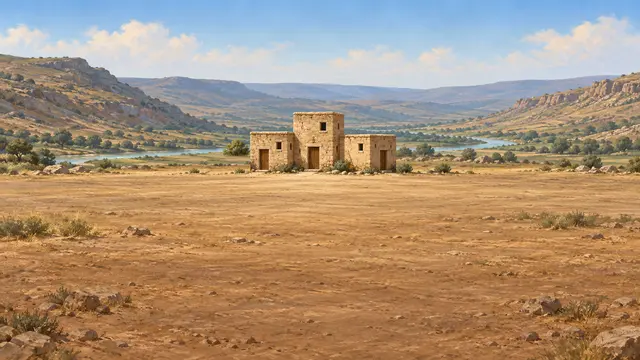
Ilyas said to his people: "Will you not fear Allah?"
As-Saaffaat 37:124
إِذْ قَالَ لِقَوْمِهِۦٓ أَلَا تَتَّقُونَ١٢٤
When he said to his people, "Will you not fear Allāh? (124)
As-Saaffaat 37:124 · Saheeh International

His people worshipped an idol called Ba'l. He said: "Do you call on Ba'l and leave Allah, the Best of Creators, your Lord and Lord of your first forefathers?"
As-Saaffaat 37:125–126
أَتَدْعُونَ بَعْلًا وَتَذَرُونَ أَحْسَنَ ٱلْخَـٰلِقِينَ١٢٥ ٱللَّهَ رَبَّكُمْ وَرَبَّ ءَابَآئِكُمُ ٱلْأَوَّلِينَ١٢٦
Do you call upon Baʿl[1300] and leave the best of creators - (125) Allāh, your Lord and the Lord of your first forefathers?" (126)
Translation notes
[1300] The name of a great idol worshipped by the people and said to mean "lord."As-Saaffaat 37:125–126 · Saheeh International - Ibn Kathir, Qasas al-Anbiya 2/241 (opens in a new tab)

But his people denied him. Allah told us that they will be brought for punishment, except Allah's chosen servants.
As-Saaffaat 37:127–128
فَكَذَّبُوهُ فَإِنَّهُمْ لَمُحْضَرُونَ١٢٧ إِلَّا عِبَادَ ٱللَّهِ ٱلْمُخْلَصِينَ١٢٨
And they denied him, so indeed, they will be brought [for punishment], (127) Except the chosen servants of Allāh. (128)
As-Saaffaat 37:127–128 · Saheeh International

Allah kept a good mention of Ilyas among those who came after him, and greeted him with peace in the Qur'an.
As-Saaffaat 37:129–130
وَتَرَكْنَا عَلَيْهِ فِى ٱلْـَٔاخِرِينَ١٢٩ سَلَـٰمٌ عَلَىٰٓ إِلْ يَاسِينَ١٣٠
And We left for him [favorable mention] among later generations: (129) "Peace upon Elias."[1301] (130)
Translation notes
[1301] Ilyāseen is said by some commentators to be a plural form, meaning "Elias and those who followed him."As-Saaffaat 37:129–130 · Saheeh International

Allah told us that this is how He rewards those who do good, and that Ilyas was one of His believing servants.
As-Saaffaat 37:131–132
إِنَّا كَذَٰلِكَ نَجْزِى ٱلْمُحْسِنِينَ١٣١ إِنَّهُۥ مِنْ عِبَادِنَا ٱلْمُؤْمِنِينَ١٣٢
Indeed, We thus reward the doers of good. (131) Indeed, he was of Our believing servants. (132)
As-Saaffaat 37:131–132 · Saheeh International

Allah named Ilyas together with Zakariyya (Zechariah), Yahya (John) and 'Isa (Jesus), peace be upon them, and said that all of them were among the righteous.
Al-An'aam 6:85
وَزَكَرِيَّا وَيَحْيَىٰ وَعِيسَىٰ وَإِلْيَاسَ ۖ كُلٌّ مِّنَ ٱلصَّـٰلِحِينَ٨٥
And Zechariah and John and Jesus and Elias - and all were of the righteous. (85)
Al-An'aam 6:85 · Saheeh International
What we learn
We worship only Allah, the Best of Creators
Sources
As-Saaffaat 37:125–126
أَتَدْعُونَ بَعْلًا وَتَذَرُونَ أَحْسَنَ ٱلْخَـٰلِقِينَ١٢٥ ٱللَّهَ رَبَّكُمْ وَرَبَّ ءَابَآئِكُمُ ٱلْأَوَّلِينَ١٢٦
Do you call upon Baʿl[1300] and leave the best of creators - (125) Allāh, your Lord and the Lord of your first forefathers?" (126)
Translation notes
[1300] The name of a great idol worshipped by the people and said to mean "lord."As-Saaffaat 37:125–126 · Saheeh International
Allah keeps a good mention for those who do good
Sources
As-Saaffaat 37:129–131
وَتَرَكْنَا عَلَيْهِ فِى ٱلْـَٔاخِرِينَ١٢٩ سَلَـٰمٌ عَلَىٰٓ إِلْ يَاسِينَ١٣٠ إِنَّا كَذَٰلِكَ نَجْزِى ٱلْمُحْسِنِينَ١٣١
And We left for him [favorable mention] among later generations: (129) "Peace upon Elias."[1301] (130) Indeed, We thus reward the doers of good. (131)
Translation notes
[1301] Ilyāseen is said by some commentators to be a plural form, meaning "Elias and those who followed him."As-Saaffaat 37:129–131 · Saheeh International
The full chapter
Simplified from Ibn Kathir's Stories of the Prophets. Every paragraph shows its sources.
Ilyas in the Qur'an
Allah tells the story of Ilyas, peace be upon him, in Surat al-Saffat, after the story of Musa (Moses) and Harun (Aaron), peace be upon them. He states that Ilyas was one of the messengers, that he called his people to fear Allah, and that he rebuked them for calling upon Ba'l and leaving Allah, the Best of Creators, their Lord and the Lord of their first forefathers. They denied him, and Allah states that they will be brought for punishment, except His chosen servants; that He left Ilyas a good mention among later generations and greeted him with peace; and that he was one of His believing servants.
Sources
As-Saaffaat 37:123–132
وَإِنَّ إِلْيَاسَ لَمِنَ ٱلْمُرْسَلِينَ١٢٣ إِذْ قَالَ لِقَوْمِهِۦٓ أَلَا تَتَّقُونَ١٢٤ أَتَدْعُونَ بَعْلًا وَتَذَرُونَ أَحْسَنَ ٱلْخَـٰلِقِينَ١٢٥ ٱللَّهَ رَبَّكُمْ وَرَبَّ ءَابَآئِكُمُ ٱلْأَوَّلِينَ١٢٦ فَكَذَّبُوهُ فَإِنَّهُمْ لَمُحْضَرُونَ١٢٧ إِلَّا عِبَادَ ٱللَّهِ ٱلْمُخْلَصِينَ١٢٨ وَتَرَكْنَا عَلَيْهِ فِى ٱلْـَٔاخِرِينَ١٢٩ سَلَـٰمٌ عَلَىٰٓ إِلْ يَاسِينَ١٣٠ إِنَّا كَذَٰلِكَ نَجْزِى ٱلْمُحْسِنِينَ١٣١ إِنَّهُۥ مِنْ عِبَادِنَا ٱلْمُؤْمِنِينَ١٣٢
And indeed, Elias was from among the messengers, (123) When he said to his people, "Will you not fear Allāh? (124) Do you call upon Baʿl[1300] and leave the best of creators - (125) Allāh, your Lord and the Lord of your first forefathers?" (126) And they denied him, so indeed, they will be brought [for punishment], (127) Except the chosen servants of Allāh. (128) And We left for him [favorable mention] among later generations: (129) "Peace upon Elias."[1301] (130) Indeed, We thus reward the doers of good. (131) Indeed, he was of Our believing servants. (132)
Translation notes
[1300] The name of a great idol worshipped by the people and said to mean "lord." [1301] Ilyāseen is said by some commentators to be a plural form, meaning "Elias and those who followed him."As-Saaffaat 37:123–132 · Saheeh International - Ibn Kathir, Qasas al-Anbiya 2/241 (opens in a new tab)
Allah also names him in Surat al-An'am together with Zakariyya, Yahya and 'Isa, and states that all of them were among the righteous.
Sources
Al-An'aam 6:85
وَزَكَرِيَّا وَيَحْيَىٰ وَعِيسَىٰ وَإِلْيَاسَ ۖ كُلٌّ مِّنَ ٱلصَّـٰلِحِينَ٨٥
And Zechariah and John and Jesus and Elias - and all were of the righteous. (85)
Al-An'aam 6:85 · Saheeh International
وَإِنَّ إِلْيَاسَ لَمِنَ ٱلْمُرْسَلِينَ١٢٣ إِذْ قَالَ لِقَوْمِهِۦٓ أَلَا تَتَّقُونَ١٢٤ أَتَدْعُونَ بَعْلًا وَتَذَرُونَ أَحْسَنَ ٱلْخَـٰلِقِينَ١٢٥ ٱللَّهَ رَبَّكُمْ وَرَبَّ ءَابَآئِكُمُ ٱلْأَوَّلِينَ١٢٦ فَكَذَّبُوهُ فَإِنَّهُمْ لَمُحْضَرُونَ١٢٧ إِلَّا عِبَادَ ٱللَّهِ ٱلْمُخْلَصِينَ١٢٨ وَتَرَكْنَا عَلَيْهِ فِى ٱلْـَٔاخِرِينَ١٢٩ سَلَـٰمٌ عَلَىٰٓ إِلْ يَاسِينَ١٣٠ إِنَّا كَذَٰلِكَ نَجْزِى ٱلْمُحْسِنِينَ١٣١ إِنَّهُۥ مِنْ عِبَادِنَا ٱلْمُؤْمِنِينَ١٣٢ And indeed, Elias was from among the messengers, (123) When he said to his people, "Will you not fear Allāh? (124) Do you call upon Baʿl[1300] and leave the best of creators - (125) Allāh, your Lord and the Lord of your first forefathers?" (126) And they denied him, so indeed, they will be brought [for punishment], (127) Except the chosen servants of Allāh. (128) And We left for him [favorable mention] among later generations: (129) "Peace upon Elias."[1301] (130) Indeed, We thus reward the doers of good. (131) Indeed, he was of Our believing servants. (132) Translation notes
[1300] The name of a great idol worshipped by the people and said to mean "lord." [1301] Ilyāseen is said by some commentators to be a plural form, meaning "Elias and those who followed him."وَزَكَرِيَّا وَيَحْيَىٰ وَعِيسَىٰ وَإِلْيَاسَ ۖ كُلٌّ مِّنَ ٱلصَّـٰلِحِينَ٨٥ And Zechariah and John and Jesus and Elias - and all were of the righteous. (85) Is he still alive?
Some reports claim that Ilyas and al-Khidr are alive to this day. Ibn Kathir says that none of this is authentic, and that the evidence shows that al-Khidr died, and so did Ilyas. He explains that some of these reports come from the People of the Book (Isra'iliyyat), and others are weak or fabricated hadith.
What the verses mean
Ibn Kathir explains that those who denied him will be brought for punishment, either in this world and the Hereafter, or in the Hereafter only; he says the first is more apparent, following the commentators and historians. Allah's chosen servants are those of his people who believed. The mention Allah left for him means that he is spoken of only with good.
Sources
- Ibn Kathir, Qasas al-Anbiya 2/246 (opens in a new tab)
As-Saaffaat 37:127–129
فَكَذَّبُوهُ فَإِنَّهُمْ لَمُحْضَرُونَ١٢٧ إِلَّا عِبَادَ ٱللَّهِ ٱلْمُخْلَصِينَ١٢٨ وَتَرَكْنَا عَلَيْهِ فِى ٱلْـَٔاخِرِينَ١٢٩
And they denied him, so indeed, they will be brought [for punishment], (127) Except the chosen servants of Allāh. (128) And We left for him [favorable mention] among later generations: (129)
As-Saaffaat 37:127–129 · Saheeh International
Ibn Kathir says that the greeting of peace in the verse is for Ilyas himself, and that his name appears there with the letters ya and nun added, since the Arabs add the letter nun to many names or put it in place of another letter.
Sources
- Ibn Kathir, Qasas al-Anbiya 2/246 (opens in a new tab)
As-Saaffaat 37:130
سَلَـٰمٌ عَلَىٰٓ إِلْ يَاسِينَ١٣٠
"Peace upon Elias."[1301] (130)
Translation notes
[1301] Ilyāseen is said by some commentators to be a plural form, meaning "Elias and those who followed him."As-Saaffaat 37:130 · Saheeh International
Another view of who he was
Ibn Mas'ud read the verse with the word «Idrasin», and he is reported to have said that Ilyas is Idris, peace be upon him. Al-Dahhak held this view, and Ibn Ishaq and Qatada reported it. Al-Bukhari mentions that it is reported from Ibn Mas'ud and Ibn Abbas that Ilyas is Idris. Ibn Kathir says: the correct view is that he is someone else. In the chapter on Idris, he also answers those who argued for it from the hadith of the Night Journey. Allah knows best.
When did he live?
Ibn Ishaq reports that after Hizqeel, peace be upon him, died, the Children of Israel forgot Allah's covenant with them and worshipped idols, among them one called Ba'l, so Allah sent Ilyas to them. Al-Hasan al-Basri said that al-Yasa' (Elisha), peace be upon him, came after Ilyas and called them to Allah, holding to Ilyas's way and law. Ibn Kathir says he told Ilyas's story early, after al-Khidr's, because the two are usually mentioned together, and because in Surat al-Saffat it comes after the story of Musa.
Sources on this page
Qur'an
- Al-An'aam
6:85
وَزَكَرِيَّا وَيَحْيَىٰ وَعِيسَىٰ وَإِلْيَاسَ ۖ كُلٌّ مِّنَ ٱلصَّـٰلِحِينَ٨٥
And Zechariah and John and Jesus and Elias - and all were of the righteous. (85)
Al-An'aam 6:85 · Saheeh International - As-Saaffaat
37:123
وَإِنَّ إِلْيَاسَ لَمِنَ ٱلْمُرْسَلِينَ١٢٣
And indeed, Elias was from among the messengers, (123)
As-Saaffaat 37:123 · Saheeh International 37:123–132
وَإِنَّ إِلْيَاسَ لَمِنَ ٱلْمُرْسَلِينَ١٢٣ إِذْ قَالَ لِقَوْمِهِۦٓ أَلَا تَتَّقُونَ١٢٤ أَتَدْعُونَ بَعْلًا وَتَذَرُونَ أَحْسَنَ ٱلْخَـٰلِقِينَ١٢٥ ٱللَّهَ رَبَّكُمْ وَرَبَّ ءَابَآئِكُمُ ٱلْأَوَّلِينَ١٢٦ فَكَذَّبُوهُ فَإِنَّهُمْ لَمُحْضَرُونَ١٢٧ إِلَّا عِبَادَ ٱللَّهِ ٱلْمُخْلَصِينَ١٢٨ وَتَرَكْنَا عَلَيْهِ فِى ٱلْـَٔاخِرِينَ١٢٩ سَلَـٰمٌ عَلَىٰٓ إِلْ يَاسِينَ١٣٠ إِنَّا كَذَٰلِكَ نَجْزِى ٱلْمُحْسِنِينَ١٣١ إِنَّهُۥ مِنْ عِبَادِنَا ٱلْمُؤْمِنِينَ١٣٢
And indeed, Elias was from among the messengers, (123) When he said to his people, "Will you not fear Allāh? (124) Do you call upon Baʿl[1300] and leave the best of creators - (125) Allāh, your Lord and the Lord of your first forefathers?" (126) And they denied him, so indeed, they will be brought [for punishment], (127) Except the chosen servants of Allāh. (128) And We left for him [favorable mention] among later generations: (129) "Peace upon Elias."[1301] (130) Indeed, We thus reward the doers of good. (131) Indeed, he was of Our believing servants. (132)
Translation notes
[1300] The name of a great idol worshipped by the people and said to mean "lord." [1301] Ilyāseen is said by some commentators to be a plural form, meaning "Elias and those who followed him."As-Saaffaat 37:123–132 · Saheeh International 37:124
إِذْ قَالَ لِقَوْمِهِۦٓ أَلَا تَتَّقُونَ١٢٤
When he said to his people, "Will you not fear Allāh? (124)
As-Saaffaat 37:124 · Saheeh International 37:125
أَتَدْعُونَ بَعْلًا وَتَذَرُونَ أَحْسَنَ ٱلْخَـٰلِقِينَ١٢٥
Do you call upon Baʿl[1300] and leave the best of creators - (125)
Translation notes
[1300] The name of a great idol worshipped by the people and said to mean "lord."As-Saaffaat 37:125 · Saheeh International 37:125–126
أَتَدْعُونَ بَعْلًا وَتَذَرُونَ أَحْسَنَ ٱلْخَـٰلِقِينَ١٢٥ ٱللَّهَ رَبَّكُمْ وَرَبَّ ءَابَآئِكُمُ ٱلْأَوَّلِينَ١٢٦
Do you call upon Baʿl[1300] and leave the best of creators - (125) Allāh, your Lord and the Lord of your first forefathers?" (126)
Translation notes
[1300] The name of a great idol worshipped by the people and said to mean "lord."As-Saaffaat 37:125–126 · Saheeh International 37:127
فَكَذَّبُوهُ فَإِنَّهُمْ لَمُحْضَرُونَ١٢٧
And they denied him, so indeed, they will be brought [for punishment], (127)
As-Saaffaat 37:127 · Saheeh International 37:127–128
فَكَذَّبُوهُ فَإِنَّهُمْ لَمُحْضَرُونَ١٢٧ إِلَّا عِبَادَ ٱللَّهِ ٱلْمُخْلَصِينَ١٢٨
And they denied him, so indeed, they will be brought [for punishment], (127) Except the chosen servants of Allāh. (128)
As-Saaffaat 37:127–128 · Saheeh International 37:127–129
فَكَذَّبُوهُ فَإِنَّهُمْ لَمُحْضَرُونَ١٢٧ إِلَّا عِبَادَ ٱللَّهِ ٱلْمُخْلَصِينَ١٢٨ وَتَرَكْنَا عَلَيْهِ فِى ٱلْـَٔاخِرِينَ١٢٩
And they denied him, so indeed, they will be brought [for punishment], (127) Except the chosen servants of Allāh. (128) And We left for him [favorable mention] among later generations: (129)
As-Saaffaat 37:127–129 · Saheeh International 37:129
وَتَرَكْنَا عَلَيْهِ فِى ٱلْـَٔاخِرِينَ١٢٩
And We left for him [favorable mention] among later generations: (129)
As-Saaffaat 37:129 · Saheeh International 37:129–130
وَتَرَكْنَا عَلَيْهِ فِى ٱلْـَٔاخِرِينَ١٢٩ سَلَـٰمٌ عَلَىٰٓ إِلْ يَاسِينَ١٣٠
And We left for him [favorable mention] among later generations: (129) "Peace upon Elias."[1301] (130)
Translation notes
[1301] Ilyāseen is said by some commentators to be a plural form, meaning "Elias and those who followed him."As-Saaffaat 37:129–130 · Saheeh International 37:129–131
وَتَرَكْنَا عَلَيْهِ فِى ٱلْـَٔاخِرِينَ١٢٩ سَلَـٰمٌ عَلَىٰٓ إِلْ يَاسِينَ١٣٠ إِنَّا كَذَٰلِكَ نَجْزِى ٱلْمُحْسِنِينَ١٣١
And We left for him [favorable mention] among later generations: (129) "Peace upon Elias."[1301] (130) Indeed, We thus reward the doers of good. (131)
Translation notes
[1301] Ilyāseen is said by some commentators to be a plural form, meaning "Elias and those who followed him."As-Saaffaat 37:129–131 · Saheeh International 37:129–132
وَتَرَكْنَا عَلَيْهِ فِى ٱلْـَٔاخِرِينَ١٢٩ سَلَـٰمٌ عَلَىٰٓ إِلْ يَاسِينَ١٣٠ إِنَّا كَذَٰلِكَ نَجْزِى ٱلْمُحْسِنِينَ١٣١ إِنَّهُۥ مِنْ عِبَادِنَا ٱلْمُؤْمِنِينَ١٣٢
And We left for him [favorable mention] among later generations: (129) "Peace upon Elias."[1301] (130) Indeed, We thus reward the doers of good. (131) Indeed, he was of Our believing servants. (132)
Translation notes
[1301] Ilyāseen is said by some commentators to be a plural form, meaning "Elias and those who followed him."As-Saaffaat 37:129–132 · Saheeh International 37:130
سَلَـٰمٌ عَلَىٰٓ إِلْ يَاسِينَ١٣٠
"Peace upon Elias."[1301] (130)
Translation notes
[1301] Ilyāseen is said by some commentators to be a plural form, meaning "Elias and those who followed him."As-Saaffaat 37:130 · Saheeh International 37:131–132
إِنَّا كَذَٰلِكَ نَجْزِى ٱلْمُحْسِنِينَ١٣١ إِنَّهُۥ مِنْ عِبَادِنَا ٱلْمُؤْمِنِينَ١٣٢
Indeed, We thus reward the doers of good. (131) Indeed, he was of Our believing servants. (132)
As-Saaffaat 37:131–132 · Saheeh International 37:132
إِنَّهُۥ مِنْ عِبَادِنَا ٱلْمُؤْمِنِينَ١٣٢
Indeed, he was of Our believing servants. (132)
As-Saaffaat 37:132 · Saheeh International
Ibn Kathir, Qasas al-Anbiya
1/73 (opens in a new tab)2/241 (opens in a new tab)2/242–243 (opens in a new tab)2/244–245 (opens in a new tab)2/246 (opens in a new tab)2/251 (opens in a new tab)2/252 (opens in a new tab)
- Qur'an text: Tanzil Project (tanzil.net), Uthmani script, CC BY 3.0, reproduced without any change.
- English meanings of the Qur'an: Saheeh International, issued by Noor International Center, from QuranEnc.com, version 1.1.2.
- Hadith numbers follow sunnah.com; their wording is checked against the open hadith-api dataset (public domain).
- Ibn Kathir, Qasas al-Anbiya, edited by Mustafa Abdul-Wahid, Cairo 1968; and his al-Sira al-Nabawiyya, edited by Mustafa Abdul-Wahid, Cairo 1395 AH/1976 CE, four volumes, for the story of Muhammad ﷺ. Page links go to shamela.ws.