Ibrahim (Abraham) peace be upon him
Draft for review: not yet checked by a scholar.
The close friend of Allah
Sources
An-Nisaa 4:125
وَمَنْ أَحْسَنُ دِينًا مِّمَّنْ أَسْلَمَ وَجْهَهُۥ لِلَّهِ وَهُوَ مُحْسِنٌ وَٱتَّبَعَ مِلَّةَ إِبْرَٰهِيمَ حَنِيفًا ۗ وَٱتَّخَذَ ٱللَّهُ إِبْرَٰهِيمَ خَلِيلًا١٢٥
And who is better in religion than one who submits himself to Allāh while being a doer of good and follows the religion of Abraham, inclining toward truth? And Allāh took Abraham as an intimate friend. (125)
An-Nisaa 4:125 · Saheeh International - Sahih Muslim 532 (opens in a new tab)
- Sahih al-Bukhari 3353 (opens in a new tab)
In 10 seconds
He called his people to worship Allah alone, and Allah saved him from the fire. With his son Isma'il (Ishmael), peace be upon him, he raised the Ka'bah's foundations.
Sources
Al-Ankaboot 29:16
وَإِبْرَٰهِيمَ إِذْ قَالَ لِقَوْمِهِ ٱعْبُدُوا۟ ٱللَّهَ وَٱتَّقُوهُ ۖ ذَٰلِكُمْ خَيْرٌ لَّكُمْ إِن كُنتُمْ تَعْلَمُونَ١٦
And [We sent] Abraham, when he said to his people, "Worship Allāh and fear Him. That is best for you, if you should know. (16)
Al-Ankaboot 29:16 · Saheeh International Al-Ankaboot 29:24
فَمَا كَانَ جَوَابَ قَوْمِهِۦٓ إِلَّآ أَن قَالُوا۟ ٱقْتُلُوهُ أَوْ حَرِّقُوهُ فَأَنجَىٰهُ ٱللَّهُ مِنَ ٱلنَّارِ ۚ إِنَّ فِى ذَٰلِكَ لَـَٔايَـٰتٍ لِّقَوْمٍ يُؤْمِنُونَ٢٤
And the answer of his [i.e., Abraham's] people was not but that they said, "Kill him or burn him," but Allāh saved him from the fire. Indeed in that are signs for a people who believe. (24)
Al-Ankaboot 29:24 · Saheeh International Al-Baqara 2:127
وَإِذْ يَرْفَعُ إِبْرَٰهِـۧمُ ٱلْقَوَاعِدَ مِنَ ٱلْبَيْتِ وَإِسْمَـٰعِيلُ رَبَّنَا تَقَبَّلْ مِنَّآ ۖ إِنَّكَ أَنتَ ٱلسَّمِيعُ ٱلْعَلِيمُ١٢٧
And [mention] when Abraham was raising the foundations of the House and [with him] Ishmael, [saying], "Our Lord, accept [this] from us. Indeed, You are the Hearing,[42] the Knowing.[43] (127)
Translation notes
[42] Who hears every sound, distinguishes every voice, understands every word, and accepts and responds to supplications. [43] Refer to footnote in 2:32.Al-Baqara 2:127 · Saheeh International Ibrahim 14:39
ٱلْحَمْدُ لِلَّهِ ٱلَّذِى وَهَبَ لِى عَلَى ٱلْكِبَرِ إِسْمَـٰعِيلَ وَإِسْحَـٰقَ ۚ إِنَّ رَبِّى لَسَمِيعُ ٱلدُّعَآءِ٣٩
Praise to Allāh, who has granted to me in old age Ishmael and Isaac. Indeed, my Lord is the Hearer of supplication. (39)
Ibrahim 14:39 · Saheeh International Al-Maaida 5:97
۞ جَعَلَ ٱللَّهُ ٱلْكَعْبَةَ ٱلْبَيْتَ ٱلْحَرَامَ قِيَـٰمًا لِّلنَّاسِ وَٱلشَّهْرَ ٱلْحَرَامَ وَٱلْهَدْىَ وَٱلْقَلَـٰٓئِدَ ۚ ذَٰلِكَ لِتَعْلَمُوٓا۟ أَنَّ ٱللَّهَ يَعْلَمُ مَا فِى ٱلسَّمَـٰوَٰتِ وَمَا فِى ٱلْأَرْضِ وَأَنَّ ٱللَّهَ بِكُلِّ شَىْءٍ عَلِيمٌ٩٧
Allāh has made the Kaʿbah, the Sacred House, standing[286] for the people and [has sanctified] the sacred months and the sacrificial animals and the garlands [by which they are identified]. That is so you may know that Allāh knows what is in the heavens and what is in the earth and that Allāh is Knowing of all things. (97)
Translation notes
[286] Conspicuously as a symbol of Allāh's religion.Al-Maaida 5:97 · Saheeh International - Sahih al-Bukhari 1583 (opens in a new tab)
Story in 1 minute
Read the story as a list

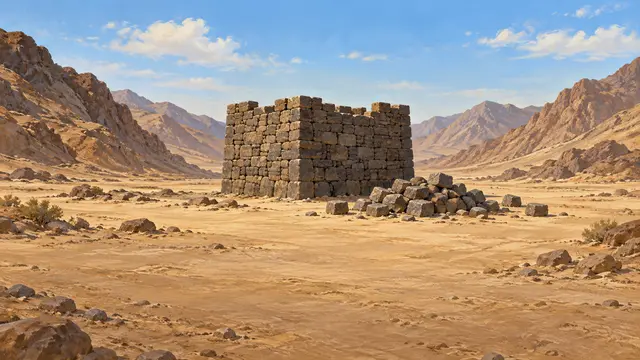
Ibrahim (Abraham), peace be upon him, saw a star, then the moon, then the sun, each one setting. He said he worshipped only the Creator of the heavens and earth.
Al-An'aam 6:77–79
فَلَمَّا رَءَا ٱلْقَمَرَ بَازِغًا قَالَ هَـٰذَا رَبِّى ۖ فَلَمَّآ أَفَلَ قَالَ لَئِن لَّمْ يَهْدِنِى رَبِّى لَأَكُونَنَّ مِنَ ٱلْقَوْمِ ٱلضَّآلِّينَ٧٧ فَلَمَّا رَءَا ٱلشَّمْسَ بَازِغَةً قَالَ هَـٰذَا رَبِّى هَـٰذَآ أَكْبَرُ ۖ فَلَمَّآ أَفَلَتْ قَالَ يَـٰقَوْمِ إِنِّى بَرِىٓءٌ مِّمَّا تُشْرِكُونَ٧٨ إِنِّى وَجَّهْتُ وَجْهِىَ لِلَّذِى فَطَرَ ٱلسَّمَـٰوَٰتِ وَٱلْأَرْضَ حَنِيفًا ۖ وَمَآ أَنَا۠ مِنَ ٱلْمُشْرِكِينَ٧٩
And when he saw the moon rising, he said, "This is my lord." But when it set, he said, "Unless my Lord guides me, I will surely be among the people gone astray." (77) And when he saw the sun rising, he said, "This is my lord; this is greater." But when it set, he said, "O my people, indeed I am free from what you associate with Allāh. (78) Indeed, I have turned my face [i.e., self] toward He who created the heavens and the earth, inclining toward truth, and I am not of those who associate others with Allāh." (79)
Al-An'aam 6:77–79 · Saheeh International - Ibn Kathir, Qasas al-Anbiya 1/173–175 (opens in a new tab)
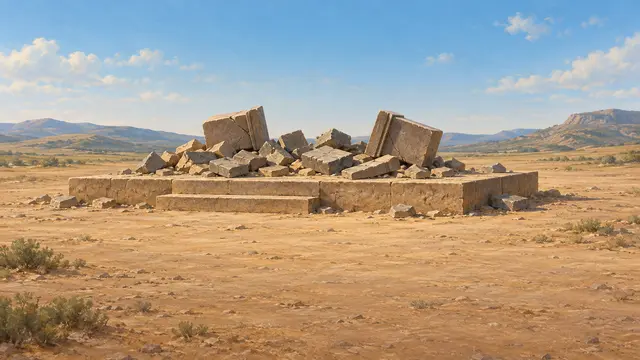
When his people had gone, Ibrahim broke their idols to pieces, all except the biggest. When they questioned him, he told them to ask the idols, if they could speak.
Al-Anbiyaa 21:57–63
وَتَٱللَّهِ لَأَكِيدَنَّ أَصْنَـٰمَكُم بَعْدَ أَن تُوَلُّوا۟ مُدْبِرِينَ٥٧ فَجَعَلَهُمْ جُذَٰذًا إِلَّا كَبِيرًا لَّهُمْ لَعَلَّهُمْ إِلَيْهِ يَرْجِعُونَ٥٨ قَالُوا۟ مَن فَعَلَ هَـٰذَا بِـَٔالِهَتِنَآ إِنَّهُۥ لَمِنَ ٱلظَّـٰلِمِينَ٥٩ قَالُوا۟ سَمِعْنَا فَتًى يَذْكُرُهُمْ يُقَالُ لَهُۥٓ إِبْرَٰهِيمُ٦٠ قَالُوا۟ فَأْتُوا۟ بِهِۦ عَلَىٰٓ أَعْيُنِ ٱلنَّاسِ لَعَلَّهُمْ يَشْهَدُونَ٦١ قَالُوٓا۟ ءَأَنتَ فَعَلْتَ هَـٰذَا بِـَٔالِهَتِنَا يَـٰٓإِبْرَٰهِيمُ٦٢ قَالَ بَلْ فَعَلَهُۥ كَبِيرُهُمْ هَـٰذَا فَسْـَٔلُوهُمْ إِن كَانُوا۟ يَنطِقُونَ٦٣
And [I swear] by Allāh, I will surely plan against your idols after you have turned and gone away." (57) So he made them into fragments, except a large one among them, that they might return to it [and question]. (58) They said, "Who has done this to our gods? Indeed, he is of the wrongdoers." (59) They said, "We heard a young man mention them who is called Abraham." (60) They said, "Then bring him before the eyes of the people that they may testify."[892] (61) They said, "Have you done this to our gods, O Abraham?" (62) He said, "Rather, this - the largest of them - did it, so ask them, if they should [be able to] speak." (63)
Translation notes
[892] To what they had heard him say. It may also mean "...that they may witness [what will be done to him as punishment]."Al-Anbiyaa 21:57–63 · Saheeh International As-Saaffaat 37:88–93
فَنَظَرَ نَظْرَةً فِى ٱلنُّجُومِ٨٨ فَقَالَ إِنِّى سَقِيمٌ٨٩ فَتَوَلَّوْا۟ عَنْهُ مُدْبِرِينَ٩٠ فَرَاغَ إِلَىٰٓ ءَالِهَتِهِمْ فَقَالَ أَلَا تَأْكُلُونَ٩١ مَا لَكُمْ لَا تَنطِقُونَ٩٢ فَرَاغَ عَلَيْهِمْ ضَرْبًۢا بِٱلْيَمِينِ٩٣
And he cast a look at the stars (88) And said, "Indeed, I am [about to be] ill." (89) So they turned away from him, departing. (90) Then he turned to their gods and said, "Do you not eat?[1295] (91) What is [wrong] with you that you do not speak?" (92) And he turned upon them a blow with [his] right hand. (93)
Translation notes
[1295] Consume the offerings placed before them.As-Saaffaat 37:88–93 · Saheeh International - Ibn Kathir, Qasas al-Anbiya 1/178–180 (opens in a new tab)
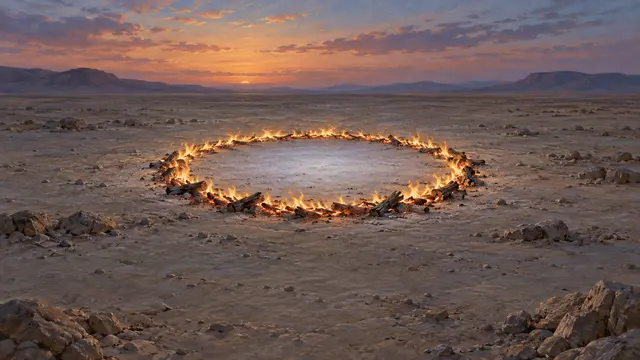
His people threw him into a great fire to burn him. But Allah commanded the fire to be cool and harmless for him, and saved him from it.
Al-Anbiyaa 21:68–70
قَالُوا۟ حَرِّقُوهُ وَٱنصُرُوٓا۟ ءَالِهَتَكُمْ إِن كُنتُمْ فَـٰعِلِينَ٦٨ قُلْنَا يَـٰنَارُ كُونِى بَرْدًا وَسَلَـٰمًا عَلَىٰٓ إِبْرَٰهِيمَ٦٩ وَأَرَادُوا۟ بِهِۦ كَيْدًا فَجَعَلْنَـٰهُمُ ٱلْأَخْسَرِينَ٧٠
They said, "Burn him and support your gods - if you are to act." (68) We [i.e., Allāh] said, "O fire, be coolness and safety upon Abraham." (69) And they intended for him a plan [i.e., harm], but We made them the greatest losers. (70)
Al-Anbiyaa 21:68–70 · Saheeh International As-Saaffaat 37:97–98
قَالُوا۟ ٱبْنُوا۟ لَهُۥ بُنْيَـٰنًا فَأَلْقُوهُ فِى ٱلْجَحِيمِ٩٧ فَأَرَادُوا۟ بِهِۦ كَيْدًا فَجَعَلْنَـٰهُمُ ٱلْأَسْفَلِينَ٩٨
They said, "Construct for him a structure [i.e., furnace] and throw him into the burning fire." (97) And they intended for him a plan [i.e., harm], but We made them the most debased. (98)
As-Saaffaat 37:97–98 · Saheeh International Al-Ankaboot 29:24
فَمَا كَانَ جَوَابَ قَوْمِهِۦٓ إِلَّآ أَن قَالُوا۟ ٱقْتُلُوهُ أَوْ حَرِّقُوهُ فَأَنجَىٰهُ ٱللَّهُ مِنَ ٱلنَّارِ ۚ إِنَّ فِى ذَٰلِكَ لَـَٔايَـٰتٍ لِّقَوْمٍ يُؤْمِنُونَ٢٤
And the answer of his [i.e., Abraham's] people was not but that they said, "Kill him or burn him," but Allāh saved him from the fire. Indeed in that are signs for a people who believe. (24)
Al-Ankaboot 29:24 · Saheeh International - Ibn Kathir, Qasas al-Anbiya 1/181–184 (opens in a new tab)
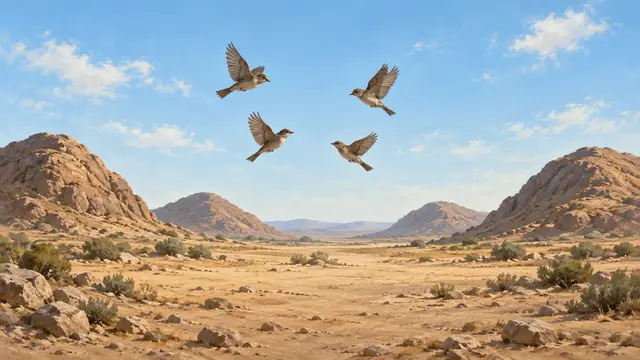
Ibrahim asked Allah to show him how He raises the dead. Allah told him to put parts of four birds on hills and call them: they would rush to him.
Al-Baqara 2:260
وَإِذْ قَالَ إِبْرَٰهِـۧمُ رَبِّ أَرِنِى كَيْفَ تُحْىِ ٱلْمَوْتَىٰ ۖ قَالَ أَوَلَمْ تُؤْمِن ۖ قَالَ بَلَىٰ وَلَـٰكِن لِّيَطْمَئِنَّ قَلْبِى ۖ قَالَ فَخُذْ أَرْبَعَةً مِّنَ ٱلطَّيْرِ فَصُرْهُنَّ إِلَيْكَ ثُمَّ ٱجْعَلْ عَلَىٰ كُلِّ جَبَلٍ مِّنْهُنَّ جُزْءًا ثُمَّ ٱدْعُهُنَّ يَأْتِينَكَ سَعْيًا ۚ وَٱعْلَمْ أَنَّ ٱللَّهَ عَزِيزٌ حَكِيمٌ٢٦٠
And [mention] when Abraham said, "My Lord, show me how You give life to the dead." [Allāh] said, "Have you not believed?" He said, "Yes, but [I ask] only that my heart may be satisfied." [Allāh] said, "Take four birds and commit them to yourself.[107] Then [after slaughtering them] put on each hill a portion of them; then call them - they will come [flying] to you in haste. And know that Allāh is Exalted in Might and Wise." (260)
Translation notes
[107] i.e., train them to come to you on command.Al-Baqara 2:260 · Saheeh International - Ibn Kathir, Qasas al-Anbiya 1/234–235 (opens in a new tab)
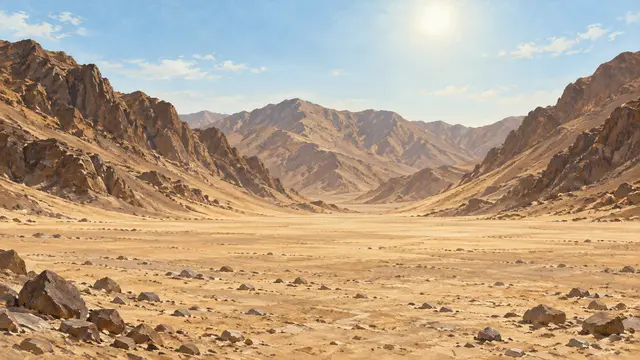
Ibrahim settled his son Isma'il and Isma'il's mother in a valley with no crops, near Allah's Sacred House. He prayed that Allah would provide for them.
Ibrahim 14:37
رَّبَّنَآ إِنِّىٓ أَسْكَنتُ مِن ذُرِّيَّتِى بِوَادٍ غَيْرِ ذِى زَرْعٍ عِندَ بَيْتِكَ ٱلْمُحَرَّمِ رَبَّنَا لِيُقِيمُوا۟ ٱلصَّلَوٰةَ فَٱجْعَلْ أَفْـِٔدَةً مِّنَ ٱلنَّاسِ تَهْوِىٓ إِلَيْهِمْ وَٱرْزُقْهُم مِّنَ ٱلثَّمَرَٰتِ لَعَلَّهُمْ يَشْكُرُونَ٣٧
Our Lord, I have settled some of my descendants in an uncultivated valley near Your sacred House, our Lord, that they may establish prayer. So make hearts among the people incline toward them and provide for them from the fruits that they might be grateful. (37)
Ibrahim 14:37 · Saheeh International Ibrahim 14:39
ٱلْحَمْدُ لِلَّهِ ٱلَّذِى وَهَبَ لِى عَلَى ٱلْكِبَرِ إِسْمَـٰعِيلَ وَإِسْحَـٰقَ ۚ إِنَّ رَبِّى لَسَمِيعُ ٱلدُّعَآءِ٣٩
Praise to Allāh, who has granted to me in old age Ishmael and Isaac. Indeed, my Lord is the Hearer of supplication. (39)
Ibrahim 14:39 · Saheeh International - Sahih al-Bukhari 2368 (opens in a new tab)
- Ibn Kathir, Qasas al-Anbiya 1/203 (opens in a new tab)
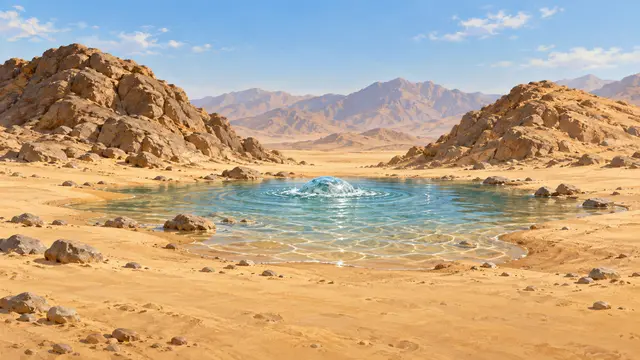
Isma'il's mother hurried between the hills of al-Safa and al-Marwa; Prophet Muhammad ﷺ said that is why people hurry between them. And the water of Zamzam came out for her.
- Sahih al-Bukhari 3364 (opens in a new tab)
- Sahih al-Bukhari 2368 (opens in a new tab)
Al-Baqara 2:158
۞ إِنَّ ٱلصَّفَا وَٱلْمَرْوَةَ مِن شَعَآئِرِ ٱللَّهِ ۖ فَمَنْ حَجَّ ٱلْبَيْتَ أَوِ ٱعْتَمَرَ فَلَا جُنَاحَ عَلَيْهِ أَن يَطَّوَّفَ بِهِمَا ۚ وَمَن تَطَوَّعَ خَيْرًا فَإِنَّ ٱللَّهَ شَاكِرٌ عَلِيمٌ١٥٨
Indeed, aṣ-Ṣafā and al-Marwah are among the symbols[55] of Allāh. So whoever makes ḥajj [pilgrimage] to the House or performs ʿumrah - there is no blame upon him for walking between them.[56] And whoever volunteers good - then indeed, Allāh is Appreciative[57] and Knowing. (158)
Translation notes
[55] Places designated for the rites of ḥajj and ʿumrah. [56] Some believers had previously feared that this might be a pagan practice, so Allāh confirms that saʿī is among the rites of His religion. [57] i.e., He rewards generously.Al-Baqara 2:158 · Saheeh International - Ibn Kathir, Qasas al-Anbiya 1/204–205 (opens in a new tab)
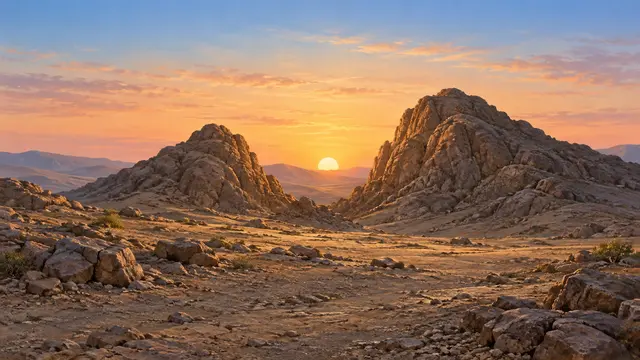
Ibrahim dreamt he was sacrificing his son, who asked him to obey Allah. When both obeyed, Allah called out that Ibrahim had fulfilled the dream, and the son was spared.
As-Saaffaat 37:102–106
فَلَمَّا بَلَغَ مَعَهُ ٱلسَّعْىَ قَالَ يَـٰبُنَىَّ إِنِّىٓ أَرَىٰ فِى ٱلْمَنَامِ أَنِّىٓ أَذْبَحُكَ فَٱنظُرْ مَاذَا تَرَىٰ ۚ قَالَ يَـٰٓأَبَتِ ٱفْعَلْ مَا تُؤْمَرُ ۖ سَتَجِدُنِىٓ إِن شَآءَ ٱللَّهُ مِنَ ٱلصَّـٰبِرِينَ١٠٢ فَلَمَّآ أَسْلَمَا وَتَلَّهُۥ لِلْجَبِينِ١٠٣ وَنَـٰدَيْنَـٰهُ أَن يَـٰٓإِبْرَٰهِيمُ١٠٤ قَدْ صَدَّقْتَ ٱلرُّءْيَآ ۚ إِنَّا كَذَٰلِكَ نَجْزِى ٱلْمُحْسِنِينَ١٠٥ إِنَّ هَـٰذَا لَهُوَ ٱلْبَلَـٰٓؤُا۟ ٱلْمُبِينُ١٠٦
And when he reached with him [the age of] exertion,[1296] he said, "O my son, indeed I have seen in a dream that I [must] sacrifice you, so see what you think." He said, "O my father, do as you are commanded. You will find me, if Allāh wills, of the steadfast." (102) And when they had both submitted[1297] and he put him down upon his forehead, (103) We called to him, "O Abraham, (104) You have fulfilled the vision." Indeed, We thus reward the doers of good. (105) Indeed, this was the clear trial. (106)
Translation notes
[1296] i.e., the ability to work and be of assistance. [1297] To the command of Allāh.As-Saaffaat 37:102–106 · Saheeh International - Ibn Kathir, Qasas al-Anbiya 1/210–212 (opens in a new tab)
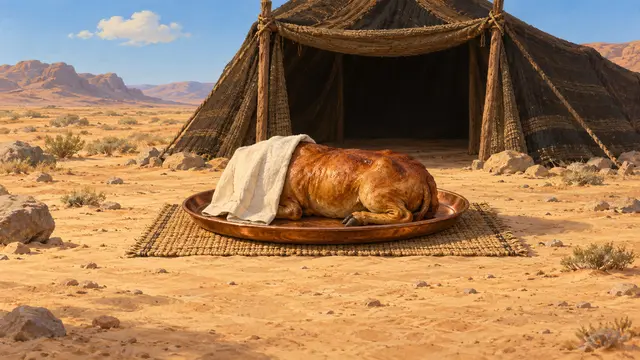
Angels came to Ibrahim as guests, and he served them a roasted calf. They brought good news: his old wife would have a son, Ishaq (Isaac), peace be upon him.
Hud 11:69–72
وَلَقَدْ جَآءَتْ رُسُلُنَآ إِبْرَٰهِيمَ بِٱلْبُشْرَىٰ قَالُوا۟ سَلَـٰمًا ۖ قَالَ سَلَـٰمٌ ۖ فَمَا لَبِثَ أَن جَآءَ بِعِجْلٍ حَنِيذٍ٦٩ فَلَمَّا رَءَآ أَيْدِيَهُمْ لَا تَصِلُ إِلَيْهِ نَكِرَهُمْ وَأَوْجَسَ مِنْهُمْ خِيفَةً ۚ قَالُوا۟ لَا تَخَفْ إِنَّآ أُرْسِلْنَآ إِلَىٰ قَوْمِ لُوطٍ٧٠ وَٱمْرَأَتُهُۥ قَآئِمَةٌ فَضَحِكَتْ فَبَشَّرْنَـٰهَا بِإِسْحَـٰقَ وَمِن وَرَآءِ إِسْحَـٰقَ يَعْقُوبَ٧١ قَالَتْ يَـٰوَيْلَتَىٰٓ ءَأَلِدُ وَأَنَا۠ عَجُوزٌ وَهَـٰذَا بَعْلِى شَيْخًا ۖ إِنَّ هَـٰذَا لَشَىْءٌ عَجِيبٌ٧٢
And certainly did Our messengers [i.e., angels] come to Abraham with good tidings; they said, "Peace." He said, "Peace," and did not delay in bringing [them] a roasted calf. (69) But when he saw their hands not reaching for it, he distrusted them and felt from them apprehension.[563] They said, "Fear not. We have been sent to the people of Lot." (70) And his wife was standing, and she smiled.[564] Then We gave her good tidings of Isaac and after Isaac, Jacob. (71) She said, "Woe to me![565] Shall I give birth while I am an old woman and this, my husband, is an old man? Indeed, this is an amazing thing!" (72)
Translation notes
[563] Traditionally, if a guest refused to eat, it meant that he harbored ill will toward the host or intended him harm. [564] In pleasure at the news of the forthcoming punishment of the evil people who denied Prophet Lot (upon him be peace). [565] An expression of surprise and amazement.Hud 11:69–72 · Saheeh International Adh-Dhaariyat 51:24–30
هَلْ أَتَىٰكَ حَدِيثُ ضَيْفِ إِبْرَٰهِيمَ ٱلْمُكْرَمِينَ٢٤ إِذْ دَخَلُوا۟ عَلَيْهِ فَقَالُوا۟ سَلَـٰمًا ۖ قَالَ سَلَـٰمٌ قَوْمٌ مُّنكَرُونَ٢٥ فَرَاغَ إِلَىٰٓ أَهْلِهِۦ فَجَآءَ بِعِجْلٍ سَمِينٍ٢٦ فَقَرَّبَهُۥٓ إِلَيْهِمْ قَالَ أَلَا تَأْكُلُونَ٢٧ فَأَوْجَسَ مِنْهُمْ خِيفَةً ۖ قَالُوا۟ لَا تَخَفْ ۖ وَبَشَّرُوهُ بِغُلَـٰمٍ عَلِيمٍ٢٨ فَأَقْبَلَتِ ٱمْرَأَتُهُۥ فِى صَرَّةٍ فَصَكَّتْ وَجْهَهَا وَقَالَتْ عَجُوزٌ عَقِيمٌ٢٩ قَالُوا۟ كَذَٰلِكِ قَالَ رَبُّكِ ۖ إِنَّهُۥ هُوَ ٱلْحَكِيمُ ٱلْعَلِيمُ٣٠
Has there reached you the story of the honored guests of Abraham?[1539] - (24) When they entered upon him and said, "[We greet you with] peace." He answered, "[And upon you] peace; [you are] a people unknown." (25) Then he went to his family and came with a fat [roasted] calf. (26) And placed it near them; he said, "Will you not eat?" (27) And he felt from them apprehension.[1540] They said, "Fear not," and gave him good tidings of a learned boy. (28) And his wife approached with a cry [of alarm] and struck her face and said, "[I am] a barren old woman!" (29) They said, "Thus has said your Lord; indeed, He is the Wise, the Knowing." (30)
Translation notes
[1539] Who were angels given honored positions by Allāh. [1540] See footnote to 11:70.Adh-Dhaariyat 51:24–30 · Saheeh International - Ibn Kathir, Qasas al-Anbiya 1/218–220 (opens in a new tab)
Allah showed Ibrahim the place of the Ka'bah. He and his son Isma'il raised its foundations, asking Allah to accept it from them.
Al-Hajj 22:26
وَإِذْ بَوَّأْنَا لِإِبْرَٰهِيمَ مَكَانَ ٱلْبَيْتِ أَن لَّا تُشْرِكْ بِى شَيْـًٔا وَطَهِّرْ بَيْتِىَ لِلطَّآئِفِينَ وَٱلْقَآئِمِينَ وَٱلرُّكَّعِ ٱلسُّجُودِ٢٦
And [mention, O Muḥammad], when We designated for Abraham the site of the House, [saying], "Do not associate anything with Me and purify My House for those who perform ṭawāf[923] and those who stand [in prayer] and those who bow and prostrate. (26)
Translation notes
[923] See footnote to 2:125.Al-Hajj 22:26 · Saheeh International Al-Baqara 2:127
وَإِذْ يَرْفَعُ إِبْرَٰهِـۧمُ ٱلْقَوَاعِدَ مِنَ ٱلْبَيْتِ وَإِسْمَـٰعِيلُ رَبَّنَا تَقَبَّلْ مِنَّآ ۖ إِنَّكَ أَنتَ ٱلسَّمِيعُ ٱلْعَلِيمُ١٢٧
And [mention] when Abraham was raising the foundations of the House and [with him] Ishmael, [saying], "Our Lord, accept [this] from us. Indeed, You are the Hearing,[42] the Knowing.[43] (127)
Translation notes
[42] Who hears every sound, distinguishes every voice, understands every word, and accepts and responds to supplications. [43] Refer to footnote in 2:32.Al-Baqara 2:127 · Saheeh International Al-Maaida 5:97
۞ جَعَلَ ٱللَّهُ ٱلْكَعْبَةَ ٱلْبَيْتَ ٱلْحَرَامَ قِيَـٰمًا لِّلنَّاسِ وَٱلشَّهْرَ ٱلْحَرَامَ وَٱلْهَدْىَ وَٱلْقَلَـٰٓئِدَ ۚ ذَٰلِكَ لِتَعْلَمُوٓا۟ أَنَّ ٱللَّهَ يَعْلَمُ مَا فِى ٱلسَّمَـٰوَٰتِ وَمَا فِى ٱلْأَرْضِ وَأَنَّ ٱللَّهَ بِكُلِّ شَىْءٍ عَلِيمٌ٩٧
Allāh has made the Kaʿbah, the Sacred House, standing[286] for the people and [has sanctified] the sacred months and the sacrificial animals and the garlands [by which they are identified]. That is so you may know that Allāh knows what is in the heavens and what is in the earth and that Allāh is Knowing of all things. (97)
Translation notes
[286] Conspicuously as a symbol of Allāh's religion.Al-Maaida 5:97 · Saheeh International - Sahih al-Bukhari 1583 (opens in a new tab)
- Ibn Kathir, Qasas al-Anbiya 1/224–225 (opens in a new tab)
Allah commanded Ibrahim to call people to Hajj, and told him they would come from every far-off road, on foot and on camels.
Al-Hajj 22:27
وَأَذِّن فِى ٱلنَّاسِ بِٱلْحَجِّ يَأْتُوكَ رِجَالًا وَعَلَىٰ كُلِّ ضَامِرٍ يَأْتِينَ مِن كُلِّ فَجٍّ عَمِيقٍ٢٧
And proclaim to the people the ḥajj [pilgrimage]; they will come to you on foot and on every lean camel; they will come from every distant pass - (27)
Al-Hajj 22:27 · Saheeh International - Ibn Kathir, Qasas al-Anbiya 1/224–225 (opens in a new tab)
What we learn
Worshipping Allah alone, the Creator of the heavens and the earth
Sources
Al-An'aam 6:79
إِنِّى وَجَّهْتُ وَجْهِىَ لِلَّذِى فَطَرَ ٱلسَّمَـٰوَٰتِ وَٱلْأَرْضَ حَنِيفًا ۖ وَمَآ أَنَا۠ مِنَ ٱلْمُشْرِكِينَ٧٩
Indeed, I have turned my face [i.e., self] toward He who created the heavens and the earth, inclining toward truth, and I am not of those who associate others with Allāh." (79)
Al-An'aam 6:79 · Saheeh International
Obeying Allah and accepting His command
Sources
As-Saaffaat 37:102–103
فَلَمَّا بَلَغَ مَعَهُ ٱلسَّعْىَ قَالَ يَـٰبُنَىَّ إِنِّىٓ أَرَىٰ فِى ٱلْمَنَامِ أَنِّىٓ أَذْبَحُكَ فَٱنظُرْ مَاذَا تَرَىٰ ۚ قَالَ يَـٰٓأَبَتِ ٱفْعَلْ مَا تُؤْمَرُ ۖ سَتَجِدُنِىٓ إِن شَآءَ ٱللَّهُ مِنَ ٱلصَّـٰبِرِينَ١٠٢ فَلَمَّآ أَسْلَمَا وَتَلَّهُۥ لِلْجَبِينِ١٠٣
And when he reached with him [the age of] exertion,[1296] he said, "O my son, indeed I have seen in a dream that I [must] sacrifice you, so see what you think." He said, "O my father, do as you are commanded. You will find me, if Allāh wills, of the steadfast." (102) And when they had both submitted[1297] and he put him down upon his forehead, (103)
Translation notes
[1296] i.e., the ability to work and be of assistance. [1297] To the command of Allāh.As-Saaffaat 37:102–103 · Saheeh International
Gentle words to a parent, even one who disagrees with us
Sources
Maryam 19:42–47
إِذْ قَالَ لِأَبِيهِ يَـٰٓأَبَتِ لِمَ تَعْبُدُ مَا لَا يَسْمَعُ وَلَا يُبْصِرُ وَلَا يُغْنِى عَنكَ شَيْـًٔا٤٢ يَـٰٓأَبَتِ إِنِّى قَدْ جَآءَنِى مِنَ ٱلْعِلْمِ مَا لَمْ يَأْتِكَ فَٱتَّبِعْنِىٓ أَهْدِكَ صِرَٰطًا سَوِيًّا٤٣ يَـٰٓأَبَتِ لَا تَعْبُدِ ٱلشَّيْطَـٰنَ ۖ إِنَّ ٱلشَّيْطَـٰنَ كَانَ لِلرَّحْمَـٰنِ عَصِيًّا٤٤ يَـٰٓأَبَتِ إِنِّىٓ أَخَافُ أَن يَمَسَّكَ عَذَابٌ مِّنَ ٱلرَّحْمَـٰنِ فَتَكُونَ لِلشَّيْطَـٰنِ وَلِيًّا٤٥ قَالَ أَرَاغِبٌ أَنتَ عَنْ ءَالِهَتِى يَـٰٓإِبْرَٰهِيمُ ۖ لَئِن لَّمْ تَنتَهِ لَأَرْجُمَنَّكَ ۖ وَٱهْجُرْنِى مَلِيًّا٤٦ قَالَ سَلَـٰمٌ عَلَيْكَ ۖ سَأَسْتَغْفِرُ لَكَ رَبِّىٓ ۖ إِنَّهُۥ كَانَ بِى حَفِيًّا٤٧
[Mention] when he said to his father, "O my father, why do you worship that which does not hear and does not see and will not benefit you at all? (42) O my father, indeed there has come to me of knowledge that which has not come to you, so follow me; I will guide you to an even path. (43) O my father, do not worship [i.e., obey] Satan. Indeed Satan has ever been, to the Most Merciful, disobedient. (44) O my father, indeed I fear that there will touch you a punishment from the Most Merciful so you would be to Satan a companion [in Hellfire]." (45) [His father] said, "Have you no desire for my gods, O Abraham? If you do not desist, I will surely stone you, so avoid me a prolonged time." (46) [Abraham] said, "Peace [i.e., safety] will be upon you.[815] I will ask forgiveness for you of my Lord. Indeed, He is ever gracious to me. (47)
Translation notes
[815] Meaning "You are secure" or "I will not harm you."Maryam 19:42–47 · Saheeh International
The full chapter
Simplified from Ibn Kathir's Stories of the Prophets. Every paragraph shows its sources.
His early life, and his call to his father and his people
Allah gave Ibrahim sound guidance while he was still young, and knew him well; later He made him a messenger. He began his call with his father, gently asking him why he worshipped something that could not hear, see or help, and urging him not to worship Satan. His father threatened to stone him and told him to go away. Ibrahim answered with a greeting of peace, promised to ask his Lord to forgive him, and said he would keep away from them and their gods.
Sources
Al-Anbiyaa 21:51
۞ وَلَقَدْ ءَاتَيْنَآ إِبْرَٰهِيمَ رُشْدَهُۥ مِن قَبْلُ وَكُنَّا بِهِۦ عَـٰلِمِينَ٥١
And We had certainly given Abraham his sound judgement before,[891] and We were of him well-Knowing (51)
Translation notes
[891] i.e., before Moses. Allāh had guided him from early youth.Al-Anbiyaa 21:51 · Saheeh International Maryam 19:41–48
وَٱذْكُرْ فِى ٱلْكِتَـٰبِ إِبْرَٰهِيمَ ۚ إِنَّهُۥ كَانَ صِدِّيقًا نَّبِيًّا٤١ إِذْ قَالَ لِأَبِيهِ يَـٰٓأَبَتِ لِمَ تَعْبُدُ مَا لَا يَسْمَعُ وَلَا يُبْصِرُ وَلَا يُغْنِى عَنكَ شَيْـًٔا٤٢ يَـٰٓأَبَتِ إِنِّى قَدْ جَآءَنِى مِنَ ٱلْعِلْمِ مَا لَمْ يَأْتِكَ فَٱتَّبِعْنِىٓ أَهْدِكَ صِرَٰطًا سَوِيًّا٤٣ يَـٰٓأَبَتِ لَا تَعْبُدِ ٱلشَّيْطَـٰنَ ۖ إِنَّ ٱلشَّيْطَـٰنَ كَانَ لِلرَّحْمَـٰنِ عَصِيًّا٤٤ يَـٰٓأَبَتِ إِنِّىٓ أَخَافُ أَن يَمَسَّكَ عَذَابٌ مِّنَ ٱلرَّحْمَـٰنِ فَتَكُونَ لِلشَّيْطَـٰنِ وَلِيًّا٤٥ قَالَ أَرَاغِبٌ أَنتَ عَنْ ءَالِهَتِى يَـٰٓإِبْرَٰهِيمُ ۖ لَئِن لَّمْ تَنتَهِ لَأَرْجُمَنَّكَ ۖ وَٱهْجُرْنِى مَلِيًّا٤٦ قَالَ سَلَـٰمٌ عَلَيْكَ ۖ سَأَسْتَغْفِرُ لَكَ رَبِّىٓ ۖ إِنَّهُۥ كَانَ بِى حَفِيًّا٤٧ وَأَعْتَزِلُكُمْ وَمَا تَدْعُونَ مِن دُونِ ٱللَّهِ وَأَدْعُوا۟ رَبِّى عَسَىٰٓ أَلَّآ أَكُونَ بِدُعَآءِ رَبِّى شَقِيًّا٤٨
And mention in the Book [the story of] Abraham. Indeed, he was a man of truth and a prophet. (41) [Mention] when he said to his father, "O my father, why do you worship that which does not hear and does not see and will not benefit you at all? (42) O my father, indeed there has come to me of knowledge that which has not come to you, so follow me; I will guide you to an even path. (43) O my father, do not worship [i.e., obey] Satan. Indeed Satan has ever been, to the Most Merciful, disobedient. (44) O my father, indeed I fear that there will touch you a punishment from the Most Merciful so you would be to Satan a companion [in Hellfire]." (45) [His father] said, "Have you no desire for my gods, O Abraham? If you do not desist, I will surely stone you, so avoid me a prolonged time." (46) [Abraham] said, "Peace [i.e., safety] will be upon you.[815] I will ask forgiveness for you of my Lord. Indeed, He is ever gracious to me. (47) And I will leave you and those you invoke other than Allāh and will invoke[816] my Lord. I expect that I will not be in invocation to my Lord unhappy [i.e., disappointed]." (48)
Translation notes
[815] Meaning "You are secure" or "I will not harm you." [816] i.e., worship.Maryam 19:41–48 · Saheeh International - Ibn Kathir, Qasas al-Anbiya 1/169 (opens in a new tab)
- Ibn Kathir, Qasas al-Anbiya 1/170–172 (opens in a new tab)
He asked forgiveness for his father to keep his promise, but when it became clear that his father was an enemy of Allah, he disowned him; Ibrahim was tender-hearted and forbearing. The Prophet ﷺ said that on the Day of Resurrection Ibrahim will meet his father Azar, whose face will be covered in dust and gloom, and will remind his Lord of His promise not to disgrace him; Allah will say that He has forbidden Paradise to the disbelievers.
Sources
At-Tawba 9:114
وَمَا كَانَ ٱسْتِغْفَارُ إِبْرَٰهِيمَ لِأَبِيهِ إِلَّا عَن مَّوْعِدَةٍ وَعَدَهَآ إِيَّاهُ فَلَمَّا تَبَيَّنَ لَهُۥٓ أَنَّهُۥ عَدُوٌّ لِّلَّهِ تَبَرَّأَ مِنْهُ ۚ إِنَّ إِبْرَٰهِيمَ لَأَوَّٰهٌ حَلِيمٌ١١٤
And the request of forgiveness of Abraham for his father was only because of a promise he had made to him. But when it became apparent to him [i.e., Abraham] that he [i.e., the father] was an enemy to Allāh, he disassociated himself from him. Indeed was Abraham compassionate and patient. (114)
At-Tawba 9:114 · Saheeh International - Sahih al-Bukhari 3350 (opens in a new tab)
- Sahih al-Bukhari 4769 (opens in a new tab)
- Ibn Kathir, Qasas al-Anbiya 1/172–173 (opens in a new tab)
Scholars differ on his father's name. The Qur'an calls him Azar, and Ibn Jarir held that this was his name; most genealogists, Ibn Abbas among them, say it was Tarih. Some said Azar was a title taken from an idol he worshipped; Ibn Jarir suggested he may have had two names, or a name and a title, and Ibn Kathir calls this possible.
Sources
Al-An'aam 6:74
۞ وَإِذْ قَالَ إِبْرَٰهِيمُ لِأَبِيهِ ءَازَرَ أَتَتَّخِذُ أَصْنَامًا ءَالِهَةً ۖ إِنِّىٓ أَرَىٰكَ وَقَوْمَكَ فِى ضَلَـٰلٍ مُّبِينٍ٧٤
And [mention, O Muḥammad], when Abraham said to his father Āzar, "Do you take idols as deities? Indeed, I see you and your people to be in manifest error." (74)
Al-An'aam 6:74 · Saheeh International - Ibn Kathir, Qasas al-Anbiya 1/173 (opens in a new tab)
Allah showed Ibrahim His dominion in the heavens and the earth. When night fell he saw a star, then the rising moon, then the rising sun; he said of each that it was his lord, then turned away from it when it set. Then he told his people that he was free of what they associated with Allah and had turned to the One who created the heavens and the earth, as a true believer (hanif). This was the argument Allah gave Ibrahim against his people.
Sources
Al-An'aam 6:75–83
وَكَذَٰلِكَ نُرِىٓ إِبْرَٰهِيمَ مَلَكُوتَ ٱلسَّمَـٰوَٰتِ وَٱلْأَرْضِ وَلِيَكُونَ مِنَ ٱلْمُوقِنِينَ٧٥ فَلَمَّا جَنَّ عَلَيْهِ ٱلَّيْلُ رَءَا كَوْكَبًا ۖ قَالَ هَـٰذَا رَبِّى ۖ فَلَمَّآ أَفَلَ قَالَ لَآ أُحِبُّ ٱلْـَٔافِلِينَ٧٦ فَلَمَّا رَءَا ٱلْقَمَرَ بَازِغًا قَالَ هَـٰذَا رَبِّى ۖ فَلَمَّآ أَفَلَ قَالَ لَئِن لَّمْ يَهْدِنِى رَبِّى لَأَكُونَنَّ مِنَ ٱلْقَوْمِ ٱلضَّآلِّينَ٧٧ فَلَمَّا رَءَا ٱلشَّمْسَ بَازِغَةً قَالَ هَـٰذَا رَبِّى هَـٰذَآ أَكْبَرُ ۖ فَلَمَّآ أَفَلَتْ قَالَ يَـٰقَوْمِ إِنِّى بَرِىٓءٌ مِّمَّا تُشْرِكُونَ٧٨ إِنِّى وَجَّهْتُ وَجْهِىَ لِلَّذِى فَطَرَ ٱلسَّمَـٰوَٰتِ وَٱلْأَرْضَ حَنِيفًا ۖ وَمَآ أَنَا۠ مِنَ ٱلْمُشْرِكِينَ٧٩ وَحَآجَّهُۥ قَوْمُهُۥ ۚ قَالَ أَتُحَـٰٓجُّوٓنِّى فِى ٱللَّهِ وَقَدْ هَدَىٰنِ ۚ وَلَآ أَخَافُ مَا تُشْرِكُونَ بِهِۦٓ إِلَّآ أَن يَشَآءَ رَبِّى شَيْـًٔا ۗ وَسِعَ رَبِّى كُلَّ شَىْءٍ عِلْمًا ۗ أَفَلَا تَتَذَكَّرُونَ٨٠ وَكَيْفَ أَخَافُ مَآ أَشْرَكْتُمْ وَلَا تَخَافُونَ أَنَّكُمْ أَشْرَكْتُم بِٱللَّهِ مَا لَمْ يُنَزِّلْ بِهِۦ عَلَيْكُمْ سُلْطَـٰنًا ۚ فَأَىُّ ٱلْفَرِيقَيْنِ أَحَقُّ بِٱلْأَمْنِ ۖ إِن كُنتُمْ تَعْلَمُونَ٨١ ٱلَّذِينَ ءَامَنُوا۟ وَلَمْ يَلْبِسُوٓا۟ إِيمَـٰنَهُم بِظُلْمٍ أُو۟لَـٰٓئِكَ لَهُمُ ٱلْأَمْنُ وَهُم مُّهْتَدُونَ٨٢ وَتِلْكَ حُجَّتُنَآ ءَاتَيْنَـٰهَآ إِبْرَٰهِيمَ عَلَىٰ قَوْمِهِۦ ۚ نَرْفَعُ دَرَجَـٰتٍ مَّن نَّشَآءُ ۗ إِنَّ رَبَّكَ حَكِيمٌ عَلِيمٌ٨٣
And thus did We show Abraham the realm of the heavens and the earth that he would be among the certain [in faith]. (75) So when the night covered him [with darkness], he saw a star. He said, "This is my lord."[322] But when it set, he said, "I like not those that set [i.e., disappear]." (76) And when he saw the moon rising, he said, "This is my lord." But when it set, he said, "Unless my Lord guides me, I will surely be among the people gone astray." (77) And when he saw the sun rising, he said, "This is my lord; this is greater." But when it set, he said, "O my people, indeed I am free from what you associate with Allāh. (78) Indeed, I have turned my face [i.e., self] toward He who created the heavens and the earth, inclining toward truth, and I am not of those who associate others with Allāh." (79) And his people argued with him. He said, "Do you argue with me concerning Allāh while He has guided me? And I fear not what you associate with Him [and will not be harmed] unless my Lord should will something. My Lord encompasses all things in knowledge; then will you not remember? (80) And how should I fear what you associate while you do not fear that you have associated with Allāh that for which He has not sent down to you any authority? So which of the two parties has more right to security, if you should know?" (81) They who believe and do not mix their belief with injustice[323] - those will have security, and they are [rightly] guided. (82) And that was Our [conclusive] argument which We gave Abraham against his people. We raise by degrees whom We will. Indeed, your Lord is Wise and Knowing. (83)
Translation notes
[322] In verses 76-79, beginning from the people's own assertions, Abraham presents a picture of his dissatisfaction as the only logical conclusion one could reach, in order to show them the futility of their false objects of worship. [323] Specifically, the association of others in divinity with Allāh.Al-An'aam 6:75–83 · Saheeh International - Ibn Kathir, Qasas al-Anbiya 1/173–175 (opens in a new tab)
Ibn Kathir holds that here Ibrahim was debating with his people, not searching for the truth for himself: he showed them that these heavenly bodies are created and made to serve, rising and setting, and so do not deserve to be worshipped.
Sources
- Ibn Kathir, Qasas al-Anbiya 1/174–175 (opens in a new tab)
Fussilat 41:37
وَمِنْ ءَايَـٰتِهِ ٱلَّيْلُ وَٱلنَّهَارُ وَٱلشَّمْسُ وَٱلْقَمَرُ ۚ لَا تَسْجُدُوا۟ لِلشَّمْسِ وَلَا لِلْقَمَرِ وَٱسْجُدُوا۟ لِلَّهِ ٱلَّذِى خَلَقَهُنَّ إِن كُنتُمْ إِيَّاهُ تَعْبُدُونَ٣٧
And of His signs are the night and day and the sun and moon. Do not prostrate to the sun or to the moon, but prostrate to Allāh, who created them, if it should be Him that you worship.[1393] (37)
Translation notes
[1393] i.e., Do not worship Allāh through His creations but worship Him directly and exclusively.Fussilat 41:37 · Saheeh International
وَٱذْكُرْ فِى ٱلْكِتَـٰبِ إِبْرَٰهِيمَ ۚ إِنَّهُۥ كَانَ صِدِّيقًا نَّبِيًّا٤١ إِذْ قَالَ لِأَبِيهِ يَـٰٓأَبَتِ لِمَ تَعْبُدُ مَا لَا يَسْمَعُ وَلَا يُبْصِرُ وَلَا يُغْنِى عَنكَ شَيْـًٔا٤٢ يَـٰٓأَبَتِ إِنِّى قَدْ جَآءَنِى مِنَ ٱلْعِلْمِ مَا لَمْ يَأْتِكَ فَٱتَّبِعْنِىٓ أَهْدِكَ صِرَٰطًا سَوِيًّا٤٣ يَـٰٓأَبَتِ لَا تَعْبُدِ ٱلشَّيْطَـٰنَ ۖ إِنَّ ٱلشَّيْطَـٰنَ كَانَ لِلرَّحْمَـٰنِ عَصِيًّا٤٤ يَـٰٓأَبَتِ إِنِّىٓ أَخَافُ أَن يَمَسَّكَ عَذَابٌ مِّنَ ٱلرَّحْمَـٰنِ فَتَكُونَ لِلشَّيْطَـٰنِ وَلِيًّا٤٥ قَالَ أَرَاغِبٌ أَنتَ عَنْ ءَالِهَتِى يَـٰٓإِبْرَٰهِيمُ ۖ لَئِن لَّمْ تَنتَهِ لَأَرْجُمَنَّكَ ۖ وَٱهْجُرْنِى مَلِيًّا٤٦ قَالَ سَلَـٰمٌ عَلَيْكَ ۖ سَأَسْتَغْفِرُ لَكَ رَبِّىٓ ۖ إِنَّهُۥ كَانَ بِى حَفِيًّا٤٧ And mention in the Book [the story of] Abraham. Indeed, he was a man of truth and a prophet. (41) [Mention] when he said to his father, "O my father, why do you worship that which does not hear and does not see and will not benefit you at all? (42) O my father, indeed there has come to me of knowledge that which has not come to you, so follow me; I will guide you to an even path. (43) O my father, do not worship [i.e., obey] Satan. Indeed Satan has ever been, to the Most Merciful, disobedient. (44) O my father, indeed I fear that there will touch you a punishment from the Most Merciful so you would be to Satan a companion [in Hellfire]." (45) [His father] said, "Have you no desire for my gods, O Abraham? If you do not desist, I will surely stone you, so avoid me a prolonged time." (46) [Abraham] said, "Peace [i.e., safety] will be upon you.[815] I will ask forgiveness for you of my Lord. Indeed, He is ever gracious to me. (47) Translation notes
[815] Meaning "You are secure" or "I will not harm you."فَلَمَّا رَءَا ٱلْقَمَرَ بَازِغًا قَالَ هَـٰذَا رَبِّى ۖ فَلَمَّآ أَفَلَ قَالَ لَئِن لَّمْ يَهْدِنِى رَبِّى لَأَكُونَنَّ مِنَ ٱلْقَوْمِ ٱلضَّآلِّينَ٧٧ فَلَمَّا رَءَا ٱلشَّمْسَ بَازِغَةً قَالَ هَـٰذَا رَبِّى هَـٰذَآ أَكْبَرُ ۖ فَلَمَّآ أَفَلَتْ قَالَ يَـٰقَوْمِ إِنِّى بَرِىٓءٌ مِّمَّا تُشْرِكُونَ٧٨ إِنِّى وَجَّهْتُ وَجْهِىَ لِلَّذِى فَطَرَ ٱلسَّمَـٰوَٰتِ وَٱلْأَرْضَ حَنِيفًا ۖ وَمَآ أَنَا۠ مِنَ ٱلْمُشْرِكِينَ٧٩ And when he saw the moon rising, he said, "This is my lord." But when it set, he said, "Unless my Lord guides me, I will surely be among the people gone astray." (77) And when he saw the sun rising, he said, "This is my lord; this is greater." But when it set, he said, "O my people, indeed I am free from what you associate with Allāh. (78) Indeed, I have turned my face [i.e., self] toward He who created the heavens and the earth, inclining toward truth, and I am not of those who associate others with Allāh." (79) The broken idols, the fire, and the debate with the king
Ibrahim asked his father and his people about the statues they were devoted to, and they answered that they had found their fathers worshipping them. He told them that they were in clear error, and that all they worshipped were enemies to him, except the Lord of the worlds, who created him and guides him, feeds him, heals him when he is ill, will cause him to die and then bring him to life, and who, he hopes, will forgive him on the Day of Judgment.
Sources
Al-Anbiyaa 21:52–54
إِذْ قَالَ لِأَبِيهِ وَقَوْمِهِۦ مَا هَـٰذِهِ ٱلتَّمَاثِيلُ ٱلَّتِىٓ أَنتُمْ لَهَا عَـٰكِفُونَ٥٢ قَالُوا۟ وَجَدْنَآ ءَابَآءَنَا لَهَا عَـٰبِدِينَ٥٣ قَالَ لَقَدْ كُنتُمْ أَنتُمْ وَءَابَآؤُكُمْ فِى ضَلَـٰلٍ مُّبِينٍ٥٤
When he said to his father and his people, "What are these statues to which you are devoted?" (52) They said, "We found our fathers worshippers of them." (53) He said, "You were certainly, you and your fathers, in manifest error." (54)
Al-Anbiyaa 21:52–54 · Saheeh International Ash-Shu'araa 26:70–82
إِذْ قَالَ لِأَبِيهِ وَقَوْمِهِۦ مَا تَعْبُدُونَ٧٠ قَالُوا۟ نَعْبُدُ أَصْنَامًا فَنَظَلُّ لَهَا عَـٰكِفِينَ٧١ قَالَ هَلْ يَسْمَعُونَكُمْ إِذْ تَدْعُونَ٧٢ أَوْ يَنفَعُونَكُمْ أَوْ يَضُرُّونَ٧٣ قَالُوا۟ بَلْ وَجَدْنَآ ءَابَآءَنَا كَذَٰلِكَ يَفْعَلُونَ٧٤ قَالَ أَفَرَءَيْتُم مَّا كُنتُمْ تَعْبُدُونَ٧٥ أَنتُمْ وَءَابَآؤُكُمُ ٱلْأَقْدَمُونَ٧٦ فَإِنَّهُمْ عَدُوٌّ لِّىٓ إِلَّا رَبَّ ٱلْعَـٰلَمِينَ٧٧ ٱلَّذِى خَلَقَنِى فَهُوَ يَهْدِينِ٧٨ وَٱلَّذِى هُوَ يُطْعِمُنِى وَيَسْقِينِ٧٩ وَإِذَا مَرِضْتُ فَهُوَ يَشْفِينِ٨٠ وَٱلَّذِى يُمِيتُنِى ثُمَّ يُحْيِينِ٨١ وَٱلَّذِىٓ أَطْمَعُ أَن يَغْفِرَ لِى خَطِيٓـَٔتِى يَوْمَ ٱلدِّينِ٨٢
When he said to his father and his people, "What do you worship?" (70) They said, "We worship idols and remain to them devoted." (71) He said, "Do they hear you when you supplicate? (72) Or do they benefit you, or do they harm?" (73) They said, "But we found our fathers doing thus." (74) He said, "Then do you see what you have been worshipping, (75) You and your ancient forefathers? (76) Indeed, they are enemies to me, except the Lord of the worlds,[1052] (77) Who created me, and He [it is who] guides me. (78) And it is He who feeds me and gives me drink. (79) And when I am ill, it is He who cures me (80) And who will cause me to die and then bring me to life (81) And who I aspire that He will forgive me my sin on the Day of Recompense." (82)
Translation notes
[1052] The people worshipped idols in addition to Allāh.Ash-Shu'araa 26:70–82 · Saheeh International - Ibn Kathir, Qasas al-Anbiya 1/175–178 (opens in a new tab)
He swore that he would plan something against their idols once they had turned their backs. He cast a glance at the stars and said that he was ill, so they left him and went away. Then he turned quietly to their gods and asked them why they did not eat and why they did not speak. Then he struck them with his right hand and broke them to pieces, all except the biggest of them, so that they might turn to it.
Sources
Al-Anbiyaa 21:57–58
وَتَٱللَّهِ لَأَكِيدَنَّ أَصْنَـٰمَكُم بَعْدَ أَن تُوَلُّوا۟ مُدْبِرِينَ٥٧ فَجَعَلَهُمْ جُذَٰذًا إِلَّا كَبِيرًا لَّهُمْ لَعَلَّهُمْ إِلَيْهِ يَرْجِعُونَ٥٨
And [I swear] by Allāh, I will surely plan against your idols after you have turned and gone away." (57) So he made them into fragments, except a large one among them, that they might return to it [and question]. (58)
Al-Anbiyaa 21:57–58 · Saheeh International As-Saaffaat 37:88–93
فَنَظَرَ نَظْرَةً فِى ٱلنُّجُومِ٨٨ فَقَالَ إِنِّى سَقِيمٌ٨٩ فَتَوَلَّوْا۟ عَنْهُ مُدْبِرِينَ٩٠ فَرَاغَ إِلَىٰٓ ءَالِهَتِهِمْ فَقَالَ أَلَا تَأْكُلُونَ٩١ مَا لَكُمْ لَا تَنطِقُونَ٩٢ فَرَاغَ عَلَيْهِمْ ضَرْبًۢا بِٱلْيَمِينِ٩٣
And he cast a look at the stars (88) And said, "Indeed, I am [about to be] ill." (89) So they turned away from him, departing. (90) Then he turned to their gods and said, "Do you not eat?[1295] (91) What is [wrong] with you that you do not speak?" (92) And he turned upon them a blow with [his] right hand. (93)
Translation notes
[1295] Consume the offerings placed before them.As-Saaffaat 37:88–93 · Saheeh International - Ibn Kathir, Qasas al-Anbiya 1/178–179 (opens in a new tab)
When they returned, they asked who had done this to their gods, and were told of a young man called Ibrahim. They brought him before the people and asked whether he had done it; he said that the biggest idol had done it, and told them to ask the idols, if they could speak. They had to admit that the idols could not speak, and he rebuked them for worshipping things they carved themselves, which could neither help nor harm them, when Allah had created them and what they make.
Sources
Al-Anbiyaa 21:59–67
قَالُوا۟ مَن فَعَلَ هَـٰذَا بِـَٔالِهَتِنَآ إِنَّهُۥ لَمِنَ ٱلظَّـٰلِمِينَ٥٩ قَالُوا۟ سَمِعْنَا فَتًى يَذْكُرُهُمْ يُقَالُ لَهُۥٓ إِبْرَٰهِيمُ٦٠ قَالُوا۟ فَأْتُوا۟ بِهِۦ عَلَىٰٓ أَعْيُنِ ٱلنَّاسِ لَعَلَّهُمْ يَشْهَدُونَ٦١ قَالُوٓا۟ ءَأَنتَ فَعَلْتَ هَـٰذَا بِـَٔالِهَتِنَا يَـٰٓإِبْرَٰهِيمُ٦٢ قَالَ بَلْ فَعَلَهُۥ كَبِيرُهُمْ هَـٰذَا فَسْـَٔلُوهُمْ إِن كَانُوا۟ يَنطِقُونَ٦٣ فَرَجَعُوٓا۟ إِلَىٰٓ أَنفُسِهِمْ فَقَالُوٓا۟ إِنَّكُمْ أَنتُمُ ٱلظَّـٰلِمُونَ٦٤ ثُمَّ نُكِسُوا۟ عَلَىٰ رُءُوسِهِمْ لَقَدْ عَلِمْتَ مَا هَـٰٓؤُلَآءِ يَنطِقُونَ٦٥ قَالَ أَفَتَعْبُدُونَ مِن دُونِ ٱللَّهِ مَا لَا يَنفَعُكُمْ شَيْـًٔا وَلَا يَضُرُّكُمْ٦٦ أُفٍّ لَّكُمْ وَلِمَا تَعْبُدُونَ مِن دُونِ ٱللَّهِ ۖ أَفَلَا تَعْقِلُونَ٦٧
They said, "Who has done this to our gods? Indeed, he is of the wrongdoers." (59) They said, "We heard a young man mention them who is called Abraham." (60) They said, "Then bring him before the eyes of the people that they may testify."[892] (61) They said, "Have you done this to our gods, O Abraham?" (62) He said, "Rather, this - the largest of them - did it, so ask them, if they should [be able to] speak." (63) So they returned to [blaming] themselves and said [to each other], "Indeed, you are the wrongdoers." (64) Then they reversed themselves,[893] [saying], "You have already known that these do not speak!" (65) He said, "Then do you worship instead of Allāh that which does not benefit you at all or harm you? (66) Uff[894] to you and to what you worship instead of Allāh. Then will you not use reason?" (67)
Translation notes
[892] To what they had heard him say. It may also mean "...that they may witness [what will be done to him as punishment]." [893] After first admitting their error, they were seized by pride and obstinacy. [894] An exclamation of anger and displeasure.Al-Anbiyaa 21:59–67 · Saheeh International As-Saaffaat 37:94–96
فَأَقْبَلُوٓا۟ إِلَيْهِ يَزِفُّونَ٩٤ قَالَ أَتَعْبُدُونَ مَا تَنْحِتُونَ٩٥ وَٱللَّهُ خَلَقَكُمْ وَمَا تَعْمَلُونَ٩٦
Then they [i.e., the people] came toward him, hastening. (94) He said, "Do you worship that which you [yourselves] carve, (95) While Allāh created you and that which you do?" (96)
As-Saaffaat 37:94–96 · Saheeh International - Ibn Kathir, Qasas al-Anbiya 1/179–181 (opens in a new tab)
Beaten in argument, they turned to force: they called for him to be burned for the sake of their gods, and threw him into a great fire. Ibn Abbas said, as reported by al-Bukhari, that as he was thrown in, Ibrahim declared that Allah was enough for him and the best guardian, the same words Muhammad ﷺ said when the believers were warned that people had gathered against them. Allah commanded the fire to be cool and harmless for Ibrahim, and saved him from it.
Sources
Al-Anbiyaa 21:68–70
قَالُوا۟ حَرِّقُوهُ وَٱنصُرُوٓا۟ ءَالِهَتَكُمْ إِن كُنتُمْ فَـٰعِلِينَ٦٨ قُلْنَا يَـٰنَارُ كُونِى بَرْدًا وَسَلَـٰمًا عَلَىٰٓ إِبْرَٰهِيمَ٦٩ وَأَرَادُوا۟ بِهِۦ كَيْدًا فَجَعَلْنَـٰهُمُ ٱلْأَخْسَرِينَ٧٠
They said, "Burn him and support your gods - if you are to act." (68) We [i.e., Allāh] said, "O fire, be coolness and safety upon Abraham." (69) And they intended for him a plan [i.e., harm], but We made them the greatest losers. (70)
Al-Anbiyaa 21:68–70 · Saheeh International As-Saaffaat 37:97–98
قَالُوا۟ ٱبْنُوا۟ لَهُۥ بُنْيَـٰنًا فَأَلْقُوهُ فِى ٱلْجَحِيمِ٩٧ فَأَرَادُوا۟ بِهِۦ كَيْدًا فَجَعَلْنَـٰهُمُ ٱلْأَسْفَلِينَ٩٨
They said, "Construct for him a structure [i.e., furnace] and throw him into the burning fire." (97) And they intended for him a plan [i.e., harm], but We made them the most debased. (98)
As-Saaffaat 37:97–98 · Saheeh International Al-Ankaboot 29:24
فَمَا كَانَ جَوَابَ قَوْمِهِۦٓ إِلَّآ أَن قَالُوا۟ ٱقْتُلُوهُ أَوْ حَرِّقُوهُ فَأَنجَىٰهُ ٱللَّهُ مِنَ ٱلنَّارِ ۚ إِنَّ فِى ذَٰلِكَ لَـَٔايَـٰتٍ لِّقَوْمٍ يُؤْمِنُونَ٢٤
And the answer of his [i.e., Abraham's] people was not but that they said, "Kill him or burn him," but Allāh saved him from the fire. Indeed in that are signs for a people who believe. (24)
Al-Ankaboot 29:24 · Saheeh International Aal-i-Imraan 3:173
ٱلَّذِينَ قَالَ لَهُمُ ٱلنَّاسُ إِنَّ ٱلنَّاسَ قَدْ جَمَعُوا۟ لَكُمْ فَٱخْشَوْهُمْ فَزَادَهُمْ إِيمَـٰنًا وَقَالُوا۟ حَسْبُنَا ٱللَّهُ وَنِعْمَ ٱلْوَكِيلُ١٧٣
Those to whom people [i.e., hypocrites] said, "Indeed, the people have gathered against you, so fear them." But it [merely] increased them in faith, and they said, "Sufficient for us is Allāh, and [He is] the best Disposer of affairs."[150] (173)
Translation notes
[150] The one entrusted and relied upon; sufficient to manage all matters.Aal-i-Imraan 3:173 · Saheeh International - Sahih al-Bukhari 4563 (opens in a new tab)
- Sahih al-Bukhari 4564 (opens in a new tab)
- Ibn Kathir, Qasas al-Anbiya 1/181–184 (opens in a new tab)
A king to whom Allah had given kingship argued with Ibrahim about his Lord. Ibrahim said that his Lord is the One who gives life and causes death; the king claimed that he, too, did so. Ibrahim said that Allah makes the sun rise in the east, and challenged him to make it rise in the west. The disbeliever was dumbfounded and had no argument left.
Sources
Al-Baqara 2:258
أَلَمْ تَرَ إِلَى ٱلَّذِى حَآجَّ إِبْرَٰهِـۧمَ فِى رَبِّهِۦٓ أَنْ ءَاتَىٰهُ ٱللَّهُ ٱلْمُلْكَ إِذْ قَالَ إِبْرَٰهِـۧمُ رَبِّىَ ٱلَّذِى يُحْىِۦ وَيُمِيتُ قَالَ أَنَا۠ أُحْىِۦ وَأُمِيتُ ۖ قَالَ إِبْرَٰهِـۧمُ فَإِنَّ ٱللَّهَ يَأْتِى بِٱلشَّمْسِ مِنَ ٱلْمَشْرِقِ فَأْتِ بِهَا مِنَ ٱلْمَغْرِبِ فَبُهِتَ ٱلَّذِى كَفَرَ ۗ وَٱللَّهُ لَا يَهْدِى ٱلْقَوْمَ ٱلظَّـٰلِمِينَ٢٥٨
Have you not considered the one who argued with Abraham about his Lord [merely] because Allāh had given him kingship? When Abraham said, "My Lord is the one who gives life and causes death," he said, "I give life and cause death." Abraham said, "Indeed, Allāh brings up the sun from the east, so bring it up from the west." So the disbeliever was overwhelmed [by astonishment], and Allāh does not guide the wrongdoing people. (258)
Al-Baqara 2:258 · Saheeh International - Ibn Kathir, Qasas al-Anbiya 1/187–189 (opens in a new tab)
وَتَٱللَّهِ لَأَكِيدَنَّ أَصْنَـٰمَكُم بَعْدَ أَن تُوَلُّوا۟ مُدْبِرِينَ٥٧ فَجَعَلَهُمْ جُذَٰذًا إِلَّا كَبِيرًا لَّهُمْ لَعَلَّهُمْ إِلَيْهِ يَرْجِعُونَ٥٨ قَالُوا۟ مَن فَعَلَ هَـٰذَا بِـَٔالِهَتِنَآ إِنَّهُۥ لَمِنَ ٱلظَّـٰلِمِينَ٥٩ قَالُوا۟ سَمِعْنَا فَتًى يَذْكُرُهُمْ يُقَالُ لَهُۥٓ إِبْرَٰهِيمُ٦٠ قَالُوا۟ فَأْتُوا۟ بِهِۦ عَلَىٰٓ أَعْيُنِ ٱلنَّاسِ لَعَلَّهُمْ يَشْهَدُونَ٦١ قَالُوٓا۟ ءَأَنتَ فَعَلْتَ هَـٰذَا بِـَٔالِهَتِنَا يَـٰٓإِبْرَٰهِيمُ٦٢ قَالَ بَلْ فَعَلَهُۥ كَبِيرُهُمْ هَـٰذَا فَسْـَٔلُوهُمْ إِن كَانُوا۟ يَنطِقُونَ٦٣ فَرَجَعُوٓا۟ إِلَىٰٓ أَنفُسِهِمْ فَقَالُوٓا۟ إِنَّكُمْ أَنتُمُ ٱلظَّـٰلِمُونَ٦٤ ثُمَّ نُكِسُوا۟ عَلَىٰ رُءُوسِهِمْ لَقَدْ عَلِمْتَ مَا هَـٰٓؤُلَآءِ يَنطِقُونَ٦٥ قَالَ أَفَتَعْبُدُونَ مِن دُونِ ٱللَّهِ مَا لَا يَنفَعُكُمْ شَيْـًٔا وَلَا يَضُرُّكُمْ٦٦ أُفٍّ لَّكُمْ وَلِمَا تَعْبُدُونَ مِن دُونِ ٱللَّهِ ۖ أَفَلَا تَعْقِلُونَ٦٧ قَالُوا۟ حَرِّقُوهُ وَٱنصُرُوٓا۟ ءَالِهَتَكُمْ إِن كُنتُمْ فَـٰعِلِينَ٦٨ قُلْنَا يَـٰنَارُ كُونِى بَرْدًا وَسَلَـٰمًا عَلَىٰٓ إِبْرَٰهِيمَ٦٩ وَأَرَادُوا۟ بِهِۦ كَيْدًا فَجَعَلْنَـٰهُمُ ٱلْأَخْسَرِينَ٧٠ And [I swear] by Allāh, I will surely plan against your idols after you have turned and gone away." (57) So he made them into fragments, except a large one among them, that they might return to it [and question]. (58) They said, "Who has done this to our gods? Indeed, he is of the wrongdoers." (59) They said, "We heard a young man mention them who is called Abraham." (60) They said, "Then bring him before the eyes of the people that they may testify."[892] (61) They said, "Have you done this to our gods, O Abraham?" (62) He said, "Rather, this - the largest of them - did it, so ask them, if they should [be able to] speak." (63) So they returned to [blaming] themselves and said [to each other], "Indeed, you are the wrongdoers." (64) Then they reversed themselves,[893] [saying], "You have already known that these do not speak!" (65) He said, "Then do you worship instead of Allāh that which does not benefit you at all or harm you? (66) Uff[894] to you and to what you worship instead of Allāh. Then will you not use reason?" (67) They said, "Burn him and support your gods - if you are to act." (68) We [i.e., Allāh] said, "O fire, be coolness and safety upon Abraham." (69) And they intended for him a plan [i.e., harm], but We made them the greatest losers. (70) Translation notes
[892] To what they had heard him say. It may also mean "...that they may witness [what will be done to him as punishment]." [893] After first admitting their error, they were seized by pride and obstinacy. [894] An exclamation of anger and displeasure.أَلَمْ تَرَ إِلَى ٱلَّذِى حَآجَّ إِبْرَٰهِـۧمَ فِى رَبِّهِۦٓ أَنْ ءَاتَىٰهُ ٱللَّهُ ٱلْمُلْكَ إِذْ قَالَ إِبْرَٰهِـۧمُ رَبِّىَ ٱلَّذِى يُحْىِۦ وَيُمِيتُ قَالَ أَنَا۠ أُحْىِۦ وَأُمِيتُ ۖ قَالَ إِبْرَٰهِـۧمُ فَإِنَّ ٱللَّهَ يَأْتِى بِٱلشَّمْسِ مِنَ ٱلْمَشْرِقِ فَأْتِ بِهَا مِنَ ٱلْمَغْرِبِ فَبُهِتَ ٱلَّذِى كَفَرَ ۗ وَٱللَّهُ لَا يَهْدِى ٱلْقَوْمَ ٱلظَّـٰلِمِينَ٢٥٨ Have you not considered the one who argued with Abraham about his Lord [merely] because Allāh had given him kingship? When Abraham said, "My Lord is the one who gives life and causes death," he said, "I give life and cause death." Abraham said, "Indeed, Allāh brings up the sun from the east, so bring it up from the west." So the disbeliever was overwhelmed [by astonishment], and Allāh does not guide the wrongdoing people. (258) The emigration, and Isma'il and his mother in Makkah
Lut (Lot), peace be upon him, believed him, and Ibrahim said that he was emigrating to his Lord. Allah saved him and Lut and brought them to a land He had blessed for all people. He gave Ibrahim Ishaq and Ya'qub (Jacob), peace be upon them, and made them righteous leaders guiding by His command. He placed prophethood and scripture among Ibrahim's descendants and gave him his reward in this world, and in the Hereafter he will be among the righteous.
Sources
Al-Ankaboot 29:26–27
۞ فَـَٔامَنَ لَهُۥ لُوطٌ ۘ وَقَالَ إِنِّى مُهَاجِرٌ إِلَىٰ رَبِّىٓ ۖ إِنَّهُۥ هُوَ ٱلْعَزِيزُ ٱلْحَكِيمُ٢٦ وَوَهَبْنَا لَهُۥٓ إِسْحَـٰقَ وَيَعْقُوبَ وَجَعَلْنَا فِى ذُرِّيَّتِهِ ٱلنُّبُوَّةَ وَٱلْكِتَـٰبَ وَءَاتَيْنَـٰهُ أَجْرَهُۥ فِى ٱلدُّنْيَا ۖ وَإِنَّهُۥ فِى ٱلْـَٔاخِرَةِ لَمِنَ ٱلصَّـٰلِحِينَ٢٧
And Lot believed him. [Abraham] said, "Indeed, I will emigrate to [the service of] my Lord. Indeed, He is the Exalted in Might, the Wise." (26) And We gave to him Isaac and Jacob and placed in his descendants prophethood and scripture. And We gave him his reward in this world, and indeed, he is in the Hereafter among the righteous. (27)
Al-Ankaboot 29:26–27 · Saheeh International Al-Anbiyaa 21:71–73
وَنَجَّيْنَـٰهُ وَلُوطًا إِلَى ٱلْأَرْضِ ٱلَّتِى بَـٰرَكْنَا فِيهَا لِلْعَـٰلَمِينَ٧١ وَوَهَبْنَا لَهُۥٓ إِسْحَـٰقَ وَيَعْقُوبَ نَافِلَةً ۖ وَكُلًّا جَعَلْنَا صَـٰلِحِينَ٧٢ وَجَعَلْنَـٰهُمْ أَئِمَّةً يَهْدُونَ بِأَمْرِنَا وَأَوْحَيْنَآ إِلَيْهِمْ فِعْلَ ٱلْخَيْرَٰتِ وَإِقَامَ ٱلصَّلَوٰةِ وَإِيتَآءَ ٱلزَّكَوٰةِ ۖ وَكَانُوا۟ لَنَا عَـٰبِدِينَ٧٣
And We delivered him and Lot to the land which We had blessed for the worlds [i.e., peoples]. (71) And We gave him Isaac and Jacob in addition, and all [of them] We made righteous. (72) And We made them leaders guiding by Our command. And We inspired to them the doing of good deeds, establishment of prayer, and giving of zakāh; and they were worshippers of Us. (73)
Al-Anbiyaa 21:71–73 · Saheeh International - Ibn Kathir, Qasas al-Anbiya 1/191 (opens in a new tab)
The Prophet ﷺ said that Ibrahim travelled with his wife Sarah into a town ruled by a tyrant. When the tyrant asked about her, Ibrahim said she was his sister, and he told her that she was his sister in Islam, for he knew of no other Muslim in the land but the two of them. Each time the tyrant reached for her he was seized, while she prayed and called on Allah, so he sent her back and gave her Hajar as a servant.
In this hadith the Prophet ﷺ counted this among three statements of Ibrahim that were not literally true, two of them for Allah's sake: that he was ill, and that the biggest idol had done it. Ibn Kathir explains these two as indirect speech (ta'rid), used to show his people that their idols were helpless. He adds that 'no other Muslim but the two of them' means no other believing couple, since Lut was with them.
Ibrahim's first child, Ibn Kathir says, was Isma'il, born to Hajar. Al-Bukhari reports a long narration from Ibn Abbas about them. Ibn Kathir says that most of it is Ibn Abbas's own words, with some sentences from the Prophet ﷺ, and that it contains some strange details, such as Isma'il being a nursing baby at the time, and some that seem to have been taken from the People of the Book. In it, Ibrahim left her and her son by the House with dates and water; when she asked whether Allah had commanded this and he said yes, she said Allah would not abandon them.
Ibrahim prayed to his Lord, saying that he had settled some of his offspring in a valley with no crops, near His Sacred House, so that they would establish prayer. He asked Him to make people's hearts turn towards them and to provide them with fruits, so that they would be grateful.
Sources
Ibrahim 14:37
رَّبَّنَآ إِنِّىٓ أَسْكَنتُ مِن ذُرِّيَّتِى بِوَادٍ غَيْرِ ذِى زَرْعٍ عِندَ بَيْتِكَ ٱلْمُحَرَّمِ رَبَّنَا لِيُقِيمُوا۟ ٱلصَّلَوٰةَ فَٱجْعَلْ أَفْـِٔدَةً مِّنَ ٱلنَّاسِ تَهْوِىٓ إِلَيْهِمْ وَٱرْزُقْهُم مِّنَ ٱلثَّمَرَٰتِ لَعَلَّهُمْ يَشْكُرُونَ٣٧
Our Lord, I have settled some of my descendants in an uncultivated valley near Your sacred House, our Lord, that they may establish prayer. So make hearts among the people incline toward them and provide for them from the fruits that they might be grateful. (37)
Ibrahim 14:37 · Saheeh International - Ibn Kathir, Qasas al-Anbiya 1/203 (opens in a new tab)
The Prophet ﷺ said that the sa'i between al-Safa and al-Marwa goes back to Isma'il's mother going back and forth between them. He prayed for Allah's mercy on her, and said that had she left Zamzam alone and not scooped up its water, it would have been a flowing spring. He told how the tribe of Jurhum asked her permission to settle near her, and she agreed on condition that they had no right over the water; this suited her, he said, for she loved company.
۞ فَـَٔامَنَ لَهُۥ لُوطٌ ۘ وَقَالَ إِنِّى مُهَاجِرٌ إِلَىٰ رَبِّىٓ ۖ إِنَّهُۥ هُوَ ٱلْعَزِيزُ ٱلْحَكِيمُ٢٦ وَوَهَبْنَا لَهُۥٓ إِسْحَـٰقَ وَيَعْقُوبَ وَجَعَلْنَا فِى ذُرِّيَّتِهِ ٱلنُّبُوَّةَ وَٱلْكِتَـٰبَ وَءَاتَيْنَـٰهُ أَجْرَهُۥ فِى ٱلدُّنْيَا ۖ وَإِنَّهُۥ فِى ٱلْـَٔاخِرَةِ لَمِنَ ٱلصَّـٰلِحِينَ٢٧ And Lot believed him. [Abraham] said, "Indeed, I will emigrate to [the service of] my Lord. Indeed, He is the Exalted in Might, the Wise." (26) And We gave to him Isaac and Jacob and placed in his descendants prophethood and scripture. And We gave him his reward in this world, and indeed, he is in the Hereafter among the righteous. (27) رَّبَّنَآ إِنِّىٓ أَسْكَنتُ مِن ذُرِّيَّتِى بِوَادٍ غَيْرِ ذِى زَرْعٍ عِندَ بَيْتِكَ ٱلْمُحَرَّمِ رَبَّنَا لِيُقِيمُوا۟ ٱلصَّلَوٰةَ فَٱجْعَلْ أَفْـِٔدَةً مِّنَ ٱلنَّاسِ تَهْوِىٓ إِلَيْهِمْ وَٱرْزُقْهُم مِّنَ ٱلثَّمَرَٰتِ لَعَلَّهُمْ يَشْكُرُونَ٣٧ Our Lord, I have settled some of my descendants in an uncultivated valley near Your sacred House, our Lord, that they may establish prayer. So make hearts among the people incline toward them and provide for them from the fruits that they might be grateful. (37) The sacrifice
Ibrahim asked his Lord for a righteous child, and Allah gave him the good news of a forbearing boy. When the boy was old enough to work with his father, Ibrahim told him that he had seen in a dream that he was sacrificing him. His son asked him to do what he was commanded, saying that, Allah willing, he would be patient. When both had submitted and Ibrahim had laid him down on his forehead, Allah called out to him that he had fulfilled the vision, and that this was the clear test.
Sources
As-Saaffaat 37:99–106
وَقَالَ إِنِّى ذَاهِبٌ إِلَىٰ رَبِّى سَيَهْدِينِ٩٩ رَبِّ هَبْ لِى مِنَ ٱلصَّـٰلِحِينَ١٠٠ فَبَشَّرْنَـٰهُ بِغُلَـٰمٍ حَلِيمٍ١٠١ فَلَمَّا بَلَغَ مَعَهُ ٱلسَّعْىَ قَالَ يَـٰبُنَىَّ إِنِّىٓ أَرَىٰ فِى ٱلْمَنَامِ أَنِّىٓ أَذْبَحُكَ فَٱنظُرْ مَاذَا تَرَىٰ ۚ قَالَ يَـٰٓأَبَتِ ٱفْعَلْ مَا تُؤْمَرُ ۖ سَتَجِدُنِىٓ إِن شَآءَ ٱللَّهُ مِنَ ٱلصَّـٰبِرِينَ١٠٢ فَلَمَّآ أَسْلَمَا وَتَلَّهُۥ لِلْجَبِينِ١٠٣ وَنَـٰدَيْنَـٰهُ أَن يَـٰٓإِبْرَٰهِيمُ١٠٤ قَدْ صَدَّقْتَ ٱلرُّءْيَآ ۚ إِنَّا كَذَٰلِكَ نَجْزِى ٱلْمُحْسِنِينَ١٠٥ إِنَّ هَـٰذَا لَهُوَ ٱلْبَلَـٰٓؤُا۟ ٱلْمُبِينُ١٠٦
And [then] he said, "Indeed, I will go to [where I am ordered by] my Lord; He will guide me. (99) My Lord, grant me [a child] from among the righteous." (100) So We gave him good tidings of a forbearing boy. (101) And when he reached with him [the age of] exertion,[1296] he said, "O my son, indeed I have seen in a dream that I [must] sacrifice you, so see what you think." He said, "O my father, do as you are commanded. You will find me, if Allāh wills, of the steadfast." (102) And when they had both submitted[1297] and he put him down upon his forehead, (103) We called to him, "O Abraham, (104) You have fulfilled the vision." Indeed, We thus reward the doers of good. (105) Indeed, this was the clear trial. (106)
Translation notes
[1296] i.e., the ability to work and be of assistance. [1297] To the command of Allāh.As-Saaffaat 37:99–106 · Saheeh International - Ibn Kathir, Qasas al-Anbiya 1/210–212 (opens in a new tab)
Allah ransomed the son with a great sacrifice. The Qur'an does not name the son in this story, and scholars differ over whether he was Isma'il or Ishaq. The view that he was Isma'il is reported from Ibn Abbas, in the report Ibn Kathir judges sound, and from Ibn 'Umar, Abu Hurayra and others, and Imam Ahmad held it. Its supporters note that the Qur'an gives the glad tidings of Ishaq only after the story of the sacrifice, and that those glad tidings came with the news that Ishaq would have a son, Ya'qub, so Ishaq would not be ordered sacrificed as a boy. The view that he was Ishaq was held, Ibn Kathir says, by a large group of the early generations and others: it is reported from Ka'b al-Ahbar, and from 'Umar, al-'Abbas, 'Ali, Ibn Mas'ud, 'Ikrima, Qatada and others, and in the other report from Ibn Abbas, and Ibn Jarir al-Tabari chose it. Al-Suhayli argued for it that Isma'il grew up with his mother in the mountains of Makkah, away from his father, so the son old enough to work alongside him was Ishaq. Ibn Kathir holds that it was Isma'il and that this is the plain sense of the Qur'an. He says the sound reports from most of those named say Isma'il, finds al-Suhayli's argument questionable, and thinks the other view was taken, and Allah knows best, from Ka'b al-Ahbar or the books of the People of the Book; and he says there is no authentic hadith from the Prophet ﷺ supporting it that would outweigh the plain sense of the Qur'an.
Sources
As-Saaffaat 37:99–113
وَقَالَ إِنِّى ذَاهِبٌ إِلَىٰ رَبِّى سَيَهْدِينِ٩٩ رَبِّ هَبْ لِى مِنَ ٱلصَّـٰلِحِينَ١٠٠ فَبَشَّرْنَـٰهُ بِغُلَـٰمٍ حَلِيمٍ١٠١ فَلَمَّا بَلَغَ مَعَهُ ٱلسَّعْىَ قَالَ يَـٰبُنَىَّ إِنِّىٓ أَرَىٰ فِى ٱلْمَنَامِ أَنِّىٓ أَذْبَحُكَ فَٱنظُرْ مَاذَا تَرَىٰ ۚ قَالَ يَـٰٓأَبَتِ ٱفْعَلْ مَا تُؤْمَرُ ۖ سَتَجِدُنِىٓ إِن شَآءَ ٱللَّهُ مِنَ ٱلصَّـٰبِرِينَ١٠٢ فَلَمَّآ أَسْلَمَا وَتَلَّهُۥ لِلْجَبِينِ١٠٣ وَنَـٰدَيْنَـٰهُ أَن يَـٰٓإِبْرَٰهِيمُ١٠٤ قَدْ صَدَّقْتَ ٱلرُّءْيَآ ۚ إِنَّا كَذَٰلِكَ نَجْزِى ٱلْمُحْسِنِينَ١٠٥ إِنَّ هَـٰذَا لَهُوَ ٱلْبَلَـٰٓؤُا۟ ٱلْمُبِينُ١٠٦ وَفَدَيْنَـٰهُ بِذِبْحٍ عَظِيمٍ١٠٧ وَتَرَكْنَا عَلَيْهِ فِى ٱلْـَٔاخِرِينَ١٠٨ سَلَـٰمٌ عَلَىٰٓ إِبْرَٰهِيمَ١٠٩ كَذَٰلِكَ نَجْزِى ٱلْمُحْسِنِينَ١١٠ إِنَّهُۥ مِنْ عِبَادِنَا ٱلْمُؤْمِنِينَ١١١ وَبَشَّرْنَـٰهُ بِإِسْحَـٰقَ نَبِيًّا مِّنَ ٱلصَّـٰلِحِينَ١١٢ وَبَـٰرَكْنَا عَلَيْهِ وَعَلَىٰٓ إِسْحَـٰقَ ۚ وَمِن ذُرِّيَّتِهِمَا مُحْسِنٌ وَظَالِمٌ لِّنَفْسِهِۦ مُبِينٌ١١٣
And [then] he said, "Indeed, I will go to [where I am ordered by] my Lord; He will guide me. (99) My Lord, grant me [a child] from among the righteous." (100) So We gave him good tidings of a forbearing boy. (101) And when he reached with him [the age of] exertion,[1296] he said, "O my son, indeed I have seen in a dream that I [must] sacrifice you, so see what you think." He said, "O my father, do as you are commanded. You will find me, if Allāh wills, of the steadfast." (102) And when they had both submitted[1297] and he put him down upon his forehead, (103) We called to him, "O Abraham, (104) You have fulfilled the vision." Indeed, We thus reward the doers of good. (105) Indeed, this was the clear trial. (106) And We ransomed him with a great sacrifice,[1298] (107) And We left for him [favorable mention] among later generations: (108) "Peace upon Abraham." (109) Indeed, We thus reward the doers of good. (110) Indeed, he was of Our believing servants. (111) And We gave him good tidings of Isaac, a prophet from among the righteous.[1299] (112) And We blessed him and Isaac. But among their descendants is the doer of good and the clearly unjust to himself [i.e., sinner]. (113)
Translation notes
[1296] i.e., the ability to work and be of assistance. [1297] To the command of Allāh. [1298] Allāh (subḥānahu wa taʿālā) sent a huge ram to be sacrificed in place of Ishmael. [1299] This verifies that the firstborn son who was to be sacrificed was Ishmael and not Isaac, as claimed by the Jews and Christians.As-Saaffaat 37:99–113 · Saheeh International As-Saaffaat 37:102
فَلَمَّا بَلَغَ مَعَهُ ٱلسَّعْىَ قَالَ يَـٰبُنَىَّ إِنِّىٓ أَرَىٰ فِى ٱلْمَنَامِ أَنِّىٓ أَذْبَحُكَ فَٱنظُرْ مَاذَا تَرَىٰ ۚ قَالَ يَـٰٓأَبَتِ ٱفْعَلْ مَا تُؤْمَرُ ۖ سَتَجِدُنِىٓ إِن شَآءَ ٱللَّهُ مِنَ ٱلصَّـٰبِرِينَ١٠٢
And when he reached with him [the age of] exertion,[1296] he said, "O my son, indeed I have seen in a dream that I [must] sacrifice you, so see what you think." He said, "O my father, do as you are commanded. You will find me, if Allāh wills, of the steadfast." (102)
Translation notes
[1296] i.e., the ability to work and be of assistance.As-Saaffaat 37:102 · Saheeh International Hud 11:71
وَٱمْرَأَتُهُۥ قَآئِمَةٌ فَضَحِكَتْ فَبَشَّرْنَـٰهَا بِإِسْحَـٰقَ وَمِن وَرَآءِ إِسْحَـٰقَ يَعْقُوبَ٧١
And his wife was standing, and she smiled.[564] Then We gave her good tidings of Isaac and after Isaac, Jacob. (71)
Translation notes
[564] In pleasure at the news of the forthcoming punishment of the evil people who denied Prophet Lot (upon him be peace).Hud 11:71 · Saheeh International - Ibn Kathir, Qasas al-Anbiya 1/209–217 (opens in a new tab)
- Ibn Kathir, Qasas al-Anbiya 1/220 (opens in a new tab)
Ibn Kathir says the command was a great test: to sacrifice the dear son given to him in his old age; Ibrahim hurried to obey, and told his son so that it would be easier for him. 'Ubayd ibn 'Umayr said, as reported by al-Bukhari, that the dreams of prophets are revelation. The best-known view, held by most scholars, is that the ransom was a ram; the Qur'an does not say what it was.
Sources
- Ibn Kathir, Qasas al-Anbiya 1/211–213 (opens in a new tab)
- Sahih al-Bukhari 138 (opens in a new tab)
- Sahih al-Bukhari 859 (opens in a new tab)
As-Saaffaat 37:102
فَلَمَّا بَلَغَ مَعَهُ ٱلسَّعْىَ قَالَ يَـٰبُنَىَّ إِنِّىٓ أَرَىٰ فِى ٱلْمَنَامِ أَنِّىٓ أَذْبَحُكَ فَٱنظُرْ مَاذَا تَرَىٰ ۚ قَالَ يَـٰٓأَبَتِ ٱفْعَلْ مَا تُؤْمَرُ ۖ سَتَجِدُنِىٓ إِن شَآءَ ٱللَّهُ مِنَ ٱلصَّـٰبِرِينَ١٠٢
And when he reached with him [the age of] exertion,[1296] he said, "O my son, indeed I have seen in a dream that I [must] sacrifice you, so see what you think." He said, "O my father, do as you are commanded. You will find me, if Allāh wills, of the steadfast." (102)
Translation notes
[1296] i.e., the ability to work and be of assistance.As-Saaffaat 37:102 · Saheeh International
وَقَالَ إِنِّى ذَاهِبٌ إِلَىٰ رَبِّى سَيَهْدِينِ٩٩ رَبِّ هَبْ لِى مِنَ ٱلصَّـٰلِحِينَ١٠٠ فَبَشَّرْنَـٰهُ بِغُلَـٰمٍ حَلِيمٍ١٠١ فَلَمَّا بَلَغَ مَعَهُ ٱلسَّعْىَ قَالَ يَـٰبُنَىَّ إِنِّىٓ أَرَىٰ فِى ٱلْمَنَامِ أَنِّىٓ أَذْبَحُكَ فَٱنظُرْ مَاذَا تَرَىٰ ۚ قَالَ يَـٰٓأَبَتِ ٱفْعَلْ مَا تُؤْمَرُ ۖ سَتَجِدُنِىٓ إِن شَآءَ ٱللَّهُ مِنَ ٱلصَّـٰبِرِينَ١٠٢ فَلَمَّآ أَسْلَمَا وَتَلَّهُۥ لِلْجَبِينِ١٠٣ وَنَـٰدَيْنَـٰهُ أَن يَـٰٓإِبْرَٰهِيمُ١٠٤ قَدْ صَدَّقْتَ ٱلرُّءْيَآ ۚ إِنَّا كَذَٰلِكَ نَجْزِى ٱلْمُحْسِنِينَ١٠٥ إِنَّ هَـٰذَا لَهُوَ ٱلْبَلَـٰٓؤُا۟ ٱلْمُبِينُ١٠٦ And [then] he said, "Indeed, I will go to [where I am ordered by] my Lord; He will guide me. (99) My Lord, grant me [a child] from among the righteous." (100) So We gave him good tidings of a forbearing boy. (101) And when he reached with him [the age of] exertion,[1296] he said, "O my son, indeed I have seen in a dream that I [must] sacrifice you, so see what you think." He said, "O my father, do as you are commanded. You will find me, if Allāh wills, of the steadfast." (102) And when they had both submitted[1297] and he put him down upon his forehead, (103) We called to him, "O Abraham, (104) You have fulfilled the vision." Indeed, We thus reward the doers of good. (105) Indeed, this was the clear trial. (106) Translation notes
[1296] i.e., the ability to work and be of assistance. [1297] To the command of Allāh.The good news of Ishaq, and the building of the House
Allah's messengers, who were angels, came to Ibrahim with good news. They greeted him with peace and he returned the greeting, then hurried to bring them a fat roasted calf. When he noticed that they did not reach out for it, he found them strange and was afraid of them, but they told him not to be afraid, for they had been sent to the people of Lut.
Sources
Hud 11:69–70
وَلَقَدْ جَآءَتْ رُسُلُنَآ إِبْرَٰهِيمَ بِٱلْبُشْرَىٰ قَالُوا۟ سَلَـٰمًا ۖ قَالَ سَلَـٰمٌ ۖ فَمَا لَبِثَ أَن جَآءَ بِعِجْلٍ حَنِيذٍ٦٩ فَلَمَّا رَءَآ أَيْدِيَهُمْ لَا تَصِلُ إِلَيْهِ نَكِرَهُمْ وَأَوْجَسَ مِنْهُمْ خِيفَةً ۚ قَالُوا۟ لَا تَخَفْ إِنَّآ أُرْسِلْنَآ إِلَىٰ قَوْمِ لُوطٍ٧٠
And certainly did Our messengers [i.e., angels] come to Abraham with good tidings; they said, "Peace." He said, "Peace," and did not delay in bringing [them] a roasted calf. (69) But when he saw their hands not reaching for it, he distrusted them and felt from them apprehension.[563] They said, "Fear not. We have been sent to the people of Lot." (70)
Translation notes
[563] Traditionally, if a guest refused to eat, it meant that he harbored ill will toward the host or intended him harm.Hud 11:69–70 · Saheeh International Adh-Dhaariyat 51:24–28
هَلْ أَتَىٰكَ حَدِيثُ ضَيْفِ إِبْرَٰهِيمَ ٱلْمُكْرَمِينَ٢٤ إِذْ دَخَلُوا۟ عَلَيْهِ فَقَالُوا۟ سَلَـٰمًا ۖ قَالَ سَلَـٰمٌ قَوْمٌ مُّنكَرُونَ٢٥ فَرَاغَ إِلَىٰٓ أَهْلِهِۦ فَجَآءَ بِعِجْلٍ سَمِينٍ٢٦ فَقَرَّبَهُۥٓ إِلَيْهِمْ قَالَ أَلَا تَأْكُلُونَ٢٧ فَأَوْجَسَ مِنْهُمْ خِيفَةً ۖ قَالُوا۟ لَا تَخَفْ ۖ وَبَشَّرُوهُ بِغُلَـٰمٍ عَلِيمٍ٢٨
Has there reached you the story of the honored guests of Abraham?[1539] - (24) When they entered upon him and said, "[We greet you with] peace." He answered, "[And upon you] peace; [you are] a people unknown." (25) Then he went to his family and came with a fat [roasted] calf. (26) And placed it near them; he said, "Will you not eat?" (27) And he felt from them apprehension.[1540] They said, "Fear not," and gave him good tidings of a learned boy. (28)
Translation notes
[1539] Who were angels given honored positions by Allāh. [1540] See footnote to 11:70.Adh-Dhaariyat 51:24–28 · Saheeh International Al-Hijr 15:51–53
وَنَبِّئْهُمْ عَن ضَيْفِ إِبْرَٰهِيمَ٥١ إِذْ دَخَلُوا۟ عَلَيْهِ فَقَالُوا۟ سَلَـٰمًا قَالَ إِنَّا مِنكُمْ وَجِلُونَ٥٢ قَالُوا۟ لَا تَوْجَلْ إِنَّا نُبَشِّرُكَ بِغُلَـٰمٍ عَلِيمٍ٥٣
And inform them about the guests of Abraham, (51) When they entered upon him and said, "Peace." [Abraham] said, "Indeed, we are fearful [i.e., apprehensive] of you." (52) [The angels] said, "Fear not. Indeed, we give you good tidings of a learned boy." (53)
Al-Hijr 15:51–53 · Saheeh International - Ibn Kathir, Qasas al-Anbiya 1/218–219 (opens in a new tab)
His wife was standing there and laughed, and they gave her the good news of Ishaq and, after him, of Ya'qub. She was astonished that she, a barren old woman, should have a child with an old husband. They told her not to wonder at Allah's command, and prayed for Allah's mercy and blessings on the household. Ibrahim too wondered at such news in his old age; they told him not to lose hope, and he said that those who lose hope in Allah's mercy are the ones who are astray.
Sources
Hud 11:71–73
وَٱمْرَأَتُهُۥ قَآئِمَةٌ فَضَحِكَتْ فَبَشَّرْنَـٰهَا بِإِسْحَـٰقَ وَمِن وَرَآءِ إِسْحَـٰقَ يَعْقُوبَ٧١ قَالَتْ يَـٰوَيْلَتَىٰٓ ءَأَلِدُ وَأَنَا۠ عَجُوزٌ وَهَـٰذَا بَعْلِى شَيْخًا ۖ إِنَّ هَـٰذَا لَشَىْءٌ عَجِيبٌ٧٢ قَالُوٓا۟ أَتَعْجَبِينَ مِنْ أَمْرِ ٱللَّهِ ۖ رَحْمَتُ ٱللَّهِ وَبَرَكَـٰتُهُۥ عَلَيْكُمْ أَهْلَ ٱلْبَيْتِ ۚ إِنَّهُۥ حَمِيدٌ مَّجِيدٌ٧٣
And his wife was standing, and she smiled.[564] Then We gave her good tidings of Isaac and after Isaac, Jacob. (71) She said, "Woe to me![565] Shall I give birth while I am an old woman and this, my husband, is an old man? Indeed, this is an amazing thing!" (72) They said, "Are you amazed at the decree of Allāh? May the mercy of Allāh and His blessings be upon you, people of the house. Indeed, He is Praiseworthy and Honorable." (73)
Translation notes
[564] In pleasure at the news of the forthcoming punishment of the evil people who denied Prophet Lot (upon him be peace). [565] An expression of surprise and amazement.Hud 11:71–73 · Saheeh International Adh-Dhaariyat 51:29–30
فَأَقْبَلَتِ ٱمْرَأَتُهُۥ فِى صَرَّةٍ فَصَكَّتْ وَجْهَهَا وَقَالَتْ عَجُوزٌ عَقِيمٌ٢٩ قَالُوا۟ كَذَٰلِكِ قَالَ رَبُّكِ ۖ إِنَّهُۥ هُوَ ٱلْحَكِيمُ ٱلْعَلِيمُ٣٠
And his wife approached with a cry [of alarm] and struck her face and said, "[I am] a barren old woman!" (29) They said, "Thus has said your Lord; indeed, He is the Wise, the Knowing." (30)
Adh-Dhaariyat 51:29–30 · Saheeh International Al-Hijr 15:53–56
قَالُوا۟ لَا تَوْجَلْ إِنَّا نُبَشِّرُكَ بِغُلَـٰمٍ عَلِيمٍ٥٣ قَالَ أَبَشَّرْتُمُونِى عَلَىٰٓ أَن مَّسَّنِىَ ٱلْكِبَرُ فَبِمَ تُبَشِّرُونَ٥٤ قَالُوا۟ بَشَّرْنَـٰكَ بِٱلْحَقِّ فَلَا تَكُن مِّنَ ٱلْقَـٰنِطِينَ٥٥ قَالَ وَمَن يَقْنَطُ مِن رَّحْمَةِ رَبِّهِۦٓ إِلَّا ٱلضَّآلُّونَ٥٦
[The angels] said, "Fear not. Indeed, we give you good tidings of a learned boy." (53) He said, "Have you given me good tidings although old age has come upon me? Then of what [wonder] do you inform?" (54) They said, "We have given you good tidings in truth, so do not be of the despairing." (55) He said, "And who despairs of the mercy of his Lord except for those astray?" (56)
Al-Hijr 15:53–56 · Saheeh International - Ibn Kathir, Qasas al-Anbiya 1/218–220 (opens in a new tab)
Allah showed Ibrahim the site of the House and commanded him to associate nothing with Him, to purify His House for those who walk around it and pray, and to call people to Hajj, so that they would come on foot and on lean camels from every distant road. Allah also tells us that the first House set up for people is the one at Bakkah (Makkah), blessed and a guidance for all people; in it is the standing-place of Ibrahim, and whoever enters it is safe.
Sources
Al-Hajj 22:26–27
وَإِذْ بَوَّأْنَا لِإِبْرَٰهِيمَ مَكَانَ ٱلْبَيْتِ أَن لَّا تُشْرِكْ بِى شَيْـًٔا وَطَهِّرْ بَيْتِىَ لِلطَّآئِفِينَ وَٱلْقَآئِمِينَ وَٱلرُّكَّعِ ٱلسُّجُودِ٢٦ وَأَذِّن فِى ٱلنَّاسِ بِٱلْحَجِّ يَأْتُوكَ رِجَالًا وَعَلَىٰ كُلِّ ضَامِرٍ يَأْتِينَ مِن كُلِّ فَجٍّ عَمِيقٍ٢٧
And [mention, O Muḥammad], when We designated for Abraham the site of the House, [saying], "Do not associate anything with Me and purify My House for those who perform ṭawāf[923] and those who stand [in prayer] and those who bow and prostrate. (26) And proclaim to the people the ḥajj [pilgrimage]; they will come to you on foot and on every lean camel; they will come from every distant pass - (27)
Translation notes
[923] See footnote to 2:125.Al-Hajj 22:26–27 · Saheeh International Aal-i-Imraan 3:96–97
إِنَّ أَوَّلَ بَيْتٍ وُضِعَ لِلنَّاسِ لَلَّذِى بِبَكَّةَ مُبَارَكًا وَهُدًى لِّلْعَـٰلَمِينَ٩٦ فِيهِ ءَايَـٰتٌۢ بَيِّنَـٰتٌ مَّقَامُ إِبْرَٰهِيمَ ۖ وَمَن دَخَلَهُۥ كَانَ ءَامِنًا ۗ وَلِلَّهِ عَلَى ٱلنَّاسِ حِجُّ ٱلْبَيْتِ مَنِ ٱسْتَطَاعَ إِلَيْهِ سَبِيلًا ۚ وَمَن كَفَرَ فَإِنَّ ٱللَّهَ غَنِىٌّ عَنِ ٱلْعَـٰلَمِينَ٩٧
Indeed, the first House [of worship] established for mankind was that at Bakkah [i.e., Makkah] - blessed and a guidance for the worlds. (96) In it are clear signs [such as] the standing place of Abraham. And whoever enters it [i.e., the Ḥaram] shall be safe. And [due] to Allāh from the people is a pilgrimage to the House - for whoever is able to find thereto a way. But whoever disbelieves [i.e., refuses] - then indeed, Allāh is free from need of the worlds.[140] (97)
Translation notes
[140] He has no need for His servants' worship; it is they who are in need of Him.Aal-i-Imraan 3:96–97 · Saheeh International - Ibn Kathir, Qasas al-Anbiya 1/224–226 (opens in a new tab)
Allah tested Ibrahim with commands and he fulfilled them, so Allah made him a leader for people, though this covenant does not reach the wrongdoers among his descendants. As Ibrahim and Isma'il raised the foundations of the House, they prayed that Allah would accept it from them, make them submit to Him, make from their descendants a nation that submits to Him, show them their rites, and send among their descendants a messenger from among themselves.
Sources
Al-Baqara 2:124–129
۞ وَإِذِ ٱبْتَلَىٰٓ إِبْرَٰهِـۧمَ رَبُّهُۥ بِكَلِمَـٰتٍ فَأَتَمَّهُنَّ ۖ قَالَ إِنِّى جَاعِلُكَ لِلنَّاسِ إِمَامًا ۖ قَالَ وَمِن ذُرِّيَّتِى ۖ قَالَ لَا يَنَالُ عَهْدِى ٱلظَّـٰلِمِينَ١٢٤ وَإِذْ جَعَلْنَا ٱلْبَيْتَ مَثَابَةً لِّلنَّاسِ وَأَمْنًا وَٱتَّخِذُوا۟ مِن مَّقَامِ إِبْرَٰهِـۧمَ مُصَلًّى ۖ وَعَهِدْنَآ إِلَىٰٓ إِبْرَٰهِـۧمَ وَإِسْمَـٰعِيلَ أَن طَهِّرَا بَيْتِىَ لِلطَّآئِفِينَ وَٱلْعَـٰكِفِينَ وَٱلرُّكَّعِ ٱلسُّجُودِ١٢٥ وَإِذْ قَالَ إِبْرَٰهِـۧمُ رَبِّ ٱجْعَلْ هَـٰذَا بَلَدًا ءَامِنًا وَٱرْزُقْ أَهْلَهُۥ مِنَ ٱلثَّمَرَٰتِ مَنْ ءَامَنَ مِنْهُم بِٱللَّهِ وَٱلْيَوْمِ ٱلْـَٔاخِرِ ۖ قَالَ وَمَن كَفَرَ فَأُمَتِّعُهُۥ قَلِيلًا ثُمَّ أَضْطَرُّهُۥٓ إِلَىٰ عَذَابِ ٱلنَّارِ ۖ وَبِئْسَ ٱلْمَصِيرُ١٢٦ وَإِذْ يَرْفَعُ إِبْرَٰهِـۧمُ ٱلْقَوَاعِدَ مِنَ ٱلْبَيْتِ وَإِسْمَـٰعِيلُ رَبَّنَا تَقَبَّلْ مِنَّآ ۖ إِنَّكَ أَنتَ ٱلسَّمِيعُ ٱلْعَلِيمُ١٢٧ رَبَّنَا وَٱجْعَلْنَا مُسْلِمَيْنِ لَكَ وَمِن ذُرِّيَّتِنَآ أُمَّةً مُّسْلِمَةً لَّكَ وَأَرِنَا مَنَاسِكَنَا وَتُبْ عَلَيْنَآ ۖ إِنَّكَ أَنتَ ٱلتَّوَّابُ ٱلرَّحِيمُ١٢٨ رَبَّنَا وَٱبْعَثْ فِيهِمْ رَسُولًا مِّنْهُمْ يَتْلُوا۟ عَلَيْهِمْ ءَايَـٰتِكَ وَيُعَلِّمُهُمُ ٱلْكِتَـٰبَ وَٱلْحِكْمَةَ وَيُزَكِّيهِمْ ۚ إِنَّكَ أَنتَ ٱلْعَزِيزُ ٱلْحَكِيمُ١٢٩
And [mention, O Muḥammad], when Abraham was tried by his Lord with words [i.e., commands] and he fulfilled them. [Allāh] said, "Indeed, I will make you a leader for the people." [Abraham] said, "And of my descendants?" [Allāh] said, "My covenant does not include the wrongdoers." (124) And [mention] when We made the House [i.e., the Kaʿbah] a place of return for the people and [a place of] security. And take, [O believers], from the standing place of Abraham a place of prayer. And We charged Abraham and Ishmael, [saying], "Purify My House for those who perform ṭawāf[41] and those who are staying [there] for worship and those who bow and prostrate [in prayer]." (125) And [mention] when Abraham said, "My Lord, make this a secure city and provide its people with fruits - whoever of them believes in Allāh and the Last Day." [Allāh] said, "And whoever disbelieves - I will grant him enjoyment for a little; then I will force him to the punishment of the Fire, and wretched is the destination." (126) And [mention] when Abraham was raising the foundations of the House and [with him] Ishmael, [saying], "Our Lord, accept [this] from us. Indeed, You are the Hearing,[42] the Knowing.[43] (127) Our Lord, and make us Muslims [in submission] to You and from our descendants a Muslim nation [in submission] to You. And show us our rites [of worship] and accept our repentance. Indeed, You are the Accepting of Repentance, the Merciful. (128) Our Lord, and send among them a messenger from themselves who will recite to them Your verses and teach them the Book and wisdom and purify them. Indeed, You are the Exalted in Might,[44] the Wise." (129)
Translation notes
[41] A form of worship particular to the Kaʿbah consisting of going around it in circuits. [42] Who hears every sound, distinguishes every voice, understands every word, and accepts and responds to supplications. [43] Refer to footnote in 2:32. [44] Honored for absolute power associated with wisdom and justice.Al-Baqara 2:124–129 · Saheeh International - Ibn Kathir, Qasas al-Anbiya 1/224–225 (opens in a new tab)
- Ibn Kathir, Qasas al-Anbiya 1/232 (opens in a new tab)
Allah answered Ibrahim's prayers: He made Makkah a safe sanctuary to which fruits come from everywhere. Ibn Kathir says that Allah also answered his prayer for a messenger from among his descendants by sending Muhammad ﷺ, the Seal of the prophets.
Sources
Al-Baqara 2:126
وَإِذْ قَالَ إِبْرَٰهِـۧمُ رَبِّ ٱجْعَلْ هَـٰذَا بَلَدًا ءَامِنًا وَٱرْزُقْ أَهْلَهُۥ مِنَ ٱلثَّمَرَٰتِ مَنْ ءَامَنَ مِنْهُم بِٱللَّهِ وَٱلْيَوْمِ ٱلْـَٔاخِرِ ۖ قَالَ وَمَن كَفَرَ فَأُمَتِّعُهُۥ قَلِيلًا ثُمَّ أَضْطَرُّهُۥٓ إِلَىٰ عَذَابِ ٱلنَّارِ ۖ وَبِئْسَ ٱلْمَصِيرُ١٢٦
And [mention] when Abraham said, "My Lord, make this a secure city and provide its people with fruits - whoever of them believes in Allāh and the Last Day." [Allāh] said, "And whoever disbelieves - I will grant him enjoyment for a little; then I will force him to the punishment of the Fire, and wretched is the destination." (126)
Al-Baqara 2:126 · Saheeh International Al-Baqara 2:129
رَبَّنَا وَٱبْعَثْ فِيهِمْ رَسُولًا مِّنْهُمْ يَتْلُوا۟ عَلَيْهِمْ ءَايَـٰتِكَ وَيُعَلِّمُهُمُ ٱلْكِتَـٰبَ وَٱلْحِكْمَةَ وَيُزَكِّيهِمْ ۚ إِنَّكَ أَنتَ ٱلْعَزِيزُ ٱلْحَكِيمُ١٢٩
Our Lord, and send among them a messenger from themselves who will recite to them Your verses and teach them the Book and wisdom and purify them. Indeed, You are the Exalted in Might,[44] the Wise." (129)
Translation notes
[44] Honored for absolute power associated with wisdom and justice.Al-Baqara 2:129 · Saheeh International Al-Qasas 28:57
وَقَالُوٓا۟ إِن نَّتَّبِعِ ٱلْهُدَىٰ مَعَكَ نُتَخَطَّفْ مِنْ أَرْضِنَآ ۚ أَوَلَمْ نُمَكِّن لَّهُمْ حَرَمًا ءَامِنًا يُجْبَىٰٓ إِلَيْهِ ثَمَرَٰتُ كُلِّ شَىْءٍ رِّزْقًا مِّن لَّدُنَّا وَلَـٰكِنَّ أَكْثَرَهُمْ لَا يَعْلَمُونَ٥٧
And they [i.e., the Quraysh] say, "If we were to follow the guidance with you, we would be swept[1113] from our land." Have We not established for them a safe sanctuary to which are brought the fruits of all things as provision from Us? But most of them do not know. (57)
Translation notes
[1113] By the other Arab tribes.Al-Qasas 28:57 · Saheeh International Al-Ankaboot 29:67
أَوَلَمْ يَرَوْا۟ أَنَّا جَعَلْنَا حَرَمًا ءَامِنًا وَيُتَخَطَّفُ ٱلنَّاسُ مِنْ حَوْلِهِمْ ۚ أَفَبِٱلْبَـٰطِلِ يُؤْمِنُونَ وَبِنِعْمَةِ ٱللَّهِ يَكْفُرُونَ٦٧
Have they not seen that We made [Makkah] a safe sanctuary, while people are being taken away[1135] all around them? Then in falsehood do they believe, and in the favor of Allāh they disbelieve? (67)
Translation notes
[1135] i.e., killed and taken captive.Al-Ankaboot 29:67 · Saheeh International - Ibn Kathir, Qasas al-Anbiya 1/227–228 (opens in a new tab)
وَلَقَدْ جَآءَتْ رُسُلُنَآ إِبْرَٰهِيمَ بِٱلْبُشْرَىٰ قَالُوا۟ سَلَـٰمًا ۖ قَالَ سَلَـٰمٌ ۖ فَمَا لَبِثَ أَن جَآءَ بِعِجْلٍ حَنِيذٍ٦٩ فَلَمَّا رَءَآ أَيْدِيَهُمْ لَا تَصِلُ إِلَيْهِ نَكِرَهُمْ وَأَوْجَسَ مِنْهُمْ خِيفَةً ۚ قَالُوا۟ لَا تَخَفْ إِنَّآ أُرْسِلْنَآ إِلَىٰ قَوْمِ لُوطٍ٧٠ وَٱمْرَأَتُهُۥ قَآئِمَةٌ فَضَحِكَتْ فَبَشَّرْنَـٰهَا بِإِسْحَـٰقَ وَمِن وَرَآءِ إِسْحَـٰقَ يَعْقُوبَ٧١ قَالَتْ يَـٰوَيْلَتَىٰٓ ءَأَلِدُ وَأَنَا۠ عَجُوزٌ وَهَـٰذَا بَعْلِى شَيْخًا ۖ إِنَّ هَـٰذَا لَشَىْءٌ عَجِيبٌ٧٢ قَالُوٓا۟ أَتَعْجَبِينَ مِنْ أَمْرِ ٱللَّهِ ۖ رَحْمَتُ ٱللَّهِ وَبَرَكَـٰتُهُۥ عَلَيْكُمْ أَهْلَ ٱلْبَيْتِ ۚ إِنَّهُۥ حَمِيدٌ مَّجِيدٌ٧٣ And certainly did Our messengers [i.e., angels] come to Abraham with good tidings; they said, "Peace." He said, "Peace," and did not delay in bringing [them] a roasted calf. (69) But when he saw their hands not reaching for it, he distrusted them and felt from them apprehension.[563] They said, "Fear not. We have been sent to the people of Lot." (70) And his wife was standing, and she smiled.[564] Then We gave her good tidings of Isaac and after Isaac, Jacob. (71) She said, "Woe to me![565] Shall I give birth while I am an old woman and this, my husband, is an old man? Indeed, this is an amazing thing!" (72) They said, "Are you amazed at the decree of Allāh? May the mercy of Allāh and His blessings be upon you, people of the house. Indeed, He is Praiseworthy and Honorable." (73) Translation notes
[563] Traditionally, if a guest refused to eat, it meant that he harbored ill will toward the host or intended him harm. [564] In pleasure at the news of the forthcoming punishment of the evil people who denied Prophet Lot (upon him be peace). [565] An expression of surprise and amazement.وَإِذْ يَرْفَعُ إِبْرَٰهِـۧمُ ٱلْقَوَاعِدَ مِنَ ٱلْبَيْتِ وَإِسْمَـٰعِيلُ رَبَّنَا تَقَبَّلْ مِنَّآ ۖ إِنَّكَ أَنتَ ٱلسَّمِيعُ ٱلْعَلِيمُ١٢٧ رَبَّنَا وَٱجْعَلْنَا مُسْلِمَيْنِ لَكَ وَمِن ذُرِّيَّتِنَآ أُمَّةً مُّسْلِمَةً لَّكَ وَأَرِنَا مَنَاسِكَنَا وَتُبْ عَلَيْنَآ ۖ إِنَّكَ أَنتَ ٱلتَّوَّابُ ٱلرَّحِيمُ١٢٨ رَبَّنَا وَٱبْعَثْ فِيهِمْ رَسُولًا مِّنْهُمْ يَتْلُوا۟ عَلَيْهِمْ ءَايَـٰتِكَ وَيُعَلِّمُهُمُ ٱلْكِتَـٰبَ وَٱلْحِكْمَةَ وَيُزَكِّيهِمْ ۚ إِنَّكَ أَنتَ ٱلْعَزِيزُ ٱلْحَكِيمُ١٢٩ And [mention] when Abraham was raising the foundations of the House and [with him] Ishmael, [saying], "Our Lord, accept [this] from us. Indeed, You are the Hearing,[42] the Knowing.[43] (127) Our Lord, and make us Muslims [in submission] to You and from our descendants a Muslim nation [in submission] to You. And show us our rites [of worship] and accept our repentance. Indeed, You are the Accepting of Repentance, the Merciful. (128) Our Lord, and send among them a messenger from themselves who will recite to them Your verses and teach them the Book and wisdom and purify them. Indeed, You are the Exalted in Might,[44] the Wise." (129) Translation notes
[42] Who hears every sound, distinguishes every voice, understands every word, and accepts and responds to supplications. [43] Refer to footnote in 2:32. [44] Honored for absolute power associated with wisdom and justice.The close friend of Allah: his virtues and his death
Allah made Ibrahim His close friend (khalil), and described him as one who fulfilled his duty. Muhammad ﷺ reached this rank too: he said that Allah had made him a close friend, just as He had made Ibrahim.
Sources
An-Nisaa 4:125
وَمَنْ أَحْسَنُ دِينًا مِّمَّنْ أَسْلَمَ وَجْهَهُۥ لِلَّهِ وَهُوَ مُحْسِنٌ وَٱتَّبَعَ مِلَّةَ إِبْرَٰهِيمَ حَنِيفًا ۗ وَٱتَّخَذَ ٱللَّهُ إِبْرَٰهِيمَ خَلِيلًا١٢٥
And who is better in religion than one who submits himself to Allāh while being a doer of good and follows the religion of Abraham, inclining toward truth? And Allāh took Abraham as an intimate friend. (125)
An-Nisaa 4:125 · Saheeh International An-Najm 53:37
وَإِبْرَٰهِيمَ ٱلَّذِى وَفَّىٰٓ٣٧
And [of] Abraham, who fulfilled [his obligations] - (37)
An-Najm 53:37 · Saheeh International - Sahih Muslim 532 (opens in a new tab)
- Sahih Muslim 2383d (opens in a new tab)
- Ibn Kathir, Qasas al-Anbiya 1/238–239 (opens in a new tab)
Allah tells us that Ibrahim was neither a Jew nor a Christian: he was a true believer (hanif) who submitted to Allah and was free of idolatry, and the Torah and the Gospel came down only after him. He was a model of goodness, obedient to Allah and grateful for His blessings; Allah chose him and guided him to a straight path. Only a fool turns away from Ibrahim's religion, and Allah commanded Muhammad ﷺ to follow it.
Sources
Aal-i-Imraan 3:65–68
يَـٰٓأَهْلَ ٱلْكِتَـٰبِ لِمَ تُحَآجُّونَ فِىٓ إِبْرَٰهِيمَ وَمَآ أُنزِلَتِ ٱلتَّوْرَىٰةُ وَٱلْإِنجِيلُ إِلَّا مِنۢ بَعْدِهِۦٓ ۚ أَفَلَا تَعْقِلُونَ٦٥ هَـٰٓأَنتُمْ هَـٰٓؤُلَآءِ حَـٰجَجْتُمْ فِيمَا لَكُم بِهِۦ عِلْمٌ فَلِمَ تُحَآجُّونَ فِيمَا لَيْسَ لَكُم بِهِۦ عِلْمٌ ۚ وَٱللَّهُ يَعْلَمُ وَأَنتُمْ لَا تَعْلَمُونَ٦٦ مَا كَانَ إِبْرَٰهِيمُ يَهُودِيًّا وَلَا نَصْرَانِيًّا وَلَـٰكِن كَانَ حَنِيفًا مُّسْلِمًا وَمَا كَانَ مِنَ ٱلْمُشْرِكِينَ٦٧ إِنَّ أَوْلَى ٱلنَّاسِ بِإِبْرَٰهِيمَ لَلَّذِينَ ٱتَّبَعُوهُ وَهَـٰذَا ٱلنَّبِىُّ وَٱلَّذِينَ ءَامَنُوا۟ ۗ وَٱللَّهُ وَلِىُّ ٱلْمُؤْمِنِينَ٦٨
O People of the Scripture, why do you argue about Abraham while the Torah and the Gospel were not revealed until after him? Then will you not reason? (65) Here you are - those who have argued about that of which you have [some] knowledge, but why do you argue about that of which you have no knowledge? And Allāh knows, while you know not. (66) Abraham was neither a Jew nor a Christian, but he was one inclining toward truth, a Muslim [submitting to Allāh]. And he was not of the polytheists.[129] (67) Indeed, the most worthy of Abraham among the people are those who followed him [in submission to Allāh] and this prophet [i.e., Muḥammad (ﷺ)] and those who believe [in his message]. And Allāh is the Ally[130] of the believers. (68)
Translation notes
[129] Those who associate others with Allāh. [130] Refer to footnote in verse 2:257.Aal-i-Imraan 3:65–68 · Saheeh International An-Nahl 16:120–123
إِنَّ إِبْرَٰهِيمَ كَانَ أُمَّةً قَانِتًا لِّلَّهِ حَنِيفًا وَلَمْ يَكُ مِنَ ٱلْمُشْرِكِينَ١٢٠ شَاكِرًا لِّأَنْعُمِهِ ۚ ٱجْتَبَىٰهُ وَهَدَىٰهُ إِلَىٰ صِرَٰطٍ مُّسْتَقِيمٍ١٢١ وَءَاتَيْنَـٰهُ فِى ٱلدُّنْيَا حَسَنَةً ۖ وَإِنَّهُۥ فِى ٱلْـَٔاخِرَةِ لَمِنَ ٱلصَّـٰلِحِينَ١٢٢ ثُمَّ أَوْحَيْنَآ إِلَيْكَ أَنِ ٱتَّبِعْ مِلَّةَ إِبْرَٰهِيمَ حَنِيفًا ۖ وَمَا كَانَ مِنَ ٱلْمُشْرِكِينَ١٢٣
Indeed, Abraham was a [comprehensive] leader,[719] devoutly obedient to Allāh, inclining toward truth, and he was not of those who associate others with Allāh. (120) [He was] grateful for His favors. He [i.e., Allāh] chose him and guided him to a straight path. (121) And We gave him good in this world, and indeed, in the Hereafter he will be among the righteous. (122) Then We revealed to you, [O Muḥammad], to follow the religion of Abraham, inclining toward truth; and he was not of those who associate with Allāh. (123)
Translation notes
[719] i.e., embodying all the excellent qualities which make one an example to be followed.An-Nahl 16:120–123 · Saheeh International Al-Baqara 2:130
وَمَن يَرْغَبُ عَن مِّلَّةِ إِبْرَٰهِـۧمَ إِلَّا مَن سَفِهَ نَفْسَهُۥ ۚ وَلَقَدِ ٱصْطَفَيْنَـٰهُ فِى ٱلدُّنْيَا ۖ وَإِنَّهُۥ فِى ٱلْـَٔاخِرَةِ لَمِنَ ٱلصَّـٰلِحِينَ١٣٠
And who would be averse to the religion of Abraham except one who makes a fool of himself. And We had chosen him in this world, and indeed he, in the Hereafter, will be among the righteous. (130)
Al-Baqara 2:130 · Saheeh International - Ibn Kathir, Qasas al-Anbiya 1/235–238 (opens in a new tab)
Ibrahim asked his Lord to show him how He gives life to the dead. Allah asked him whether he did not believe; he answered that he did, but asked so that his heart might be at rest. Allah told him to take four birds and cut them up, put a part of them on each hill, then call them, and they would come to him in haste.
Sources
Al-Baqara 2:260
وَإِذْ قَالَ إِبْرَٰهِـۧمُ رَبِّ أَرِنِى كَيْفَ تُحْىِ ٱلْمَوْتَىٰ ۖ قَالَ أَوَلَمْ تُؤْمِن ۖ قَالَ بَلَىٰ وَلَـٰكِن لِّيَطْمَئِنَّ قَلْبِى ۖ قَالَ فَخُذْ أَرْبَعَةً مِّنَ ٱلطَّيْرِ فَصُرْهُنَّ إِلَيْكَ ثُمَّ ٱجْعَلْ عَلَىٰ كُلِّ جَبَلٍ مِّنْهُنَّ جُزْءًا ثُمَّ ٱدْعُهُنَّ يَأْتِينَكَ سَعْيًا ۚ وَٱعْلَمْ أَنَّ ٱللَّهَ عَزِيزٌ حَكِيمٌ٢٦٠
And [mention] when Abraham said, "My Lord, show me how You give life to the dead." [Allāh] said, "Have you not believed?" He said, "Yes, but [I ask] only that my heart may be satisfied." [Allāh] said, "Take four birds and commit them to yourself.[107] Then [after slaughtering them] put on each hill a portion of them; then call them - they will come [flying] to you in haste. And know that Allāh is Exalted in Might and Wise." (260)
Translation notes
[107] i.e., train them to come to you on command.Al-Baqara 2:260 · Saheeh International - Ibn Kathir, Qasas al-Anbiya 1/234–235 (opens in a new tab)
The authentic Sunnah adds to his honour. In the tashahhud, Muslims ask Allah to bless Muhammad ﷺ and his family as He blessed Ibrahim and his family. The Prophet ﷺ said that Ibrahim will be the first of creation to be clothed on the Day of Resurrection; that on the Night Journey he saw him in the seventh heaven, leaning his back against al-Bayt al-Ma'mur; and that Ibrahim looked more like him than anyone else.
Sources
- Sahih al-Bukhari 3370 (opens in a new tab)
- Sahih Muslim 406a (opens in a new tab)
- Sahih al-Bukhari 3349 (opens in a new tab)
- Sahih Muslim 2860b (opens in a new tab)
- Sahih Muslim 162a (opens in a new tab)
- Sahih al-Bukhari 3207 (opens in a new tab)
- Sahih al-Bukhari 3355 (opens in a new tab)
- Sahih Muslim 167 (opens in a new tab)
- Ibn Kathir, Qasas al-Anbiya 1/228 (opens in a new tab)
- Ibn Kathir, Qasas al-Anbiya 1/244–248 (opens in a new tab)
Allah knows best how long Ibrahim lived; Ibn al-Kalbi said two hundred years.
وَمَنْ أَحْسَنُ دِينًا مِّمَّنْ أَسْلَمَ وَجْهَهُۥ لِلَّهِ وَهُوَ مُحْسِنٌ وَٱتَّبَعَ مِلَّةَ إِبْرَٰهِيمَ حَنِيفًا ۗ وَٱتَّخَذَ ٱللَّهُ إِبْرَٰهِيمَ خَلِيلًا١٢٥ And who is better in religion than one who submits himself to Allāh while being a doer of good and follows the religion of Abraham, inclining toward truth? And Allāh took Abraham as an intimate friend. (125) إِنَّ إِبْرَٰهِيمَ كَانَ أُمَّةً قَانِتًا لِّلَّهِ حَنِيفًا وَلَمْ يَكُ مِنَ ٱلْمُشْرِكِينَ١٢٠ شَاكِرًا لِّأَنْعُمِهِ ۚ ٱجْتَبَىٰهُ وَهَدَىٰهُ إِلَىٰ صِرَٰطٍ مُّسْتَقِيمٍ١٢١ وَءَاتَيْنَـٰهُ فِى ٱلدُّنْيَا حَسَنَةً ۖ وَإِنَّهُۥ فِى ٱلْـَٔاخِرَةِ لَمِنَ ٱلصَّـٰلِحِينَ١٢٢ ثُمَّ أَوْحَيْنَآ إِلَيْكَ أَنِ ٱتَّبِعْ مِلَّةَ إِبْرَٰهِيمَ حَنِيفًا ۖ وَمَا كَانَ مِنَ ٱلْمُشْرِكِينَ١٢٣ Indeed, Abraham was a [comprehensive] leader,[719] devoutly obedient to Allāh, inclining toward truth, and he was not of those who associate others with Allāh. (120) [He was] grateful for His favors. He [i.e., Allāh] chose him and guided him to a straight path. (121) And We gave him good in this world, and indeed, in the Hereafter he will be among the righteous. (122) Then We revealed to you, [O Muḥammad], to follow the religion of Abraham, inclining toward truth; and he was not of those who associate with Allāh. (123) Translation notes
[719] i.e., embodying all the excellent qualities which make one an example to be followed.Sources on this page
Qur'an
- Al-Baqara
2:124–129
۞ وَإِذِ ٱبْتَلَىٰٓ إِبْرَٰهِـۧمَ رَبُّهُۥ بِكَلِمَـٰتٍ فَأَتَمَّهُنَّ ۖ قَالَ إِنِّى جَاعِلُكَ لِلنَّاسِ إِمَامًا ۖ قَالَ وَمِن ذُرِّيَّتِى ۖ قَالَ لَا يَنَالُ عَهْدِى ٱلظَّـٰلِمِينَ١٢٤ وَإِذْ جَعَلْنَا ٱلْبَيْتَ مَثَابَةً لِّلنَّاسِ وَأَمْنًا وَٱتَّخِذُوا۟ مِن مَّقَامِ إِبْرَٰهِـۧمَ مُصَلًّى ۖ وَعَهِدْنَآ إِلَىٰٓ إِبْرَٰهِـۧمَ وَإِسْمَـٰعِيلَ أَن طَهِّرَا بَيْتِىَ لِلطَّآئِفِينَ وَٱلْعَـٰكِفِينَ وَٱلرُّكَّعِ ٱلسُّجُودِ١٢٥ وَإِذْ قَالَ إِبْرَٰهِـۧمُ رَبِّ ٱجْعَلْ هَـٰذَا بَلَدًا ءَامِنًا وَٱرْزُقْ أَهْلَهُۥ مِنَ ٱلثَّمَرَٰتِ مَنْ ءَامَنَ مِنْهُم بِٱللَّهِ وَٱلْيَوْمِ ٱلْـَٔاخِرِ ۖ قَالَ وَمَن كَفَرَ فَأُمَتِّعُهُۥ قَلِيلًا ثُمَّ أَضْطَرُّهُۥٓ إِلَىٰ عَذَابِ ٱلنَّارِ ۖ وَبِئْسَ ٱلْمَصِيرُ١٢٦ وَإِذْ يَرْفَعُ إِبْرَٰهِـۧمُ ٱلْقَوَاعِدَ مِنَ ٱلْبَيْتِ وَإِسْمَـٰعِيلُ رَبَّنَا تَقَبَّلْ مِنَّآ ۖ إِنَّكَ أَنتَ ٱلسَّمِيعُ ٱلْعَلِيمُ١٢٧ رَبَّنَا وَٱجْعَلْنَا مُسْلِمَيْنِ لَكَ وَمِن ذُرِّيَّتِنَآ أُمَّةً مُّسْلِمَةً لَّكَ وَأَرِنَا مَنَاسِكَنَا وَتُبْ عَلَيْنَآ ۖ إِنَّكَ أَنتَ ٱلتَّوَّابُ ٱلرَّحِيمُ١٢٨ رَبَّنَا وَٱبْعَثْ فِيهِمْ رَسُولًا مِّنْهُمْ يَتْلُوا۟ عَلَيْهِمْ ءَايَـٰتِكَ وَيُعَلِّمُهُمُ ٱلْكِتَـٰبَ وَٱلْحِكْمَةَ وَيُزَكِّيهِمْ ۚ إِنَّكَ أَنتَ ٱلْعَزِيزُ ٱلْحَكِيمُ١٢٩
And [mention, O Muḥammad], when Abraham was tried by his Lord with words [i.e., commands] and he fulfilled them. [Allāh] said, "Indeed, I will make you a leader for the people." [Abraham] said, "And of my descendants?" [Allāh] said, "My covenant does not include the wrongdoers." (124) And [mention] when We made the House [i.e., the Kaʿbah] a place of return for the people and [a place of] security. And take, [O believers], from the standing place of Abraham a place of prayer. And We charged Abraham and Ishmael, [saying], "Purify My House for those who perform ṭawāf[41] and those who are staying [there] for worship and those who bow and prostrate [in prayer]." (125) And [mention] when Abraham said, "My Lord, make this a secure city and provide its people with fruits - whoever of them believes in Allāh and the Last Day." [Allāh] said, "And whoever disbelieves - I will grant him enjoyment for a little; then I will force him to the punishment of the Fire, and wretched is the destination." (126) And [mention] when Abraham was raising the foundations of the House and [with him] Ishmael, [saying], "Our Lord, accept [this] from us. Indeed, You are the Hearing,[42] the Knowing.[43] (127) Our Lord, and make us Muslims [in submission] to You and from our descendants a Muslim nation [in submission] to You. And show us our rites [of worship] and accept our repentance. Indeed, You are the Accepting of Repentance, the Merciful. (128) Our Lord, and send among them a messenger from themselves who will recite to them Your verses and teach them the Book and wisdom and purify them. Indeed, You are the Exalted in Might,[44] the Wise." (129)
Translation notes
[41] A form of worship particular to the Kaʿbah consisting of going around it in circuits. [42] Who hears every sound, distinguishes every voice, understands every word, and accepts and responds to supplications. [43] Refer to footnote in 2:32. [44] Honored for absolute power associated with wisdom and justice.Al-Baqara 2:124–129 · Saheeh International 2:126
وَإِذْ قَالَ إِبْرَٰهِـۧمُ رَبِّ ٱجْعَلْ هَـٰذَا بَلَدًا ءَامِنًا وَٱرْزُقْ أَهْلَهُۥ مِنَ ٱلثَّمَرَٰتِ مَنْ ءَامَنَ مِنْهُم بِٱللَّهِ وَٱلْيَوْمِ ٱلْـَٔاخِرِ ۖ قَالَ وَمَن كَفَرَ فَأُمَتِّعُهُۥ قَلِيلًا ثُمَّ أَضْطَرُّهُۥٓ إِلَىٰ عَذَابِ ٱلنَّارِ ۖ وَبِئْسَ ٱلْمَصِيرُ١٢٦
And [mention] when Abraham said, "My Lord, make this a secure city and provide its people with fruits - whoever of them believes in Allāh and the Last Day." [Allāh] said, "And whoever disbelieves - I will grant him enjoyment for a little; then I will force him to the punishment of the Fire, and wretched is the destination." (126)
Al-Baqara 2:126 · Saheeh International 2:127
وَإِذْ يَرْفَعُ إِبْرَٰهِـۧمُ ٱلْقَوَاعِدَ مِنَ ٱلْبَيْتِ وَإِسْمَـٰعِيلُ رَبَّنَا تَقَبَّلْ مِنَّآ ۖ إِنَّكَ أَنتَ ٱلسَّمِيعُ ٱلْعَلِيمُ١٢٧
And [mention] when Abraham was raising the foundations of the House and [with him] Ishmael, [saying], "Our Lord, accept [this] from us. Indeed, You are the Hearing,[42] the Knowing.[43] (127)
Translation notes
[42] Who hears every sound, distinguishes every voice, understands every word, and accepts and responds to supplications. [43] Refer to footnote in 2:32.Al-Baqara 2:127 · Saheeh International 2:127–129
وَإِذْ يَرْفَعُ إِبْرَٰهِـۧمُ ٱلْقَوَاعِدَ مِنَ ٱلْبَيْتِ وَإِسْمَـٰعِيلُ رَبَّنَا تَقَبَّلْ مِنَّآ ۖ إِنَّكَ أَنتَ ٱلسَّمِيعُ ٱلْعَلِيمُ١٢٧ رَبَّنَا وَٱجْعَلْنَا مُسْلِمَيْنِ لَكَ وَمِن ذُرِّيَّتِنَآ أُمَّةً مُّسْلِمَةً لَّكَ وَأَرِنَا مَنَاسِكَنَا وَتُبْ عَلَيْنَآ ۖ إِنَّكَ أَنتَ ٱلتَّوَّابُ ٱلرَّحِيمُ١٢٨ رَبَّنَا وَٱبْعَثْ فِيهِمْ رَسُولًا مِّنْهُمْ يَتْلُوا۟ عَلَيْهِمْ ءَايَـٰتِكَ وَيُعَلِّمُهُمُ ٱلْكِتَـٰبَ وَٱلْحِكْمَةَ وَيُزَكِّيهِمْ ۚ إِنَّكَ أَنتَ ٱلْعَزِيزُ ٱلْحَكِيمُ١٢٩
And [mention] when Abraham was raising the foundations of the House and [with him] Ishmael, [saying], "Our Lord, accept [this] from us. Indeed, You are the Hearing,[42] the Knowing.[43] (127) Our Lord, and make us Muslims [in submission] to You and from our descendants a Muslim nation [in submission] to You. And show us our rites [of worship] and accept our repentance. Indeed, You are the Accepting of Repentance, the Merciful. (128) Our Lord, and send among them a messenger from themselves who will recite to them Your verses and teach them the Book and wisdom and purify them. Indeed, You are the Exalted in Might,[44] the Wise." (129)
Translation notes
[42] Who hears every sound, distinguishes every voice, understands every word, and accepts and responds to supplications. [43] Refer to footnote in 2:32. [44] Honored for absolute power associated with wisdom and justice.Al-Baqara 2:127–129 · Saheeh International 2:129
رَبَّنَا وَٱبْعَثْ فِيهِمْ رَسُولًا مِّنْهُمْ يَتْلُوا۟ عَلَيْهِمْ ءَايَـٰتِكَ وَيُعَلِّمُهُمُ ٱلْكِتَـٰبَ وَٱلْحِكْمَةَ وَيُزَكِّيهِمْ ۚ إِنَّكَ أَنتَ ٱلْعَزِيزُ ٱلْحَكِيمُ١٢٩
Our Lord, and send among them a messenger from themselves who will recite to them Your verses and teach them the Book and wisdom and purify them. Indeed, You are the Exalted in Might,[44] the Wise." (129)
Translation notes
[44] Honored for absolute power associated with wisdom and justice.Al-Baqara 2:129 · Saheeh International 2:130
وَمَن يَرْغَبُ عَن مِّلَّةِ إِبْرَٰهِـۧمَ إِلَّا مَن سَفِهَ نَفْسَهُۥ ۚ وَلَقَدِ ٱصْطَفَيْنَـٰهُ فِى ٱلدُّنْيَا ۖ وَإِنَّهُۥ فِى ٱلْـَٔاخِرَةِ لَمِنَ ٱلصَّـٰلِحِينَ١٣٠
And who would be averse to the religion of Abraham except one who makes a fool of himself. And We had chosen him in this world, and indeed he, in the Hereafter, will be among the righteous. (130)
Al-Baqara 2:130 · Saheeh International 2:158
۞ إِنَّ ٱلصَّفَا وَٱلْمَرْوَةَ مِن شَعَآئِرِ ٱللَّهِ ۖ فَمَنْ حَجَّ ٱلْبَيْتَ أَوِ ٱعْتَمَرَ فَلَا جُنَاحَ عَلَيْهِ أَن يَطَّوَّفَ بِهِمَا ۚ وَمَن تَطَوَّعَ خَيْرًا فَإِنَّ ٱللَّهَ شَاكِرٌ عَلِيمٌ١٥٨
Indeed, aṣ-Ṣafā and al-Marwah are among the symbols[55] of Allāh. So whoever makes ḥajj [pilgrimage] to the House or performs ʿumrah - there is no blame upon him for walking between them.[56] And whoever volunteers good - then indeed, Allāh is Appreciative[57] and Knowing. (158)
Translation notes
[55] Places designated for the rites of ḥajj and ʿumrah. [56] Some believers had previously feared that this might be a pagan practice, so Allāh confirms that saʿī is among the rites of His religion. [57] i.e., He rewards generously.Al-Baqara 2:158 · Saheeh International 2:258
أَلَمْ تَرَ إِلَى ٱلَّذِى حَآجَّ إِبْرَٰهِـۧمَ فِى رَبِّهِۦٓ أَنْ ءَاتَىٰهُ ٱللَّهُ ٱلْمُلْكَ إِذْ قَالَ إِبْرَٰهِـۧمُ رَبِّىَ ٱلَّذِى يُحْىِۦ وَيُمِيتُ قَالَ أَنَا۠ أُحْىِۦ وَأُمِيتُ ۖ قَالَ إِبْرَٰهِـۧمُ فَإِنَّ ٱللَّهَ يَأْتِى بِٱلشَّمْسِ مِنَ ٱلْمَشْرِقِ فَأْتِ بِهَا مِنَ ٱلْمَغْرِبِ فَبُهِتَ ٱلَّذِى كَفَرَ ۗ وَٱللَّهُ لَا يَهْدِى ٱلْقَوْمَ ٱلظَّـٰلِمِينَ٢٥٨
Have you not considered the one who argued with Abraham about his Lord [merely] because Allāh had given him kingship? When Abraham said, "My Lord is the one who gives life and causes death," he said, "I give life and cause death." Abraham said, "Indeed, Allāh brings up the sun from the east, so bring it up from the west." So the disbeliever was overwhelmed [by astonishment], and Allāh does not guide the wrongdoing people. (258)
Al-Baqara 2:258 · Saheeh International 2:260
وَإِذْ قَالَ إِبْرَٰهِـۧمُ رَبِّ أَرِنِى كَيْفَ تُحْىِ ٱلْمَوْتَىٰ ۖ قَالَ أَوَلَمْ تُؤْمِن ۖ قَالَ بَلَىٰ وَلَـٰكِن لِّيَطْمَئِنَّ قَلْبِى ۖ قَالَ فَخُذْ أَرْبَعَةً مِّنَ ٱلطَّيْرِ فَصُرْهُنَّ إِلَيْكَ ثُمَّ ٱجْعَلْ عَلَىٰ كُلِّ جَبَلٍ مِّنْهُنَّ جُزْءًا ثُمَّ ٱدْعُهُنَّ يَأْتِينَكَ سَعْيًا ۚ وَٱعْلَمْ أَنَّ ٱللَّهَ عَزِيزٌ حَكِيمٌ٢٦٠
And [mention] when Abraham said, "My Lord, show me how You give life to the dead." [Allāh] said, "Have you not believed?" He said, "Yes, but [I ask] only that my heart may be satisfied." [Allāh] said, "Take four birds and commit them to yourself.[107] Then [after slaughtering them] put on each hill a portion of them; then call them - they will come [flying] to you in haste. And know that Allāh is Exalted in Might and Wise." (260)
Translation notes
[107] i.e., train them to come to you on command.Al-Baqara 2:260 · Saheeh International - Aal-i-Imraan
3:65–68
يَـٰٓأَهْلَ ٱلْكِتَـٰبِ لِمَ تُحَآجُّونَ فِىٓ إِبْرَٰهِيمَ وَمَآ أُنزِلَتِ ٱلتَّوْرَىٰةُ وَٱلْإِنجِيلُ إِلَّا مِنۢ بَعْدِهِۦٓ ۚ أَفَلَا تَعْقِلُونَ٦٥ هَـٰٓأَنتُمْ هَـٰٓؤُلَآءِ حَـٰجَجْتُمْ فِيمَا لَكُم بِهِۦ عِلْمٌ فَلِمَ تُحَآجُّونَ فِيمَا لَيْسَ لَكُم بِهِۦ عِلْمٌ ۚ وَٱللَّهُ يَعْلَمُ وَأَنتُمْ لَا تَعْلَمُونَ٦٦ مَا كَانَ إِبْرَٰهِيمُ يَهُودِيًّا وَلَا نَصْرَانِيًّا وَلَـٰكِن كَانَ حَنِيفًا مُّسْلِمًا وَمَا كَانَ مِنَ ٱلْمُشْرِكِينَ٦٧ إِنَّ أَوْلَى ٱلنَّاسِ بِإِبْرَٰهِيمَ لَلَّذِينَ ٱتَّبَعُوهُ وَهَـٰذَا ٱلنَّبِىُّ وَٱلَّذِينَ ءَامَنُوا۟ ۗ وَٱللَّهُ وَلِىُّ ٱلْمُؤْمِنِينَ٦٨
O People of the Scripture, why do you argue about Abraham while the Torah and the Gospel were not revealed until after him? Then will you not reason? (65) Here you are - those who have argued about that of which you have [some] knowledge, but why do you argue about that of which you have no knowledge? And Allāh knows, while you know not. (66) Abraham was neither a Jew nor a Christian, but he was one inclining toward truth, a Muslim [submitting to Allāh]. And he was not of the polytheists.[129] (67) Indeed, the most worthy of Abraham among the people are those who followed him [in submission to Allāh] and this prophet [i.e., Muḥammad (ﷺ)] and those who believe [in his message]. And Allāh is the Ally[130] of the believers. (68)
Translation notes
[129] Those who associate others with Allāh. [130] Refer to footnote in verse 2:257.Aal-i-Imraan 3:65–68 · Saheeh International 3:96–97
إِنَّ أَوَّلَ بَيْتٍ وُضِعَ لِلنَّاسِ لَلَّذِى بِبَكَّةَ مُبَارَكًا وَهُدًى لِّلْعَـٰلَمِينَ٩٦ فِيهِ ءَايَـٰتٌۢ بَيِّنَـٰتٌ مَّقَامُ إِبْرَٰهِيمَ ۖ وَمَن دَخَلَهُۥ كَانَ ءَامِنًا ۗ وَلِلَّهِ عَلَى ٱلنَّاسِ حِجُّ ٱلْبَيْتِ مَنِ ٱسْتَطَاعَ إِلَيْهِ سَبِيلًا ۚ وَمَن كَفَرَ فَإِنَّ ٱللَّهَ غَنِىٌّ عَنِ ٱلْعَـٰلَمِينَ٩٧
Indeed, the first House [of worship] established for mankind was that at Bakkah [i.e., Makkah] - blessed and a guidance for the worlds. (96) In it are clear signs [such as] the standing place of Abraham. And whoever enters it [i.e., the Ḥaram] shall be safe. And [due] to Allāh from the people is a pilgrimage to the House - for whoever is able to find thereto a way. But whoever disbelieves [i.e., refuses] - then indeed, Allāh is free from need of the worlds.[140] (97)
Translation notes
[140] He has no need for His servants' worship; it is they who are in need of Him.Aal-i-Imraan 3:96–97 · Saheeh International 3:173
ٱلَّذِينَ قَالَ لَهُمُ ٱلنَّاسُ إِنَّ ٱلنَّاسَ قَدْ جَمَعُوا۟ لَكُمْ فَٱخْشَوْهُمْ فَزَادَهُمْ إِيمَـٰنًا وَقَالُوا۟ حَسْبُنَا ٱللَّهُ وَنِعْمَ ٱلْوَكِيلُ١٧٣
Those to whom people [i.e., hypocrites] said, "Indeed, the people have gathered against you, so fear them." But it [merely] increased them in faith, and they said, "Sufficient for us is Allāh, and [He is] the best Disposer of affairs."[150] (173)
Translation notes
[150] The one entrusted and relied upon; sufficient to manage all matters.Aal-i-Imraan 3:173 · Saheeh International - An-Nisaa
4:125
وَمَنْ أَحْسَنُ دِينًا مِّمَّنْ أَسْلَمَ وَجْهَهُۥ لِلَّهِ وَهُوَ مُحْسِنٌ وَٱتَّبَعَ مِلَّةَ إِبْرَٰهِيمَ حَنِيفًا ۗ وَٱتَّخَذَ ٱللَّهُ إِبْرَٰهِيمَ خَلِيلًا١٢٥
And who is better in religion than one who submits himself to Allāh while being a doer of good and follows the religion of Abraham, inclining toward truth? And Allāh took Abraham as an intimate friend. (125)
An-Nisaa 4:125 · Saheeh International - Al-Maaida
5:97
۞ جَعَلَ ٱللَّهُ ٱلْكَعْبَةَ ٱلْبَيْتَ ٱلْحَرَامَ قِيَـٰمًا لِّلنَّاسِ وَٱلشَّهْرَ ٱلْحَرَامَ وَٱلْهَدْىَ وَٱلْقَلَـٰٓئِدَ ۚ ذَٰلِكَ لِتَعْلَمُوٓا۟ أَنَّ ٱللَّهَ يَعْلَمُ مَا فِى ٱلسَّمَـٰوَٰتِ وَمَا فِى ٱلْأَرْضِ وَأَنَّ ٱللَّهَ بِكُلِّ شَىْءٍ عَلِيمٌ٩٧
Allāh has made the Kaʿbah, the Sacred House, standing[286] for the people and [has sanctified] the sacred months and the sacrificial animals and the garlands [by which they are identified]. That is so you may know that Allāh knows what is in the heavens and what is in the earth and that Allāh is Knowing of all things. (97)
Translation notes
[286] Conspicuously as a symbol of Allāh's religion.Al-Maaida 5:97 · Saheeh International - Al-An'aam
6:74
۞ وَإِذْ قَالَ إِبْرَٰهِيمُ لِأَبِيهِ ءَازَرَ أَتَتَّخِذُ أَصْنَامًا ءَالِهَةً ۖ إِنِّىٓ أَرَىٰكَ وَقَوْمَكَ فِى ضَلَـٰلٍ مُّبِينٍ٧٤
And [mention, O Muḥammad], when Abraham said to his father Āzar, "Do you take idols as deities? Indeed, I see you and your people to be in manifest error." (74)
Al-An'aam 6:74 · Saheeh International 6:75–83
وَكَذَٰلِكَ نُرِىٓ إِبْرَٰهِيمَ مَلَكُوتَ ٱلسَّمَـٰوَٰتِ وَٱلْأَرْضِ وَلِيَكُونَ مِنَ ٱلْمُوقِنِينَ٧٥ فَلَمَّا جَنَّ عَلَيْهِ ٱلَّيْلُ رَءَا كَوْكَبًا ۖ قَالَ هَـٰذَا رَبِّى ۖ فَلَمَّآ أَفَلَ قَالَ لَآ أُحِبُّ ٱلْـَٔافِلِينَ٧٦ فَلَمَّا رَءَا ٱلْقَمَرَ بَازِغًا قَالَ هَـٰذَا رَبِّى ۖ فَلَمَّآ أَفَلَ قَالَ لَئِن لَّمْ يَهْدِنِى رَبِّى لَأَكُونَنَّ مِنَ ٱلْقَوْمِ ٱلضَّآلِّينَ٧٧ فَلَمَّا رَءَا ٱلشَّمْسَ بَازِغَةً قَالَ هَـٰذَا رَبِّى هَـٰذَآ أَكْبَرُ ۖ فَلَمَّآ أَفَلَتْ قَالَ يَـٰقَوْمِ إِنِّى بَرِىٓءٌ مِّمَّا تُشْرِكُونَ٧٨ إِنِّى وَجَّهْتُ وَجْهِىَ لِلَّذِى فَطَرَ ٱلسَّمَـٰوَٰتِ وَٱلْأَرْضَ حَنِيفًا ۖ وَمَآ أَنَا۠ مِنَ ٱلْمُشْرِكِينَ٧٩ وَحَآجَّهُۥ قَوْمُهُۥ ۚ قَالَ أَتُحَـٰٓجُّوٓنِّى فِى ٱللَّهِ وَقَدْ هَدَىٰنِ ۚ وَلَآ أَخَافُ مَا تُشْرِكُونَ بِهِۦٓ إِلَّآ أَن يَشَآءَ رَبِّى شَيْـًٔا ۗ وَسِعَ رَبِّى كُلَّ شَىْءٍ عِلْمًا ۗ أَفَلَا تَتَذَكَّرُونَ٨٠ وَكَيْفَ أَخَافُ مَآ أَشْرَكْتُمْ وَلَا تَخَافُونَ أَنَّكُمْ أَشْرَكْتُم بِٱللَّهِ مَا لَمْ يُنَزِّلْ بِهِۦ عَلَيْكُمْ سُلْطَـٰنًا ۚ فَأَىُّ ٱلْفَرِيقَيْنِ أَحَقُّ بِٱلْأَمْنِ ۖ إِن كُنتُمْ تَعْلَمُونَ٨١ ٱلَّذِينَ ءَامَنُوا۟ وَلَمْ يَلْبِسُوٓا۟ إِيمَـٰنَهُم بِظُلْمٍ أُو۟لَـٰٓئِكَ لَهُمُ ٱلْأَمْنُ وَهُم مُّهْتَدُونَ٨٢ وَتِلْكَ حُجَّتُنَآ ءَاتَيْنَـٰهَآ إِبْرَٰهِيمَ عَلَىٰ قَوْمِهِۦ ۚ نَرْفَعُ دَرَجَـٰتٍ مَّن نَّشَآءُ ۗ إِنَّ رَبَّكَ حَكِيمٌ عَلِيمٌ٨٣
And thus did We show Abraham the realm of the heavens and the earth that he would be among the certain [in faith]. (75) So when the night covered him [with darkness], he saw a star. He said, "This is my lord."[322] But when it set, he said, "I like not those that set [i.e., disappear]." (76) And when he saw the moon rising, he said, "This is my lord." But when it set, he said, "Unless my Lord guides me, I will surely be among the people gone astray." (77) And when he saw the sun rising, he said, "This is my lord; this is greater." But when it set, he said, "O my people, indeed I am free from what you associate with Allāh. (78) Indeed, I have turned my face [i.e., self] toward He who created the heavens and the earth, inclining toward truth, and I am not of those who associate others with Allāh." (79) And his people argued with him. He said, "Do you argue with me concerning Allāh while He has guided me? And I fear not what you associate with Him [and will not be harmed] unless my Lord should will something. My Lord encompasses all things in knowledge; then will you not remember? (80) And how should I fear what you associate while you do not fear that you have associated with Allāh that for which He has not sent down to you any authority? So which of the two parties has more right to security, if you should know?" (81) They who believe and do not mix their belief with injustice[323] - those will have security, and they are [rightly] guided. (82) And that was Our [conclusive] argument which We gave Abraham against his people. We raise by degrees whom We will. Indeed, your Lord is Wise and Knowing. (83)
Translation notes
[322] In verses 76-79, beginning from the people's own assertions, Abraham presents a picture of his dissatisfaction as the only logical conclusion one could reach, in order to show them the futility of their false objects of worship. [323] Specifically, the association of others in divinity with Allāh.Al-An'aam 6:75–83 · Saheeh International 6:77–79
فَلَمَّا رَءَا ٱلْقَمَرَ بَازِغًا قَالَ هَـٰذَا رَبِّى ۖ فَلَمَّآ أَفَلَ قَالَ لَئِن لَّمْ يَهْدِنِى رَبِّى لَأَكُونَنَّ مِنَ ٱلْقَوْمِ ٱلضَّآلِّينَ٧٧ فَلَمَّا رَءَا ٱلشَّمْسَ بَازِغَةً قَالَ هَـٰذَا رَبِّى هَـٰذَآ أَكْبَرُ ۖ فَلَمَّآ أَفَلَتْ قَالَ يَـٰقَوْمِ إِنِّى بَرِىٓءٌ مِّمَّا تُشْرِكُونَ٧٨ إِنِّى وَجَّهْتُ وَجْهِىَ لِلَّذِى فَطَرَ ٱلسَّمَـٰوَٰتِ وَٱلْأَرْضَ حَنِيفًا ۖ وَمَآ أَنَا۠ مِنَ ٱلْمُشْرِكِينَ٧٩
And when he saw the moon rising, he said, "This is my lord." But when it set, he said, "Unless my Lord guides me, I will surely be among the people gone astray." (77) And when he saw the sun rising, he said, "This is my lord; this is greater." But when it set, he said, "O my people, indeed I am free from what you associate with Allāh. (78) Indeed, I have turned my face [i.e., self] toward He who created the heavens and the earth, inclining toward truth, and I am not of those who associate others with Allāh." (79)
Al-An'aam 6:77–79 · Saheeh International 6:79
إِنِّى وَجَّهْتُ وَجْهِىَ لِلَّذِى فَطَرَ ٱلسَّمَـٰوَٰتِ وَٱلْأَرْضَ حَنِيفًا ۖ وَمَآ أَنَا۠ مِنَ ٱلْمُشْرِكِينَ٧٩
Indeed, I have turned my face [i.e., self] toward He who created the heavens and the earth, inclining toward truth, and I am not of those who associate others with Allāh." (79)
Al-An'aam 6:79 · Saheeh International - At-Tawba
9:114
وَمَا كَانَ ٱسْتِغْفَارُ إِبْرَٰهِيمَ لِأَبِيهِ إِلَّا عَن مَّوْعِدَةٍ وَعَدَهَآ إِيَّاهُ فَلَمَّا تَبَيَّنَ لَهُۥٓ أَنَّهُۥ عَدُوٌّ لِّلَّهِ تَبَرَّأَ مِنْهُ ۚ إِنَّ إِبْرَٰهِيمَ لَأَوَّٰهٌ حَلِيمٌ١١٤
And the request of forgiveness of Abraham for his father was only because of a promise he had made to him. But when it became apparent to him [i.e., Abraham] that he [i.e., the father] was an enemy to Allāh, he disassociated himself from him. Indeed was Abraham compassionate and patient. (114)
At-Tawba 9:114 · Saheeh International - Hud
11:69–70
وَلَقَدْ جَآءَتْ رُسُلُنَآ إِبْرَٰهِيمَ بِٱلْبُشْرَىٰ قَالُوا۟ سَلَـٰمًا ۖ قَالَ سَلَـٰمٌ ۖ فَمَا لَبِثَ أَن جَآءَ بِعِجْلٍ حَنِيذٍ٦٩ فَلَمَّا رَءَآ أَيْدِيَهُمْ لَا تَصِلُ إِلَيْهِ نَكِرَهُمْ وَأَوْجَسَ مِنْهُمْ خِيفَةً ۚ قَالُوا۟ لَا تَخَفْ إِنَّآ أُرْسِلْنَآ إِلَىٰ قَوْمِ لُوطٍ٧٠
And certainly did Our messengers [i.e., angels] come to Abraham with good tidings; they said, "Peace." He said, "Peace," and did not delay in bringing [them] a roasted calf. (69) But when he saw their hands not reaching for it, he distrusted them and felt from them apprehension.[563] They said, "Fear not. We have been sent to the people of Lot." (70)
Translation notes
[563] Traditionally, if a guest refused to eat, it meant that he harbored ill will toward the host or intended him harm.Hud 11:69–70 · Saheeh International 11:69–72
وَلَقَدْ جَآءَتْ رُسُلُنَآ إِبْرَٰهِيمَ بِٱلْبُشْرَىٰ قَالُوا۟ سَلَـٰمًا ۖ قَالَ سَلَـٰمٌ ۖ فَمَا لَبِثَ أَن جَآءَ بِعِجْلٍ حَنِيذٍ٦٩ فَلَمَّا رَءَآ أَيْدِيَهُمْ لَا تَصِلُ إِلَيْهِ نَكِرَهُمْ وَأَوْجَسَ مِنْهُمْ خِيفَةً ۚ قَالُوا۟ لَا تَخَفْ إِنَّآ أُرْسِلْنَآ إِلَىٰ قَوْمِ لُوطٍ٧٠ وَٱمْرَأَتُهُۥ قَآئِمَةٌ فَضَحِكَتْ فَبَشَّرْنَـٰهَا بِإِسْحَـٰقَ وَمِن وَرَآءِ إِسْحَـٰقَ يَعْقُوبَ٧١ قَالَتْ يَـٰوَيْلَتَىٰٓ ءَأَلِدُ وَأَنَا۠ عَجُوزٌ وَهَـٰذَا بَعْلِى شَيْخًا ۖ إِنَّ هَـٰذَا لَشَىْءٌ عَجِيبٌ٧٢
And certainly did Our messengers [i.e., angels] come to Abraham with good tidings; they said, "Peace." He said, "Peace," and did not delay in bringing [them] a roasted calf. (69) But when he saw their hands not reaching for it, he distrusted them and felt from them apprehension.[563] They said, "Fear not. We have been sent to the people of Lot." (70) And his wife was standing, and she smiled.[564] Then We gave her good tidings of Isaac and after Isaac, Jacob. (71) She said, "Woe to me![565] Shall I give birth while I am an old woman and this, my husband, is an old man? Indeed, this is an amazing thing!" (72)
Translation notes
[563] Traditionally, if a guest refused to eat, it meant that he harbored ill will toward the host or intended him harm. [564] In pleasure at the news of the forthcoming punishment of the evil people who denied Prophet Lot (upon him be peace). [565] An expression of surprise and amazement.Hud 11:69–72 · Saheeh International 11:69–73
وَلَقَدْ جَآءَتْ رُسُلُنَآ إِبْرَٰهِيمَ بِٱلْبُشْرَىٰ قَالُوا۟ سَلَـٰمًا ۖ قَالَ سَلَـٰمٌ ۖ فَمَا لَبِثَ أَن جَآءَ بِعِجْلٍ حَنِيذٍ٦٩ فَلَمَّا رَءَآ أَيْدِيَهُمْ لَا تَصِلُ إِلَيْهِ نَكِرَهُمْ وَأَوْجَسَ مِنْهُمْ خِيفَةً ۚ قَالُوا۟ لَا تَخَفْ إِنَّآ أُرْسِلْنَآ إِلَىٰ قَوْمِ لُوطٍ٧٠ وَٱمْرَأَتُهُۥ قَآئِمَةٌ فَضَحِكَتْ فَبَشَّرْنَـٰهَا بِإِسْحَـٰقَ وَمِن وَرَآءِ إِسْحَـٰقَ يَعْقُوبَ٧١ قَالَتْ يَـٰوَيْلَتَىٰٓ ءَأَلِدُ وَأَنَا۠ عَجُوزٌ وَهَـٰذَا بَعْلِى شَيْخًا ۖ إِنَّ هَـٰذَا لَشَىْءٌ عَجِيبٌ٧٢ قَالُوٓا۟ أَتَعْجَبِينَ مِنْ أَمْرِ ٱللَّهِ ۖ رَحْمَتُ ٱللَّهِ وَبَرَكَـٰتُهُۥ عَلَيْكُمْ أَهْلَ ٱلْبَيْتِ ۚ إِنَّهُۥ حَمِيدٌ مَّجِيدٌ٧٣
And certainly did Our messengers [i.e., angels] come to Abraham with good tidings; they said, "Peace." He said, "Peace," and did not delay in bringing [them] a roasted calf. (69) But when he saw their hands not reaching for it, he distrusted them and felt from them apprehension.[563] They said, "Fear not. We have been sent to the people of Lot." (70) And his wife was standing, and she smiled.[564] Then We gave her good tidings of Isaac and after Isaac, Jacob. (71) She said, "Woe to me![565] Shall I give birth while I am an old woman and this, my husband, is an old man? Indeed, this is an amazing thing!" (72) They said, "Are you amazed at the decree of Allāh? May the mercy of Allāh and His blessings be upon you, people of the house. Indeed, He is Praiseworthy and Honorable." (73)
Translation notes
[563] Traditionally, if a guest refused to eat, it meant that he harbored ill will toward the host or intended him harm. [564] In pleasure at the news of the forthcoming punishment of the evil people who denied Prophet Lot (upon him be peace). [565] An expression of surprise and amazement.Hud 11:69–73 · Saheeh International 11:71
وَٱمْرَأَتُهُۥ قَآئِمَةٌ فَضَحِكَتْ فَبَشَّرْنَـٰهَا بِإِسْحَـٰقَ وَمِن وَرَآءِ إِسْحَـٰقَ يَعْقُوبَ٧١
And his wife was standing, and she smiled.[564] Then We gave her good tidings of Isaac and after Isaac, Jacob. (71)
Translation notes
[564] In pleasure at the news of the forthcoming punishment of the evil people who denied Prophet Lot (upon him be peace).Hud 11:71 · Saheeh International 11:71–73
وَٱمْرَأَتُهُۥ قَآئِمَةٌ فَضَحِكَتْ فَبَشَّرْنَـٰهَا بِإِسْحَـٰقَ وَمِن وَرَآءِ إِسْحَـٰقَ يَعْقُوبَ٧١ قَالَتْ يَـٰوَيْلَتَىٰٓ ءَأَلِدُ وَأَنَا۠ عَجُوزٌ وَهَـٰذَا بَعْلِى شَيْخًا ۖ إِنَّ هَـٰذَا لَشَىْءٌ عَجِيبٌ٧٢ قَالُوٓا۟ أَتَعْجَبِينَ مِنْ أَمْرِ ٱللَّهِ ۖ رَحْمَتُ ٱللَّهِ وَبَرَكَـٰتُهُۥ عَلَيْكُمْ أَهْلَ ٱلْبَيْتِ ۚ إِنَّهُۥ حَمِيدٌ مَّجِيدٌ٧٣
And his wife was standing, and she smiled.[564] Then We gave her good tidings of Isaac and after Isaac, Jacob. (71) She said, "Woe to me![565] Shall I give birth while I am an old woman and this, my husband, is an old man? Indeed, this is an amazing thing!" (72) They said, "Are you amazed at the decree of Allāh? May the mercy of Allāh and His blessings be upon you, people of the house. Indeed, He is Praiseworthy and Honorable." (73)
Translation notes
[564] In pleasure at the news of the forthcoming punishment of the evil people who denied Prophet Lot (upon him be peace). [565] An expression of surprise and amazement.Hud 11:71–73 · Saheeh International - Ibrahim
14:37
رَّبَّنَآ إِنِّىٓ أَسْكَنتُ مِن ذُرِّيَّتِى بِوَادٍ غَيْرِ ذِى زَرْعٍ عِندَ بَيْتِكَ ٱلْمُحَرَّمِ رَبَّنَا لِيُقِيمُوا۟ ٱلصَّلَوٰةَ فَٱجْعَلْ أَفْـِٔدَةً مِّنَ ٱلنَّاسِ تَهْوِىٓ إِلَيْهِمْ وَٱرْزُقْهُم مِّنَ ٱلثَّمَرَٰتِ لَعَلَّهُمْ يَشْكُرُونَ٣٧
Our Lord, I have settled some of my descendants in an uncultivated valley near Your sacred House, our Lord, that they may establish prayer. So make hearts among the people incline toward them and provide for them from the fruits that they might be grateful. (37)
Ibrahim 14:37 · Saheeh International 14:39
ٱلْحَمْدُ لِلَّهِ ٱلَّذِى وَهَبَ لِى عَلَى ٱلْكِبَرِ إِسْمَـٰعِيلَ وَإِسْحَـٰقَ ۚ إِنَّ رَبِّى لَسَمِيعُ ٱلدُّعَآءِ٣٩
Praise to Allāh, who has granted to me in old age Ishmael and Isaac. Indeed, my Lord is the Hearer of supplication. (39)
Ibrahim 14:39 · Saheeh International - Al-Hijr
15:51–53
وَنَبِّئْهُمْ عَن ضَيْفِ إِبْرَٰهِيمَ٥١ إِذْ دَخَلُوا۟ عَلَيْهِ فَقَالُوا۟ سَلَـٰمًا قَالَ إِنَّا مِنكُمْ وَجِلُونَ٥٢ قَالُوا۟ لَا تَوْجَلْ إِنَّا نُبَشِّرُكَ بِغُلَـٰمٍ عَلِيمٍ٥٣
And inform them about the guests of Abraham, (51) When they entered upon him and said, "Peace." [Abraham] said, "Indeed, we are fearful [i.e., apprehensive] of you." (52) [The angels] said, "Fear not. Indeed, we give you good tidings of a learned boy." (53)
Al-Hijr 15:51–53 · Saheeh International 15:53–56
قَالُوا۟ لَا تَوْجَلْ إِنَّا نُبَشِّرُكَ بِغُلَـٰمٍ عَلِيمٍ٥٣ قَالَ أَبَشَّرْتُمُونِى عَلَىٰٓ أَن مَّسَّنِىَ ٱلْكِبَرُ فَبِمَ تُبَشِّرُونَ٥٤ قَالُوا۟ بَشَّرْنَـٰكَ بِٱلْحَقِّ فَلَا تَكُن مِّنَ ٱلْقَـٰنِطِينَ٥٥ قَالَ وَمَن يَقْنَطُ مِن رَّحْمَةِ رَبِّهِۦٓ إِلَّا ٱلضَّآلُّونَ٥٦
[The angels] said, "Fear not. Indeed, we give you good tidings of a learned boy." (53) He said, "Have you given me good tidings although old age has come upon me? Then of what [wonder] do you inform?" (54) They said, "We have given you good tidings in truth, so do not be of the despairing." (55) He said, "And who despairs of the mercy of his Lord except for those astray?" (56)
Al-Hijr 15:53–56 · Saheeh International - An-Nahl
16:120–123
إِنَّ إِبْرَٰهِيمَ كَانَ أُمَّةً قَانِتًا لِّلَّهِ حَنِيفًا وَلَمْ يَكُ مِنَ ٱلْمُشْرِكِينَ١٢٠ شَاكِرًا لِّأَنْعُمِهِ ۚ ٱجْتَبَىٰهُ وَهَدَىٰهُ إِلَىٰ صِرَٰطٍ مُّسْتَقِيمٍ١٢١ وَءَاتَيْنَـٰهُ فِى ٱلدُّنْيَا حَسَنَةً ۖ وَإِنَّهُۥ فِى ٱلْـَٔاخِرَةِ لَمِنَ ٱلصَّـٰلِحِينَ١٢٢ ثُمَّ أَوْحَيْنَآ إِلَيْكَ أَنِ ٱتَّبِعْ مِلَّةَ إِبْرَٰهِيمَ حَنِيفًا ۖ وَمَا كَانَ مِنَ ٱلْمُشْرِكِينَ١٢٣
Indeed, Abraham was a [comprehensive] leader,[719] devoutly obedient to Allāh, inclining toward truth, and he was not of those who associate others with Allāh. (120) [He was] grateful for His favors. He [i.e., Allāh] chose him and guided him to a straight path. (121) And We gave him good in this world, and indeed, in the Hereafter he will be among the righteous. (122) Then We revealed to you, [O Muḥammad], to follow the religion of Abraham, inclining toward truth; and he was not of those who associate with Allāh. (123)
Translation notes
[719] i.e., embodying all the excellent qualities which make one an example to be followed.An-Nahl 16:120–123 · Saheeh International - Maryam
19:41–47
وَٱذْكُرْ فِى ٱلْكِتَـٰبِ إِبْرَٰهِيمَ ۚ إِنَّهُۥ كَانَ صِدِّيقًا نَّبِيًّا٤١ إِذْ قَالَ لِأَبِيهِ يَـٰٓأَبَتِ لِمَ تَعْبُدُ مَا لَا يَسْمَعُ وَلَا يُبْصِرُ وَلَا يُغْنِى عَنكَ شَيْـًٔا٤٢ يَـٰٓأَبَتِ إِنِّى قَدْ جَآءَنِى مِنَ ٱلْعِلْمِ مَا لَمْ يَأْتِكَ فَٱتَّبِعْنِىٓ أَهْدِكَ صِرَٰطًا سَوِيًّا٤٣ يَـٰٓأَبَتِ لَا تَعْبُدِ ٱلشَّيْطَـٰنَ ۖ إِنَّ ٱلشَّيْطَـٰنَ كَانَ لِلرَّحْمَـٰنِ عَصِيًّا٤٤ يَـٰٓأَبَتِ إِنِّىٓ أَخَافُ أَن يَمَسَّكَ عَذَابٌ مِّنَ ٱلرَّحْمَـٰنِ فَتَكُونَ لِلشَّيْطَـٰنِ وَلِيًّا٤٥ قَالَ أَرَاغِبٌ أَنتَ عَنْ ءَالِهَتِى يَـٰٓإِبْرَٰهِيمُ ۖ لَئِن لَّمْ تَنتَهِ لَأَرْجُمَنَّكَ ۖ وَٱهْجُرْنِى مَلِيًّا٤٦ قَالَ سَلَـٰمٌ عَلَيْكَ ۖ سَأَسْتَغْفِرُ لَكَ رَبِّىٓ ۖ إِنَّهُۥ كَانَ بِى حَفِيًّا٤٧
And mention in the Book [the story of] Abraham. Indeed, he was a man of truth and a prophet. (41) [Mention] when he said to his father, "O my father, why do you worship that which does not hear and does not see and will not benefit you at all? (42) O my father, indeed there has come to me of knowledge that which has not come to you, so follow me; I will guide you to an even path. (43) O my father, do not worship [i.e., obey] Satan. Indeed Satan has ever been, to the Most Merciful, disobedient. (44) O my father, indeed I fear that there will touch you a punishment from the Most Merciful so you would be to Satan a companion [in Hellfire]." (45) [His father] said, "Have you no desire for my gods, O Abraham? If you do not desist, I will surely stone you, so avoid me a prolonged time." (46) [Abraham] said, "Peace [i.e., safety] will be upon you.[815] I will ask forgiveness for you of my Lord. Indeed, He is ever gracious to me. (47)
Translation notes
[815] Meaning "You are secure" or "I will not harm you."Maryam 19:41–47 · Saheeh International 19:41–48
وَٱذْكُرْ فِى ٱلْكِتَـٰبِ إِبْرَٰهِيمَ ۚ إِنَّهُۥ كَانَ صِدِّيقًا نَّبِيًّا٤١ إِذْ قَالَ لِأَبِيهِ يَـٰٓأَبَتِ لِمَ تَعْبُدُ مَا لَا يَسْمَعُ وَلَا يُبْصِرُ وَلَا يُغْنِى عَنكَ شَيْـًٔا٤٢ يَـٰٓأَبَتِ إِنِّى قَدْ جَآءَنِى مِنَ ٱلْعِلْمِ مَا لَمْ يَأْتِكَ فَٱتَّبِعْنِىٓ أَهْدِكَ صِرَٰطًا سَوِيًّا٤٣ يَـٰٓأَبَتِ لَا تَعْبُدِ ٱلشَّيْطَـٰنَ ۖ إِنَّ ٱلشَّيْطَـٰنَ كَانَ لِلرَّحْمَـٰنِ عَصِيًّا٤٤ يَـٰٓأَبَتِ إِنِّىٓ أَخَافُ أَن يَمَسَّكَ عَذَابٌ مِّنَ ٱلرَّحْمَـٰنِ فَتَكُونَ لِلشَّيْطَـٰنِ وَلِيًّا٤٥ قَالَ أَرَاغِبٌ أَنتَ عَنْ ءَالِهَتِى يَـٰٓإِبْرَٰهِيمُ ۖ لَئِن لَّمْ تَنتَهِ لَأَرْجُمَنَّكَ ۖ وَٱهْجُرْنِى مَلِيًّا٤٦ قَالَ سَلَـٰمٌ عَلَيْكَ ۖ سَأَسْتَغْفِرُ لَكَ رَبِّىٓ ۖ إِنَّهُۥ كَانَ بِى حَفِيًّا٤٧ وَأَعْتَزِلُكُمْ وَمَا تَدْعُونَ مِن دُونِ ٱللَّهِ وَأَدْعُوا۟ رَبِّى عَسَىٰٓ أَلَّآ أَكُونَ بِدُعَآءِ رَبِّى شَقِيًّا٤٨
And mention in the Book [the story of] Abraham. Indeed, he was a man of truth and a prophet. (41) [Mention] when he said to his father, "O my father, why do you worship that which does not hear and does not see and will not benefit you at all? (42) O my father, indeed there has come to me of knowledge that which has not come to you, so follow me; I will guide you to an even path. (43) O my father, do not worship [i.e., obey] Satan. Indeed Satan has ever been, to the Most Merciful, disobedient. (44) O my father, indeed I fear that there will touch you a punishment from the Most Merciful so you would be to Satan a companion [in Hellfire]." (45) [His father] said, "Have you no desire for my gods, O Abraham? If you do not desist, I will surely stone you, so avoid me a prolonged time." (46) [Abraham] said, "Peace [i.e., safety] will be upon you.[815] I will ask forgiveness for you of my Lord. Indeed, He is ever gracious to me. (47) And I will leave you and those you invoke other than Allāh and will invoke[816] my Lord. I expect that I will not be in invocation to my Lord unhappy [i.e., disappointed]." (48)
Translation notes
[815] Meaning "You are secure" or "I will not harm you." [816] i.e., worship.Maryam 19:41–48 · Saheeh International 19:42–47
إِذْ قَالَ لِأَبِيهِ يَـٰٓأَبَتِ لِمَ تَعْبُدُ مَا لَا يَسْمَعُ وَلَا يُبْصِرُ وَلَا يُغْنِى عَنكَ شَيْـًٔا٤٢ يَـٰٓأَبَتِ إِنِّى قَدْ جَآءَنِى مِنَ ٱلْعِلْمِ مَا لَمْ يَأْتِكَ فَٱتَّبِعْنِىٓ أَهْدِكَ صِرَٰطًا سَوِيًّا٤٣ يَـٰٓأَبَتِ لَا تَعْبُدِ ٱلشَّيْطَـٰنَ ۖ إِنَّ ٱلشَّيْطَـٰنَ كَانَ لِلرَّحْمَـٰنِ عَصِيًّا٤٤ يَـٰٓأَبَتِ إِنِّىٓ أَخَافُ أَن يَمَسَّكَ عَذَابٌ مِّنَ ٱلرَّحْمَـٰنِ فَتَكُونَ لِلشَّيْطَـٰنِ وَلِيًّا٤٥ قَالَ أَرَاغِبٌ أَنتَ عَنْ ءَالِهَتِى يَـٰٓإِبْرَٰهِيمُ ۖ لَئِن لَّمْ تَنتَهِ لَأَرْجُمَنَّكَ ۖ وَٱهْجُرْنِى مَلِيًّا٤٦ قَالَ سَلَـٰمٌ عَلَيْكَ ۖ سَأَسْتَغْفِرُ لَكَ رَبِّىٓ ۖ إِنَّهُۥ كَانَ بِى حَفِيًّا٤٧
[Mention] when he said to his father, "O my father, why do you worship that which does not hear and does not see and will not benefit you at all? (42) O my father, indeed there has come to me of knowledge that which has not come to you, so follow me; I will guide you to an even path. (43) O my father, do not worship [i.e., obey] Satan. Indeed Satan has ever been, to the Most Merciful, disobedient. (44) O my father, indeed I fear that there will touch you a punishment from the Most Merciful so you would be to Satan a companion [in Hellfire]." (45) [His father] said, "Have you no desire for my gods, O Abraham? If you do not desist, I will surely stone you, so avoid me a prolonged time." (46) [Abraham] said, "Peace [i.e., safety] will be upon you.[815] I will ask forgiveness for you of my Lord. Indeed, He is ever gracious to me. (47)
Translation notes
[815] Meaning "You are secure" or "I will not harm you."Maryam 19:42–47 · Saheeh International - Al-Anbiyaa
21:51
۞ وَلَقَدْ ءَاتَيْنَآ إِبْرَٰهِيمَ رُشْدَهُۥ مِن قَبْلُ وَكُنَّا بِهِۦ عَـٰلِمِينَ٥١
And We had certainly given Abraham his sound judgement before,[891] and We were of him well-Knowing (51)
Translation notes
[891] i.e., before Moses. Allāh had guided him from early youth.Al-Anbiyaa 21:51 · Saheeh International 21:52–54
إِذْ قَالَ لِأَبِيهِ وَقَوْمِهِۦ مَا هَـٰذِهِ ٱلتَّمَاثِيلُ ٱلَّتِىٓ أَنتُمْ لَهَا عَـٰكِفُونَ٥٢ قَالُوا۟ وَجَدْنَآ ءَابَآءَنَا لَهَا عَـٰبِدِينَ٥٣ قَالَ لَقَدْ كُنتُمْ أَنتُمْ وَءَابَآؤُكُمْ فِى ضَلَـٰلٍ مُّبِينٍ٥٤
When he said to his father and his people, "What are these statues to which you are devoted?" (52) They said, "We found our fathers worshippers of them." (53) He said, "You were certainly, you and your fathers, in manifest error." (54)
Al-Anbiyaa 21:52–54 · Saheeh International 21:52–56
إِذْ قَالَ لِأَبِيهِ وَقَوْمِهِۦ مَا هَـٰذِهِ ٱلتَّمَاثِيلُ ٱلَّتِىٓ أَنتُمْ لَهَا عَـٰكِفُونَ٥٢ قَالُوا۟ وَجَدْنَآ ءَابَآءَنَا لَهَا عَـٰبِدِينَ٥٣ قَالَ لَقَدْ كُنتُمْ أَنتُمْ وَءَابَآؤُكُمْ فِى ضَلَـٰلٍ مُّبِينٍ٥٤ قَالُوٓا۟ أَجِئْتَنَا بِٱلْحَقِّ أَمْ أَنتَ مِنَ ٱللَّـٰعِبِينَ٥٥ قَالَ بَل رَّبُّكُمْ رَبُّ ٱلسَّمَـٰوَٰتِ وَٱلْأَرْضِ ٱلَّذِى فَطَرَهُنَّ وَأَنَا۠ عَلَىٰ ذَٰلِكُم مِّنَ ٱلشَّـٰهِدِينَ٥٦
When he said to his father and his people, "What are these statues to which you are devoted?" (52) They said, "We found our fathers worshippers of them." (53) He said, "You were certainly, you and your fathers, in manifest error." (54) They said, "Have you come to us with truth, or are you of those who jest?" (55) He said, "[No], rather, your Lord is the Lord of the heavens and the earth who created them, and I, to that, am of those who testify. (56)
Al-Anbiyaa 21:52–56 · Saheeh International 21:57–58
وَتَٱللَّهِ لَأَكِيدَنَّ أَصْنَـٰمَكُم بَعْدَ أَن تُوَلُّوا۟ مُدْبِرِينَ٥٧ فَجَعَلَهُمْ جُذَٰذًا إِلَّا كَبِيرًا لَّهُمْ لَعَلَّهُمْ إِلَيْهِ يَرْجِعُونَ٥٨
And [I swear] by Allāh, I will surely plan against your idols after you have turned and gone away." (57) So he made them into fragments, except a large one among them, that they might return to it [and question]. (58)
Al-Anbiyaa 21:57–58 · Saheeh International 21:57–63
وَتَٱللَّهِ لَأَكِيدَنَّ أَصْنَـٰمَكُم بَعْدَ أَن تُوَلُّوا۟ مُدْبِرِينَ٥٧ فَجَعَلَهُمْ جُذَٰذًا إِلَّا كَبِيرًا لَّهُمْ لَعَلَّهُمْ إِلَيْهِ يَرْجِعُونَ٥٨ قَالُوا۟ مَن فَعَلَ هَـٰذَا بِـَٔالِهَتِنَآ إِنَّهُۥ لَمِنَ ٱلظَّـٰلِمِينَ٥٩ قَالُوا۟ سَمِعْنَا فَتًى يَذْكُرُهُمْ يُقَالُ لَهُۥٓ إِبْرَٰهِيمُ٦٠ قَالُوا۟ فَأْتُوا۟ بِهِۦ عَلَىٰٓ أَعْيُنِ ٱلنَّاسِ لَعَلَّهُمْ يَشْهَدُونَ٦١ قَالُوٓا۟ ءَأَنتَ فَعَلْتَ هَـٰذَا بِـَٔالِهَتِنَا يَـٰٓإِبْرَٰهِيمُ٦٢ قَالَ بَلْ فَعَلَهُۥ كَبِيرُهُمْ هَـٰذَا فَسْـَٔلُوهُمْ إِن كَانُوا۟ يَنطِقُونَ٦٣
And [I swear] by Allāh, I will surely plan against your idols after you have turned and gone away." (57) So he made them into fragments, except a large one among them, that they might return to it [and question]. (58) They said, "Who has done this to our gods? Indeed, he is of the wrongdoers." (59) They said, "We heard a young man mention them who is called Abraham." (60) They said, "Then bring him before the eyes of the people that they may testify."[892] (61) They said, "Have you done this to our gods, O Abraham?" (62) He said, "Rather, this - the largest of them - did it, so ask them, if they should [be able to] speak." (63)
Translation notes
[892] To what they had heard him say. It may also mean "...that they may witness [what will be done to him as punishment]."Al-Anbiyaa 21:57–63 · Saheeh International 21:57–70
وَتَٱللَّهِ لَأَكِيدَنَّ أَصْنَـٰمَكُم بَعْدَ أَن تُوَلُّوا۟ مُدْبِرِينَ٥٧ فَجَعَلَهُمْ جُذَٰذًا إِلَّا كَبِيرًا لَّهُمْ لَعَلَّهُمْ إِلَيْهِ يَرْجِعُونَ٥٨ قَالُوا۟ مَن فَعَلَ هَـٰذَا بِـَٔالِهَتِنَآ إِنَّهُۥ لَمِنَ ٱلظَّـٰلِمِينَ٥٩ قَالُوا۟ سَمِعْنَا فَتًى يَذْكُرُهُمْ يُقَالُ لَهُۥٓ إِبْرَٰهِيمُ٦٠ قَالُوا۟ فَأْتُوا۟ بِهِۦ عَلَىٰٓ أَعْيُنِ ٱلنَّاسِ لَعَلَّهُمْ يَشْهَدُونَ٦١ قَالُوٓا۟ ءَأَنتَ فَعَلْتَ هَـٰذَا بِـَٔالِهَتِنَا يَـٰٓإِبْرَٰهِيمُ٦٢ قَالَ بَلْ فَعَلَهُۥ كَبِيرُهُمْ هَـٰذَا فَسْـَٔلُوهُمْ إِن كَانُوا۟ يَنطِقُونَ٦٣ فَرَجَعُوٓا۟ إِلَىٰٓ أَنفُسِهِمْ فَقَالُوٓا۟ إِنَّكُمْ أَنتُمُ ٱلظَّـٰلِمُونَ٦٤ ثُمَّ نُكِسُوا۟ عَلَىٰ رُءُوسِهِمْ لَقَدْ عَلِمْتَ مَا هَـٰٓؤُلَآءِ يَنطِقُونَ٦٥ قَالَ أَفَتَعْبُدُونَ مِن دُونِ ٱللَّهِ مَا لَا يَنفَعُكُمْ شَيْـًٔا وَلَا يَضُرُّكُمْ٦٦ أُفٍّ لَّكُمْ وَلِمَا تَعْبُدُونَ مِن دُونِ ٱللَّهِ ۖ أَفَلَا تَعْقِلُونَ٦٧ قَالُوا۟ حَرِّقُوهُ وَٱنصُرُوٓا۟ ءَالِهَتَكُمْ إِن كُنتُمْ فَـٰعِلِينَ٦٨ قُلْنَا يَـٰنَارُ كُونِى بَرْدًا وَسَلَـٰمًا عَلَىٰٓ إِبْرَٰهِيمَ٦٩ وَأَرَادُوا۟ بِهِۦ كَيْدًا فَجَعَلْنَـٰهُمُ ٱلْأَخْسَرِينَ٧٠
And [I swear] by Allāh, I will surely plan against your idols after you have turned and gone away." (57) So he made them into fragments, except a large one among them, that they might return to it [and question]. (58) They said, "Who has done this to our gods? Indeed, he is of the wrongdoers." (59) They said, "We heard a young man mention them who is called Abraham." (60) They said, "Then bring him before the eyes of the people that they may testify."[892] (61) They said, "Have you done this to our gods, O Abraham?" (62) He said, "Rather, this - the largest of them - did it, so ask them, if they should [be able to] speak." (63) So they returned to [blaming] themselves and said [to each other], "Indeed, you are the wrongdoers." (64) Then they reversed themselves,[893] [saying], "You have already known that these do not speak!" (65) He said, "Then do you worship instead of Allāh that which does not benefit you at all or harm you? (66) Uff[894] to you and to what you worship instead of Allāh. Then will you not use reason?" (67) They said, "Burn him and support your gods - if you are to act." (68) We [i.e., Allāh] said, "O fire, be coolness and safety upon Abraham." (69) And they intended for him a plan [i.e., harm], but We made them the greatest losers. (70)
Translation notes
[892] To what they had heard him say. It may also mean "...that they may witness [what will be done to him as punishment]." [893] After first admitting their error, they were seized by pride and obstinacy. [894] An exclamation of anger and displeasure.Al-Anbiyaa 21:57–70 · Saheeh International 21:58
فَجَعَلَهُمْ جُذَٰذًا إِلَّا كَبِيرًا لَّهُمْ لَعَلَّهُمْ إِلَيْهِ يَرْجِعُونَ٥٨
So he made them into fragments, except a large one among them, that they might return to it [and question]. (58)
Al-Anbiyaa 21:58 · Saheeh International 21:59–67
قَالُوا۟ مَن فَعَلَ هَـٰذَا بِـَٔالِهَتِنَآ إِنَّهُۥ لَمِنَ ٱلظَّـٰلِمِينَ٥٩ قَالُوا۟ سَمِعْنَا فَتًى يَذْكُرُهُمْ يُقَالُ لَهُۥٓ إِبْرَٰهِيمُ٦٠ قَالُوا۟ فَأْتُوا۟ بِهِۦ عَلَىٰٓ أَعْيُنِ ٱلنَّاسِ لَعَلَّهُمْ يَشْهَدُونَ٦١ قَالُوٓا۟ ءَأَنتَ فَعَلْتَ هَـٰذَا بِـَٔالِهَتِنَا يَـٰٓإِبْرَٰهِيمُ٦٢ قَالَ بَلْ فَعَلَهُۥ كَبِيرُهُمْ هَـٰذَا فَسْـَٔلُوهُمْ إِن كَانُوا۟ يَنطِقُونَ٦٣ فَرَجَعُوٓا۟ إِلَىٰٓ أَنفُسِهِمْ فَقَالُوٓا۟ إِنَّكُمْ أَنتُمُ ٱلظَّـٰلِمُونَ٦٤ ثُمَّ نُكِسُوا۟ عَلَىٰ رُءُوسِهِمْ لَقَدْ عَلِمْتَ مَا هَـٰٓؤُلَآءِ يَنطِقُونَ٦٥ قَالَ أَفَتَعْبُدُونَ مِن دُونِ ٱللَّهِ مَا لَا يَنفَعُكُمْ شَيْـًٔا وَلَا يَضُرُّكُمْ٦٦ أُفٍّ لَّكُمْ وَلِمَا تَعْبُدُونَ مِن دُونِ ٱللَّهِ ۖ أَفَلَا تَعْقِلُونَ٦٧
They said, "Who has done this to our gods? Indeed, he is of the wrongdoers." (59) They said, "We heard a young man mention them who is called Abraham." (60) They said, "Then bring him before the eyes of the people that they may testify."[892] (61) They said, "Have you done this to our gods, O Abraham?" (62) He said, "Rather, this - the largest of them - did it, so ask them, if they should [be able to] speak." (63) So they returned to [blaming] themselves and said [to each other], "Indeed, you are the wrongdoers." (64) Then they reversed themselves,[893] [saying], "You have already known that these do not speak!" (65) He said, "Then do you worship instead of Allāh that which does not benefit you at all or harm you? (66) Uff[894] to you and to what you worship instead of Allāh. Then will you not use reason?" (67)
Translation notes
[892] To what they had heard him say. It may also mean "...that they may witness [what will be done to him as punishment]." [893] After first admitting their error, they were seized by pride and obstinacy. [894] An exclamation of anger and displeasure.Al-Anbiyaa 21:59–67 · Saheeh International 21:68–70
قَالُوا۟ حَرِّقُوهُ وَٱنصُرُوٓا۟ ءَالِهَتَكُمْ إِن كُنتُمْ فَـٰعِلِينَ٦٨ قُلْنَا يَـٰنَارُ كُونِى بَرْدًا وَسَلَـٰمًا عَلَىٰٓ إِبْرَٰهِيمَ٦٩ وَأَرَادُوا۟ بِهِۦ كَيْدًا فَجَعَلْنَـٰهُمُ ٱلْأَخْسَرِينَ٧٠
They said, "Burn him and support your gods - if you are to act." (68) We [i.e., Allāh] said, "O fire, be coolness and safety upon Abraham." (69) And they intended for him a plan [i.e., harm], but We made them the greatest losers. (70)
Al-Anbiyaa 21:68–70 · Saheeh International 21:71
وَنَجَّيْنَـٰهُ وَلُوطًا إِلَى ٱلْأَرْضِ ٱلَّتِى بَـٰرَكْنَا فِيهَا لِلْعَـٰلَمِينَ٧١
And We delivered him and Lot to the land which We had blessed for the worlds [i.e., peoples]. (71)
Al-Anbiyaa 21:71 · Saheeh International 21:71–73
وَنَجَّيْنَـٰهُ وَلُوطًا إِلَى ٱلْأَرْضِ ٱلَّتِى بَـٰرَكْنَا فِيهَا لِلْعَـٰلَمِينَ٧١ وَوَهَبْنَا لَهُۥٓ إِسْحَـٰقَ وَيَعْقُوبَ نَافِلَةً ۖ وَكُلًّا جَعَلْنَا صَـٰلِحِينَ٧٢ وَجَعَلْنَـٰهُمْ أَئِمَّةً يَهْدُونَ بِأَمْرِنَا وَأَوْحَيْنَآ إِلَيْهِمْ فِعْلَ ٱلْخَيْرَٰتِ وَإِقَامَ ٱلصَّلَوٰةِ وَإِيتَآءَ ٱلزَّكَوٰةِ ۖ وَكَانُوا۟ لَنَا عَـٰبِدِينَ٧٣
And We delivered him and Lot to the land which We had blessed for the worlds [i.e., peoples]. (71) And We gave him Isaac and Jacob in addition, and all [of them] We made righteous. (72) And We made them leaders guiding by Our command. And We inspired to them the doing of good deeds, establishment of prayer, and giving of zakāh; and they were worshippers of Us. (73)
Al-Anbiyaa 21:71–73 · Saheeh International - Al-Hajj
22:26
وَإِذْ بَوَّأْنَا لِإِبْرَٰهِيمَ مَكَانَ ٱلْبَيْتِ أَن لَّا تُشْرِكْ بِى شَيْـًٔا وَطَهِّرْ بَيْتِىَ لِلطَّآئِفِينَ وَٱلْقَآئِمِينَ وَٱلرُّكَّعِ ٱلسُّجُودِ٢٦
And [mention, O Muḥammad], when We designated for Abraham the site of the House, [saying], "Do not associate anything with Me and purify My House for those who perform ṭawāf[923] and those who stand [in prayer] and those who bow and prostrate. (26)
Translation notes
[923] See footnote to 2:125.Al-Hajj 22:26 · Saheeh International 22:26–27
وَإِذْ بَوَّأْنَا لِإِبْرَٰهِيمَ مَكَانَ ٱلْبَيْتِ أَن لَّا تُشْرِكْ بِى شَيْـًٔا وَطَهِّرْ بَيْتِىَ لِلطَّآئِفِينَ وَٱلْقَآئِمِينَ وَٱلرُّكَّعِ ٱلسُّجُودِ٢٦ وَأَذِّن فِى ٱلنَّاسِ بِٱلْحَجِّ يَأْتُوكَ رِجَالًا وَعَلَىٰ كُلِّ ضَامِرٍ يَأْتِينَ مِن كُلِّ فَجٍّ عَمِيقٍ٢٧
And [mention, O Muḥammad], when We designated for Abraham the site of the House, [saying], "Do not associate anything with Me and purify My House for those who perform ṭawāf[923] and those who stand [in prayer] and those who bow and prostrate. (26) And proclaim to the people the ḥajj [pilgrimage]; they will come to you on foot and on every lean camel; they will come from every distant pass - (27)
Translation notes
[923] See footnote to 2:125.Al-Hajj 22:26–27 · Saheeh International 22:27
وَأَذِّن فِى ٱلنَّاسِ بِٱلْحَجِّ يَأْتُوكَ رِجَالًا وَعَلَىٰ كُلِّ ضَامِرٍ يَأْتِينَ مِن كُلِّ فَجٍّ عَمِيقٍ٢٧
And proclaim to the people the ḥajj [pilgrimage]; they will come to you on foot and on every lean camel; they will come from every distant pass - (27)
Al-Hajj 22:27 · Saheeh International - Ash-Shu'araa
26:70–82
إِذْ قَالَ لِأَبِيهِ وَقَوْمِهِۦ مَا تَعْبُدُونَ٧٠ قَالُوا۟ نَعْبُدُ أَصْنَامًا فَنَظَلُّ لَهَا عَـٰكِفِينَ٧١ قَالَ هَلْ يَسْمَعُونَكُمْ إِذْ تَدْعُونَ٧٢ أَوْ يَنفَعُونَكُمْ أَوْ يَضُرُّونَ٧٣ قَالُوا۟ بَلْ وَجَدْنَآ ءَابَآءَنَا كَذَٰلِكَ يَفْعَلُونَ٧٤ قَالَ أَفَرَءَيْتُم مَّا كُنتُمْ تَعْبُدُونَ٧٥ أَنتُمْ وَءَابَآؤُكُمُ ٱلْأَقْدَمُونَ٧٦ فَإِنَّهُمْ عَدُوٌّ لِّىٓ إِلَّا رَبَّ ٱلْعَـٰلَمِينَ٧٧ ٱلَّذِى خَلَقَنِى فَهُوَ يَهْدِينِ٧٨ وَٱلَّذِى هُوَ يُطْعِمُنِى وَيَسْقِينِ٧٩ وَإِذَا مَرِضْتُ فَهُوَ يَشْفِينِ٨٠ وَٱلَّذِى يُمِيتُنِى ثُمَّ يُحْيِينِ٨١ وَٱلَّذِىٓ أَطْمَعُ أَن يَغْفِرَ لِى خَطِيٓـَٔتِى يَوْمَ ٱلدِّينِ٨٢
When he said to his father and his people, "What do you worship?" (70) They said, "We worship idols and remain to them devoted." (71) He said, "Do they hear you when you supplicate? (72) Or do they benefit you, or do they harm?" (73) They said, "But we found our fathers doing thus." (74) He said, "Then do you see what you have been worshipping, (75) You and your ancient forefathers? (76) Indeed, they are enemies to me, except the Lord of the worlds,[1052] (77) Who created me, and He [it is who] guides me. (78) And it is He who feeds me and gives me drink. (79) And when I am ill, it is He who cures me (80) And who will cause me to die and then bring me to life (81) And who I aspire that He will forgive me my sin on the Day of Recompense." (82)
Translation notes
[1052] The people worshipped idols in addition to Allāh.Ash-Shu'araa 26:70–82 · Saheeh International - Al-Qasas
28:57
وَقَالُوٓا۟ إِن نَّتَّبِعِ ٱلْهُدَىٰ مَعَكَ نُتَخَطَّفْ مِنْ أَرْضِنَآ ۚ أَوَلَمْ نُمَكِّن لَّهُمْ حَرَمًا ءَامِنًا يُجْبَىٰٓ إِلَيْهِ ثَمَرَٰتُ كُلِّ شَىْءٍ رِّزْقًا مِّن لَّدُنَّا وَلَـٰكِنَّ أَكْثَرَهُمْ لَا يَعْلَمُونَ٥٧
And they [i.e., the Quraysh] say, "If we were to follow the guidance with you, we would be swept[1113] from our land." Have We not established for them a safe sanctuary to which are brought the fruits of all things as provision from Us? But most of them do not know. (57)
Translation notes
[1113] By the other Arab tribes.Al-Qasas 28:57 · Saheeh International - Al-Ankaboot
29:16
وَإِبْرَٰهِيمَ إِذْ قَالَ لِقَوْمِهِ ٱعْبُدُوا۟ ٱللَّهَ وَٱتَّقُوهُ ۖ ذَٰلِكُمْ خَيْرٌ لَّكُمْ إِن كُنتُمْ تَعْلَمُونَ١٦
And [We sent] Abraham, when he said to his people, "Worship Allāh and fear Him. That is best for you, if you should know. (16)
Al-Ankaboot 29:16 · Saheeh International 29:24
فَمَا كَانَ جَوَابَ قَوْمِهِۦٓ إِلَّآ أَن قَالُوا۟ ٱقْتُلُوهُ أَوْ حَرِّقُوهُ فَأَنجَىٰهُ ٱللَّهُ مِنَ ٱلنَّارِ ۚ إِنَّ فِى ذَٰلِكَ لَـَٔايَـٰتٍ لِّقَوْمٍ يُؤْمِنُونَ٢٤
And the answer of his [i.e., Abraham's] people was not but that they said, "Kill him or burn him," but Allāh saved him from the fire. Indeed in that are signs for a people who believe. (24)
Al-Ankaboot 29:24 · Saheeh International 29:26–27
۞ فَـَٔامَنَ لَهُۥ لُوطٌ ۘ وَقَالَ إِنِّى مُهَاجِرٌ إِلَىٰ رَبِّىٓ ۖ إِنَّهُۥ هُوَ ٱلْعَزِيزُ ٱلْحَكِيمُ٢٦ وَوَهَبْنَا لَهُۥٓ إِسْحَـٰقَ وَيَعْقُوبَ وَجَعَلْنَا فِى ذُرِّيَّتِهِ ٱلنُّبُوَّةَ وَٱلْكِتَـٰبَ وَءَاتَيْنَـٰهُ أَجْرَهُۥ فِى ٱلدُّنْيَا ۖ وَإِنَّهُۥ فِى ٱلْـَٔاخِرَةِ لَمِنَ ٱلصَّـٰلِحِينَ٢٧
And Lot believed him. [Abraham] said, "Indeed, I will emigrate to [the service of] my Lord. Indeed, He is the Exalted in Might, the Wise." (26) And We gave to him Isaac and Jacob and placed in his descendants prophethood and scripture. And We gave him his reward in this world, and indeed, he is in the Hereafter among the righteous. (27)
Al-Ankaboot 29:26–27 · Saheeh International 29:67
أَوَلَمْ يَرَوْا۟ أَنَّا جَعَلْنَا حَرَمًا ءَامِنًا وَيُتَخَطَّفُ ٱلنَّاسُ مِنْ حَوْلِهِمْ ۚ أَفَبِٱلْبَـٰطِلِ يُؤْمِنُونَ وَبِنِعْمَةِ ٱللَّهِ يَكْفُرُونَ٦٧
Have they not seen that We made [Makkah] a safe sanctuary, while people are being taken away[1135] all around them? Then in falsehood do they believe, and in the favor of Allāh they disbelieve? (67)
Translation notes
[1135] i.e., killed and taken captive.Al-Ankaboot 29:67 · Saheeh International - As-Saaffaat
37:88–93
فَنَظَرَ نَظْرَةً فِى ٱلنُّجُومِ٨٨ فَقَالَ إِنِّى سَقِيمٌ٨٩ فَتَوَلَّوْا۟ عَنْهُ مُدْبِرِينَ٩٠ فَرَاغَ إِلَىٰٓ ءَالِهَتِهِمْ فَقَالَ أَلَا تَأْكُلُونَ٩١ مَا لَكُمْ لَا تَنطِقُونَ٩٢ فَرَاغَ عَلَيْهِمْ ضَرْبًۢا بِٱلْيَمِينِ٩٣
And he cast a look at the stars (88) And said, "Indeed, I am [about to be] ill." (89) So they turned away from him, departing. (90) Then he turned to their gods and said, "Do you not eat?[1295] (91) What is [wrong] with you that you do not speak?" (92) And he turned upon them a blow with [his] right hand. (93)
Translation notes
[1295] Consume the offerings placed before them.As-Saaffaat 37:88–93 · Saheeh International 37:94–96
فَأَقْبَلُوٓا۟ إِلَيْهِ يَزِفُّونَ٩٤ قَالَ أَتَعْبُدُونَ مَا تَنْحِتُونَ٩٥ وَٱللَّهُ خَلَقَكُمْ وَمَا تَعْمَلُونَ٩٦
Then they [i.e., the people] came toward him, hastening. (94) He said, "Do you worship that which you [yourselves] carve, (95) While Allāh created you and that which you do?" (96)
As-Saaffaat 37:94–96 · Saheeh International 37:97–98
قَالُوا۟ ٱبْنُوا۟ لَهُۥ بُنْيَـٰنًا فَأَلْقُوهُ فِى ٱلْجَحِيمِ٩٧ فَأَرَادُوا۟ بِهِۦ كَيْدًا فَجَعَلْنَـٰهُمُ ٱلْأَسْفَلِينَ٩٨
They said, "Construct for him a structure [i.e., furnace] and throw him into the burning fire." (97) And they intended for him a plan [i.e., harm], but We made them the most debased. (98)
As-Saaffaat 37:97–98 · Saheeh International 37:99–106
وَقَالَ إِنِّى ذَاهِبٌ إِلَىٰ رَبِّى سَيَهْدِينِ٩٩ رَبِّ هَبْ لِى مِنَ ٱلصَّـٰلِحِينَ١٠٠ فَبَشَّرْنَـٰهُ بِغُلَـٰمٍ حَلِيمٍ١٠١ فَلَمَّا بَلَغَ مَعَهُ ٱلسَّعْىَ قَالَ يَـٰبُنَىَّ إِنِّىٓ أَرَىٰ فِى ٱلْمَنَامِ أَنِّىٓ أَذْبَحُكَ فَٱنظُرْ مَاذَا تَرَىٰ ۚ قَالَ يَـٰٓأَبَتِ ٱفْعَلْ مَا تُؤْمَرُ ۖ سَتَجِدُنِىٓ إِن شَآءَ ٱللَّهُ مِنَ ٱلصَّـٰبِرِينَ١٠٢ فَلَمَّآ أَسْلَمَا وَتَلَّهُۥ لِلْجَبِينِ١٠٣ وَنَـٰدَيْنَـٰهُ أَن يَـٰٓإِبْرَٰهِيمُ١٠٤ قَدْ صَدَّقْتَ ٱلرُّءْيَآ ۚ إِنَّا كَذَٰلِكَ نَجْزِى ٱلْمُحْسِنِينَ١٠٥ إِنَّ هَـٰذَا لَهُوَ ٱلْبَلَـٰٓؤُا۟ ٱلْمُبِينُ١٠٦
And [then] he said, "Indeed, I will go to [where I am ordered by] my Lord; He will guide me. (99) My Lord, grant me [a child] from among the righteous." (100) So We gave him good tidings of a forbearing boy. (101) And when he reached with him [the age of] exertion,[1296] he said, "O my son, indeed I have seen in a dream that I [must] sacrifice you, so see what you think." He said, "O my father, do as you are commanded. You will find me, if Allāh wills, of the steadfast." (102) And when they had both submitted[1297] and he put him down upon his forehead, (103) We called to him, "O Abraham, (104) You have fulfilled the vision." Indeed, We thus reward the doers of good. (105) Indeed, this was the clear trial. (106)
Translation notes
[1296] i.e., the ability to work and be of assistance. [1297] To the command of Allāh.As-Saaffaat 37:99–106 · Saheeh International 37:99–113
وَقَالَ إِنِّى ذَاهِبٌ إِلَىٰ رَبِّى سَيَهْدِينِ٩٩ رَبِّ هَبْ لِى مِنَ ٱلصَّـٰلِحِينَ١٠٠ فَبَشَّرْنَـٰهُ بِغُلَـٰمٍ حَلِيمٍ١٠١ فَلَمَّا بَلَغَ مَعَهُ ٱلسَّعْىَ قَالَ يَـٰبُنَىَّ إِنِّىٓ أَرَىٰ فِى ٱلْمَنَامِ أَنِّىٓ أَذْبَحُكَ فَٱنظُرْ مَاذَا تَرَىٰ ۚ قَالَ يَـٰٓأَبَتِ ٱفْعَلْ مَا تُؤْمَرُ ۖ سَتَجِدُنِىٓ إِن شَآءَ ٱللَّهُ مِنَ ٱلصَّـٰبِرِينَ١٠٢ فَلَمَّآ أَسْلَمَا وَتَلَّهُۥ لِلْجَبِينِ١٠٣ وَنَـٰدَيْنَـٰهُ أَن يَـٰٓإِبْرَٰهِيمُ١٠٤ قَدْ صَدَّقْتَ ٱلرُّءْيَآ ۚ إِنَّا كَذَٰلِكَ نَجْزِى ٱلْمُحْسِنِينَ١٠٥ إِنَّ هَـٰذَا لَهُوَ ٱلْبَلَـٰٓؤُا۟ ٱلْمُبِينُ١٠٦ وَفَدَيْنَـٰهُ بِذِبْحٍ عَظِيمٍ١٠٧ وَتَرَكْنَا عَلَيْهِ فِى ٱلْـَٔاخِرِينَ١٠٨ سَلَـٰمٌ عَلَىٰٓ إِبْرَٰهِيمَ١٠٩ كَذَٰلِكَ نَجْزِى ٱلْمُحْسِنِينَ١١٠ إِنَّهُۥ مِنْ عِبَادِنَا ٱلْمُؤْمِنِينَ١١١ وَبَشَّرْنَـٰهُ بِإِسْحَـٰقَ نَبِيًّا مِّنَ ٱلصَّـٰلِحِينَ١١٢ وَبَـٰرَكْنَا عَلَيْهِ وَعَلَىٰٓ إِسْحَـٰقَ ۚ وَمِن ذُرِّيَّتِهِمَا مُحْسِنٌ وَظَالِمٌ لِّنَفْسِهِۦ مُبِينٌ١١٣
And [then] he said, "Indeed, I will go to [where I am ordered by] my Lord; He will guide me. (99) My Lord, grant me [a child] from among the righteous." (100) So We gave him good tidings of a forbearing boy. (101) And when he reached with him [the age of] exertion,[1296] he said, "O my son, indeed I have seen in a dream that I [must] sacrifice you, so see what you think." He said, "O my father, do as you are commanded. You will find me, if Allāh wills, of the steadfast." (102) And when they had both submitted[1297] and he put him down upon his forehead, (103) We called to him, "O Abraham, (104) You have fulfilled the vision." Indeed, We thus reward the doers of good. (105) Indeed, this was the clear trial. (106) And We ransomed him with a great sacrifice,[1298] (107) And We left for him [favorable mention] among later generations: (108) "Peace upon Abraham." (109) Indeed, We thus reward the doers of good. (110) Indeed, he was of Our believing servants. (111) And We gave him good tidings of Isaac, a prophet from among the righteous.[1299] (112) And We blessed him and Isaac. But among their descendants is the doer of good and the clearly unjust to himself [i.e., sinner]. (113)
Translation notes
[1296] i.e., the ability to work and be of assistance. [1297] To the command of Allāh. [1298] Allāh (subḥānahu wa taʿālā) sent a huge ram to be sacrificed in place of Ishmael. [1299] This verifies that the firstborn son who was to be sacrificed was Ishmael and not Isaac, as claimed by the Jews and Christians.As-Saaffaat 37:99–113 · Saheeh International 37:102
فَلَمَّا بَلَغَ مَعَهُ ٱلسَّعْىَ قَالَ يَـٰبُنَىَّ إِنِّىٓ أَرَىٰ فِى ٱلْمَنَامِ أَنِّىٓ أَذْبَحُكَ فَٱنظُرْ مَاذَا تَرَىٰ ۚ قَالَ يَـٰٓأَبَتِ ٱفْعَلْ مَا تُؤْمَرُ ۖ سَتَجِدُنِىٓ إِن شَآءَ ٱللَّهُ مِنَ ٱلصَّـٰبِرِينَ١٠٢
And when he reached with him [the age of] exertion,[1296] he said, "O my son, indeed I have seen in a dream that I [must] sacrifice you, so see what you think." He said, "O my father, do as you are commanded. You will find me, if Allāh wills, of the steadfast." (102)
Translation notes
[1296] i.e., the ability to work and be of assistance.As-Saaffaat 37:102 · Saheeh International 37:102–103
فَلَمَّا بَلَغَ مَعَهُ ٱلسَّعْىَ قَالَ يَـٰبُنَىَّ إِنِّىٓ أَرَىٰ فِى ٱلْمَنَامِ أَنِّىٓ أَذْبَحُكَ فَٱنظُرْ مَاذَا تَرَىٰ ۚ قَالَ يَـٰٓأَبَتِ ٱفْعَلْ مَا تُؤْمَرُ ۖ سَتَجِدُنِىٓ إِن شَآءَ ٱللَّهُ مِنَ ٱلصَّـٰبِرِينَ١٠٢ فَلَمَّآ أَسْلَمَا وَتَلَّهُۥ لِلْجَبِينِ١٠٣
And when he reached with him [the age of] exertion,[1296] he said, "O my son, indeed I have seen in a dream that I [must] sacrifice you, so see what you think." He said, "O my father, do as you are commanded. You will find me, if Allāh wills, of the steadfast." (102) And when they had both submitted[1297] and he put him down upon his forehead, (103)
Translation notes
[1296] i.e., the ability to work and be of assistance. [1297] To the command of Allāh.As-Saaffaat 37:102–103 · Saheeh International 37:102–106
فَلَمَّا بَلَغَ مَعَهُ ٱلسَّعْىَ قَالَ يَـٰبُنَىَّ إِنِّىٓ أَرَىٰ فِى ٱلْمَنَامِ أَنِّىٓ أَذْبَحُكَ فَٱنظُرْ مَاذَا تَرَىٰ ۚ قَالَ يَـٰٓأَبَتِ ٱفْعَلْ مَا تُؤْمَرُ ۖ سَتَجِدُنِىٓ إِن شَآءَ ٱللَّهُ مِنَ ٱلصَّـٰبِرِينَ١٠٢ فَلَمَّآ أَسْلَمَا وَتَلَّهُۥ لِلْجَبِينِ١٠٣ وَنَـٰدَيْنَـٰهُ أَن يَـٰٓإِبْرَٰهِيمُ١٠٤ قَدْ صَدَّقْتَ ٱلرُّءْيَآ ۚ إِنَّا كَذَٰلِكَ نَجْزِى ٱلْمُحْسِنِينَ١٠٥ إِنَّ هَـٰذَا لَهُوَ ٱلْبَلَـٰٓؤُا۟ ٱلْمُبِينُ١٠٦
And when he reached with him [the age of] exertion,[1296] he said, "O my son, indeed I have seen in a dream that I [must] sacrifice you, so see what you think." He said, "O my father, do as you are commanded. You will find me, if Allāh wills, of the steadfast." (102) And when they had both submitted[1297] and he put him down upon his forehead, (103) We called to him, "O Abraham, (104) You have fulfilled the vision." Indeed, We thus reward the doers of good. (105) Indeed, this was the clear trial. (106)
Translation notes
[1296] i.e., the ability to work and be of assistance. [1297] To the command of Allāh.As-Saaffaat 37:102–106 · Saheeh International - Fussilat
41:37
وَمِنْ ءَايَـٰتِهِ ٱلَّيْلُ وَٱلنَّهَارُ وَٱلشَّمْسُ وَٱلْقَمَرُ ۚ لَا تَسْجُدُوا۟ لِلشَّمْسِ وَلَا لِلْقَمَرِ وَٱسْجُدُوا۟ لِلَّهِ ٱلَّذِى خَلَقَهُنَّ إِن كُنتُمْ إِيَّاهُ تَعْبُدُونَ٣٧
And of His signs are the night and day and the sun and moon. Do not prostrate to the sun or to the moon, but prostrate to Allāh, who created them, if it should be Him that you worship.[1393] (37)
Translation notes
[1393] i.e., Do not worship Allāh through His creations but worship Him directly and exclusively.Fussilat 41:37 · Saheeh International - Adh-Dhaariyat
51:24–28
هَلْ أَتَىٰكَ حَدِيثُ ضَيْفِ إِبْرَٰهِيمَ ٱلْمُكْرَمِينَ٢٤ إِذْ دَخَلُوا۟ عَلَيْهِ فَقَالُوا۟ سَلَـٰمًا ۖ قَالَ سَلَـٰمٌ قَوْمٌ مُّنكَرُونَ٢٥ فَرَاغَ إِلَىٰٓ أَهْلِهِۦ فَجَآءَ بِعِجْلٍ سَمِينٍ٢٦ فَقَرَّبَهُۥٓ إِلَيْهِمْ قَالَ أَلَا تَأْكُلُونَ٢٧ فَأَوْجَسَ مِنْهُمْ خِيفَةً ۖ قَالُوا۟ لَا تَخَفْ ۖ وَبَشَّرُوهُ بِغُلَـٰمٍ عَلِيمٍ٢٨
Has there reached you the story of the honored guests of Abraham?[1539] - (24) When they entered upon him and said, "[We greet you with] peace." He answered, "[And upon you] peace; [you are] a people unknown." (25) Then he went to his family and came with a fat [roasted] calf. (26) And placed it near them; he said, "Will you not eat?" (27) And he felt from them apprehension.[1540] They said, "Fear not," and gave him good tidings of a learned boy. (28)
Translation notes
[1539] Who were angels given honored positions by Allāh. [1540] See footnote to 11:70.Adh-Dhaariyat 51:24–28 · Saheeh International 51:24–30
هَلْ أَتَىٰكَ حَدِيثُ ضَيْفِ إِبْرَٰهِيمَ ٱلْمُكْرَمِينَ٢٤ إِذْ دَخَلُوا۟ عَلَيْهِ فَقَالُوا۟ سَلَـٰمًا ۖ قَالَ سَلَـٰمٌ قَوْمٌ مُّنكَرُونَ٢٥ فَرَاغَ إِلَىٰٓ أَهْلِهِۦ فَجَآءَ بِعِجْلٍ سَمِينٍ٢٦ فَقَرَّبَهُۥٓ إِلَيْهِمْ قَالَ أَلَا تَأْكُلُونَ٢٧ فَأَوْجَسَ مِنْهُمْ خِيفَةً ۖ قَالُوا۟ لَا تَخَفْ ۖ وَبَشَّرُوهُ بِغُلَـٰمٍ عَلِيمٍ٢٨ فَأَقْبَلَتِ ٱمْرَأَتُهُۥ فِى صَرَّةٍ فَصَكَّتْ وَجْهَهَا وَقَالَتْ عَجُوزٌ عَقِيمٌ٢٩ قَالُوا۟ كَذَٰلِكِ قَالَ رَبُّكِ ۖ إِنَّهُۥ هُوَ ٱلْحَكِيمُ ٱلْعَلِيمُ٣٠
Has there reached you the story of the honored guests of Abraham?[1539] - (24) When they entered upon him and said, "[We greet you with] peace." He answered, "[And upon you] peace; [you are] a people unknown." (25) Then he went to his family and came with a fat [roasted] calf. (26) And placed it near them; he said, "Will you not eat?" (27) And he felt from them apprehension.[1540] They said, "Fear not," and gave him good tidings of a learned boy. (28) And his wife approached with a cry [of alarm] and struck her face and said, "[I am] a barren old woman!" (29) They said, "Thus has said your Lord; indeed, He is the Wise, the Knowing." (30)
Translation notes
[1539] Who were angels given honored positions by Allāh. [1540] See footnote to 11:70.Adh-Dhaariyat 51:24–30 · Saheeh International 51:29–30
فَأَقْبَلَتِ ٱمْرَأَتُهُۥ فِى صَرَّةٍ فَصَكَّتْ وَجْهَهَا وَقَالَتْ عَجُوزٌ عَقِيمٌ٢٩ قَالُوا۟ كَذَٰلِكِ قَالَ رَبُّكِ ۖ إِنَّهُۥ هُوَ ٱلْحَكِيمُ ٱلْعَلِيمُ٣٠
And his wife approached with a cry [of alarm] and struck her face and said, "[I am] a barren old woman!" (29) They said, "Thus has said your Lord; indeed, He is the Wise, the Knowing." (30)
Adh-Dhaariyat 51:29–30 · Saheeh International - An-Najm
53:37
وَإِبْرَٰهِيمَ ٱلَّذِى وَفَّىٰٓ٣٧
And [of] Abraham, who fulfilled [his obligations] - (37)
An-Najm 53:37 · Saheeh International
Hadith
- Sahih Muslim 532 (opens in a new tab)
- Sahih al-Bukhari 3353 (opens in a new tab)
- Sahih al-Bukhari 1583 (opens in a new tab)
- Sahih al-Bukhari 2368 (opens in a new tab)
- Sahih al-Bukhari 3364 (opens in a new tab)
- Sahih al-Bukhari 3350 (opens in a new tab)
- Sahih al-Bukhari 4769 (opens in a new tab)
- Sahih al-Bukhari 4563 (opens in a new tab)
- Sahih al-Bukhari 4564 (opens in a new tab)
- Sahih al-Bukhari 2217 (opens in a new tab)
- Sahih al-Bukhari 3358 (opens in a new tab)
- Sahih Muslim 2371 (opens in a new tab)
- Sahih al-Bukhari 3357 (opens in a new tab)
- Sahih al-Bukhari 3365 (opens in a new tab)
- Sahih al-Bukhari 3362 (opens in a new tab)
- Sahih al-Bukhari 138 (opens in a new tab)
- Sahih al-Bukhari 859 (opens in a new tab)
- Sahih Muslim 2383d (opens in a new tab)
- Sahih al-Bukhari 3370 (opens in a new tab)
- Sahih Muslim 406a (opens in a new tab)
- Sahih al-Bukhari 3349 (opens in a new tab)
- Sahih Muslim 2860b (opens in a new tab)
- Sahih Muslim 162a (opens in a new tab)
- Sahih al-Bukhari 3207 (opens in a new tab)
- Sahih al-Bukhari 3355 (opens in a new tab)
- Sahih Muslim 167 (opens in a new tab)
Ibn Kathir, Qasas al-Anbiya
1/169 (opens in a new tab)1/170–172 (opens in a new tab)1/172–173 (opens in a new tab)1/173–175 (opens in a new tab)1/173 (opens in a new tab)1/174–175 (opens in a new tab)1/175–178 (opens in a new tab)1/178–180 (opens in a new tab)1/178–179 (opens in a new tab)1/178 (opens in a new tab)1/179–181 (opens in a new tab)1/180 (opens in a new tab)1/181–184 (opens in a new tab)1/187–189 (opens in a new tab)1/191 (opens in a new tab)1/193–197 (opens in a new tab)1/202–203 (opens in a new tab)1/203 (opens in a new tab)1/204–205 (opens in a new tab)1/208–210 (opens in a new tab)1/209–217 (opens in a new tab)1/210–212 (opens in a new tab)1/211–213 (opens in a new tab)1/218–220 (opens in a new tab)1/218–219 (opens in a new tab)1/220 (opens in a new tab)1/224–225 (opens in a new tab)1/224–226 (opens in a new tab)1/227–228 (opens in a new tab)1/228 (opens in a new tab)1/232 (opens in a new tab)1/234–235 (opens in a new tab)1/235–238 (opens in a new tab)1/238–239 (opens in a new tab)1/244–248 (opens in a new tab)1/250 (opens in a new tab)1/251–252 (opens in a new tab)
- Qur'an text: Tanzil Project (tanzil.net), Uthmani script, CC BY 3.0, reproduced without any change.
- English meanings of the Qur'an: Saheeh International, issued by Noor International Center, from QuranEnc.com, version 1.1.2.
- Hadith numbers follow sunnah.com; their wording is checked against the open hadith-api dataset (public domain).
- Ibn Kathir, Qasas al-Anbiya, edited by Mustafa Abdul-Wahid, Cairo 1968; and his al-Sira al-Nabawiyya, edited by Mustafa Abdul-Wahid, Cairo 1395 AH/1976 CE, four volumes, for the story of Muhammad ﷺ. Page links go to shamela.ws.