
Musa (Moses) peace be upon him
Draft for review: not yet checked by a scholar.
The one Allah spoke to, chosen for His messages and His speech
Sources
An-Nisaa 4:164
وَرُسُلًا قَدْ قَصَصْنَـٰهُمْ عَلَيْكَ مِن قَبْلُ وَرُسُلًا لَّمْ نَقْصُصْهُمْ عَلَيْكَ ۚ وَكَلَّمَ ٱللَّهُ مُوسَىٰ تَكْلِيمًا١٦٤
And [We sent] messengers about whom We have related [their stories] to you before and messengers about whom We have not related to you. And Allāh spoke to Moses with [direct] speech. (164)
An-Nisaa 4:164 · Saheeh International Al-A'raaf 7:144
قَالَ يَـٰمُوسَىٰٓ إِنِّى ٱصْطَفَيْتُكَ عَلَى ٱلنَّاسِ بِرِسَـٰلَـٰتِى وَبِكَلَـٰمِى فَخُذْ مَآ ءَاتَيْتُكَ وَكُن مِّنَ ٱلشَّـٰكِرِينَ١٤٤
[Allāh] said, "O Moses, I have chosen you over the people with My messages and My words [to you]. So take what I have given you and be among the grateful." (144)
Al-A'raaf 7:144 · Saheeh International
In 10 seconds
Allah saved him as a baby, spoke to him, sent him and his brother Harun (Aaron), peace be upon him, to Pharaoh, and parted the sea to save them.
Sources
Al-Qasas 28:7
وَأَوْحَيْنَآ إِلَىٰٓ أُمِّ مُوسَىٰٓ أَنْ أَرْضِعِيهِ ۖ فَإِذَا خِفْتِ عَلَيْهِ فَأَلْقِيهِ فِى ٱلْيَمِّ وَلَا تَخَافِى وَلَا تَحْزَنِىٓ ۖ إِنَّا رَآدُّوهُ إِلَيْكِ وَجَاعِلُوهُ مِنَ ٱلْمُرْسَلِينَ٧
And We inspired to the mother of Moses, "Suckle him; but when you fear for him, cast him into the river and do not fear and do not grieve. Indeed, We will return him to you and will make him [one] of the messengers." (7)
Al-Qasas 28:7 · Saheeh International Al-Qasas 28:13
فَرَدَدْنَـٰهُ إِلَىٰٓ أُمِّهِۦ كَىْ تَقَرَّ عَيْنُهَا وَلَا تَحْزَنَ وَلِتَعْلَمَ أَنَّ وَعْدَ ٱللَّهِ حَقٌّ وَلَـٰكِنَّ أَكْثَرَهُمْ لَا يَعْلَمُونَ١٣
So We restored him to his mother that she might be content and not grieve and that she would know that the promise of Allāh is true. But most of them [i.e., the people] do not know. (13)
Al-Qasas 28:13 · Saheeh International Maryam 19:52
وَنَـٰدَيْنَـٰهُ مِن جَانِبِ ٱلطُّورِ ٱلْأَيْمَنِ وَقَرَّبْنَـٰهُ نَجِيًّا٥٢
And We called him from the side of the mount[818] at [his] right and brought him near, confiding [to him]. (52)
Translation notes
[818] Mount Sinai.Maryam 19:52 · Saheeh International An-Nisaa 4:164
وَرُسُلًا قَدْ قَصَصْنَـٰهُمْ عَلَيْكَ مِن قَبْلُ وَرُسُلًا لَّمْ نَقْصُصْهُمْ عَلَيْكَ ۚ وَكَلَّمَ ٱللَّهُ مُوسَىٰ تَكْلِيمًا١٦٤
And [We sent] messengers about whom We have related [their stories] to you before and messengers about whom We have not related to you. And Allāh spoke to Moses with [direct] speech. (164)
An-Nisaa 4:164 · Saheeh International Taa-Haa 20:42–43
ٱذْهَبْ أَنتَ وَأَخُوكَ بِـَٔايَـٰتِى وَلَا تَنِيَا فِى ذِكْرِى٤٢ ٱذْهَبَآ إِلَىٰ فِرْعَوْنَ إِنَّهُۥ طَغَىٰ٤٣
Go, you and your brother, with My signs and do not slacken in My remembrance. (42) Go, both of you, to Pharaoh. Indeed, he has transgressed. (43)
Taa-Haa 20:42–43 · Saheeh International Ash-Shu'araa 26:63–65
فَأَوْحَيْنَآ إِلَىٰ مُوسَىٰٓ أَنِ ٱضْرِب بِّعَصَاكَ ٱلْبَحْرَ ۖ فَٱنفَلَقَ فَكَانَ كُلُّ فِرْقٍ كَٱلطَّوْدِ ٱلْعَظِيمِ٦٣ وَأَزْلَفْنَا ثَمَّ ٱلْـَٔاخَرِينَ٦٤ وَأَنجَيْنَا مُوسَىٰ وَمَن مَّعَهُۥٓ أَجْمَعِينَ٦٥
Then We inspired to Moses, "Strike with your staff the sea," and it parted, and each portion was like a great towering mountain. (63) And We advanced thereto the others [i.e., the pursuers]. (64) And We saved Moses and those with him, all together. (65)
Ash-Shu'araa 26:63–65 · Saheeh International
Story in 1 minute
Read the story as a list
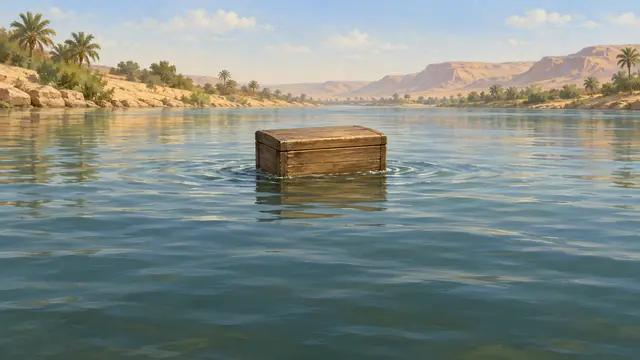
Allah inspired the mother of Musa (Moses), peace be upon him, to put him in a chest and cast it into the river, and promised to return him to her.
Al-Qasas 28:7
وَأَوْحَيْنَآ إِلَىٰٓ أُمِّ مُوسَىٰٓ أَنْ أَرْضِعِيهِ ۖ فَإِذَا خِفْتِ عَلَيْهِ فَأَلْقِيهِ فِى ٱلْيَمِّ وَلَا تَخَافِى وَلَا تَحْزَنِىٓ ۖ إِنَّا رَآدُّوهُ إِلَيْكِ وَجَاعِلُوهُ مِنَ ٱلْمُرْسَلِينَ٧
And We inspired to the mother of Moses, "Suckle him; but when you fear for him, cast him into the river and do not fear and do not grieve. Indeed, We will return him to you and will make him [one] of the messengers." (7)
Al-Qasas 28:7 · Saheeh International Taa-Haa 20:38–39
إِذْ أَوْحَيْنَآ إِلَىٰٓ أُمِّكَ مَا يُوحَىٰٓ٣٨ أَنِ ٱقْذِفِيهِ فِى ٱلتَّابُوتِ فَٱقْذِفِيهِ فِى ٱلْيَمِّ فَلْيُلْقِهِ ٱلْيَمُّ بِٱلسَّاحِلِ يَأْخُذْهُ عَدُوٌّ لِّى وَعَدُوٌّ لَّهُۥ ۚ وَأَلْقَيْتُ عَلَيْكَ مَحَبَّةً مِّنِّى وَلِتُصْنَعَ عَلَىٰ عَيْنِىٓ٣٩
When We inspired to your mother what We inspired, (38) [Saying], 'Cast him into the chest and cast it into the river, and the river will throw it onto the bank; there will take him an enemy to Me and an enemy to him.' And I bestowed upon you love from Me[835] that you would be brought up under My eye [i.e., observation and care]. (39)
Translation notes
[835] Allāh put love of Moses into the hearts of the people.Taa-Haa 20:38–39 · Saheeh International
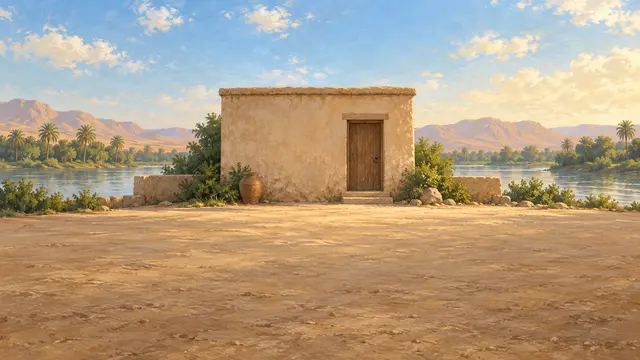
Pharaoh's family found him; his wife asked them not to kill him. Allah kept him from feeding from other women, then returned him to his mother, making her happy.
Al-Qasas 28:8–9
فَٱلْتَقَطَهُۥٓ ءَالُ فِرْعَوْنَ لِيَكُونَ لَهُمْ عَدُوًّا وَحَزَنًا ۗ إِنَّ فِرْعَوْنَ وَهَـٰمَـٰنَ وَجُنُودَهُمَا كَانُوا۟ خَـٰطِـِٔينَ٨ وَقَالَتِ ٱمْرَأَتُ فِرْعَوْنَ قُرَّتُ عَيْنٍ لِّى وَلَكَ ۖ لَا تَقْتُلُوهُ عَسَىٰٓ أَن يَنفَعَنَآ أَوْ نَتَّخِذَهُۥ وَلَدًا وَهُمْ لَا يَشْعُرُونَ٩
And the family of Pharaoh picked him up [out of the river] so that he would become to them an enemy and a [cause of] grief. Indeed, Pharaoh and Hāmān and their soldiers were deliberate sinners. (8) And the wife of Pharaoh said, "[He will be] a comfort of the eye [i.e., pleasure] for me and for you. Do not kill him; perhaps he may benefit us, or we may adopt him as a son." And they perceived not.[1095] (9)
Translation notes
[1095] What would be the result of that.Al-Qasas 28:8–9 · Saheeh International Al-Qasas 28:12–13
۞ وَحَرَّمْنَا عَلَيْهِ ٱلْمَرَاضِعَ مِن قَبْلُ فَقَالَتْ هَلْ أَدُلُّكُمْ عَلَىٰٓ أَهْلِ بَيْتٍ يَكْفُلُونَهُۥ لَكُمْ وَهُمْ لَهُۥ نَـٰصِحُونَ١٢ فَرَدَدْنَـٰهُ إِلَىٰٓ أُمِّهِۦ كَىْ تَقَرَّ عَيْنُهَا وَلَا تَحْزَنَ وَلِتَعْلَمَ أَنَّ وَعْدَ ٱللَّهِ حَقٌّ وَلَـٰكِنَّ أَكْثَرَهُمْ لَا يَعْلَمُونَ١٣
And We had prevented from him [all] wet nurses before,[1096] so she said, "Shall I direct you to a household that will be responsible for him for you while they are to him [for his upbringing] sincere?" (12) So We restored him to his mother that she might be content and not grieve and that she would know that the promise of Allāh is true. But most of them [i.e., the people] do not know. (13)
Translation notes
[1096] Prior to that, Moses had refused to nurse from any other woman.Al-Qasas 28:12–13 · Saheeh International
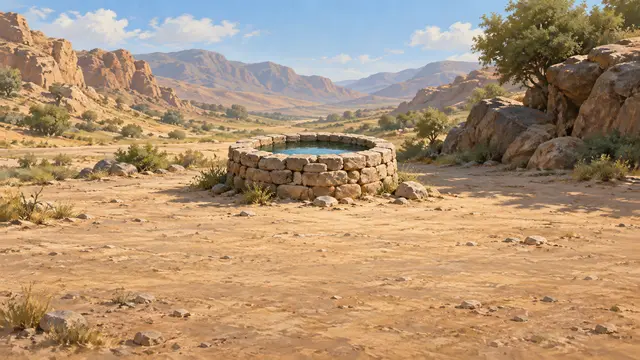
When he grew up, a man warned him that the chiefs wanted to kill him. He went to Madyan, watered two women's flocks, and worked years for their old father.
Al-Qasas 28:14
وَلَمَّا بَلَغَ أَشُدَّهُۥ وَٱسْتَوَىٰٓ ءَاتَيْنَـٰهُ حُكْمًا وَعِلْمًا ۚ وَكَذَٰلِكَ نَجْزِى ٱلْمُحْسِنِينَ١٤
And when he attained his full strength and was [mentally] mature, We bestowed upon him judgement and knowledge. And thus do We reward the doers of good. (14)
Al-Qasas 28:14 · Saheeh International Al-Qasas 28:20–24
وَجَآءَ رَجُلٌ مِّنْ أَقْصَا ٱلْمَدِينَةِ يَسْعَىٰ قَالَ يَـٰمُوسَىٰٓ إِنَّ ٱلْمَلَأَ يَأْتَمِرُونَ بِكَ لِيَقْتُلُوكَ فَٱخْرُجْ إِنِّى لَكَ مِنَ ٱلنَّـٰصِحِينَ٢٠ فَخَرَجَ مِنْهَا خَآئِفًا يَتَرَقَّبُ ۖ قَالَ رَبِّ نَجِّنِى مِنَ ٱلْقَوْمِ ٱلظَّـٰلِمِينَ٢١ وَلَمَّا تَوَجَّهَ تِلْقَآءَ مَدْيَنَ قَالَ عَسَىٰ رَبِّىٓ أَن يَهْدِيَنِى سَوَآءَ ٱلسَّبِيلِ٢٢ وَلَمَّا وَرَدَ مَآءَ مَدْيَنَ وَجَدَ عَلَيْهِ أُمَّةً مِّنَ ٱلنَّاسِ يَسْقُونَ وَوَجَدَ مِن دُونِهِمُ ٱمْرَأَتَيْنِ تَذُودَانِ ۖ قَالَ مَا خَطْبُكُمَا ۖ قَالَتَا لَا نَسْقِى حَتَّىٰ يُصْدِرَ ٱلرِّعَآءُ ۖ وَأَبُونَا شَيْخٌ كَبِيرٌ٢٣ فَسَقَىٰ لَهُمَا ثُمَّ تَوَلَّىٰٓ إِلَى ٱلظِّلِّ فَقَالَ رَبِّ إِنِّى لِمَآ أَنزَلْتَ إِلَىَّ مِنْ خَيْرٍ فَقِيرٌ٢٤
And a man came from the farthest end of the city, running. He said, "O Moses, indeed the eminent ones are conferring over you [intending] to kill you, so leave [the city]; indeed, I am to you of the sincere advisors." (20) So he left it, fearful and anticipating [apprehension]. He said, "My Lord, save me from the wrongdoing people." (21) And when he directed himself toward Madyan, he said, "Perhaps my Lord will guide me to the sound way." (22) And when he came to the water [i.e., well] of Madyan, he found there a crowd of people watering [their flocks], and he found aside from them two women holding back [their flocks]. He said, "What is your circumstance?" They said, "We do not water until the shepherds dispatch [their flocks]; and our father is an old man." (23) So he watered [their flocks] for them; then he went back to the shade and said, "My Lord, indeed I am, for whatever good You would send down to me, in need." (24)
Al-Qasas 28:20–24 · Saheeh International Al-Qasas 28:26–29
قَالَتْ إِحْدَىٰهُمَا يَـٰٓأَبَتِ ٱسْتَـْٔجِرْهُ ۖ إِنَّ خَيْرَ مَنِ ٱسْتَـْٔجَرْتَ ٱلْقَوِىُّ ٱلْأَمِينُ٢٦ قَالَ إِنِّىٓ أُرِيدُ أَنْ أُنكِحَكَ إِحْدَى ٱبْنَتَىَّ هَـٰتَيْنِ عَلَىٰٓ أَن تَأْجُرَنِى ثَمَـٰنِىَ حِجَجٍ ۖ فَإِنْ أَتْمَمْتَ عَشْرًا فَمِنْ عِندِكَ ۖ وَمَآ أُرِيدُ أَنْ أَشُقَّ عَلَيْكَ ۚ سَتَجِدُنِىٓ إِن شَآءَ ٱللَّهُ مِنَ ٱلصَّـٰلِحِينَ٢٧ قَالَ ذَٰلِكَ بَيْنِى وَبَيْنَكَ ۖ أَيَّمَا ٱلْأَجَلَيْنِ قَضَيْتُ فَلَا عُدْوَٰنَ عَلَىَّ ۖ وَٱللَّهُ عَلَىٰ مَا نَقُولُ وَكِيلٌ٢٨ ۞ فَلَمَّا قَضَىٰ مُوسَى ٱلْأَجَلَ وَسَارَ بِأَهْلِهِۦٓ ءَانَسَ مِن جَانِبِ ٱلطُّورِ نَارًا قَالَ لِأَهْلِهِ ٱمْكُثُوٓا۟ إِنِّىٓ ءَانَسْتُ نَارًا لَّعَلِّىٓ ءَاتِيكُم مِّنْهَا بِخَبَرٍ أَوْ جَذْوَةٍ مِّنَ ٱلنَّارِ لَعَلَّكُمْ تَصْطَلُونَ٢٩
One of the women said, "O my father, hire him. Indeed, the best one you can hire is the strong and the trustworthy." (26) He said, "Indeed, I wish to wed you one of these, my two daughters, on [the condition] that you serve me for eight years; but if you complete ten, it will be [as a favor] from you. And I do not wish to put you in difficulty. You will find me, if Allāh wills, from among the righteous." (27) [Moses] said, "That is [established] between me and you. Whichever of the two terms I complete - there is no injustice to me, and Allāh, over what we say, is Witness." (28) And when Moses had completed the term and was traveling with his family, he perceived from the direction of the mount a fire. He said to his family, "Stay here; indeed, I have perceived a fire. Perhaps I will bring you from there [some] information or burning wood from the fire that you may warm yourselves." (29)
Al-Qasas 28:26–29 · Saheeh International
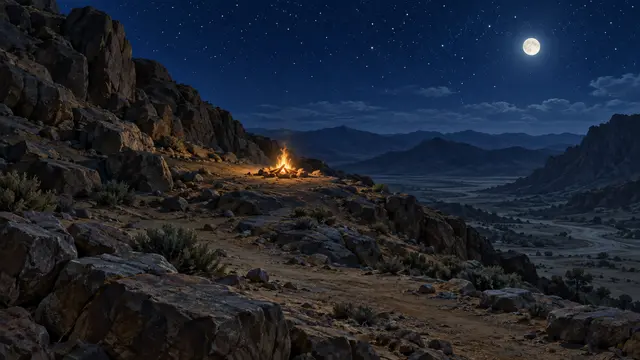
On the way with his family, he saw a fire by the Mount. Allah called him there, telling him to remove his sandals, for he was in the sacred valley.
Al-Qasas 28:29–30
۞ فَلَمَّا قَضَىٰ مُوسَى ٱلْأَجَلَ وَسَارَ بِأَهْلِهِۦٓ ءَانَسَ مِن جَانِبِ ٱلطُّورِ نَارًا قَالَ لِأَهْلِهِ ٱمْكُثُوٓا۟ إِنِّىٓ ءَانَسْتُ نَارًا لَّعَلِّىٓ ءَاتِيكُم مِّنْهَا بِخَبَرٍ أَوْ جَذْوَةٍ مِّنَ ٱلنَّارِ لَعَلَّكُمْ تَصْطَلُونَ٢٩ فَلَمَّآ أَتَىٰهَا نُودِىَ مِن شَـٰطِئِ ٱلْوَادِ ٱلْأَيْمَنِ فِى ٱلْبُقْعَةِ ٱلْمُبَـٰرَكَةِ مِنَ ٱلشَّجَرَةِ أَن يَـٰمُوسَىٰٓ إِنِّىٓ أَنَا ٱللَّهُ رَبُّ ٱلْعَـٰلَمِينَ٣٠
And when Moses had completed the term and was traveling with his family, he perceived from the direction of the mount a fire. He said to his family, "Stay here; indeed, I have perceived a fire. Perhaps I will bring you from there [some] information or burning wood from the fire that you may warm yourselves." (29) But when he came to it, he was called from the right side of the valley in a blessed spot - from the tree,[1100] "O Moses, indeed I am Allāh, Lord of the worlds." (30)
Translation notes
[1100] Which was within the fire.Al-Qasas 28:29–30 · Saheeh International Taa-Haa 20:9–12
وَهَلْ أَتَىٰكَ حَدِيثُ مُوسَىٰٓ٩ إِذْ رَءَا نَارًا فَقَالَ لِأَهْلِهِ ٱمْكُثُوٓا۟ إِنِّىٓ ءَانَسْتُ نَارًا لَّعَلِّىٓ ءَاتِيكُم مِّنْهَا بِقَبَسٍ أَوْ أَجِدُ عَلَى ٱلنَّارِ هُدًى١٠ فَلَمَّآ أَتَىٰهَا نُودِىَ يَـٰمُوسَىٰٓ١١ إِنِّىٓ أَنَا۠ رَبُّكَ فَٱخْلَعْ نَعْلَيْكَ ۖ إِنَّكَ بِٱلْوَادِ ٱلْمُقَدَّسِ طُوًى١٢
And has the story of Moses reached you? - (9) When he saw a fire and said to his family, "Stay here; indeed, I have perceived a fire; perhaps I can bring you a torch or find at the fire some guidance." (10) And when he came to it, he was called, "O Moses, (11) Indeed, I am your Lord, so remove your sandals. Indeed, you are in the blessed valley of Ṭuwā. (12)
Taa-Haa 20:9–12 · Saheeh International
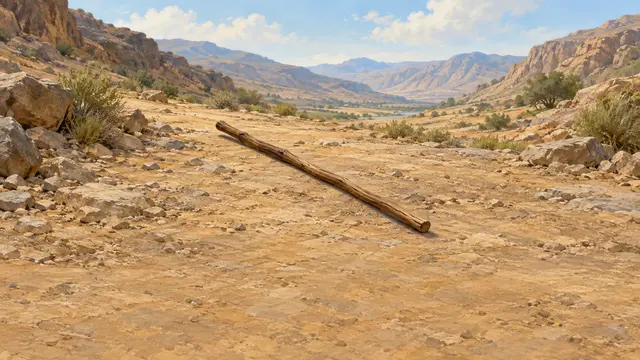
Allah told him to throw his staff; it became a moving snake. He drew out his hand, white and unharmed. He asked Allah to send his brother Harun with him.
Taa-Haa 20:17–23
وَمَا تِلْكَ بِيَمِينِكَ يَـٰمُوسَىٰ١٧ قَالَ هِىَ عَصَاىَ أَتَوَكَّؤُا۟ عَلَيْهَا وَأَهُشُّ بِهَا عَلَىٰ غَنَمِى وَلِىَ فِيهَا مَـَٔارِبُ أُخْرَىٰ١٨ قَالَ أَلْقِهَا يَـٰمُوسَىٰ١٩ فَأَلْقَىٰهَا فَإِذَا هِىَ حَيَّةٌ تَسْعَىٰ٢٠ قَالَ خُذْهَا وَلَا تَخَفْ ۖ سَنُعِيدُهَا سِيرَتَهَا ٱلْأُولَىٰ٢١ وَٱضْمُمْ يَدَكَ إِلَىٰ جَنَاحِكَ تَخْرُجْ بَيْضَآءَ مِنْ غَيْرِ سُوٓءٍ ءَايَةً أُخْرَىٰ٢٢ لِنُرِيَكَ مِنْ ءَايَـٰتِنَا ٱلْكُبْرَى٢٣
And what is that in your right hand, O Moses?" (17) He said, "It is my staff; I lean upon it, and I bring down leaves for my sheep and I have therein other uses." (18) [Allāh] said, "Throw it down, O Moses." (19) So he threw it down, and thereupon it was a snake, moving swiftly. (20) [Allāh] said, "Seize it and fear not; We will return it to its former condition. (21) And draw in your hand to your side; it will come out white without disease - another sign, (22) That We may show you [some] of Our greater signs. (23)
Taa-Haa 20:17–23 · Saheeh International Taa-Haa 20:29–36
وَٱجْعَل لِّى وَزِيرًا مِّنْ أَهْلِى٢٩ هَـٰرُونَ أَخِى٣٠ ٱشْدُدْ بِهِۦٓ أَزْرِى٣١ وَأَشْرِكْهُ فِىٓ أَمْرِى٣٢ كَىْ نُسَبِّحَكَ كَثِيرًا٣٣ وَنَذْكُرَكَ كَثِيرًا٣٤ إِنَّكَ كُنتَ بِنَا بَصِيرًا٣٥ قَالَ قَدْ أُوتِيتَ سُؤْلَكَ يَـٰمُوسَىٰ٣٦
And appoint for me a minister [i.e., assistant] from my family - (29) Aaron, my brother. (30) Increase through him my strength (31) And let him share my task (32) That we may exalt You much (33) And remember You much. (34) Indeed, You are of us ever Seeing." (35) [Allāh] said, "You have been granted your request, O Moses. (36)
Taa-Haa 20:29–36 · Saheeh International
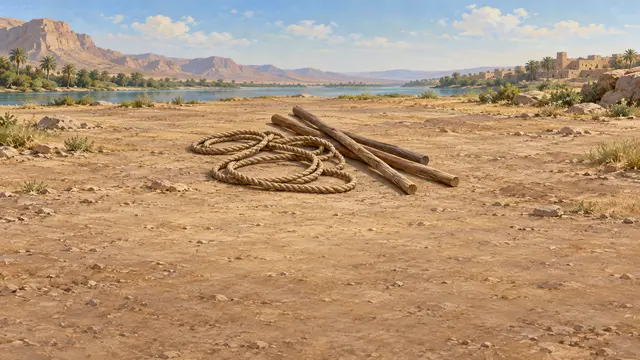
Before Pharaoh, the magicians threw their ropes and staffs. Musa threw his staff, and it swallowed what they had made. The magicians fell down in prostration and believed.
Taa-Haa 20:60
فَتَوَلَّىٰ فِرْعَوْنُ فَجَمَعَ كَيْدَهُۥ ثُمَّ أَتَىٰ٦٠
So Pharaoh went away, put together his plan, and then came [to Moses]. (60)
Taa-Haa 20:60 · Saheeh International Taa-Haa 20:65–70
قَالُوا۟ يَـٰمُوسَىٰٓ إِمَّآ أَن تُلْقِىَ وَإِمَّآ أَن نَّكُونَ أَوَّلَ مَنْ أَلْقَىٰ٦٥ قَالَ بَلْ أَلْقُوا۟ ۖ فَإِذَا حِبَالُهُمْ وَعِصِيُّهُمْ يُخَيَّلُ إِلَيْهِ مِن سِحْرِهِمْ أَنَّهَا تَسْعَىٰ٦٦ فَأَوْجَسَ فِى نَفْسِهِۦ خِيفَةً مُّوسَىٰ٦٧ قُلْنَا لَا تَخَفْ إِنَّكَ أَنتَ ٱلْأَعْلَىٰ٦٨ وَأَلْقِ مَا فِى يَمِينِكَ تَلْقَفْ مَا صَنَعُوٓا۟ ۖ إِنَّمَا صَنَعُوا۟ كَيْدُ سَـٰحِرٍ ۖ وَلَا يُفْلِحُ ٱلسَّاحِرُ حَيْثُ أَتَىٰ٦٩ فَأُلْقِىَ ٱلسَّحَرَةُ سُجَّدًا قَالُوٓا۟ ءَامَنَّا بِرَبِّ هَـٰرُونَ وَمُوسَىٰ٧٠
They said, "O Moses, either you throw or we will be the first to throw." (65) He said, "Rather, you throw." And suddenly their ropes and staffs seemed to him from their magic that they were moving [like snakes]. (66) And he sensed within himself apprehension, did Moses. (67) We [i.e., Allāh] said, "Fear not. Indeed, it is you who are superior. (68) And throw what is in your right hand; it will swallow up what they have crafted. What they have crafted is but the trick of a magician, and the magician will not succeed wherever he is." (69) So the magicians fell down in prostration.[841] They said, "We have believed in the Lord of Aaron and Moses." (70)
Translation notes
[841] After they had seen the miracles which Allāh had given Moses and that they were realities and not merely impressions of magic.Taa-Haa 20:65–70 · Saheeh International
When Pharaoh's soldiers came close, Musa said his Lord was with him. He struck the sea with his staff; it parted. Allah saved them and drowned Pharaoh and his soldiers.
Ash-Shu'araa 26:60–66
فَأَتْبَعُوهُم مُّشْرِقِينَ٦٠ فَلَمَّا تَرَٰٓءَا ٱلْجَمْعَانِ قَالَ أَصْحَـٰبُ مُوسَىٰٓ إِنَّا لَمُدْرَكُونَ٦١ قَالَ كَلَّآ ۖ إِنَّ مَعِىَ رَبِّى سَيَهْدِينِ٦٢ فَأَوْحَيْنَآ إِلَىٰ مُوسَىٰٓ أَنِ ٱضْرِب بِّعَصَاكَ ٱلْبَحْرَ ۖ فَٱنفَلَقَ فَكَانَ كُلُّ فِرْقٍ كَٱلطَّوْدِ ٱلْعَظِيمِ٦٣ وَأَزْلَفْنَا ثَمَّ ٱلْـَٔاخَرِينَ٦٤ وَأَنجَيْنَا مُوسَىٰ وَمَن مَّعَهُۥٓ أَجْمَعِينَ٦٥ ثُمَّ أَغْرَقْنَا ٱلْـَٔاخَرِينَ٦٦
So they pursued them at sunrise. (60) And when the two companies saw one another, the companions of Moses said, "Indeed, we are to be overtaken!" (61) [Moses] said, "No! Indeed, with me is my Lord; He will guide me." (62) Then We inspired to Moses, "Strike with your staff the sea," and it parted, and each portion was like a great towering mountain. (63) And We advanced thereto the others [i.e., the pursuers]. (64) And We saved Moses and those with him, all together. (65) Then We drowned the others. (66)
Ash-Shu'araa 26:60–66 · Saheeh International

Musa left Harun in charge and went to his Lord's appointment at the Mount for forty nights. Allah spoke to him and wrote on tablets an explanation of all things.
Al-A'raaf 7:142–145
۞ وَوَٰعَدْنَا مُوسَىٰ ثَلَـٰثِينَ لَيْلَةً وَأَتْمَمْنَـٰهَا بِعَشْرٍ فَتَمَّ مِيقَـٰتُ رَبِّهِۦٓ أَرْبَعِينَ لَيْلَةً ۚ وَقَالَ مُوسَىٰ لِأَخِيهِ هَـٰرُونَ ٱخْلُفْنِى فِى قَوْمِى وَأَصْلِحْ وَلَا تَتَّبِعْ سَبِيلَ ٱلْمُفْسِدِينَ١٤٢ وَلَمَّا جَآءَ مُوسَىٰ لِمِيقَـٰتِنَا وَكَلَّمَهُۥ رَبُّهُۥ قَالَ رَبِّ أَرِنِىٓ أَنظُرْ إِلَيْكَ ۚ قَالَ لَن تَرَىٰنِى وَلَـٰكِنِ ٱنظُرْ إِلَى ٱلْجَبَلِ فَإِنِ ٱسْتَقَرَّ مَكَانَهُۥ فَسَوْفَ تَرَىٰنِى ۚ فَلَمَّا تَجَلَّىٰ رَبُّهُۥ لِلْجَبَلِ جَعَلَهُۥ دَكًّا وَخَرَّ مُوسَىٰ صَعِقًا ۚ فَلَمَّآ أَفَاقَ قَالَ سُبْحَـٰنَكَ تُبْتُ إِلَيْكَ وَأَنَا۠ أَوَّلُ ٱلْمُؤْمِنِينَ١٤٣ قَالَ يَـٰمُوسَىٰٓ إِنِّى ٱصْطَفَيْتُكَ عَلَى ٱلنَّاسِ بِرِسَـٰلَـٰتِى وَبِكَلَـٰمِى فَخُذْ مَآ ءَاتَيْتُكَ وَكُن مِّنَ ٱلشَّـٰكِرِينَ١٤٤ وَكَتَبْنَا لَهُۥ فِى ٱلْأَلْوَاحِ مِن كُلِّ شَىْءٍ مَّوْعِظَةً وَتَفْصِيلًا لِّكُلِّ شَىْءٍ فَخُذْهَا بِقُوَّةٍ وَأْمُرْ قَوْمَكَ يَأْخُذُوا۟ بِأَحْسَنِهَا ۚ سَأُو۟رِيكُمْ دَارَ ٱلْفَـٰسِقِينَ١٤٥
And We made an appointment with Moses for thirty nights and perfected them by [the addition of] ten; so the term of his Lord was completed as forty nights. And Moses said to his brother Aaron, "Take my place among my people, do right [by them],[400] and do not follow the way of the corrupters." (142) And when Moses arrived at Our appointed time and his Lord spoke to him, he said, "My Lord, show me [Yourself] that I may look at You." [Allāh] said, "You will not see Me,[401] but look at the mountain; if it should remain in place, then you will see Me." But when his Lord appeared to the mountain, He rendered it level,[402] and Moses fell unconscious. And when he awoke, he said, "Exalted are You! I have repented to You, and I am the first [among my people] of the believers."[403] (143) [Allāh] said, "O Moses, I have chosen you over the people with My messages and My words [to you]. So take what I have given you and be among the grateful." (144) And We wrote for him on the tablets [something] of all things - instruction and explanation for all things, [saying], "Take them with determination and order your people to take the best of it. I will show you the home of the defiantly disobedient."[404] (145)
Translation notes
[400] i.e., keep their affairs in order. [401] That no one can see Allāh during the life of this world. [402] It crumbled to dust. [403] This is a severe warning from Allāh against rebellion. [404] This is a severe warning from Allāh against rebellion.Al-A'raaf 7:142–145 · Saheeh International Taa-Haa 20:80
يَـٰبَنِىٓ إِسْرَٰٓءِيلَ قَدْ أَنجَيْنَـٰكُم مِّنْ عَدُوِّكُمْ وَوَٰعَدْنَـٰكُمْ جَانِبَ ٱلطُّورِ ٱلْأَيْمَنَ وَنَزَّلْنَا عَلَيْكُمُ ٱلْمَنَّ وَٱلسَّلْوَىٰ٨٠
O Children of Israel, We delivered you from your enemy, and We made an appointment with you[846] at the right side of the mount, and We sent down to you manna and quails, (80)
Translation notes
[846] i.e., with your prophet, to receive the scripture for you.Taa-Haa 20:80 · Saheeh International An-Nisaa 4:164
وَرُسُلًا قَدْ قَصَصْنَـٰهُمْ عَلَيْكَ مِن قَبْلُ وَرُسُلًا لَّمْ نَقْصُصْهُمْ عَلَيْكَ ۚ وَكَلَّمَ ٱللَّهُ مُوسَىٰ تَكْلِيمًا١٦٤
And [We sent] messengers about whom We have related [their stories] to you before and messengers about whom We have not related to you. And Allāh spoke to Moses with [direct] speech. (164)
An-Nisaa 4:164 · Saheeh International
What we learn
Trusting Allah in hard times: He is with us and guides us
Sources
Ash-Shu'araa 26:61–62
فَلَمَّا تَرَٰٓءَا ٱلْجَمْعَانِ قَالَ أَصْحَـٰبُ مُوسَىٰٓ إِنَّا لَمُدْرَكُونَ٦١ قَالَ كَلَّآ ۖ إِنَّ مَعِىَ رَبِّى سَيَهْدِينِ٦٢
And when the two companies saw one another, the companions of Moses said, "Indeed, we are to be overtaken!" (61) [Moses] said, "No! Indeed, with me is my Lord; He will guide me." (62)
Ash-Shu'araa 26:61–62 · Saheeh International
Speaking gently, even to someone proud
Sources
Taa-Haa 20:43–44
ٱذْهَبَآ إِلَىٰ فِرْعَوْنَ إِنَّهُۥ طَغَىٰ٤٣ فَقُولَا لَهُۥ قَوْلًا لَّيِّنًا لَّعَلَّهُۥ يَتَذَكَّرُ أَوْ يَخْشَىٰ٤٤
Go, both of you, to Pharaoh. Indeed, he has transgressed. (43) And speak to him with gentle speech that perhaps he may be reminded or fear [Allāh]." (44)
Taa-Haa 20:43–44 · Saheeh International
All knowledge comes from Allah, so we stay humble
Sources
- Sahih al-Bukhari 122 (opens in a new tab)
- Sahih al-Bukhari 3401 (opens in a new tab)
Al-Kahf 18:65–66
فَوَجَدَا عَبْدًا مِّنْ عِبَادِنَآ ءَاتَيْنَـٰهُ رَحْمَةً مِّنْ عِندِنَا وَعَلَّمْنَـٰهُ مِن لَّدُنَّا عِلْمًا٦٥ قَالَ لَهُۥ مُوسَىٰ هَلْ أَتَّبِعُكَ عَلَىٰٓ أَن تُعَلِّمَنِ مِمَّا عُلِّمْتَ رُشْدًا٦٦
And they found a servant from among Our servants [i.e., al-Khiḍr] to whom We had given mercy from Us and had taught him from Us a [certain] knowledge. (65) Moses said to him, "May I follow you on [the condition] that you teach me from what you have been taught of sound judgement?" (66)
Al-Kahf 18:65–66 · Saheeh International
The full chapter
Simplified from Ibn Kathir's Stories of the Prophets. Every paragraph shows its sources.
His lineage and Pharaoh's tyranny
He is Musa son of 'Imran, peace be upon him; the Prophet ﷺ calls him by this name in a hadith reported by Muslim. Ibn Kathir says he was of the Children of Israel, the descendants of Ya'qub (Jacob), peace be upon him.
Allah praises him in His Book: he was chosen, a messenger and a prophet; his Lord called him from the right side of the Mount, drew him near in private conversation, and out of His mercy gave him his brother Harun as a prophet. Allah tells his story in many places in the Qur'an, at length and in brief.
Sources
Maryam 19:51–53
وَٱذْكُرْ فِى ٱلْكِتَـٰبِ مُوسَىٰٓ ۚ إِنَّهُۥ كَانَ مُخْلَصًا وَكَانَ رَسُولًا نَّبِيًّا٥١ وَنَـٰدَيْنَـٰهُ مِن جَانِبِ ٱلطُّورِ ٱلْأَيْمَنِ وَقَرَّبْنَـٰهُ نَجِيًّا٥٢ وَوَهَبْنَا لَهُۥ مِن رَّحْمَتِنَآ أَخَاهُ هَـٰرُونَ نَبِيًّا٥٣
And mention in the Book, Moses. Indeed, he was chosen, and he was a messenger and a prophet.[817] (51) And We called him from the side of the mount[818] at [his] right and brought him near, confiding [to him]. (52) And We gave him out of Our mercy his brother Aaron as a prophet. (53)
Translation notes
[817] A messenger (rasūl) is one who was charged by Allāh to reform society. A prophet (nabī) is one who received revelation from Allāh, the latter being more numerous than the former. [818] Mount Sinai.Maryam 19:51–53 · Saheeh International - Ibn Kathir, Qasas al-Anbiya 2/3 (opens in a new tab)
Pharaoh had grown arrogant in the land and divided its people into factions, oppressing the Children of Israel among them: he killed their sons and let their women live. Allah willed to favour these oppressed people, to make them leaders and give them the land as their inheritance, and to show Pharaoh, Haman and their soldiers the very thing they feared from them.
Sources
Al-Qasas 28:4–6
إِنَّ فِرْعَوْنَ عَلَا فِى ٱلْأَرْضِ وَجَعَلَ أَهْلَهَا شِيَعًا يَسْتَضْعِفُ طَآئِفَةً مِّنْهُمْ يُذَبِّحُ أَبْنَآءَهُمْ وَيَسْتَحْىِۦ نِسَآءَهُمْ ۚ إِنَّهُۥ كَانَ مِنَ ٱلْمُفْسِدِينَ٤ وَنُرِيدُ أَن نَّمُنَّ عَلَى ٱلَّذِينَ ٱسْتُضْعِفُوا۟ فِى ٱلْأَرْضِ وَنَجْعَلَهُمْ أَئِمَّةً وَنَجْعَلَهُمُ ٱلْوَٰرِثِينَ٥ وَنُمَكِّنَ لَهُمْ فِى ٱلْأَرْضِ وَنُرِىَ فِرْعَوْنَ وَهَـٰمَـٰنَ وَجُنُودَهُمَا مِنْهُم مَّا كَانُوا۟ يَحْذَرُونَ٦
Indeed, Pharaoh exalted himself in the land and made its people into factions, oppressing a sector among them, slaughtering their [newborn] sons and keeping their females alive. Indeed, he was of the corrupters. (4) And We wanted to confer favor upon those who were oppressed in the land and make them leaders and make them inheritors (5) And establish them in the land and show Pharaoh and [his minister] Hāmān and their soldiers through them[1094] that which they had feared. (6)
Translation notes
[1094] By means of those whom they had oppressed and enslaved.Al-Qasas 28:4–6 · Saheeh International Al-Baqara 2:49
وَإِذْ نَجَّيْنَـٰكُم مِّنْ ءَالِ فِرْعَوْنَ يَسُومُونَكُمْ سُوٓءَ ٱلْعَذَابِ يُذَبِّحُونَ أَبْنَآءَكُمْ وَيَسْتَحْيُونَ نِسَآءَكُمْ ۚ وَفِى ذَٰلِكُم بَلَآءٌ مِّن رَّبِّكُمْ عَظِيمٌ٤٩
And [recall] when We saved you [i.e., your forefathers] from the people of Pharaoh, who afflicted you with the worst torment, slaughtering your [newborn] sons and keeping your females alive. And in that was a great trial from your Lord. (49)
Al-Baqara 2:49 · Saheeh International - Ibn Kathir, Qasas al-Anbiya 2/4–5 (opens in a new tab)
Ibn Kathir says that what drove Pharaoh to kill the boys was a report the Children of Israel passed down among themselves: that a boy from the line of Ibrahim (Abraham), peace be upon him, would bring about the end of Egypt's king; and the report reached Pharaoh. The correct view, he says, is that Pharaoh first ordered the boys killed to prevent Musa's birth, while the killing after Musa's mission was meant to humiliate the Children of Israel.
Sources
- Ibn Kathir, Qasas al-Anbiya 2/4 (opens in a new tab)
- Ibn Kathir, Qasas al-Anbiya 2/6 (opens in a new tab)
- Ibn Kathir, Qasas al-Anbiya 2/54–55 (opens in a new tab)
Al-Ghaafir 40:25
فَلَمَّا جَآءَهُم بِٱلْحَقِّ مِنْ عِندِنَا قَالُوا۟ ٱقْتُلُوٓا۟ أَبْنَآءَ ٱلَّذِينَ ءَامَنُوا۟ مَعَهُۥ وَٱسْتَحْيُوا۟ نِسَآءَهُمْ ۚ وَمَا كَيْدُ ٱلْكَـٰفِرِينَ إِلَّا فِى ضَلَـٰلٍ٢٥
And when he brought them the truth from Us, they said, "Kill the sons of those who have believed with him and keep their women alive." But the plan of the disbelievers is not except in error. (25)
Al-Ghaafir 40:25 · Saheeh International Al-A'raaf 7:127
وَقَالَ ٱلْمَلَأُ مِن قَوْمِ فِرْعَوْنَ أَتَذَرُ مُوسَىٰ وَقَوْمَهُۥ لِيُفْسِدُوا۟ فِى ٱلْأَرْضِ وَيَذَرَكَ وَءَالِهَتَكَ ۚ قَالَ سَنُقَتِّلُ أَبْنَآءَهُمْ وَنَسْتَحْىِۦ نِسَآءَهُمْ وَإِنَّا فَوْقَهُمْ قَـٰهِرُونَ١٢٧
And the eminent among the people of Pharaoh said, "Will you leave Moses and his people to cause corruption in the land and abandon you and your gods?" [Pharaoh] said, "We will kill their sons and keep their women alive; and indeed, we are subjugators over them." (127)
Al-A'raaf 7:127 · Saheeh International
إِنَّ فِرْعَوْنَ عَلَا فِى ٱلْأَرْضِ وَجَعَلَ أَهْلَهَا شِيَعًا يَسْتَضْعِفُ طَآئِفَةً مِّنْهُمْ يُذَبِّحُ أَبْنَآءَهُمْ وَيَسْتَحْىِۦ نِسَآءَهُمْ ۚ إِنَّهُۥ كَانَ مِنَ ٱلْمُفْسِدِينَ٤ وَنُرِيدُ أَن نَّمُنَّ عَلَى ٱلَّذِينَ ٱسْتُضْعِفُوا۟ فِى ٱلْأَرْضِ وَنَجْعَلَهُمْ أَئِمَّةً وَنَجْعَلَهُمُ ٱلْوَٰرِثِينَ٥ وَنُمَكِّنَ لَهُمْ فِى ٱلْأَرْضِ وَنُرِىَ فِرْعَوْنَ وَهَـٰمَـٰنَ وَجُنُودَهُمَا مِنْهُم مَّا كَانُوا۟ يَحْذَرُونَ٦ Indeed, Pharaoh exalted himself in the land and made its people into factions, oppressing a sector among them, slaughtering their [newborn] sons and keeping their females alive. Indeed, he was of the corrupters. (4) And We wanted to confer favor upon those who were oppressed in the land and make them leaders and make them inheritors (5) And establish them in the land and show Pharaoh and [his minister] Hāmān and their soldiers through them[1094] that which they had feared. (6) Translation notes
[1094] By means of those whom they had oppressed and enslaved.The chest on the river
Allah inspired Musa's mother to nurse him and, if she feared for him, to put him in the chest and cast it into the river, without fear or grief; He promised to return him to her and make him one of the messengers. She cast him in, the water carried him to the bank, and Pharaoh's household took him, to become an enemy and a grief to them; Pharaoh, Haman and their soldiers were in the wrong.
Sources
Al-Qasas 28:7–8
وَأَوْحَيْنَآ إِلَىٰٓ أُمِّ مُوسَىٰٓ أَنْ أَرْضِعِيهِ ۖ فَإِذَا خِفْتِ عَلَيْهِ فَأَلْقِيهِ فِى ٱلْيَمِّ وَلَا تَخَافِى وَلَا تَحْزَنِىٓ ۖ إِنَّا رَآدُّوهُ إِلَيْكِ وَجَاعِلُوهُ مِنَ ٱلْمُرْسَلِينَ٧ فَٱلْتَقَطَهُۥٓ ءَالُ فِرْعَوْنَ لِيَكُونَ لَهُمْ عَدُوًّا وَحَزَنًا ۗ إِنَّ فِرْعَوْنَ وَهَـٰمَـٰنَ وَجُنُودَهُمَا كَانُوا۟ خَـٰطِـِٔينَ٨
And We inspired to the mother of Moses, "Suckle him; but when you fear for him, cast him into the river and do not fear and do not grieve. Indeed, We will return him to you and will make him [one] of the messengers." (7) And the family of Pharaoh picked him up [out of the river] so that he would become to them an enemy and a [cause of] grief. Indeed, Pharaoh and Hāmān and their soldiers were deliberate sinners. (8)
Al-Qasas 28:7–8 · Saheeh International Taa-Haa 20:38–39
إِذْ أَوْحَيْنَآ إِلَىٰٓ أُمِّكَ مَا يُوحَىٰٓ٣٨ أَنِ ٱقْذِفِيهِ فِى ٱلتَّابُوتِ فَٱقْذِفِيهِ فِى ٱلْيَمِّ فَلْيُلْقِهِ ٱلْيَمُّ بِٱلسَّاحِلِ يَأْخُذْهُ عَدُوٌّ لِّى وَعَدُوٌّ لَّهُۥ ۚ وَأَلْقَيْتُ عَلَيْكَ مَحَبَّةً مِّنِّى وَلِتُصْنَعَ عَلَىٰ عَيْنِىٓ٣٩
When We inspired to your mother what We inspired, (38) [Saying], 'Cast him into the chest and cast it into the river, and the river will throw it onto the bank; there will take him an enemy to Me and an enemy to him.' And I bestowed upon you love from Me[835] that you would be brought up under My eye [i.e., observation and care]. (39)
Translation notes
[835] Allāh put love of Moses into the hearts of the people.Taa-Haa 20:38–39 · Saheeh International - Ibn Kathir, Qasas al-Anbiya 2/7–8 (opens in a new tab)
Scholars differ over this revelation to Musa's mother. Ibn Kathir holds that it was inspiration and guidance, like Allah's revelation to the bee, the view Abu al-Hasan al-Ash'ari reported from Ahl al-Sunna wal-Jama'a; Ibn Hazm and a number of theologians claimed it was the revelation of prophethood.
Sources
Al-Qasas 28:7
وَأَوْحَيْنَآ إِلَىٰٓ أُمِّ مُوسَىٰٓ أَنْ أَرْضِعِيهِ ۖ فَإِذَا خِفْتِ عَلَيْهِ فَأَلْقِيهِ فِى ٱلْيَمِّ وَلَا تَخَافِى وَلَا تَحْزَنِىٓ ۖ إِنَّا رَآدُّوهُ إِلَيْكِ وَجَاعِلُوهُ مِنَ ٱلْمُرْسَلِينَ٧
And We inspired to the mother of Moses, "Suckle him; but when you fear for him, cast him into the river and do not fear and do not grieve. Indeed, We will return him to you and will make him [one] of the messengers." (7)
Al-Qasas 28:7 · Saheeh International An-Nahl 16:68
وَأَوْحَىٰ رَبُّكَ إِلَى ٱلنَّحْلِ أَنِ ٱتَّخِذِى مِنَ ٱلْجِبَالِ بُيُوتًا وَمِنَ ٱلشَّجَرِ وَمِمَّا يَعْرِشُونَ٦٨
And your Lord inspired to the bee, "Take for yourself among the mountains, houses [i.e., hives], and among the trees and [in] that which they construct. (68)
An-Nahl 16:68 · Saheeh International - Ibn Kathir, Qasas al-Anbiya 2/8 (opens in a new tab)
Pharaoh's wife asked them not to kill him, saying he would be a joy to her eyes and to his, and hoping he would benefit them or that they would adopt him; they did not know what was to come.
Sources
Al-Qasas 28:9
وَقَالَتِ ٱمْرَأَتُ فِرْعَوْنَ قُرَّتُ عَيْنٍ لِّى وَلَكَ ۖ لَا تَقْتُلُوهُ عَسَىٰٓ أَن يَنفَعَنَآ أَوْ نَتَّخِذَهُۥ وَلَدًا وَهُمْ لَا يَشْعُرُونَ٩
And the wife of Pharaoh said, "[He will be] a comfort of the eye [i.e., pleasure] for me and for you. Do not kill him; perhaps he may benefit us, or we may adopt him as a son." And they perceived not.[1095] (9)
Translation notes
[1095] What would be the result of that.Al-Qasas 28:9 · Saheeh International - Ibn Kathir, Qasas al-Anbiya 2/8–9 (opens in a new tab)
Pharaoh's wife's name was Asiya, and the Prophet ﷺ said she was one of the women who reached perfection.
Ibn Kathir says Allah granted her the benefit she hoped for: He guided her through him in this world, and settled her in His Garden because of him in the next.
Sources
- Ibn Kathir, Qasas al-Anbiya 2/9 (opens in a new tab)
At-Tahrim 66:11
وَضَرَبَ ٱللَّهُ مَثَلًا لِّلَّذِينَ ءَامَنُوا۟ ٱمْرَأَتَ فِرْعَوْنَ إِذْ قَالَتْ رَبِّ ٱبْنِ لِى عِندَكَ بَيْتًا فِى ٱلْجَنَّةِ وَنَجِّنِى مِن فِرْعَوْنَ وَعَمَلِهِۦ وَنَجِّنِى مِنَ ٱلْقَوْمِ ٱلظَّـٰلِمِينَ١١
And Allāh presents an example of those who believed: the wife of Pharaoh, when she said, "My Lord, build for me near You a house in Paradise and save me from Pharaoh and his deeds and save me from the wrongdoing people." (11)
At-Tahrim 66:11 · Saheeh International
The heart of Musa's mother became empty; she almost revealed his secret, had Allah not steadied her heart. She told his sister to follow his trail, and the sister watched him from afar without their noticing. Allah had kept him from accepting any wet nurse, so his sister offered them a household who would look after him with care. So Allah brought him back to his mother, to comfort her and end her grief, and so that she would know His promise is true. Allah had cast His love upon him, so that he was raised in His care.
Sources
Al-Qasas 28:10–13
وَأَصْبَحَ فُؤَادُ أُمِّ مُوسَىٰ فَـٰرِغًا ۖ إِن كَادَتْ لَتُبْدِى بِهِۦ لَوْلَآ أَن رَّبَطْنَا عَلَىٰ قَلْبِهَا لِتَكُونَ مِنَ ٱلْمُؤْمِنِينَ١٠ وَقَالَتْ لِأُخْتِهِۦ قُصِّيهِ ۖ فَبَصُرَتْ بِهِۦ عَن جُنُبٍ وَهُمْ لَا يَشْعُرُونَ١١ ۞ وَحَرَّمْنَا عَلَيْهِ ٱلْمَرَاضِعَ مِن قَبْلُ فَقَالَتْ هَلْ أَدُلُّكُمْ عَلَىٰٓ أَهْلِ بَيْتٍ يَكْفُلُونَهُۥ لَكُمْ وَهُمْ لَهُۥ نَـٰصِحُونَ١٢ فَرَدَدْنَـٰهُ إِلَىٰٓ أُمِّهِۦ كَىْ تَقَرَّ عَيْنُهَا وَلَا تَحْزَنَ وَلِتَعْلَمَ أَنَّ وَعْدَ ٱللَّهِ حَقٌّ وَلَـٰكِنَّ أَكْثَرَهُمْ لَا يَعْلَمُونَ١٣
And the heart of Moses' mother became empty [of all else]. She was about to disclose [the matter concerning] him had We not bound fast her heart that she would be of the believers. (10) And she said to his sister, "Follow him"; so she watched him from a distance while they perceived not. (11) And We had prevented from him [all] wet nurses before,[1096] so she said, "Shall I direct you to a household that will be responsible for him for you while they are to him [for his upbringing] sincere?" (12) So We restored him to his mother that she might be content and not grieve and that she would know that the promise of Allāh is true. But most of them [i.e., the people] do not know. (13)
Translation notes
[1096] Prior to that, Moses had refused to nurse from any other woman.Al-Qasas 28:10–13 · Saheeh International Taa-Haa 20:39–40
أَنِ ٱقْذِفِيهِ فِى ٱلتَّابُوتِ فَٱقْذِفِيهِ فِى ٱلْيَمِّ فَلْيُلْقِهِ ٱلْيَمُّ بِٱلسَّاحِلِ يَأْخُذْهُ عَدُوٌّ لِّى وَعَدُوٌّ لَّهُۥ ۚ وَأَلْقَيْتُ عَلَيْكَ مَحَبَّةً مِّنِّى وَلِتُصْنَعَ عَلَىٰ عَيْنِىٓ٣٩ إِذْ تَمْشِىٓ أُخْتُكَ فَتَقُولُ هَلْ أَدُلُّكُمْ عَلَىٰ مَن يَكْفُلُهُۥ ۖ فَرَجَعْنَـٰكَ إِلَىٰٓ أُمِّكَ كَىْ تَقَرَّ عَيْنُهَا وَلَا تَحْزَنَ ۚ وَقَتَلْتَ نَفْسًا فَنَجَّيْنَـٰكَ مِنَ ٱلْغَمِّ وَفَتَنَّـٰكَ فُتُونًا ۚ فَلَبِثْتَ سِنِينَ فِىٓ أَهْلِ مَدْيَنَ ثُمَّ جِئْتَ عَلَىٰ قَدَرٍ يَـٰمُوسَىٰ٤٠
[Saying], 'Cast him into the chest and cast it into the river, and the river will throw it onto the bank; there will take him an enemy to Me and an enemy to him.' And I bestowed upon you love from Me[835] that you would be brought up under My eye [i.e., observation and care]. (39) [And We favored you] when your sister went and said, 'Shall I direct you to someone who will be responsible for him?' So We restored you to your mother that she might be content and not grieve. And you killed someone,[836] but We saved you from retaliation and tried you with a [severe] trial. And you remained [some] years among the people of Madyan. Then you came [here] at the decreed time, O Moses. (40)
Translation notes
[835] Allāh put love of Moses into the hearts of the people. [836] The Copt who died after being struck by Moses.Taa-Haa 20:39–40 · Saheeh International - Ibn Kathir, Qasas al-Anbiya 2/9–11 (opens in a new tab)
وَأَوْحَيْنَآ إِلَىٰٓ أُمِّ مُوسَىٰٓ أَنْ أَرْضِعِيهِ ۖ فَإِذَا خِفْتِ عَلَيْهِ فَأَلْقِيهِ فِى ٱلْيَمِّ وَلَا تَخَافِى وَلَا تَحْزَنِىٓ ۖ إِنَّا رَآدُّوهُ إِلَيْكِ وَجَاعِلُوهُ مِنَ ٱلْمُرْسَلِينَ٧ فَٱلْتَقَطَهُۥٓ ءَالُ فِرْعَوْنَ لِيَكُونَ لَهُمْ عَدُوًّا وَحَزَنًا ۗ إِنَّ فِرْعَوْنَ وَهَـٰمَـٰنَ وَجُنُودَهُمَا كَانُوا۟ خَـٰطِـِٔينَ٨ وَقَالَتِ ٱمْرَأَتُ فِرْعَوْنَ قُرَّتُ عَيْنٍ لِّى وَلَكَ ۖ لَا تَقْتُلُوهُ عَسَىٰٓ أَن يَنفَعَنَآ أَوْ نَتَّخِذَهُۥ وَلَدًا وَهُمْ لَا يَشْعُرُونَ٩ وَأَصْبَحَ فُؤَادُ أُمِّ مُوسَىٰ فَـٰرِغًا ۖ إِن كَادَتْ لَتُبْدِى بِهِۦ لَوْلَآ أَن رَّبَطْنَا عَلَىٰ قَلْبِهَا لِتَكُونَ مِنَ ٱلْمُؤْمِنِينَ١٠ وَقَالَتْ لِأُخْتِهِۦ قُصِّيهِ ۖ فَبَصُرَتْ بِهِۦ عَن جُنُبٍ وَهُمْ لَا يَشْعُرُونَ١١ ۞ وَحَرَّمْنَا عَلَيْهِ ٱلْمَرَاضِعَ مِن قَبْلُ فَقَالَتْ هَلْ أَدُلُّكُمْ عَلَىٰٓ أَهْلِ بَيْتٍ يَكْفُلُونَهُۥ لَكُمْ وَهُمْ لَهُۥ نَـٰصِحُونَ١٢ فَرَدَدْنَـٰهُ إِلَىٰٓ أُمِّهِۦ كَىْ تَقَرَّ عَيْنُهَا وَلَا تَحْزَنَ وَلِتَعْلَمَ أَنَّ وَعْدَ ٱللَّهِ حَقٌّ وَلَـٰكِنَّ أَكْثَرَهُمْ لَا يَعْلَمُونَ١٣ And We inspired to the mother of Moses, "Suckle him; but when you fear for him, cast him into the river and do not fear and do not grieve. Indeed, We will return him to you and will make him [one] of the messengers." (7) And the family of Pharaoh picked him up [out of the river] so that he would become to them an enemy and a [cause of] grief. Indeed, Pharaoh and Hāmān and their soldiers were deliberate sinners. (8) And the wife of Pharaoh said, "[He will be] a comfort of the eye [i.e., pleasure] for me and for you. Do not kill him; perhaps he may benefit us, or we may adopt him as a son." And they perceived not.[1095] (9) And the heart of Moses' mother became empty [of all else]. She was about to disclose [the matter concerning] him had We not bound fast her heart that she would be of the believers. (10) And she said to his sister, "Follow him"; so she watched him from a distance while they perceived not. (11) And We had prevented from him [all] wet nurses before,[1096] so she said, "Shall I direct you to a household that will be responsible for him for you while they are to him [for his upbringing] sincere?" (12) So We restored him to his mother that she might be content and not grieve and that she would know that the promise of Allāh is true. But most of them [i.e., the people] do not know. (13) Translation notes
[1095] What would be the result of that. [1096] Prior to that, Moses had refused to nurse from any other woman.The fight and the flight from Egypt
When he reached his full strength and maturity, Allah gave him judgement and knowledge. He entered the city at a time when its people were unaware, and saw two men fighting, one of his own people and one of his enemies. The first asked him for help, and Musa struck the other with his fist, and the man died. Musa said this was Satan's work, admitted that he had wronged himself, and asked his Lord for forgiveness; and Allah forgave him.
Sources
Al-Qasas 28:14–17
وَلَمَّا بَلَغَ أَشُدَّهُۥ وَٱسْتَوَىٰٓ ءَاتَيْنَـٰهُ حُكْمًا وَعِلْمًا ۚ وَكَذَٰلِكَ نَجْزِى ٱلْمُحْسِنِينَ١٤ وَدَخَلَ ٱلْمَدِينَةَ عَلَىٰ حِينِ غَفْلَةٍ مِّنْ أَهْلِهَا فَوَجَدَ فِيهَا رَجُلَيْنِ يَقْتَتِلَانِ هَـٰذَا مِن شِيعَتِهِۦ وَهَـٰذَا مِنْ عَدُوِّهِۦ ۖ فَٱسْتَغَـٰثَهُ ٱلَّذِى مِن شِيعَتِهِۦ عَلَى ٱلَّذِى مِنْ عَدُوِّهِۦ فَوَكَزَهُۥ مُوسَىٰ فَقَضَىٰ عَلَيْهِ ۖ قَالَ هَـٰذَا مِنْ عَمَلِ ٱلشَّيْطَـٰنِ ۖ إِنَّهُۥ عَدُوٌّ مُّضِلٌّ مُّبِينٌ١٥ قَالَ رَبِّ إِنِّى ظَلَمْتُ نَفْسِى فَٱغْفِرْ لِى فَغَفَرَ لَهُۥٓ ۚ إِنَّهُۥ هُوَ ٱلْغَفُورُ ٱلرَّحِيمُ١٦ قَالَ رَبِّ بِمَآ أَنْعَمْتَ عَلَىَّ فَلَنْ أَكُونَ ظَهِيرًا لِّلْمُجْرِمِينَ١٧
And when he attained his full strength and was [mentally] mature, We bestowed upon him judgement and knowledge. And thus do We reward the doers of good. (14) And he entered the city at a time of inattention by its people[1097] and found therein two men fighting: one from his faction and one from among his enemy. And the one from his faction called for help to him against the one from his enemy, so Moses struck him and [unintentionally] killed him. [Moses] said, "This is from the work of Satan. Indeed, he is a manifest, misleading enemy." (15) He said, "My Lord, indeed I have wronged myself, so forgive me," and He forgave him. Indeed, He is the Forgiving, the Merciful. (16) He said, "My Lord, for the favor You bestowed upon me, I will never be an assistant to the criminals." (17)
Translation notes
[1097] i.e., during the noon period of rest.Al-Qasas 28:14–17 · Saheeh International - Ibn Kathir, Qasas al-Anbiya 2/12–13 (opens in a new tab)
Ibn Kathir says the man was a disbeliever, and that Musa did not mean to kill him, only to hold him back.
Sources
- Ibn Kathir, Qasas al-Anbiya 2/13 (opens in a new tab)
Ash-Shu'araa 26:20
قَالَ فَعَلْتُهَآ إِذًا وَأَنَا۠ مِنَ ٱلضَّآلِّينَ٢٠
[Moses] said, "I did it, then, while I was of those astray [i.e., ignorant]. (20)
Ash-Shu'araa 26:20 · Saheeh International
The next day someone asked Musa whether he meant to kill him as he had killed a man the day before. Who said it is disputed: some say the Israelite, thinking Musa meant to strike him, which is what most people mention; Ibn Kathir adds that it may have been the Copt, speaking from a guess.
Sources
Al-Qasas 28:18–19
فَأَصْبَحَ فِى ٱلْمَدِينَةِ خَآئِفًا يَتَرَقَّبُ فَإِذَا ٱلَّذِى ٱسْتَنصَرَهُۥ بِٱلْأَمْسِ يَسْتَصْرِخُهُۥ ۚ قَالَ لَهُۥ مُوسَىٰٓ إِنَّكَ لَغَوِىٌّ مُّبِينٌ١٨ فَلَمَّآ أَنْ أَرَادَ أَن يَبْطِشَ بِٱلَّذِى هُوَ عَدُوٌّ لَّهُمَا قَالَ يَـٰمُوسَىٰٓ أَتُرِيدُ أَن تَقْتُلَنِى كَمَا قَتَلْتَ نَفْسًۢا بِٱلْأَمْسِ ۖ إِن تُرِيدُ إِلَّآ أَن تَكُونَ جَبَّارًا فِى ٱلْأَرْضِ وَمَا تُرِيدُ أَن تَكُونَ مِنَ ٱلْمُصْلِحِينَ١٩
And he became inside the city fearful and anticipating [exposure], when suddenly the one who sought his help the previous day cried out to him [once again]. Moses said to him, "Indeed, you are an evident, [persistent] deviator." (18) And when he wanted to strike the one who was an enemy to both of them, he[1098] said, "O Moses, do you intend to kill me as you killed someone yesterday? You only want to be a tyrant in the land and do not want to be of the amenders." (19)
Translation notes
[1098] i.e., the Israelite, thinking that Moses meant to strike him. Some commentators have attributed the words to the Copt; however, the Israelite was the only one who knew of the previous occurrence.Al-Qasas 28:18–19 · Saheeh International - Ibn Kathir, Qasas al-Anbiya 2/14–15 (opens in a new tab)
A man came running from the farthest end of the city and told him that the chiefs were plotting to kill him, advising him to leave. So he left, afraid and looking about him, and prayed to his Lord to save him from the wrongdoers.
Sources
Al-Qasas 28:20–21
وَجَآءَ رَجُلٌ مِّنْ أَقْصَا ٱلْمَدِينَةِ يَسْعَىٰ قَالَ يَـٰمُوسَىٰٓ إِنَّ ٱلْمَلَأَ يَأْتَمِرُونَ بِكَ لِيَقْتُلُوكَ فَٱخْرُجْ إِنِّى لَكَ مِنَ ٱلنَّـٰصِحِينَ٢٠ فَخَرَجَ مِنْهَا خَآئِفًا يَتَرَقَّبُ ۖ قَالَ رَبِّ نَجِّنِى مِنَ ٱلْقَوْمِ ٱلظَّـٰلِمِينَ٢١
And a man came from the farthest end of the city, running. He said, "O Moses, indeed the eminent ones are conferring over you [intending] to kill you, so leave [the city]; indeed, I am to you of the sincere advisors." (20) So he left it, fearful and anticipating [apprehension]. He said, "My Lord, save me from the wrongdoing people." (21)
Al-Qasas 28:20–21 · Saheeh International - Ibn Kathir, Qasas al-Anbiya 2/14–15 (opens in a new tab)
In Madyan
As he headed towards Madyan, he hoped his Lord would guide him to the right way. When he reached the water of Madyan, he found a crowd of people watering their animals, and two women holding their flock back from the water. He asked them what was wrong, and they told him they could not water until the shepherds had gone, and that their father was a very old man. So he watered for them, then went back to the shade and prayed to his Lord, confessing his need for whatever good He would send down to him.
Sources
Al-Qasas 28:22–24
وَلَمَّا تَوَجَّهَ تِلْقَآءَ مَدْيَنَ قَالَ عَسَىٰ رَبِّىٓ أَن يَهْدِيَنِى سَوَآءَ ٱلسَّبِيلِ٢٢ وَلَمَّا وَرَدَ مَآءَ مَدْيَنَ وَجَدَ عَلَيْهِ أُمَّةً مِّنَ ٱلنَّاسِ يَسْقُونَ وَوَجَدَ مِن دُونِهِمُ ٱمْرَأَتَيْنِ تَذُودَانِ ۖ قَالَ مَا خَطْبُكُمَا ۖ قَالَتَا لَا نَسْقِى حَتَّىٰ يُصْدِرَ ٱلرِّعَآءُ ۖ وَأَبُونَا شَيْخٌ كَبِيرٌ٢٣ فَسَقَىٰ لَهُمَا ثُمَّ تَوَلَّىٰٓ إِلَى ٱلظِّلِّ فَقَالَ رَبِّ إِنِّى لِمَآ أَنزَلْتَ إِلَىَّ مِنْ خَيْرٍ فَقِيرٌ٢٤
And when he directed himself toward Madyan, he said, "Perhaps my Lord will guide me to the sound way." (22) And when he came to the water [i.e., well] of Madyan, he found there a crowd of people watering [their flocks], and he found aside from them two women holding back [their flocks]. He said, "What is your circumstance?" They said, "We do not water until the shepherds dispatch [their flocks]; and our father is an old man." (23) So he watered [their flocks] for them; then he went back to the shade and said, "My Lord, indeed I am, for whatever good You would send down to me, in need." (24)
Al-Qasas 28:22–24 · Saheeh International - Ibn Kathir, Qasas al-Anbiya 2/15–17 (opens in a new tab)
Ibn Kathir says Madyan was the town where Allah destroyed the people of Shu'aib, peace be upon him, and that in one of the two views of the scholars they were destroyed before Musa's time. The exegetes say the shepherds covered the well with a huge rock, which Musa lifted alone, watered for the two women and put back; 'Umar said only ten men could lift it.
One of them came to him, walking shyly, and told him that her father invited him, to reward him for watering for them. When he came and told him his story, the old man reassured him and said he had escaped the wrongdoers. Scholars differ over who this old man was. Some say he was the prophet Shu'aib — the best-known view, held by al-Hasan al-Basri and Malik ibn Anas, and named in a hadith whose chain is doubtful. Others say he was a man called Shu'aib, master of the water, not the prophet of Madyan (also reported from al-Hasan); others, Shu'aib's nephew, or his cousin, or a believing man of Shu'aib's people, or a man named Yathrun.
Sources
Al-Qasas 28:23
وَلَمَّا وَرَدَ مَآءَ مَدْيَنَ وَجَدَ عَلَيْهِ أُمَّةً مِّنَ ٱلنَّاسِ يَسْقُونَ وَوَجَدَ مِن دُونِهِمُ ٱمْرَأَتَيْنِ تَذُودَانِ ۖ قَالَ مَا خَطْبُكُمَا ۖ قَالَتَا لَا نَسْقِى حَتَّىٰ يُصْدِرَ ٱلرِّعَآءُ ۖ وَأَبُونَا شَيْخٌ كَبِيرٌ٢٣
And when he came to the water [i.e., well] of Madyan, he found there a crowd of people watering [their flocks], and he found aside from them two women holding back [their flocks]. He said, "What is your circumstance?" They said, "We do not water until the shepherds dispatch [their flocks]; and our father is an old man." (23)
Al-Qasas 28:23 · Saheeh International Al-Qasas 28:25
فَجَآءَتْهُ إِحْدَىٰهُمَا تَمْشِى عَلَى ٱسْتِحْيَآءٍ قَالَتْ إِنَّ أَبِى يَدْعُوكَ لِيَجْزِيَكَ أَجْرَ مَا سَقَيْتَ لَنَا ۚ فَلَمَّا جَآءَهُۥ وَقَصَّ عَلَيْهِ ٱلْقَصَصَ قَالَ لَا تَخَفْ ۖ نَجَوْتَ مِنَ ٱلْقَوْمِ ٱلظَّـٰلِمِينَ٢٥
Then one of the two women came to him walking with shyness. She said, "Indeed, my father invites you that he may reward you for having watered for us." So when he came to him[1099] and related to him the story, he said, "Fear not. You have escaped from the wrongdoing people." (25)
Translation notes
[1099] Prophet Shuʿayb, the father of the two women.Al-Qasas 28:25 · Saheeh International Al-Qasas 28:27
قَالَ إِنِّىٓ أُرِيدُ أَنْ أُنكِحَكَ إِحْدَى ٱبْنَتَىَّ هَـٰتَيْنِ عَلَىٰٓ أَن تَأْجُرَنِى ثَمَـٰنِىَ حِجَجٍ ۖ فَإِنْ أَتْمَمْتَ عَشْرًا فَمِنْ عِندِكَ ۖ وَمَآ أُرِيدُ أَنْ أَشُقَّ عَلَيْكَ ۚ سَتَجِدُنِىٓ إِن شَآءَ ٱللَّهُ مِنَ ٱلصَّـٰلِحِينَ٢٧
He said, "Indeed, I wish to wed you one of these, my two daughters, on [the condition] that you serve me for eight years; but if you complete ten, it will be [as a favor] from you. And I do not wish to put you in difficulty. You will find me, if Allāh wills, from among the righteous." (27)
Al-Qasas 28:27 · Saheeh International - Ibn Kathir, Qasas al-Anbiya 2/18–19 (opens in a new tab)
One of the daughters advised her father to hire him, since the best to hire is the strong and trustworthy. The old man offered to marry him to one of his two daughters, on condition that he worked for him eight years; if he completed ten, that would be his own kindness. Musa accepted, and said there would be no blame on him whichever of the two terms he completed.
Sources
Al-Qasas 28:26–28
قَالَتْ إِحْدَىٰهُمَا يَـٰٓأَبَتِ ٱسْتَـْٔجِرْهُ ۖ إِنَّ خَيْرَ مَنِ ٱسْتَـْٔجَرْتَ ٱلْقَوِىُّ ٱلْأَمِينُ٢٦ قَالَ إِنِّىٓ أُرِيدُ أَنْ أُنكِحَكَ إِحْدَى ٱبْنَتَىَّ هَـٰتَيْنِ عَلَىٰٓ أَن تَأْجُرَنِى ثَمَـٰنِىَ حِجَجٍ ۖ فَإِنْ أَتْمَمْتَ عَشْرًا فَمِنْ عِندِكَ ۖ وَمَآ أُرِيدُ أَنْ أَشُقَّ عَلَيْكَ ۚ سَتَجِدُنِىٓ إِن شَآءَ ٱللَّهُ مِنَ ٱلصَّـٰلِحِينَ٢٧ قَالَ ذَٰلِكَ بَيْنِى وَبَيْنَكَ ۖ أَيَّمَا ٱلْأَجَلَيْنِ قَضَيْتُ فَلَا عُدْوَٰنَ عَلَىَّ ۖ وَٱللَّهُ عَلَىٰ مَا نَقُولُ وَكِيلٌ٢٨
One of the women said, "O my father, hire him. Indeed, the best one you can hire is the strong and the trustworthy." (26) He said, "Indeed, I wish to wed you one of these, my two daughters, on [the condition] that you serve me for eight years; but if you complete ten, it will be [as a favor] from you. And I do not wish to put you in difficulty. You will find me, if Allāh wills, from among the righteous." (27) [Moses] said, "That is [established] between me and you. Whichever of the two terms I complete - there is no injustice to me, and Allāh, over what we say, is Witness." (28)
Al-Qasas 28:26–28 · Saheeh International - Ibn Kathir, Qasas al-Anbiya 2/17–21 (opens in a new tab)
Musa completed the longer and better of the two terms, that is, ten years; Ibn Abbas said, as al-Bukhari reports: “He completed the longer and the better of them.”
Sources
- Sahih al-Bukhari 2684 (opens in a new tab)
Al-Qasas 28:29
۞ فَلَمَّا قَضَىٰ مُوسَى ٱلْأَجَلَ وَسَارَ بِأَهْلِهِۦٓ ءَانَسَ مِن جَانِبِ ٱلطُّورِ نَارًا قَالَ لِأَهْلِهِ ٱمْكُثُوٓا۟ إِنِّىٓ ءَانَسْتُ نَارًا لَّعَلِّىٓ ءَاتِيكُم مِّنْهَا بِخَبَرٍ أَوْ جَذْوَةٍ مِّنَ ٱلنَّارِ لَعَلَّكُمْ تَصْطَلُونَ٢٩
And when Moses had completed the term and was traveling with his family, he perceived from the direction of the mount a fire. He said to his family, "Stay here; indeed, I have perceived a fire. Perhaps I will bring you from there [some] information or burning wood from the fire that you may warm yourselves." (29)
Al-Qasas 28:29 · Saheeh International - Ibn Kathir, Qasas al-Anbiya 2/21 (opens in a new tab)
وَلَمَّا تَوَجَّهَ تِلْقَآءَ مَدْيَنَ قَالَ عَسَىٰ رَبِّىٓ أَن يَهْدِيَنِى سَوَآءَ ٱلسَّبِيلِ٢٢ وَلَمَّا وَرَدَ مَآءَ مَدْيَنَ وَجَدَ عَلَيْهِ أُمَّةً مِّنَ ٱلنَّاسِ يَسْقُونَ وَوَجَدَ مِن دُونِهِمُ ٱمْرَأَتَيْنِ تَذُودَانِ ۖ قَالَ مَا خَطْبُكُمَا ۖ قَالَتَا لَا نَسْقِى حَتَّىٰ يُصْدِرَ ٱلرِّعَآءُ ۖ وَأَبُونَا شَيْخٌ كَبِيرٌ٢٣ فَسَقَىٰ لَهُمَا ثُمَّ تَوَلَّىٰٓ إِلَى ٱلظِّلِّ فَقَالَ رَبِّ إِنِّى لِمَآ أَنزَلْتَ إِلَىَّ مِنْ خَيْرٍ فَقِيرٌ٢٤ And when he directed himself toward Madyan, he said, "Perhaps my Lord will guide me to the sound way." (22) And when he came to the water [i.e., well] of Madyan, he found there a crowd of people watering [their flocks], and he found aside from them two women holding back [their flocks]. He said, "What is your circumstance?" They said, "We do not water until the shepherds dispatch [their flocks]; and our father is an old man." (23) So he watered [their flocks] for them; then he went back to the shade and said, "My Lord, indeed I am, for whatever good You would send down to me, in need." (24) قَالَتْ إِحْدَىٰهُمَا يَـٰٓأَبَتِ ٱسْتَـْٔجِرْهُ ۖ إِنَّ خَيْرَ مَنِ ٱسْتَـْٔجَرْتَ ٱلْقَوِىُّ ٱلْأَمِينُ٢٦ قَالَ إِنِّىٓ أُرِيدُ أَنْ أُنكِحَكَ إِحْدَى ٱبْنَتَىَّ هَـٰتَيْنِ عَلَىٰٓ أَن تَأْجُرَنِى ثَمَـٰنِىَ حِجَجٍ ۖ فَإِنْ أَتْمَمْتَ عَشْرًا فَمِنْ عِندِكَ ۖ وَمَآ أُرِيدُ أَنْ أَشُقَّ عَلَيْكَ ۚ سَتَجِدُنِىٓ إِن شَآءَ ٱللَّهُ مِنَ ٱلصَّـٰلِحِينَ٢٧ قَالَ ذَٰلِكَ بَيْنِى وَبَيْنَكَ ۖ أَيَّمَا ٱلْأَجَلَيْنِ قَضَيْتُ فَلَا عُدْوَٰنَ عَلَىَّ ۖ وَٱللَّهُ عَلَىٰ مَا نَقُولُ وَكِيلٌ٢٨ One of the women said, "O my father, hire him. Indeed, the best one you can hire is the strong and the trustworthy." (26) He said, "Indeed, I wish to wed you one of these, my two daughters, on [the condition] that you serve me for eight years; but if you complete ten, it will be [as a favor] from you. And I do not wish to put you in difficulty. You will find me, if Allāh wills, from among the righteous." (27) [Moses] said, "That is [established] between me and you. Whichever of the two terms I complete - there is no injustice to me, and Allāh, over what we say, is Witness." (28) The fire and the call
When Musa had completed the term and set out with his family, he saw a fire on the side of the Mount. He asked his family to wait, hoping to bring them news from it, or a burning brand to warm themselves with.
Sources
Al-Qasas 28:29
۞ فَلَمَّا قَضَىٰ مُوسَى ٱلْأَجَلَ وَسَارَ بِأَهْلِهِۦٓ ءَانَسَ مِن جَانِبِ ٱلطُّورِ نَارًا قَالَ لِأَهْلِهِ ٱمْكُثُوٓا۟ إِنِّىٓ ءَانَسْتُ نَارًا لَّعَلِّىٓ ءَاتِيكُم مِّنْهَا بِخَبَرٍ أَوْ جَذْوَةٍ مِّنَ ٱلنَّارِ لَعَلَّكُمْ تَصْطَلُونَ٢٩
And when Moses had completed the term and was traveling with his family, he perceived from the direction of the mount a fire. He said to his family, "Stay here; indeed, I have perceived a fire. Perhaps I will bring you from there [some] information or burning wood from the fire that you may warm yourselves." (29)
Al-Qasas 28:29 · Saheeh International Taa-Haa 20:9–10
وَهَلْ أَتَىٰكَ حَدِيثُ مُوسَىٰٓ٩ إِذْ رَءَا نَارًا فَقَالَ لِأَهْلِهِ ٱمْكُثُوٓا۟ إِنِّىٓ ءَانَسْتُ نَارًا لَّعَلِّىٓ ءَاتِيكُم مِّنْهَا بِقَبَسٍ أَوْ أَجِدُ عَلَى ٱلنَّارِ هُدًى١٠
And has the story of Moses reached you? - (9) When he saw a fire and said to his family, "Stay here; indeed, I have perceived a fire; perhaps I can bring you a torch or find at the fire some guidance." (10)
Taa-Haa 20:9–10 · Saheeh International An-Naml 27:7
إِذْ قَالَ مُوسَىٰ لِأَهْلِهِۦٓ إِنِّىٓ ءَانَسْتُ نَارًا سَـَٔاتِيكُم مِّنْهَا بِخَبَرٍ أَوْ ءَاتِيكُم بِشِهَابٍ قَبَسٍ لَّعَلَّكُمْ تَصْطَلُونَ٧
[Mention] when Moses said to his family, "Indeed, I have perceived a fire. I will bring you from there information or will bring you a burning torch that you may warm yourselves." (7)
An-Naml 27:7 · Saheeh International - Ibn Kathir, Qasas al-Anbiya 2/24–25 (opens in a new tab)
Ibn Kathir concludes from the words “so that you can warm yourselves” and “or find guidance at the fire” that it was a cold, dark night and that they had lost their way.
Sources
- Ibn Kathir, Qasas al-Anbiya 2/25 (opens in a new tab)
Taa-Haa 20:10
إِذْ رَءَا نَارًا فَقَالَ لِأَهْلِهِ ٱمْكُثُوٓا۟ إِنِّىٓ ءَانَسْتُ نَارًا لَّعَلِّىٓ ءَاتِيكُم مِّنْهَا بِقَبَسٍ أَوْ أَجِدُ عَلَى ٱلنَّارِ هُدًى١٠
When he saw a fire and said to his family, "Stay here; indeed, I have perceived a fire; perhaps I can bring you a torch or find at the fire some guidance." (10)
Taa-Haa 20:10 · Saheeh International
When he reached it, his Lord called him from the right side of the valley, in the blessed spot, by the tree, making Himself known as Allah, Lord of the worlds. He told him to take off his sandals, for he was in the sacred valley of Tuwa, told him that He had chosen him, and told him to listen to what was revealed to him: that there is no god but Allah, so he should worship Him and establish prayer to remember Him.
Sources
Al-Qasas 28:30
فَلَمَّآ أَتَىٰهَا نُودِىَ مِن شَـٰطِئِ ٱلْوَادِ ٱلْأَيْمَنِ فِى ٱلْبُقْعَةِ ٱلْمُبَـٰرَكَةِ مِنَ ٱلشَّجَرَةِ أَن يَـٰمُوسَىٰٓ إِنِّىٓ أَنَا ٱللَّهُ رَبُّ ٱلْعَـٰلَمِينَ٣٠
But when he came to it, he was called from the right side of the valley in a blessed spot - from the tree,[1100] "O Moses, indeed I am Allāh, Lord of the worlds." (30)
Translation notes
[1100] Which was within the fire.Al-Qasas 28:30 · Saheeh International Taa-Haa 20:11–14
فَلَمَّآ أَتَىٰهَا نُودِىَ يَـٰمُوسَىٰٓ١١ إِنِّىٓ أَنَا۠ رَبُّكَ فَٱخْلَعْ نَعْلَيْكَ ۖ إِنَّكَ بِٱلْوَادِ ٱلْمُقَدَّسِ طُوًى١٢ وَأَنَا ٱخْتَرْتُكَ فَٱسْتَمِعْ لِمَا يُوحَىٰٓ١٣ إِنَّنِىٓ أَنَا ٱللَّهُ لَآ إِلَـٰهَ إِلَّآ أَنَا۠ فَٱعْبُدْنِى وَأَقِمِ ٱلصَّلَوٰةَ لِذِكْرِىٓ١٤
And when he came to it, he was called, "O Moses, (11) Indeed, I am your Lord, so remove your sandals. Indeed, you are in the blessed valley of Ṭuwā. (12) And I have chosen you, so listen to what is revealed [to you]. (13) Indeed, I am Allāh. There is no deity except Me, so worship Me and establish prayer for My remembrance. (14)
Taa-Haa 20:11–14 · Saheeh International An-Naml 27:8–9
فَلَمَّا جَآءَهَا نُودِىَ أَنۢ بُورِكَ مَن فِى ٱلنَّارِ وَمَنْ حَوْلَهَا وَسُبْحَـٰنَ ٱللَّهِ رَبِّ ٱلْعَـٰلَمِينَ٨ يَـٰمُوسَىٰٓ إِنَّهُۥٓ أَنَا ٱللَّهُ ٱلْعَزِيزُ ٱلْحَكِيمُ٩
But when he came to it, he was called, "Blessed is whoever is at the fire and whoever is around it. And exalted is Allāh, Lord of the worlds. (8) O Moses, indeed it is I - Allāh, the Exalted in Might, the Wise." (9)
An-Naml 27:8–9 · Saheeh International - Ibn Kathir, Qasas al-Anbiya 2/25–26 (opens in a new tab)
Then his Lord asked him what was in his right hand. He answered that it was his staff: he leaned on it, beat down leaves from the trees for his sheep with it, and had other uses for it. He told him to throw it down, and it was a snake, moving fast like a small darting snake; Musa turned and fled without looking back, and was told to come back and not be afraid, and to take it, for it would return to what it was. And He told him to put his hand into the opening of his garment, and it came out white, without any illness. The staff and the hand were two proofs to Pharaoh and his chiefs, among nine clear signs given to Musa.
Sources
Taa-Haa 20:17–23
وَمَا تِلْكَ بِيَمِينِكَ يَـٰمُوسَىٰ١٧ قَالَ هِىَ عَصَاىَ أَتَوَكَّؤُا۟ عَلَيْهَا وَأَهُشُّ بِهَا عَلَىٰ غَنَمِى وَلِىَ فِيهَا مَـَٔارِبُ أُخْرَىٰ١٨ قَالَ أَلْقِهَا يَـٰمُوسَىٰ١٩ فَأَلْقَىٰهَا فَإِذَا هِىَ حَيَّةٌ تَسْعَىٰ٢٠ قَالَ خُذْهَا وَلَا تَخَفْ ۖ سَنُعِيدُهَا سِيرَتَهَا ٱلْأُولَىٰ٢١ وَٱضْمُمْ يَدَكَ إِلَىٰ جَنَاحِكَ تَخْرُجْ بَيْضَآءَ مِنْ غَيْرِ سُوٓءٍ ءَايَةً أُخْرَىٰ٢٢ لِنُرِيَكَ مِنْ ءَايَـٰتِنَا ٱلْكُبْرَى٢٣
And what is that in your right hand, O Moses?" (17) He said, "It is my staff; I lean upon it, and I bring down leaves for my sheep and I have therein other uses." (18) [Allāh] said, "Throw it down, O Moses." (19) So he threw it down, and thereupon it was a snake, moving swiftly. (20) [Allāh] said, "Seize it and fear not; We will return it to its former condition. (21) And draw in your hand to your side; it will come out white without disease - another sign, (22) That We may show you [some] of Our greater signs. (23)
Taa-Haa 20:17–23 · Saheeh International Al-Qasas 28:31–32
وَأَنْ أَلْقِ عَصَاكَ ۖ فَلَمَّا رَءَاهَا تَهْتَزُّ كَأَنَّهَا جَآنٌّ وَلَّىٰ مُدْبِرًا وَلَمْ يُعَقِّبْ ۚ يَـٰمُوسَىٰٓ أَقْبِلْ وَلَا تَخَفْ ۖ إِنَّكَ مِنَ ٱلْـَٔامِنِينَ٣١ ٱسْلُكْ يَدَكَ فِى جَيْبِكَ تَخْرُجْ بَيْضَآءَ مِنْ غَيْرِ سُوٓءٍ وَٱضْمُمْ إِلَيْكَ جَنَاحَكَ مِنَ ٱلرَّهْبِ ۖ فَذَٰنِكَ بُرْهَـٰنَانِ مِن رَّبِّكَ إِلَىٰ فِرْعَوْنَ وَمَلَإِي۟هِۦٓ ۚ إِنَّهُمْ كَانُوا۟ قَوْمًا فَـٰسِقِينَ٣٢
And [he was told], "Throw down your staff." But when he saw it writhing as if it was a snake, he turned in flight and did not return.[1101] [Allāh said], "O Moses, approach and fear not. Indeed, you are of the secure. (31) Insert your hand into the opening of your garment; it will come out white, without disease. And draw in your arm close to you [as prevention] from fear, for those are two proofs from your Lord to Pharaoh and his establishment. Indeed, they have been a people defiantly disobedient." (32)
Translation notes
[1101] Or "did not look back."Al-Qasas 28:31–32 · Saheeh International An-Naml 27:10–12
وَأَلْقِ عَصَاكَ ۚ فَلَمَّا رَءَاهَا تَهْتَزُّ كَأَنَّهَا جَآنٌّ وَلَّىٰ مُدْبِرًا وَلَمْ يُعَقِّبْ ۚ يَـٰمُوسَىٰ لَا تَخَفْ إِنِّى لَا يَخَافُ لَدَىَّ ٱلْمُرْسَلُونَ١٠ إِلَّا مَن ظَلَمَ ثُمَّ بَدَّلَ حُسْنًۢا بَعْدَ سُوٓءٍ فَإِنِّى غَفُورٌ رَّحِيمٌ١١ وَأَدْخِلْ يَدَكَ فِى جَيْبِكَ تَخْرُجْ بَيْضَآءَ مِنْ غَيْرِ سُوٓءٍ ۖ فِى تِسْعِ ءَايَـٰتٍ إِلَىٰ فِرْعَوْنَ وَقَوْمِهِۦٓ ۚ إِنَّهُمْ كَانُوا۟ قَوْمًا فَـٰسِقِينَ١٢
And [he was told], "Throw down your staff." But when he saw it writhing as if it were a snake, he turned in flight and did not return.[1072] [Allāh said], "O Moses, fear not. Indeed, in My presence the messengers do not fear. (10) Otherwise, he who wrongs, then substitutes good after evil - indeed, I am Forgiving and Merciful. (11) And put your hand into the opening of your garment [at the breast]; it will come out white without disease. [These are] among the nine signs [you will take] to Pharaoh and his people. Indeed, they have been a people defiantly disobedient." (12)
Translation notes
[1072] Or "did not look back."An-Naml 27:10–12 · Saheeh International Al-Israa 17:101
وَلَقَدْ ءَاتَيْنَا مُوسَىٰ تِسْعَ ءَايَـٰتٍۭ بَيِّنَـٰتٍ ۖ فَسْـَٔلْ بَنِىٓ إِسْرَٰٓءِيلَ إِذْ جَآءَهُمْ فَقَالَ لَهُۥ فِرْعَوْنُ إِنِّى لَأَظُنُّكَ يَـٰمُوسَىٰ مَسْحُورًا١٠١
And We had certainly given Moses nine evident signs, so ask the Children of Israel [about] when he came to them and Pharaoh said to him, "Indeed I think, O Moses, that you are affected by magic." (101)
Al-Israa 17:101 · Saheeh International - Ibn Kathir, Qasas al-Anbiya 2/27–29 (opens in a new tab)
وَهَلْ أَتَىٰكَ حَدِيثُ مُوسَىٰٓ٩ إِذْ رَءَا نَارًا فَقَالَ لِأَهْلِهِ ٱمْكُثُوٓا۟ إِنِّىٓ ءَانَسْتُ نَارًا لَّعَلِّىٓ ءَاتِيكُم مِّنْهَا بِقَبَسٍ أَوْ أَجِدُ عَلَى ٱلنَّارِ هُدًى١٠ فَلَمَّآ أَتَىٰهَا نُودِىَ يَـٰمُوسَىٰٓ١١ إِنِّىٓ أَنَا۠ رَبُّكَ فَٱخْلَعْ نَعْلَيْكَ ۖ إِنَّكَ بِٱلْوَادِ ٱلْمُقَدَّسِ طُوًى١٢ وَأَنَا ٱخْتَرْتُكَ فَٱسْتَمِعْ لِمَا يُوحَىٰٓ١٣ إِنَّنِىٓ أَنَا ٱللَّهُ لَآ إِلَـٰهَ إِلَّآ أَنَا۠ فَٱعْبُدْنِى وَأَقِمِ ٱلصَّلَوٰةَ لِذِكْرِىٓ١٤ إِنَّ ٱلسَّاعَةَ ءَاتِيَةٌ أَكَادُ أُخْفِيهَا لِتُجْزَىٰ كُلُّ نَفْسٍۭ بِمَا تَسْعَىٰ١٥ فَلَا يَصُدَّنَّكَ عَنْهَا مَن لَّا يُؤْمِنُ بِهَا وَٱتَّبَعَ هَوَىٰهُ فَتَرْدَىٰ١٦ وَمَا تِلْكَ بِيَمِينِكَ يَـٰمُوسَىٰ١٧ قَالَ هِىَ عَصَاىَ أَتَوَكَّؤُا۟ عَلَيْهَا وَأَهُشُّ بِهَا عَلَىٰ غَنَمِى وَلِىَ فِيهَا مَـَٔارِبُ أُخْرَىٰ١٨ قَالَ أَلْقِهَا يَـٰمُوسَىٰ١٩ فَأَلْقَىٰهَا فَإِذَا هِىَ حَيَّةٌ تَسْعَىٰ٢٠ قَالَ خُذْهَا وَلَا تَخَفْ ۖ سَنُعِيدُهَا سِيرَتَهَا ٱلْأُولَىٰ٢١ وَٱضْمُمْ يَدَكَ إِلَىٰ جَنَاحِكَ تَخْرُجْ بَيْضَآءَ مِنْ غَيْرِ سُوٓءٍ ءَايَةً أُخْرَىٰ٢٢ لِنُرِيَكَ مِنْ ءَايَـٰتِنَا ٱلْكُبْرَى٢٣ And has the story of Moses reached you? - (9) When he saw a fire and said to his family, "Stay here; indeed, I have perceived a fire; perhaps I can bring you a torch or find at the fire some guidance." (10) And when he came to it, he was called, "O Moses, (11) Indeed, I am your Lord, so remove your sandals. Indeed, you are in the blessed valley of Ṭuwā. (12) And I have chosen you, so listen to what is revealed [to you]. (13) Indeed, I am Allāh. There is no deity except Me, so worship Me and establish prayer for My remembrance. (14) Indeed, the Hour is coming - I almost conceal it[833] - so that every soul may be recompensed according to that for which it strives. (15) So do not let one avert you from it[834] who does not believe in it and follows his desire, for you [then] would perish. (16) And what is that in your right hand, O Moses?" (17) He said, "It is my staff; I lean upon it, and I bring down leaves for my sheep and I have therein other uses." (18) [Allāh] said, "Throw it down, O Moses." (19) So he threw it down, and thereupon it was a snake, moving swiftly. (20) [Allāh] said, "Seize it and fear not; We will return it to its former condition. (21) And draw in your hand to your side; it will come out white without disease - another sign, (22) That We may show you [some] of Our greater signs. (23) Translation notes
[833] Meaning that Allāh (subḥānahu wa taʿālā) keeps knowledge of the Hour hidden from everyone except Himself. [834] From preparation for the Hour or for the Hereafter.Harun, his helper
When Allah commanded him to go to Pharaoh, he said that he had killed one of them and feared they would kill him, and that his brother Harun was more eloquent than him, and he asked Allah to send him along as a helper to confirm what he said. He prayed to his Lord to open his heart, make his task easy, and untie the knot in his tongue so that they would understand his speech; and to make his brother Harun a helper for him from his family, strengthening him through him and letting him share his task, so that they would glorify Allah much and remember Him much. Allah granted what he asked, and promised to strengthen him with his brother and give them both authority.
Sources
Al-Qasas 28:33–35
قَالَ رَبِّ إِنِّى قَتَلْتُ مِنْهُمْ نَفْسًا فَأَخَافُ أَن يَقْتُلُونِ٣٣ وَأَخِى هَـٰرُونُ هُوَ أَفْصَحُ مِنِّى لِسَانًا فَأَرْسِلْهُ مَعِىَ رِدْءًا يُصَدِّقُنِىٓ ۖ إِنِّىٓ أَخَافُ أَن يُكَذِّبُونِ٣٤ قَالَ سَنَشُدُّ عَضُدَكَ بِأَخِيكَ وَنَجْعَلُ لَكُمَا سُلْطَـٰنًا فَلَا يَصِلُونَ إِلَيْكُمَا ۚ بِـَٔايَـٰتِنَآ أَنتُمَا وَمَنِ ٱتَّبَعَكُمَا ٱلْغَـٰلِبُونَ٣٥
He said, "My Lord, indeed I killed from among them someone, and I fear they will kill me. (33) And my brother Aaron is more fluent than me in tongue, so send him with me as support, verifying me. Indeed, I fear that they will deny me." (34) [Allāh] said, "We will strengthen your arm through your brother and grant you both supremacy so they will not reach you. [It will be] through Our signs; you and those who follow you will be the predominant." (35)
Al-Qasas 28:33–35 · Saheeh International Taa-Haa 20:24–36
ٱذْهَبْ إِلَىٰ فِرْعَوْنَ إِنَّهُۥ طَغَىٰ٢٤ قَالَ رَبِّ ٱشْرَحْ لِى صَدْرِى٢٥ وَيَسِّرْ لِىٓ أَمْرِى٢٦ وَٱحْلُلْ عُقْدَةً مِّن لِّسَانِى٢٧ يَفْقَهُوا۟ قَوْلِى٢٨ وَٱجْعَل لِّى وَزِيرًا مِّنْ أَهْلِى٢٩ هَـٰرُونَ أَخِى٣٠ ٱشْدُدْ بِهِۦٓ أَزْرِى٣١ وَأَشْرِكْهُ فِىٓ أَمْرِى٣٢ كَىْ نُسَبِّحَكَ كَثِيرًا٣٣ وَنَذْكُرَكَ كَثِيرًا٣٤ إِنَّكَ كُنتَ بِنَا بَصِيرًا٣٥ قَالَ قَدْ أُوتِيتَ سُؤْلَكَ يَـٰمُوسَىٰ٣٦
Go to Pharaoh. Indeed, he has transgressed [i.e., tyrannized]." (24) [Moses] said, "My Lord, expand [i.e., relax] for me my breast [with assurance] (25) And ease for me my task (26) And untie the knot from my tongue (27) That they may understand my speech. (28) And appoint for me a minister [i.e., assistant] from my family - (29) Aaron, my brother. (30) Increase through him my strength (31) And let him share my task (32) That we may exalt You much (33) And remember You much. (34) Indeed, You are of us ever Seeing." (35) [Allāh] said, "You have been granted your request, O Moses. (36)
Taa-Haa 20:24–36 · Saheeh International - Ibn Kathir, Qasas al-Anbiya 2/30–31 (opens in a new tab)
Ibn Kathir says this shows Musa's high standing with his Lord: he interceded for his brother to receive revelation, and Allah granted it, as He says: out of Our mercy We gave him his brother Harun as a prophet.
Sources
- Ibn Kathir, Qasas al-Anbiya 2/31 (opens in a new tab)
- Ibn Kathir, Qasas al-Anbiya 2/183–184 (opens in a new tab)
Maryam 19:53
وَوَهَبْنَا لَهُۥ مِن رَّحْمَتِنَآ أَخَاهُ هَـٰرُونَ نَبِيًّا٥٣
And We gave him out of Our mercy his brother Aaron as a prophet. (53)
Maryam 19:53 · Saheeh International
قَالَ رَبِّ ٱشْرَحْ لِى صَدْرِى٢٥ وَيَسِّرْ لِىٓ أَمْرِى٢٦ وَٱحْلُلْ عُقْدَةً مِّن لِّسَانِى٢٧ يَفْقَهُوا۟ قَوْلِى٢٨ وَٱجْعَل لِّى وَزِيرًا مِّنْ أَهْلِى٢٩ هَـٰرُونَ أَخِى٣٠ ٱشْدُدْ بِهِۦٓ أَزْرِى٣١ وَأَشْرِكْهُ فِىٓ أَمْرِى٣٢ كَىْ نُسَبِّحَكَ كَثِيرًا٣٣ وَنَذْكُرَكَ كَثِيرًا٣٤ إِنَّكَ كُنتَ بِنَا بَصِيرًا٣٥ قَالَ قَدْ أُوتِيتَ سُؤْلَكَ يَـٰمُوسَىٰ٣٦ [Moses] said, "My Lord, expand [i.e., relax] for me my breast [with assurance] (25) And ease for me my task (26) And untie the knot from my tongue (27) That they may understand my speech. (28) And appoint for me a minister [i.e., assistant] from my family - (29) Aaron, my brother. (30) Increase through him my strength (31) And let him share my task (32) That we may exalt You much (33) And remember You much. (34) Indeed, You are of us ever Seeing." (35) [Allāh] said, "You have been granted your request, O Moses. (36) Before Pharaoh
Allah reminded Musa that he had stayed years among the people of Madyan and then came at the time He had decreed, and that He had chosen him for Himself. He told him to go, he and his brother, with His signs, not to slacken in remembering Him, and to go to Pharaoh, for he had transgressed, and speak to him gently, so that he might remember or fear. They said they feared he would hasten to harm them or grow worse in his tyranny; Allah reassured them and told them that He was with them, hearing and seeing. So they went to him, told him they were messengers of his Lord, and asked him to send the Children of Israel with them and not to torment them.
Sources
Taa-Haa 20:40–47
إِذْ تَمْشِىٓ أُخْتُكَ فَتَقُولُ هَلْ أَدُلُّكُمْ عَلَىٰ مَن يَكْفُلُهُۥ ۖ فَرَجَعْنَـٰكَ إِلَىٰٓ أُمِّكَ كَىْ تَقَرَّ عَيْنُهَا وَلَا تَحْزَنَ ۚ وَقَتَلْتَ نَفْسًا فَنَجَّيْنَـٰكَ مِنَ ٱلْغَمِّ وَفَتَنَّـٰكَ فُتُونًا ۚ فَلَبِثْتَ سِنِينَ فِىٓ أَهْلِ مَدْيَنَ ثُمَّ جِئْتَ عَلَىٰ قَدَرٍ يَـٰمُوسَىٰ٤٠ وَٱصْطَنَعْتُكَ لِنَفْسِى٤١ ٱذْهَبْ أَنتَ وَأَخُوكَ بِـَٔايَـٰتِى وَلَا تَنِيَا فِى ذِكْرِى٤٢ ٱذْهَبَآ إِلَىٰ فِرْعَوْنَ إِنَّهُۥ طَغَىٰ٤٣ فَقُولَا لَهُۥ قَوْلًا لَّيِّنًا لَّعَلَّهُۥ يَتَذَكَّرُ أَوْ يَخْشَىٰ٤٤ قَالَا رَبَّنَآ إِنَّنَا نَخَافُ أَن يَفْرُطَ عَلَيْنَآ أَوْ أَن يَطْغَىٰ٤٥ قَالَ لَا تَخَافَآ ۖ إِنَّنِى مَعَكُمَآ أَسْمَعُ وَأَرَىٰ٤٦ فَأْتِيَاهُ فَقُولَآ إِنَّا رَسُولَا رَبِّكَ فَأَرْسِلْ مَعَنَا بَنِىٓ إِسْرَٰٓءِيلَ وَلَا تُعَذِّبْهُمْ ۖ قَدْ جِئْنَـٰكَ بِـَٔايَةٍ مِّن رَّبِّكَ ۖ وَٱلسَّلَـٰمُ عَلَىٰ مَنِ ٱتَّبَعَ ٱلْهُدَىٰٓ٤٧
[And We favored you] when your sister went and said, 'Shall I direct you to someone who will be responsible for him?' So We restored you to your mother that she might be content and not grieve. And you killed someone,[836] but We saved you from retaliation and tried you with a [severe] trial. And you remained [some] years among the people of Madyan. Then you came [here] at the decreed time, O Moses. (40) And I produced you for Myself.[837] (41) Go, you and your brother, with My signs and do not slacken in My remembrance. (42) Go, both of you, to Pharaoh. Indeed, he has transgressed. (43) And speak to him with gentle speech that perhaps he may be reminded or fear [Allāh]." (44) They said, "Our Lord, indeed we are afraid that he will hasten [punishment] against us or that he will transgress." (45) [Allāh] said, "Fear not. Indeed, I am with you both; I hear and I see. (46) So go to him and say, 'Indeed, we are messengers of your Lord, so send with us the Children of Israel and do not torment them. We have come to you with a sign from your Lord. And peace[838] will be upon he who follows the guidance. (47)
Translation notes
[836] The Copt who died after being struck by Moses. [837] Allāh had already selected Moses and made him strong in body and character according to the requirements of his mission. [838] i.e., safety and security from Allāh's punishment.Taa-Haa 20:40–47 · Saheeh International Ash-Shu'araa 26:15–17
قَالَ كَلَّا ۖ فَٱذْهَبَا بِـَٔايَـٰتِنَآ ۖ إِنَّا مَعَكُم مُّسْتَمِعُونَ١٥ فَأْتِيَا فِرْعَوْنَ فَقُولَآ إِنَّا رَسُولُ رَبِّ ٱلْعَـٰلَمِينَ١٦ أَنْ أَرْسِلْ مَعَنَا بَنِىٓ إِسْرَٰٓءِيلَ١٧
[Allāh] said, "No. Go both of you with Our signs; indeed, We are with you, listening. (15) Go to Pharaoh and say, 'We are the messengers[1045] of the Lord of the worlds, (16) [Commanded to say], "Send with us the Children of Israel."'" (17)
Translation notes
[1045] The singular form in Arabic indicates that both were sent with a single message.Ash-Shu'araa 26:15–17 · Saheeh International - Ibn Kathir, Qasas al-Anbiya 2/36–39 (opens in a new tab)
Ibn Kathir says this shows Allah's forbearance and kindness to His creation: He knew Pharaoh's disbelief and arrogance, and still told His two messengers to call him with kindness and gentleness.
Sources
- Ibn Kathir, Qasas al-Anbiya 2/37–38 (opens in a new tab)
Taa-Haa 20:44
فَقُولَا لَهُۥ قَوْلًا لَّيِّنًا لَّعَلَّهُۥ يَتَذَكَّرُ أَوْ يَخْشَىٰ٤٤
And speak to him with gentle speech that perhaps he may be reminded or fear [Allāh]." (44)
Taa-Haa 20:44 · Saheeh International
Pharaoh reminded him that they had raised him among them as a child, that he had lived among them for years of his life, and that he had then done what he did. Musa said he had done it when he was astray; then he fled from them when he feared them, and his Lord gave him wisdom and made him one of the messengers. And he asked: was this the favour Pharaoh reminded him of, when he had enslaved the Children of Israel?
Sources
Ash-Shu'araa 26:18–22
قَالَ أَلَمْ نُرَبِّكَ فِينَا وَلِيدًا وَلَبِثْتَ فِينَا مِنْ عُمُرِكَ سِنِينَ١٨ وَفَعَلْتَ فَعْلَتَكَ ٱلَّتِى فَعَلْتَ وَأَنتَ مِنَ ٱلْكَـٰفِرِينَ١٩ قَالَ فَعَلْتُهَآ إِذًا وَأَنَا۠ مِنَ ٱلضَّآلِّينَ٢٠ فَفَرَرْتُ مِنكُمْ لَمَّا خِفْتُكُمْ فَوَهَبَ لِى رَبِّى حُكْمًا وَجَعَلَنِى مِنَ ٱلْمُرْسَلِينَ٢١ وَتِلْكَ نِعْمَةٌ تَمُنُّهَا عَلَىَّ أَنْ عَبَّدتَّ بَنِىٓ إِسْرَٰٓءِيلَ٢٢
[Pharaoh] said, "Did we not raise you among us as a child, and you remained among us for years of your life? (18) And [then] you did your deed which you did,[1046] and you were of the ungrateful." (19) [Moses] said, "I did it, then, while I was of those astray [i.e., ignorant]. (20) So I fled from you when I feared you. Then my Lord granted me judgement [i.e., wisdom and prophethood] and appointed me [as one] of the messengers. (21) And is this a favor of which you remind me - that you have enslaved the Children of Israel?" (22)
Translation notes
[1046] i.e., striking the Copt, who died as a result.Ash-Shu'araa 26:18–22 · Saheeh International - Ibn Kathir, Qasas al-Anbiya 2/32–33 (opens in a new tab)
Ibn Kathir says this shows that the Pharaoh Musa was sent to was the same one he had fled from.
Sources
- Ibn Kathir, Qasas al-Anbiya 2/32–33 (opens in a new tab)
Ash-Shu'araa 26:18
قَالَ أَلَمْ نُرَبِّكَ فِينَا وَلِيدًا وَلَبِثْتَ فِينَا مِنْ عُمُرِكَ سِنِينَ١٨
[Pharaoh] said, "Did we not raise you among us as a child, and you remained among us for years of your life? (18)
Ash-Shu'araa 26:18 · Saheeh International
Pharaoh asked who this Lord of the worlds was. Musa answered that He is the Lord of the heavens and the earth and all between them, their Lord and the Lord of their forefathers, the Lord of the east and the west, the One who gave everything its form and then guided it. Pharaoh said this messenger was mad, and threatened him with prison if he took a god other than him. Pharaoh had claimed to be their lord most high, and he rejected the signs though he was sure of them, out of injustice and pride. Musa threw his staff and it was clearly a serpent, and drew out his hand and it was white for all to see; Pharaoh and those around him said he was a learned magician.
Sources
Ash-Shu'araa 26:23–35
قَالَ فِرْعَوْنُ وَمَا رَبُّ ٱلْعَـٰلَمِينَ٢٣ قَالَ رَبُّ ٱلسَّمَـٰوَٰتِ وَٱلْأَرْضِ وَمَا بَيْنَهُمَآ ۖ إِن كُنتُم مُّوقِنِينَ٢٤ قَالَ لِمَنْ حَوْلَهُۥٓ أَلَا تَسْتَمِعُونَ٢٥ قَالَ رَبُّكُمْ وَرَبُّ ءَابَآئِكُمُ ٱلْأَوَّلِينَ٢٦ قَالَ إِنَّ رَسُولَكُمُ ٱلَّذِىٓ أُرْسِلَ إِلَيْكُمْ لَمَجْنُونٌ٢٧ قَالَ رَبُّ ٱلْمَشْرِقِ وَٱلْمَغْرِبِ وَمَا بَيْنَهُمَآ ۖ إِن كُنتُمْ تَعْقِلُونَ٢٨ قَالَ لَئِنِ ٱتَّخَذْتَ إِلَـٰهًا غَيْرِى لَأَجْعَلَنَّكَ مِنَ ٱلْمَسْجُونِينَ٢٩ قَالَ أَوَلَوْ جِئْتُكَ بِشَىْءٍ مُّبِينٍ٣٠ قَالَ فَأْتِ بِهِۦٓ إِن كُنتَ مِنَ ٱلصَّـٰدِقِينَ٣١ فَأَلْقَىٰ عَصَاهُ فَإِذَا هِىَ ثُعْبَانٌ مُّبِينٌ٣٢ وَنَزَعَ يَدَهُۥ فَإِذَا هِىَ بَيْضَآءُ لِلنَّـٰظِرِينَ٣٣ قَالَ لِلْمَلَإِ حَوْلَهُۥٓ إِنَّ هَـٰذَا لَسَـٰحِرٌ عَلِيمٌ٣٤ يُرِيدُ أَن يُخْرِجَكُم مِّنْ أَرْضِكُم بِسِحْرِهِۦ فَمَاذَا تَأْمُرُونَ٣٥
Said Pharaoh, "And what is the Lord of the worlds?" (23) [Moses] said, "The Lord of the heavens and earth and that between them, if you should be convinced." (24) [Pharaoh] said to those around him, "Do you not hear?" (25) [Moses] said, "Your Lord and the Lord of your first forefathers." (26) [Pharaoh] said,[1047] "Indeed, your 'messenger' who has been sent to you is mad." (27) [Moses] said, "Lord of the east and the west and that between them, if you were to reason." (28) [Pharaoh] said, "If you take a god other than me, I will surely place you among those imprisoned." (29) [Moses] said, "Even if I brought you something [i.e., proof] manifest?" (30) [Pharaoh] said, "Then bring it, if you should be of the truthful." (31) So [Moses] threw his staff, and suddenly it was a serpent manifest.[1048] (32) And he drew out his hand; thereupon it was white for the observers. (33) [Pharaoh] said to the eminent ones around him, "Indeed, this is a learned magician. (34) He wants to drive you out of your land by his magic, so what do you advise?" (35)
Translation notes
[1047] Angrily addressing those present. [1048] i.e., clearly genuine.Ash-Shu'araa 26:23–35 · Saheeh International Taa-Haa 20:49–55
قَالَ فَمَن رَّبُّكُمَا يَـٰمُوسَىٰ٤٩ قَالَ رَبُّنَا ٱلَّذِىٓ أَعْطَىٰ كُلَّ شَىْءٍ خَلْقَهُۥ ثُمَّ هَدَىٰ٥٠ قَالَ فَمَا بَالُ ٱلْقُرُونِ ٱلْأُولَىٰ٥١ قَالَ عِلْمُهَا عِندَ رَبِّى فِى كِتَـٰبٍ ۖ لَّا يَضِلُّ رَبِّى وَلَا يَنسَى٥٢ ٱلَّذِى جَعَلَ لَكُمُ ٱلْأَرْضَ مَهْدًا وَسَلَكَ لَكُمْ فِيهَا سُبُلًا وَأَنزَلَ مِنَ ٱلسَّمَآءِ مَآءً فَأَخْرَجْنَا بِهِۦٓ أَزْوَٰجًا مِّن نَّبَاتٍ شَتَّىٰ٥٣ كُلُوا۟ وَٱرْعَوْا۟ أَنْعَـٰمَكُمْ ۗ إِنَّ فِى ذَٰلِكَ لَـَٔايَـٰتٍ لِّأُو۟لِى ٱلنُّهَىٰ٥٤ ۞ مِنْهَا خَلَقْنَـٰكُمْ وَفِيهَا نُعِيدُكُمْ وَمِنْهَا نُخْرِجُكُمْ تَارَةً أُخْرَىٰ٥٥
[Pharaoh] said, "So who is the Lord of you two, O Moses?" (49) He said, "Our Lord is He who gave each thing its form and then guided [it]." (50) [Pharaoh] said, "Then what is the case of the former generations?" (51) [Moses] said, "The knowledge thereof is with my Lord in a record. My Lord neither errs nor forgets." (52) [It is He] who has made for you the earth as a bed [spread out] and inserted therein for you roadways and sent down from the sky, rain and produced thereby categories of various plants. (53) Eat [therefrom] and pasture your livestock. Indeed in that are signs for those of intelligence. (54) From it [i.e., the earth] We created you, and into it We will return you, and from it We will extract you another time. (55)
Taa-Haa 20:49–55 · Saheeh International An-Naazi'aat 79:23–24
فَحَشَرَ فَنَادَىٰ٢٣ فَقَالَ أَنَا۠ رَبُّكُمُ ٱلْأَعْلَىٰ٢٤
And he gathered [his people] and called out (23) And said, "I am your most exalted lord." (24)
An-Naazi'aat 79:23–24 · Saheeh International An-Naml 27:14
وَجَحَدُوا۟ بِهَا وَٱسْتَيْقَنَتْهَآ أَنفُسُهُمْ ظُلْمًا وَعُلُوًّا ۚ فَٱنظُرْ كَيْفَ كَانَ عَـٰقِبَةُ ٱلْمُفْسِدِينَ١٤
And they rejected them, while their [inner] selves were convinced thereof, out of injustice and haughtiness. So see how was the end of the corrupters. (14)
An-Naml 27:14 · Saheeh International - Ibn Kathir, Qasas al-Anbiya 2/33–36 (opens in a new tab)
- Ibn Kathir, Qasas al-Anbiya 2/40–42 (opens in a new tab)
ٱذْهَبْ أَنتَ وَأَخُوكَ بِـَٔايَـٰتِى وَلَا تَنِيَا فِى ذِكْرِى٤٢ ٱذْهَبَآ إِلَىٰ فِرْعَوْنَ إِنَّهُۥ طَغَىٰ٤٣ فَقُولَا لَهُۥ قَوْلًا لَّيِّنًا لَّعَلَّهُۥ يَتَذَكَّرُ أَوْ يَخْشَىٰ٤٤ قَالَا رَبَّنَآ إِنَّنَا نَخَافُ أَن يَفْرُطَ عَلَيْنَآ أَوْ أَن يَطْغَىٰ٤٥ قَالَ لَا تَخَافَآ ۖ إِنَّنِى مَعَكُمَآ أَسْمَعُ وَأَرَىٰ٤٦ فَأْتِيَاهُ فَقُولَآ إِنَّا رَسُولَا رَبِّكَ فَأَرْسِلْ مَعَنَا بَنِىٓ إِسْرَٰٓءِيلَ وَلَا تُعَذِّبْهُمْ ۖ قَدْ جِئْنَـٰكَ بِـَٔايَةٍ مِّن رَّبِّكَ ۖ وَٱلسَّلَـٰمُ عَلَىٰ مَنِ ٱتَّبَعَ ٱلْهُدَىٰٓ٤٧ إِنَّا قَدْ أُوحِىَ إِلَيْنَآ أَنَّ ٱلْعَذَابَ عَلَىٰ مَن كَذَّبَ وَتَوَلَّىٰ٤٨ Go, you and your brother, with My signs and do not slacken in My remembrance. (42) Go, both of you, to Pharaoh. Indeed, he has transgressed. (43) And speak to him with gentle speech that perhaps he may be reminded or fear [Allāh]." (44) They said, "Our Lord, indeed we are afraid that he will hasten [punishment] against us or that he will transgress." (45) [Allāh] said, "Fear not. Indeed, I am with you both; I hear and I see. (46) So go to him and say, 'Indeed, we are messengers of your Lord, so send with us the Children of Israel and do not torment them. We have come to you with a sign from your Lord. And peace[838] will be upon he who follows the guidance. (47) Indeed, it has been revealed to us that the punishment will be upon whoever denies and turns away.'" (48) Translation notes
[838] i.e., safety and security from Allāh's punishment.The magicians on the festival day
Pharaoh accused him of coming to drive them out of their land with his magic, and threatened to match it with magic of their own. Musa set the meeting for their festival day, when the people gathered in the morning.
Sources
Taa-Haa 20:56–59
وَلَقَدْ أَرَيْنَـٰهُ ءَايَـٰتِنَا كُلَّهَا فَكَذَّبَ وَأَبَىٰ٥٦ قَالَ أَجِئْتَنَا لِتُخْرِجَنَا مِنْ أَرْضِنَا بِسِحْرِكَ يَـٰمُوسَىٰ٥٧ فَلَنَأْتِيَنَّكَ بِسِحْرٍ مِّثْلِهِۦ فَٱجْعَلْ بَيْنَنَا وَبَيْنَكَ مَوْعِدًا لَّا نُخْلِفُهُۥ نَحْنُ وَلَآ أَنتَ مَكَانًا سُوًى٥٨ قَالَ مَوْعِدُكُمْ يَوْمُ ٱلزِّينَةِ وَأَن يُحْشَرَ ٱلنَّاسُ ضُحًى٥٩
And We certainly showed him [i.e., Pharaoh] Our signs - all of them - but he denied and refused. (56) He said, "Have you come to us to drive us out of our land with your magic, O Moses? (57) Then we will surely bring you magic like it, so make between us and you an appointment, which we will not fail to keep and neither will you, in a place assigned."[839] (58) [Moses] said, "Your appointment is on the day of the festival when the people assemble at mid-morning."[840] (59)
Translation notes
[839] Literally, "marked," as to be known. Another meaning is "a place midway [between us]" or "a level place." [840] So that the signs of Allāh would be seen clearly.Taa-Haa 20:56–59 · Saheeh International - Ibn Kathir, Qasas al-Anbiya 2/42–43 (opens in a new tab)
Ibn Kathir says one of Musa's greatest aims was to show Allah's signs openly before the people, in the morning light of their festival day, so that the truth would be as clear as it could be.
Pharaoh gathered the magicians, and Musa warned them not to lie against Allah. They offered him the choice: would he throw first, or would they? He told them to throw, and by their magic their ropes and staffs seemed to him to be moving, and he felt fear within himself. Allah reassured him that he would be the one to prevail, and told him to throw what was in his right hand, so that it would swallow what they had made. He threw his staff, and it swallowed what they had faked; the truth was established and their work came to nothing. The magicians fell down in prostration and declared their faith in the Lord of the worlds, the Lord of Musa and Harun.
Sources
Taa-Haa 20:60–70
فَتَوَلَّىٰ فِرْعَوْنُ فَجَمَعَ كَيْدَهُۥ ثُمَّ أَتَىٰ٦٠ قَالَ لَهُم مُّوسَىٰ وَيْلَكُمْ لَا تَفْتَرُوا۟ عَلَى ٱللَّهِ كَذِبًا فَيُسْحِتَكُم بِعَذَابٍ ۖ وَقَدْ خَابَ مَنِ ٱفْتَرَىٰ٦١ فَتَنَـٰزَعُوٓا۟ أَمْرَهُم بَيْنَهُمْ وَأَسَرُّوا۟ ٱلنَّجْوَىٰ٦٢ قَالُوٓا۟ إِنْ هَـٰذَٰنِ لَسَـٰحِرَٰنِ يُرِيدَانِ أَن يُخْرِجَاكُم مِّنْ أَرْضِكُم بِسِحْرِهِمَا وَيَذْهَبَا بِطَرِيقَتِكُمُ ٱلْمُثْلَىٰ٦٣ فَأَجْمِعُوا۟ كَيْدَكُمْ ثُمَّ ٱئْتُوا۟ صَفًّا ۚ وَقَدْ أَفْلَحَ ٱلْيَوْمَ مَنِ ٱسْتَعْلَىٰ٦٤ قَالُوا۟ يَـٰمُوسَىٰٓ إِمَّآ أَن تُلْقِىَ وَإِمَّآ أَن نَّكُونَ أَوَّلَ مَنْ أَلْقَىٰ٦٥ قَالَ بَلْ أَلْقُوا۟ ۖ فَإِذَا حِبَالُهُمْ وَعِصِيُّهُمْ يُخَيَّلُ إِلَيْهِ مِن سِحْرِهِمْ أَنَّهَا تَسْعَىٰ٦٦ فَأَوْجَسَ فِى نَفْسِهِۦ خِيفَةً مُّوسَىٰ٦٧ قُلْنَا لَا تَخَفْ إِنَّكَ أَنتَ ٱلْأَعْلَىٰ٦٨ وَأَلْقِ مَا فِى يَمِينِكَ تَلْقَفْ مَا صَنَعُوٓا۟ ۖ إِنَّمَا صَنَعُوا۟ كَيْدُ سَـٰحِرٍ ۖ وَلَا يُفْلِحُ ٱلسَّاحِرُ حَيْثُ أَتَىٰ٦٩ فَأُلْقِىَ ٱلسَّحَرَةُ سُجَّدًا قَالُوٓا۟ ءَامَنَّا بِرَبِّ هَـٰرُونَ وَمُوسَىٰ٧٠
So Pharaoh went away, put together his plan, and then came [to Moses]. (60) Moses said to them [i.e., the magicians summoned by Pharaoh], "Woe to you! Do not invent a lie against Allāh or He will exterminate you with a punishment; and he has failed who invents [such falsehood]." (61) So they disputed over their affair among themselves and concealed their private conversation. (62) They said, "Indeed, these are two magicians who want to drive you out of your land with their magic and do away with your most exemplary way [i.e., religion or tradition]. (63) So resolve upon your plan and then come [forward] in line. And he has succeeded today who overcomes." (64) They said, "O Moses, either you throw or we will be the first to throw." (65) He said, "Rather, you throw." And suddenly their ropes and staffs seemed to him from their magic that they were moving [like snakes]. (66) And he sensed within himself apprehension, did Moses. (67) We [i.e., Allāh] said, "Fear not. Indeed, it is you who are superior. (68) And throw what is in your right hand; it will swallow up what they have crafted. What they have crafted is but the trick of a magician, and the magician will not succeed wherever he is." (69) So the magicians fell down in prostration.[841] They said, "We have believed in the Lord of Aaron and Moses." (70)
Translation notes
[841] After they had seen the miracles which Allāh had given Moses and that they were realities and not merely impressions of magic.Taa-Haa 20:60–70 · Saheeh International Al-A'raaf 7:115–122
قَالُوا۟ يَـٰمُوسَىٰٓ إِمَّآ أَن تُلْقِىَ وَإِمَّآ أَن نَّكُونَ نَحْنُ ٱلْمُلْقِينَ١١٥ قَالَ أَلْقُوا۟ ۖ فَلَمَّآ أَلْقَوْا۟ سَحَرُوٓا۟ أَعْيُنَ ٱلنَّاسِ وَٱسْتَرْهَبُوهُمْ وَجَآءُو بِسِحْرٍ عَظِيمٍ١١٦ ۞ وَأَوْحَيْنَآ إِلَىٰ مُوسَىٰٓ أَنْ أَلْقِ عَصَاكَ ۖ فَإِذَا هِىَ تَلْقَفُ مَا يَأْفِكُونَ١١٧ فَوَقَعَ ٱلْحَقُّ وَبَطَلَ مَا كَانُوا۟ يَعْمَلُونَ١١٨ فَغُلِبُوا۟ هُنَالِكَ وَٱنقَلَبُوا۟ صَـٰغِرِينَ١١٩ وَأُلْقِىَ ٱلسَّحَرَةُ سَـٰجِدِينَ١٢٠ قَالُوٓا۟ ءَامَنَّا بِرَبِّ ٱلْعَـٰلَمِينَ١٢١ رَبِّ مُوسَىٰ وَهَـٰرُونَ١٢٢
They said, "O Moses, either you throw [your staff], or we will be the ones to throw [first]." (115) He said, "Throw," and when they threw, they bewitched the eyes of the people and struck terror into them, and they presented a great [feat of] magic.[394] (116) And We inspired to Moses, "Throw your staff," and at once it devoured what they were falsifying. (117) So the truth was established, and abolished was what they were doing. (118) And they [i.e., Pharaoh and his people] were overcome right there and became debased. (119) And the magicians fell down in prostration [to Allāh]. (120) They said, "We have believed in the Lord of the worlds, (121) The Lord of Moses and Aaron." (122)
Translation notes
[394] Their staffs and ropes appeared as writhing snakes.Al-A'raaf 7:115–122 · Saheeh International Ash-Shu'araa 26:43–48
قَالَ لَهُم مُّوسَىٰٓ أَلْقُوا۟ مَآ أَنتُم مُّلْقُونَ٤٣ فَأَلْقَوْا۟ حِبَالَهُمْ وَعِصِيَّهُمْ وَقَالُوا۟ بِعِزَّةِ فِرْعَوْنَ إِنَّا لَنَحْنُ ٱلْغَـٰلِبُونَ٤٤ فَأَلْقَىٰ مُوسَىٰ عَصَاهُ فَإِذَا هِىَ تَلْقَفُ مَا يَأْفِكُونَ٤٥ فَأُلْقِىَ ٱلسَّحَرَةُ سَـٰجِدِينَ٤٦ قَالُوٓا۟ ءَامَنَّا بِرَبِّ ٱلْعَـٰلَمِينَ٤٧ رَبِّ مُوسَىٰ وَهَـٰرُونَ٤٨
Moses said to them, "Throw whatever you will throw." (43) So they threw their ropes and their staffs and said, "By the might of Pharaoh, indeed it is we who are predominant." (44) Then Moses threw his staff, and at once it devoured what they falsified. (45) So the magicians fell down in prostration [to Allāh]. (46) They said, "We have believed in the Lord of the worlds, (47) The Lord of Moses and Aaron." (48)
Ash-Shu'araa 26:43–48 · Saheeh International - Ibn Kathir, Qasas al-Anbiya 2/43–47 (opens in a new tab)
Ibn Kathir says Musa feared that the people would be deceived by their magic before he could throw what was in his hand.
Pharaoh threatened to cut off their hands and feet on opposite sides and to crucify them. They answered that they would never prefer him over the clear proofs that had come to them or over their Creator; let him decree what he wished, for his decree reached only this worldly life. And they prayed to their Lord to give them patience and let them die as Muslims.
Sources
Taa-Haa 20:71–73
قَالَ ءَامَنتُمْ لَهُۥ قَبْلَ أَنْ ءَاذَنَ لَكُمْ ۖ إِنَّهُۥ لَكَبِيرُكُمُ ٱلَّذِى عَلَّمَكُمُ ٱلسِّحْرَ ۖ فَلَأُقَطِّعَنَّ أَيْدِيَكُمْ وَأَرْجُلَكُم مِّنْ خِلَـٰفٍ وَلَأُصَلِّبَنَّكُمْ فِى جُذُوعِ ٱلنَّخْلِ وَلَتَعْلَمُنَّ أَيُّنَآ أَشَدُّ عَذَابًا وَأَبْقَىٰ٧١ قَالُوا۟ لَن نُّؤْثِرَكَ عَلَىٰ مَا جَآءَنَا مِنَ ٱلْبَيِّنَـٰتِ وَٱلَّذِى فَطَرَنَا ۖ فَٱقْضِ مَآ أَنتَ قَاضٍ ۖ إِنَّمَا تَقْضِى هَـٰذِهِ ٱلْحَيَوٰةَ ٱلدُّنْيَآ٧٢ إِنَّآ ءَامَنَّا بِرَبِّنَا لِيَغْفِرَ لَنَا خَطَـٰيَـٰنَا وَمَآ أَكْرَهْتَنَا عَلَيْهِ مِنَ ٱلسِّحْرِ ۗ وَٱللَّهُ خَيْرٌ وَأَبْقَىٰٓ٧٣
[Pharaoh] said, "You believed him [i.e., Moses] before I gave you permission. Indeed, he is your leader who has taught you magic. So I will surely cut off your hands and your feet on opposite sides, and I will crucify you on the trunks of palm trees, and you will surely know which of us is more severe in [giving] punishment and more enduring." (71) They said, "Never will we prefer you over what has come to us of clear proofs and [over] He who created us.[842] So decree whatever you are to decree. You can only decree for this worldly life. (72) Indeed, we have believed in our Lord that He may forgive us our sins and what you compelled us [to do] of magic. And Allāh is better and more enduring."[843] (73)
Translation notes
[842] This phrase has also been interpreted as an oath, i.e., "...by Him who created us." [843] In reward and in punishment.Taa-Haa 20:71–73 · Saheeh International Al-A'raaf 7:123–126
قَالَ فِرْعَوْنُ ءَامَنتُم بِهِۦ قَبْلَ أَنْ ءَاذَنَ لَكُمْ ۖ إِنَّ هَـٰذَا لَمَكْرٌ مَّكَرْتُمُوهُ فِى ٱلْمَدِينَةِ لِتُخْرِجُوا۟ مِنْهَآ أَهْلَهَا ۖ فَسَوْفَ تَعْلَمُونَ١٢٣ لَأُقَطِّعَنَّ أَيْدِيَكُمْ وَأَرْجُلَكُم مِّنْ خِلَـٰفٍ ثُمَّ لَأُصَلِّبَنَّكُمْ أَجْمَعِينَ١٢٤ قَالُوٓا۟ إِنَّآ إِلَىٰ رَبِّنَا مُنقَلِبُونَ١٢٥ وَمَا تَنقِمُ مِنَّآ إِلَّآ أَنْ ءَامَنَّا بِـَٔايَـٰتِ رَبِّنَا لَمَّا جَآءَتْنَا ۚ رَبَّنَآ أَفْرِغْ عَلَيْنَا صَبْرًا وَتَوَفَّنَا مُسْلِمِينَ١٢٦
Said Pharaoh, "You believed in him[395] before I gave you permission. Indeed, this is a conspiracy which you conspired in the city to expel therefrom its people. But you are going to know. (123) I will surely cut off your hands and your feet on opposite sides; then I will surely crucify you all." (124) They said, "Indeed, to our Lord we will return. (125) And you do not resent us except because we believed in the signs of our Lord when they came to us. Our Lord, pour upon us patience[396] and let us die as Muslims [in submission to You]." (126)
Translation notes
[395] i.e., in Moses, avoiding the mention of Allāh (subḥānahu wa taʿālā). [396] To endure the torture to which we will be subjected.Al-A'raaf 7:123–126 · Saheeh International Ash-Shu'araa 26:49–51
قَالَ ءَامَنتُمْ لَهُۥ قَبْلَ أَنْ ءَاذَنَ لَكُمْ ۖ إِنَّهُۥ لَكَبِيرُكُمُ ٱلَّذِى عَلَّمَكُمُ ٱلسِّحْرَ فَلَسَوْفَ تَعْلَمُونَ ۚ لَأُقَطِّعَنَّ أَيْدِيَكُمْ وَأَرْجُلَكُم مِّنْ خِلَـٰفٍ وَلَأُصَلِّبَنَّكُمْ أَجْمَعِينَ٤٩ قَالُوا۟ لَا ضَيْرَ ۖ إِنَّآ إِلَىٰ رَبِّنَا مُنقَلِبُونَ٥٠ إِنَّا نَطْمَعُ أَن يَغْفِرَ لَنَا رَبُّنَا خَطَـٰيَـٰنَآ أَن كُنَّآ أَوَّلَ ٱلْمُؤْمِنِينَ٥١
[Pharaoh] said, "You believed him [i.e., Moses] before I gave you permission. Indeed, he is your leader who has taught you magic, but you are going to know. I will surely cut off your hands and your feet on opposite sides, and I will surely crucify you all." (49) They said, "No harm. Indeed, to our Lord we will return. (50) Indeed, we aspire that our Lord will forgive us our sins because we were the first of the believers." (51)
Ash-Shu'araa 26:49–51 · Saheeh International - Ibn Kathir, Qasas al-Anbiya 2/47–52 (opens in a new tab)
Ibn Kathir says the apparent sense of these passages is that Pharaoh tortured and crucified them; Ibn Abbas and 'Ubayd ibn 'Umayr said: at the start of the day they were magicians, and by its end they were righteous martyrs.
قَالُوا۟ يَـٰمُوسَىٰٓ إِمَّآ أَن تُلْقِىَ وَإِمَّآ أَن نَّكُونَ أَوَّلَ مَنْ أَلْقَىٰ٦٥ قَالَ بَلْ أَلْقُوا۟ ۖ فَإِذَا حِبَالُهُمْ وَعِصِيُّهُمْ يُخَيَّلُ إِلَيْهِ مِن سِحْرِهِمْ أَنَّهَا تَسْعَىٰ٦٦ فَأَوْجَسَ فِى نَفْسِهِۦ خِيفَةً مُّوسَىٰ٦٧ قُلْنَا لَا تَخَفْ إِنَّكَ أَنتَ ٱلْأَعْلَىٰ٦٨ وَأَلْقِ مَا فِى يَمِينِكَ تَلْقَفْ مَا صَنَعُوٓا۟ ۖ إِنَّمَا صَنَعُوا۟ كَيْدُ سَـٰحِرٍ ۖ وَلَا يُفْلِحُ ٱلسَّاحِرُ حَيْثُ أَتَىٰ٦٩ فَأُلْقِىَ ٱلسَّحَرَةُ سُجَّدًا قَالُوٓا۟ ءَامَنَّا بِرَبِّ هَـٰرُونَ وَمُوسَىٰ٧٠ They said, "O Moses, either you throw or we will be the first to throw." (65) He said, "Rather, you throw." And suddenly their ropes and staffs seemed to him from their magic that they were moving [like snakes]. (66) And he sensed within himself apprehension, did Moses. (67) We [i.e., Allāh] said, "Fear not. Indeed, it is you who are superior. (68) And throw what is in your right hand; it will swallow up what they have crafted. What they have crafted is but the trick of a magician, and the magician will not succeed wherever he is." (69) So the magicians fell down in prostration.[841] They said, "We have believed in the Lord of Aaron and Moses." (70) Translation notes
[841] After they had seen the miracles which Allāh had given Moses and that they were realities and not merely impressions of magic.The believer of Pharaoh's family
The chiefs stirred Pharaoh up against Musa and his people, saying they were spreading corruption in the land and abandoning him and his gods; and he vowed to kill their sons and keep their women alive. Musa told his people to seek help from Allah and be patient, telling them that the earth belongs to Allah, who gives it to whom He wills of His servants, and that the best outcome is for the righteous.
Sources
Al-A'raaf 7:127–129
وَقَالَ ٱلْمَلَأُ مِن قَوْمِ فِرْعَوْنَ أَتَذَرُ مُوسَىٰ وَقَوْمَهُۥ لِيُفْسِدُوا۟ فِى ٱلْأَرْضِ وَيَذَرَكَ وَءَالِهَتَكَ ۚ قَالَ سَنُقَتِّلُ أَبْنَآءَهُمْ وَنَسْتَحْىِۦ نِسَآءَهُمْ وَإِنَّا فَوْقَهُمْ قَـٰهِرُونَ١٢٧ قَالَ مُوسَىٰ لِقَوْمِهِ ٱسْتَعِينُوا۟ بِٱللَّهِ وَٱصْبِرُوٓا۟ ۖ إِنَّ ٱلْأَرْضَ لِلَّهِ يُورِثُهَا مَن يَشَآءُ مِنْ عِبَادِهِۦ ۖ وَٱلْعَـٰقِبَةُ لِلْمُتَّقِينَ١٢٨ قَالُوٓا۟ أُوذِينَا مِن قَبْلِ أَن تَأْتِيَنَا وَمِنۢ بَعْدِ مَا جِئْتَنَا ۚ قَالَ عَسَىٰ رَبُّكُمْ أَن يُهْلِكَ عَدُوَّكُمْ وَيَسْتَخْلِفَكُمْ فِى ٱلْأَرْضِ فَيَنظُرَ كَيْفَ تَعْمَلُونَ١٢٩
And the eminent among the people of Pharaoh said, "Will you leave Moses and his people to cause corruption in the land and abandon you and your gods?" [Pharaoh] said, "We will kill their sons and keep their women alive; and indeed, we are subjugators over them." (127) Said Moses to his people, "Seek help through Allāh and be patient. Indeed, the earth belongs to Allāh. He causes to inherit it whom He wills of His servants. And the [best] outcome is for the righteous." (128) They said, "We have been harmed before you came to us and after you have come to us." He said, "Perhaps your Lord will destroy your enemy and grant you succession in the land and see how you will do." (129)
Al-A'raaf 7:127–129 · Saheeh International Al-Ghaafir 40:25
فَلَمَّا جَآءَهُم بِٱلْحَقِّ مِنْ عِندِنَا قَالُوا۟ ٱقْتُلُوٓا۟ أَبْنَآءَ ٱلَّذِينَ ءَامَنُوا۟ مَعَهُۥ وَٱسْتَحْيُوا۟ نِسَآءَهُمْ ۚ وَمَا كَيْدُ ٱلْكَـٰفِرِينَ إِلَّا فِى ضَلَـٰلٍ٢٥
And when he brought them the truth from Us, they said, "Kill the sons of those who have believed with him and keep their women alive." But the plan of the disbelievers is not except in error. (25)
Al-Ghaafir 40:25 · Saheeh International - Ibn Kathir, Qasas al-Anbiya 2/53–55 (opens in a new tab)
Pharaoh wanted to kill Musa and dared him to call on his Lord; Musa sought refuge in Allah from every arrogant one who does not believe in the Day of Account. Then a believing man of Pharaoh's family, who had been hiding his faith, stood up and objected to their killing a man for saying “my Lord is Allah”, when he had brought them clear proofs from their Lord.
Sources
Al-Ghaafir 40:26–28
وَقَالَ فِرْعَوْنُ ذَرُونِىٓ أَقْتُلْ مُوسَىٰ وَلْيَدْعُ رَبَّهُۥٓ ۖ إِنِّىٓ أَخَافُ أَن يُبَدِّلَ دِينَكُمْ أَوْ أَن يُظْهِرَ فِى ٱلْأَرْضِ ٱلْفَسَادَ٢٦ وَقَالَ مُوسَىٰٓ إِنِّى عُذْتُ بِرَبِّى وَرَبِّكُم مِّن كُلِّ مُتَكَبِّرٍ لَّا يُؤْمِنُ بِيَوْمِ ٱلْحِسَابِ٢٧ وَقَالَ رَجُلٌ مُّؤْمِنٌ مِّنْ ءَالِ فِرْعَوْنَ يَكْتُمُ إِيمَـٰنَهُۥٓ أَتَقْتُلُونَ رَجُلًا أَن يَقُولَ رَبِّىَ ٱللَّهُ وَقَدْ جَآءَكُم بِٱلْبَيِّنَـٰتِ مِن رَّبِّكُمْ ۖ وَإِن يَكُ كَـٰذِبًا فَعَلَيْهِ كَذِبُهُۥ ۖ وَإِن يَكُ صَادِقًا يُصِبْكُم بَعْضُ ٱلَّذِى يَعِدُكُمْ ۖ إِنَّ ٱللَّهَ لَا يَهْدِى مَنْ هُوَ مُسْرِفٌ كَذَّابٌ٢٨
And Pharaoh said, "Let me kill Moses and let him call upon his Lord. Indeed, I fear that he will change your religion or that he will cause corruption[1368] in the land." (26) But Moses said, "Indeed, I have sought refuge in my Lord and your Lord from every arrogant one who does not believe in the Day of Account." (27) And a believing man from the family of Pharaoh who concealed his faith said, "Do you kill a man [merely] because he says, 'My Lord is Allāh' while he has brought you clear proofs from your Lord? And if he should be lying, then upon him is [the consequence of] his lie; but if he should be truthful, there will strike you some of what he promises you. Indeed, Allāh does not guide one who is a transgressor and a liar. (28)
Translation notes
[1368] i.e., dissension or civil strife.Al-Ghaafir 40:26–28 · Saheeh International - Ibn Kathir, Qasas al-Anbiya 2/54–56 (opens in a new tab)
Ibn Kathir says this man was Pharaoh's cousin, hiding his faith out of fear for himself; some claimed he was an Israelite, which Ibn Kathir finds far-fetched and against the context. Ibn Abbas said that only three of the Copts believed in Musa: Pharaoh's wife, this man, and the man who came from the far end of the city — not counting the magicians.
The believer warned them that what befell the earlier confederates could befall them, reminded them of Yusuf (Joseph), peace be upon him, who had come to them before with clear proofs, called them to the right way and to the Almighty, the Forgiving, and entrusted his affair to Allah. Allah protected him from their plotting, and the worst punishment came down on Pharaoh's people.
Sources
Al-Ghaafir 40:30–46
وَقَالَ ٱلَّذِىٓ ءَامَنَ يَـٰقَوْمِ إِنِّىٓ أَخَافُ عَلَيْكُم مِّثْلَ يَوْمِ ٱلْأَحْزَابِ٣٠ مِثْلَ دَأْبِ قَوْمِ نُوحٍ وَعَادٍ وَثَمُودَ وَٱلَّذِينَ مِنۢ بَعْدِهِمْ ۚ وَمَا ٱللَّهُ يُرِيدُ ظُلْمًا لِّلْعِبَادِ٣١ وَيَـٰقَوْمِ إِنِّىٓ أَخَافُ عَلَيْكُمْ يَوْمَ ٱلتَّنَادِ٣٢ يَوْمَ تُوَلُّونَ مُدْبِرِينَ مَا لَكُم مِّنَ ٱللَّهِ مِنْ عَاصِمٍ ۗ وَمَن يُضْلِلِ ٱللَّهُ فَمَا لَهُۥ مِنْ هَادٍ٣٣ وَلَقَدْ جَآءَكُمْ يُوسُفُ مِن قَبْلُ بِٱلْبَيِّنَـٰتِ فَمَا زِلْتُمْ فِى شَكٍّ مِّمَّا جَآءَكُم بِهِۦ ۖ حَتَّىٰٓ إِذَا هَلَكَ قُلْتُمْ لَن يَبْعَثَ ٱللَّهُ مِنۢ بَعْدِهِۦ رَسُولًا ۚ كَذَٰلِكَ يُضِلُّ ٱللَّهُ مَنْ هُوَ مُسْرِفٌ مُّرْتَابٌ٣٤ ٱلَّذِينَ يُجَـٰدِلُونَ فِىٓ ءَايَـٰتِ ٱللَّهِ بِغَيْرِ سُلْطَـٰنٍ أَتَىٰهُمْ ۖ كَبُرَ مَقْتًا عِندَ ٱللَّهِ وَعِندَ ٱلَّذِينَ ءَامَنُوا۟ ۚ كَذَٰلِكَ يَطْبَعُ ٱللَّهُ عَلَىٰ كُلِّ قَلْبِ مُتَكَبِّرٍ جَبَّارٍ٣٥ وَقَالَ فِرْعَوْنُ يَـٰهَـٰمَـٰنُ ٱبْنِ لِى صَرْحًا لَّعَلِّىٓ أَبْلُغُ ٱلْأَسْبَـٰبَ٣٦ أَسْبَـٰبَ ٱلسَّمَـٰوَٰتِ فَأَطَّلِعَ إِلَىٰٓ إِلَـٰهِ مُوسَىٰ وَإِنِّى لَأَظُنُّهُۥ كَـٰذِبًا ۚ وَكَذَٰلِكَ زُيِّنَ لِفِرْعَوْنَ سُوٓءُ عَمَلِهِۦ وَصُدَّ عَنِ ٱلسَّبِيلِ ۚ وَمَا كَيْدُ فِرْعَوْنَ إِلَّا فِى تَبَابٍ٣٧ وَقَالَ ٱلَّذِىٓ ءَامَنَ يَـٰقَوْمِ ٱتَّبِعُونِ أَهْدِكُمْ سَبِيلَ ٱلرَّشَادِ٣٨ يَـٰقَوْمِ إِنَّمَا هَـٰذِهِ ٱلْحَيَوٰةُ ٱلدُّنْيَا مَتَـٰعٌ وَإِنَّ ٱلْـَٔاخِرَةَ هِىَ دَارُ ٱلْقَرَارِ٣٩ مَنْ عَمِلَ سَيِّئَةً فَلَا يُجْزَىٰٓ إِلَّا مِثْلَهَا ۖ وَمَنْ عَمِلَ صَـٰلِحًا مِّن ذَكَرٍ أَوْ أُنثَىٰ وَهُوَ مُؤْمِنٌ فَأُو۟لَـٰٓئِكَ يَدْخُلُونَ ٱلْجَنَّةَ يُرْزَقُونَ فِيهَا بِغَيْرِ حِسَابٍ٤٠ ۞ وَيَـٰقَوْمِ مَا لِىٓ أَدْعُوكُمْ إِلَى ٱلنَّجَوٰةِ وَتَدْعُونَنِىٓ إِلَى ٱلنَّارِ٤١ تَدْعُونَنِى لِأَكْفُرَ بِٱللَّهِ وَأُشْرِكَ بِهِۦ مَا لَيْسَ لِى بِهِۦ عِلْمٌ وَأَنَا۠ أَدْعُوكُمْ إِلَى ٱلْعَزِيزِ ٱلْغَفَّـٰرِ٤٢ لَا جَرَمَ أَنَّمَا تَدْعُونَنِىٓ إِلَيْهِ لَيْسَ لَهُۥ دَعْوَةٌ فِى ٱلدُّنْيَا وَلَا فِى ٱلْـَٔاخِرَةِ وَأَنَّ مَرَدَّنَآ إِلَى ٱللَّهِ وَأَنَّ ٱلْمُسْرِفِينَ هُمْ أَصْحَـٰبُ ٱلنَّارِ٤٣ فَسَتَذْكُرُونَ مَآ أَقُولُ لَكُمْ ۚ وَأُفَوِّضُ أَمْرِىٓ إِلَى ٱللَّهِ ۚ إِنَّ ٱللَّهَ بَصِيرٌۢ بِٱلْعِبَادِ٤٤ فَوَقَىٰهُ ٱللَّهُ سَيِّـَٔاتِ مَا مَكَرُوا۟ ۖ وَحَاقَ بِـَٔالِ فِرْعَوْنَ سُوٓءُ ٱلْعَذَابِ٤٥ ٱلنَّارُ يُعْرَضُونَ عَلَيْهَا غُدُوًّا وَعَشِيًّا ۖ وَيَوْمَ تَقُومُ ٱلسَّاعَةُ أَدْخِلُوٓا۟ ءَالَ فِرْعَوْنَ أَشَدَّ ٱلْعَذَابِ٤٦
And he who believed said, "O my people, indeed I fear for you [a fate] like the day of the companies[1369] - (30) Like the custom of the people of Noah and of ʿAad and Thamūd and those after them. And Allāh wants no injustice for [His] servants. (31) And O my people, indeed I fear for you the Day of Calling[1370] - (32) The Day you will turn your backs fleeing; there is not for you from Allāh any protector. And whoever Allāh sends astray - there is not for him any guide. (33) And Joseph had already come to you before with clear proofs, but you remained in doubt of that which he brought to you, until when he died, you said, 'Never will Allāh send a messenger after him.' Thus does Allāh leave astray he who is a transgressor and skeptic." (34) Those who dispute concerning the signs of Allāh without an authority[1371] having come to them - great is hatred [of them] in the sight of Allāh and in the sight of those who have believed. Thus does Allāh seal over every heart [belonging to] an arrogant tyrant. (35) And Pharaoh said, "O Hāmān, construct for me a tower that I might reach the ways[1372] - (36) The ways into the heavens - so that I may look at the deity of Moses; but indeed, I think he is a liar." And thus was made attractive to Pharaoh the evil of his deed, and he was averted from the [right] way. And the plan of Pharaoh was not except in ruin. (37) And he who believed said, "O my people, follow me; I will guide you to the way of right conduct. (38) O my people, this worldly life is only [temporary] enjoyment, and indeed, the Hereafter - that is the home of [permanent] settlement. (39) Whoever does an evil deed will not be recompensed except by the like thereof; but whoever does righteousness, whether male or female, while he is a believer - those will enter Paradise, being given provision therein without account. (40) And O my people, how is it that I invite you to salvation while you invite me to the Fire? (41) You invite me to disbelieve in Allāh and associate with Him that of which I have no knowledge, and I invite you to the Exalted in Might, the Perpetual Forgiver.[1373] (42) Assuredly, that to which you invite me has no [response to a] supplication in this world or in the Hereafter; and indeed, our return is to Allāh, and indeed, the transgressors will be companions of the Fire. (43) And you will remember what I [now] say to you, and I entrust my affair to Allāh. Indeed, Allāh is Seeing of [His] servants." (44) So Allāh protected him from the evils they plotted, and the people of Pharaoh were enveloped by the worst of punishment - (45) The Fire; they are exposed to it morning and evening.[1374] And the Day the Hour appears [it will be said], "Make the people of Pharaoh enter the severest punishment." (46)
Translation notes
[1369] i.e., the days on which Allāh sent His punishment upon those who rejected their prophets in former times. [1370] i.e., the Day of Judgement, when the criminals will cry out in terror, the people will call to each other (see 7:44-51), and the angels will call out the results of each person's judgement. [1371] i.e., evidence. [1372] Means of ascent, pathways. [1373] Refer to footnotes in 38:66. [1374] From the time of their death until the Day of Resurrection, when they will be driven into it.Al-Ghaafir 40:30–46 · Saheeh International - Ibn Kathir, Qasas al-Anbiya 2/59–65 (opens in a new tab)
Pharaoh asked Haman to build him a high tower, so that he might reach the ways into the heavens and look at the god of Musa, claiming that he thought him a liar. Pharaoh's plot ended only in ruin.
Sources
Al-Ghaafir 40:36–37
وَقَالَ فِرْعَوْنُ يَـٰهَـٰمَـٰنُ ٱبْنِ لِى صَرْحًا لَّعَلِّىٓ أَبْلُغُ ٱلْأَسْبَـٰبَ٣٦ أَسْبَـٰبَ ٱلسَّمَـٰوَٰتِ فَأَطَّلِعَ إِلَىٰٓ إِلَـٰهِ مُوسَىٰ وَإِنِّى لَأَظُنُّهُۥ كَـٰذِبًا ۚ وَكَذَٰلِكَ زُيِّنَ لِفِرْعَوْنَ سُوٓءُ عَمَلِهِۦ وَصُدَّ عَنِ ٱلسَّبِيلِ ۚ وَمَا كَيْدُ فِرْعَوْنَ إِلَّا فِى تَبَابٍ٣٧
And Pharaoh said, "O Hāmān, construct for me a tower that I might reach the ways[1372] - (36) The ways into the heavens - so that I may look at the deity of Moses; but indeed, I think he is a liar." And thus was made attractive to Pharaoh the evil of his deed, and he was averted from the [right] way. And the plan of Pharaoh was not except in ruin. (37)
Translation notes
[1372] Means of ascent, pathways.Al-Ghaafir 40:36–37 · Saheeh International Al-Qasas 28:38
وَقَالَ فِرْعَوْنُ يَـٰٓأَيُّهَا ٱلْمَلَأُ مَا عَلِمْتُ لَكُم مِّنْ إِلَـٰهٍ غَيْرِى فَأَوْقِدْ لِى يَـٰهَـٰمَـٰنُ عَلَى ٱلطِّينِ فَٱجْعَل لِّى صَرْحًا لَّعَلِّىٓ أَطَّلِعُ إِلَىٰٓ إِلَـٰهِ مُوسَىٰ وَإِنِّى لَأَظُنُّهُۥ مِنَ ٱلْكَـٰذِبِينَ٣٨
And Pharaoh said, "O eminent ones, I have not known you to have a god other than me. Then ignite for me, O Hāmān, [a fire] upon the clay[1103] and make for me a tower that I may look at the God of Moses. And indeed, I do think he is among the liars." (38)
Translation notes
[1103] From which bricks are made.Al-Qasas 28:38 · Saheeh International - Ibn Kathir, Qasas al-Anbiya 2/62–63 (opens in a new tab)
وَقَالَ رَجُلٌ مُّؤْمِنٌ مِّنْ ءَالِ فِرْعَوْنَ يَكْتُمُ إِيمَـٰنَهُۥٓ أَتَقْتُلُونَ رَجُلًا أَن يَقُولَ رَبِّىَ ٱللَّهُ وَقَدْ جَآءَكُم بِٱلْبَيِّنَـٰتِ مِن رَّبِّكُمْ ۖ وَإِن يَكُ كَـٰذِبًا فَعَلَيْهِ كَذِبُهُۥ ۖ وَإِن يَكُ صَادِقًا يُصِبْكُم بَعْضُ ٱلَّذِى يَعِدُكُمْ ۖ إِنَّ ٱللَّهَ لَا يَهْدِى مَنْ هُوَ مُسْرِفٌ كَذَّابٌ٢٨ يَـٰقَوْمِ لَكُمُ ٱلْمُلْكُ ٱلْيَوْمَ ظَـٰهِرِينَ فِى ٱلْأَرْضِ فَمَن يَنصُرُنَا مِنۢ بَأْسِ ٱللَّهِ إِن جَآءَنَا ۚ قَالَ فِرْعَوْنُ مَآ أُرِيكُمْ إِلَّا مَآ أَرَىٰ وَمَآ أَهْدِيكُمْ إِلَّا سَبِيلَ ٱلرَّشَادِ٢٩ And a believing man from the family of Pharaoh who concealed his faith said, "Do you kill a man [merely] because he says, 'My Lord is Allāh' while he has brought you clear proofs from your Lord? And if he should be lying, then upon him is [the consequence of] his lie; but if he should be truthful, there will strike you some of what he promises you. Indeed, Allāh does not guide one who is a transgressor and a liar. (28) O my people, sovereignty is yours today, [your being] dominant in the land. But who would protect us from the punishment of Allāh if it came to us?" Pharaoh said, "I do not show you except what I see, and I do not guide you except to the way of right conduct." (29) The signs sent on Pharaoh's people
Allah tried Pharaoh's people with years of drought and loss of fruit, so that they might take heed. When good came to them they claimed it for themselves, and when harm struck them they blamed it on Musa and those with him as a bad omen. Then He sent upon them distinct signs: the flood, locusts, lice, frogs and blood. Each time the punishment came down, they asked Musa to pray to his Lord to remove it, promising to believe him and send the Children of Israel with him; and when He removed it, they broke their promise.
Sources
Al-A'raaf 7:130–135
وَلَقَدْ أَخَذْنَآ ءَالَ فِرْعَوْنَ بِٱلسِّنِينَ وَنَقْصٍ مِّنَ ٱلثَّمَرَٰتِ لَعَلَّهُمْ يَذَّكَّرُونَ١٣٠ فَإِذَا جَآءَتْهُمُ ٱلْحَسَنَةُ قَالُوا۟ لَنَا هَـٰذِهِۦ ۖ وَإِن تُصِبْهُمْ سَيِّئَةٌ يَطَّيَّرُوا۟ بِمُوسَىٰ وَمَن مَّعَهُۥٓ ۗ أَلَآ إِنَّمَا طَـٰٓئِرُهُمْ عِندَ ٱللَّهِ وَلَـٰكِنَّ أَكْثَرَهُمْ لَا يَعْلَمُونَ١٣١ وَقَالُوا۟ مَهْمَا تَأْتِنَا بِهِۦ مِنْ ءَايَةٍ لِّتَسْحَرَنَا بِهَا فَمَا نَحْنُ لَكَ بِمُؤْمِنِينَ١٣٢ فَأَرْسَلْنَا عَلَيْهِمُ ٱلطُّوفَانَ وَٱلْجَرَادَ وَٱلْقُمَّلَ وَٱلضَّفَادِعَ وَٱلدَّمَ ءَايَـٰتٍ مُّفَصَّلَـٰتٍ فَٱسْتَكْبَرُوا۟ وَكَانُوا۟ قَوْمًا مُّجْرِمِينَ١٣٣ وَلَمَّا وَقَعَ عَلَيْهِمُ ٱلرِّجْزُ قَالُوا۟ يَـٰمُوسَى ٱدْعُ لَنَا رَبَّكَ بِمَا عَهِدَ عِندَكَ ۖ لَئِن كَشَفْتَ عَنَّا ٱلرِّجْزَ لَنُؤْمِنَنَّ لَكَ وَلَنُرْسِلَنَّ مَعَكَ بَنِىٓ إِسْرَٰٓءِيلَ١٣٤ فَلَمَّا كَشَفْنَا عَنْهُمُ ٱلرِّجْزَ إِلَىٰٓ أَجَلٍ هُم بَـٰلِغُوهُ إِذَا هُمْ يَنكُثُونَ١٣٥
And We certainly seized[397] the people of Pharaoh with years of famine and a deficiency in fruits that perhaps they would be reminded. (130) But when good [i.e., provision] came to them, they said, "This is ours [by right]." And if a bad [condition] struck them, they saw an evil omen in Moses and those with him. Unquestionably, their fortune is with Allāh, but most of them do not know. (131) And they said, "No matter what sign you bring us with which to bewitch us, we will not be believers in you." (132) So We sent upon them the flood and locusts and lice and frogs and blood as distinct signs, but they were arrogant and were a criminal people. (133) And when the punishment descended upon them, they said, "O Moses, invoke for us your Lord by what He has promised you. If you [can] remove the punishment from us, we will surely believe you, and we will send with you the Children of Israel." (134) But when We removed the punishment from them until a term which they were to reach,[398] then at once they broke their word. (135)
Translation notes
[397] Imposed on them by way of trial and warning. [398] i.e., a specified term which would end with their reversion to disobedience and disbelief.Al-A'raaf 7:130–135 · Saheeh International Az-Zukhruf 43:48–50
وَمَا نُرِيهِم مِّنْ ءَايَةٍ إِلَّا هِىَ أَكْبَرُ مِنْ أُخْتِهَا ۖ وَأَخَذْنَـٰهُم بِٱلْعَذَابِ لَعَلَّهُمْ يَرْجِعُونَ٤٨ وَقَالُوا۟ يَـٰٓأَيُّهَ ٱلسَّاحِرُ ٱدْعُ لَنَا رَبَّكَ بِمَا عَهِدَ عِندَكَ إِنَّنَا لَمُهْتَدُونَ٤٩ فَلَمَّا كَشَفْنَا عَنْهُمُ ٱلْعَذَابَ إِذَا هُمْ يَنكُثُونَ٥٠
And We showed them not a sign except that it was greater than its sister, and We seized them with affliction that perhaps they might return [to faith]. (48) And they said [to Moses], "O magician, invoke for us your Lord by what He has promised you. Indeed, we will be guided." (49) But when We removed from them the affliction, at once they broke their word. (50)
Az-Zukhruf 43:48–50 · Saheeh International - Ibn Kathir, Qasas al-Anbiya 2/65–71 (opens in a new tab)
Ibn Kathir says none of this touched the Children of Israel, which completed the miracle.
Pharaoh boasted before his people of the kingdom of Egypt and of the rivers flowing beneath him. He made fools of his people and they obeyed him. When they angered Allah, He took retribution from them and drowned them all, making them a lesson and an example for those after them.
Sources
Az-Zukhruf 43:51
وَنَادَىٰ فِرْعَوْنُ فِى قَوْمِهِۦ قَالَ يَـٰقَوْمِ أَلَيْسَ لِى مُلْكُ مِصْرَ وَهَـٰذِهِ ٱلْأَنْهَـٰرُ تَجْرِى مِن تَحْتِىٓ ۖ أَفَلَا تُبْصِرُونَ٥١
And Pharaoh called out among his people; he said, "O my people, does not the kingdom of Egypt belong to me, and these rivers flowing beneath me; then do you not see? (51)
Az-Zukhruf 43:51 · Saheeh International Az-Zukhruf 43:54–56
فَٱسْتَخَفَّ قَوْمَهُۥ فَأَطَاعُوهُ ۚ إِنَّهُمْ كَانُوا۟ قَوْمًا فَـٰسِقِينَ٥٤ فَلَمَّآ ءَاسَفُونَا ٱنتَقَمْنَا مِنْهُمْ فَأَغْرَقْنَـٰهُمْ أَجْمَعِينَ٥٥ فَجَعَلْنَـٰهُمْ سَلَفًا وَمَثَلًا لِّلْـَٔاخِرِينَ٥٦
So he bluffed his people, and they obeyed him. Indeed, they were [themselves] a people defiantly disobedient [of Allāh]. (54) And when they angered Us, We took retribution from them and drowned them all. (55) And We made them a precedent and an example for the later peoples. (56)
Az-Zukhruf 43:54–56 · Saheeh International - Ibn Kathir, Qasas al-Anbiya 2/71–74 (opens in a new tab)
وَلَقَدْ أَخَذْنَآ ءَالَ فِرْعَوْنَ بِٱلسِّنِينَ وَنَقْصٍ مِّنَ ٱلثَّمَرَٰتِ لَعَلَّهُمْ يَذَّكَّرُونَ١٣٠ فَإِذَا جَآءَتْهُمُ ٱلْحَسَنَةُ قَالُوا۟ لَنَا هَـٰذِهِۦ ۖ وَإِن تُصِبْهُمْ سَيِّئَةٌ يَطَّيَّرُوا۟ بِمُوسَىٰ وَمَن مَّعَهُۥٓ ۗ أَلَآ إِنَّمَا طَـٰٓئِرُهُمْ عِندَ ٱللَّهِ وَلَـٰكِنَّ أَكْثَرَهُمْ لَا يَعْلَمُونَ١٣١ وَقَالُوا۟ مَهْمَا تَأْتِنَا بِهِۦ مِنْ ءَايَةٍ لِّتَسْحَرَنَا بِهَا فَمَا نَحْنُ لَكَ بِمُؤْمِنِينَ١٣٢ فَأَرْسَلْنَا عَلَيْهِمُ ٱلطُّوفَانَ وَٱلْجَرَادَ وَٱلْقُمَّلَ وَٱلضَّفَادِعَ وَٱلدَّمَ ءَايَـٰتٍ مُّفَصَّلَـٰتٍ فَٱسْتَكْبَرُوا۟ وَكَانُوا۟ قَوْمًا مُّجْرِمِينَ١٣٣ وَلَمَّا وَقَعَ عَلَيْهِمُ ٱلرِّجْزُ قَالُوا۟ يَـٰمُوسَى ٱدْعُ لَنَا رَبَّكَ بِمَا عَهِدَ عِندَكَ ۖ لَئِن كَشَفْتَ عَنَّا ٱلرِّجْزَ لَنُؤْمِنَنَّ لَكَ وَلَنُرْسِلَنَّ مَعَكَ بَنِىٓ إِسْرَٰٓءِيلَ١٣٤ فَلَمَّا كَشَفْنَا عَنْهُمُ ٱلرِّجْزَ إِلَىٰٓ أَجَلٍ هُم بَـٰلِغُوهُ إِذَا هُمْ يَنكُثُونَ١٣٥ And We certainly seized[397] the people of Pharaoh with years of famine and a deficiency in fruits that perhaps they would be reminded. (130) But when good [i.e., provision] came to them, they said, "This is ours [by right]." And if a bad [condition] struck them, they saw an evil omen in Moses and those with him. Unquestionably, their fortune is with Allāh, but most of them do not know. (131) And they said, "No matter what sign you bring us with which to bewitch us, we will not be believers in you." (132) So We sent upon them the flood and locusts and lice and frogs and blood as distinct signs, but they were arrogant and were a criminal people. (133) And when the punishment descended upon them, they said, "O Moses, invoke for us your Lord by what He has promised you. If you [can] remove the punishment from us, we will surely believe you, and we will send with you the Children of Israel." (134) But when We removed the punishment from them until a term which they were to reach,[398] then at once they broke their word. (135) Translation notes
[397] Imposed on them by way of trial and warning. [398] i.e., a specified term which would end with their reversion to disobedience and disbelief.The sea and Pharaoh's end
Musa told his people to rely on Allah if they believed in Him, and they declared that they relied on Him. Allah revealed to Musa and his brother that they should settle their people in houses in Egypt, make those houses places of prayer, and establish prayer. Musa prayed against Pharaoh and his chiefs, that Allah would obliterate their wealth and harden their hearts so that they would not believe until they saw the painful punishment; and Allah said He had answered the prayer of both of them.
Sources
Yunus 10:84–89
وَقَالَ مُوسَىٰ يَـٰقَوْمِ إِن كُنتُمْ ءَامَنتُم بِٱللَّهِ فَعَلَيْهِ تَوَكَّلُوٓا۟ إِن كُنتُم مُّسْلِمِينَ٨٤ فَقَالُوا۟ عَلَى ٱللَّهِ تَوَكَّلْنَا رَبَّنَا لَا تَجْعَلْنَا فِتْنَةً لِّلْقَوْمِ ٱلظَّـٰلِمِينَ٨٥ وَنَجِّنَا بِرَحْمَتِكَ مِنَ ٱلْقَوْمِ ٱلْكَـٰفِرِينَ٨٦ وَأَوْحَيْنَآ إِلَىٰ مُوسَىٰ وَأَخِيهِ أَن تَبَوَّءَا لِقَوْمِكُمَا بِمِصْرَ بُيُوتًا وَٱجْعَلُوا۟ بُيُوتَكُمْ قِبْلَةً وَأَقِيمُوا۟ ٱلصَّلَوٰةَ ۗ وَبَشِّرِ ٱلْمُؤْمِنِينَ٨٧ وَقَالَ مُوسَىٰ رَبَّنَآ إِنَّكَ ءَاتَيْتَ فِرْعَوْنَ وَمَلَأَهُۥ زِينَةً وَأَمْوَٰلًا فِى ٱلْحَيَوٰةِ ٱلدُّنْيَا رَبَّنَا لِيُضِلُّوا۟ عَن سَبِيلِكَ ۖ رَبَّنَا ٱطْمِسْ عَلَىٰٓ أَمْوَٰلِهِمْ وَٱشْدُدْ عَلَىٰ قُلُوبِهِمْ فَلَا يُؤْمِنُوا۟ حَتَّىٰ يَرَوُا۟ ٱلْعَذَابَ ٱلْأَلِيمَ٨٨ قَالَ قَدْ أُجِيبَت دَّعْوَتُكُمَا فَٱسْتَقِيمَا وَلَا تَتَّبِعَآنِّ سَبِيلَ ٱلَّذِينَ لَا يَعْلَمُونَ٨٩
And Moses said, "O my people, if you have believed in Allāh, then rely upon Him, if you should be Muslims [i.e., submitting to Him]." (84) So they said, "Upon Allāh do we rely. Our Lord, make us not [objects of] trial for the wrongdoing people (85) And save us by Your mercy from the disbelieving people." (86) And We inspired to Moses and his brother, "Settle your people in Egypt in houses and make your houses [facing the] qiblah[537] and establish prayer and give good tidings to the believers." (87) And Moses said, "Our Lord, indeed You have given Pharaoh and his establishment splendor and wealth in the worldly life, our Lord, that they may lead [men] astray from Your way. Our Lord, obliterate their wealth and harden their hearts so that they will not believe until they see the painful punishment." (88) [Allāh] said, "Your supplication has been answered."[538] So remain on a right course and follow not the way of those who do not know." (89)
Translation notes
[537] In order that they might pray therein unseen by their enemy. [538] Literally, "the supplication of both of you," i.e., that of Moses and of Aaron, who joined by saying, "Āmeen" ("O Allāh, respond").Yunus 10:84–89 · Saheeh International - Ibn Kathir, Qasas al-Anbiya 2/76–79 (opens in a new tab)
Ibn Kathir notes that Harun said Amin to Musa's prayer, which counted as praying too; that is why it says “the prayer of you both”.
Sources
- Ibn Kathir, Qasas al-Anbiya 2/78–79 (opens in a new tab)
Yunus 10:89
قَالَ قَدْ أُجِيبَت دَّعْوَتُكُمَا فَٱسْتَقِيمَا وَلَا تَتَّبِعَآنِّ سَبِيلَ ٱلَّذِينَ لَا يَعْلَمُونَ٨٩
[Allāh] said, "Your supplication has been answered."[538] So remain on a right course and follow not the way of those who do not know." (89)
Translation notes
[538] Literally, "the supplication of both of you," i.e., that of Moses and of Aaron, who joined by saying, "Āmeen" ("O Allāh, respond").Yunus 10:89 · Saheeh International
Allah revealed to Musa that he should travel by night with His servants, for they would be pursued. Pharaoh sent men through the cities to gather soldiers, and they caught up with them at sunrise. When the two groups saw each other, Musa's companions said they were sure to be overtaken; Musa answered that his Lord was with him and would guide him. Allah revealed to him that he should strike the sea with his staff: it split apart, each side became like a great mountain, and a dry path was made for them through the sea, with no fear of being overtaken and no dread of drowning.
Sources
Ash-Shu'araa 26:52–63
۞ وَأَوْحَيْنَآ إِلَىٰ مُوسَىٰٓ أَنْ أَسْرِ بِعِبَادِىٓ إِنَّكُم مُّتَّبَعُونَ٥٢ فَأَرْسَلَ فِرْعَوْنُ فِى ٱلْمَدَآئِنِ حَـٰشِرِينَ٥٣ إِنَّ هَـٰٓؤُلَآءِ لَشِرْذِمَةٌ قَلِيلُونَ٥٤ وَإِنَّهُمْ لَنَا لَغَآئِظُونَ٥٥ وَإِنَّا لَجَمِيعٌ حَـٰذِرُونَ٥٦ فَأَخْرَجْنَـٰهُم مِّن جَنَّـٰتٍ وَعُيُونٍ٥٧ وَكُنُوزٍ وَمَقَامٍ كَرِيمٍ٥٨ كَذَٰلِكَ وَأَوْرَثْنَـٰهَا بَنِىٓ إِسْرَٰٓءِيلَ٥٩ فَأَتْبَعُوهُم مُّشْرِقِينَ٦٠ فَلَمَّا تَرَٰٓءَا ٱلْجَمْعَانِ قَالَ أَصْحَـٰبُ مُوسَىٰٓ إِنَّا لَمُدْرَكُونَ٦١ قَالَ كَلَّآ ۖ إِنَّ مَعِىَ رَبِّى سَيَهْدِينِ٦٢ فَأَوْحَيْنَآ إِلَىٰ مُوسَىٰٓ أَنِ ٱضْرِب بِّعَصَاكَ ٱلْبَحْرَ ۖ فَٱنفَلَقَ فَكَانَ كُلُّ فِرْقٍ كَٱلطَّوْدِ ٱلْعَظِيمِ٦٣
And We inspired to Moses, "Travel by night with My servants; indeed, you will be pursued." (52) Then Pharaoh sent among the cities gatherers[1050] (53) [And said], "Indeed, those are but a small band, (54) And indeed, they are enraging us, (55) And indeed, we are a cautious society..." (56) So We removed them from gardens and springs (57) And treasures and honorable station[1051] - (58) Thus. And We caused to inherit it the Children of Israel. (59) So they pursued them at sunrise. (60) And when the two companies saw one another, the companions of Moses said, "Indeed, we are to be overtaken!" (61) [Moses] said, "No! Indeed, with me is my Lord; He will guide me." (62) Then We inspired to Moses, "Strike with your staff the sea," and it parted, and each portion was like a great towering mountain. (63)
Translation notes
[1050] Recruiters of an army to prevent the emigration of the Children of Israel. [1051] Allāh (subḥānahu wa taʿālā) caused them to abandon their wealth and property in pursuit of the Israelites.Ash-Shu'araa 26:52–63 · Saheeh International Taa-Haa 20:77
وَلَقَدْ أَوْحَيْنَآ إِلَىٰ مُوسَىٰٓ أَنْ أَسْرِ بِعِبَادِى فَٱضْرِبْ لَهُمْ طَرِيقًا فِى ٱلْبَحْرِ يَبَسًا لَّا تَخَـٰفُ دَرَكًا وَلَا تَخْشَىٰ٧٧
And We had inspired to Moses, "Travel by night with My servants and strike for them a dry path through the sea; you will not fear being overtaken [by Pharaoh] nor be afraid [of drowning]." (77)
Taa-Haa 20:77 · Saheeh International Ad-Dukhaan 44:23
فَأَسْرِ بِعِبَادِى لَيْلًا إِنَّكُم مُّتَّبَعُونَ٢٣
[Allāh said], "Then set out with My servants by night. Indeed, you are to be pursued. (23)
Ad-Dukhaan 44:23 · Saheeh International - Ibn Kathir, Qasas al-Anbiya 2/79–82 (opens in a new tab)
Ibn Kathir says that once the Children of Israel had crossed, Musa wanted to strike the sea so that it would close again, but he was told to leave it still, as it was, for they were an army to be drowned.
Sources
Ad-Dukhaan 44:24
وَٱتْرُكِ ٱلْبَحْرَ رَهْوًا ۖ إِنَّهُمْ جُندٌ مُّغْرَقُونَ٢٤
And leave the sea in stillness.[1463] Indeed, they are an army to be drowned." (24)
Translation notes
[1463] After it has parted, in order that the soldiers of Pharaoh would follow the Children of Israel and be drowned.Ad-Dukhaan 44:24 · Saheeh International - Ibn Kathir, Qasas al-Anbiya 2/82–83 (opens in a new tab)
Pharaoh followed them with his soldiers, and the sea engulfed them; Allah saved Musa and all who were with him, then drowned the others. When drowning overtook Pharaoh, he declared his belief that there is no god but the God the Children of Israel believed in, and that he was one of the Muslims. He was rebuked: now, when you disobeyed before and were one of the corrupters? And Allah told him that He would save his body, so that he would be a sign for those after him.
Sources
Taa-Haa 20:78–79
فَأَتْبَعَهُمْ فِرْعَوْنُ بِجُنُودِهِۦ فَغَشِيَهُم مِّنَ ٱلْيَمِّ مَا غَشِيَهُمْ٧٨ وَأَضَلَّ فِرْعَوْنُ قَوْمَهُۥ وَمَا هَدَىٰ٧٩
So Pharaoh pursued them with his soldiers, and there covered them from the sea that which covered them,[845] (78) And Pharaoh led his people astray and did not guide [them]. (79)
Translation notes
[845] i.e., not only the water but that which only Allāh knows - terror, pain, regret, etc.Taa-Haa 20:78–79 · Saheeh International Ash-Shu'araa 26:64–67
وَأَزْلَفْنَا ثَمَّ ٱلْـَٔاخَرِينَ٦٤ وَأَنجَيْنَا مُوسَىٰ وَمَن مَّعَهُۥٓ أَجْمَعِينَ٦٥ ثُمَّ أَغْرَقْنَا ٱلْـَٔاخَرِينَ٦٦ إِنَّ فِى ذَٰلِكَ لَـَٔايَةً ۖ وَمَا كَانَ أَكْثَرُهُم مُّؤْمِنِينَ٦٧
And We advanced thereto the others [i.e., the pursuers]. (64) And We saved Moses and those with him, all together. (65) Then We drowned the others. (66) Indeed in that is a sign, but most of them were not to be believers. (67)
Ash-Shu'araa 26:64–67 · Saheeh International Yunus 10:90–92
۞ وَجَـٰوَزْنَا بِبَنِىٓ إِسْرَٰٓءِيلَ ٱلْبَحْرَ فَأَتْبَعَهُمْ فِرْعَوْنُ وَجُنُودُهُۥ بَغْيًا وَعَدْوًا ۖ حَتَّىٰٓ إِذَآ أَدْرَكَهُ ٱلْغَرَقُ قَالَ ءَامَنتُ أَنَّهُۥ لَآ إِلَـٰهَ إِلَّا ٱلَّذِىٓ ءَامَنَتْ بِهِۦ بَنُوٓا۟ إِسْرَٰٓءِيلَ وَأَنَا۠ مِنَ ٱلْمُسْلِمِينَ٩٠ ءَآلْـَٔـٰنَ وَقَدْ عَصَيْتَ قَبْلُ وَكُنتَ مِنَ ٱلْمُفْسِدِينَ٩١ فَٱلْيَوْمَ نُنَجِّيكَ بِبَدَنِكَ لِتَكُونَ لِمَنْ خَلْفَكَ ءَايَةً ۚ وَإِنَّ كَثِيرًا مِّنَ ٱلنَّاسِ عَنْ ءَايَـٰتِنَا لَغَـٰفِلُونَ٩٢
And We took the Children of Israel across the sea, and Pharaoh and his soldiers pursued them in tyranny and enmity until, when drowning overtook him, he said, "I believe that there is no deity except that in whom the Children of Israel believe, and I am of the Muslims." (90) Now? And you had disobeyed [Him] before and were of the corrupters? (91) So today We will save you in body[539] that you may be to those who succeed you a sign. And indeed, many among the people, of Our signs, are heedless. (92)
Translation notes
[539] i.e., his dead body will be preserved and not destroyed.Yunus 10:90–92 · Saheeh International Al-Baqara 2:50
وَإِذْ فَرَقْنَا بِكُمُ ٱلْبَحْرَ فَأَنجَيْنَـٰكُمْ وَأَغْرَقْنَآ ءَالَ فِرْعَوْنَ وَأَنتُمْ تَنظُرُونَ٥٠
And [recall] when We parted the sea for you and saved you and drowned the people of Pharaoh while you were looking on. (50)
Al-Baqara 2:50 · Saheeh International - Ibn Kathir, Qasas al-Anbiya 2/83–85 (opens in a new tab)
Ibn Abbas and others said some of the Children of Israel doubted that Pharaoh was dead, so Allah had the sea cast up his body onto raised ground, so they would be sure he had perished.
Sources
- Ibn Kathir, Qasas al-Anbiya 2/87–88 (opens in a new tab)
Yunus 10:92
فَٱلْيَوْمَ نُنَجِّيكَ بِبَدَنِكَ لِتَكُونَ لِمَنْ خَلْفَكَ ءَايَةً ۚ وَإِنَّ كَثِيرًا مِّنَ ٱلنَّاسِ عَنْ ءَايَـٰتِنَا لَغَـٰفِلُونَ٩٢
So today We will save you in body[539] that you may be to those who succeed you a sign. And indeed, many among the people, of Our signs, are heedless. (92)
Translation notes
[539] i.e., his dead body will be preserved and not destroyed.Yunus 10:92 · Saheeh International
Pharaoh and his soldiers perished on the day of 'Ashura. When the Prophet ﷺ came to Madinah, he found the Jews fasting it and saying it was the day Allah saved Musa and drowned Pharaoh's people, and that Musa fasted it in thanks to Allah. He ﷺ said: “I am closer to Musa than they are,” and he fasted it and told others to fast it.
فَلَمَّا تَرَٰٓءَا ٱلْجَمْعَانِ قَالَ أَصْحَـٰبُ مُوسَىٰٓ إِنَّا لَمُدْرَكُونَ٦١ قَالَ كَلَّآ ۖ إِنَّ مَعِىَ رَبِّى سَيَهْدِينِ٦٢ فَأَوْحَيْنَآ إِلَىٰ مُوسَىٰٓ أَنِ ٱضْرِب بِّعَصَاكَ ٱلْبَحْرَ ۖ فَٱنفَلَقَ فَكَانَ كُلُّ فِرْقٍ كَٱلطَّوْدِ ٱلْعَظِيمِ٦٣ وَأَزْلَفْنَا ثَمَّ ٱلْـَٔاخَرِينَ٦٤ وَأَنجَيْنَا مُوسَىٰ وَمَن مَّعَهُۥٓ أَجْمَعِينَ٦٥ ثُمَّ أَغْرَقْنَا ٱلْـَٔاخَرِينَ٦٦ إِنَّ فِى ذَٰلِكَ لَـَٔايَةً ۖ وَمَا كَانَ أَكْثَرُهُم مُّؤْمِنِينَ٦٧ وَإِنَّ رَبَّكَ لَهُوَ ٱلْعَزِيزُ ٱلرَّحِيمُ٦٨ And when the two companies saw one another, the companions of Moses said, "Indeed, we are to be overtaken!" (61) [Moses] said, "No! Indeed, with me is my Lord; He will guide me." (62) Then We inspired to Moses, "Strike with your staff the sea," and it parted, and each portion was like a great towering mountain. (63) And We advanced thereto the others [i.e., the pursuers]. (64) And We saved Moses and those with him, all together. (65) Then We drowned the others. (66) Indeed in that is a sign, but most of them were not to be believers. (67) And indeed, your Lord - He is the Exalted in Might, the Merciful. (68) After the sea: the Holy Land and the wilderness
Allah made the people who had been oppressed inherit the east and the west of the land He had blessed; your Lord's good word was fulfilled for the Children of Israel because they had been patient, and He destroyed what Pharaoh and his people had built.
Sources
Al-A'raaf 7:137
وَأَوْرَثْنَا ٱلْقَوْمَ ٱلَّذِينَ كَانُوا۟ يُسْتَضْعَفُونَ مَشَـٰرِقَ ٱلْأَرْضِ وَمَغَـٰرِبَهَا ٱلَّتِى بَـٰرَكْنَا فِيهَا ۖ وَتَمَّتْ كَلِمَتُ رَبِّكَ ٱلْحُسْنَىٰ عَلَىٰ بَنِىٓ إِسْرَٰٓءِيلَ بِمَا صَبَرُوا۟ ۖ وَدَمَّرْنَا مَا كَانَ يَصْنَعُ فِرْعَوْنُ وَقَوْمُهُۥ وَمَا كَانُوا۟ يَعْرِشُونَ١٣٧
And We caused the people who had been oppressed to inherit the eastern regions of the land and the western ones, which We had blessed. And the good word [i.e., decree] of your Lord was fulfilled for the Children of Israel because of what they had patiently endured. And We destroyed [all] that Pharaoh and his people were producing and what they had been building. (137)
Al-A'raaf 7:137 · Saheeh International Ash-Shu'araa 26:57–59
فَأَخْرَجْنَـٰهُم مِّن جَنَّـٰتٍ وَعُيُونٍ٥٧ وَكُنُوزٍ وَمَقَامٍ كَرِيمٍ٥٨ كَذَٰلِكَ وَأَوْرَثْنَـٰهَا بَنِىٓ إِسْرَٰٓءِيلَ٥٩
So We removed them from gardens and springs (57) And treasures and honorable station[1051] - (58) Thus. And We caused to inherit it the Children of Israel. (59)
Translation notes
[1051] Allāh (subḥānahu wa taʿālā) caused them to abandon their wealth and property in pursuit of the Israelites.Ash-Shu'araa 26:57–59 · Saheeh International Ad-Dukhaan 44:25–28
كَمْ تَرَكُوا۟ مِن جَنَّـٰتٍ وَعُيُونٍ٢٥ وَزُرُوعٍ وَمَقَامٍ كَرِيمٍ٢٦ وَنَعْمَةٍ كَانُوا۟ فِيهَا فَـٰكِهِينَ٢٧ كَذَٰلِكَ ۖ وَأَوْرَثْنَـٰهَا قَوْمًا ءَاخَرِينَ٢٨
How much they left behind of gardens and springs (25) And crops and noble sites (26) And comfort wherein they were amused. (27) Thus. And We caused to inherit it another people. (28)
Ad-Dukhaan 44:25–28 · Saheeh International - Ibn Kathir, Qasas al-Anbiya 2/89–90 (opens in a new tab)
After crossing the sea, the Children of Israel passed a people devoted to their idols, and asked Musa to make them a god like their gods. He called them ignorant, told them that what those people followed was doomed and false, and refused to seek for them a god other than Allah, who had favoured them over the worlds.
Sources
Al-A'raaf 7:138–140
وَجَـٰوَزْنَا بِبَنِىٓ إِسْرَٰٓءِيلَ ٱلْبَحْرَ فَأَتَوْا۟ عَلَىٰ قَوْمٍ يَعْكُفُونَ عَلَىٰٓ أَصْنَامٍ لَّهُمْ ۚ قَالُوا۟ يَـٰمُوسَى ٱجْعَل لَّنَآ إِلَـٰهًا كَمَا لَهُمْ ءَالِهَةٌ ۚ قَالَ إِنَّكُمْ قَوْمٌ تَجْهَلُونَ١٣٨ إِنَّ هَـٰٓؤُلَآءِ مُتَبَّرٌ مَّا هُمْ فِيهِ وَبَـٰطِلٌ مَّا كَانُوا۟ يَعْمَلُونَ١٣٩ قَالَ أَغَيْرَ ٱللَّهِ أَبْغِيكُمْ إِلَـٰهًا وَهُوَ فَضَّلَكُمْ عَلَى ٱلْعَـٰلَمِينَ١٤٠
And We took the Children of Israel across the sea; then they came upon a people intent in devotion to [some] idols of theirs. They [the Children of Israel] said, "O Moses, make for us a god just as they have gods." He said, "Indeed, you are a people behaving ignorantly. (138) Indeed, those [worshippers] - destroyed is that in which they are [engaged], and worthless is whatever they were doing." (139) He said, "Is it other than Allāh I should desire for you as a god[399] while He has preferred you over the worlds?" (140)
Translation notes
[399] An object of worship.Al-A'raaf 7:138–140 · Saheeh International - Ibn Kathir, Qasas al-Anbiya 2/94–95 (opens in a new tab)
Ibn Kathir says not all the Children of Israel asked this, only some of the ignorant among them.
Musa reminded his people of Allah's favour to them, when He put prophets among them and made them kings, and told them to enter the Holy Land that Allah had decreed for them. They said there was a people of tyrants in it, and that they would not enter until those people left. Two men who feared Allah advised them to go in on them through the gate, for once they were in, they would win. They persisted in refusing, and told Musa to go, he and his Lord, and fight, while they sat here. Musa complained to his Lord that he controlled only himself and his brother, and asked Him to separate them from the defiantly disobedient people; and Allah forbade them the land for forty years, wandering in it.
Sources
Al-Maaida 5:20–26
وَإِذْ قَالَ مُوسَىٰ لِقَوْمِهِۦ يَـٰقَوْمِ ٱذْكُرُوا۟ نِعْمَةَ ٱللَّهِ عَلَيْكُمْ إِذْ جَعَلَ فِيكُمْ أَنۢبِيَآءَ وَجَعَلَكُم مُّلُوكًا وَءَاتَىٰكُم مَّا لَمْ يُؤْتِ أَحَدًا مِّنَ ٱلْعَـٰلَمِينَ٢٠ يَـٰقَوْمِ ٱدْخُلُوا۟ ٱلْأَرْضَ ٱلْمُقَدَّسَةَ ٱلَّتِى كَتَبَ ٱللَّهُ لَكُمْ وَلَا تَرْتَدُّوا۟ عَلَىٰٓ أَدْبَارِكُمْ فَتَنقَلِبُوا۟ خَـٰسِرِينَ٢١ قَالُوا۟ يَـٰمُوسَىٰٓ إِنَّ فِيهَا قَوْمًا جَبَّارِينَ وَإِنَّا لَن نَّدْخُلَهَا حَتَّىٰ يَخْرُجُوا۟ مِنْهَا فَإِن يَخْرُجُوا۟ مِنْهَا فَإِنَّا دَٰخِلُونَ٢٢ قَالَ رَجُلَانِ مِنَ ٱلَّذِينَ يَخَافُونَ أَنْعَمَ ٱللَّهُ عَلَيْهِمَا ٱدْخُلُوا۟ عَلَيْهِمُ ٱلْبَابَ فَإِذَا دَخَلْتُمُوهُ فَإِنَّكُمْ غَـٰلِبُونَ ۚ وَعَلَى ٱللَّهِ فَتَوَكَّلُوٓا۟ إِن كُنتُم مُّؤْمِنِينَ٢٣ قَالُوا۟ يَـٰمُوسَىٰٓ إِنَّا لَن نَّدْخُلَهَآ أَبَدًا مَّا دَامُوا۟ فِيهَا ۖ فَٱذْهَبْ أَنتَ وَرَبُّكَ فَقَـٰتِلَآ إِنَّا هَـٰهُنَا قَـٰعِدُونَ٢٤ قَالَ رَبِّ إِنِّى لَآ أَمْلِكُ إِلَّا نَفْسِى وَأَخِى ۖ فَٱفْرُقْ بَيْنَنَا وَبَيْنَ ٱلْقَوْمِ ٱلْفَـٰسِقِينَ٢٥ قَالَ فَإِنَّهَا مُحَرَّمَةٌ عَلَيْهِمْ ۛ أَرْبَعِينَ سَنَةً ۛ يَتِيهُونَ فِى ٱلْأَرْضِ ۚ فَلَا تَأْسَ عَلَى ٱلْقَوْمِ ٱلْفَـٰسِقِينَ٢٦
And [mention, O Muḥammad], when Moses said to his people, "O my people, remember the favor of Allāh upon you when He appointed among you prophets and made you possessors[253] and gave you that which He had not given anyone among the worlds. (20) O my people, enter the blessed land [i.e., Palestine] which Allāh has assigned to you and do not turn back [from fighting in Allāh's cause] and [thus] become losers." (21) They said, "O Moses, indeed within it is a people of tyrannical strength, and indeed, we will never enter it until they leave it; but if they leave it, then we will enter." (22) Said two men from those who feared [to disobey] upon whom Allāh had bestowed favor, "Enter upon them through the gate, for when you have entered it, you will be predominant.[254] And upon Allāh rely, if you should be believers." (23) They said, "O Moses, indeed we will not enter it, ever, as long as they are within it; so go, you and your Lord, and fight. Indeed, we are remaining right here." (24) [Moses] said, "My Lord, indeed I do not possess [i.e., control] except myself and my brother, so part us[255] from the defiantly disobedient people." (25) [Allāh] said, "Then indeed, it is forbidden to them for forty years [in which] they will wander throughout the land. So do not grieve over the defiantly disobedient people." (26)
Translation notes
[253] Of all that you need - specifically, homes, wives and servants. Or "sovereigns," i.e., those of independent authority. [254] i.e., If you obey the command of Allāh trusting in Him, He will fulfill His promise to you. [255] Or "distinguish us" or "judge between us."Al-Maaida 5:20–26 · Saheeh International - Ibn Kathir, Qasas al-Anbiya 2/96–100 (opens in a new tab)
The two men are said to be Yusha' ibn Nun and Kalib ibn Yufanna, according to Ibn Abbas, Mujahid, 'Ikrima, al-Suddi and others.
On the day of Badr the Companions of the Prophet ﷺ did not say what Musa's people had said. Al-Bukhari reports that al-Miqdad said: we will not say what Musa's people said, “go, you and your Lord, and fight”; we will fight on your right and on your left, in front of you and behind you — and the Prophet's face ﷺ shone, and he was pleased.
In the wilderness Allah shaded them with clouds and sent down to them manna and quails, telling them to eat of the good things and not to transgress in them. Musa prayed for water for his people and was told to strike the rock with his staff; twelve springs gushed from it, and each tribe knew its drinking place. Then they grew tired of one kind of food and asked Musa to pray to his Lord to bring out for them herbs, cucumbers, garlic, lentils and onions; he rebuked them for wanting to exchange what is better for what is lower.
Sources
Al-Baqara 2:57
وَظَلَّلْنَا عَلَيْكُمُ ٱلْغَمَامَ وَأَنزَلْنَا عَلَيْكُمُ ٱلْمَنَّ وَٱلسَّلْوَىٰ ۖ كُلُوا۟ مِن طَيِّبَـٰتِ مَا رَزَقْنَـٰكُمْ ۖ وَمَا ظَلَمُونَا وَلَـٰكِن كَانُوٓا۟ أَنفُسَهُمْ يَظْلِمُونَ٥٧
And We shaded you with clouds and sent down to you manna and quails, [saying], "Eat from the good things with which We have provided you." And they wronged Us not - but they were [only] wronging themselves. (57)
Al-Baqara 2:57 · Saheeh International Al-Baqara 2:60–61
۞ وَإِذِ ٱسْتَسْقَىٰ مُوسَىٰ لِقَوْمِهِۦ فَقُلْنَا ٱضْرِب بِّعَصَاكَ ٱلْحَجَرَ ۖ فَٱنفَجَرَتْ مِنْهُ ٱثْنَتَا عَشْرَةَ عَيْنًا ۖ قَدْ عَلِمَ كُلُّ أُنَاسٍ مَّشْرَبَهُمْ ۖ كُلُوا۟ وَٱشْرَبُوا۟ مِن رِّزْقِ ٱللَّهِ وَلَا تَعْثَوْا۟ فِى ٱلْأَرْضِ مُفْسِدِينَ٦٠ وَإِذْ قُلْتُمْ يَـٰمُوسَىٰ لَن نَّصْبِرَ عَلَىٰ طَعَامٍ وَٰحِدٍ فَٱدْعُ لَنَا رَبَّكَ يُخْرِجْ لَنَا مِمَّا تُنۢبِتُ ٱلْأَرْضُ مِنۢ بَقْلِهَا وَقِثَّآئِهَا وَفُومِهَا وَعَدَسِهَا وَبَصَلِهَا ۖ قَالَ أَتَسْتَبْدِلُونَ ٱلَّذِى هُوَ أَدْنَىٰ بِٱلَّذِى هُوَ خَيْرٌ ۚ ٱهْبِطُوا۟ مِصْرًا فَإِنَّ لَكُم مَّا سَأَلْتُمْ ۗ وَضُرِبَتْ عَلَيْهِمُ ٱلذِّلَّةُ وَٱلْمَسْكَنَةُ وَبَآءُو بِغَضَبٍ مِّنَ ٱللَّهِ ۗ ذَٰلِكَ بِأَنَّهُمْ كَانُوا۟ يَكْفُرُونَ بِـَٔايَـٰتِ ٱللَّهِ وَيَقْتُلُونَ ٱلنَّبِيِّـۧنَ بِغَيْرِ ٱلْحَقِّ ۗ ذَٰلِكَ بِمَا عَصَوا۟ وَّكَانُوا۟ يَعْتَدُونَ٦١
And [recall] when Moses prayed for water for his people, so We said, "Strike with your staff the stone." And there gushed forth from it twelve springs, and every people [i.e., tribe] knew its watering place. "Eat and drink from the provision of Allāh, and do not commit abuse on the earth, spreading corruption." (60) And [recall] when you said, "O Moses, we can never endure one [kind of] food. So call upon your Lord to bring forth for us from the earth its green herbs and its cucumbers and its garlic and its lentils and its onions." [Moses] said, "Would you exchange what is better for what is less? Go into [any] settlement and indeed, you will have what you have asked." And they were covered with humiliation and poverty and returned with anger from Allāh [upon them]. That was because they [repeatedly] disbelieved in the signs of Allāh and killed the prophets without right. That was because they disobeyed and were [habitually] transgressing. (61)
Al-Baqara 2:60–61 · Saheeh International Al-A'raaf 7:160
وَقَطَّعْنَـٰهُمُ ٱثْنَتَىْ عَشْرَةَ أَسْبَاطًا أُمَمًا ۚ وَأَوْحَيْنَآ إِلَىٰ مُوسَىٰٓ إِذِ ٱسْتَسْقَىٰهُ قَوْمُهُۥٓ أَنِ ٱضْرِب بِّعَصَاكَ ٱلْحَجَرَ ۖ فَٱنۢبَجَسَتْ مِنْهُ ٱثْنَتَا عَشْرَةَ عَيْنًا ۖ قَدْ عَلِمَ كُلُّ أُنَاسٍ مَّشْرَبَهُمْ ۚ وَظَلَّلْنَا عَلَيْهِمُ ٱلْغَمَـٰمَ وَأَنزَلْنَا عَلَيْهِمُ ٱلْمَنَّ وَٱلسَّلْوَىٰ ۖ كُلُوا۟ مِن طَيِّبَـٰتِ مَا رَزَقْنَـٰكُمْ ۚ وَمَا ظَلَمُونَا وَلَـٰكِن كَانُوٓا۟ أَنفُسَهُمْ يَظْلِمُونَ١٦٠
And We divided them into twelve descendant tribes[413] [as distinct] nations. And We inspired to Moses when his people implored him for water, "Strike with your staff the stone," and there gushed forth from it twelve springs. Every people [i.e., tribe] knew its watering place. And We shaded them with clouds and sent down upon them manna and quails, [saying], "Eat from the good things with which We have provided you." And they wronged Us not, but they were [only] wronging themselves. (160)
Translation notes
[413] From the twelve sons of Jacob.Al-A'raaf 7:160 · Saheeh International Taa-Haa 20:80–81
يَـٰبَنِىٓ إِسْرَٰٓءِيلَ قَدْ أَنجَيْنَـٰكُم مِّنْ عَدُوِّكُمْ وَوَٰعَدْنَـٰكُمْ جَانِبَ ٱلطُّورِ ٱلْأَيْمَنَ وَنَزَّلْنَا عَلَيْكُمُ ٱلْمَنَّ وَٱلسَّلْوَىٰ٨٠ كُلُوا۟ مِن طَيِّبَـٰتِ مَا رَزَقْنَـٰكُمْ وَلَا تَطْغَوْا۟ فِيهِ فَيَحِلَّ عَلَيْكُمْ غَضَبِى ۖ وَمَن يَحْلِلْ عَلَيْهِ غَضَبِى فَقَدْ هَوَىٰ٨١
O Children of Israel, We delivered you from your enemy, and We made an appointment with you[846] at the right side of the mount, and We sent down to you manna and quails, (80) [Saying], "Eat from the good things with which We have provided you and do not transgress [or oppress others] therein, lest My anger should descend upon you. And he upon whom My anger descends has certainly fallen [i.e., perished]." (81)
Translation notes
[846] i.e., with your prophet, to receive the scripture for you.Taa-Haa 20:80–81 · Saheeh International - Ibn Kathir, Qasas al-Anbiya 2/107–110 (opens in a new tab)
Ibn Kathir says the manna came down early each morning and they took what they needed for the day, and the quails came to them at the end of the day.
وَإِذْ قَالَ مُوسَىٰ لِقَوْمِهِۦ يَـٰقَوْمِ ٱذْكُرُوا۟ نِعْمَةَ ٱللَّهِ عَلَيْكُمْ إِذْ جَعَلَ فِيكُمْ أَنۢبِيَآءَ وَجَعَلَكُم مُّلُوكًا وَءَاتَىٰكُم مَّا لَمْ يُؤْتِ أَحَدًا مِّنَ ٱلْعَـٰلَمِينَ٢٠ يَـٰقَوْمِ ٱدْخُلُوا۟ ٱلْأَرْضَ ٱلْمُقَدَّسَةَ ٱلَّتِى كَتَبَ ٱللَّهُ لَكُمْ وَلَا تَرْتَدُّوا۟ عَلَىٰٓ أَدْبَارِكُمْ فَتَنقَلِبُوا۟ خَـٰسِرِينَ٢١ قَالُوا۟ يَـٰمُوسَىٰٓ إِنَّ فِيهَا قَوْمًا جَبَّارِينَ وَإِنَّا لَن نَّدْخُلَهَا حَتَّىٰ يَخْرُجُوا۟ مِنْهَا فَإِن يَخْرُجُوا۟ مِنْهَا فَإِنَّا دَٰخِلُونَ٢٢ قَالَ رَجُلَانِ مِنَ ٱلَّذِينَ يَخَافُونَ أَنْعَمَ ٱللَّهُ عَلَيْهِمَا ٱدْخُلُوا۟ عَلَيْهِمُ ٱلْبَابَ فَإِذَا دَخَلْتُمُوهُ فَإِنَّكُمْ غَـٰلِبُونَ ۚ وَعَلَى ٱللَّهِ فَتَوَكَّلُوٓا۟ إِن كُنتُم مُّؤْمِنِينَ٢٣ قَالُوا۟ يَـٰمُوسَىٰٓ إِنَّا لَن نَّدْخُلَهَآ أَبَدًا مَّا دَامُوا۟ فِيهَا ۖ فَٱذْهَبْ أَنتَ وَرَبُّكَ فَقَـٰتِلَآ إِنَّا هَـٰهُنَا قَـٰعِدُونَ٢٤ قَالَ رَبِّ إِنِّى لَآ أَمْلِكُ إِلَّا نَفْسِى وَأَخِى ۖ فَٱفْرُقْ بَيْنَنَا وَبَيْنَ ٱلْقَوْمِ ٱلْفَـٰسِقِينَ٢٥ قَالَ فَإِنَّهَا مُحَرَّمَةٌ عَلَيْهِمْ ۛ أَرْبَعِينَ سَنَةً ۛ يَتِيهُونَ فِى ٱلْأَرْضِ ۚ فَلَا تَأْسَ عَلَى ٱلْقَوْمِ ٱلْفَـٰسِقِينَ٢٦ And [mention, O Muḥammad], when Moses said to his people, "O my people, remember the favor of Allāh upon you when He appointed among you prophets and made you possessors[253] and gave you that which He had not given anyone among the worlds. (20) O my people, enter the blessed land [i.e., Palestine] which Allāh has assigned to you and do not turn back [from fighting in Allāh's cause] and [thus] become losers." (21) They said, "O Moses, indeed within it is a people of tyrannical strength, and indeed, we will never enter it until they leave it; but if they leave it, then we will enter." (22) Said two men from those who feared [to disobey] upon whom Allāh had bestowed favor, "Enter upon them through the gate, for when you have entered it, you will be predominant.[254] And upon Allāh rely, if you should be believers." (23) They said, "O Moses, indeed we will not enter it, ever, as long as they are within it; so go, you and your Lord, and fight. Indeed, we are remaining right here." (24) [Moses] said, "My Lord, indeed I do not possess [i.e., control] except myself and my brother, so part us[255] from the defiantly disobedient people." (25) [Allāh] said, "Then indeed, it is forbidden to them for forty years [in which] they will wander throughout the land. So do not grieve over the defiantly disobedient people." (26) Translation notes
[253] Of all that you need - specifically, homes, wives and servants. Or "sovereigns," i.e., those of independent authority. [254] i.e., If you obey the command of Allāh trusting in Him, He will fulfill His promise to you. [255] Or "distinguish us" or "judge between us."The appointment and the request to see
Allah appointed thirty nights for Musa, then completed them with ten, so the term set by his Lord was forty nights. Musa left his brother Harun in his place among his people, told him to set things right, and warned him not to follow the way of the corrupters.
Sources
Al-A'raaf 7:142
۞ وَوَٰعَدْنَا مُوسَىٰ ثَلَـٰثِينَ لَيْلَةً وَأَتْمَمْنَـٰهَا بِعَشْرٍ فَتَمَّ مِيقَـٰتُ رَبِّهِۦٓ أَرْبَعِينَ لَيْلَةً ۚ وَقَالَ مُوسَىٰ لِأَخِيهِ هَـٰرُونَ ٱخْلُفْنِى فِى قَوْمِى وَأَصْلِحْ وَلَا تَتَّبِعْ سَبِيلَ ٱلْمُفْسِدِينَ١٤٢
And We made an appointment with Moses for thirty nights and perfected them by [the addition of] ten; so the term of his Lord was completed as forty nights. And Moses said to his brother Aaron, "Take my place among my people, do right [by them],[400] and do not follow the way of the corrupters." (142)
Translation notes
[400] i.e., keep their affairs in order.Al-A'raaf 7:142 · Saheeh International Al-Baqara 2:51
وَإِذْ وَٰعَدْنَا مُوسَىٰٓ أَرْبَعِينَ لَيْلَةً ثُمَّ ٱتَّخَذْتُمُ ٱلْعِجْلَ مِنۢ بَعْدِهِۦ وَأَنتُمْ ظَـٰلِمُونَ٥١
And [recall] when We made an appointment with Moses for forty nights. Then you took [for worship] the calf after him [i.e., his departure], while you were wrongdoers. (51)
Al-Baqara 2:51 · Saheeh International - Ibn Kathir, Qasas al-Anbiya 2/111–112 (opens in a new tab)
Ibn Abbas, Masruq and Mujahid said the thirty nights were the month of Dhul-Qa'da, completed with ten nights of Dhul-Hijja.
When Musa came at the appointed time and his Lord spoke to him, he asked Him to show Himself so that he could look at Him. He told him that he would not see Him, and told him to look at the mountain: if it stayed firm in its place, then he would see Him. When his Lord appeared to the mountain, He made it level with the ground, and Musa fell down thunderstruck. When he recovered, he declared his Lord's glory, turned to Him in repentance, and said that he was the first of the believers.
Sources
Al-A'raaf 7:143
وَلَمَّا جَآءَ مُوسَىٰ لِمِيقَـٰتِنَا وَكَلَّمَهُۥ رَبُّهُۥ قَالَ رَبِّ أَرِنِىٓ أَنظُرْ إِلَيْكَ ۚ قَالَ لَن تَرَىٰنِى وَلَـٰكِنِ ٱنظُرْ إِلَى ٱلْجَبَلِ فَإِنِ ٱسْتَقَرَّ مَكَانَهُۥ فَسَوْفَ تَرَىٰنِى ۚ فَلَمَّا تَجَلَّىٰ رَبُّهُۥ لِلْجَبَلِ جَعَلَهُۥ دَكًّا وَخَرَّ مُوسَىٰ صَعِقًا ۚ فَلَمَّآ أَفَاقَ قَالَ سُبْحَـٰنَكَ تُبْتُ إِلَيْكَ وَأَنَا۠ أَوَّلُ ٱلْمُؤْمِنِينَ١٤٣
And when Moses arrived at Our appointed time and his Lord spoke to him, he said, "My Lord, show me [Yourself] that I may look at You." [Allāh] said, "You will not see Me,[401] but look at the mountain; if it should remain in place, then you will see Me." But when his Lord appeared to the mountain, He rendered it level,[402] and Moses fell unconscious. And when he awoke, he said, "Exalted are You! I have repented to You, and I am the first [among my people] of the believers."[403] (143)
Translation notes
[401] That no one can see Allāh during the life of this world. [402] It crumbled to dust. [403] This is a severe warning from Allāh against rebellion.Al-A'raaf 7:143 · Saheeh International - Ibn Kathir, Qasas al-Anbiya 2/112–113 (opens in a new tab)
They differ over the words “Musa fell down sa'iqan”: Ibn Abbas and others say unconscious; Qatada says dead. Ibn Kathir holds that the first is correct, because the verse goes on “when he recovered”, and one recovers only from unconsciousness.
Sources
Al-A'raaf 7:143
وَلَمَّا جَآءَ مُوسَىٰ لِمِيقَـٰتِنَا وَكَلَّمَهُۥ رَبُّهُۥ قَالَ رَبِّ أَرِنِىٓ أَنظُرْ إِلَيْكَ ۚ قَالَ لَن تَرَىٰنِى وَلَـٰكِنِ ٱنظُرْ إِلَى ٱلْجَبَلِ فَإِنِ ٱسْتَقَرَّ مَكَانَهُۥ فَسَوْفَ تَرَىٰنِى ۚ فَلَمَّا تَجَلَّىٰ رَبُّهُۥ لِلْجَبَلِ جَعَلَهُۥ دَكًّا وَخَرَّ مُوسَىٰ صَعِقًا ۚ فَلَمَّآ أَفَاقَ قَالَ سُبْحَـٰنَكَ تُبْتُ إِلَيْكَ وَأَنَا۠ أَوَّلُ ٱلْمُؤْمِنِينَ١٤٣
And when Moses arrived at Our appointed time and his Lord spoke to him, he said, "My Lord, show me [Yourself] that I may look at You." [Allāh] said, "You will not see Me,[401] but look at the mountain; if it should remain in place, then you will see Me." But when his Lord appeared to the mountain, He rendered it level,[402] and Moses fell unconscious. And when he awoke, he said, "Exalted are You! I have repented to You, and I am the first [among my people] of the believers."[403] (143)
Translation notes
[401] That no one can see Allāh during the life of this world. [402] It crumbled to dust. [403] This is a severe warning from Allāh against rebellion.Al-A'raaf 7:143 · Saheeh International - Ibn Kathir, Qasas al-Anbiya 2/113–114 (opens in a new tab)
Al-Bukhari and Muslim report that the Prophet ﷺ said: “Do not prefer me over Musa.” He said that people will fall unconscious on the Day of Resurrection and he will be the first to recover, and there will be Musa holding the side of the Throne; he does not know whether Musa fell unconscious and recovered before him, or was one of those Allah exempted — or, in another version, whether he was spared because of his swoon at the Mount.
Ibn Kathir says the Prophet ﷺ said this out of humility, or to forbid preferring one prophet over another out of partisanship; he ﷺ is the best of creation. And “I have chosen you above the people” means above the people of Musa's own time: Ibrahim the Close Friend, peace be upon him, is higher than him, and Muhammad ﷺ is higher than both.
Sources
- Ibn Kathir, Qasas al-Anbiya 2/114–116 (opens in a new tab)
Al-A'raaf 7:144
قَالَ يَـٰمُوسَىٰٓ إِنِّى ٱصْطَفَيْتُكَ عَلَى ٱلنَّاسِ بِرِسَـٰلَـٰتِى وَبِكَلَـٰمِى فَخُذْ مَآ ءَاتَيْتُكَ وَكُن مِّنَ ٱلشَّـٰكِرِينَ١٤٤
[Allāh] said, "O Moses, I have chosen you over the people with My messages and My words [to you]. So take what I have given you and be among the grateful." (144)
Al-A'raaf 7:144 · Saheeh International
Allah told him that He had chosen him above the people with His messages and His speech, and told him to take what He had given him and be among the grateful; Allah spoke to Musa directly. And He wrote for him on the tablets an instruction on every matter and an explanation of all things, and told him to take them firmly and to tell his people to hold to the best of them.
Sources
Al-A'raaf 7:144–145
قَالَ يَـٰمُوسَىٰٓ إِنِّى ٱصْطَفَيْتُكَ عَلَى ٱلنَّاسِ بِرِسَـٰلَـٰتِى وَبِكَلَـٰمِى فَخُذْ مَآ ءَاتَيْتُكَ وَكُن مِّنَ ٱلشَّـٰكِرِينَ١٤٤ وَكَتَبْنَا لَهُۥ فِى ٱلْأَلْوَاحِ مِن كُلِّ شَىْءٍ مَّوْعِظَةً وَتَفْصِيلًا لِّكُلِّ شَىْءٍ فَخُذْهَا بِقُوَّةٍ وَأْمُرْ قَوْمَكَ يَأْخُذُوا۟ بِأَحْسَنِهَا ۚ سَأُو۟رِيكُمْ دَارَ ٱلْفَـٰسِقِينَ١٤٥
[Allāh] said, "O Moses, I have chosen you over the people with My messages and My words [to you]. So take what I have given you and be among the grateful." (144) And We wrote for him on the tablets [something] of all things - instruction and explanation for all things, [saying], "Take them with determination and order your people to take the best of it. I will show you the home of the defiantly disobedient."[404] (145)
Translation notes
[404] This is a severe warning from Allāh against rebellion.Al-A'raaf 7:144–145 · Saheeh International An-Nisaa 4:164
وَرُسُلًا قَدْ قَصَصْنَـٰهُمْ عَلَيْكَ مِن قَبْلُ وَرُسُلًا لَّمْ نَقْصُصْهُمْ عَلَيْكَ ۚ وَكَلَّمَ ٱللَّهُ مُوسَىٰ تَكْلِيمًا١٦٤
And [We sent] messengers about whom We have related [their stories] to you before and messengers about whom We have not related to you. And Allāh spoke to Moses with [direct] speech. (164)
An-Nisaa 4:164 · Saheeh International - Ibn Kathir, Qasas al-Anbiya 2/116–117 (opens in a new tab)
۞ وَوَٰعَدْنَا مُوسَىٰ ثَلَـٰثِينَ لَيْلَةً وَأَتْمَمْنَـٰهَا بِعَشْرٍ فَتَمَّ مِيقَـٰتُ رَبِّهِۦٓ أَرْبَعِينَ لَيْلَةً ۚ وَقَالَ مُوسَىٰ لِأَخِيهِ هَـٰرُونَ ٱخْلُفْنِى فِى قَوْمِى وَأَصْلِحْ وَلَا تَتَّبِعْ سَبِيلَ ٱلْمُفْسِدِينَ١٤٢ وَلَمَّا جَآءَ مُوسَىٰ لِمِيقَـٰتِنَا وَكَلَّمَهُۥ رَبُّهُۥ قَالَ رَبِّ أَرِنِىٓ أَنظُرْ إِلَيْكَ ۚ قَالَ لَن تَرَىٰنِى وَلَـٰكِنِ ٱنظُرْ إِلَى ٱلْجَبَلِ فَإِنِ ٱسْتَقَرَّ مَكَانَهُۥ فَسَوْفَ تَرَىٰنِى ۚ فَلَمَّا تَجَلَّىٰ رَبُّهُۥ لِلْجَبَلِ جَعَلَهُۥ دَكًّا وَخَرَّ مُوسَىٰ صَعِقًا ۚ فَلَمَّآ أَفَاقَ قَالَ سُبْحَـٰنَكَ تُبْتُ إِلَيْكَ وَأَنَا۠ أَوَّلُ ٱلْمُؤْمِنِينَ١٤٣ قَالَ يَـٰمُوسَىٰٓ إِنِّى ٱصْطَفَيْتُكَ عَلَى ٱلنَّاسِ بِرِسَـٰلَـٰتِى وَبِكَلَـٰمِى فَخُذْ مَآ ءَاتَيْتُكَ وَكُن مِّنَ ٱلشَّـٰكِرِينَ١٤٤ وَكَتَبْنَا لَهُۥ فِى ٱلْأَلْوَاحِ مِن كُلِّ شَىْءٍ مَّوْعِظَةً وَتَفْصِيلًا لِّكُلِّ شَىْءٍ فَخُذْهَا بِقُوَّةٍ وَأْمُرْ قَوْمَكَ يَأْخُذُوا۟ بِأَحْسَنِهَا ۚ سَأُو۟رِيكُمْ دَارَ ٱلْفَـٰسِقِينَ١٤٥ And We made an appointment with Moses for thirty nights and perfected them by [the addition of] ten; so the term of his Lord was completed as forty nights. And Moses said to his brother Aaron, "Take my place among my people, do right [by them],[400] and do not follow the way of the corrupters." (142) And when Moses arrived at Our appointed time and his Lord spoke to him, he said, "My Lord, show me [Yourself] that I may look at You." [Allāh] said, "You will not see Me,[401] but look at the mountain; if it should remain in place, then you will see Me." But when his Lord appeared to the mountain, He rendered it level,[402] and Moses fell unconscious. And when he awoke, he said, "Exalted are You! I have repented to You, and I am the first [among my people] of the believers."[403] (143) [Allāh] said, "O Moses, I have chosen you over the people with My messages and My words [to you]. So take what I have given you and be among the grateful." (144) And We wrote for him on the tablets [something] of all things - instruction and explanation for all things, [saying], "Take them with determination and order your people to take the best of it. I will show you the home of the defiantly disobedient."[404] (145) Translation notes
[400] i.e., keep their affairs in order. [401] That no one can see Allāh during the life of this world. [402] It crumbled to dust. [403] This is a severe warning from Allāh against rebellion. [404] This is a severe warning from Allāh against rebellion.The calf
Allah asked Musa what had made him hurry ahead of his people. He answered that they were close behind him, and that he had hurried to his Lord to please Him. Allah told him that He had tested his people after he left, and that al-Samiri had led them astray. In his absence Musa's people had made a calf from their ornaments — a body with a lowing sound — which al-Samiri brought out for them, and they claimed it was their god and Musa's god, and that he had forgotten. They did not see that it could not speak to them or guide them to any way, and could bring them neither harm nor benefit.
Sources
Taa-Haa 20:83–89
۞ وَمَآ أَعْجَلَكَ عَن قَوْمِكَ يَـٰمُوسَىٰ٨٣ قَالَ هُمْ أُو۟لَآءِ عَلَىٰٓ أَثَرِى وَعَجِلْتُ إِلَيْكَ رَبِّ لِتَرْضَىٰ٨٤ قَالَ فَإِنَّا قَدْ فَتَنَّا قَوْمَكَ مِنۢ بَعْدِكَ وَأَضَلَّهُمُ ٱلسَّامِرِىُّ٨٥ فَرَجَعَ مُوسَىٰٓ إِلَىٰ قَوْمِهِۦ غَضْبَـٰنَ أَسِفًا ۚ قَالَ يَـٰقَوْمِ أَلَمْ يَعِدْكُمْ رَبُّكُمْ وَعْدًا حَسَنًا ۚ أَفَطَالَ عَلَيْكُمُ ٱلْعَهْدُ أَمْ أَرَدتُّمْ أَن يَحِلَّ عَلَيْكُمْ غَضَبٌ مِّن رَّبِّكُمْ فَأَخْلَفْتُم مَّوْعِدِى٨٦ قَالُوا۟ مَآ أَخْلَفْنَا مَوْعِدَكَ بِمَلْكِنَا وَلَـٰكِنَّا حُمِّلْنَآ أَوْزَارًا مِّن زِينَةِ ٱلْقَوْمِ فَقَذَفْنَـٰهَا فَكَذَٰلِكَ أَلْقَى ٱلسَّامِرِىُّ٨٧ فَأَخْرَجَ لَهُمْ عِجْلًا جَسَدًا لَّهُۥ خُوَارٌ فَقَالُوا۟ هَـٰذَآ إِلَـٰهُكُمْ وَإِلَـٰهُ مُوسَىٰ فَنَسِىَ٨٨ أَفَلَا يَرَوْنَ أَلَّا يَرْجِعُ إِلَيْهِمْ قَوْلًا وَلَا يَمْلِكُ لَهُمْ ضَرًّا وَلَا نَفْعًا٨٩
[Allāh said], "And what made you hasten from your people, O Moses?" (83) He said, "They are close upon my tracks, and I hastened to You, my Lord, that You be pleased." (84) [Allāh] said, "But indeed, We have tried your people after you [departed], and the Sāmirī[847] has led them astray." (85) So Moses returned to his people, angry and grieved.[848] He said, "O my people, did your Lord not make you a good promise?[849] Then, was the time [of its fulfillment] too long for you, or did you wish that wrath from your Lord descend upon you, so you broke your promise [of obedience] to me?" (86) They said, "We did not break our promise to you by our will, but we were made to carry burdens from the ornaments of the people [of Pharaoh], so we threw them [into the fire], and thus did the Sāmirī throw." (87) And he extracted for them [the statue of] a calf which had a lowing sound, and they said, "This is your god and the god of Moses, but he forgot." (88) Did they not see that it could not return to them any speech [i.e., response] and that it did not possess for them any harm or benefit? (89)
Translation notes
[847] Translated as "the Samaritan" (from Samaria), a hypocrite among them who led the Children of Israel into idol-worship. [848] The meaning may also be "angry and enraged." [849] That He would send down the Torah, containing guidance for you.Taa-Haa 20:83–89 · Saheeh International Al-A'raaf 7:148
وَٱتَّخَذَ قَوْمُ مُوسَىٰ مِنۢ بَعْدِهِۦ مِنْ حُلِيِّهِمْ عِجْلًا جَسَدًا لَّهُۥ خُوَارٌ ۚ أَلَمْ يَرَوْا۟ أَنَّهُۥ لَا يُكَلِّمُهُمْ وَلَا يَهْدِيهِمْ سَبِيلًا ۘ ٱتَّخَذُوهُ وَكَانُوا۟ ظَـٰلِمِينَ١٤٨
And the people of Moses made, after [his departure], from their ornaments a calf - an image having a lowing sound. Did they not see that it could neither speak to them nor guide them to a way? They took it [for worship], and they were wrongdoers. (148)
Al-A'raaf 7:148 · Saheeh International - Ibn Kathir, Qasas al-Anbiya 2/118–119 (opens in a new tab)
Harun had warned them before that they were only being tested by the calf, that their Lord was the Most Merciful, and told them to follow him and obey his command; they refused, saying they would stay devoted to it until Musa came back.
Sources
Taa-Haa 20:90–91
وَلَقَدْ قَالَ لَهُمْ هَـٰرُونُ مِن قَبْلُ يَـٰقَوْمِ إِنَّمَا فُتِنتُم بِهِۦ ۖ وَإِنَّ رَبَّكُمُ ٱلرَّحْمَـٰنُ فَٱتَّبِعُونِى وَأَطِيعُوٓا۟ أَمْرِى٩٠ قَالُوا۟ لَن نَّبْرَحَ عَلَيْهِ عَـٰكِفِينَ حَتَّىٰ يَرْجِعَ إِلَيْنَا مُوسَىٰ٩١
And Aaron had already told them before [the return of Moses], "O my people, you are only being tested by it, and indeed, your Lord is the Most Merciful, so follow me and obey my order." (90) They said, "We will never cease being devoted to it [i.e., the calf] until Moses returns to us." (91)
Taa-Haa 20:90–91 · Saheeh International - Ibn Kathir, Qasas al-Anbiya 2/119 (opens in a new tab)
- Ibn Kathir, Qasas al-Anbiya 2/122 (opens in a new tab)
Ibn Kathir says Allah Himself bears witness that Harun forbade them and warned them, and they neither obeyed nor followed him.
Sources
- Ibn Kathir, Qasas al-Anbiya 2/122 (opens in a new tab)
Taa-Haa 20:90
وَلَقَدْ قَالَ لَهُمْ هَـٰرُونُ مِن قَبْلُ يَـٰقَوْمِ إِنَّمَا فُتِنتُم بِهِۦ ۖ وَإِنَّ رَبَّكُمُ ٱلرَّحْمَـٰنُ فَٱتَّبِعُونِى وَأَطِيعُوٓا۟ أَمْرِى٩٠
And Aaron had already told them before [the return of Moses], "O my people, you are only being tested by it, and indeed, your Lord is the Most Merciful, so follow me and obey my order." (90)
Taa-Haa 20:90 · Saheeh International
Musa returned to his people angry and grieved, condemned what they had done in his absence, and asked whether they had been too hasty over their Lord's command. He threw down the tablets and took hold of his brother's head, pulling him towards him. Harun called to him, “Son of my mother”, told him that the people had overpowered him and almost killed him, and asked him not to seize him by his beard or his head, for he had feared Musa would say that he had divided the Children of Israel. Musa prayed to his Lord to forgive him and his brother and admit them into His mercy, for He is the most merciful of the merciful.
Sources
Al-A'raaf 7:150–151
وَلَمَّا رَجَعَ مُوسَىٰٓ إِلَىٰ قَوْمِهِۦ غَضْبَـٰنَ أَسِفًا قَالَ بِئْسَمَا خَلَفْتُمُونِى مِنۢ بَعْدِىٓ ۖ أَعَجِلْتُمْ أَمْرَ رَبِّكُمْ ۖ وَأَلْقَى ٱلْأَلْوَاحَ وَأَخَذَ بِرَأْسِ أَخِيهِ يَجُرُّهُۥٓ إِلَيْهِ ۚ قَالَ ٱبْنَ أُمَّ إِنَّ ٱلْقَوْمَ ٱسْتَضْعَفُونِى وَكَادُوا۟ يَقْتُلُونَنِى فَلَا تُشْمِتْ بِىَ ٱلْأَعْدَآءَ وَلَا تَجْعَلْنِى مَعَ ٱلْقَوْمِ ٱلظَّـٰلِمِينَ١٥٠ قَالَ رَبِّ ٱغْفِرْ لِى وَلِأَخِى وَأَدْخِلْنَا فِى رَحْمَتِكَ ۖ وَأَنتَ أَرْحَمُ ٱلرَّٰحِمِينَ١٥١
And when Moses returned to his people, angry and grieved, he said, "How wretched is that by which you have replaced me after [my departure]. Were you impatient over the matter of your Lord?" And he threw down the tablets and seized his brother by [the hair of] his head, pulling him toward him. [Aaron] said, "O son of my mother, indeed the people overpowered me and were about to kill me, so let not the enemies rejoice over me[407] and do not place me among the wrongdoing people." (150) [Moses] said, "My Lord, forgive me and my brother and admit us into Your mercy, for You are the most merciful of the merciful." (151)
Translation notes
[407] i.e., over your humiliation of me.Al-A'raaf 7:150–151 · Saheeh International Taa-Haa 20:86
فَرَجَعَ مُوسَىٰٓ إِلَىٰ قَوْمِهِۦ غَضْبَـٰنَ أَسِفًا ۚ قَالَ يَـٰقَوْمِ أَلَمْ يَعِدْكُمْ رَبُّكُمْ وَعْدًا حَسَنًا ۚ أَفَطَالَ عَلَيْكُمُ ٱلْعَهْدُ أَمْ أَرَدتُّمْ أَن يَحِلَّ عَلَيْكُمْ غَضَبٌ مِّن رَّبِّكُمْ فَأَخْلَفْتُم مَّوْعِدِى٨٦
So Moses returned to his people, angry and grieved.[848] He said, "O my people, did your Lord not make you a good promise?[849] Then, was the time [of its fulfillment] too long for you, or did you wish that wrath from your Lord descend upon you, so you broke your promise [of obedience] to me?" (86)
Translation notes
[848] The meaning may also be "angry and enraged." [849] That He would send down the Torah, containing guidance for you.Taa-Haa 20:86 · Saheeh International Taa-Haa 20:92–94
قَالَ يَـٰهَـٰرُونُ مَا مَنَعَكَ إِذْ رَأَيْتَهُمْ ضَلُّوٓا۟٩٢ أَلَّا تَتَّبِعَنِ ۖ أَفَعَصَيْتَ أَمْرِى٩٣ قَالَ يَبْنَؤُمَّ لَا تَأْخُذْ بِلِحْيَتِى وَلَا بِرَأْسِىٓ ۖ إِنِّى خَشِيتُ أَن تَقُولَ فَرَّقْتَ بَيْنَ بَنِىٓ إِسْرَٰٓءِيلَ وَلَمْ تَرْقُبْ قَوْلِى٩٤
[Moses] said, "O Aaron, what prevented you, when you saw them going astray, (92) From following me? Then have you disobeyed my order?" (93) [Aaron] said, "O son of my mother, do not seize [me] by my beard or by my head. Indeed, I feared that you would say, 'You caused division among the Children of Israel, and you did not observe [or await] my word.'" (94)
Taa-Haa 20:92–94 · Saheeh International - Ibn Kathir, Qasas al-Anbiya 2/118 (opens in a new tab)
- Ibn Kathir, Qasas al-Anbiya 2/121–122 (opens in a new tab)
Ibn Kathir says nothing in the wording of the Qur'an shows that the tablets broke: Musa only threw them down when he saw what he saw, and took them up again once his anger had calmed.
Sources
- Ibn Kathir, Qasas al-Anbiya 2/121 (opens in a new tab)
- Ibn Kathir, Qasas al-Anbiya 2/124 (opens in a new tab)
Al-A'raaf 7:154
وَلَمَّا سَكَتَ عَن مُّوسَى ٱلْغَضَبُ أَخَذَ ٱلْأَلْوَاحَ ۖ وَفِى نُسْخَتِهَا هُدًى وَرَحْمَةٌ لِّلَّذِينَ هُمْ لِرَبِّهِمْ يَرْهَبُونَ١٥٤
And when the anger subsided in Moses, he took up the tablets; and in their inscription was guidance and mercy for those who are fearful of their Lord. (154)
Al-A'raaf 7:154 · Saheeh International
Musa asked al-Samiri what he had done. He said he had seen what they did not see, taken a handful from the track of the messenger and thrown it, and that his soul had tempted him to it. Ibn Kathir explains: from the track of Jibril's horse, which he saw on the day Allah drowned Pharaoh.
Sources
Taa-Haa 20:95–96
قَالَ فَمَا خَطْبُكَ يَـٰسَـٰمِرِىُّ٩٥ قَالَ بَصُرْتُ بِمَا لَمْ يَبْصُرُوا۟ بِهِۦ فَقَبَضْتُ قَبْضَةً مِّنْ أَثَرِ ٱلرَّسُولِ فَنَبَذْتُهَا وَكَذَٰلِكَ سَوَّلَتْ لِى نَفْسِى٩٦
[Moses] said, "And what is your case, O Sāmirī?" (95) He said, "I saw what they did not see, so I took a handful [of dust] from the track of the messenger[850] and threw it,[851] and thus did my soul entice me." (96)
Translation notes
[850] i.e., a hoof-print in the sand left by the angel Gabriel's horse. [851] Into the fire upon the melted ornaments in order to form the calf.Taa-Haa 20:95–96 · Saheeh International - Ibn Kathir, Qasas al-Anbiya 2/119–120 (opens in a new tab)
- Ibn Kathir, Qasas al-Anbiya 2/122 (opens in a new tab)
Musa sentenced him to live shunned, saying to anyone who came near him, “no touching”, told him he had an appointment he would not escape, and told him to look at the god he had stayed devoted to: they would burn it and then scatter it into the sea. And he told his people that their God is Allah alone, there is no god but Him, and His knowledge encompasses all things.
Sources
Taa-Haa 20:97–98
قَالَ فَٱذْهَبْ فَإِنَّ لَكَ فِى ٱلْحَيَوٰةِ أَن تَقُولَ لَا مِسَاسَ ۖ وَإِنَّ لَكَ مَوْعِدًا لَّن تُخْلَفَهُۥ ۖ وَٱنظُرْ إِلَىٰٓ إِلَـٰهِكَ ٱلَّذِى ظَلْتَ عَلَيْهِ عَاكِفًا ۖ لَّنُحَرِّقَنَّهُۥ ثُمَّ لَنَنسِفَنَّهُۥ فِى ٱلْيَمِّ نَسْفًا٩٧ إِنَّمَآ إِلَـٰهُكُمُ ٱللَّهُ ٱلَّذِى لَآ إِلَـٰهَ إِلَّا هُوَ ۚ وَسِعَ كُلَّ شَىْءٍ عِلْمًا٩٨
[Moses] said, "Then go. And indeed, it is [decreed] for you in [this] life to say, 'No contact.'[852] And indeed, you have an appointment [in the Hereafter] you will not fail to keep. And look at your 'god' to which you remained devoted. We will surely burn it and blow it [i.e., its ashes] into the sea with a blast. (97) Your god is only Allāh, except for whom there is no deity. He has encompassed all things in knowledge." (98)
Translation notes
[852] i.e., Do not touch me. As chastisement, he was to be completely shunned by all people.Taa-Haa 20:97–98 · Saheeh International - Ibn Kathir, Qasas al-Anbiya 2/122–123 (opens in a new tab)
Musa told his people that they had wronged themselves by taking the calf, and told them to repent to their Creator by killing themselves, that is, the guilty among them; and Allah accepted their repentance. Allah said that those who took the calf would meet anger from Him and humiliation in this world, and that whoever did evil deeds, then repented and believed, Allah forgives and shows mercy.
Sources
Al-Baqara 2:54
وَإِذْ قَالَ مُوسَىٰ لِقَوْمِهِۦ يَـٰقَوْمِ إِنَّكُمْ ظَلَمْتُمْ أَنفُسَكُم بِٱتِّخَاذِكُمُ ٱلْعِجْلَ فَتُوبُوٓا۟ إِلَىٰ بَارِئِكُمْ فَٱقْتُلُوٓا۟ أَنفُسَكُمْ ذَٰلِكُمْ خَيْرٌ لَّكُمْ عِندَ بَارِئِكُمْ فَتَابَ عَلَيْكُمْ ۚ إِنَّهُۥ هُوَ ٱلتَّوَّابُ ٱلرَّحِيمُ٥٤
And [recall] when Moses said to his people, "O my people, indeed you have wronged yourselves by your taking of the calf [for worship]. So repent to your Creator and kill yourselves [i.e., the guilty among you]. That is best for [all of] you in the sight of your Creator." Then He accepted your repentance; indeed, He is the Accepting of Repentance, the Merciful. (54)
Al-Baqara 2:54 · Saheeh International Al-A'raaf 7:152–153
إِنَّ ٱلَّذِينَ ٱتَّخَذُوا۟ ٱلْعِجْلَ سَيَنَالُهُمْ غَضَبٌ مِّن رَّبِّهِمْ وَذِلَّةٌ فِى ٱلْحَيَوٰةِ ٱلدُّنْيَا ۚ وَكَذَٰلِكَ نَجْزِى ٱلْمُفْتَرِينَ١٥٢ وَٱلَّذِينَ عَمِلُوا۟ ٱلسَّيِّـَٔاتِ ثُمَّ تَابُوا۟ مِنۢ بَعْدِهَا وَءَامَنُوٓا۟ إِنَّ رَبَّكَ مِنۢ بَعْدِهَا لَغَفُورٌ رَّحِيمٌ١٥٣
Indeed, those who took the calf [for worship] will obtain anger from their Lord and humiliation in the life of this world, and thus do We recompense the inventors [of falsehood]. (152) But those who committed misdeeds and then repented after them and believed - indeed your Lord, thereafter, is Forgiving and Merciful. (153)
Al-A'raaf 7:152–153 · Saheeh International Al-Baqara 2:51–52
وَإِذْ وَٰعَدْنَا مُوسَىٰٓ أَرْبَعِينَ لَيْلَةً ثُمَّ ٱتَّخَذْتُمُ ٱلْعِجْلَ مِنۢ بَعْدِهِۦ وَأَنتُمْ ظَـٰلِمُونَ٥١ ثُمَّ عَفَوْنَا عَنكُم مِّنۢ بَعْدِ ذَٰلِكَ لَعَلَّكُمْ تَشْكُرُونَ٥٢
And [recall] when We made an appointment with Moses for forty nights. Then you took [for worship] the calf after him [i.e., his departure], while you were wrongdoers. (51) Then We forgave you after that so perhaps you would be grateful. (52)
Al-Baqara 2:51–52 · Saheeh International - Ibn Kathir, Qasas al-Anbiya 2/123–124 (opens in a new tab)
Musa chose seventy men from his people for Allah's appointment. When the earthquake seized them, he asked his Lord whether He would destroy them for what the foolish among them had done, when He could have destroyed them, and him, before; and he declared that they had turned back to Him. Allah told him that His punishment strikes whom He wills and His mercy encompasses all things, and that He would decree it for those who fear Him, give zakat and believe in His signs: those who follow the Messenger, the unlettered Prophet, described in the Torah and the Gospel they have.
Sources
Al-A'raaf 7:155–157
وَٱخْتَارَ مُوسَىٰ قَوْمَهُۥ سَبْعِينَ رَجُلًا لِّمِيقَـٰتِنَا ۖ فَلَمَّآ أَخَذَتْهُمُ ٱلرَّجْفَةُ قَالَ رَبِّ لَوْ شِئْتَ أَهْلَكْتَهُم مِّن قَبْلُ وَإِيَّـٰىَ ۖ أَتُهْلِكُنَا بِمَا فَعَلَ ٱلسُّفَهَآءُ مِنَّآ ۖ إِنْ هِىَ إِلَّا فِتْنَتُكَ تُضِلُّ بِهَا مَن تَشَآءُ وَتَهْدِى مَن تَشَآءُ ۖ أَنتَ وَلِيُّنَا فَٱغْفِرْ لَنَا وَٱرْحَمْنَا ۖ وَأَنتَ خَيْرُ ٱلْغَـٰفِرِينَ١٥٥ ۞ وَٱكْتُبْ لَنَا فِى هَـٰذِهِ ٱلدُّنْيَا حَسَنَةً وَفِى ٱلْـَٔاخِرَةِ إِنَّا هُدْنَآ إِلَيْكَ ۚ قَالَ عَذَابِىٓ أُصِيبُ بِهِۦ مَنْ أَشَآءُ ۖ وَرَحْمَتِى وَسِعَتْ كُلَّ شَىْءٍ ۚ فَسَأَكْتُبُهَا لِلَّذِينَ يَتَّقُونَ وَيُؤْتُونَ ٱلزَّكَوٰةَ وَٱلَّذِينَ هُم بِـَٔايَـٰتِنَا يُؤْمِنُونَ١٥٦ ٱلَّذِينَ يَتَّبِعُونَ ٱلرَّسُولَ ٱلنَّبِىَّ ٱلْأُمِّىَّ ٱلَّذِى يَجِدُونَهُۥ مَكْتُوبًا عِندَهُمْ فِى ٱلتَّوْرَىٰةِ وَٱلْإِنجِيلِ يَأْمُرُهُم بِٱلْمَعْرُوفِ وَيَنْهَىٰهُمْ عَنِ ٱلْمُنكَرِ وَيُحِلُّ لَهُمُ ٱلطَّيِّبَـٰتِ وَيُحَرِّمُ عَلَيْهِمُ ٱلْخَبَـٰٓئِثَ وَيَضَعُ عَنْهُمْ إِصْرَهُمْ وَٱلْأَغْلَـٰلَ ٱلَّتِى كَانَتْ عَلَيْهِمْ ۚ فَٱلَّذِينَ ءَامَنُوا۟ بِهِۦ وَعَزَّرُوهُ وَنَصَرُوهُ وَٱتَّبَعُوا۟ ٱلنُّورَ ٱلَّذِىٓ أُنزِلَ مَعَهُۥٓ ۙ أُو۟لَـٰٓئِكَ هُمُ ٱلْمُفْلِحُونَ١٥٧
And Moses chose from his people seventy men for Our appointment.[408] And when the earthquake seized them,[409] he said, "My Lord, if You had willed, You could have destroyed them before and me [as well]. Would You destroy us for what the foolish among us have done? This is not but Your trial by which You send astray whom You will and guide whom You will. You are our Protector, so forgive us and have mercy upon us; and You are the best of forgivers. (155) And decree for us in this world [that which is] good and [also] in the Hereafter; indeed, we have turned back to You." [Allāh] said, "My punishment - I afflict with it whom I will, but My mercy encompasses all things." So I will decree it [especially] for those who fear Me and give zakāh and those who believe in Our verses- (156) Those who follow the Messenger, the unlettered prophet, whom they find written [i.e., described] in what they have of the Torah and the Gospel, who enjoins upon them what is right and prohibits them from what is wrong and makes lawful for them what is good and forbids them from what is evil and relieves them of their burden[410] and the shackles which were upon them.[411] So they who have believed in him, honored him, supported him and followed the light which was sent down with him - it is those who will be the successful. (157)
Translation notes
[408] Whereupon they were to apologize to Allāh for having worshipped the calf. [409] Upon reaching the appointed place, they said to Moses, "We will not believe until we see Allāh outright." So the mountain convulsed, killing them. [410] Difficulties in religious practice. [411] i.e., extreme measures previously required for repentance, and retribution without recourse to compensation.Al-A'raaf 7:155–157 · Saheeh International - Ibn Kathir, Qasas al-Anbiya 2/124–128 (opens in a new tab)
Ibn Kathir says that in this, while speaking to Musa, Allah told him of Muhammad ﷺ and his Ummah.
Sources
- Ibn Kathir, Qasas al-Anbiya 2/128 (opens in a new tab)
Al-A'raaf 7:157
ٱلَّذِينَ يَتَّبِعُونَ ٱلرَّسُولَ ٱلنَّبِىَّ ٱلْأُمِّىَّ ٱلَّذِى يَجِدُونَهُۥ مَكْتُوبًا عِندَهُمْ فِى ٱلتَّوْرَىٰةِ وَٱلْإِنجِيلِ يَأْمُرُهُم بِٱلْمَعْرُوفِ وَيَنْهَىٰهُمْ عَنِ ٱلْمُنكَرِ وَيُحِلُّ لَهُمُ ٱلطَّيِّبَـٰتِ وَيُحَرِّمُ عَلَيْهِمُ ٱلْخَبَـٰٓئِثَ وَيَضَعُ عَنْهُمْ إِصْرَهُمْ وَٱلْأَغْلَـٰلَ ٱلَّتِى كَانَتْ عَلَيْهِمْ ۚ فَٱلَّذِينَ ءَامَنُوا۟ بِهِۦ وَعَزَّرُوهُ وَنَصَرُوهُ وَٱتَّبَعُوا۟ ٱلنُّورَ ٱلَّذِىٓ أُنزِلَ مَعَهُۥٓ ۙ أُو۟لَـٰٓئِكَ هُمُ ٱلْمُفْلِحُونَ١٥٧
Those who follow the Messenger, the unlettered prophet, whom they find written [i.e., described] in what they have of the Torah and the Gospel, who enjoins upon them what is right and prohibits them from what is wrong and makes lawful for them what is good and forbids them from what is evil and relieves them of their burden[410] and the shackles which were upon them.[411] So they who have believed in him, honored him, supported him and followed the light which was sent down with him - it is those who will be the successful. (157)
Translation notes
[410] Difficulties in religious practice. [411] i.e., extreme measures previously required for repentance, and retribution without recourse to compensation.Al-A'raaf 7:157 · Saheeh International
They demanded of Musa that they see Allah openly before they would believe him; the thunderbolt seized them as they looked on. Then Allah raised them after their death, so that they might be grateful.
Sources
Al-Baqara 2:55–56
وَإِذْ قُلْتُمْ يَـٰمُوسَىٰ لَن نُّؤْمِنَ لَكَ حَتَّىٰ نَرَى ٱللَّهَ جَهْرَةً فَأَخَذَتْكُمُ ٱلصَّـٰعِقَةُ وَأَنتُمْ تَنظُرُونَ٥٥ ثُمَّ بَعَثْنَـٰكُم مِّنۢ بَعْدِ مَوْتِكُمْ لَعَلَّكُمْ تَشْكُرُونَ٥٦
And [recall] when you said, "O Moses, we will never believe you until we see Allāh outright"; so the thunderbolt took you while you were looking on. (55) Then We revived you after your death that perhaps you would be grateful. (56)
Al-Baqara 2:55–56 · Saheeh International - Ibn Kathir, Qasas al-Anbiya 2/126 (opens in a new tab)
فَرَجَعَ مُوسَىٰٓ إِلَىٰ قَوْمِهِۦ غَضْبَـٰنَ أَسِفًا ۚ قَالَ يَـٰقَوْمِ أَلَمْ يَعِدْكُمْ رَبُّكُمْ وَعْدًا حَسَنًا ۚ أَفَطَالَ عَلَيْكُمُ ٱلْعَهْدُ أَمْ أَرَدتُّمْ أَن يَحِلَّ عَلَيْكُمْ غَضَبٌ مِّن رَّبِّكُمْ فَأَخْلَفْتُم مَّوْعِدِى٨٦ قَالُوا۟ مَآ أَخْلَفْنَا مَوْعِدَكَ بِمَلْكِنَا وَلَـٰكِنَّا حُمِّلْنَآ أَوْزَارًا مِّن زِينَةِ ٱلْقَوْمِ فَقَذَفْنَـٰهَا فَكَذَٰلِكَ أَلْقَى ٱلسَّامِرِىُّ٨٧ فَأَخْرَجَ لَهُمْ عِجْلًا جَسَدًا لَّهُۥ خُوَارٌ فَقَالُوا۟ هَـٰذَآ إِلَـٰهُكُمْ وَإِلَـٰهُ مُوسَىٰ فَنَسِىَ٨٨ أَفَلَا يَرَوْنَ أَلَّا يَرْجِعُ إِلَيْهِمْ قَوْلًا وَلَا يَمْلِكُ لَهُمْ ضَرًّا وَلَا نَفْعًا٨٩ وَلَقَدْ قَالَ لَهُمْ هَـٰرُونُ مِن قَبْلُ يَـٰقَوْمِ إِنَّمَا فُتِنتُم بِهِۦ ۖ وَإِنَّ رَبَّكُمُ ٱلرَّحْمَـٰنُ فَٱتَّبِعُونِى وَأَطِيعُوٓا۟ أَمْرِى٩٠ قَالُوا۟ لَن نَّبْرَحَ عَلَيْهِ عَـٰكِفِينَ حَتَّىٰ يَرْجِعَ إِلَيْنَا مُوسَىٰ٩١ So Moses returned to his people, angry and grieved.[848] He said, "O my people, did your Lord not make you a good promise?[849] Then, was the time [of its fulfillment] too long for you, or did you wish that wrath from your Lord descend upon you, so you broke your promise [of obedience] to me?" (86) They said, "We did not break our promise to you by our will, but we were made to carry burdens from the ornaments of the people [of Pharaoh], so we threw them [into the fire], and thus did the Sāmirī throw." (87) And he extracted for them [the statue of] a calf which had a lowing sound, and they said, "This is your god and the god of Moses, but he forgot." (88) Did they not see that it could not return to them any speech [i.e., response] and that it did not possess for them any harm or benefit? (89) And Aaron had already told them before [the return of Moses], "O my people, you are only being tested by it, and indeed, your Lord is the Most Merciful, so follow me and obey my order." (90) They said, "We will never cease being devoted to it [i.e., the calf] until Moses returns to us." (91) Translation notes
[848] The meaning may also be "angry and enraged." [849] That He would send down the Torah, containing guidance for you.Musa's questions, and the mountain raised
Muslim reports that Musa asked his Lord who holds the lowest rank in Paradise, and was told of a man given a reward far greater than a worldly king's kingdom, together with what he desires. He asked who holds the highest rank, and was told they are those whose honour Allah planted with His own hand and sealed, which no eye has seen, no ear has heard, and no human heart has imagined.
Sources
- Sahih Muslim 189b (opens in a new tab)
As-Sajda 32:17
فَلَا تَعْلَمُ نَفْسٌ مَّآ أُخْفِىَ لَهُم مِّن قُرَّةِ أَعْيُنٍ جَزَآءًۢ بِمَا كَانُوا۟ يَعْمَلُونَ١٧
And no soul knows what has been hidden for them of comfort for eyes [i.e., satisfaction] as reward for what they used to do. (17)
As-Sajda 32:17 · Saheeh International - Ibn Kathir, Qasas al-Anbiya 2/130–131 (opens in a new tab)
Allah took the covenant of the Children of Israel and raised the Mount above them, telling them to take firmly what He had given them and to remember what was in it, so that they might be mindful of Him. He lifted the mountain over them as if it were a cloud shading them, until they thought it would fall on them; then they turned away after that.
Sources
Al-Baqara 2:63–64
وَإِذْ أَخَذْنَا مِيثَـٰقَكُمْ وَرَفَعْنَا فَوْقَكُمُ ٱلطُّورَ خُذُوا۟ مَآ ءَاتَيْنَـٰكُم بِقُوَّةٍ وَٱذْكُرُوا۟ مَا فِيهِ لَعَلَّكُمْ تَتَّقُونَ٦٣ ثُمَّ تَوَلَّيْتُم مِّنۢ بَعْدِ ذَٰلِكَ ۖ فَلَوْلَا فَضْلُ ٱللَّهِ عَلَيْكُمْ وَرَحْمَتُهُۥ لَكُنتُم مِّنَ ٱلْخَـٰسِرِينَ٦٤
And [recall] when We took your covenant, [O Children of Israel, to abide by the Torah] and We raised over you the mount, [saying], "Take what We have given you with determination and remember what is in it that perhaps you may become righteous." (63) Then you turned away after that. And if not for the favor of Allāh upon you and His mercy, you would have been among the losers. (64)
Al-Baqara 2:63–64 · Saheeh International Al-A'raaf 7:171
۞ وَإِذْ نَتَقْنَا ٱلْجَبَلَ فَوْقَهُمْ كَأَنَّهُۥ ظُلَّةٌ وَظَنُّوٓا۟ أَنَّهُۥ وَاقِعٌۢ بِهِمْ خُذُوا۟ مَآ ءَاتَيْنَـٰكُم بِقُوَّةٍ وَٱذْكُرُوا۟ مَا فِيهِ لَعَلَّكُمْ تَتَّقُونَ١٧١
And [mention] when We raised the mountain above them as if it was a dark cloud and they were certain that it would fall upon them,[416] [and Allāh said], "Take what We have given you with determination and remember what is in it that you might fear Allāh." (171)
Translation notes
[416] For their rebellion and disobedience.Al-A'raaf 7:171 · Saheeh International - Ibn Kathir, Qasas al-Anbiya 2/134–135 (opens in a new tab)
Ibn Abbas and others of the early Muslims said: when Musa brought them the tablets, they refused to accept them until they had looked through them, so the mountain was raised over them until they accepted.
The cow of the Children of Israel
Musa told his people that Allah commanded them to slaughter a cow. They accused him of mocking them, and he sought refuge in Allah from being one of the ignorant. Then they asked question after question about its age, its colour and its kind, and slaughtered it only after hesitating. They had killed a man and disputed over it, and Allah told them to strike him with part of the cow, saying that this is how He brings the dead to life, and shows them His signs so that they may understand.
Sources
Al-Baqara 2:67–73
وَإِذْ قَالَ مُوسَىٰ لِقَوْمِهِۦٓ إِنَّ ٱللَّهَ يَأْمُرُكُمْ أَن تَذْبَحُوا۟ بَقَرَةً ۖ قَالُوٓا۟ أَتَتَّخِذُنَا هُزُوًا ۖ قَالَ أَعُوذُ بِٱللَّهِ أَنْ أَكُونَ مِنَ ٱلْجَـٰهِلِينَ٦٧ قَالُوا۟ ٱدْعُ لَنَا رَبَّكَ يُبَيِّن لَّنَا مَا هِىَ ۚ قَالَ إِنَّهُۥ يَقُولُ إِنَّهَا بَقَرَةٌ لَّا فَارِضٌ وَلَا بِكْرٌ عَوَانٌۢ بَيْنَ ذَٰلِكَ ۖ فَٱفْعَلُوا۟ مَا تُؤْمَرُونَ٦٨ قَالُوا۟ ٱدْعُ لَنَا رَبَّكَ يُبَيِّن لَّنَا مَا لَوْنُهَا ۚ قَالَ إِنَّهُۥ يَقُولُ إِنَّهَا بَقَرَةٌ صَفْرَآءُ فَاقِعٌ لَّوْنُهَا تَسُرُّ ٱلنَّـٰظِرِينَ٦٩ قَالُوا۟ ٱدْعُ لَنَا رَبَّكَ يُبَيِّن لَّنَا مَا هِىَ إِنَّ ٱلْبَقَرَ تَشَـٰبَهَ عَلَيْنَا وَإِنَّآ إِن شَآءَ ٱللَّهُ لَمُهْتَدُونَ٧٠ قَالَ إِنَّهُۥ يَقُولُ إِنَّهَا بَقَرَةٌ لَّا ذَلُولٌ تُثِيرُ ٱلْأَرْضَ وَلَا تَسْقِى ٱلْحَرْثَ مُسَلَّمَةٌ لَّا شِيَةَ فِيهَا ۚ قَالُوا۟ ٱلْـَٔـٰنَ جِئْتَ بِٱلْحَقِّ ۚ فَذَبَحُوهَا وَمَا كَادُوا۟ يَفْعَلُونَ٧١ وَإِذْ قَتَلْتُمْ نَفْسًا فَٱدَّٰرَْٰٔتُمْ فِيهَا ۖ وَٱللَّهُ مُخْرِجٌ مَّا كُنتُمْ تَكْتُمُونَ٧٢ فَقُلْنَا ٱضْرِبُوهُ بِبَعْضِهَا ۚ كَذَٰلِكَ يُحْىِ ٱللَّهُ ٱلْمَوْتَىٰ وَيُرِيكُمْ ءَايَـٰتِهِۦ لَعَلَّكُمْ تَعْقِلُونَ٧٣
And [recall] when Moses said to his people, "Indeed, Allāh commands you to slaughter a cow." They said, "Do you take us in ridicule?" He said, "I seek refuge in Allāh from being among the ignorant." (67) They said, "Call upon your Lord to make clear to us what it is." [Moses] said, "[Allāh] says, 'It is a cow which is neither old nor virgin, but median between that,' so do what you are commanded." (68) They said, "Call upon your Lord to show us what is her color." He said, "He says, 'It is a yellow cow, bright in color - pleasing to the observers.'" (69) They said, "Call upon your Lord to make clear to us what it is. Indeed, [all] cows look alike to us. And indeed we, if Allāh wills, will be guided." (70) He said, "He says, 'It is a cow neither trained to plow the earth nor to irrigate the field, one free from fault with no spot upon her.'" They said, "Now you have come with the truth." So they slaughtered her, but they could hardly do it. (71) And [recall] when you slew a man and disputed[30] over it, but Allāh was to bring out that which you were concealing. (72) So We said, "Strike him [i.e., the slain man] with part of it."[31] Thus does Allāh bring the dead to life, and He shows you His signs that you might reason. (73)
Translation notes
[30] i.e., exchanged accusations and denials. [31] i.e., the cow. Thereupon, Allāh restored life to the man, who informed them of his murderer.Al-Baqara 2:67–73 · Saheeh International - Ibn Kathir, Qasas al-Anbiya 2/136–139 (opens in a new tab)
Ibn Abbas, 'Ubayda al-Salmani, Abu al-'Aliya, Mujahid, al-Suddi and others said: a rich old man of the Children of Israel was killed by his nephew, who wanted to inherit from him; when they struck him with part of the cow, Allah brought him back to life, he named his killer, and died again. They also said: had they slaughtered any cow at all, it would have been enough, but they made it hard for themselves, and it was made hard for them.
وَإِذْ قَالَ مُوسَىٰ لِقَوْمِهِۦٓ إِنَّ ٱللَّهَ يَأْمُرُكُمْ أَن تَذْبَحُوا۟ بَقَرَةً ۖ قَالُوٓا۟ أَتَتَّخِذُنَا هُزُوًا ۖ قَالَ أَعُوذُ بِٱللَّهِ أَنْ أَكُونَ مِنَ ٱلْجَـٰهِلِينَ٦٧ قَالُوا۟ ٱدْعُ لَنَا رَبَّكَ يُبَيِّن لَّنَا مَا هِىَ ۚ قَالَ إِنَّهُۥ يَقُولُ إِنَّهَا بَقَرَةٌ لَّا فَارِضٌ وَلَا بِكْرٌ عَوَانٌۢ بَيْنَ ذَٰلِكَ ۖ فَٱفْعَلُوا۟ مَا تُؤْمَرُونَ٦٨ قَالُوا۟ ٱدْعُ لَنَا رَبَّكَ يُبَيِّن لَّنَا مَا لَوْنُهَا ۚ قَالَ إِنَّهُۥ يَقُولُ إِنَّهَا بَقَرَةٌ صَفْرَآءُ فَاقِعٌ لَّوْنُهَا تَسُرُّ ٱلنَّـٰظِرِينَ٦٩ قَالُوا۟ ٱدْعُ لَنَا رَبَّكَ يُبَيِّن لَّنَا مَا هِىَ إِنَّ ٱلْبَقَرَ تَشَـٰبَهَ عَلَيْنَا وَإِنَّآ إِن شَآءَ ٱللَّهُ لَمُهْتَدُونَ٧٠ قَالَ إِنَّهُۥ يَقُولُ إِنَّهَا بَقَرَةٌ لَّا ذَلُولٌ تُثِيرُ ٱلْأَرْضَ وَلَا تَسْقِى ٱلْحَرْثَ مُسَلَّمَةٌ لَّا شِيَةَ فِيهَا ۚ قَالُوا۟ ٱلْـَٔـٰنَ جِئْتَ بِٱلْحَقِّ ۚ فَذَبَحُوهَا وَمَا كَادُوا۟ يَفْعَلُونَ٧١ وَإِذْ قَتَلْتُمْ نَفْسًا فَٱدَّٰرَْٰٔتُمْ فِيهَا ۖ وَٱللَّهُ مُخْرِجٌ مَّا كُنتُمْ تَكْتُمُونَ٧٢ فَقُلْنَا ٱضْرِبُوهُ بِبَعْضِهَا ۚ كَذَٰلِكَ يُحْىِ ٱللَّهُ ٱلْمَوْتَىٰ وَيُرِيكُمْ ءَايَـٰتِهِۦ لَعَلَّكُمْ تَعْقِلُونَ٧٣ And [recall] when Moses said to his people, "Indeed, Allāh commands you to slaughter a cow." They said, "Do you take us in ridicule?" He said, "I seek refuge in Allāh from being among the ignorant." (67) They said, "Call upon your Lord to make clear to us what it is." [Moses] said, "[Allāh] says, 'It is a cow which is neither old nor virgin, but median between that,' so do what you are commanded." (68) They said, "Call upon your Lord to show us what is her color." He said, "He says, 'It is a yellow cow, bright in color - pleasing to the observers.'" (69) They said, "Call upon your Lord to make clear to us what it is. Indeed, [all] cows look alike to us. And indeed we, if Allāh wills, will be guided." (70) He said, "He says, 'It is a cow neither trained to plow the earth nor to irrigate the field, one free from fault with no spot upon her.'" They said, "Now you have come with the truth." So they slaughtered her, but they could hardly do it. (71) And [recall] when you slew a man and disputed[30] over it, but Allāh was to bring out that which you were concealing. (72) So We said, "Strike him [i.e., the slain man] with part of it."[31] Thus does Allāh bring the dead to life, and He shows you His signs that you might reason. (73) Translation notes
[30] i.e., exchanged accusations and denials. [31] i.e., the cow. Thereupon, Allāh restored life to the man, who informed them of his murderer.Musa and al-Khidr
Al-Bukhari and Muslim report that Musa stood up to preach to the Children of Israel and was asked who was the most knowledgeable person. He said: I am. Allah reproached him for not attributing knowledge to Allah, and revealed to him that a servant of His at the meeting of the two seas knew more than him. So Musa set out with his young companion Yusha' ibn Nun, carrying a fish in a basket. The Musa who met al-Khidr is Musa son of 'Imran, the prophet of the Children of Israel, not another Musa as Nawf al-Bikali claimed; Ibn Abbas said: the enemy of Allah lied.
When they reached the meeting of the two seas, they found one of Allah's servants, to whom Allah had given mercy from Himself and knowledge from His own presence. Musa asked to follow him so that he would teach him some of the right guidance he had been taught, and he told Musa he would not be able to be patient with him. They set out, and he holed a boat, killed a boy and rebuilt a wall, and each time Musa objected. Then he explained: the boat belonged to poor people, and there was a king seizing boats by force; the boy's parents were believers, and al-Khidr feared he would burden them with transgression and disbelief, and wanted their Lord to replace him with a child purer and more merciful; the wall belonged to two orphans, with their treasure beneath it — a mercy from Allah; and he had done none of it of his own accord.
Sources
Al-Kahf 18:60–82
وَإِذْ قَالَ مُوسَىٰ لِفَتَىٰهُ لَآ أَبْرَحُ حَتَّىٰٓ أَبْلُغَ مَجْمَعَ ٱلْبَحْرَيْنِ أَوْ أَمْضِىَ حُقُبًا٦٠ فَلَمَّا بَلَغَا مَجْمَعَ بَيْنِهِمَا نَسِيَا حُوتَهُمَا فَٱتَّخَذَ سَبِيلَهُۥ فِى ٱلْبَحْرِ سَرَبًا٦١ فَلَمَّا جَاوَزَا قَالَ لِفَتَىٰهُ ءَاتِنَا غَدَآءَنَا لَقَدْ لَقِينَا مِن سَفَرِنَا هَـٰذَا نَصَبًا٦٢ قَالَ أَرَءَيْتَ إِذْ أَوَيْنَآ إِلَى ٱلصَّخْرَةِ فَإِنِّى نَسِيتُ ٱلْحُوتَ وَمَآ أَنسَىٰنِيهُ إِلَّا ٱلشَّيْطَـٰنُ أَنْ أَذْكُرَهُۥ ۚ وَٱتَّخَذَ سَبِيلَهُۥ فِى ٱلْبَحْرِ عَجَبًا٦٣ قَالَ ذَٰلِكَ مَا كُنَّا نَبْغِ ۚ فَٱرْتَدَّا عَلَىٰٓ ءَاثَارِهِمَا قَصَصًا٦٤ فَوَجَدَا عَبْدًا مِّنْ عِبَادِنَآ ءَاتَيْنَـٰهُ رَحْمَةً مِّنْ عِندِنَا وَعَلَّمْنَـٰهُ مِن لَّدُنَّا عِلْمًا٦٥ قَالَ لَهُۥ مُوسَىٰ هَلْ أَتَّبِعُكَ عَلَىٰٓ أَن تُعَلِّمَنِ مِمَّا عُلِّمْتَ رُشْدًا٦٦ قَالَ إِنَّكَ لَن تَسْتَطِيعَ مَعِىَ صَبْرًا٦٧ وَكَيْفَ تَصْبِرُ عَلَىٰ مَا لَمْ تُحِطْ بِهِۦ خُبْرًا٦٨ قَالَ سَتَجِدُنِىٓ إِن شَآءَ ٱللَّهُ صَابِرًا وَلَآ أَعْصِى لَكَ أَمْرًا٦٩ قَالَ فَإِنِ ٱتَّبَعْتَنِى فَلَا تَسْـَٔلْنِى عَن شَىْءٍ حَتَّىٰٓ أُحْدِثَ لَكَ مِنْهُ ذِكْرًا٧٠ فَٱنطَلَقَا حَتَّىٰٓ إِذَا رَكِبَا فِى ٱلسَّفِينَةِ خَرَقَهَا ۖ قَالَ أَخَرَقْتَهَا لِتُغْرِقَ أَهْلَهَا لَقَدْ جِئْتَ شَيْـًٔا إِمْرًا٧١ قَالَ أَلَمْ أَقُلْ إِنَّكَ لَن تَسْتَطِيعَ مَعِىَ صَبْرًا٧٢ قَالَ لَا تُؤَاخِذْنِى بِمَا نَسِيتُ وَلَا تُرْهِقْنِى مِنْ أَمْرِى عُسْرًا٧٣ فَٱنطَلَقَا حَتَّىٰٓ إِذَا لَقِيَا غُلَـٰمًا فَقَتَلَهُۥ قَالَ أَقَتَلْتَ نَفْسًا زَكِيَّةًۢ بِغَيْرِ نَفْسٍ لَّقَدْ جِئْتَ شَيْـًٔا نُّكْرًا٧٤ ۞ قَالَ أَلَمْ أَقُل لَّكَ إِنَّكَ لَن تَسْتَطِيعَ مَعِىَ صَبْرًا٧٥ قَالَ إِن سَأَلْتُكَ عَن شَىْءٍۭ بَعْدَهَا فَلَا تُصَـٰحِبْنِى ۖ قَدْ بَلَغْتَ مِن لَّدُنِّى عُذْرًا٧٦ فَٱنطَلَقَا حَتَّىٰٓ إِذَآ أَتَيَآ أَهْلَ قَرْيَةٍ ٱسْتَطْعَمَآ أَهْلَهَا فَأَبَوْا۟ أَن يُضَيِّفُوهُمَا فَوَجَدَا فِيهَا جِدَارًا يُرِيدُ أَن يَنقَضَّ فَأَقَامَهُۥ ۖ قَالَ لَوْ شِئْتَ لَتَّخَذْتَ عَلَيْهِ أَجْرًا٧٧ قَالَ هَـٰذَا فِرَاقُ بَيْنِى وَبَيْنِكَ ۚ سَأُنَبِّئُكَ بِتَأْوِيلِ مَا لَمْ تَسْتَطِع عَّلَيْهِ صَبْرًا٧٨ أَمَّا ٱلسَّفِينَةُ فَكَانَتْ لِمَسَـٰكِينَ يَعْمَلُونَ فِى ٱلْبَحْرِ فَأَرَدتُّ أَنْ أَعِيبَهَا وَكَانَ وَرَآءَهُم مَّلِكٌ يَأْخُذُ كُلَّ سَفِينَةٍ غَصْبًا٧٩ وَأَمَّا ٱلْغُلَـٰمُ فَكَانَ أَبَوَاهُ مُؤْمِنَيْنِ فَخَشِينَآ أَن يُرْهِقَهُمَا طُغْيَـٰنًا وَكُفْرًا٨٠ فَأَرَدْنَآ أَن يُبْدِلَهُمَا رَبُّهُمَا خَيْرًا مِّنْهُ زَكَوٰةً وَأَقْرَبَ رُحْمًا٨١ وَأَمَّا ٱلْجِدَارُ فَكَانَ لِغُلَـٰمَيْنِ يَتِيمَيْنِ فِى ٱلْمَدِينَةِ وَكَانَ تَحْتَهُۥ كَنزٌ لَّهُمَا وَكَانَ أَبُوهُمَا صَـٰلِحًا فَأَرَادَ رَبُّكَ أَن يَبْلُغَآ أَشُدَّهُمَا وَيَسْتَخْرِجَا كَنزَهُمَا رَحْمَةً مِّن رَّبِّكَ ۚ وَمَا فَعَلْتُهُۥ عَنْ أَمْرِى ۚ ذَٰلِكَ تَأْوِيلُ مَا لَمْ تَسْطِع عَّلَيْهِ صَبْرًا٨٢
And [mention] when Moses said to his boy [i.e., servant], "I will not cease [traveling] until I reach the junction of the two seas or continue for a long period." (60) But when they reached the junction between them, they forgot their fish, and it took its course into the sea, slipping away. (61) So when they had passed beyond it, [Moses] said to his boy, "Bring us our morning meal. We have certainly suffered in this, our journey, [much] fatigue." (62) He said, "Did you see when we retired to the rock? Indeed, I forgot [there] the fish. And none made me forget it except Satan - that I should mention it. And it took its course into the sea amazingly." (63) [Moses] said, "That is what we were seeking." So they returned, following their footprints. (64) And they found a servant from among Our servants [i.e., al-Khiḍr] to whom We had given mercy from Us and had taught him from Us a [certain] knowledge. (65) Moses said to him, "May I follow you on [the condition] that you teach me from what you have been taught of sound judgement?" (66) He said, "Indeed, with me you will never be able to have patience. (67) And how can you have patience for what you do not encompass in knowledge?" (68) [Moses] said, "You will find me, if Allāh wills, patient, and I will not disobey you in [any] order." (69) He said, "Then if you follow me, do not ask me about anything until I make to you about it mention [i.e., explanation]." (70) So they set out, until when they had embarked on the ship, he [i.e., al-Khiḍr] tore it open. [Moses] said, "Have you torn it open to drown its people? You have certainly done a grave thing." (71) [Al-Khiḍr] said, "Did I not say that with me you would never be able to have patience?" (72) [Moses] said, "Do not blame me for what I forgot and do not overwhelm me in my matter with difficulty." (73) So they set out, until when they met a boy, he [i.e., al-Khiḍr] killed him. [Moses] said, "Have you killed a pure soul for other than [having killed] a soul? You have certainly done a deplorable thing." (74) [Al-Khiḍr] said, "Did I not tell you that with me you would never be able to have patience?" (75) [Moses] said, "If I should ask you about anything after this, then do not keep me as a companion. You have obtained from me an excuse." (76) So they set out, until when they came to the people of a town, they asked its people for food, but they refused to offer them hospitality. And they found therein a wall about to collapse, so he [i.e., al-Khiḍr] restored it. [Moses] said, "If you wished, you could have taken for it a payment." (77) [Al-Khiḍr] said, "This is parting between me and you. I will inform you of the interpretation of that about which you could not have patience. (78) As for the ship, it belonged to poor people working at sea. So I intended to cause defect in it as there was after them a king who seized every [good] ship by force. (79) And as for the boy, his parents were believers, and we feared that he would overburden them by transgression and disbelief. (80) So we intended that their Lord should substitute for them one better than him in purity and nearer to mercy. (81) And as for the wall, it belonged to two orphan boys in the city, and there was beneath it a treasure for them, and their father had been righteous. So your Lord intended that they reach maturity and extract their treasure, as a mercy from your Lord. And I did it not of my own accord. That is the interpretation of that about which you could not have patience." (82)
Al-Kahf 18:60–82 · Saheeh International - Ibn Kathir, Qasas al-Anbiya 2/140–141 (opens in a new tab)
The hadith adds that a sparrow landed on the edge of the boat and pecked once in the sea, and al-Khidr said: Musa, my knowledge and yours take from Allah's knowledge no more than this sparrow's peck takes from the sea. And the Prophet ﷺ said: “We wish Musa had been patient, so that Allah would have told us more of their story.”
وَإِذْ قَالَ مُوسَىٰ لِفَتَىٰهُ لَآ أَبْرَحُ حَتَّىٰٓ أَبْلُغَ مَجْمَعَ ٱلْبَحْرَيْنِ أَوْ أَمْضِىَ حُقُبًا٦٠ فَلَمَّا بَلَغَا مَجْمَعَ بَيْنِهِمَا نَسِيَا حُوتَهُمَا فَٱتَّخَذَ سَبِيلَهُۥ فِى ٱلْبَحْرِ سَرَبًا٦١ فَلَمَّا جَاوَزَا قَالَ لِفَتَىٰهُ ءَاتِنَا غَدَآءَنَا لَقَدْ لَقِينَا مِن سَفَرِنَا هَـٰذَا نَصَبًا٦٢ قَالَ أَرَءَيْتَ إِذْ أَوَيْنَآ إِلَى ٱلصَّخْرَةِ فَإِنِّى نَسِيتُ ٱلْحُوتَ وَمَآ أَنسَىٰنِيهُ إِلَّا ٱلشَّيْطَـٰنُ أَنْ أَذْكُرَهُۥ ۚ وَٱتَّخَذَ سَبِيلَهُۥ فِى ٱلْبَحْرِ عَجَبًا٦٣ قَالَ ذَٰلِكَ مَا كُنَّا نَبْغِ ۚ فَٱرْتَدَّا عَلَىٰٓ ءَاثَارِهِمَا قَصَصًا٦٤ فَوَجَدَا عَبْدًا مِّنْ عِبَادِنَآ ءَاتَيْنَـٰهُ رَحْمَةً مِّنْ عِندِنَا وَعَلَّمْنَـٰهُ مِن لَّدُنَّا عِلْمًا٦٥ قَالَ لَهُۥ مُوسَىٰ هَلْ أَتَّبِعُكَ عَلَىٰٓ أَن تُعَلِّمَنِ مِمَّا عُلِّمْتَ رُشْدًا٦٦ قَالَ إِنَّكَ لَن تَسْتَطِيعَ مَعِىَ صَبْرًا٦٧ وَكَيْفَ تَصْبِرُ عَلَىٰ مَا لَمْ تُحِطْ بِهِۦ خُبْرًا٦٨ قَالَ سَتَجِدُنِىٓ إِن شَآءَ ٱللَّهُ صَابِرًا وَلَآ أَعْصِى لَكَ أَمْرًا٦٩ قَالَ فَإِنِ ٱتَّبَعْتَنِى فَلَا تَسْـَٔلْنِى عَن شَىْءٍ حَتَّىٰٓ أُحْدِثَ لَكَ مِنْهُ ذِكْرًا٧٠ And [mention] when Moses said to his boy [i.e., servant], "I will not cease [traveling] until I reach the junction of the two seas or continue for a long period." (60) But when they reached the junction between them, they forgot their fish, and it took its course into the sea, slipping away. (61) So when they had passed beyond it, [Moses] said to his boy, "Bring us our morning meal. We have certainly suffered in this, our journey, [much] fatigue." (62) He said, "Did you see when we retired to the rock? Indeed, I forgot [there] the fish. And none made me forget it except Satan - that I should mention it. And it took its course into the sea amazingly." (63) [Moses] said, "That is what we were seeking." So they returned, following their footprints. (64) And they found a servant from among Our servants [i.e., al-Khiḍr] to whom We had given mercy from Us and had taught him from Us a [certain] knowledge. (65) Moses said to him, "May I follow you on [the condition] that you teach me from what you have been taught of sound judgement?" (66) He said, "Indeed, with me you will never be able to have patience. (67) And how can you have patience for what you do not encompass in knowledge?" (68) [Moses] said, "You will find me, if Allāh wills, patient, and I will not disobey you in [any] order." (69) He said, "Then if you follow me, do not ask me about anything until I make to you about it mention [i.e., explanation]." (70) Qarun
Qarun was one of Musa's people, but he wronged them and was arrogant towards them. Allah gave him treasures whose keys were a heavy load for a band of strong men. His people advised him not to exult in pride, for Allah does not love those who exult; to seek the Home of the Hereafter with what Allah had given him, without forgetting his share of this world; to do good as Allah had done good to him; and not to seek corruption in the land. He claimed he had been given it only because of knowledge he had.
Sources
Al-Qasas 28:76–78
۞ إِنَّ قَـٰرُونَ كَانَ مِن قَوْمِ مُوسَىٰ فَبَغَىٰ عَلَيْهِمْ ۖ وَءَاتَيْنَـٰهُ مِنَ ٱلْكُنُوزِ مَآ إِنَّ مَفَاتِحَهُۥ لَتَنُوٓأُ بِٱلْعُصْبَةِ أُو۟لِى ٱلْقُوَّةِ إِذْ قَالَ لَهُۥ قَوْمُهُۥ لَا تَفْرَحْ ۖ إِنَّ ٱللَّهَ لَا يُحِبُّ ٱلْفَرِحِينَ٧٦ وَٱبْتَغِ فِيمَآ ءَاتَىٰكَ ٱللَّهُ ٱلدَّارَ ٱلْـَٔاخِرَةَ ۖ وَلَا تَنسَ نَصِيبَكَ مِنَ ٱلدُّنْيَا ۖ وَأَحْسِن كَمَآ أَحْسَنَ ٱللَّهُ إِلَيْكَ ۖ وَلَا تَبْغِ ٱلْفَسَادَ فِى ٱلْأَرْضِ ۖ إِنَّ ٱللَّهَ لَا يُحِبُّ ٱلْمُفْسِدِينَ٧٧ قَالَ إِنَّمَآ أُوتِيتُهُۥ عَلَىٰ عِلْمٍ عِندِىٓ ۚ أَوَلَمْ يَعْلَمْ أَنَّ ٱللَّهَ قَدْ أَهْلَكَ مِن قَبْلِهِۦ مِنَ ٱلْقُرُونِ مَنْ هُوَ أَشَدُّ مِنْهُ قُوَّةً وَأَكْثَرُ جَمْعًا ۚ وَلَا يُسْـَٔلُ عَن ذُنُوبِهِمُ ٱلْمُجْرِمُونَ٧٨
Indeed, Qārūn was from the people of Moses, but he tyrannized them. And We gave him of treasures whose keys would burden a band of strong men; thereupon his people said to him, "Do not exult. Indeed, Allāh does not like the exultant. (76) But seek, through that which Allāh has given you, the home of the Hereafter; and [yet], do not forget your share of the world. And do good as Allāh has done good to you. And desire not corruption in the land. Indeed, Allāh does not like corrupters." (77) He said, "I was only given it because of knowledge I have." Did he not know that Allāh had destroyed before him of generations those who were greater than him in power and greater in accumulation [of wealth]? But the criminals, about their sins, will not be asked.[1119] (78)
Translation notes
[1119] There will be no need to enumerate their sins separately, as their quantity is obvious and more than sufficient to warrant punishment in Hell.Al-Qasas 28:76–78 · Saheeh International - Ibn Kathir, Qasas al-Anbiya 2/174–176 (opens in a new tab)
He went out before his people in his finery. Those who wanted this world wished they had what he had been given, and the people of knowledge told them that the reward Allah has is better for the believer who does good deeds. So Allah made the earth swallow him and his home, and those who had wished to be in his place the day before began to say: had Allah not been gracious to us, He would have made it swallow us too.
Sources
Al-Qasas 28:79–82
فَخَرَجَ عَلَىٰ قَوْمِهِۦ فِى زِينَتِهِۦ ۖ قَالَ ٱلَّذِينَ يُرِيدُونَ ٱلْحَيَوٰةَ ٱلدُّنْيَا يَـٰلَيْتَ لَنَا مِثْلَ مَآ أُوتِىَ قَـٰرُونُ إِنَّهُۥ لَذُو حَظٍّ عَظِيمٍ٧٩ وَقَالَ ٱلَّذِينَ أُوتُوا۟ ٱلْعِلْمَ وَيْلَكُمْ ثَوَابُ ٱللَّهِ خَيْرٌ لِّمَنْ ءَامَنَ وَعَمِلَ صَـٰلِحًا وَلَا يُلَقَّىٰهَآ إِلَّا ٱلصَّـٰبِرُونَ٨٠ فَخَسَفْنَا بِهِۦ وَبِدَارِهِ ٱلْأَرْضَ فَمَا كَانَ لَهُۥ مِن فِئَةٍ يَنصُرُونَهُۥ مِن دُونِ ٱللَّهِ وَمَا كَانَ مِنَ ٱلْمُنتَصِرِينَ٨١ وَأَصْبَحَ ٱلَّذِينَ تَمَنَّوْا۟ مَكَانَهُۥ بِٱلْأَمْسِ يَقُولُونَ وَيْكَأَنَّ ٱللَّهَ يَبْسُطُ ٱلرِّزْقَ لِمَن يَشَآءُ مِنْ عِبَادِهِۦ وَيَقْدِرُ ۖ لَوْلَآ أَن مَّنَّ ٱللَّهُ عَلَيْنَا لَخَسَفَ بِنَا ۖ وَيْكَأَنَّهُۥ لَا يُفْلِحُ ٱلْكَـٰفِرُونَ٨٢
So he came out before his people in his adornment. Those who desired the worldly life said, "Oh, would that we had like what was given to Qārūn. Indeed, he is one of great fortune." (79) But those who had been given knowledge said, "Woe to you! The reward of Allāh is better for he who believes and does righteousness. And none are granted it except the patient." (80) And We caused the earth to swallow him and his home. And there was for him no company to aid him other than Allāh, nor was he of those who [could] defend themselves. (81) And those who had wished for his position the previous day began to say, "Oh, how Allāh extends provision to whom He wills of His servants and restricts it! If not that Allāh had conferred favor on us, He would have caused it to swallow us. Oh, how the disbelievers do not succeed!" (82)
Al-Qasas 28:79–82 · Saheeh International Al-Ankaboot 29:39–40
وَقَـٰرُونَ وَفِرْعَوْنَ وَهَـٰمَـٰنَ ۖ وَلَقَدْ جَآءَهُم مُّوسَىٰ بِٱلْبَيِّنَـٰتِ فَٱسْتَكْبَرُوا۟ فِى ٱلْأَرْضِ وَمَا كَانُوا۟ سَـٰبِقِينَ٣٩ فَكُلًّا أَخَذْنَا بِذَنۢبِهِۦ ۖ فَمِنْهُم مَّنْ أَرْسَلْنَا عَلَيْهِ حَاصِبًا وَمِنْهُم مَّنْ أَخَذَتْهُ ٱلصَّيْحَةُ وَمِنْهُم مَّنْ خَسَفْنَا بِهِ ٱلْأَرْضَ وَمِنْهُم مَّنْ أَغْرَقْنَا ۚ وَمَا كَانَ ٱللَّهُ لِيَظْلِمَهُمْ وَلَـٰكِن كَانُوٓا۟ أَنفُسَهُمْ يَظْلِمُونَ٤٠
And [We destroyed] Qārūn and Pharaoh and Hāmān. And Moses had already come to them with clear evidences, and they were arrogant in the land, but they were not outrunners [of Our punishment]. (39) So each We seized for his sin; and among them were those upon whom We sent a storm of stones, and among them were those who were seized by the blast [from the sky], and among them were those whom We caused the earth to swallow, and among them were those whom We drowned. And Allāh would not have wronged them, but it was they who were wronging themselves. (40)
Al-Ankaboot 29:39–40 · Saheeh International - Ibn Kathir, Qasas al-Anbiya 2/177–180 (opens in a new tab)
Ibn Abbas, Ibrahim al-Nakha'i, Qatada and others said Qarun was Musa's cousin; Ibn Jarir says this is the view of most scholars. Ibn Kathir says “because of knowledge I have” means he claimed Allah gave it to him knowing that he deserved it; those who said he knew alchemy or Allah's greatest Name are wrong.
Ibn Kathir says Qarun's story may have happened before they left Egypt, since “his home” suggests a building; or later, in the wilderness, with “home” meaning the camp where their tents were pitched.
Sources
Al-Qasas 28:81
فَخَسَفْنَا بِهِۦ وَبِدَارِهِ ٱلْأَرْضَ فَمَا كَانَ لَهُۥ مِن فِئَةٍ يَنصُرُونَهُۥ مِن دُونِ ٱللَّهِ وَمَا كَانَ مِنَ ٱلْمُنتَصِرِينَ٨١
And We caused the earth to swallow him and his home. And there was for him no company to aid him other than Allāh, nor was he of those who [could] defend themselves. (81)
Al-Qasas 28:81 · Saheeh International - Ibn Kathir, Qasas al-Anbiya 2/180 (opens in a new tab)
۞ إِنَّ قَـٰرُونَ كَانَ مِن قَوْمِ مُوسَىٰ فَبَغَىٰ عَلَيْهِمْ ۖ وَءَاتَيْنَـٰهُ مِنَ ٱلْكُنُوزِ مَآ إِنَّ مَفَاتِحَهُۥ لَتَنُوٓأُ بِٱلْعُصْبَةِ أُو۟لِى ٱلْقُوَّةِ إِذْ قَالَ لَهُۥ قَوْمُهُۥ لَا تَفْرَحْ ۖ إِنَّ ٱللَّهَ لَا يُحِبُّ ٱلْفَرِحِينَ٧٦ وَٱبْتَغِ فِيمَآ ءَاتَىٰكَ ٱللَّهُ ٱلدَّارَ ٱلْـَٔاخِرَةَ ۖ وَلَا تَنسَ نَصِيبَكَ مِنَ ٱلدُّنْيَا ۖ وَأَحْسِن كَمَآ أَحْسَنَ ٱللَّهُ إِلَيْكَ ۖ وَلَا تَبْغِ ٱلْفَسَادَ فِى ٱلْأَرْضِ ۖ إِنَّ ٱللَّهَ لَا يُحِبُّ ٱلْمُفْسِدِينَ٧٧ قَالَ إِنَّمَآ أُوتِيتُهُۥ عَلَىٰ عِلْمٍ عِندِىٓ ۚ أَوَلَمْ يَعْلَمْ أَنَّ ٱللَّهَ قَدْ أَهْلَكَ مِن قَبْلِهِۦ مِنَ ٱلْقُرُونِ مَنْ هُوَ أَشَدُّ مِنْهُ قُوَّةً وَأَكْثَرُ جَمْعًا ۚ وَلَا يُسْـَٔلُ عَن ذُنُوبِهِمُ ٱلْمُجْرِمُونَ٧٨ فَخَرَجَ عَلَىٰ قَوْمِهِۦ فِى زِينَتِهِۦ ۖ قَالَ ٱلَّذِينَ يُرِيدُونَ ٱلْحَيَوٰةَ ٱلدُّنْيَا يَـٰلَيْتَ لَنَا مِثْلَ مَآ أُوتِىَ قَـٰرُونُ إِنَّهُۥ لَذُو حَظٍّ عَظِيمٍ٧٩ وَقَالَ ٱلَّذِينَ أُوتُوا۟ ٱلْعِلْمَ وَيْلَكُمْ ثَوَابُ ٱللَّهِ خَيْرٌ لِّمَنْ ءَامَنَ وَعَمِلَ صَـٰلِحًا وَلَا يُلَقَّىٰهَآ إِلَّا ٱلصَّـٰبِرُونَ٨٠ فَخَسَفْنَا بِهِۦ وَبِدَارِهِ ٱلْأَرْضَ فَمَا كَانَ لَهُۥ مِن فِئَةٍ يَنصُرُونَهُۥ مِن دُونِ ٱللَّهِ وَمَا كَانَ مِنَ ٱلْمُنتَصِرِينَ٨١ وَأَصْبَحَ ٱلَّذِينَ تَمَنَّوْا۟ مَكَانَهُۥ بِٱلْأَمْسِ يَقُولُونَ وَيْكَأَنَّ ٱللَّهَ يَبْسُطُ ٱلرِّزْقَ لِمَن يَشَآءُ مِنْ عِبَادِهِۦ وَيَقْدِرُ ۖ لَوْلَآ أَن مَّنَّ ٱللَّهُ عَلَيْنَا لَخَسَفَ بِنَا ۖ وَيْكَأَنَّهُۥ لَا يُفْلِحُ ٱلْكَـٰفِرُونَ٨٢ Indeed, Qārūn was from the people of Moses, but he tyrannized them. And We gave him of treasures whose keys would burden a band of strong men; thereupon his people said to him, "Do not exult. Indeed, Allāh does not like the exultant. (76) But seek, through that which Allāh has given you, the home of the Hereafter; and [yet], do not forget your share of the world. And do good as Allāh has done good to you. And desire not corruption in the land. Indeed, Allāh does not like corrupters." (77) He said, "I was only given it because of knowledge I have." Did he not know that Allāh had destroyed before him of generations those who were greater than him in power and greater in accumulation [of wealth]? But the criminals, about their sins, will not be asked.[1119] (78) So he came out before his people in his adornment. Those who desired the worldly life said, "Oh, would that we had like what was given to Qārūn. Indeed, he is one of great fortune." (79) But those who had been given knowledge said, "Woe to you! The reward of Allāh is better for he who believes and does righteousness. And none are granted it except the patient." (80) And We caused the earth to swallow him and his home. And there was for him no company to aid him other than Allāh, nor was he of those who [could] defend themselves. (81) And those who had wished for his position the previous day began to say, "Oh, how Allāh extends provision to whom He wills of His servants and restricts it! If not that Allāh had conferred favor on us, He would have caused it to swallow us. Oh, how the disbelievers do not succeed!" (82) Translation notes
[1119] There will be no need to enumerate their sins separately, as their quantity is obvious and more than sufficient to warrant punishment in Hell.His virtues and his description
Allah forbids the believers to be like those who hurt Musa: Allah cleared him of what they said about him, and he was held in honour with Allah. Al-Bukhari reports that the Prophet ﷺ said Musa was a very modest man who kept himself covered, out of shyness, and some of the Children of Israel hurt him by saying he must have a defect. Allah willed to clear him: one day he bathed alone and put his clothes on a stone, and the stone ran off with them; he followed it until he reached a gathering of the Children of Israel, who saw that his body was free of the defect they had alleged, and Allah cleared him of what they said.
Sources
Al-Ahzaab 33:69
يَـٰٓأَيُّهَا ٱلَّذِينَ ءَامَنُوا۟ لَا تَكُونُوا۟ كَٱلَّذِينَ ءَاذَوْا۟ مُوسَىٰ فَبَرَّأَهُ ٱللَّهُ مِمَّا قَالُوا۟ ۚ وَكَانَ عِندَ ٱللَّهِ وَجِيهًا٦٩
O you who have believed, be not like those who abused Moses; then Allāh cleared him of what they said. And he, in the sight of Allāh, was distinguished. (69)
Al-Ahzaab 33:69 · Saheeh International - Sahih al-Bukhari 3404 (opens in a new tab)
- Ibn Kathir, Qasas al-Anbiya 2/182–183 (opens in a new tab)
When a man said of a distribution made by the Prophet ﷺ that it was not done for Allah's sake, he ﷺ grew angry and said: “May Allah have mercy on Musa: he was hurt with worse than this, and he was patient.”
On the night journey the Prophet ﷺ passed Musa in the sixth heaven, who welcomed him as a righteous brother and a righteous prophet. When he had passed, Musa wept and said: I weep because a young man sent after me will bring more of his community into Paradise than will enter from mine. When fifty prayers were made obligatory, Musa told him to go back to his Lord and ask for a reduction, for he had dealt with the Children of Israel at great length — until they became five. That night he ﷺ also passed Musa by the red sandhill, standing in prayer in his grave.
The Prophet ﷺ said: “The nations were shown to me, and I saw a great multitude filling the horizon, and it was said: this is Musa among his people.”
The Prophet ﷺ passed through the valley of al-Azraq and said: “It is as if I am looking at Musa coming down the mountain pass, calling out loudly to Allah with the talbiya.” And he ﷺ described him as he saw him on the night journey: a tall, brown-skinned man with curly hair, like the men of Shanu'a.
Allah praises the Torah He revealed to Musa: in it is guidance and light. He gave him the Book to complete His favour on the one who did good and to explain all things, and He gave Musa and Harun the Criterion, making it a light and a reminder for the righteous. Allah often mentions it together with the Qur'an. Waraqa ibn Nawfal told the Prophet ﷺ: this is the Namus that Allah sent down to Musa.
Sources
Al-Maaida 5:44
إِنَّآ أَنزَلْنَا ٱلتَّوْرَىٰةَ فِيهَا هُدًى وَنُورٌ ۚ يَحْكُمُ بِهَا ٱلنَّبِيُّونَ ٱلَّذِينَ أَسْلَمُوا۟ لِلَّذِينَ هَادُوا۟ وَٱلرَّبَّـٰنِيُّونَ وَٱلْأَحْبَارُ بِمَا ٱسْتُحْفِظُوا۟ مِن كِتَـٰبِ ٱللَّهِ وَكَانُوا۟ عَلَيْهِ شُهَدَآءَ ۚ فَلَا تَخْشَوُا۟ ٱلنَّاسَ وَٱخْشَوْنِ وَلَا تَشْتَرُوا۟ بِـَٔايَـٰتِى ثَمَنًا قَلِيلًا ۚ وَمَن لَّمْ يَحْكُم بِمَآ أَنزَلَ ٱللَّهُ فَأُو۟لَـٰٓئِكَ هُمُ ٱلْكَـٰفِرُونَ٤٤
Indeed, We sent down the Torah, in which was guidance and light. The prophets who submitted [to Allāh] judged by it for the Jews, as did the rabbis and scholars by that with which they were entrusted of the Scripture of Allāh, and they were witnesses thereto. So do not fear the people but fear Me, and do not exchange My verses for a small price [i.e., worldly gain]. And whoever does not judge by what Allāh has revealed - then it is those who are the disbelievers. (44)
Al-Maaida 5:44 · Saheeh International Al-An'aam 6:154
ثُمَّ ءَاتَيْنَا مُوسَى ٱلْكِتَـٰبَ تَمَامًا عَلَى ٱلَّذِىٓ أَحْسَنَ وَتَفْصِيلًا لِّكُلِّ شَىْءٍ وَهُدًى وَرَحْمَةً لَّعَلَّهُم بِلِقَآءِ رَبِّهِمْ يُؤْمِنُونَ١٥٤
Then[358] We gave Moses the Scripture, making complete [Our favor] upon the one who did good [i.e., Moses] and as a detailed explanation of all things and as guidance and mercy that perhaps in the meeting with their Lord they would believe. (154)
Translation notes
[358] Meaning "additionally" or "moreover," not denoting time sequence.Al-An'aam 6:154 · Saheeh International Al-Anbiyaa 21:48
وَلَقَدْ ءَاتَيْنَا مُوسَىٰ وَهَـٰرُونَ ٱلْفُرْقَانَ وَضِيَآءً وَذِكْرًا لِّلْمُتَّقِينَ٤٨
And We had already given Moses and Aaron the criterion and a light and a reminder[888] for the righteous (48)
Translation notes
[888] These are three qualities of the Torah.Al-Anbiyaa 21:48 · Saheeh International Al-An'aam 6:91
وَمَا قَدَرُوا۟ ٱللَّهَ حَقَّ قَدْرِهِۦٓ إِذْ قَالُوا۟ مَآ أَنزَلَ ٱللَّهُ عَلَىٰ بَشَرٍ مِّن شَىْءٍ ۗ قُلْ مَنْ أَنزَلَ ٱلْكِتَـٰبَ ٱلَّذِى جَآءَ بِهِۦ مُوسَىٰ نُورًا وَهُدًى لِّلنَّاسِ ۖ تَجْعَلُونَهُۥ قَرَاطِيسَ تُبْدُونَهَا وَتُخْفُونَ كَثِيرًا ۖ وَعُلِّمْتُم مَّا لَمْ تَعْلَمُوٓا۟ أَنتُمْ وَلَآ ءَابَآؤُكُمْ ۖ قُلِ ٱللَّهُ ۖ ثُمَّ ذَرْهُمْ فِى خَوْضِهِمْ يَلْعَبُونَ٩١
And they did not appraise Allāh with true appraisal[324] when they said, "Allāh did not reveal to a human being anything." Say, "Who revealed the Scripture that Moses brought as light and guidance to the people? You [Jews] make it into pages, disclosing [some of] it and concealing much. And you[325] were taught that which you knew not - neither you nor your fathers." Say, "Allāh [revealed it]." Then leave them in their [empty] discourse, amusing themselves. (91)
Translation notes
[324] i.e., they did not appreciate the extent of His ability and wisdom. [325] The Jews, or it may refer to the believers, who are taught by the Qur’ān.Al-An'aam 6:91 · Saheeh International Al-Ahqaf 46:12
وَمِن قَبْلِهِۦ كِتَـٰبُ مُوسَىٰٓ إِمَامًا وَرَحْمَةً ۚ وَهَـٰذَا كِتَـٰبٌ مُّصَدِّقٌ لِّسَانًا عَرَبِيًّا لِّيُنذِرَ ٱلَّذِينَ ظَلَمُوا۟ وَبُشْرَىٰ لِلْمُحْسِنِينَ١٢
And before it was the scripture of Moses to lead and as a mercy. And this is a confirming Book in an Arabic tongue to warn those who have wronged and as good tidings to the doers of good. (12)
Al-Ahqaf 46:12 · Saheeh International - Sahih al-Bukhari 3 (opens in a new tab)
- Ibn Kathir, Qasas al-Anbiya 2/188–190 (opens in a new tab)
وَٱذْكُرْ فِى ٱلْكِتَـٰبِ مُوسَىٰٓ ۚ إِنَّهُۥ كَانَ مُخْلَصًا وَكَانَ رَسُولًا نَّبِيًّا٥١ وَنَـٰدَيْنَـٰهُ مِن جَانِبِ ٱلطُّورِ ٱلْأَيْمَنِ وَقَرَّبْنَـٰهُ نَجِيًّا٥٢ وَوَهَبْنَا لَهُۥ مِن رَّحْمَتِنَآ أَخَاهُ هَـٰرُونَ نَبِيًّا٥٣ And mention in the Book, Moses. Indeed, he was chosen, and he was a messenger and a prophet.[817] (51) And We called him from the side of the mount[818] at [his] right and brought him near, confiding [to him]. (52) And We gave him out of Our mercy his brother Aaron as a prophet. (53) Translation notes
[817] A messenger (rasūl) is one who was charged by Allāh to reform society. A prophet (nabī) is one who received revelation from Allāh, the latter being more numerous than the former. [818] Mount Sinai.His death
Al-Bukhari and Muslim report that the angel of death was sent to Musa. When he was offered a year of life for every hair his hand covered on the back of an ox, and then death, he said: then let it be now; and he asked Allah to bring him within a stone's throw of the Holy Land. The Prophet ﷺ said: “Had I been there, I would have shown you his grave beside the road, by the red sandhill.”
Ibn Kathir says Allah had decreed that Musa would die in the wilderness, after his brother Harun, without entering the Holy Land. This is the view of most Muslims, and it is supported by his asking to be brought within a stone's throw of it.
Sources on this page
Qur'an
- Al-Baqara
2:49
وَإِذْ نَجَّيْنَـٰكُم مِّنْ ءَالِ فِرْعَوْنَ يَسُومُونَكُمْ سُوٓءَ ٱلْعَذَابِ يُذَبِّحُونَ أَبْنَآءَكُمْ وَيَسْتَحْيُونَ نِسَآءَكُمْ ۚ وَفِى ذَٰلِكُم بَلَآءٌ مِّن رَّبِّكُمْ عَظِيمٌ٤٩
And [recall] when We saved you [i.e., your forefathers] from the people of Pharaoh, who afflicted you with the worst torment, slaughtering your [newborn] sons and keeping your females alive. And in that was a great trial from your Lord. (49)
Al-Baqara 2:49 · Saheeh International 2:50
وَإِذْ فَرَقْنَا بِكُمُ ٱلْبَحْرَ فَأَنجَيْنَـٰكُمْ وَأَغْرَقْنَآ ءَالَ فِرْعَوْنَ وَأَنتُمْ تَنظُرُونَ٥٠
And [recall] when We parted the sea for you and saved you and drowned the people of Pharaoh while you were looking on. (50)
Al-Baqara 2:50 · Saheeh International 2:51
وَإِذْ وَٰعَدْنَا مُوسَىٰٓ أَرْبَعِينَ لَيْلَةً ثُمَّ ٱتَّخَذْتُمُ ٱلْعِجْلَ مِنۢ بَعْدِهِۦ وَأَنتُمْ ظَـٰلِمُونَ٥١
And [recall] when We made an appointment with Moses for forty nights. Then you took [for worship] the calf after him [i.e., his departure], while you were wrongdoers. (51)
Al-Baqara 2:51 · Saheeh International 2:51–52
وَإِذْ وَٰعَدْنَا مُوسَىٰٓ أَرْبَعِينَ لَيْلَةً ثُمَّ ٱتَّخَذْتُمُ ٱلْعِجْلَ مِنۢ بَعْدِهِۦ وَأَنتُمْ ظَـٰلِمُونَ٥١ ثُمَّ عَفَوْنَا عَنكُم مِّنۢ بَعْدِ ذَٰلِكَ لَعَلَّكُمْ تَشْكُرُونَ٥٢
And [recall] when We made an appointment with Moses for forty nights. Then you took [for worship] the calf after him [i.e., his departure], while you were wrongdoers. (51) Then We forgave you after that so perhaps you would be grateful. (52)
Al-Baqara 2:51–52 · Saheeh International 2:54
وَإِذْ قَالَ مُوسَىٰ لِقَوْمِهِۦ يَـٰقَوْمِ إِنَّكُمْ ظَلَمْتُمْ أَنفُسَكُم بِٱتِّخَاذِكُمُ ٱلْعِجْلَ فَتُوبُوٓا۟ إِلَىٰ بَارِئِكُمْ فَٱقْتُلُوٓا۟ أَنفُسَكُمْ ذَٰلِكُمْ خَيْرٌ لَّكُمْ عِندَ بَارِئِكُمْ فَتَابَ عَلَيْكُمْ ۚ إِنَّهُۥ هُوَ ٱلتَّوَّابُ ٱلرَّحِيمُ٥٤
And [recall] when Moses said to his people, "O my people, indeed you have wronged yourselves by your taking of the calf [for worship]. So repent to your Creator and kill yourselves [i.e., the guilty among you]. That is best for [all of] you in the sight of your Creator." Then He accepted your repentance; indeed, He is the Accepting of Repentance, the Merciful. (54)
Al-Baqara 2:54 · Saheeh International 2:55–56
وَإِذْ قُلْتُمْ يَـٰمُوسَىٰ لَن نُّؤْمِنَ لَكَ حَتَّىٰ نَرَى ٱللَّهَ جَهْرَةً فَأَخَذَتْكُمُ ٱلصَّـٰعِقَةُ وَأَنتُمْ تَنظُرُونَ٥٥ ثُمَّ بَعَثْنَـٰكُم مِّنۢ بَعْدِ مَوْتِكُمْ لَعَلَّكُمْ تَشْكُرُونَ٥٦
And [recall] when you said, "O Moses, we will never believe you until we see Allāh outright"; so the thunderbolt took you while you were looking on. (55) Then We revived you after your death that perhaps you would be grateful. (56)
Al-Baqara 2:55–56 · Saheeh International 2:57
وَظَلَّلْنَا عَلَيْكُمُ ٱلْغَمَامَ وَأَنزَلْنَا عَلَيْكُمُ ٱلْمَنَّ وَٱلسَّلْوَىٰ ۖ كُلُوا۟ مِن طَيِّبَـٰتِ مَا رَزَقْنَـٰكُمْ ۖ وَمَا ظَلَمُونَا وَلَـٰكِن كَانُوٓا۟ أَنفُسَهُمْ يَظْلِمُونَ٥٧
And We shaded you with clouds and sent down to you manna and quails, [saying], "Eat from the good things with which We have provided you." And they wronged Us not - but they were [only] wronging themselves. (57)
Al-Baqara 2:57 · Saheeh International 2:60–61
۞ وَإِذِ ٱسْتَسْقَىٰ مُوسَىٰ لِقَوْمِهِۦ فَقُلْنَا ٱضْرِب بِّعَصَاكَ ٱلْحَجَرَ ۖ فَٱنفَجَرَتْ مِنْهُ ٱثْنَتَا عَشْرَةَ عَيْنًا ۖ قَدْ عَلِمَ كُلُّ أُنَاسٍ مَّشْرَبَهُمْ ۖ كُلُوا۟ وَٱشْرَبُوا۟ مِن رِّزْقِ ٱللَّهِ وَلَا تَعْثَوْا۟ فِى ٱلْأَرْضِ مُفْسِدِينَ٦٠ وَإِذْ قُلْتُمْ يَـٰمُوسَىٰ لَن نَّصْبِرَ عَلَىٰ طَعَامٍ وَٰحِدٍ فَٱدْعُ لَنَا رَبَّكَ يُخْرِجْ لَنَا مِمَّا تُنۢبِتُ ٱلْأَرْضُ مِنۢ بَقْلِهَا وَقِثَّآئِهَا وَفُومِهَا وَعَدَسِهَا وَبَصَلِهَا ۖ قَالَ أَتَسْتَبْدِلُونَ ٱلَّذِى هُوَ أَدْنَىٰ بِٱلَّذِى هُوَ خَيْرٌ ۚ ٱهْبِطُوا۟ مِصْرًا فَإِنَّ لَكُم مَّا سَأَلْتُمْ ۗ وَضُرِبَتْ عَلَيْهِمُ ٱلذِّلَّةُ وَٱلْمَسْكَنَةُ وَبَآءُو بِغَضَبٍ مِّنَ ٱللَّهِ ۗ ذَٰلِكَ بِأَنَّهُمْ كَانُوا۟ يَكْفُرُونَ بِـَٔايَـٰتِ ٱللَّهِ وَيَقْتُلُونَ ٱلنَّبِيِّـۧنَ بِغَيْرِ ٱلْحَقِّ ۗ ذَٰلِكَ بِمَا عَصَوا۟ وَّكَانُوا۟ يَعْتَدُونَ٦١
And [recall] when Moses prayed for water for his people, so We said, "Strike with your staff the stone." And there gushed forth from it twelve springs, and every people [i.e., tribe] knew its watering place. "Eat and drink from the provision of Allāh, and do not commit abuse on the earth, spreading corruption." (60) And [recall] when you said, "O Moses, we can never endure one [kind of] food. So call upon your Lord to bring forth for us from the earth its green herbs and its cucumbers and its garlic and its lentils and its onions." [Moses] said, "Would you exchange what is better for what is less? Go into [any] settlement and indeed, you will have what you have asked." And they were covered with humiliation and poverty and returned with anger from Allāh [upon them]. That was because they [repeatedly] disbelieved in the signs of Allāh and killed the prophets without right. That was because they disobeyed and were [habitually] transgressing. (61)
Al-Baqara 2:60–61 · Saheeh International 2:63–64
وَإِذْ أَخَذْنَا مِيثَـٰقَكُمْ وَرَفَعْنَا فَوْقَكُمُ ٱلطُّورَ خُذُوا۟ مَآ ءَاتَيْنَـٰكُم بِقُوَّةٍ وَٱذْكُرُوا۟ مَا فِيهِ لَعَلَّكُمْ تَتَّقُونَ٦٣ ثُمَّ تَوَلَّيْتُم مِّنۢ بَعْدِ ذَٰلِكَ ۖ فَلَوْلَا فَضْلُ ٱللَّهِ عَلَيْكُمْ وَرَحْمَتُهُۥ لَكُنتُم مِّنَ ٱلْخَـٰسِرِينَ٦٤
And [recall] when We took your covenant, [O Children of Israel, to abide by the Torah] and We raised over you the mount, [saying], "Take what We have given you with determination and remember what is in it that perhaps you may become righteous." (63) Then you turned away after that. And if not for the favor of Allāh upon you and His mercy, you would have been among the losers. (64)
Al-Baqara 2:63–64 · Saheeh International 2:67–73
وَإِذْ قَالَ مُوسَىٰ لِقَوْمِهِۦٓ إِنَّ ٱللَّهَ يَأْمُرُكُمْ أَن تَذْبَحُوا۟ بَقَرَةً ۖ قَالُوٓا۟ أَتَتَّخِذُنَا هُزُوًا ۖ قَالَ أَعُوذُ بِٱللَّهِ أَنْ أَكُونَ مِنَ ٱلْجَـٰهِلِينَ٦٧ قَالُوا۟ ٱدْعُ لَنَا رَبَّكَ يُبَيِّن لَّنَا مَا هِىَ ۚ قَالَ إِنَّهُۥ يَقُولُ إِنَّهَا بَقَرَةٌ لَّا فَارِضٌ وَلَا بِكْرٌ عَوَانٌۢ بَيْنَ ذَٰلِكَ ۖ فَٱفْعَلُوا۟ مَا تُؤْمَرُونَ٦٨ قَالُوا۟ ٱدْعُ لَنَا رَبَّكَ يُبَيِّن لَّنَا مَا لَوْنُهَا ۚ قَالَ إِنَّهُۥ يَقُولُ إِنَّهَا بَقَرَةٌ صَفْرَآءُ فَاقِعٌ لَّوْنُهَا تَسُرُّ ٱلنَّـٰظِرِينَ٦٩ قَالُوا۟ ٱدْعُ لَنَا رَبَّكَ يُبَيِّن لَّنَا مَا هِىَ إِنَّ ٱلْبَقَرَ تَشَـٰبَهَ عَلَيْنَا وَإِنَّآ إِن شَآءَ ٱللَّهُ لَمُهْتَدُونَ٧٠ قَالَ إِنَّهُۥ يَقُولُ إِنَّهَا بَقَرَةٌ لَّا ذَلُولٌ تُثِيرُ ٱلْأَرْضَ وَلَا تَسْقِى ٱلْحَرْثَ مُسَلَّمَةٌ لَّا شِيَةَ فِيهَا ۚ قَالُوا۟ ٱلْـَٔـٰنَ جِئْتَ بِٱلْحَقِّ ۚ فَذَبَحُوهَا وَمَا كَادُوا۟ يَفْعَلُونَ٧١ وَإِذْ قَتَلْتُمْ نَفْسًا فَٱدَّٰرَْٰٔتُمْ فِيهَا ۖ وَٱللَّهُ مُخْرِجٌ مَّا كُنتُمْ تَكْتُمُونَ٧٢ فَقُلْنَا ٱضْرِبُوهُ بِبَعْضِهَا ۚ كَذَٰلِكَ يُحْىِ ٱللَّهُ ٱلْمَوْتَىٰ وَيُرِيكُمْ ءَايَـٰتِهِۦ لَعَلَّكُمْ تَعْقِلُونَ٧٣
And [recall] when Moses said to his people, "Indeed, Allāh commands you to slaughter a cow." They said, "Do you take us in ridicule?" He said, "I seek refuge in Allāh from being among the ignorant." (67) They said, "Call upon your Lord to make clear to us what it is." [Moses] said, "[Allāh] says, 'It is a cow which is neither old nor virgin, but median between that,' so do what you are commanded." (68) They said, "Call upon your Lord to show us what is her color." He said, "He says, 'It is a yellow cow, bright in color - pleasing to the observers.'" (69) They said, "Call upon your Lord to make clear to us what it is. Indeed, [all] cows look alike to us. And indeed we, if Allāh wills, will be guided." (70) He said, "He says, 'It is a cow neither trained to plow the earth nor to irrigate the field, one free from fault with no spot upon her.'" They said, "Now you have come with the truth." So they slaughtered her, but they could hardly do it. (71) And [recall] when you slew a man and disputed[30] over it, but Allāh was to bring out that which you were concealing. (72) So We said, "Strike him [i.e., the slain man] with part of it."[31] Thus does Allāh bring the dead to life, and He shows you His signs that you might reason. (73)
Translation notes
[30] i.e., exchanged accusations and denials. [31] i.e., the cow. Thereupon, Allāh restored life to the man, who informed them of his murderer.Al-Baqara 2:67–73 · Saheeh International - An-Nisaa
4:164
وَرُسُلًا قَدْ قَصَصْنَـٰهُمْ عَلَيْكَ مِن قَبْلُ وَرُسُلًا لَّمْ نَقْصُصْهُمْ عَلَيْكَ ۚ وَكَلَّمَ ٱللَّهُ مُوسَىٰ تَكْلِيمًا١٦٤
And [We sent] messengers about whom We have related [their stories] to you before and messengers about whom We have not related to you. And Allāh spoke to Moses with [direct] speech. (164)
An-Nisaa 4:164 · Saheeh International - Al-Maaida
5:20–26
وَإِذْ قَالَ مُوسَىٰ لِقَوْمِهِۦ يَـٰقَوْمِ ٱذْكُرُوا۟ نِعْمَةَ ٱللَّهِ عَلَيْكُمْ إِذْ جَعَلَ فِيكُمْ أَنۢبِيَآءَ وَجَعَلَكُم مُّلُوكًا وَءَاتَىٰكُم مَّا لَمْ يُؤْتِ أَحَدًا مِّنَ ٱلْعَـٰلَمِينَ٢٠ يَـٰقَوْمِ ٱدْخُلُوا۟ ٱلْأَرْضَ ٱلْمُقَدَّسَةَ ٱلَّتِى كَتَبَ ٱللَّهُ لَكُمْ وَلَا تَرْتَدُّوا۟ عَلَىٰٓ أَدْبَارِكُمْ فَتَنقَلِبُوا۟ خَـٰسِرِينَ٢١ قَالُوا۟ يَـٰمُوسَىٰٓ إِنَّ فِيهَا قَوْمًا جَبَّارِينَ وَإِنَّا لَن نَّدْخُلَهَا حَتَّىٰ يَخْرُجُوا۟ مِنْهَا فَإِن يَخْرُجُوا۟ مِنْهَا فَإِنَّا دَٰخِلُونَ٢٢ قَالَ رَجُلَانِ مِنَ ٱلَّذِينَ يَخَافُونَ أَنْعَمَ ٱللَّهُ عَلَيْهِمَا ٱدْخُلُوا۟ عَلَيْهِمُ ٱلْبَابَ فَإِذَا دَخَلْتُمُوهُ فَإِنَّكُمْ غَـٰلِبُونَ ۚ وَعَلَى ٱللَّهِ فَتَوَكَّلُوٓا۟ إِن كُنتُم مُّؤْمِنِينَ٢٣ قَالُوا۟ يَـٰمُوسَىٰٓ إِنَّا لَن نَّدْخُلَهَآ أَبَدًا مَّا دَامُوا۟ فِيهَا ۖ فَٱذْهَبْ أَنتَ وَرَبُّكَ فَقَـٰتِلَآ إِنَّا هَـٰهُنَا قَـٰعِدُونَ٢٤ قَالَ رَبِّ إِنِّى لَآ أَمْلِكُ إِلَّا نَفْسِى وَأَخِى ۖ فَٱفْرُقْ بَيْنَنَا وَبَيْنَ ٱلْقَوْمِ ٱلْفَـٰسِقِينَ٢٥ قَالَ فَإِنَّهَا مُحَرَّمَةٌ عَلَيْهِمْ ۛ أَرْبَعِينَ سَنَةً ۛ يَتِيهُونَ فِى ٱلْأَرْضِ ۚ فَلَا تَأْسَ عَلَى ٱلْقَوْمِ ٱلْفَـٰسِقِينَ٢٦
And [mention, O Muḥammad], when Moses said to his people, "O my people, remember the favor of Allāh upon you when He appointed among you prophets and made you possessors[253] and gave you that which He had not given anyone among the worlds. (20) O my people, enter the blessed land [i.e., Palestine] which Allāh has assigned to you and do not turn back [from fighting in Allāh's cause] and [thus] become losers." (21) They said, "O Moses, indeed within it is a people of tyrannical strength, and indeed, we will never enter it until they leave it; but if they leave it, then we will enter." (22) Said two men from those who feared [to disobey] upon whom Allāh had bestowed favor, "Enter upon them through the gate, for when you have entered it, you will be predominant.[254] And upon Allāh rely, if you should be believers." (23) They said, "O Moses, indeed we will not enter it, ever, as long as they are within it; so go, you and your Lord, and fight. Indeed, we are remaining right here." (24) [Moses] said, "My Lord, indeed I do not possess [i.e., control] except myself and my brother, so part us[255] from the defiantly disobedient people." (25) [Allāh] said, "Then indeed, it is forbidden to them for forty years [in which] they will wander throughout the land. So do not grieve over the defiantly disobedient people." (26)
Translation notes
[253] Of all that you need - specifically, homes, wives and servants. Or "sovereigns," i.e., those of independent authority. [254] i.e., If you obey the command of Allāh trusting in Him, He will fulfill His promise to you. [255] Or "distinguish us" or "judge between us."Al-Maaida 5:20–26 · Saheeh International 5:44
إِنَّآ أَنزَلْنَا ٱلتَّوْرَىٰةَ فِيهَا هُدًى وَنُورٌ ۚ يَحْكُمُ بِهَا ٱلنَّبِيُّونَ ٱلَّذِينَ أَسْلَمُوا۟ لِلَّذِينَ هَادُوا۟ وَٱلرَّبَّـٰنِيُّونَ وَٱلْأَحْبَارُ بِمَا ٱسْتُحْفِظُوا۟ مِن كِتَـٰبِ ٱللَّهِ وَكَانُوا۟ عَلَيْهِ شُهَدَآءَ ۚ فَلَا تَخْشَوُا۟ ٱلنَّاسَ وَٱخْشَوْنِ وَلَا تَشْتَرُوا۟ بِـَٔايَـٰتِى ثَمَنًا قَلِيلًا ۚ وَمَن لَّمْ يَحْكُم بِمَآ أَنزَلَ ٱللَّهُ فَأُو۟لَـٰٓئِكَ هُمُ ٱلْكَـٰفِرُونَ٤٤
Indeed, We sent down the Torah, in which was guidance and light. The prophets who submitted [to Allāh] judged by it for the Jews, as did the rabbis and scholars by that with which they were entrusted of the Scripture of Allāh, and they were witnesses thereto. So do not fear the people but fear Me, and do not exchange My verses for a small price [i.e., worldly gain]. And whoever does not judge by what Allāh has revealed - then it is those who are the disbelievers. (44)
Al-Maaida 5:44 · Saheeh International - Al-An'aam
6:91
وَمَا قَدَرُوا۟ ٱللَّهَ حَقَّ قَدْرِهِۦٓ إِذْ قَالُوا۟ مَآ أَنزَلَ ٱللَّهُ عَلَىٰ بَشَرٍ مِّن شَىْءٍ ۗ قُلْ مَنْ أَنزَلَ ٱلْكِتَـٰبَ ٱلَّذِى جَآءَ بِهِۦ مُوسَىٰ نُورًا وَهُدًى لِّلنَّاسِ ۖ تَجْعَلُونَهُۥ قَرَاطِيسَ تُبْدُونَهَا وَتُخْفُونَ كَثِيرًا ۖ وَعُلِّمْتُم مَّا لَمْ تَعْلَمُوٓا۟ أَنتُمْ وَلَآ ءَابَآؤُكُمْ ۖ قُلِ ٱللَّهُ ۖ ثُمَّ ذَرْهُمْ فِى خَوْضِهِمْ يَلْعَبُونَ٩١
And they did not appraise Allāh with true appraisal[324] when they said, "Allāh did not reveal to a human being anything." Say, "Who revealed the Scripture that Moses brought as light and guidance to the people? You [Jews] make it into pages, disclosing [some of] it and concealing much. And you[325] were taught that which you knew not - neither you nor your fathers." Say, "Allāh [revealed it]." Then leave them in their [empty] discourse, amusing themselves. (91)
Translation notes
[324] i.e., they did not appreciate the extent of His ability and wisdom. [325] The Jews, or it may refer to the believers, who are taught by the Qur’ān.Al-An'aam 6:91 · Saheeh International 6:154
ثُمَّ ءَاتَيْنَا مُوسَى ٱلْكِتَـٰبَ تَمَامًا عَلَى ٱلَّذِىٓ أَحْسَنَ وَتَفْصِيلًا لِّكُلِّ شَىْءٍ وَهُدًى وَرَحْمَةً لَّعَلَّهُم بِلِقَآءِ رَبِّهِمْ يُؤْمِنُونَ١٥٤
Then[358] We gave Moses the Scripture, making complete [Our favor] upon the one who did good [i.e., Moses] and as a detailed explanation of all things and as guidance and mercy that perhaps in the meeting with their Lord they would believe. (154)
Translation notes
[358] Meaning "additionally" or "moreover," not denoting time sequence.Al-An'aam 6:154 · Saheeh International - Al-A'raaf
7:115–122
قَالُوا۟ يَـٰمُوسَىٰٓ إِمَّآ أَن تُلْقِىَ وَإِمَّآ أَن نَّكُونَ نَحْنُ ٱلْمُلْقِينَ١١٥ قَالَ أَلْقُوا۟ ۖ فَلَمَّآ أَلْقَوْا۟ سَحَرُوٓا۟ أَعْيُنَ ٱلنَّاسِ وَٱسْتَرْهَبُوهُمْ وَجَآءُو بِسِحْرٍ عَظِيمٍ١١٦ ۞ وَأَوْحَيْنَآ إِلَىٰ مُوسَىٰٓ أَنْ أَلْقِ عَصَاكَ ۖ فَإِذَا هِىَ تَلْقَفُ مَا يَأْفِكُونَ١١٧ فَوَقَعَ ٱلْحَقُّ وَبَطَلَ مَا كَانُوا۟ يَعْمَلُونَ١١٨ فَغُلِبُوا۟ هُنَالِكَ وَٱنقَلَبُوا۟ صَـٰغِرِينَ١١٩ وَأُلْقِىَ ٱلسَّحَرَةُ سَـٰجِدِينَ١٢٠ قَالُوٓا۟ ءَامَنَّا بِرَبِّ ٱلْعَـٰلَمِينَ١٢١ رَبِّ مُوسَىٰ وَهَـٰرُونَ١٢٢
They said, "O Moses, either you throw [your staff], or we will be the ones to throw [first]." (115) He said, "Throw," and when they threw, they bewitched the eyes of the people and struck terror into them, and they presented a great [feat of] magic.[394] (116) And We inspired to Moses, "Throw your staff," and at once it devoured what they were falsifying. (117) So the truth was established, and abolished was what they were doing. (118) And they [i.e., Pharaoh and his people] were overcome right there and became debased. (119) And the magicians fell down in prostration [to Allāh]. (120) They said, "We have believed in the Lord of the worlds, (121) The Lord of Moses and Aaron." (122)
Translation notes
[394] Their staffs and ropes appeared as writhing snakes.Al-A'raaf 7:115–122 · Saheeh International 7:123–126
قَالَ فِرْعَوْنُ ءَامَنتُم بِهِۦ قَبْلَ أَنْ ءَاذَنَ لَكُمْ ۖ إِنَّ هَـٰذَا لَمَكْرٌ مَّكَرْتُمُوهُ فِى ٱلْمَدِينَةِ لِتُخْرِجُوا۟ مِنْهَآ أَهْلَهَا ۖ فَسَوْفَ تَعْلَمُونَ١٢٣ لَأُقَطِّعَنَّ أَيْدِيَكُمْ وَأَرْجُلَكُم مِّنْ خِلَـٰفٍ ثُمَّ لَأُصَلِّبَنَّكُمْ أَجْمَعِينَ١٢٤ قَالُوٓا۟ إِنَّآ إِلَىٰ رَبِّنَا مُنقَلِبُونَ١٢٥ وَمَا تَنقِمُ مِنَّآ إِلَّآ أَنْ ءَامَنَّا بِـَٔايَـٰتِ رَبِّنَا لَمَّا جَآءَتْنَا ۚ رَبَّنَآ أَفْرِغْ عَلَيْنَا صَبْرًا وَتَوَفَّنَا مُسْلِمِينَ١٢٦
Said Pharaoh, "You believed in him[395] before I gave you permission. Indeed, this is a conspiracy which you conspired in the city to expel therefrom its people. But you are going to know. (123) I will surely cut off your hands and your feet on opposite sides; then I will surely crucify you all." (124) They said, "Indeed, to our Lord we will return. (125) And you do not resent us except because we believed in the signs of our Lord when they came to us. Our Lord, pour upon us patience[396] and let us die as Muslims [in submission to You]." (126)
Translation notes
[395] i.e., in Moses, avoiding the mention of Allāh (subḥānahu wa taʿālā). [396] To endure the torture to which we will be subjected.Al-A'raaf 7:123–126 · Saheeh International 7:127
وَقَالَ ٱلْمَلَأُ مِن قَوْمِ فِرْعَوْنَ أَتَذَرُ مُوسَىٰ وَقَوْمَهُۥ لِيُفْسِدُوا۟ فِى ٱلْأَرْضِ وَيَذَرَكَ وَءَالِهَتَكَ ۚ قَالَ سَنُقَتِّلُ أَبْنَآءَهُمْ وَنَسْتَحْىِۦ نِسَآءَهُمْ وَإِنَّا فَوْقَهُمْ قَـٰهِرُونَ١٢٧
And the eminent among the people of Pharaoh said, "Will you leave Moses and his people to cause corruption in the land and abandon you and your gods?" [Pharaoh] said, "We will kill their sons and keep their women alive; and indeed, we are subjugators over them." (127)
Al-A'raaf 7:127 · Saheeh International 7:127–129
وَقَالَ ٱلْمَلَأُ مِن قَوْمِ فِرْعَوْنَ أَتَذَرُ مُوسَىٰ وَقَوْمَهُۥ لِيُفْسِدُوا۟ فِى ٱلْأَرْضِ وَيَذَرَكَ وَءَالِهَتَكَ ۚ قَالَ سَنُقَتِّلُ أَبْنَآءَهُمْ وَنَسْتَحْىِۦ نِسَآءَهُمْ وَإِنَّا فَوْقَهُمْ قَـٰهِرُونَ١٢٧ قَالَ مُوسَىٰ لِقَوْمِهِ ٱسْتَعِينُوا۟ بِٱللَّهِ وَٱصْبِرُوٓا۟ ۖ إِنَّ ٱلْأَرْضَ لِلَّهِ يُورِثُهَا مَن يَشَآءُ مِنْ عِبَادِهِۦ ۖ وَٱلْعَـٰقِبَةُ لِلْمُتَّقِينَ١٢٨ قَالُوٓا۟ أُوذِينَا مِن قَبْلِ أَن تَأْتِيَنَا وَمِنۢ بَعْدِ مَا جِئْتَنَا ۚ قَالَ عَسَىٰ رَبُّكُمْ أَن يُهْلِكَ عَدُوَّكُمْ وَيَسْتَخْلِفَكُمْ فِى ٱلْأَرْضِ فَيَنظُرَ كَيْفَ تَعْمَلُونَ١٢٩
And the eminent among the people of Pharaoh said, "Will you leave Moses and his people to cause corruption in the land and abandon you and your gods?" [Pharaoh] said, "We will kill their sons and keep their women alive; and indeed, we are subjugators over them." (127) Said Moses to his people, "Seek help through Allāh and be patient. Indeed, the earth belongs to Allāh. He causes to inherit it whom He wills of His servants. And the [best] outcome is for the righteous." (128) They said, "We have been harmed before you came to us and after you have come to us." He said, "Perhaps your Lord will destroy your enemy and grant you succession in the land and see how you will do." (129)
Al-A'raaf 7:127–129 · Saheeh International 7:130–135
وَلَقَدْ أَخَذْنَآ ءَالَ فِرْعَوْنَ بِٱلسِّنِينَ وَنَقْصٍ مِّنَ ٱلثَّمَرَٰتِ لَعَلَّهُمْ يَذَّكَّرُونَ١٣٠ فَإِذَا جَآءَتْهُمُ ٱلْحَسَنَةُ قَالُوا۟ لَنَا هَـٰذِهِۦ ۖ وَإِن تُصِبْهُمْ سَيِّئَةٌ يَطَّيَّرُوا۟ بِمُوسَىٰ وَمَن مَّعَهُۥٓ ۗ أَلَآ إِنَّمَا طَـٰٓئِرُهُمْ عِندَ ٱللَّهِ وَلَـٰكِنَّ أَكْثَرَهُمْ لَا يَعْلَمُونَ١٣١ وَقَالُوا۟ مَهْمَا تَأْتِنَا بِهِۦ مِنْ ءَايَةٍ لِّتَسْحَرَنَا بِهَا فَمَا نَحْنُ لَكَ بِمُؤْمِنِينَ١٣٢ فَأَرْسَلْنَا عَلَيْهِمُ ٱلطُّوفَانَ وَٱلْجَرَادَ وَٱلْقُمَّلَ وَٱلضَّفَادِعَ وَٱلدَّمَ ءَايَـٰتٍ مُّفَصَّلَـٰتٍ فَٱسْتَكْبَرُوا۟ وَكَانُوا۟ قَوْمًا مُّجْرِمِينَ١٣٣ وَلَمَّا وَقَعَ عَلَيْهِمُ ٱلرِّجْزُ قَالُوا۟ يَـٰمُوسَى ٱدْعُ لَنَا رَبَّكَ بِمَا عَهِدَ عِندَكَ ۖ لَئِن كَشَفْتَ عَنَّا ٱلرِّجْزَ لَنُؤْمِنَنَّ لَكَ وَلَنُرْسِلَنَّ مَعَكَ بَنِىٓ إِسْرَٰٓءِيلَ١٣٤ فَلَمَّا كَشَفْنَا عَنْهُمُ ٱلرِّجْزَ إِلَىٰٓ أَجَلٍ هُم بَـٰلِغُوهُ إِذَا هُمْ يَنكُثُونَ١٣٥
And We certainly seized[397] the people of Pharaoh with years of famine and a deficiency in fruits that perhaps they would be reminded. (130) But when good [i.e., provision] came to them, they said, "This is ours [by right]." And if a bad [condition] struck them, they saw an evil omen in Moses and those with him. Unquestionably, their fortune is with Allāh, but most of them do not know. (131) And they said, "No matter what sign you bring us with which to bewitch us, we will not be believers in you." (132) So We sent upon them the flood and locusts and lice and frogs and blood as distinct signs, but they were arrogant and were a criminal people. (133) And when the punishment descended upon them, they said, "O Moses, invoke for us your Lord by what He has promised you. If you [can] remove the punishment from us, we will surely believe you, and we will send with you the Children of Israel." (134) But when We removed the punishment from them until a term which they were to reach,[398] then at once they broke their word. (135)
Translation notes
[397] Imposed on them by way of trial and warning. [398] i.e., a specified term which would end with their reversion to disobedience and disbelief.Al-A'raaf 7:130–135 · Saheeh International 7:137
وَأَوْرَثْنَا ٱلْقَوْمَ ٱلَّذِينَ كَانُوا۟ يُسْتَضْعَفُونَ مَشَـٰرِقَ ٱلْأَرْضِ وَمَغَـٰرِبَهَا ٱلَّتِى بَـٰرَكْنَا فِيهَا ۖ وَتَمَّتْ كَلِمَتُ رَبِّكَ ٱلْحُسْنَىٰ عَلَىٰ بَنِىٓ إِسْرَٰٓءِيلَ بِمَا صَبَرُوا۟ ۖ وَدَمَّرْنَا مَا كَانَ يَصْنَعُ فِرْعَوْنُ وَقَوْمُهُۥ وَمَا كَانُوا۟ يَعْرِشُونَ١٣٧
And We caused the people who had been oppressed to inherit the eastern regions of the land and the western ones, which We had blessed. And the good word [i.e., decree] of your Lord was fulfilled for the Children of Israel because of what they had patiently endured. And We destroyed [all] that Pharaoh and his people were producing and what they had been building. (137)
Al-A'raaf 7:137 · Saheeh International 7:138–140
وَجَـٰوَزْنَا بِبَنِىٓ إِسْرَٰٓءِيلَ ٱلْبَحْرَ فَأَتَوْا۟ عَلَىٰ قَوْمٍ يَعْكُفُونَ عَلَىٰٓ أَصْنَامٍ لَّهُمْ ۚ قَالُوا۟ يَـٰمُوسَى ٱجْعَل لَّنَآ إِلَـٰهًا كَمَا لَهُمْ ءَالِهَةٌ ۚ قَالَ إِنَّكُمْ قَوْمٌ تَجْهَلُونَ١٣٨ إِنَّ هَـٰٓؤُلَآءِ مُتَبَّرٌ مَّا هُمْ فِيهِ وَبَـٰطِلٌ مَّا كَانُوا۟ يَعْمَلُونَ١٣٩ قَالَ أَغَيْرَ ٱللَّهِ أَبْغِيكُمْ إِلَـٰهًا وَهُوَ فَضَّلَكُمْ عَلَى ٱلْعَـٰلَمِينَ١٤٠
And We took the Children of Israel across the sea; then they came upon a people intent in devotion to [some] idols of theirs. They [the Children of Israel] said, "O Moses, make for us a god just as they have gods." He said, "Indeed, you are a people behaving ignorantly. (138) Indeed, those [worshippers] - destroyed is that in which they are [engaged], and worthless is whatever they were doing." (139) He said, "Is it other than Allāh I should desire for you as a god[399] while He has preferred you over the worlds?" (140)
Translation notes
[399] An object of worship.Al-A'raaf 7:138–140 · Saheeh International 7:142
۞ وَوَٰعَدْنَا مُوسَىٰ ثَلَـٰثِينَ لَيْلَةً وَأَتْمَمْنَـٰهَا بِعَشْرٍ فَتَمَّ مِيقَـٰتُ رَبِّهِۦٓ أَرْبَعِينَ لَيْلَةً ۚ وَقَالَ مُوسَىٰ لِأَخِيهِ هَـٰرُونَ ٱخْلُفْنِى فِى قَوْمِى وَأَصْلِحْ وَلَا تَتَّبِعْ سَبِيلَ ٱلْمُفْسِدِينَ١٤٢
And We made an appointment with Moses for thirty nights and perfected them by [the addition of] ten; so the term of his Lord was completed as forty nights. And Moses said to his brother Aaron, "Take my place among my people, do right [by them],[400] and do not follow the way of the corrupters." (142)
Translation notes
[400] i.e., keep their affairs in order.Al-A'raaf 7:142 · Saheeh International 7:142–145
۞ وَوَٰعَدْنَا مُوسَىٰ ثَلَـٰثِينَ لَيْلَةً وَأَتْمَمْنَـٰهَا بِعَشْرٍ فَتَمَّ مِيقَـٰتُ رَبِّهِۦٓ أَرْبَعِينَ لَيْلَةً ۚ وَقَالَ مُوسَىٰ لِأَخِيهِ هَـٰرُونَ ٱخْلُفْنِى فِى قَوْمِى وَأَصْلِحْ وَلَا تَتَّبِعْ سَبِيلَ ٱلْمُفْسِدِينَ١٤٢ وَلَمَّا جَآءَ مُوسَىٰ لِمِيقَـٰتِنَا وَكَلَّمَهُۥ رَبُّهُۥ قَالَ رَبِّ أَرِنِىٓ أَنظُرْ إِلَيْكَ ۚ قَالَ لَن تَرَىٰنِى وَلَـٰكِنِ ٱنظُرْ إِلَى ٱلْجَبَلِ فَإِنِ ٱسْتَقَرَّ مَكَانَهُۥ فَسَوْفَ تَرَىٰنِى ۚ فَلَمَّا تَجَلَّىٰ رَبُّهُۥ لِلْجَبَلِ جَعَلَهُۥ دَكًّا وَخَرَّ مُوسَىٰ صَعِقًا ۚ فَلَمَّآ أَفَاقَ قَالَ سُبْحَـٰنَكَ تُبْتُ إِلَيْكَ وَأَنَا۠ أَوَّلُ ٱلْمُؤْمِنِينَ١٤٣ قَالَ يَـٰمُوسَىٰٓ إِنِّى ٱصْطَفَيْتُكَ عَلَى ٱلنَّاسِ بِرِسَـٰلَـٰتِى وَبِكَلَـٰمِى فَخُذْ مَآ ءَاتَيْتُكَ وَكُن مِّنَ ٱلشَّـٰكِرِينَ١٤٤ وَكَتَبْنَا لَهُۥ فِى ٱلْأَلْوَاحِ مِن كُلِّ شَىْءٍ مَّوْعِظَةً وَتَفْصِيلًا لِّكُلِّ شَىْءٍ فَخُذْهَا بِقُوَّةٍ وَأْمُرْ قَوْمَكَ يَأْخُذُوا۟ بِأَحْسَنِهَا ۚ سَأُو۟رِيكُمْ دَارَ ٱلْفَـٰسِقِينَ١٤٥
And We made an appointment with Moses for thirty nights and perfected them by [the addition of] ten; so the term of his Lord was completed as forty nights. And Moses said to his brother Aaron, "Take my place among my people, do right [by them],[400] and do not follow the way of the corrupters." (142) And when Moses arrived at Our appointed time and his Lord spoke to him, he said, "My Lord, show me [Yourself] that I may look at You." [Allāh] said, "You will not see Me,[401] but look at the mountain; if it should remain in place, then you will see Me." But when his Lord appeared to the mountain, He rendered it level,[402] and Moses fell unconscious. And when he awoke, he said, "Exalted are You! I have repented to You, and I am the first [among my people] of the believers."[403] (143) [Allāh] said, "O Moses, I have chosen you over the people with My messages and My words [to you]. So take what I have given you and be among the grateful." (144) And We wrote for him on the tablets [something] of all things - instruction and explanation for all things, [saying], "Take them with determination and order your people to take the best of it. I will show you the home of the defiantly disobedient."[404] (145)
Translation notes
[400] i.e., keep their affairs in order. [401] That no one can see Allāh during the life of this world. [402] It crumbled to dust. [403] This is a severe warning from Allāh against rebellion. [404] This is a severe warning from Allāh against rebellion.Al-A'raaf 7:142–145 · Saheeh International 7:143
وَلَمَّا جَآءَ مُوسَىٰ لِمِيقَـٰتِنَا وَكَلَّمَهُۥ رَبُّهُۥ قَالَ رَبِّ أَرِنِىٓ أَنظُرْ إِلَيْكَ ۚ قَالَ لَن تَرَىٰنِى وَلَـٰكِنِ ٱنظُرْ إِلَى ٱلْجَبَلِ فَإِنِ ٱسْتَقَرَّ مَكَانَهُۥ فَسَوْفَ تَرَىٰنِى ۚ فَلَمَّا تَجَلَّىٰ رَبُّهُۥ لِلْجَبَلِ جَعَلَهُۥ دَكًّا وَخَرَّ مُوسَىٰ صَعِقًا ۚ فَلَمَّآ أَفَاقَ قَالَ سُبْحَـٰنَكَ تُبْتُ إِلَيْكَ وَأَنَا۠ أَوَّلُ ٱلْمُؤْمِنِينَ١٤٣
And when Moses arrived at Our appointed time and his Lord spoke to him, he said, "My Lord, show me [Yourself] that I may look at You." [Allāh] said, "You will not see Me,[401] but look at the mountain; if it should remain in place, then you will see Me." But when his Lord appeared to the mountain, He rendered it level,[402] and Moses fell unconscious. And when he awoke, he said, "Exalted are You! I have repented to You, and I am the first [among my people] of the believers."[403] (143)
Translation notes
[401] That no one can see Allāh during the life of this world. [402] It crumbled to dust. [403] This is a severe warning from Allāh against rebellion.Al-A'raaf 7:143 · Saheeh International 7:144
قَالَ يَـٰمُوسَىٰٓ إِنِّى ٱصْطَفَيْتُكَ عَلَى ٱلنَّاسِ بِرِسَـٰلَـٰتِى وَبِكَلَـٰمِى فَخُذْ مَآ ءَاتَيْتُكَ وَكُن مِّنَ ٱلشَّـٰكِرِينَ١٤٤
[Allāh] said, "O Moses, I have chosen you over the people with My messages and My words [to you]. So take what I have given you and be among the grateful." (144)
Al-A'raaf 7:144 · Saheeh International 7:144–145
قَالَ يَـٰمُوسَىٰٓ إِنِّى ٱصْطَفَيْتُكَ عَلَى ٱلنَّاسِ بِرِسَـٰلَـٰتِى وَبِكَلَـٰمِى فَخُذْ مَآ ءَاتَيْتُكَ وَكُن مِّنَ ٱلشَّـٰكِرِينَ١٤٤ وَكَتَبْنَا لَهُۥ فِى ٱلْأَلْوَاحِ مِن كُلِّ شَىْءٍ مَّوْعِظَةً وَتَفْصِيلًا لِّكُلِّ شَىْءٍ فَخُذْهَا بِقُوَّةٍ وَأْمُرْ قَوْمَكَ يَأْخُذُوا۟ بِأَحْسَنِهَا ۚ سَأُو۟رِيكُمْ دَارَ ٱلْفَـٰسِقِينَ١٤٥
[Allāh] said, "O Moses, I have chosen you over the people with My messages and My words [to you]. So take what I have given you and be among the grateful." (144) And We wrote for him on the tablets [something] of all things - instruction and explanation for all things, [saying], "Take them with determination and order your people to take the best of it. I will show you the home of the defiantly disobedient."[404] (145)
Translation notes
[404] This is a severe warning from Allāh against rebellion.Al-A'raaf 7:144–145 · Saheeh International 7:145
وَكَتَبْنَا لَهُۥ فِى ٱلْأَلْوَاحِ مِن كُلِّ شَىْءٍ مَّوْعِظَةً وَتَفْصِيلًا لِّكُلِّ شَىْءٍ فَخُذْهَا بِقُوَّةٍ وَأْمُرْ قَوْمَكَ يَأْخُذُوا۟ بِأَحْسَنِهَا ۚ سَأُو۟رِيكُمْ دَارَ ٱلْفَـٰسِقِينَ١٤٥
And We wrote for him on the tablets [something] of all things - instruction and explanation for all things, [saying], "Take them with determination and order your people to take the best of it. I will show you the home of the defiantly disobedient."[404] (145)
Translation notes
[404] This is a severe warning from Allāh against rebellion.Al-A'raaf 7:145 · Saheeh International 7:148
وَٱتَّخَذَ قَوْمُ مُوسَىٰ مِنۢ بَعْدِهِۦ مِنْ حُلِيِّهِمْ عِجْلًا جَسَدًا لَّهُۥ خُوَارٌ ۚ أَلَمْ يَرَوْا۟ أَنَّهُۥ لَا يُكَلِّمُهُمْ وَلَا يَهْدِيهِمْ سَبِيلًا ۘ ٱتَّخَذُوهُ وَكَانُوا۟ ظَـٰلِمِينَ١٤٨
And the people of Moses made, after [his departure], from their ornaments a calf - an image having a lowing sound. Did they not see that it could neither speak to them nor guide them to a way? They took it [for worship], and they were wrongdoers. (148)
Al-A'raaf 7:148 · Saheeh International 7:150–151
وَلَمَّا رَجَعَ مُوسَىٰٓ إِلَىٰ قَوْمِهِۦ غَضْبَـٰنَ أَسِفًا قَالَ بِئْسَمَا خَلَفْتُمُونِى مِنۢ بَعْدِىٓ ۖ أَعَجِلْتُمْ أَمْرَ رَبِّكُمْ ۖ وَأَلْقَى ٱلْأَلْوَاحَ وَأَخَذَ بِرَأْسِ أَخِيهِ يَجُرُّهُۥٓ إِلَيْهِ ۚ قَالَ ٱبْنَ أُمَّ إِنَّ ٱلْقَوْمَ ٱسْتَضْعَفُونِى وَكَادُوا۟ يَقْتُلُونَنِى فَلَا تُشْمِتْ بِىَ ٱلْأَعْدَآءَ وَلَا تَجْعَلْنِى مَعَ ٱلْقَوْمِ ٱلظَّـٰلِمِينَ١٥٠ قَالَ رَبِّ ٱغْفِرْ لِى وَلِأَخِى وَأَدْخِلْنَا فِى رَحْمَتِكَ ۖ وَأَنتَ أَرْحَمُ ٱلرَّٰحِمِينَ١٥١
And when Moses returned to his people, angry and grieved, he said, "How wretched is that by which you have replaced me after [my departure]. Were you impatient over the matter of your Lord?" And he threw down the tablets and seized his brother by [the hair of] his head, pulling him toward him. [Aaron] said, "O son of my mother, indeed the people overpowered me and were about to kill me, so let not the enemies rejoice over me[407] and do not place me among the wrongdoing people." (150) [Moses] said, "My Lord, forgive me and my brother and admit us into Your mercy, for You are the most merciful of the merciful." (151)
Translation notes
[407] i.e., over your humiliation of me.Al-A'raaf 7:150–151 · Saheeh International 7:152–153
إِنَّ ٱلَّذِينَ ٱتَّخَذُوا۟ ٱلْعِجْلَ سَيَنَالُهُمْ غَضَبٌ مِّن رَّبِّهِمْ وَذِلَّةٌ فِى ٱلْحَيَوٰةِ ٱلدُّنْيَا ۚ وَكَذَٰلِكَ نَجْزِى ٱلْمُفْتَرِينَ١٥٢ وَٱلَّذِينَ عَمِلُوا۟ ٱلسَّيِّـَٔاتِ ثُمَّ تَابُوا۟ مِنۢ بَعْدِهَا وَءَامَنُوٓا۟ إِنَّ رَبَّكَ مِنۢ بَعْدِهَا لَغَفُورٌ رَّحِيمٌ١٥٣
Indeed, those who took the calf [for worship] will obtain anger from their Lord and humiliation in the life of this world, and thus do We recompense the inventors [of falsehood]. (152) But those who committed misdeeds and then repented after them and believed - indeed your Lord, thereafter, is Forgiving and Merciful. (153)
Al-A'raaf 7:152–153 · Saheeh International 7:154
وَلَمَّا سَكَتَ عَن مُّوسَى ٱلْغَضَبُ أَخَذَ ٱلْأَلْوَاحَ ۖ وَفِى نُسْخَتِهَا هُدًى وَرَحْمَةٌ لِّلَّذِينَ هُمْ لِرَبِّهِمْ يَرْهَبُونَ١٥٤
And when the anger subsided in Moses, he took up the tablets; and in their inscription was guidance and mercy for those who are fearful of their Lord. (154)
Al-A'raaf 7:154 · Saheeh International 7:155–157
وَٱخْتَارَ مُوسَىٰ قَوْمَهُۥ سَبْعِينَ رَجُلًا لِّمِيقَـٰتِنَا ۖ فَلَمَّآ أَخَذَتْهُمُ ٱلرَّجْفَةُ قَالَ رَبِّ لَوْ شِئْتَ أَهْلَكْتَهُم مِّن قَبْلُ وَإِيَّـٰىَ ۖ أَتُهْلِكُنَا بِمَا فَعَلَ ٱلسُّفَهَآءُ مِنَّآ ۖ إِنْ هِىَ إِلَّا فِتْنَتُكَ تُضِلُّ بِهَا مَن تَشَآءُ وَتَهْدِى مَن تَشَآءُ ۖ أَنتَ وَلِيُّنَا فَٱغْفِرْ لَنَا وَٱرْحَمْنَا ۖ وَأَنتَ خَيْرُ ٱلْغَـٰفِرِينَ١٥٥ ۞ وَٱكْتُبْ لَنَا فِى هَـٰذِهِ ٱلدُّنْيَا حَسَنَةً وَفِى ٱلْـَٔاخِرَةِ إِنَّا هُدْنَآ إِلَيْكَ ۚ قَالَ عَذَابِىٓ أُصِيبُ بِهِۦ مَنْ أَشَآءُ ۖ وَرَحْمَتِى وَسِعَتْ كُلَّ شَىْءٍ ۚ فَسَأَكْتُبُهَا لِلَّذِينَ يَتَّقُونَ وَيُؤْتُونَ ٱلزَّكَوٰةَ وَٱلَّذِينَ هُم بِـَٔايَـٰتِنَا يُؤْمِنُونَ١٥٦ ٱلَّذِينَ يَتَّبِعُونَ ٱلرَّسُولَ ٱلنَّبِىَّ ٱلْأُمِّىَّ ٱلَّذِى يَجِدُونَهُۥ مَكْتُوبًا عِندَهُمْ فِى ٱلتَّوْرَىٰةِ وَٱلْإِنجِيلِ يَأْمُرُهُم بِٱلْمَعْرُوفِ وَيَنْهَىٰهُمْ عَنِ ٱلْمُنكَرِ وَيُحِلُّ لَهُمُ ٱلطَّيِّبَـٰتِ وَيُحَرِّمُ عَلَيْهِمُ ٱلْخَبَـٰٓئِثَ وَيَضَعُ عَنْهُمْ إِصْرَهُمْ وَٱلْأَغْلَـٰلَ ٱلَّتِى كَانَتْ عَلَيْهِمْ ۚ فَٱلَّذِينَ ءَامَنُوا۟ بِهِۦ وَعَزَّرُوهُ وَنَصَرُوهُ وَٱتَّبَعُوا۟ ٱلنُّورَ ٱلَّذِىٓ أُنزِلَ مَعَهُۥٓ ۙ أُو۟لَـٰٓئِكَ هُمُ ٱلْمُفْلِحُونَ١٥٧
And Moses chose from his people seventy men for Our appointment.[408] And when the earthquake seized them,[409] he said, "My Lord, if You had willed, You could have destroyed them before and me [as well]. Would You destroy us for what the foolish among us have done? This is not but Your trial by which You send astray whom You will and guide whom You will. You are our Protector, so forgive us and have mercy upon us; and You are the best of forgivers. (155) And decree for us in this world [that which is] good and [also] in the Hereafter; indeed, we have turned back to You." [Allāh] said, "My punishment - I afflict with it whom I will, but My mercy encompasses all things." So I will decree it [especially] for those who fear Me and give zakāh and those who believe in Our verses- (156) Those who follow the Messenger, the unlettered prophet, whom they find written [i.e., described] in what they have of the Torah and the Gospel, who enjoins upon them what is right and prohibits them from what is wrong and makes lawful for them what is good and forbids them from what is evil and relieves them of their burden[410] and the shackles which were upon them.[411] So they who have believed in him, honored him, supported him and followed the light which was sent down with him - it is those who will be the successful. (157)
Translation notes
[408] Whereupon they were to apologize to Allāh for having worshipped the calf. [409] Upon reaching the appointed place, they said to Moses, "We will not believe until we see Allāh outright." So the mountain convulsed, killing them. [410] Difficulties in religious practice. [411] i.e., extreme measures previously required for repentance, and retribution without recourse to compensation.Al-A'raaf 7:155–157 · Saheeh International 7:157
ٱلَّذِينَ يَتَّبِعُونَ ٱلرَّسُولَ ٱلنَّبِىَّ ٱلْأُمِّىَّ ٱلَّذِى يَجِدُونَهُۥ مَكْتُوبًا عِندَهُمْ فِى ٱلتَّوْرَىٰةِ وَٱلْإِنجِيلِ يَأْمُرُهُم بِٱلْمَعْرُوفِ وَيَنْهَىٰهُمْ عَنِ ٱلْمُنكَرِ وَيُحِلُّ لَهُمُ ٱلطَّيِّبَـٰتِ وَيُحَرِّمُ عَلَيْهِمُ ٱلْخَبَـٰٓئِثَ وَيَضَعُ عَنْهُمْ إِصْرَهُمْ وَٱلْأَغْلَـٰلَ ٱلَّتِى كَانَتْ عَلَيْهِمْ ۚ فَٱلَّذِينَ ءَامَنُوا۟ بِهِۦ وَعَزَّرُوهُ وَنَصَرُوهُ وَٱتَّبَعُوا۟ ٱلنُّورَ ٱلَّذِىٓ أُنزِلَ مَعَهُۥٓ ۙ أُو۟لَـٰٓئِكَ هُمُ ٱلْمُفْلِحُونَ١٥٧
Those who follow the Messenger, the unlettered prophet, whom they find written [i.e., described] in what they have of the Torah and the Gospel, who enjoins upon them what is right and prohibits them from what is wrong and makes lawful for them what is good and forbids them from what is evil and relieves them of their burden[410] and the shackles which were upon them.[411] So they who have believed in him, honored him, supported him and followed the light which was sent down with him - it is those who will be the successful. (157)
Translation notes
[410] Difficulties in religious practice. [411] i.e., extreme measures previously required for repentance, and retribution without recourse to compensation.Al-A'raaf 7:157 · Saheeh International 7:160
وَقَطَّعْنَـٰهُمُ ٱثْنَتَىْ عَشْرَةَ أَسْبَاطًا أُمَمًا ۚ وَأَوْحَيْنَآ إِلَىٰ مُوسَىٰٓ إِذِ ٱسْتَسْقَىٰهُ قَوْمُهُۥٓ أَنِ ٱضْرِب بِّعَصَاكَ ٱلْحَجَرَ ۖ فَٱنۢبَجَسَتْ مِنْهُ ٱثْنَتَا عَشْرَةَ عَيْنًا ۖ قَدْ عَلِمَ كُلُّ أُنَاسٍ مَّشْرَبَهُمْ ۚ وَظَلَّلْنَا عَلَيْهِمُ ٱلْغَمَـٰمَ وَأَنزَلْنَا عَلَيْهِمُ ٱلْمَنَّ وَٱلسَّلْوَىٰ ۖ كُلُوا۟ مِن طَيِّبَـٰتِ مَا رَزَقْنَـٰكُمْ ۚ وَمَا ظَلَمُونَا وَلَـٰكِن كَانُوٓا۟ أَنفُسَهُمْ يَظْلِمُونَ١٦٠
And We divided them into twelve descendant tribes[413] [as distinct] nations. And We inspired to Moses when his people implored him for water, "Strike with your staff the stone," and there gushed forth from it twelve springs. Every people [i.e., tribe] knew its watering place. And We shaded them with clouds and sent down upon them manna and quails, [saying], "Eat from the good things with which We have provided you." And they wronged Us not, but they were [only] wronging themselves. (160)
Translation notes
[413] From the twelve sons of Jacob.Al-A'raaf 7:160 · Saheeh International 7:171
۞ وَإِذْ نَتَقْنَا ٱلْجَبَلَ فَوْقَهُمْ كَأَنَّهُۥ ظُلَّةٌ وَظَنُّوٓا۟ أَنَّهُۥ وَاقِعٌۢ بِهِمْ خُذُوا۟ مَآ ءَاتَيْنَـٰكُم بِقُوَّةٍ وَٱذْكُرُوا۟ مَا فِيهِ لَعَلَّكُمْ تَتَّقُونَ١٧١
And [mention] when We raised the mountain above them as if it was a dark cloud and they were certain that it would fall upon them,[416] [and Allāh said], "Take what We have given you with determination and remember what is in it that you might fear Allāh." (171)
Translation notes
[416] For their rebellion and disobedience.Al-A'raaf 7:171 · Saheeh International - Yunus
10:84–87
وَقَالَ مُوسَىٰ يَـٰقَوْمِ إِن كُنتُمْ ءَامَنتُم بِٱللَّهِ فَعَلَيْهِ تَوَكَّلُوٓا۟ إِن كُنتُم مُّسْلِمِينَ٨٤ فَقَالُوا۟ عَلَى ٱللَّهِ تَوَكَّلْنَا رَبَّنَا لَا تَجْعَلْنَا فِتْنَةً لِّلْقَوْمِ ٱلظَّـٰلِمِينَ٨٥ وَنَجِّنَا بِرَحْمَتِكَ مِنَ ٱلْقَوْمِ ٱلْكَـٰفِرِينَ٨٦ وَأَوْحَيْنَآ إِلَىٰ مُوسَىٰ وَأَخِيهِ أَن تَبَوَّءَا لِقَوْمِكُمَا بِمِصْرَ بُيُوتًا وَٱجْعَلُوا۟ بُيُوتَكُمْ قِبْلَةً وَأَقِيمُوا۟ ٱلصَّلَوٰةَ ۗ وَبَشِّرِ ٱلْمُؤْمِنِينَ٨٧
And Moses said, "O my people, if you have believed in Allāh, then rely upon Him, if you should be Muslims [i.e., submitting to Him]." (84) So they said, "Upon Allāh do we rely. Our Lord, make us not [objects of] trial for the wrongdoing people (85) And save us by Your mercy from the disbelieving people." (86) And We inspired to Moses and his brother, "Settle your people in Egypt in houses and make your houses [facing the] qiblah[537] and establish prayer and give good tidings to the believers." (87)
Translation notes
[537] In order that they might pray therein unseen by their enemy.Yunus 10:84–87 · Saheeh International 10:84–89
وَقَالَ مُوسَىٰ يَـٰقَوْمِ إِن كُنتُمْ ءَامَنتُم بِٱللَّهِ فَعَلَيْهِ تَوَكَّلُوٓا۟ إِن كُنتُم مُّسْلِمِينَ٨٤ فَقَالُوا۟ عَلَى ٱللَّهِ تَوَكَّلْنَا رَبَّنَا لَا تَجْعَلْنَا فِتْنَةً لِّلْقَوْمِ ٱلظَّـٰلِمِينَ٨٥ وَنَجِّنَا بِرَحْمَتِكَ مِنَ ٱلْقَوْمِ ٱلْكَـٰفِرِينَ٨٦ وَأَوْحَيْنَآ إِلَىٰ مُوسَىٰ وَأَخِيهِ أَن تَبَوَّءَا لِقَوْمِكُمَا بِمِصْرَ بُيُوتًا وَٱجْعَلُوا۟ بُيُوتَكُمْ قِبْلَةً وَأَقِيمُوا۟ ٱلصَّلَوٰةَ ۗ وَبَشِّرِ ٱلْمُؤْمِنِينَ٨٧ وَقَالَ مُوسَىٰ رَبَّنَآ إِنَّكَ ءَاتَيْتَ فِرْعَوْنَ وَمَلَأَهُۥ زِينَةً وَأَمْوَٰلًا فِى ٱلْحَيَوٰةِ ٱلدُّنْيَا رَبَّنَا لِيُضِلُّوا۟ عَن سَبِيلِكَ ۖ رَبَّنَا ٱطْمِسْ عَلَىٰٓ أَمْوَٰلِهِمْ وَٱشْدُدْ عَلَىٰ قُلُوبِهِمْ فَلَا يُؤْمِنُوا۟ حَتَّىٰ يَرَوُا۟ ٱلْعَذَابَ ٱلْأَلِيمَ٨٨ قَالَ قَدْ أُجِيبَت دَّعْوَتُكُمَا فَٱسْتَقِيمَا وَلَا تَتَّبِعَآنِّ سَبِيلَ ٱلَّذِينَ لَا يَعْلَمُونَ٨٩
And Moses said, "O my people, if you have believed in Allāh, then rely upon Him, if you should be Muslims [i.e., submitting to Him]." (84) So they said, "Upon Allāh do we rely. Our Lord, make us not [objects of] trial for the wrongdoing people (85) And save us by Your mercy from the disbelieving people." (86) And We inspired to Moses and his brother, "Settle your people in Egypt in houses and make your houses [facing the] qiblah[537] and establish prayer and give good tidings to the believers." (87) And Moses said, "Our Lord, indeed You have given Pharaoh and his establishment splendor and wealth in the worldly life, our Lord, that they may lead [men] astray from Your way. Our Lord, obliterate their wealth and harden their hearts so that they will not believe until they see the painful punishment." (88) [Allāh] said, "Your supplication has been answered."[538] So remain on a right course and follow not the way of those who do not know." (89)
Translation notes
[537] In order that they might pray therein unseen by their enemy. [538] Literally, "the supplication of both of you," i.e., that of Moses and of Aaron, who joined by saying, "Āmeen" ("O Allāh, respond").Yunus 10:84–89 · Saheeh International 10:89
قَالَ قَدْ أُجِيبَت دَّعْوَتُكُمَا فَٱسْتَقِيمَا وَلَا تَتَّبِعَآنِّ سَبِيلَ ٱلَّذِينَ لَا يَعْلَمُونَ٨٩
[Allāh] said, "Your supplication has been answered."[538] So remain on a right course and follow not the way of those who do not know." (89)
Translation notes
[538] Literally, "the supplication of both of you," i.e., that of Moses and of Aaron, who joined by saying, "Āmeen" ("O Allāh, respond").Yunus 10:89 · Saheeh International 10:90–92
۞ وَجَـٰوَزْنَا بِبَنِىٓ إِسْرَٰٓءِيلَ ٱلْبَحْرَ فَأَتْبَعَهُمْ فِرْعَوْنُ وَجُنُودُهُۥ بَغْيًا وَعَدْوًا ۖ حَتَّىٰٓ إِذَآ أَدْرَكَهُ ٱلْغَرَقُ قَالَ ءَامَنتُ أَنَّهُۥ لَآ إِلَـٰهَ إِلَّا ٱلَّذِىٓ ءَامَنَتْ بِهِۦ بَنُوٓا۟ إِسْرَٰٓءِيلَ وَأَنَا۠ مِنَ ٱلْمُسْلِمِينَ٩٠ ءَآلْـَٔـٰنَ وَقَدْ عَصَيْتَ قَبْلُ وَكُنتَ مِنَ ٱلْمُفْسِدِينَ٩١ فَٱلْيَوْمَ نُنَجِّيكَ بِبَدَنِكَ لِتَكُونَ لِمَنْ خَلْفَكَ ءَايَةً ۚ وَإِنَّ كَثِيرًا مِّنَ ٱلنَّاسِ عَنْ ءَايَـٰتِنَا لَغَـٰفِلُونَ٩٢
And We took the Children of Israel across the sea, and Pharaoh and his soldiers pursued them in tyranny and enmity until, when drowning overtook him, he said, "I believe that there is no deity except that in whom the Children of Israel believe, and I am of the Muslims." (90) Now? And you had disobeyed [Him] before and were of the corrupters? (91) So today We will save you in body[539] that you may be to those who succeed you a sign. And indeed, many among the people, of Our signs, are heedless. (92)
Translation notes
[539] i.e., his dead body will be preserved and not destroyed.Yunus 10:90–92 · Saheeh International 10:92
فَٱلْيَوْمَ نُنَجِّيكَ بِبَدَنِكَ لِتَكُونَ لِمَنْ خَلْفَكَ ءَايَةً ۚ وَإِنَّ كَثِيرًا مِّنَ ٱلنَّاسِ عَنْ ءَايَـٰتِنَا لَغَـٰفِلُونَ٩٢
So today We will save you in body[539] that you may be to those who succeed you a sign. And indeed, many among the people, of Our signs, are heedless. (92)
Translation notes
[539] i.e., his dead body will be preserved and not destroyed.Yunus 10:92 · Saheeh International - An-Nahl
16:68
وَأَوْحَىٰ رَبُّكَ إِلَى ٱلنَّحْلِ أَنِ ٱتَّخِذِى مِنَ ٱلْجِبَالِ بُيُوتًا وَمِنَ ٱلشَّجَرِ وَمِمَّا يَعْرِشُونَ٦٨
And your Lord inspired to the bee, "Take for yourself among the mountains, houses [i.e., hives], and among the trees and [in] that which they construct. (68)
An-Nahl 16:68 · Saheeh International - Al-Israa
17:101
وَلَقَدْ ءَاتَيْنَا مُوسَىٰ تِسْعَ ءَايَـٰتٍۭ بَيِّنَـٰتٍ ۖ فَسْـَٔلْ بَنِىٓ إِسْرَٰٓءِيلَ إِذْ جَآءَهُمْ فَقَالَ لَهُۥ فِرْعَوْنُ إِنِّى لَأَظُنُّكَ يَـٰمُوسَىٰ مَسْحُورًا١٠١
And We had certainly given Moses nine evident signs, so ask the Children of Israel [about] when he came to them and Pharaoh said to him, "Indeed I think, O Moses, that you are affected by magic." (101)
Al-Israa 17:101 · Saheeh International - Al-Kahf
18:60–70
وَإِذْ قَالَ مُوسَىٰ لِفَتَىٰهُ لَآ أَبْرَحُ حَتَّىٰٓ أَبْلُغَ مَجْمَعَ ٱلْبَحْرَيْنِ أَوْ أَمْضِىَ حُقُبًا٦٠ فَلَمَّا بَلَغَا مَجْمَعَ بَيْنِهِمَا نَسِيَا حُوتَهُمَا فَٱتَّخَذَ سَبِيلَهُۥ فِى ٱلْبَحْرِ سَرَبًا٦١ فَلَمَّا جَاوَزَا قَالَ لِفَتَىٰهُ ءَاتِنَا غَدَآءَنَا لَقَدْ لَقِينَا مِن سَفَرِنَا هَـٰذَا نَصَبًا٦٢ قَالَ أَرَءَيْتَ إِذْ أَوَيْنَآ إِلَى ٱلصَّخْرَةِ فَإِنِّى نَسِيتُ ٱلْحُوتَ وَمَآ أَنسَىٰنِيهُ إِلَّا ٱلشَّيْطَـٰنُ أَنْ أَذْكُرَهُۥ ۚ وَٱتَّخَذَ سَبِيلَهُۥ فِى ٱلْبَحْرِ عَجَبًا٦٣ قَالَ ذَٰلِكَ مَا كُنَّا نَبْغِ ۚ فَٱرْتَدَّا عَلَىٰٓ ءَاثَارِهِمَا قَصَصًا٦٤ فَوَجَدَا عَبْدًا مِّنْ عِبَادِنَآ ءَاتَيْنَـٰهُ رَحْمَةً مِّنْ عِندِنَا وَعَلَّمْنَـٰهُ مِن لَّدُنَّا عِلْمًا٦٥ قَالَ لَهُۥ مُوسَىٰ هَلْ أَتَّبِعُكَ عَلَىٰٓ أَن تُعَلِّمَنِ مِمَّا عُلِّمْتَ رُشْدًا٦٦ قَالَ إِنَّكَ لَن تَسْتَطِيعَ مَعِىَ صَبْرًا٦٧ وَكَيْفَ تَصْبِرُ عَلَىٰ مَا لَمْ تُحِطْ بِهِۦ خُبْرًا٦٨ قَالَ سَتَجِدُنِىٓ إِن شَآءَ ٱللَّهُ صَابِرًا وَلَآ أَعْصِى لَكَ أَمْرًا٦٩ قَالَ فَإِنِ ٱتَّبَعْتَنِى فَلَا تَسْـَٔلْنِى عَن شَىْءٍ حَتَّىٰٓ أُحْدِثَ لَكَ مِنْهُ ذِكْرًا٧٠
And [mention] when Moses said to his boy [i.e., servant], "I will not cease [traveling] until I reach the junction of the two seas or continue for a long period." (60) But when they reached the junction between them, they forgot their fish, and it took its course into the sea, slipping away. (61) So when they had passed beyond it, [Moses] said to his boy, "Bring us our morning meal. We have certainly suffered in this, our journey, [much] fatigue." (62) He said, "Did you see when we retired to the rock? Indeed, I forgot [there] the fish. And none made me forget it except Satan - that I should mention it. And it took its course into the sea amazingly." (63) [Moses] said, "That is what we were seeking." So they returned, following their footprints. (64) And they found a servant from among Our servants [i.e., al-Khiḍr] to whom We had given mercy from Us and had taught him from Us a [certain] knowledge. (65) Moses said to him, "May I follow you on [the condition] that you teach me from what you have been taught of sound judgement?" (66) He said, "Indeed, with me you will never be able to have patience. (67) And how can you have patience for what you do not encompass in knowledge?" (68) [Moses] said, "You will find me, if Allāh wills, patient, and I will not disobey you in [any] order." (69) He said, "Then if you follow me, do not ask me about anything until I make to you about it mention [i.e., explanation]." (70)
Al-Kahf 18:60–70 · Saheeh International 18:60–82
وَإِذْ قَالَ مُوسَىٰ لِفَتَىٰهُ لَآ أَبْرَحُ حَتَّىٰٓ أَبْلُغَ مَجْمَعَ ٱلْبَحْرَيْنِ أَوْ أَمْضِىَ حُقُبًا٦٠ فَلَمَّا بَلَغَا مَجْمَعَ بَيْنِهِمَا نَسِيَا حُوتَهُمَا فَٱتَّخَذَ سَبِيلَهُۥ فِى ٱلْبَحْرِ سَرَبًا٦١ فَلَمَّا جَاوَزَا قَالَ لِفَتَىٰهُ ءَاتِنَا غَدَآءَنَا لَقَدْ لَقِينَا مِن سَفَرِنَا هَـٰذَا نَصَبًا٦٢ قَالَ أَرَءَيْتَ إِذْ أَوَيْنَآ إِلَى ٱلصَّخْرَةِ فَإِنِّى نَسِيتُ ٱلْحُوتَ وَمَآ أَنسَىٰنِيهُ إِلَّا ٱلشَّيْطَـٰنُ أَنْ أَذْكُرَهُۥ ۚ وَٱتَّخَذَ سَبِيلَهُۥ فِى ٱلْبَحْرِ عَجَبًا٦٣ قَالَ ذَٰلِكَ مَا كُنَّا نَبْغِ ۚ فَٱرْتَدَّا عَلَىٰٓ ءَاثَارِهِمَا قَصَصًا٦٤ فَوَجَدَا عَبْدًا مِّنْ عِبَادِنَآ ءَاتَيْنَـٰهُ رَحْمَةً مِّنْ عِندِنَا وَعَلَّمْنَـٰهُ مِن لَّدُنَّا عِلْمًا٦٥ قَالَ لَهُۥ مُوسَىٰ هَلْ أَتَّبِعُكَ عَلَىٰٓ أَن تُعَلِّمَنِ مِمَّا عُلِّمْتَ رُشْدًا٦٦ قَالَ إِنَّكَ لَن تَسْتَطِيعَ مَعِىَ صَبْرًا٦٧ وَكَيْفَ تَصْبِرُ عَلَىٰ مَا لَمْ تُحِطْ بِهِۦ خُبْرًا٦٨ قَالَ سَتَجِدُنِىٓ إِن شَآءَ ٱللَّهُ صَابِرًا وَلَآ أَعْصِى لَكَ أَمْرًا٦٩ قَالَ فَإِنِ ٱتَّبَعْتَنِى فَلَا تَسْـَٔلْنِى عَن شَىْءٍ حَتَّىٰٓ أُحْدِثَ لَكَ مِنْهُ ذِكْرًا٧٠ فَٱنطَلَقَا حَتَّىٰٓ إِذَا رَكِبَا فِى ٱلسَّفِينَةِ خَرَقَهَا ۖ قَالَ أَخَرَقْتَهَا لِتُغْرِقَ أَهْلَهَا لَقَدْ جِئْتَ شَيْـًٔا إِمْرًا٧١ قَالَ أَلَمْ أَقُلْ إِنَّكَ لَن تَسْتَطِيعَ مَعِىَ صَبْرًا٧٢ قَالَ لَا تُؤَاخِذْنِى بِمَا نَسِيتُ وَلَا تُرْهِقْنِى مِنْ أَمْرِى عُسْرًا٧٣ فَٱنطَلَقَا حَتَّىٰٓ إِذَا لَقِيَا غُلَـٰمًا فَقَتَلَهُۥ قَالَ أَقَتَلْتَ نَفْسًا زَكِيَّةًۢ بِغَيْرِ نَفْسٍ لَّقَدْ جِئْتَ شَيْـًٔا نُّكْرًا٧٤ ۞ قَالَ أَلَمْ أَقُل لَّكَ إِنَّكَ لَن تَسْتَطِيعَ مَعِىَ صَبْرًا٧٥ قَالَ إِن سَأَلْتُكَ عَن شَىْءٍۭ بَعْدَهَا فَلَا تُصَـٰحِبْنِى ۖ قَدْ بَلَغْتَ مِن لَّدُنِّى عُذْرًا٧٦ فَٱنطَلَقَا حَتَّىٰٓ إِذَآ أَتَيَآ أَهْلَ قَرْيَةٍ ٱسْتَطْعَمَآ أَهْلَهَا فَأَبَوْا۟ أَن يُضَيِّفُوهُمَا فَوَجَدَا فِيهَا جِدَارًا يُرِيدُ أَن يَنقَضَّ فَأَقَامَهُۥ ۖ قَالَ لَوْ شِئْتَ لَتَّخَذْتَ عَلَيْهِ أَجْرًا٧٧ قَالَ هَـٰذَا فِرَاقُ بَيْنِى وَبَيْنِكَ ۚ سَأُنَبِّئُكَ بِتَأْوِيلِ مَا لَمْ تَسْتَطِع عَّلَيْهِ صَبْرًا٧٨ أَمَّا ٱلسَّفِينَةُ فَكَانَتْ لِمَسَـٰكِينَ يَعْمَلُونَ فِى ٱلْبَحْرِ فَأَرَدتُّ أَنْ أَعِيبَهَا وَكَانَ وَرَآءَهُم مَّلِكٌ يَأْخُذُ كُلَّ سَفِينَةٍ غَصْبًا٧٩ وَأَمَّا ٱلْغُلَـٰمُ فَكَانَ أَبَوَاهُ مُؤْمِنَيْنِ فَخَشِينَآ أَن يُرْهِقَهُمَا طُغْيَـٰنًا وَكُفْرًا٨٠ فَأَرَدْنَآ أَن يُبْدِلَهُمَا رَبُّهُمَا خَيْرًا مِّنْهُ زَكَوٰةً وَأَقْرَبَ رُحْمًا٨١ وَأَمَّا ٱلْجِدَارُ فَكَانَ لِغُلَـٰمَيْنِ يَتِيمَيْنِ فِى ٱلْمَدِينَةِ وَكَانَ تَحْتَهُۥ كَنزٌ لَّهُمَا وَكَانَ أَبُوهُمَا صَـٰلِحًا فَأَرَادَ رَبُّكَ أَن يَبْلُغَآ أَشُدَّهُمَا وَيَسْتَخْرِجَا كَنزَهُمَا رَحْمَةً مِّن رَّبِّكَ ۚ وَمَا فَعَلْتُهُۥ عَنْ أَمْرِى ۚ ذَٰلِكَ تَأْوِيلُ مَا لَمْ تَسْطِع عَّلَيْهِ صَبْرًا٨٢
And [mention] when Moses said to his boy [i.e., servant], "I will not cease [traveling] until I reach the junction of the two seas or continue for a long period." (60) But when they reached the junction between them, they forgot their fish, and it took its course into the sea, slipping away. (61) So when they had passed beyond it, [Moses] said to his boy, "Bring us our morning meal. We have certainly suffered in this, our journey, [much] fatigue." (62) He said, "Did you see when we retired to the rock? Indeed, I forgot [there] the fish. And none made me forget it except Satan - that I should mention it. And it took its course into the sea amazingly." (63) [Moses] said, "That is what we were seeking." So they returned, following their footprints. (64) And they found a servant from among Our servants [i.e., al-Khiḍr] to whom We had given mercy from Us and had taught him from Us a [certain] knowledge. (65) Moses said to him, "May I follow you on [the condition] that you teach me from what you have been taught of sound judgement?" (66) He said, "Indeed, with me you will never be able to have patience. (67) And how can you have patience for what you do not encompass in knowledge?" (68) [Moses] said, "You will find me, if Allāh wills, patient, and I will not disobey you in [any] order." (69) He said, "Then if you follow me, do not ask me about anything until I make to you about it mention [i.e., explanation]." (70) So they set out, until when they had embarked on the ship, he [i.e., al-Khiḍr] tore it open. [Moses] said, "Have you torn it open to drown its people? You have certainly done a grave thing." (71) [Al-Khiḍr] said, "Did I not say that with me you would never be able to have patience?" (72) [Moses] said, "Do not blame me for what I forgot and do not overwhelm me in my matter with difficulty." (73) So they set out, until when they met a boy, he [i.e., al-Khiḍr] killed him. [Moses] said, "Have you killed a pure soul for other than [having killed] a soul? You have certainly done a deplorable thing." (74) [Al-Khiḍr] said, "Did I not tell you that with me you would never be able to have patience?" (75) [Moses] said, "If I should ask you about anything after this, then do not keep me as a companion. You have obtained from me an excuse." (76) So they set out, until when they came to the people of a town, they asked its people for food, but they refused to offer them hospitality. And they found therein a wall about to collapse, so he [i.e., al-Khiḍr] restored it. [Moses] said, "If you wished, you could have taken for it a payment." (77) [Al-Khiḍr] said, "This is parting between me and you. I will inform you of the interpretation of that about which you could not have patience. (78) As for the ship, it belonged to poor people working at sea. So I intended to cause defect in it as there was after them a king who seized every [good] ship by force. (79) And as for the boy, his parents were believers, and we feared that he would overburden them by transgression and disbelief. (80) So we intended that their Lord should substitute for them one better than him in purity and nearer to mercy. (81) And as for the wall, it belonged to two orphan boys in the city, and there was beneath it a treasure for them, and their father had been righteous. So your Lord intended that they reach maturity and extract their treasure, as a mercy from your Lord. And I did it not of my own accord. That is the interpretation of that about which you could not have patience." (82)
Al-Kahf 18:60–82 · Saheeh International 18:65–66
فَوَجَدَا عَبْدًا مِّنْ عِبَادِنَآ ءَاتَيْنَـٰهُ رَحْمَةً مِّنْ عِندِنَا وَعَلَّمْنَـٰهُ مِن لَّدُنَّا عِلْمًا٦٥ قَالَ لَهُۥ مُوسَىٰ هَلْ أَتَّبِعُكَ عَلَىٰٓ أَن تُعَلِّمَنِ مِمَّا عُلِّمْتَ رُشْدًا٦٦
And they found a servant from among Our servants [i.e., al-Khiḍr] to whom We had given mercy from Us and had taught him from Us a [certain] knowledge. (65) Moses said to him, "May I follow you on [the condition] that you teach me from what you have been taught of sound judgement?" (66)
Al-Kahf 18:65–66 · Saheeh International - Maryam
19:51–53
وَٱذْكُرْ فِى ٱلْكِتَـٰبِ مُوسَىٰٓ ۚ إِنَّهُۥ كَانَ مُخْلَصًا وَكَانَ رَسُولًا نَّبِيًّا٥١ وَنَـٰدَيْنَـٰهُ مِن جَانِبِ ٱلطُّورِ ٱلْأَيْمَنِ وَقَرَّبْنَـٰهُ نَجِيًّا٥٢ وَوَهَبْنَا لَهُۥ مِن رَّحْمَتِنَآ أَخَاهُ هَـٰرُونَ نَبِيًّا٥٣
And mention in the Book, Moses. Indeed, he was chosen, and he was a messenger and a prophet.[817] (51) And We called him from the side of the mount[818] at [his] right and brought him near, confiding [to him]. (52) And We gave him out of Our mercy his brother Aaron as a prophet. (53)
Translation notes
[817] A messenger (rasūl) is one who was charged by Allāh to reform society. A prophet (nabī) is one who received revelation from Allāh, the latter being more numerous than the former. [818] Mount Sinai.Maryam 19:51–53 · Saheeh International 19:52
وَنَـٰدَيْنَـٰهُ مِن جَانِبِ ٱلطُّورِ ٱلْأَيْمَنِ وَقَرَّبْنَـٰهُ نَجِيًّا٥٢
And We called him from the side of the mount[818] at [his] right and brought him near, confiding [to him]. (52)
Translation notes
[818] Mount Sinai.Maryam 19:52 · Saheeh International 19:53
وَوَهَبْنَا لَهُۥ مِن رَّحْمَتِنَآ أَخَاهُ هَـٰرُونَ نَبِيًّا٥٣
And We gave him out of Our mercy his brother Aaron as a prophet. (53)
Maryam 19:53 · Saheeh International - Taa-Haa
20:9–10
وَهَلْ أَتَىٰكَ حَدِيثُ مُوسَىٰٓ٩ إِذْ رَءَا نَارًا فَقَالَ لِأَهْلِهِ ٱمْكُثُوٓا۟ إِنِّىٓ ءَانَسْتُ نَارًا لَّعَلِّىٓ ءَاتِيكُم مِّنْهَا بِقَبَسٍ أَوْ أَجِدُ عَلَى ٱلنَّارِ هُدًى١٠
And has the story of Moses reached you? - (9) When he saw a fire and said to his family, "Stay here; indeed, I have perceived a fire; perhaps I can bring you a torch or find at the fire some guidance." (10)
Taa-Haa 20:9–10 · Saheeh International 20:9–12
وَهَلْ أَتَىٰكَ حَدِيثُ مُوسَىٰٓ٩ إِذْ رَءَا نَارًا فَقَالَ لِأَهْلِهِ ٱمْكُثُوٓا۟ إِنِّىٓ ءَانَسْتُ نَارًا لَّعَلِّىٓ ءَاتِيكُم مِّنْهَا بِقَبَسٍ أَوْ أَجِدُ عَلَى ٱلنَّارِ هُدًى١٠ فَلَمَّآ أَتَىٰهَا نُودِىَ يَـٰمُوسَىٰٓ١١ إِنِّىٓ أَنَا۠ رَبُّكَ فَٱخْلَعْ نَعْلَيْكَ ۖ إِنَّكَ بِٱلْوَادِ ٱلْمُقَدَّسِ طُوًى١٢
And has the story of Moses reached you? - (9) When he saw a fire and said to his family, "Stay here; indeed, I have perceived a fire; perhaps I can bring you a torch or find at the fire some guidance." (10) And when he came to it, he was called, "O Moses, (11) Indeed, I am your Lord, so remove your sandals. Indeed, you are in the blessed valley of Ṭuwā. (12)
Taa-Haa 20:9–12 · Saheeh International 20:9–23
وَهَلْ أَتَىٰكَ حَدِيثُ مُوسَىٰٓ٩ إِذْ رَءَا نَارًا فَقَالَ لِأَهْلِهِ ٱمْكُثُوٓا۟ إِنِّىٓ ءَانَسْتُ نَارًا لَّعَلِّىٓ ءَاتِيكُم مِّنْهَا بِقَبَسٍ أَوْ أَجِدُ عَلَى ٱلنَّارِ هُدًى١٠ فَلَمَّآ أَتَىٰهَا نُودِىَ يَـٰمُوسَىٰٓ١١ إِنِّىٓ أَنَا۠ رَبُّكَ فَٱخْلَعْ نَعْلَيْكَ ۖ إِنَّكَ بِٱلْوَادِ ٱلْمُقَدَّسِ طُوًى١٢ وَأَنَا ٱخْتَرْتُكَ فَٱسْتَمِعْ لِمَا يُوحَىٰٓ١٣ إِنَّنِىٓ أَنَا ٱللَّهُ لَآ إِلَـٰهَ إِلَّآ أَنَا۠ فَٱعْبُدْنِى وَأَقِمِ ٱلصَّلَوٰةَ لِذِكْرِىٓ١٤ إِنَّ ٱلسَّاعَةَ ءَاتِيَةٌ أَكَادُ أُخْفِيهَا لِتُجْزَىٰ كُلُّ نَفْسٍۭ بِمَا تَسْعَىٰ١٥ فَلَا يَصُدَّنَّكَ عَنْهَا مَن لَّا يُؤْمِنُ بِهَا وَٱتَّبَعَ هَوَىٰهُ فَتَرْدَىٰ١٦ وَمَا تِلْكَ بِيَمِينِكَ يَـٰمُوسَىٰ١٧ قَالَ هِىَ عَصَاىَ أَتَوَكَّؤُا۟ عَلَيْهَا وَأَهُشُّ بِهَا عَلَىٰ غَنَمِى وَلِىَ فِيهَا مَـَٔارِبُ أُخْرَىٰ١٨ قَالَ أَلْقِهَا يَـٰمُوسَىٰ١٩ فَأَلْقَىٰهَا فَإِذَا هِىَ حَيَّةٌ تَسْعَىٰ٢٠ قَالَ خُذْهَا وَلَا تَخَفْ ۖ سَنُعِيدُهَا سِيرَتَهَا ٱلْأُولَىٰ٢١ وَٱضْمُمْ يَدَكَ إِلَىٰ جَنَاحِكَ تَخْرُجْ بَيْضَآءَ مِنْ غَيْرِ سُوٓءٍ ءَايَةً أُخْرَىٰ٢٢ لِنُرِيَكَ مِنْ ءَايَـٰتِنَا ٱلْكُبْرَى٢٣
And has the story of Moses reached you? - (9) When he saw a fire and said to his family, "Stay here; indeed, I have perceived a fire; perhaps I can bring you a torch or find at the fire some guidance." (10) And when he came to it, he was called, "O Moses, (11) Indeed, I am your Lord, so remove your sandals. Indeed, you are in the blessed valley of Ṭuwā. (12) And I have chosen you, so listen to what is revealed [to you]. (13) Indeed, I am Allāh. There is no deity except Me, so worship Me and establish prayer for My remembrance. (14) Indeed, the Hour is coming - I almost conceal it[833] - so that every soul may be recompensed according to that for which it strives. (15) So do not let one avert you from it[834] who does not believe in it and follows his desire, for you [then] would perish. (16) And what is that in your right hand, O Moses?" (17) He said, "It is my staff; I lean upon it, and I bring down leaves for my sheep and I have therein other uses." (18) [Allāh] said, "Throw it down, O Moses." (19) So he threw it down, and thereupon it was a snake, moving swiftly. (20) [Allāh] said, "Seize it and fear not; We will return it to its former condition. (21) And draw in your hand to your side; it will come out white without disease - another sign, (22) That We may show you [some] of Our greater signs. (23)
Translation notes
[833] Meaning that Allāh (subḥānahu wa taʿālā) keeps knowledge of the Hour hidden from everyone except Himself. [834] From preparation for the Hour or for the Hereafter.Taa-Haa 20:9–23 · Saheeh International 20:10
إِذْ رَءَا نَارًا فَقَالَ لِأَهْلِهِ ٱمْكُثُوٓا۟ إِنِّىٓ ءَانَسْتُ نَارًا لَّعَلِّىٓ ءَاتِيكُم مِّنْهَا بِقَبَسٍ أَوْ أَجِدُ عَلَى ٱلنَّارِ هُدًى١٠
When he saw a fire and said to his family, "Stay here; indeed, I have perceived a fire; perhaps I can bring you a torch or find at the fire some guidance." (10)
Taa-Haa 20:10 · Saheeh International 20:11–14
فَلَمَّآ أَتَىٰهَا نُودِىَ يَـٰمُوسَىٰٓ١١ إِنِّىٓ أَنَا۠ رَبُّكَ فَٱخْلَعْ نَعْلَيْكَ ۖ إِنَّكَ بِٱلْوَادِ ٱلْمُقَدَّسِ طُوًى١٢ وَأَنَا ٱخْتَرْتُكَ فَٱسْتَمِعْ لِمَا يُوحَىٰٓ١٣ إِنَّنِىٓ أَنَا ٱللَّهُ لَآ إِلَـٰهَ إِلَّآ أَنَا۠ فَٱعْبُدْنِى وَأَقِمِ ٱلصَّلَوٰةَ لِذِكْرِىٓ١٤
And when he came to it, he was called, "O Moses, (11) Indeed, I am your Lord, so remove your sandals. Indeed, you are in the blessed valley of Ṭuwā. (12) And I have chosen you, so listen to what is revealed [to you]. (13) Indeed, I am Allāh. There is no deity except Me, so worship Me and establish prayer for My remembrance. (14)
Taa-Haa 20:11–14 · Saheeh International 20:17–23
وَمَا تِلْكَ بِيَمِينِكَ يَـٰمُوسَىٰ١٧ قَالَ هِىَ عَصَاىَ أَتَوَكَّؤُا۟ عَلَيْهَا وَأَهُشُّ بِهَا عَلَىٰ غَنَمِى وَلِىَ فِيهَا مَـَٔارِبُ أُخْرَىٰ١٨ قَالَ أَلْقِهَا يَـٰمُوسَىٰ١٩ فَأَلْقَىٰهَا فَإِذَا هِىَ حَيَّةٌ تَسْعَىٰ٢٠ قَالَ خُذْهَا وَلَا تَخَفْ ۖ سَنُعِيدُهَا سِيرَتَهَا ٱلْأُولَىٰ٢١ وَٱضْمُمْ يَدَكَ إِلَىٰ جَنَاحِكَ تَخْرُجْ بَيْضَآءَ مِنْ غَيْرِ سُوٓءٍ ءَايَةً أُخْرَىٰ٢٢ لِنُرِيَكَ مِنْ ءَايَـٰتِنَا ٱلْكُبْرَى٢٣
And what is that in your right hand, O Moses?" (17) He said, "It is my staff; I lean upon it, and I bring down leaves for my sheep and I have therein other uses." (18) [Allāh] said, "Throw it down, O Moses." (19) So he threw it down, and thereupon it was a snake, moving swiftly. (20) [Allāh] said, "Seize it and fear not; We will return it to its former condition. (21) And draw in your hand to your side; it will come out white without disease - another sign, (22) That We may show you [some] of Our greater signs. (23)
Taa-Haa 20:17–23 · Saheeh International 20:19–20
قَالَ أَلْقِهَا يَـٰمُوسَىٰ١٩ فَأَلْقَىٰهَا فَإِذَا هِىَ حَيَّةٌ تَسْعَىٰ٢٠
[Allāh] said, "Throw it down, O Moses." (19) So he threw it down, and thereupon it was a snake, moving swiftly. (20)
Taa-Haa 20:19–20 · Saheeh International 20:24–36
ٱذْهَبْ إِلَىٰ فِرْعَوْنَ إِنَّهُۥ طَغَىٰ٢٤ قَالَ رَبِّ ٱشْرَحْ لِى صَدْرِى٢٥ وَيَسِّرْ لِىٓ أَمْرِى٢٦ وَٱحْلُلْ عُقْدَةً مِّن لِّسَانِى٢٧ يَفْقَهُوا۟ قَوْلِى٢٨ وَٱجْعَل لِّى وَزِيرًا مِّنْ أَهْلِى٢٩ هَـٰرُونَ أَخِى٣٠ ٱشْدُدْ بِهِۦٓ أَزْرِى٣١ وَأَشْرِكْهُ فِىٓ أَمْرِى٣٢ كَىْ نُسَبِّحَكَ كَثِيرًا٣٣ وَنَذْكُرَكَ كَثِيرًا٣٤ إِنَّكَ كُنتَ بِنَا بَصِيرًا٣٥ قَالَ قَدْ أُوتِيتَ سُؤْلَكَ يَـٰمُوسَىٰ٣٦
Go to Pharaoh. Indeed, he has transgressed [i.e., tyrannized]." (24) [Moses] said, "My Lord, expand [i.e., relax] for me my breast [with assurance] (25) And ease for me my task (26) And untie the knot from my tongue (27) That they may understand my speech. (28) And appoint for me a minister [i.e., assistant] from my family - (29) Aaron, my brother. (30) Increase through him my strength (31) And let him share my task (32) That we may exalt You much (33) And remember You much. (34) Indeed, You are of us ever Seeing." (35) [Allāh] said, "You have been granted your request, O Moses. (36)
Taa-Haa 20:24–36 · Saheeh International 20:25–36
قَالَ رَبِّ ٱشْرَحْ لِى صَدْرِى٢٥ وَيَسِّرْ لِىٓ أَمْرِى٢٦ وَٱحْلُلْ عُقْدَةً مِّن لِّسَانِى٢٧ يَفْقَهُوا۟ قَوْلِى٢٨ وَٱجْعَل لِّى وَزِيرًا مِّنْ أَهْلِى٢٩ هَـٰرُونَ أَخِى٣٠ ٱشْدُدْ بِهِۦٓ أَزْرِى٣١ وَأَشْرِكْهُ فِىٓ أَمْرِى٣٢ كَىْ نُسَبِّحَكَ كَثِيرًا٣٣ وَنَذْكُرَكَ كَثِيرًا٣٤ إِنَّكَ كُنتَ بِنَا بَصِيرًا٣٥ قَالَ قَدْ أُوتِيتَ سُؤْلَكَ يَـٰمُوسَىٰ٣٦
[Moses] said, "My Lord, expand [i.e., relax] for me my breast [with assurance] (25) And ease for me my task (26) And untie the knot from my tongue (27) That they may understand my speech. (28) And appoint for me a minister [i.e., assistant] from my family - (29) Aaron, my brother. (30) Increase through him my strength (31) And let him share my task (32) That we may exalt You much (33) And remember You much. (34) Indeed, You are of us ever Seeing." (35) [Allāh] said, "You have been granted your request, O Moses. (36)
Taa-Haa 20:25–36 · Saheeh International 20:29–36
وَٱجْعَل لِّى وَزِيرًا مِّنْ أَهْلِى٢٩ هَـٰرُونَ أَخِى٣٠ ٱشْدُدْ بِهِۦٓ أَزْرِى٣١ وَأَشْرِكْهُ فِىٓ أَمْرِى٣٢ كَىْ نُسَبِّحَكَ كَثِيرًا٣٣ وَنَذْكُرَكَ كَثِيرًا٣٤ إِنَّكَ كُنتَ بِنَا بَصِيرًا٣٥ قَالَ قَدْ أُوتِيتَ سُؤْلَكَ يَـٰمُوسَىٰ٣٦
And appoint for me a minister [i.e., assistant] from my family - (29) Aaron, my brother. (30) Increase through him my strength (31) And let him share my task (32) That we may exalt You much (33) And remember You much. (34) Indeed, You are of us ever Seeing." (35) [Allāh] said, "You have been granted your request, O Moses. (36)
Taa-Haa 20:29–36 · Saheeh International 20:38–39
إِذْ أَوْحَيْنَآ إِلَىٰٓ أُمِّكَ مَا يُوحَىٰٓ٣٨ أَنِ ٱقْذِفِيهِ فِى ٱلتَّابُوتِ فَٱقْذِفِيهِ فِى ٱلْيَمِّ فَلْيُلْقِهِ ٱلْيَمُّ بِٱلسَّاحِلِ يَأْخُذْهُ عَدُوٌّ لِّى وَعَدُوٌّ لَّهُۥ ۚ وَأَلْقَيْتُ عَلَيْكَ مَحَبَّةً مِّنِّى وَلِتُصْنَعَ عَلَىٰ عَيْنِىٓ٣٩
When We inspired to your mother what We inspired, (38) [Saying], 'Cast him into the chest and cast it into the river, and the river will throw it onto the bank; there will take him an enemy to Me and an enemy to him.' And I bestowed upon you love from Me[835] that you would be brought up under My eye [i.e., observation and care]. (39)
Translation notes
[835] Allāh put love of Moses into the hearts of the people.Taa-Haa 20:38–39 · Saheeh International 20:39–40
أَنِ ٱقْذِفِيهِ فِى ٱلتَّابُوتِ فَٱقْذِفِيهِ فِى ٱلْيَمِّ فَلْيُلْقِهِ ٱلْيَمُّ بِٱلسَّاحِلِ يَأْخُذْهُ عَدُوٌّ لِّى وَعَدُوٌّ لَّهُۥ ۚ وَأَلْقَيْتُ عَلَيْكَ مَحَبَّةً مِّنِّى وَلِتُصْنَعَ عَلَىٰ عَيْنِىٓ٣٩ إِذْ تَمْشِىٓ أُخْتُكَ فَتَقُولُ هَلْ أَدُلُّكُمْ عَلَىٰ مَن يَكْفُلُهُۥ ۖ فَرَجَعْنَـٰكَ إِلَىٰٓ أُمِّكَ كَىْ تَقَرَّ عَيْنُهَا وَلَا تَحْزَنَ ۚ وَقَتَلْتَ نَفْسًا فَنَجَّيْنَـٰكَ مِنَ ٱلْغَمِّ وَفَتَنَّـٰكَ فُتُونًا ۚ فَلَبِثْتَ سِنِينَ فِىٓ أَهْلِ مَدْيَنَ ثُمَّ جِئْتَ عَلَىٰ قَدَرٍ يَـٰمُوسَىٰ٤٠
[Saying], 'Cast him into the chest and cast it into the river, and the river will throw it onto the bank; there will take him an enemy to Me and an enemy to him.' And I bestowed upon you love from Me[835] that you would be brought up under My eye [i.e., observation and care]. (39) [And We favored you] when your sister went and said, 'Shall I direct you to someone who will be responsible for him?' So We restored you to your mother that she might be content and not grieve. And you killed someone,[836] but We saved you from retaliation and tried you with a [severe] trial. And you remained [some] years among the people of Madyan. Then you came [here] at the decreed time, O Moses. (40)
Translation notes
[835] Allāh put love of Moses into the hearts of the people. [836] The Copt who died after being struck by Moses.Taa-Haa 20:39–40 · Saheeh International 20:40–47
إِذْ تَمْشِىٓ أُخْتُكَ فَتَقُولُ هَلْ أَدُلُّكُمْ عَلَىٰ مَن يَكْفُلُهُۥ ۖ فَرَجَعْنَـٰكَ إِلَىٰٓ أُمِّكَ كَىْ تَقَرَّ عَيْنُهَا وَلَا تَحْزَنَ ۚ وَقَتَلْتَ نَفْسًا فَنَجَّيْنَـٰكَ مِنَ ٱلْغَمِّ وَفَتَنَّـٰكَ فُتُونًا ۚ فَلَبِثْتَ سِنِينَ فِىٓ أَهْلِ مَدْيَنَ ثُمَّ جِئْتَ عَلَىٰ قَدَرٍ يَـٰمُوسَىٰ٤٠ وَٱصْطَنَعْتُكَ لِنَفْسِى٤١ ٱذْهَبْ أَنتَ وَأَخُوكَ بِـَٔايَـٰتِى وَلَا تَنِيَا فِى ذِكْرِى٤٢ ٱذْهَبَآ إِلَىٰ فِرْعَوْنَ إِنَّهُۥ طَغَىٰ٤٣ فَقُولَا لَهُۥ قَوْلًا لَّيِّنًا لَّعَلَّهُۥ يَتَذَكَّرُ أَوْ يَخْشَىٰ٤٤ قَالَا رَبَّنَآ إِنَّنَا نَخَافُ أَن يَفْرُطَ عَلَيْنَآ أَوْ أَن يَطْغَىٰ٤٥ قَالَ لَا تَخَافَآ ۖ إِنَّنِى مَعَكُمَآ أَسْمَعُ وَأَرَىٰ٤٦ فَأْتِيَاهُ فَقُولَآ إِنَّا رَسُولَا رَبِّكَ فَأَرْسِلْ مَعَنَا بَنِىٓ إِسْرَٰٓءِيلَ وَلَا تُعَذِّبْهُمْ ۖ قَدْ جِئْنَـٰكَ بِـَٔايَةٍ مِّن رَّبِّكَ ۖ وَٱلسَّلَـٰمُ عَلَىٰ مَنِ ٱتَّبَعَ ٱلْهُدَىٰٓ٤٧
[And We favored you] when your sister went and said, 'Shall I direct you to someone who will be responsible for him?' So We restored you to your mother that she might be content and not grieve. And you killed someone,[836] but We saved you from retaliation and tried you with a [severe] trial. And you remained [some] years among the people of Madyan. Then you came [here] at the decreed time, O Moses. (40) And I produced you for Myself.[837] (41) Go, you and your brother, with My signs and do not slacken in My remembrance. (42) Go, both of you, to Pharaoh. Indeed, he has transgressed. (43) And speak to him with gentle speech that perhaps he may be reminded or fear [Allāh]." (44) They said, "Our Lord, indeed we are afraid that he will hasten [punishment] against us or that he will transgress." (45) [Allāh] said, "Fear not. Indeed, I am with you both; I hear and I see. (46) So go to him and say, 'Indeed, we are messengers of your Lord, so send with us the Children of Israel and do not torment them. We have come to you with a sign from your Lord. And peace[838] will be upon he who follows the guidance. (47)
Translation notes
[836] The Copt who died after being struck by Moses. [837] Allāh had already selected Moses and made him strong in body and character according to the requirements of his mission. [838] i.e., safety and security from Allāh's punishment.Taa-Haa 20:40–47 · Saheeh International 20:42–43
ٱذْهَبْ أَنتَ وَأَخُوكَ بِـَٔايَـٰتِى وَلَا تَنِيَا فِى ذِكْرِى٤٢ ٱذْهَبَآ إِلَىٰ فِرْعَوْنَ إِنَّهُۥ طَغَىٰ٤٣
Go, you and your brother, with My signs and do not slacken in My remembrance. (42) Go, both of you, to Pharaoh. Indeed, he has transgressed. (43)
Taa-Haa 20:42–43 · Saheeh International 20:42–48
ٱذْهَبْ أَنتَ وَأَخُوكَ بِـَٔايَـٰتِى وَلَا تَنِيَا فِى ذِكْرِى٤٢ ٱذْهَبَآ إِلَىٰ فِرْعَوْنَ إِنَّهُۥ طَغَىٰ٤٣ فَقُولَا لَهُۥ قَوْلًا لَّيِّنًا لَّعَلَّهُۥ يَتَذَكَّرُ أَوْ يَخْشَىٰ٤٤ قَالَا رَبَّنَآ إِنَّنَا نَخَافُ أَن يَفْرُطَ عَلَيْنَآ أَوْ أَن يَطْغَىٰ٤٥ قَالَ لَا تَخَافَآ ۖ إِنَّنِى مَعَكُمَآ أَسْمَعُ وَأَرَىٰ٤٦ فَأْتِيَاهُ فَقُولَآ إِنَّا رَسُولَا رَبِّكَ فَأَرْسِلْ مَعَنَا بَنِىٓ إِسْرَٰٓءِيلَ وَلَا تُعَذِّبْهُمْ ۖ قَدْ جِئْنَـٰكَ بِـَٔايَةٍ مِّن رَّبِّكَ ۖ وَٱلسَّلَـٰمُ عَلَىٰ مَنِ ٱتَّبَعَ ٱلْهُدَىٰٓ٤٧ إِنَّا قَدْ أُوحِىَ إِلَيْنَآ أَنَّ ٱلْعَذَابَ عَلَىٰ مَن كَذَّبَ وَتَوَلَّىٰ٤٨
Go, you and your brother, with My signs and do not slacken in My remembrance. (42) Go, both of you, to Pharaoh. Indeed, he has transgressed. (43) And speak to him with gentle speech that perhaps he may be reminded or fear [Allāh]." (44) They said, "Our Lord, indeed we are afraid that he will hasten [punishment] against us or that he will transgress." (45) [Allāh] said, "Fear not. Indeed, I am with you both; I hear and I see. (46) So go to him and say, 'Indeed, we are messengers of your Lord, so send with us the Children of Israel and do not torment them. We have come to you with a sign from your Lord. And peace[838] will be upon he who follows the guidance. (47) Indeed, it has been revealed to us that the punishment will be upon whoever denies and turns away.'" (48)
Translation notes
[838] i.e., safety and security from Allāh's punishment.Taa-Haa 20:42–48 · Saheeh International 20:43–44
ٱذْهَبَآ إِلَىٰ فِرْعَوْنَ إِنَّهُۥ طَغَىٰ٤٣ فَقُولَا لَهُۥ قَوْلًا لَّيِّنًا لَّعَلَّهُۥ يَتَذَكَّرُ أَوْ يَخْشَىٰ٤٤
Go, both of you, to Pharaoh. Indeed, he has transgressed. (43) And speak to him with gentle speech that perhaps he may be reminded or fear [Allāh]." (44)
Taa-Haa 20:43–44 · Saheeh International 20:44
فَقُولَا لَهُۥ قَوْلًا لَّيِّنًا لَّعَلَّهُۥ يَتَذَكَّرُ أَوْ يَخْشَىٰ٤٤
And speak to him with gentle speech that perhaps he may be reminded or fear [Allāh]." (44)
Taa-Haa 20:44 · Saheeh International 20:45–47
قَالَا رَبَّنَآ إِنَّنَا نَخَافُ أَن يَفْرُطَ عَلَيْنَآ أَوْ أَن يَطْغَىٰ٤٥ قَالَ لَا تَخَافَآ ۖ إِنَّنِى مَعَكُمَآ أَسْمَعُ وَأَرَىٰ٤٦ فَأْتِيَاهُ فَقُولَآ إِنَّا رَسُولَا رَبِّكَ فَأَرْسِلْ مَعَنَا بَنِىٓ إِسْرَٰٓءِيلَ وَلَا تُعَذِّبْهُمْ ۖ قَدْ جِئْنَـٰكَ بِـَٔايَةٍ مِّن رَّبِّكَ ۖ وَٱلسَّلَـٰمُ عَلَىٰ مَنِ ٱتَّبَعَ ٱلْهُدَىٰٓ٤٧
They said, "Our Lord, indeed we are afraid that he will hasten [punishment] against us or that he will transgress." (45) [Allāh] said, "Fear not. Indeed, I am with you both; I hear and I see. (46) So go to him and say, 'Indeed, we are messengers of your Lord, so send with us the Children of Israel and do not torment them. We have come to you with a sign from your Lord. And peace[838] will be upon he who follows the guidance. (47)
Translation notes
[838] i.e., safety and security from Allāh's punishment.Taa-Haa 20:45–47 · Saheeh International 20:49–55
قَالَ فَمَن رَّبُّكُمَا يَـٰمُوسَىٰ٤٩ قَالَ رَبُّنَا ٱلَّذِىٓ أَعْطَىٰ كُلَّ شَىْءٍ خَلْقَهُۥ ثُمَّ هَدَىٰ٥٠ قَالَ فَمَا بَالُ ٱلْقُرُونِ ٱلْأُولَىٰ٥١ قَالَ عِلْمُهَا عِندَ رَبِّى فِى كِتَـٰبٍ ۖ لَّا يَضِلُّ رَبِّى وَلَا يَنسَى٥٢ ٱلَّذِى جَعَلَ لَكُمُ ٱلْأَرْضَ مَهْدًا وَسَلَكَ لَكُمْ فِيهَا سُبُلًا وَأَنزَلَ مِنَ ٱلسَّمَآءِ مَآءً فَأَخْرَجْنَا بِهِۦٓ أَزْوَٰجًا مِّن نَّبَاتٍ شَتَّىٰ٥٣ كُلُوا۟ وَٱرْعَوْا۟ أَنْعَـٰمَكُمْ ۗ إِنَّ فِى ذَٰلِكَ لَـَٔايَـٰتٍ لِّأُو۟لِى ٱلنُّهَىٰ٥٤ ۞ مِنْهَا خَلَقْنَـٰكُمْ وَفِيهَا نُعِيدُكُمْ وَمِنْهَا نُخْرِجُكُمْ تَارَةً أُخْرَىٰ٥٥
[Pharaoh] said, "So who is the Lord of you two, O Moses?" (49) He said, "Our Lord is He who gave each thing its form and then guided [it]." (50) [Pharaoh] said, "Then what is the case of the former generations?" (51) [Moses] said, "The knowledge thereof is with my Lord in a record. My Lord neither errs nor forgets." (52) [It is He] who has made for you the earth as a bed [spread out] and inserted therein for you roadways and sent down from the sky, rain and produced thereby categories of various plants. (53) Eat [therefrom] and pasture your livestock. Indeed in that are signs for those of intelligence. (54) From it [i.e., the earth] We created you, and into it We will return you, and from it We will extract you another time. (55)
Taa-Haa 20:49–55 · Saheeh International 20:56–59
وَلَقَدْ أَرَيْنَـٰهُ ءَايَـٰتِنَا كُلَّهَا فَكَذَّبَ وَأَبَىٰ٥٦ قَالَ أَجِئْتَنَا لِتُخْرِجَنَا مِنْ أَرْضِنَا بِسِحْرِكَ يَـٰمُوسَىٰ٥٧ فَلَنَأْتِيَنَّكَ بِسِحْرٍ مِّثْلِهِۦ فَٱجْعَلْ بَيْنَنَا وَبَيْنَكَ مَوْعِدًا لَّا نُخْلِفُهُۥ نَحْنُ وَلَآ أَنتَ مَكَانًا سُوًى٥٨ قَالَ مَوْعِدُكُمْ يَوْمُ ٱلزِّينَةِ وَأَن يُحْشَرَ ٱلنَّاسُ ضُحًى٥٩
And We certainly showed him [i.e., Pharaoh] Our signs - all of them - but he denied and refused. (56) He said, "Have you come to us to drive us out of our land with your magic, O Moses? (57) Then we will surely bring you magic like it, so make between us and you an appointment, which we will not fail to keep and neither will you, in a place assigned."[839] (58) [Moses] said, "Your appointment is on the day of the festival when the people assemble at mid-morning."[840] (59)
Translation notes
[839] Literally, "marked," as to be known. Another meaning is "a place midway [between us]" or "a level place." [840] So that the signs of Allāh would be seen clearly.Taa-Haa 20:56–59 · Saheeh International 20:60
فَتَوَلَّىٰ فِرْعَوْنُ فَجَمَعَ كَيْدَهُۥ ثُمَّ أَتَىٰ٦٠
So Pharaoh went away, put together his plan, and then came [to Moses]. (60)
Taa-Haa 20:60 · Saheeh International 20:60–70
فَتَوَلَّىٰ فِرْعَوْنُ فَجَمَعَ كَيْدَهُۥ ثُمَّ أَتَىٰ٦٠ قَالَ لَهُم مُّوسَىٰ وَيْلَكُمْ لَا تَفْتَرُوا۟ عَلَى ٱللَّهِ كَذِبًا فَيُسْحِتَكُم بِعَذَابٍ ۖ وَقَدْ خَابَ مَنِ ٱفْتَرَىٰ٦١ فَتَنَـٰزَعُوٓا۟ أَمْرَهُم بَيْنَهُمْ وَأَسَرُّوا۟ ٱلنَّجْوَىٰ٦٢ قَالُوٓا۟ إِنْ هَـٰذَٰنِ لَسَـٰحِرَٰنِ يُرِيدَانِ أَن يُخْرِجَاكُم مِّنْ أَرْضِكُم بِسِحْرِهِمَا وَيَذْهَبَا بِطَرِيقَتِكُمُ ٱلْمُثْلَىٰ٦٣ فَأَجْمِعُوا۟ كَيْدَكُمْ ثُمَّ ٱئْتُوا۟ صَفًّا ۚ وَقَدْ أَفْلَحَ ٱلْيَوْمَ مَنِ ٱسْتَعْلَىٰ٦٤ قَالُوا۟ يَـٰمُوسَىٰٓ إِمَّآ أَن تُلْقِىَ وَإِمَّآ أَن نَّكُونَ أَوَّلَ مَنْ أَلْقَىٰ٦٥ قَالَ بَلْ أَلْقُوا۟ ۖ فَإِذَا حِبَالُهُمْ وَعِصِيُّهُمْ يُخَيَّلُ إِلَيْهِ مِن سِحْرِهِمْ أَنَّهَا تَسْعَىٰ٦٦ فَأَوْجَسَ فِى نَفْسِهِۦ خِيفَةً مُّوسَىٰ٦٧ قُلْنَا لَا تَخَفْ إِنَّكَ أَنتَ ٱلْأَعْلَىٰ٦٨ وَأَلْقِ مَا فِى يَمِينِكَ تَلْقَفْ مَا صَنَعُوٓا۟ ۖ إِنَّمَا صَنَعُوا۟ كَيْدُ سَـٰحِرٍ ۖ وَلَا يُفْلِحُ ٱلسَّاحِرُ حَيْثُ أَتَىٰ٦٩ فَأُلْقِىَ ٱلسَّحَرَةُ سُجَّدًا قَالُوٓا۟ ءَامَنَّا بِرَبِّ هَـٰرُونَ وَمُوسَىٰ٧٠
So Pharaoh went away, put together his plan, and then came [to Moses]. (60) Moses said to them [i.e., the magicians summoned by Pharaoh], "Woe to you! Do not invent a lie against Allāh or He will exterminate you with a punishment; and he has failed who invents [such falsehood]." (61) So they disputed over their affair among themselves and concealed their private conversation. (62) They said, "Indeed, these are two magicians who want to drive you out of your land with their magic and do away with your most exemplary way [i.e., religion or tradition]. (63) So resolve upon your plan and then come [forward] in line. And he has succeeded today who overcomes." (64) They said, "O Moses, either you throw or we will be the first to throw." (65) He said, "Rather, you throw." And suddenly their ropes and staffs seemed to him from their magic that they were moving [like snakes]. (66) And he sensed within himself apprehension, did Moses. (67) We [i.e., Allāh] said, "Fear not. Indeed, it is you who are superior. (68) And throw what is in your right hand; it will swallow up what they have crafted. What they have crafted is but the trick of a magician, and the magician will not succeed wherever he is." (69) So the magicians fell down in prostration.[841] They said, "We have believed in the Lord of Aaron and Moses." (70)
Translation notes
[841] After they had seen the miracles which Allāh had given Moses and that they were realities and not merely impressions of magic.Taa-Haa 20:60–70 · Saheeh International 20:65–70
قَالُوا۟ يَـٰمُوسَىٰٓ إِمَّآ أَن تُلْقِىَ وَإِمَّآ أَن نَّكُونَ أَوَّلَ مَنْ أَلْقَىٰ٦٥ قَالَ بَلْ أَلْقُوا۟ ۖ فَإِذَا حِبَالُهُمْ وَعِصِيُّهُمْ يُخَيَّلُ إِلَيْهِ مِن سِحْرِهِمْ أَنَّهَا تَسْعَىٰ٦٦ فَأَوْجَسَ فِى نَفْسِهِۦ خِيفَةً مُّوسَىٰ٦٧ قُلْنَا لَا تَخَفْ إِنَّكَ أَنتَ ٱلْأَعْلَىٰ٦٨ وَأَلْقِ مَا فِى يَمِينِكَ تَلْقَفْ مَا صَنَعُوٓا۟ ۖ إِنَّمَا صَنَعُوا۟ كَيْدُ سَـٰحِرٍ ۖ وَلَا يُفْلِحُ ٱلسَّاحِرُ حَيْثُ أَتَىٰ٦٩ فَأُلْقِىَ ٱلسَّحَرَةُ سُجَّدًا قَالُوٓا۟ ءَامَنَّا بِرَبِّ هَـٰرُونَ وَمُوسَىٰ٧٠
They said, "O Moses, either you throw or we will be the first to throw." (65) He said, "Rather, you throw." And suddenly their ropes and staffs seemed to him from their magic that they were moving [like snakes]. (66) And he sensed within himself apprehension, did Moses. (67) We [i.e., Allāh] said, "Fear not. Indeed, it is you who are superior. (68) And throw what is in your right hand; it will swallow up what they have crafted. What they have crafted is but the trick of a magician, and the magician will not succeed wherever he is." (69) So the magicians fell down in prostration.[841] They said, "We have believed in the Lord of Aaron and Moses." (70)
Translation notes
[841] After they had seen the miracles which Allāh had given Moses and that they were realities and not merely impressions of magic.Taa-Haa 20:65–70 · Saheeh International 20:71–73
قَالَ ءَامَنتُمْ لَهُۥ قَبْلَ أَنْ ءَاذَنَ لَكُمْ ۖ إِنَّهُۥ لَكَبِيرُكُمُ ٱلَّذِى عَلَّمَكُمُ ٱلسِّحْرَ ۖ فَلَأُقَطِّعَنَّ أَيْدِيَكُمْ وَأَرْجُلَكُم مِّنْ خِلَـٰفٍ وَلَأُصَلِّبَنَّكُمْ فِى جُذُوعِ ٱلنَّخْلِ وَلَتَعْلَمُنَّ أَيُّنَآ أَشَدُّ عَذَابًا وَأَبْقَىٰ٧١ قَالُوا۟ لَن نُّؤْثِرَكَ عَلَىٰ مَا جَآءَنَا مِنَ ٱلْبَيِّنَـٰتِ وَٱلَّذِى فَطَرَنَا ۖ فَٱقْضِ مَآ أَنتَ قَاضٍ ۖ إِنَّمَا تَقْضِى هَـٰذِهِ ٱلْحَيَوٰةَ ٱلدُّنْيَآ٧٢ إِنَّآ ءَامَنَّا بِرَبِّنَا لِيَغْفِرَ لَنَا خَطَـٰيَـٰنَا وَمَآ أَكْرَهْتَنَا عَلَيْهِ مِنَ ٱلسِّحْرِ ۗ وَٱللَّهُ خَيْرٌ وَأَبْقَىٰٓ٧٣
[Pharaoh] said, "You believed him [i.e., Moses] before I gave you permission. Indeed, he is your leader who has taught you magic. So I will surely cut off your hands and your feet on opposite sides, and I will crucify you on the trunks of palm trees, and you will surely know which of us is more severe in [giving] punishment and more enduring." (71) They said, "Never will we prefer you over what has come to us of clear proofs and [over] He who created us.[842] So decree whatever you are to decree. You can only decree for this worldly life. (72) Indeed, we have believed in our Lord that He may forgive us our sins and what you compelled us [to do] of magic. And Allāh is better and more enduring."[843] (73)
Translation notes
[842] This phrase has also been interpreted as an oath, i.e., "...by Him who created us." [843] In reward and in punishment.Taa-Haa 20:71–73 · Saheeh International 20:77
وَلَقَدْ أَوْحَيْنَآ إِلَىٰ مُوسَىٰٓ أَنْ أَسْرِ بِعِبَادِى فَٱضْرِبْ لَهُمْ طَرِيقًا فِى ٱلْبَحْرِ يَبَسًا لَّا تَخَـٰفُ دَرَكًا وَلَا تَخْشَىٰ٧٧
And We had inspired to Moses, "Travel by night with My servants and strike for them a dry path through the sea; you will not fear being overtaken [by Pharaoh] nor be afraid [of drowning]." (77)
Taa-Haa 20:77 · Saheeh International 20:78–79
فَأَتْبَعَهُمْ فِرْعَوْنُ بِجُنُودِهِۦ فَغَشِيَهُم مِّنَ ٱلْيَمِّ مَا غَشِيَهُمْ٧٨ وَأَضَلَّ فِرْعَوْنُ قَوْمَهُۥ وَمَا هَدَىٰ٧٩
So Pharaoh pursued them with his soldiers, and there covered them from the sea that which covered them,[845] (78) And Pharaoh led his people astray and did not guide [them]. (79)
Translation notes
[845] i.e., not only the water but that which only Allāh knows - terror, pain, regret, etc.Taa-Haa 20:78–79 · Saheeh International 20:80
يَـٰبَنِىٓ إِسْرَٰٓءِيلَ قَدْ أَنجَيْنَـٰكُم مِّنْ عَدُوِّكُمْ وَوَٰعَدْنَـٰكُمْ جَانِبَ ٱلطُّورِ ٱلْأَيْمَنَ وَنَزَّلْنَا عَلَيْكُمُ ٱلْمَنَّ وَٱلسَّلْوَىٰ٨٠
O Children of Israel, We delivered you from your enemy, and We made an appointment with you[846] at the right side of the mount, and We sent down to you manna and quails, (80)
Translation notes
[846] i.e., with your prophet, to receive the scripture for you.Taa-Haa 20:80 · Saheeh International 20:80–81
يَـٰبَنِىٓ إِسْرَٰٓءِيلَ قَدْ أَنجَيْنَـٰكُم مِّنْ عَدُوِّكُمْ وَوَٰعَدْنَـٰكُمْ جَانِبَ ٱلطُّورِ ٱلْأَيْمَنَ وَنَزَّلْنَا عَلَيْكُمُ ٱلْمَنَّ وَٱلسَّلْوَىٰ٨٠ كُلُوا۟ مِن طَيِّبَـٰتِ مَا رَزَقْنَـٰكُمْ وَلَا تَطْغَوْا۟ فِيهِ فَيَحِلَّ عَلَيْكُمْ غَضَبِى ۖ وَمَن يَحْلِلْ عَلَيْهِ غَضَبِى فَقَدْ هَوَىٰ٨١
O Children of Israel, We delivered you from your enemy, and We made an appointment with you[846] at the right side of the mount, and We sent down to you manna and quails, (80) [Saying], "Eat from the good things with which We have provided you and do not transgress [or oppress others] therein, lest My anger should descend upon you. And he upon whom My anger descends has certainly fallen [i.e., perished]." (81)
Translation notes
[846] i.e., with your prophet, to receive the scripture for you.Taa-Haa 20:80–81 · Saheeh International 20:83–89
۞ وَمَآ أَعْجَلَكَ عَن قَوْمِكَ يَـٰمُوسَىٰ٨٣ قَالَ هُمْ أُو۟لَآءِ عَلَىٰٓ أَثَرِى وَعَجِلْتُ إِلَيْكَ رَبِّ لِتَرْضَىٰ٨٤ قَالَ فَإِنَّا قَدْ فَتَنَّا قَوْمَكَ مِنۢ بَعْدِكَ وَأَضَلَّهُمُ ٱلسَّامِرِىُّ٨٥ فَرَجَعَ مُوسَىٰٓ إِلَىٰ قَوْمِهِۦ غَضْبَـٰنَ أَسِفًا ۚ قَالَ يَـٰقَوْمِ أَلَمْ يَعِدْكُمْ رَبُّكُمْ وَعْدًا حَسَنًا ۚ أَفَطَالَ عَلَيْكُمُ ٱلْعَهْدُ أَمْ أَرَدتُّمْ أَن يَحِلَّ عَلَيْكُمْ غَضَبٌ مِّن رَّبِّكُمْ فَأَخْلَفْتُم مَّوْعِدِى٨٦ قَالُوا۟ مَآ أَخْلَفْنَا مَوْعِدَكَ بِمَلْكِنَا وَلَـٰكِنَّا حُمِّلْنَآ أَوْزَارًا مِّن زِينَةِ ٱلْقَوْمِ فَقَذَفْنَـٰهَا فَكَذَٰلِكَ أَلْقَى ٱلسَّامِرِىُّ٨٧ فَأَخْرَجَ لَهُمْ عِجْلًا جَسَدًا لَّهُۥ خُوَارٌ فَقَالُوا۟ هَـٰذَآ إِلَـٰهُكُمْ وَإِلَـٰهُ مُوسَىٰ فَنَسِىَ٨٨ أَفَلَا يَرَوْنَ أَلَّا يَرْجِعُ إِلَيْهِمْ قَوْلًا وَلَا يَمْلِكُ لَهُمْ ضَرًّا وَلَا نَفْعًا٨٩
[Allāh said], "And what made you hasten from your people, O Moses?" (83) He said, "They are close upon my tracks, and I hastened to You, my Lord, that You be pleased." (84) [Allāh] said, "But indeed, We have tried your people after you [departed], and the Sāmirī[847] has led them astray." (85) So Moses returned to his people, angry and grieved.[848] He said, "O my people, did your Lord not make you a good promise?[849] Then, was the time [of its fulfillment] too long for you, or did you wish that wrath from your Lord descend upon you, so you broke your promise [of obedience] to me?" (86) They said, "We did not break our promise to you by our will, but we were made to carry burdens from the ornaments of the people [of Pharaoh], so we threw them [into the fire], and thus did the Sāmirī throw." (87) And he extracted for them [the statue of] a calf which had a lowing sound, and they said, "This is your god and the god of Moses, but he forgot." (88) Did they not see that it could not return to them any speech [i.e., response] and that it did not possess for them any harm or benefit? (89)
Translation notes
[847] Translated as "the Samaritan" (from Samaria), a hypocrite among them who led the Children of Israel into idol-worship. [848] The meaning may also be "angry and enraged." [849] That He would send down the Torah, containing guidance for you.Taa-Haa 20:83–89 · Saheeh International 20:86
فَرَجَعَ مُوسَىٰٓ إِلَىٰ قَوْمِهِۦ غَضْبَـٰنَ أَسِفًا ۚ قَالَ يَـٰقَوْمِ أَلَمْ يَعِدْكُمْ رَبُّكُمْ وَعْدًا حَسَنًا ۚ أَفَطَالَ عَلَيْكُمُ ٱلْعَهْدُ أَمْ أَرَدتُّمْ أَن يَحِلَّ عَلَيْكُمْ غَضَبٌ مِّن رَّبِّكُمْ فَأَخْلَفْتُم مَّوْعِدِى٨٦
So Moses returned to his people, angry and grieved.[848] He said, "O my people, did your Lord not make you a good promise?[849] Then, was the time [of its fulfillment] too long for you, or did you wish that wrath from your Lord descend upon you, so you broke your promise [of obedience] to me?" (86)
Translation notes
[848] The meaning may also be "angry and enraged." [849] That He would send down the Torah, containing guidance for you.Taa-Haa 20:86 · Saheeh International 20:86–91
فَرَجَعَ مُوسَىٰٓ إِلَىٰ قَوْمِهِۦ غَضْبَـٰنَ أَسِفًا ۚ قَالَ يَـٰقَوْمِ أَلَمْ يَعِدْكُمْ رَبُّكُمْ وَعْدًا حَسَنًا ۚ أَفَطَالَ عَلَيْكُمُ ٱلْعَهْدُ أَمْ أَرَدتُّمْ أَن يَحِلَّ عَلَيْكُمْ غَضَبٌ مِّن رَّبِّكُمْ فَأَخْلَفْتُم مَّوْعِدِى٨٦ قَالُوا۟ مَآ أَخْلَفْنَا مَوْعِدَكَ بِمَلْكِنَا وَلَـٰكِنَّا حُمِّلْنَآ أَوْزَارًا مِّن زِينَةِ ٱلْقَوْمِ فَقَذَفْنَـٰهَا فَكَذَٰلِكَ أَلْقَى ٱلسَّامِرِىُّ٨٧ فَأَخْرَجَ لَهُمْ عِجْلًا جَسَدًا لَّهُۥ خُوَارٌ فَقَالُوا۟ هَـٰذَآ إِلَـٰهُكُمْ وَإِلَـٰهُ مُوسَىٰ فَنَسِىَ٨٨ أَفَلَا يَرَوْنَ أَلَّا يَرْجِعُ إِلَيْهِمْ قَوْلًا وَلَا يَمْلِكُ لَهُمْ ضَرًّا وَلَا نَفْعًا٨٩ وَلَقَدْ قَالَ لَهُمْ هَـٰرُونُ مِن قَبْلُ يَـٰقَوْمِ إِنَّمَا فُتِنتُم بِهِۦ ۖ وَإِنَّ رَبَّكُمُ ٱلرَّحْمَـٰنُ فَٱتَّبِعُونِى وَأَطِيعُوٓا۟ أَمْرِى٩٠ قَالُوا۟ لَن نَّبْرَحَ عَلَيْهِ عَـٰكِفِينَ حَتَّىٰ يَرْجِعَ إِلَيْنَا مُوسَىٰ٩١
So Moses returned to his people, angry and grieved.[848] He said, "O my people, did your Lord not make you a good promise?[849] Then, was the time [of its fulfillment] too long for you, or did you wish that wrath from your Lord descend upon you, so you broke your promise [of obedience] to me?" (86) They said, "We did not break our promise to you by our will, but we were made to carry burdens from the ornaments of the people [of Pharaoh], so we threw them [into the fire], and thus did the Sāmirī throw." (87) And he extracted for them [the statue of] a calf which had a lowing sound, and they said, "This is your god and the god of Moses, but he forgot." (88) Did they not see that it could not return to them any speech [i.e., response] and that it did not possess for them any harm or benefit? (89) And Aaron had already told them before [the return of Moses], "O my people, you are only being tested by it, and indeed, your Lord is the Most Merciful, so follow me and obey my order." (90) They said, "We will never cease being devoted to it [i.e., the calf] until Moses returns to us." (91)
Translation notes
[848] The meaning may also be "angry and enraged." [849] That He would send down the Torah, containing guidance for you.Taa-Haa 20:86–91 · Saheeh International 20:90
وَلَقَدْ قَالَ لَهُمْ هَـٰرُونُ مِن قَبْلُ يَـٰقَوْمِ إِنَّمَا فُتِنتُم بِهِۦ ۖ وَإِنَّ رَبَّكُمُ ٱلرَّحْمَـٰنُ فَٱتَّبِعُونِى وَأَطِيعُوٓا۟ أَمْرِى٩٠
And Aaron had already told them before [the return of Moses], "O my people, you are only being tested by it, and indeed, your Lord is the Most Merciful, so follow me and obey my order." (90)
Taa-Haa 20:90 · Saheeh International 20:90–91
وَلَقَدْ قَالَ لَهُمْ هَـٰرُونُ مِن قَبْلُ يَـٰقَوْمِ إِنَّمَا فُتِنتُم بِهِۦ ۖ وَإِنَّ رَبَّكُمُ ٱلرَّحْمَـٰنُ فَٱتَّبِعُونِى وَأَطِيعُوٓا۟ أَمْرِى٩٠ قَالُوا۟ لَن نَّبْرَحَ عَلَيْهِ عَـٰكِفِينَ حَتَّىٰ يَرْجِعَ إِلَيْنَا مُوسَىٰ٩١
And Aaron had already told them before [the return of Moses], "O my people, you are only being tested by it, and indeed, your Lord is the Most Merciful, so follow me and obey my order." (90) They said, "We will never cease being devoted to it [i.e., the calf] until Moses returns to us." (91)
Taa-Haa 20:90–91 · Saheeh International 20:92–94
قَالَ يَـٰهَـٰرُونُ مَا مَنَعَكَ إِذْ رَأَيْتَهُمْ ضَلُّوٓا۟٩٢ أَلَّا تَتَّبِعَنِ ۖ أَفَعَصَيْتَ أَمْرِى٩٣ قَالَ يَبْنَؤُمَّ لَا تَأْخُذْ بِلِحْيَتِى وَلَا بِرَأْسِىٓ ۖ إِنِّى خَشِيتُ أَن تَقُولَ فَرَّقْتَ بَيْنَ بَنِىٓ إِسْرَٰٓءِيلَ وَلَمْ تَرْقُبْ قَوْلِى٩٤
[Moses] said, "O Aaron, what prevented you, when you saw them going astray, (92) From following me? Then have you disobeyed my order?" (93) [Aaron] said, "O son of my mother, do not seize [me] by my beard or by my head. Indeed, I feared that you would say, 'You caused division among the Children of Israel, and you did not observe [or await] my word.'" (94)
Taa-Haa 20:92–94 · Saheeh International 20:95–96
قَالَ فَمَا خَطْبُكَ يَـٰسَـٰمِرِىُّ٩٥ قَالَ بَصُرْتُ بِمَا لَمْ يَبْصُرُوا۟ بِهِۦ فَقَبَضْتُ قَبْضَةً مِّنْ أَثَرِ ٱلرَّسُولِ فَنَبَذْتُهَا وَكَذَٰلِكَ سَوَّلَتْ لِى نَفْسِى٩٦
[Moses] said, "And what is your case, O Sāmirī?" (95) He said, "I saw what they did not see, so I took a handful [of dust] from the track of the messenger[850] and threw it,[851] and thus did my soul entice me." (96)
Translation notes
[850] i.e., a hoof-print in the sand left by the angel Gabriel's horse. [851] Into the fire upon the melted ornaments in order to form the calf.Taa-Haa 20:95–96 · Saheeh International 20:97–98
قَالَ فَٱذْهَبْ فَإِنَّ لَكَ فِى ٱلْحَيَوٰةِ أَن تَقُولَ لَا مِسَاسَ ۖ وَإِنَّ لَكَ مَوْعِدًا لَّن تُخْلَفَهُۥ ۖ وَٱنظُرْ إِلَىٰٓ إِلَـٰهِكَ ٱلَّذِى ظَلْتَ عَلَيْهِ عَاكِفًا ۖ لَّنُحَرِّقَنَّهُۥ ثُمَّ لَنَنسِفَنَّهُۥ فِى ٱلْيَمِّ نَسْفًا٩٧ إِنَّمَآ إِلَـٰهُكُمُ ٱللَّهُ ٱلَّذِى لَآ إِلَـٰهَ إِلَّا هُوَ ۚ وَسِعَ كُلَّ شَىْءٍ عِلْمًا٩٨
[Moses] said, "Then go. And indeed, it is [decreed] for you in [this] life to say, 'No contact.'[852] And indeed, you have an appointment [in the Hereafter] you will not fail to keep. And look at your 'god' to which you remained devoted. We will surely burn it and blow it [i.e., its ashes] into the sea with a blast. (97) Your god is only Allāh, except for whom there is no deity. He has encompassed all things in knowledge." (98)
Translation notes
[852] i.e., Do not touch me. As chastisement, he was to be completely shunned by all people.Taa-Haa 20:97–98 · Saheeh International - Al-Anbiyaa
21:48
وَلَقَدْ ءَاتَيْنَا مُوسَىٰ وَهَـٰرُونَ ٱلْفُرْقَانَ وَضِيَآءً وَذِكْرًا لِّلْمُتَّقِينَ٤٨
And We had already given Moses and Aaron the criterion and a light and a reminder[888] for the righteous (48)
Translation notes
[888] These are three qualities of the Torah.Al-Anbiyaa 21:48 · Saheeh International - Ash-Shu'araa
26:15–17
قَالَ كَلَّا ۖ فَٱذْهَبَا بِـَٔايَـٰتِنَآ ۖ إِنَّا مَعَكُم مُّسْتَمِعُونَ١٥ فَأْتِيَا فِرْعَوْنَ فَقُولَآ إِنَّا رَسُولُ رَبِّ ٱلْعَـٰلَمِينَ١٦ أَنْ أَرْسِلْ مَعَنَا بَنِىٓ إِسْرَٰٓءِيلَ١٧
[Allāh] said, "No. Go both of you with Our signs; indeed, We are with you, listening. (15) Go to Pharaoh and say, 'We are the messengers[1045] of the Lord of the worlds, (16) [Commanded to say], "Send with us the Children of Israel."'" (17)
Translation notes
[1045] The singular form in Arabic indicates that both were sent with a single message.Ash-Shu'araa 26:15–17 · Saheeh International 26:18
قَالَ أَلَمْ نُرَبِّكَ فِينَا وَلِيدًا وَلَبِثْتَ فِينَا مِنْ عُمُرِكَ سِنِينَ١٨
[Pharaoh] said, "Did we not raise you among us as a child, and you remained among us for years of your life? (18)
Ash-Shu'araa 26:18 · Saheeh International 26:18–22
قَالَ أَلَمْ نُرَبِّكَ فِينَا وَلِيدًا وَلَبِثْتَ فِينَا مِنْ عُمُرِكَ سِنِينَ١٨ وَفَعَلْتَ فَعْلَتَكَ ٱلَّتِى فَعَلْتَ وَأَنتَ مِنَ ٱلْكَـٰفِرِينَ١٩ قَالَ فَعَلْتُهَآ إِذًا وَأَنَا۠ مِنَ ٱلضَّآلِّينَ٢٠ فَفَرَرْتُ مِنكُمْ لَمَّا خِفْتُكُمْ فَوَهَبَ لِى رَبِّى حُكْمًا وَجَعَلَنِى مِنَ ٱلْمُرْسَلِينَ٢١ وَتِلْكَ نِعْمَةٌ تَمُنُّهَا عَلَىَّ أَنْ عَبَّدتَّ بَنِىٓ إِسْرَٰٓءِيلَ٢٢
[Pharaoh] said, "Did we not raise you among us as a child, and you remained among us for years of your life? (18) And [then] you did your deed which you did,[1046] and you were of the ungrateful." (19) [Moses] said, "I did it, then, while I was of those astray [i.e., ignorant]. (20) So I fled from you when I feared you. Then my Lord granted me judgement [i.e., wisdom and prophethood] and appointed me [as one] of the messengers. (21) And is this a favor of which you remind me - that you have enslaved the Children of Israel?" (22)
Translation notes
[1046] i.e., striking the Copt, who died as a result.Ash-Shu'araa 26:18–22 · Saheeh International 26:20
قَالَ فَعَلْتُهَآ إِذًا وَأَنَا۠ مِنَ ٱلضَّآلِّينَ٢٠
[Moses] said, "I did it, then, while I was of those astray [i.e., ignorant]. (20)
Ash-Shu'araa 26:20 · Saheeh International 26:23–35
قَالَ فِرْعَوْنُ وَمَا رَبُّ ٱلْعَـٰلَمِينَ٢٣ قَالَ رَبُّ ٱلسَّمَـٰوَٰتِ وَٱلْأَرْضِ وَمَا بَيْنَهُمَآ ۖ إِن كُنتُم مُّوقِنِينَ٢٤ قَالَ لِمَنْ حَوْلَهُۥٓ أَلَا تَسْتَمِعُونَ٢٥ قَالَ رَبُّكُمْ وَرَبُّ ءَابَآئِكُمُ ٱلْأَوَّلِينَ٢٦ قَالَ إِنَّ رَسُولَكُمُ ٱلَّذِىٓ أُرْسِلَ إِلَيْكُمْ لَمَجْنُونٌ٢٧ قَالَ رَبُّ ٱلْمَشْرِقِ وَٱلْمَغْرِبِ وَمَا بَيْنَهُمَآ ۖ إِن كُنتُمْ تَعْقِلُونَ٢٨ قَالَ لَئِنِ ٱتَّخَذْتَ إِلَـٰهًا غَيْرِى لَأَجْعَلَنَّكَ مِنَ ٱلْمَسْجُونِينَ٢٩ قَالَ أَوَلَوْ جِئْتُكَ بِشَىْءٍ مُّبِينٍ٣٠ قَالَ فَأْتِ بِهِۦٓ إِن كُنتَ مِنَ ٱلصَّـٰدِقِينَ٣١ فَأَلْقَىٰ عَصَاهُ فَإِذَا هِىَ ثُعْبَانٌ مُّبِينٌ٣٢ وَنَزَعَ يَدَهُۥ فَإِذَا هِىَ بَيْضَآءُ لِلنَّـٰظِرِينَ٣٣ قَالَ لِلْمَلَإِ حَوْلَهُۥٓ إِنَّ هَـٰذَا لَسَـٰحِرٌ عَلِيمٌ٣٤ يُرِيدُ أَن يُخْرِجَكُم مِّنْ أَرْضِكُم بِسِحْرِهِۦ فَمَاذَا تَأْمُرُونَ٣٥
Said Pharaoh, "And what is the Lord of the worlds?" (23) [Moses] said, "The Lord of the heavens and earth and that between them, if you should be convinced." (24) [Pharaoh] said to those around him, "Do you not hear?" (25) [Moses] said, "Your Lord and the Lord of your first forefathers." (26) [Pharaoh] said,[1047] "Indeed, your 'messenger' who has been sent to you is mad." (27) [Moses] said, "Lord of the east and the west and that between them, if you were to reason." (28) [Pharaoh] said, "If you take a god other than me, I will surely place you among those imprisoned." (29) [Moses] said, "Even if I brought you something [i.e., proof] manifest?" (30) [Pharaoh] said, "Then bring it, if you should be of the truthful." (31) So [Moses] threw his staff, and suddenly it was a serpent manifest.[1048] (32) And he drew out his hand; thereupon it was white for the observers. (33) [Pharaoh] said to the eminent ones around him, "Indeed, this is a learned magician. (34) He wants to drive you out of your land by his magic, so what do you advise?" (35)
Translation notes
[1047] Angrily addressing those present. [1048] i.e., clearly genuine.Ash-Shu'araa 26:23–35 · Saheeh International 26:43–48
قَالَ لَهُم مُّوسَىٰٓ أَلْقُوا۟ مَآ أَنتُم مُّلْقُونَ٤٣ فَأَلْقَوْا۟ حِبَالَهُمْ وَعِصِيَّهُمْ وَقَالُوا۟ بِعِزَّةِ فِرْعَوْنَ إِنَّا لَنَحْنُ ٱلْغَـٰلِبُونَ٤٤ فَأَلْقَىٰ مُوسَىٰ عَصَاهُ فَإِذَا هِىَ تَلْقَفُ مَا يَأْفِكُونَ٤٥ فَأُلْقِىَ ٱلسَّحَرَةُ سَـٰجِدِينَ٤٦ قَالُوٓا۟ ءَامَنَّا بِرَبِّ ٱلْعَـٰلَمِينَ٤٧ رَبِّ مُوسَىٰ وَهَـٰرُونَ٤٨
Moses said to them, "Throw whatever you will throw." (43) So they threw their ropes and their staffs and said, "By the might of Pharaoh, indeed it is we who are predominant." (44) Then Moses threw his staff, and at once it devoured what they falsified. (45) So the magicians fell down in prostration [to Allāh]. (46) They said, "We have believed in the Lord of the worlds, (47) The Lord of Moses and Aaron." (48)
Ash-Shu'araa 26:43–48 · Saheeh International 26:49–51
قَالَ ءَامَنتُمْ لَهُۥ قَبْلَ أَنْ ءَاذَنَ لَكُمْ ۖ إِنَّهُۥ لَكَبِيرُكُمُ ٱلَّذِى عَلَّمَكُمُ ٱلسِّحْرَ فَلَسَوْفَ تَعْلَمُونَ ۚ لَأُقَطِّعَنَّ أَيْدِيَكُمْ وَأَرْجُلَكُم مِّنْ خِلَـٰفٍ وَلَأُصَلِّبَنَّكُمْ أَجْمَعِينَ٤٩ قَالُوا۟ لَا ضَيْرَ ۖ إِنَّآ إِلَىٰ رَبِّنَا مُنقَلِبُونَ٥٠ إِنَّا نَطْمَعُ أَن يَغْفِرَ لَنَا رَبُّنَا خَطَـٰيَـٰنَآ أَن كُنَّآ أَوَّلَ ٱلْمُؤْمِنِينَ٥١
[Pharaoh] said, "You believed him [i.e., Moses] before I gave you permission. Indeed, he is your leader who has taught you magic, but you are going to know. I will surely cut off your hands and your feet on opposite sides, and I will surely crucify you all." (49) They said, "No harm. Indeed, to our Lord we will return. (50) Indeed, we aspire that our Lord will forgive us our sins because we were the first of the believers." (51)
Ash-Shu'araa 26:49–51 · Saheeh International 26:52–63
۞ وَأَوْحَيْنَآ إِلَىٰ مُوسَىٰٓ أَنْ أَسْرِ بِعِبَادِىٓ إِنَّكُم مُّتَّبَعُونَ٥٢ فَأَرْسَلَ فِرْعَوْنُ فِى ٱلْمَدَآئِنِ حَـٰشِرِينَ٥٣ إِنَّ هَـٰٓؤُلَآءِ لَشِرْذِمَةٌ قَلِيلُونَ٥٤ وَإِنَّهُمْ لَنَا لَغَآئِظُونَ٥٥ وَإِنَّا لَجَمِيعٌ حَـٰذِرُونَ٥٦ فَأَخْرَجْنَـٰهُم مِّن جَنَّـٰتٍ وَعُيُونٍ٥٧ وَكُنُوزٍ وَمَقَامٍ كَرِيمٍ٥٨ كَذَٰلِكَ وَأَوْرَثْنَـٰهَا بَنِىٓ إِسْرَٰٓءِيلَ٥٩ فَأَتْبَعُوهُم مُّشْرِقِينَ٦٠ فَلَمَّا تَرَٰٓءَا ٱلْجَمْعَانِ قَالَ أَصْحَـٰبُ مُوسَىٰٓ إِنَّا لَمُدْرَكُونَ٦١ قَالَ كَلَّآ ۖ إِنَّ مَعِىَ رَبِّى سَيَهْدِينِ٦٢ فَأَوْحَيْنَآ إِلَىٰ مُوسَىٰٓ أَنِ ٱضْرِب بِّعَصَاكَ ٱلْبَحْرَ ۖ فَٱنفَلَقَ فَكَانَ كُلُّ فِرْقٍ كَٱلطَّوْدِ ٱلْعَظِيمِ٦٣
And We inspired to Moses, "Travel by night with My servants; indeed, you will be pursued." (52) Then Pharaoh sent among the cities gatherers[1050] (53) [And said], "Indeed, those are but a small band, (54) And indeed, they are enraging us, (55) And indeed, we are a cautious society..." (56) So We removed them from gardens and springs (57) And treasures and honorable station[1051] - (58) Thus. And We caused to inherit it the Children of Israel. (59) So they pursued them at sunrise. (60) And when the two companies saw one another, the companions of Moses said, "Indeed, we are to be overtaken!" (61) [Moses] said, "No! Indeed, with me is my Lord; He will guide me." (62) Then We inspired to Moses, "Strike with your staff the sea," and it parted, and each portion was like a great towering mountain. (63)
Translation notes
[1050] Recruiters of an army to prevent the emigration of the Children of Israel. [1051] Allāh (subḥānahu wa taʿālā) caused them to abandon their wealth and property in pursuit of the Israelites.Ash-Shu'araa 26:52–63 · Saheeh International 26:57–59
فَأَخْرَجْنَـٰهُم مِّن جَنَّـٰتٍ وَعُيُونٍ٥٧ وَكُنُوزٍ وَمَقَامٍ كَرِيمٍ٥٨ كَذَٰلِكَ وَأَوْرَثْنَـٰهَا بَنِىٓ إِسْرَٰٓءِيلَ٥٩
So We removed them from gardens and springs (57) And treasures and honorable station[1051] - (58) Thus. And We caused to inherit it the Children of Israel. (59)
Translation notes
[1051] Allāh (subḥānahu wa taʿālā) caused them to abandon their wealth and property in pursuit of the Israelites.Ash-Shu'araa 26:57–59 · Saheeh International 26:60–66
فَأَتْبَعُوهُم مُّشْرِقِينَ٦٠ فَلَمَّا تَرَٰٓءَا ٱلْجَمْعَانِ قَالَ أَصْحَـٰبُ مُوسَىٰٓ إِنَّا لَمُدْرَكُونَ٦١ قَالَ كَلَّآ ۖ إِنَّ مَعِىَ رَبِّى سَيَهْدِينِ٦٢ فَأَوْحَيْنَآ إِلَىٰ مُوسَىٰٓ أَنِ ٱضْرِب بِّعَصَاكَ ٱلْبَحْرَ ۖ فَٱنفَلَقَ فَكَانَ كُلُّ فِرْقٍ كَٱلطَّوْدِ ٱلْعَظِيمِ٦٣ وَأَزْلَفْنَا ثَمَّ ٱلْـَٔاخَرِينَ٦٤ وَأَنجَيْنَا مُوسَىٰ وَمَن مَّعَهُۥٓ أَجْمَعِينَ٦٥ ثُمَّ أَغْرَقْنَا ٱلْـَٔاخَرِينَ٦٦
So they pursued them at sunrise. (60) And when the two companies saw one another, the companions of Moses said, "Indeed, we are to be overtaken!" (61) [Moses] said, "No! Indeed, with me is my Lord; He will guide me." (62) Then We inspired to Moses, "Strike with your staff the sea," and it parted, and each portion was like a great towering mountain. (63) And We advanced thereto the others [i.e., the pursuers]. (64) And We saved Moses and those with him, all together. (65) Then We drowned the others. (66)
Ash-Shu'araa 26:60–66 · Saheeh International 26:61–62
فَلَمَّا تَرَٰٓءَا ٱلْجَمْعَانِ قَالَ أَصْحَـٰبُ مُوسَىٰٓ إِنَّا لَمُدْرَكُونَ٦١ قَالَ كَلَّآ ۖ إِنَّ مَعِىَ رَبِّى سَيَهْدِينِ٦٢
And when the two companies saw one another, the companions of Moses said, "Indeed, we are to be overtaken!" (61) [Moses] said, "No! Indeed, with me is my Lord; He will guide me." (62)
Ash-Shu'araa 26:61–62 · Saheeh International 26:61–68
فَلَمَّا تَرَٰٓءَا ٱلْجَمْعَانِ قَالَ أَصْحَـٰبُ مُوسَىٰٓ إِنَّا لَمُدْرَكُونَ٦١ قَالَ كَلَّآ ۖ إِنَّ مَعِىَ رَبِّى سَيَهْدِينِ٦٢ فَأَوْحَيْنَآ إِلَىٰ مُوسَىٰٓ أَنِ ٱضْرِب بِّعَصَاكَ ٱلْبَحْرَ ۖ فَٱنفَلَقَ فَكَانَ كُلُّ فِرْقٍ كَٱلطَّوْدِ ٱلْعَظِيمِ٦٣ وَأَزْلَفْنَا ثَمَّ ٱلْـَٔاخَرِينَ٦٤ وَأَنجَيْنَا مُوسَىٰ وَمَن مَّعَهُۥٓ أَجْمَعِينَ٦٥ ثُمَّ أَغْرَقْنَا ٱلْـَٔاخَرِينَ٦٦ إِنَّ فِى ذَٰلِكَ لَـَٔايَةً ۖ وَمَا كَانَ أَكْثَرُهُم مُّؤْمِنِينَ٦٧ وَإِنَّ رَبَّكَ لَهُوَ ٱلْعَزِيزُ ٱلرَّحِيمُ٦٨
And when the two companies saw one another, the companions of Moses said, "Indeed, we are to be overtaken!" (61) [Moses] said, "No! Indeed, with me is my Lord; He will guide me." (62) Then We inspired to Moses, "Strike with your staff the sea," and it parted, and each portion was like a great towering mountain. (63) And We advanced thereto the others [i.e., the pursuers]. (64) And We saved Moses and those with him, all together. (65) Then We drowned the others. (66) Indeed in that is a sign, but most of them were not to be believers. (67) And indeed, your Lord - He is the Exalted in Might, the Merciful. (68)
Ash-Shu'araa 26:61–68 · Saheeh International 26:63
فَأَوْحَيْنَآ إِلَىٰ مُوسَىٰٓ أَنِ ٱضْرِب بِّعَصَاكَ ٱلْبَحْرَ ۖ فَٱنفَلَقَ فَكَانَ كُلُّ فِرْقٍ كَٱلطَّوْدِ ٱلْعَظِيمِ٦٣
Then We inspired to Moses, "Strike with your staff the sea," and it parted, and each portion was like a great towering mountain. (63)
Ash-Shu'araa 26:63 · Saheeh International 26:63–65
فَأَوْحَيْنَآ إِلَىٰ مُوسَىٰٓ أَنِ ٱضْرِب بِّعَصَاكَ ٱلْبَحْرَ ۖ فَٱنفَلَقَ فَكَانَ كُلُّ فِرْقٍ كَٱلطَّوْدِ ٱلْعَظِيمِ٦٣ وَأَزْلَفْنَا ثَمَّ ٱلْـَٔاخَرِينَ٦٤ وَأَنجَيْنَا مُوسَىٰ وَمَن مَّعَهُۥٓ أَجْمَعِينَ٦٥
Then We inspired to Moses, "Strike with your staff the sea," and it parted, and each portion was like a great towering mountain. (63) And We advanced thereto the others [i.e., the pursuers]. (64) And We saved Moses and those with him, all together. (65)
Ash-Shu'araa 26:63–65 · Saheeh International 26:64–67
وَأَزْلَفْنَا ثَمَّ ٱلْـَٔاخَرِينَ٦٤ وَأَنجَيْنَا مُوسَىٰ وَمَن مَّعَهُۥٓ أَجْمَعِينَ٦٥ ثُمَّ أَغْرَقْنَا ٱلْـَٔاخَرِينَ٦٦ إِنَّ فِى ذَٰلِكَ لَـَٔايَةً ۖ وَمَا كَانَ أَكْثَرُهُم مُّؤْمِنِينَ٦٧
And We advanced thereto the others [i.e., the pursuers]. (64) And We saved Moses and those with him, all together. (65) Then We drowned the others. (66) Indeed in that is a sign, but most of them were not to be believers. (67)
Ash-Shu'araa 26:64–67 · Saheeh International - An-Naml
27:7
إِذْ قَالَ مُوسَىٰ لِأَهْلِهِۦٓ إِنِّىٓ ءَانَسْتُ نَارًا سَـَٔاتِيكُم مِّنْهَا بِخَبَرٍ أَوْ ءَاتِيكُم بِشِهَابٍ قَبَسٍ لَّعَلَّكُمْ تَصْطَلُونَ٧
[Mention] when Moses said to his family, "Indeed, I have perceived a fire. I will bring you from there information or will bring you a burning torch that you may warm yourselves." (7)
An-Naml 27:7 · Saheeh International 27:8–9
فَلَمَّا جَآءَهَا نُودِىَ أَنۢ بُورِكَ مَن فِى ٱلنَّارِ وَمَنْ حَوْلَهَا وَسُبْحَـٰنَ ٱللَّهِ رَبِّ ٱلْعَـٰلَمِينَ٨ يَـٰمُوسَىٰٓ إِنَّهُۥٓ أَنَا ٱللَّهُ ٱلْعَزِيزُ ٱلْحَكِيمُ٩
But when he came to it, he was called, "Blessed is whoever is at the fire and whoever is around it. And exalted is Allāh, Lord of the worlds. (8) O Moses, indeed it is I - Allāh, the Exalted in Might, the Wise." (9)
An-Naml 27:8–9 · Saheeh International 27:10–12
وَأَلْقِ عَصَاكَ ۚ فَلَمَّا رَءَاهَا تَهْتَزُّ كَأَنَّهَا جَآنٌّ وَلَّىٰ مُدْبِرًا وَلَمْ يُعَقِّبْ ۚ يَـٰمُوسَىٰ لَا تَخَفْ إِنِّى لَا يَخَافُ لَدَىَّ ٱلْمُرْسَلُونَ١٠ إِلَّا مَن ظَلَمَ ثُمَّ بَدَّلَ حُسْنًۢا بَعْدَ سُوٓءٍ فَإِنِّى غَفُورٌ رَّحِيمٌ١١ وَأَدْخِلْ يَدَكَ فِى جَيْبِكَ تَخْرُجْ بَيْضَآءَ مِنْ غَيْرِ سُوٓءٍ ۖ فِى تِسْعِ ءَايَـٰتٍ إِلَىٰ فِرْعَوْنَ وَقَوْمِهِۦٓ ۚ إِنَّهُمْ كَانُوا۟ قَوْمًا فَـٰسِقِينَ١٢
And [he was told], "Throw down your staff." But when he saw it writhing as if it were a snake, he turned in flight and did not return.[1072] [Allāh said], "O Moses, fear not. Indeed, in My presence the messengers do not fear. (10) Otherwise, he who wrongs, then substitutes good after evil - indeed, I am Forgiving and Merciful. (11) And put your hand into the opening of your garment [at the breast]; it will come out white without disease. [These are] among the nine signs [you will take] to Pharaoh and his people. Indeed, they have been a people defiantly disobedient." (12)
Translation notes
[1072] Or "did not look back."An-Naml 27:10–12 · Saheeh International 27:14
وَجَحَدُوا۟ بِهَا وَٱسْتَيْقَنَتْهَآ أَنفُسُهُمْ ظُلْمًا وَعُلُوًّا ۚ فَٱنظُرْ كَيْفَ كَانَ عَـٰقِبَةُ ٱلْمُفْسِدِينَ١٤
And they rejected them, while their [inner] selves were convinced thereof, out of injustice and haughtiness. So see how was the end of the corrupters. (14)
An-Naml 27:14 · Saheeh International - Al-Qasas
28:4–6
إِنَّ فِرْعَوْنَ عَلَا فِى ٱلْأَرْضِ وَجَعَلَ أَهْلَهَا شِيَعًا يَسْتَضْعِفُ طَآئِفَةً مِّنْهُمْ يُذَبِّحُ أَبْنَآءَهُمْ وَيَسْتَحْىِۦ نِسَآءَهُمْ ۚ إِنَّهُۥ كَانَ مِنَ ٱلْمُفْسِدِينَ٤ وَنُرِيدُ أَن نَّمُنَّ عَلَى ٱلَّذِينَ ٱسْتُضْعِفُوا۟ فِى ٱلْأَرْضِ وَنَجْعَلَهُمْ أَئِمَّةً وَنَجْعَلَهُمُ ٱلْوَٰرِثِينَ٥ وَنُمَكِّنَ لَهُمْ فِى ٱلْأَرْضِ وَنُرِىَ فِرْعَوْنَ وَهَـٰمَـٰنَ وَجُنُودَهُمَا مِنْهُم مَّا كَانُوا۟ يَحْذَرُونَ٦
Indeed, Pharaoh exalted himself in the land and made its people into factions, oppressing a sector among them, slaughtering their [newborn] sons and keeping their females alive. Indeed, he was of the corrupters. (4) And We wanted to confer favor upon those who were oppressed in the land and make them leaders and make them inheritors (5) And establish them in the land and show Pharaoh and [his minister] Hāmān and their soldiers through them[1094] that which they had feared. (6)
Translation notes
[1094] By means of those whom they had oppressed and enslaved.Al-Qasas 28:4–6 · Saheeh International 28:7
وَأَوْحَيْنَآ إِلَىٰٓ أُمِّ مُوسَىٰٓ أَنْ أَرْضِعِيهِ ۖ فَإِذَا خِفْتِ عَلَيْهِ فَأَلْقِيهِ فِى ٱلْيَمِّ وَلَا تَخَافِى وَلَا تَحْزَنِىٓ ۖ إِنَّا رَآدُّوهُ إِلَيْكِ وَجَاعِلُوهُ مِنَ ٱلْمُرْسَلِينَ٧
And We inspired to the mother of Moses, "Suckle him; but when you fear for him, cast him into the river and do not fear and do not grieve. Indeed, We will return him to you and will make him [one] of the messengers." (7)
Al-Qasas 28:7 · Saheeh International 28:7–8
وَأَوْحَيْنَآ إِلَىٰٓ أُمِّ مُوسَىٰٓ أَنْ أَرْضِعِيهِ ۖ فَإِذَا خِفْتِ عَلَيْهِ فَأَلْقِيهِ فِى ٱلْيَمِّ وَلَا تَخَافِى وَلَا تَحْزَنِىٓ ۖ إِنَّا رَآدُّوهُ إِلَيْكِ وَجَاعِلُوهُ مِنَ ٱلْمُرْسَلِينَ٧ فَٱلْتَقَطَهُۥٓ ءَالُ فِرْعَوْنَ لِيَكُونَ لَهُمْ عَدُوًّا وَحَزَنًا ۗ إِنَّ فِرْعَوْنَ وَهَـٰمَـٰنَ وَجُنُودَهُمَا كَانُوا۟ خَـٰطِـِٔينَ٨
And We inspired to the mother of Moses, "Suckle him; but when you fear for him, cast him into the river and do not fear and do not grieve. Indeed, We will return him to you and will make him [one] of the messengers." (7) And the family of Pharaoh picked him up [out of the river] so that he would become to them an enemy and a [cause of] grief. Indeed, Pharaoh and Hāmān and their soldiers were deliberate sinners. (8)
Al-Qasas 28:7–8 · Saheeh International 28:7–13
وَأَوْحَيْنَآ إِلَىٰٓ أُمِّ مُوسَىٰٓ أَنْ أَرْضِعِيهِ ۖ فَإِذَا خِفْتِ عَلَيْهِ فَأَلْقِيهِ فِى ٱلْيَمِّ وَلَا تَخَافِى وَلَا تَحْزَنِىٓ ۖ إِنَّا رَآدُّوهُ إِلَيْكِ وَجَاعِلُوهُ مِنَ ٱلْمُرْسَلِينَ٧ فَٱلْتَقَطَهُۥٓ ءَالُ فِرْعَوْنَ لِيَكُونَ لَهُمْ عَدُوًّا وَحَزَنًا ۗ إِنَّ فِرْعَوْنَ وَهَـٰمَـٰنَ وَجُنُودَهُمَا كَانُوا۟ خَـٰطِـِٔينَ٨ وَقَالَتِ ٱمْرَأَتُ فِرْعَوْنَ قُرَّتُ عَيْنٍ لِّى وَلَكَ ۖ لَا تَقْتُلُوهُ عَسَىٰٓ أَن يَنفَعَنَآ أَوْ نَتَّخِذَهُۥ وَلَدًا وَهُمْ لَا يَشْعُرُونَ٩ وَأَصْبَحَ فُؤَادُ أُمِّ مُوسَىٰ فَـٰرِغًا ۖ إِن كَادَتْ لَتُبْدِى بِهِۦ لَوْلَآ أَن رَّبَطْنَا عَلَىٰ قَلْبِهَا لِتَكُونَ مِنَ ٱلْمُؤْمِنِينَ١٠ وَقَالَتْ لِأُخْتِهِۦ قُصِّيهِ ۖ فَبَصُرَتْ بِهِۦ عَن جُنُبٍ وَهُمْ لَا يَشْعُرُونَ١١ ۞ وَحَرَّمْنَا عَلَيْهِ ٱلْمَرَاضِعَ مِن قَبْلُ فَقَالَتْ هَلْ أَدُلُّكُمْ عَلَىٰٓ أَهْلِ بَيْتٍ يَكْفُلُونَهُۥ لَكُمْ وَهُمْ لَهُۥ نَـٰصِحُونَ١٢ فَرَدَدْنَـٰهُ إِلَىٰٓ أُمِّهِۦ كَىْ تَقَرَّ عَيْنُهَا وَلَا تَحْزَنَ وَلِتَعْلَمَ أَنَّ وَعْدَ ٱللَّهِ حَقٌّ وَلَـٰكِنَّ أَكْثَرَهُمْ لَا يَعْلَمُونَ١٣
And We inspired to the mother of Moses, "Suckle him; but when you fear for him, cast him into the river and do not fear and do not grieve. Indeed, We will return him to you and will make him [one] of the messengers." (7) And the family of Pharaoh picked him up [out of the river] so that he would become to them an enemy and a [cause of] grief. Indeed, Pharaoh and Hāmān and their soldiers were deliberate sinners. (8) And the wife of Pharaoh said, "[He will be] a comfort of the eye [i.e., pleasure] for me and for you. Do not kill him; perhaps he may benefit us, or we may adopt him as a son." And they perceived not.[1095] (9) And the heart of Moses' mother became empty [of all else]. She was about to disclose [the matter concerning] him had We not bound fast her heart that she would be of the believers. (10) And she said to his sister, "Follow him"; so she watched him from a distance while they perceived not. (11) And We had prevented from him [all] wet nurses before,[1096] so she said, "Shall I direct you to a household that will be responsible for him for you while they are to him [for his upbringing] sincere?" (12) So We restored him to his mother that she might be content and not grieve and that she would know that the promise of Allāh is true. But most of them [i.e., the people] do not know. (13)
Translation notes
[1095] What would be the result of that. [1096] Prior to that, Moses had refused to nurse from any other woman.Al-Qasas 28:7–13 · Saheeh International 28:8–9
فَٱلْتَقَطَهُۥٓ ءَالُ فِرْعَوْنَ لِيَكُونَ لَهُمْ عَدُوًّا وَحَزَنًا ۗ إِنَّ فِرْعَوْنَ وَهَـٰمَـٰنَ وَجُنُودَهُمَا كَانُوا۟ خَـٰطِـِٔينَ٨ وَقَالَتِ ٱمْرَأَتُ فِرْعَوْنَ قُرَّتُ عَيْنٍ لِّى وَلَكَ ۖ لَا تَقْتُلُوهُ عَسَىٰٓ أَن يَنفَعَنَآ أَوْ نَتَّخِذَهُۥ وَلَدًا وَهُمْ لَا يَشْعُرُونَ٩
And the family of Pharaoh picked him up [out of the river] so that he would become to them an enemy and a [cause of] grief. Indeed, Pharaoh and Hāmān and their soldiers were deliberate sinners. (8) And the wife of Pharaoh said, "[He will be] a comfort of the eye [i.e., pleasure] for me and for you. Do not kill him; perhaps he may benefit us, or we may adopt him as a son." And they perceived not.[1095] (9)
Translation notes
[1095] What would be the result of that.Al-Qasas 28:8–9 · Saheeh International 28:9
وَقَالَتِ ٱمْرَأَتُ فِرْعَوْنَ قُرَّتُ عَيْنٍ لِّى وَلَكَ ۖ لَا تَقْتُلُوهُ عَسَىٰٓ أَن يَنفَعَنَآ أَوْ نَتَّخِذَهُۥ وَلَدًا وَهُمْ لَا يَشْعُرُونَ٩
And the wife of Pharaoh said, "[He will be] a comfort of the eye [i.e., pleasure] for me and for you. Do not kill him; perhaps he may benefit us, or we may adopt him as a son." And they perceived not.[1095] (9)
Translation notes
[1095] What would be the result of that.Al-Qasas 28:9 · Saheeh International 28:10–13
وَأَصْبَحَ فُؤَادُ أُمِّ مُوسَىٰ فَـٰرِغًا ۖ إِن كَادَتْ لَتُبْدِى بِهِۦ لَوْلَآ أَن رَّبَطْنَا عَلَىٰ قَلْبِهَا لِتَكُونَ مِنَ ٱلْمُؤْمِنِينَ١٠ وَقَالَتْ لِأُخْتِهِۦ قُصِّيهِ ۖ فَبَصُرَتْ بِهِۦ عَن جُنُبٍ وَهُمْ لَا يَشْعُرُونَ١١ ۞ وَحَرَّمْنَا عَلَيْهِ ٱلْمَرَاضِعَ مِن قَبْلُ فَقَالَتْ هَلْ أَدُلُّكُمْ عَلَىٰٓ أَهْلِ بَيْتٍ يَكْفُلُونَهُۥ لَكُمْ وَهُمْ لَهُۥ نَـٰصِحُونَ١٢ فَرَدَدْنَـٰهُ إِلَىٰٓ أُمِّهِۦ كَىْ تَقَرَّ عَيْنُهَا وَلَا تَحْزَنَ وَلِتَعْلَمَ أَنَّ وَعْدَ ٱللَّهِ حَقٌّ وَلَـٰكِنَّ أَكْثَرَهُمْ لَا يَعْلَمُونَ١٣
And the heart of Moses' mother became empty [of all else]. She was about to disclose [the matter concerning] him had We not bound fast her heart that she would be of the believers. (10) And she said to his sister, "Follow him"; so she watched him from a distance while they perceived not. (11) And We had prevented from him [all] wet nurses before,[1096] so she said, "Shall I direct you to a household that will be responsible for him for you while they are to him [for his upbringing] sincere?" (12) So We restored him to his mother that she might be content and not grieve and that she would know that the promise of Allāh is true. But most of them [i.e., the people] do not know. (13)
Translation notes
[1096] Prior to that, Moses had refused to nurse from any other woman.Al-Qasas 28:10–13 · Saheeh International 28:12–13
۞ وَحَرَّمْنَا عَلَيْهِ ٱلْمَرَاضِعَ مِن قَبْلُ فَقَالَتْ هَلْ أَدُلُّكُمْ عَلَىٰٓ أَهْلِ بَيْتٍ يَكْفُلُونَهُۥ لَكُمْ وَهُمْ لَهُۥ نَـٰصِحُونَ١٢ فَرَدَدْنَـٰهُ إِلَىٰٓ أُمِّهِۦ كَىْ تَقَرَّ عَيْنُهَا وَلَا تَحْزَنَ وَلِتَعْلَمَ أَنَّ وَعْدَ ٱللَّهِ حَقٌّ وَلَـٰكِنَّ أَكْثَرَهُمْ لَا يَعْلَمُونَ١٣
And We had prevented from him [all] wet nurses before,[1096] so she said, "Shall I direct you to a household that will be responsible for him for you while they are to him [for his upbringing] sincere?" (12) So We restored him to his mother that she might be content and not grieve and that she would know that the promise of Allāh is true. But most of them [i.e., the people] do not know. (13)
Translation notes
[1096] Prior to that, Moses had refused to nurse from any other woman.Al-Qasas 28:12–13 · Saheeh International 28:13
فَرَدَدْنَـٰهُ إِلَىٰٓ أُمِّهِۦ كَىْ تَقَرَّ عَيْنُهَا وَلَا تَحْزَنَ وَلِتَعْلَمَ أَنَّ وَعْدَ ٱللَّهِ حَقٌّ وَلَـٰكِنَّ أَكْثَرَهُمْ لَا يَعْلَمُونَ١٣
So We restored him to his mother that she might be content and not grieve and that she would know that the promise of Allāh is true. But most of them [i.e., the people] do not know. (13)
Al-Qasas 28:13 · Saheeh International 28:14
وَلَمَّا بَلَغَ أَشُدَّهُۥ وَٱسْتَوَىٰٓ ءَاتَيْنَـٰهُ حُكْمًا وَعِلْمًا ۚ وَكَذَٰلِكَ نَجْزِى ٱلْمُحْسِنِينَ١٤
And when he attained his full strength and was [mentally] mature, We bestowed upon him judgement and knowledge. And thus do We reward the doers of good. (14)
Al-Qasas 28:14 · Saheeh International 28:14–17
وَلَمَّا بَلَغَ أَشُدَّهُۥ وَٱسْتَوَىٰٓ ءَاتَيْنَـٰهُ حُكْمًا وَعِلْمًا ۚ وَكَذَٰلِكَ نَجْزِى ٱلْمُحْسِنِينَ١٤ وَدَخَلَ ٱلْمَدِينَةَ عَلَىٰ حِينِ غَفْلَةٍ مِّنْ أَهْلِهَا فَوَجَدَ فِيهَا رَجُلَيْنِ يَقْتَتِلَانِ هَـٰذَا مِن شِيعَتِهِۦ وَهَـٰذَا مِنْ عَدُوِّهِۦ ۖ فَٱسْتَغَـٰثَهُ ٱلَّذِى مِن شِيعَتِهِۦ عَلَى ٱلَّذِى مِنْ عَدُوِّهِۦ فَوَكَزَهُۥ مُوسَىٰ فَقَضَىٰ عَلَيْهِ ۖ قَالَ هَـٰذَا مِنْ عَمَلِ ٱلشَّيْطَـٰنِ ۖ إِنَّهُۥ عَدُوٌّ مُّضِلٌّ مُّبِينٌ١٥ قَالَ رَبِّ إِنِّى ظَلَمْتُ نَفْسِى فَٱغْفِرْ لِى فَغَفَرَ لَهُۥٓ ۚ إِنَّهُۥ هُوَ ٱلْغَفُورُ ٱلرَّحِيمُ١٦ قَالَ رَبِّ بِمَآ أَنْعَمْتَ عَلَىَّ فَلَنْ أَكُونَ ظَهِيرًا لِّلْمُجْرِمِينَ١٧
And when he attained his full strength and was [mentally] mature, We bestowed upon him judgement and knowledge. And thus do We reward the doers of good. (14) And he entered the city at a time of inattention by its people[1097] and found therein two men fighting: one from his faction and one from among his enemy. And the one from his faction called for help to him against the one from his enemy, so Moses struck him and [unintentionally] killed him. [Moses] said, "This is from the work of Satan. Indeed, he is a manifest, misleading enemy." (15) He said, "My Lord, indeed I have wronged myself, so forgive me," and He forgave him. Indeed, He is the Forgiving, the Merciful. (16) He said, "My Lord, for the favor You bestowed upon me, I will never be an assistant to the criminals." (17)
Translation notes
[1097] i.e., during the noon period of rest.Al-Qasas 28:14–17 · Saheeh International 28:18–19
فَأَصْبَحَ فِى ٱلْمَدِينَةِ خَآئِفًا يَتَرَقَّبُ فَإِذَا ٱلَّذِى ٱسْتَنصَرَهُۥ بِٱلْأَمْسِ يَسْتَصْرِخُهُۥ ۚ قَالَ لَهُۥ مُوسَىٰٓ إِنَّكَ لَغَوِىٌّ مُّبِينٌ١٨ فَلَمَّآ أَنْ أَرَادَ أَن يَبْطِشَ بِٱلَّذِى هُوَ عَدُوٌّ لَّهُمَا قَالَ يَـٰمُوسَىٰٓ أَتُرِيدُ أَن تَقْتُلَنِى كَمَا قَتَلْتَ نَفْسًۢا بِٱلْأَمْسِ ۖ إِن تُرِيدُ إِلَّآ أَن تَكُونَ جَبَّارًا فِى ٱلْأَرْضِ وَمَا تُرِيدُ أَن تَكُونَ مِنَ ٱلْمُصْلِحِينَ١٩
And he became inside the city fearful and anticipating [exposure], when suddenly the one who sought his help the previous day cried out to him [once again]. Moses said to him, "Indeed, you are an evident, [persistent] deviator." (18) And when he wanted to strike the one who was an enemy to both of them, he[1098] said, "O Moses, do you intend to kill me as you killed someone yesterday? You only want to be a tyrant in the land and do not want to be of the amenders." (19)
Translation notes
[1098] i.e., the Israelite, thinking that Moses meant to strike him. Some commentators have attributed the words to the Copt; however, the Israelite was the only one who knew of the previous occurrence.Al-Qasas 28:18–19 · Saheeh International 28:20–21
وَجَآءَ رَجُلٌ مِّنْ أَقْصَا ٱلْمَدِينَةِ يَسْعَىٰ قَالَ يَـٰمُوسَىٰٓ إِنَّ ٱلْمَلَأَ يَأْتَمِرُونَ بِكَ لِيَقْتُلُوكَ فَٱخْرُجْ إِنِّى لَكَ مِنَ ٱلنَّـٰصِحِينَ٢٠ فَخَرَجَ مِنْهَا خَآئِفًا يَتَرَقَّبُ ۖ قَالَ رَبِّ نَجِّنِى مِنَ ٱلْقَوْمِ ٱلظَّـٰلِمِينَ٢١
And a man came from the farthest end of the city, running. He said, "O Moses, indeed the eminent ones are conferring over you [intending] to kill you, so leave [the city]; indeed, I am to you of the sincere advisors." (20) So he left it, fearful and anticipating [apprehension]. He said, "My Lord, save me from the wrongdoing people." (21)
Al-Qasas 28:20–21 · Saheeh International 28:20–24
وَجَآءَ رَجُلٌ مِّنْ أَقْصَا ٱلْمَدِينَةِ يَسْعَىٰ قَالَ يَـٰمُوسَىٰٓ إِنَّ ٱلْمَلَأَ يَأْتَمِرُونَ بِكَ لِيَقْتُلُوكَ فَٱخْرُجْ إِنِّى لَكَ مِنَ ٱلنَّـٰصِحِينَ٢٠ فَخَرَجَ مِنْهَا خَآئِفًا يَتَرَقَّبُ ۖ قَالَ رَبِّ نَجِّنِى مِنَ ٱلْقَوْمِ ٱلظَّـٰلِمِينَ٢١ وَلَمَّا تَوَجَّهَ تِلْقَآءَ مَدْيَنَ قَالَ عَسَىٰ رَبِّىٓ أَن يَهْدِيَنِى سَوَآءَ ٱلسَّبِيلِ٢٢ وَلَمَّا وَرَدَ مَآءَ مَدْيَنَ وَجَدَ عَلَيْهِ أُمَّةً مِّنَ ٱلنَّاسِ يَسْقُونَ وَوَجَدَ مِن دُونِهِمُ ٱمْرَأَتَيْنِ تَذُودَانِ ۖ قَالَ مَا خَطْبُكُمَا ۖ قَالَتَا لَا نَسْقِى حَتَّىٰ يُصْدِرَ ٱلرِّعَآءُ ۖ وَأَبُونَا شَيْخٌ كَبِيرٌ٢٣ فَسَقَىٰ لَهُمَا ثُمَّ تَوَلَّىٰٓ إِلَى ٱلظِّلِّ فَقَالَ رَبِّ إِنِّى لِمَآ أَنزَلْتَ إِلَىَّ مِنْ خَيْرٍ فَقِيرٌ٢٤
And a man came from the farthest end of the city, running. He said, "O Moses, indeed the eminent ones are conferring over you [intending] to kill you, so leave [the city]; indeed, I am to you of the sincere advisors." (20) So he left it, fearful and anticipating [apprehension]. He said, "My Lord, save me from the wrongdoing people." (21) And when he directed himself toward Madyan, he said, "Perhaps my Lord will guide me to the sound way." (22) And when he came to the water [i.e., well] of Madyan, he found there a crowd of people watering [their flocks], and he found aside from them two women holding back [their flocks]. He said, "What is your circumstance?" They said, "We do not water until the shepherds dispatch [their flocks]; and our father is an old man." (23) So he watered [their flocks] for them; then he went back to the shade and said, "My Lord, indeed I am, for whatever good You would send down to me, in need." (24)
Al-Qasas 28:20–24 · Saheeh International 28:22
وَلَمَّا تَوَجَّهَ تِلْقَآءَ مَدْيَنَ قَالَ عَسَىٰ رَبِّىٓ أَن يَهْدِيَنِى سَوَآءَ ٱلسَّبِيلِ٢٢
And when he directed himself toward Madyan, he said, "Perhaps my Lord will guide me to the sound way." (22)
Al-Qasas 28:22 · Saheeh International 28:22–24
وَلَمَّا تَوَجَّهَ تِلْقَآءَ مَدْيَنَ قَالَ عَسَىٰ رَبِّىٓ أَن يَهْدِيَنِى سَوَآءَ ٱلسَّبِيلِ٢٢ وَلَمَّا وَرَدَ مَآءَ مَدْيَنَ وَجَدَ عَلَيْهِ أُمَّةً مِّنَ ٱلنَّاسِ يَسْقُونَ وَوَجَدَ مِن دُونِهِمُ ٱمْرَأَتَيْنِ تَذُودَانِ ۖ قَالَ مَا خَطْبُكُمَا ۖ قَالَتَا لَا نَسْقِى حَتَّىٰ يُصْدِرَ ٱلرِّعَآءُ ۖ وَأَبُونَا شَيْخٌ كَبِيرٌ٢٣ فَسَقَىٰ لَهُمَا ثُمَّ تَوَلَّىٰٓ إِلَى ٱلظِّلِّ فَقَالَ رَبِّ إِنِّى لِمَآ أَنزَلْتَ إِلَىَّ مِنْ خَيْرٍ فَقِيرٌ٢٤
And when he directed himself toward Madyan, he said, "Perhaps my Lord will guide me to the sound way." (22) And when he came to the water [i.e., well] of Madyan, he found there a crowd of people watering [their flocks], and he found aside from them two women holding back [their flocks]. He said, "What is your circumstance?" They said, "We do not water until the shepherds dispatch [their flocks]; and our father is an old man." (23) So he watered [their flocks] for them; then he went back to the shade and said, "My Lord, indeed I am, for whatever good You would send down to me, in need." (24)
Al-Qasas 28:22–24 · Saheeh International 28:23
وَلَمَّا وَرَدَ مَآءَ مَدْيَنَ وَجَدَ عَلَيْهِ أُمَّةً مِّنَ ٱلنَّاسِ يَسْقُونَ وَوَجَدَ مِن دُونِهِمُ ٱمْرَأَتَيْنِ تَذُودَانِ ۖ قَالَ مَا خَطْبُكُمَا ۖ قَالَتَا لَا نَسْقِى حَتَّىٰ يُصْدِرَ ٱلرِّعَآءُ ۖ وَأَبُونَا شَيْخٌ كَبِيرٌ٢٣
And when he came to the water [i.e., well] of Madyan, he found there a crowd of people watering [their flocks], and he found aside from them two women holding back [their flocks]. He said, "What is your circumstance?" They said, "We do not water until the shepherds dispatch [their flocks]; and our father is an old man." (23)
Al-Qasas 28:23 · Saheeh International 28:23–24
وَلَمَّا وَرَدَ مَآءَ مَدْيَنَ وَجَدَ عَلَيْهِ أُمَّةً مِّنَ ٱلنَّاسِ يَسْقُونَ وَوَجَدَ مِن دُونِهِمُ ٱمْرَأَتَيْنِ تَذُودَانِ ۖ قَالَ مَا خَطْبُكُمَا ۖ قَالَتَا لَا نَسْقِى حَتَّىٰ يُصْدِرَ ٱلرِّعَآءُ ۖ وَأَبُونَا شَيْخٌ كَبِيرٌ٢٣ فَسَقَىٰ لَهُمَا ثُمَّ تَوَلَّىٰٓ إِلَى ٱلظِّلِّ فَقَالَ رَبِّ إِنِّى لِمَآ أَنزَلْتَ إِلَىَّ مِنْ خَيْرٍ فَقِيرٌ٢٤
And when he came to the water [i.e., well] of Madyan, he found there a crowd of people watering [their flocks], and he found aside from them two women holding back [their flocks]. He said, "What is your circumstance?" They said, "We do not water until the shepherds dispatch [their flocks]; and our father is an old man." (23) So he watered [their flocks] for them; then he went back to the shade and said, "My Lord, indeed I am, for whatever good You would send down to me, in need." (24)
Al-Qasas 28:23–24 · Saheeh International 28:25
فَجَآءَتْهُ إِحْدَىٰهُمَا تَمْشِى عَلَى ٱسْتِحْيَآءٍ قَالَتْ إِنَّ أَبِى يَدْعُوكَ لِيَجْزِيَكَ أَجْرَ مَا سَقَيْتَ لَنَا ۚ فَلَمَّا جَآءَهُۥ وَقَصَّ عَلَيْهِ ٱلْقَصَصَ قَالَ لَا تَخَفْ ۖ نَجَوْتَ مِنَ ٱلْقَوْمِ ٱلظَّـٰلِمِينَ٢٥
Then one of the two women came to him walking with shyness. She said, "Indeed, my father invites you that he may reward you for having watered for us." So when he came to him[1099] and related to him the story, he said, "Fear not. You have escaped from the wrongdoing people." (25)
Translation notes
[1099] Prophet Shuʿayb, the father of the two women.Al-Qasas 28:25 · Saheeh International 28:26–28
قَالَتْ إِحْدَىٰهُمَا يَـٰٓأَبَتِ ٱسْتَـْٔجِرْهُ ۖ إِنَّ خَيْرَ مَنِ ٱسْتَـْٔجَرْتَ ٱلْقَوِىُّ ٱلْأَمِينُ٢٦ قَالَ إِنِّىٓ أُرِيدُ أَنْ أُنكِحَكَ إِحْدَى ٱبْنَتَىَّ هَـٰتَيْنِ عَلَىٰٓ أَن تَأْجُرَنِى ثَمَـٰنِىَ حِجَجٍ ۖ فَإِنْ أَتْمَمْتَ عَشْرًا فَمِنْ عِندِكَ ۖ وَمَآ أُرِيدُ أَنْ أَشُقَّ عَلَيْكَ ۚ سَتَجِدُنِىٓ إِن شَآءَ ٱللَّهُ مِنَ ٱلصَّـٰلِحِينَ٢٧ قَالَ ذَٰلِكَ بَيْنِى وَبَيْنَكَ ۖ أَيَّمَا ٱلْأَجَلَيْنِ قَضَيْتُ فَلَا عُدْوَٰنَ عَلَىَّ ۖ وَٱللَّهُ عَلَىٰ مَا نَقُولُ وَكِيلٌ٢٨
One of the women said, "O my father, hire him. Indeed, the best one you can hire is the strong and the trustworthy." (26) He said, "Indeed, I wish to wed you one of these, my two daughters, on [the condition] that you serve me for eight years; but if you complete ten, it will be [as a favor] from you. And I do not wish to put you in difficulty. You will find me, if Allāh wills, from among the righteous." (27) [Moses] said, "That is [established] between me and you. Whichever of the two terms I complete - there is no injustice to me, and Allāh, over what we say, is Witness." (28)
Al-Qasas 28:26–28 · Saheeh International 28:26–29
قَالَتْ إِحْدَىٰهُمَا يَـٰٓأَبَتِ ٱسْتَـْٔجِرْهُ ۖ إِنَّ خَيْرَ مَنِ ٱسْتَـْٔجَرْتَ ٱلْقَوِىُّ ٱلْأَمِينُ٢٦ قَالَ إِنِّىٓ أُرِيدُ أَنْ أُنكِحَكَ إِحْدَى ٱبْنَتَىَّ هَـٰتَيْنِ عَلَىٰٓ أَن تَأْجُرَنِى ثَمَـٰنِىَ حِجَجٍ ۖ فَإِنْ أَتْمَمْتَ عَشْرًا فَمِنْ عِندِكَ ۖ وَمَآ أُرِيدُ أَنْ أَشُقَّ عَلَيْكَ ۚ سَتَجِدُنِىٓ إِن شَآءَ ٱللَّهُ مِنَ ٱلصَّـٰلِحِينَ٢٧ قَالَ ذَٰلِكَ بَيْنِى وَبَيْنَكَ ۖ أَيَّمَا ٱلْأَجَلَيْنِ قَضَيْتُ فَلَا عُدْوَٰنَ عَلَىَّ ۖ وَٱللَّهُ عَلَىٰ مَا نَقُولُ وَكِيلٌ٢٨ ۞ فَلَمَّا قَضَىٰ مُوسَى ٱلْأَجَلَ وَسَارَ بِأَهْلِهِۦٓ ءَانَسَ مِن جَانِبِ ٱلطُّورِ نَارًا قَالَ لِأَهْلِهِ ٱمْكُثُوٓا۟ إِنِّىٓ ءَانَسْتُ نَارًا لَّعَلِّىٓ ءَاتِيكُم مِّنْهَا بِخَبَرٍ أَوْ جَذْوَةٍ مِّنَ ٱلنَّارِ لَعَلَّكُمْ تَصْطَلُونَ٢٩
One of the women said, "O my father, hire him. Indeed, the best one you can hire is the strong and the trustworthy." (26) He said, "Indeed, I wish to wed you one of these, my two daughters, on [the condition] that you serve me for eight years; but if you complete ten, it will be [as a favor] from you. And I do not wish to put you in difficulty. You will find me, if Allāh wills, from among the righteous." (27) [Moses] said, "That is [established] between me and you. Whichever of the two terms I complete - there is no injustice to me, and Allāh, over what we say, is Witness." (28) And when Moses had completed the term and was traveling with his family, he perceived from the direction of the mount a fire. He said to his family, "Stay here; indeed, I have perceived a fire. Perhaps I will bring you from there [some] information or burning wood from the fire that you may warm yourselves." (29)
Al-Qasas 28:26–29 · Saheeh International 28:27
قَالَ إِنِّىٓ أُرِيدُ أَنْ أُنكِحَكَ إِحْدَى ٱبْنَتَىَّ هَـٰتَيْنِ عَلَىٰٓ أَن تَأْجُرَنِى ثَمَـٰنِىَ حِجَجٍ ۖ فَإِنْ أَتْمَمْتَ عَشْرًا فَمِنْ عِندِكَ ۖ وَمَآ أُرِيدُ أَنْ أَشُقَّ عَلَيْكَ ۚ سَتَجِدُنِىٓ إِن شَآءَ ٱللَّهُ مِنَ ٱلصَّـٰلِحِينَ٢٧
He said, "Indeed, I wish to wed you one of these, my two daughters, on [the condition] that you serve me for eight years; but if you complete ten, it will be [as a favor] from you. And I do not wish to put you in difficulty. You will find me, if Allāh wills, from among the righteous." (27)
Al-Qasas 28:27 · Saheeh International 28:29
۞ فَلَمَّا قَضَىٰ مُوسَى ٱلْأَجَلَ وَسَارَ بِأَهْلِهِۦٓ ءَانَسَ مِن جَانِبِ ٱلطُّورِ نَارًا قَالَ لِأَهْلِهِ ٱمْكُثُوٓا۟ إِنِّىٓ ءَانَسْتُ نَارًا لَّعَلِّىٓ ءَاتِيكُم مِّنْهَا بِخَبَرٍ أَوْ جَذْوَةٍ مِّنَ ٱلنَّارِ لَعَلَّكُمْ تَصْطَلُونَ٢٩
And when Moses had completed the term and was traveling with his family, he perceived from the direction of the mount a fire. He said to his family, "Stay here; indeed, I have perceived a fire. Perhaps I will bring you from there [some] information or burning wood from the fire that you may warm yourselves." (29)
Al-Qasas 28:29 · Saheeh International 28:29–30
۞ فَلَمَّا قَضَىٰ مُوسَى ٱلْأَجَلَ وَسَارَ بِأَهْلِهِۦٓ ءَانَسَ مِن جَانِبِ ٱلطُّورِ نَارًا قَالَ لِأَهْلِهِ ٱمْكُثُوٓا۟ إِنِّىٓ ءَانَسْتُ نَارًا لَّعَلِّىٓ ءَاتِيكُم مِّنْهَا بِخَبَرٍ أَوْ جَذْوَةٍ مِّنَ ٱلنَّارِ لَعَلَّكُمْ تَصْطَلُونَ٢٩ فَلَمَّآ أَتَىٰهَا نُودِىَ مِن شَـٰطِئِ ٱلْوَادِ ٱلْأَيْمَنِ فِى ٱلْبُقْعَةِ ٱلْمُبَـٰرَكَةِ مِنَ ٱلشَّجَرَةِ أَن يَـٰمُوسَىٰٓ إِنِّىٓ أَنَا ٱللَّهُ رَبُّ ٱلْعَـٰلَمِينَ٣٠
And when Moses had completed the term and was traveling with his family, he perceived from the direction of the mount a fire. He said to his family, "Stay here; indeed, I have perceived a fire. Perhaps I will bring you from there [some] information or burning wood from the fire that you may warm yourselves." (29) But when he came to it, he was called from the right side of the valley in a blessed spot - from the tree,[1100] "O Moses, indeed I am Allāh, Lord of the worlds." (30)
Translation notes
[1100] Which was within the fire.Al-Qasas 28:29–30 · Saheeh International 28:30
فَلَمَّآ أَتَىٰهَا نُودِىَ مِن شَـٰطِئِ ٱلْوَادِ ٱلْأَيْمَنِ فِى ٱلْبُقْعَةِ ٱلْمُبَـٰرَكَةِ مِنَ ٱلشَّجَرَةِ أَن يَـٰمُوسَىٰٓ إِنِّىٓ أَنَا ٱللَّهُ رَبُّ ٱلْعَـٰلَمِينَ٣٠
But when he came to it, he was called from the right side of the valley in a blessed spot - from the tree,[1100] "O Moses, indeed I am Allāh, Lord of the worlds." (30)
Translation notes
[1100] Which was within the fire.Al-Qasas 28:30 · Saheeh International 28:31–32
وَأَنْ أَلْقِ عَصَاكَ ۖ فَلَمَّا رَءَاهَا تَهْتَزُّ كَأَنَّهَا جَآنٌّ وَلَّىٰ مُدْبِرًا وَلَمْ يُعَقِّبْ ۚ يَـٰمُوسَىٰٓ أَقْبِلْ وَلَا تَخَفْ ۖ إِنَّكَ مِنَ ٱلْـَٔامِنِينَ٣١ ٱسْلُكْ يَدَكَ فِى جَيْبِكَ تَخْرُجْ بَيْضَآءَ مِنْ غَيْرِ سُوٓءٍ وَٱضْمُمْ إِلَيْكَ جَنَاحَكَ مِنَ ٱلرَّهْبِ ۖ فَذَٰنِكَ بُرْهَـٰنَانِ مِن رَّبِّكَ إِلَىٰ فِرْعَوْنَ وَمَلَإِي۟هِۦٓ ۚ إِنَّهُمْ كَانُوا۟ قَوْمًا فَـٰسِقِينَ٣٢
And [he was told], "Throw down your staff." But when he saw it writhing as if it was a snake, he turned in flight and did not return.[1101] [Allāh said], "O Moses, approach and fear not. Indeed, you are of the secure. (31) Insert your hand into the opening of your garment; it will come out white, without disease. And draw in your arm close to you [as prevention] from fear, for those are two proofs from your Lord to Pharaoh and his establishment. Indeed, they have been a people defiantly disobedient." (32)
Translation notes
[1101] Or "did not look back."Al-Qasas 28:31–32 · Saheeh International 28:33–35
قَالَ رَبِّ إِنِّى قَتَلْتُ مِنْهُمْ نَفْسًا فَأَخَافُ أَن يَقْتُلُونِ٣٣ وَأَخِى هَـٰرُونُ هُوَ أَفْصَحُ مِنِّى لِسَانًا فَأَرْسِلْهُ مَعِىَ رِدْءًا يُصَدِّقُنِىٓ ۖ إِنِّىٓ أَخَافُ أَن يُكَذِّبُونِ٣٤ قَالَ سَنَشُدُّ عَضُدَكَ بِأَخِيكَ وَنَجْعَلُ لَكُمَا سُلْطَـٰنًا فَلَا يَصِلُونَ إِلَيْكُمَا ۚ بِـَٔايَـٰتِنَآ أَنتُمَا وَمَنِ ٱتَّبَعَكُمَا ٱلْغَـٰلِبُونَ٣٥
He said, "My Lord, indeed I killed from among them someone, and I fear they will kill me. (33) And my brother Aaron is more fluent than me in tongue, so send him with me as support, verifying me. Indeed, I fear that they will deny me." (34) [Allāh] said, "We will strengthen your arm through your brother and grant you both supremacy so they will not reach you. [It will be] through Our signs; you and those who follow you will be the predominant." (35)
Al-Qasas 28:33–35 · Saheeh International 28:38
وَقَالَ فِرْعَوْنُ يَـٰٓأَيُّهَا ٱلْمَلَأُ مَا عَلِمْتُ لَكُم مِّنْ إِلَـٰهٍ غَيْرِى فَأَوْقِدْ لِى يَـٰهَـٰمَـٰنُ عَلَى ٱلطِّينِ فَٱجْعَل لِّى صَرْحًا لَّعَلِّىٓ أَطَّلِعُ إِلَىٰٓ إِلَـٰهِ مُوسَىٰ وَإِنِّى لَأَظُنُّهُۥ مِنَ ٱلْكَـٰذِبِينَ٣٨
And Pharaoh said, "O eminent ones, I have not known you to have a god other than me. Then ignite for me, O Hāmān, [a fire] upon the clay[1103] and make for me a tower that I may look at the God of Moses. And indeed, I do think he is among the liars." (38)
Translation notes
[1103] From which bricks are made.Al-Qasas 28:38 · Saheeh International 28:76–78
۞ إِنَّ قَـٰرُونَ كَانَ مِن قَوْمِ مُوسَىٰ فَبَغَىٰ عَلَيْهِمْ ۖ وَءَاتَيْنَـٰهُ مِنَ ٱلْكُنُوزِ مَآ إِنَّ مَفَاتِحَهُۥ لَتَنُوٓأُ بِٱلْعُصْبَةِ أُو۟لِى ٱلْقُوَّةِ إِذْ قَالَ لَهُۥ قَوْمُهُۥ لَا تَفْرَحْ ۖ إِنَّ ٱللَّهَ لَا يُحِبُّ ٱلْفَرِحِينَ٧٦ وَٱبْتَغِ فِيمَآ ءَاتَىٰكَ ٱللَّهُ ٱلدَّارَ ٱلْـَٔاخِرَةَ ۖ وَلَا تَنسَ نَصِيبَكَ مِنَ ٱلدُّنْيَا ۖ وَأَحْسِن كَمَآ أَحْسَنَ ٱللَّهُ إِلَيْكَ ۖ وَلَا تَبْغِ ٱلْفَسَادَ فِى ٱلْأَرْضِ ۖ إِنَّ ٱللَّهَ لَا يُحِبُّ ٱلْمُفْسِدِينَ٧٧ قَالَ إِنَّمَآ أُوتِيتُهُۥ عَلَىٰ عِلْمٍ عِندِىٓ ۚ أَوَلَمْ يَعْلَمْ أَنَّ ٱللَّهَ قَدْ أَهْلَكَ مِن قَبْلِهِۦ مِنَ ٱلْقُرُونِ مَنْ هُوَ أَشَدُّ مِنْهُ قُوَّةً وَأَكْثَرُ جَمْعًا ۚ وَلَا يُسْـَٔلُ عَن ذُنُوبِهِمُ ٱلْمُجْرِمُونَ٧٨
Indeed, Qārūn was from the people of Moses, but he tyrannized them. And We gave him of treasures whose keys would burden a band of strong men; thereupon his people said to him, "Do not exult. Indeed, Allāh does not like the exultant. (76) But seek, through that which Allāh has given you, the home of the Hereafter; and [yet], do not forget your share of the world. And do good as Allāh has done good to you. And desire not corruption in the land. Indeed, Allāh does not like corrupters." (77) He said, "I was only given it because of knowledge I have." Did he not know that Allāh had destroyed before him of generations those who were greater than him in power and greater in accumulation [of wealth]? But the criminals, about their sins, will not be asked.[1119] (78)
Translation notes
[1119] There will be no need to enumerate their sins separately, as their quantity is obvious and more than sufficient to warrant punishment in Hell.Al-Qasas 28:76–78 · Saheeh International 28:76–82
۞ إِنَّ قَـٰرُونَ كَانَ مِن قَوْمِ مُوسَىٰ فَبَغَىٰ عَلَيْهِمْ ۖ وَءَاتَيْنَـٰهُ مِنَ ٱلْكُنُوزِ مَآ إِنَّ مَفَاتِحَهُۥ لَتَنُوٓأُ بِٱلْعُصْبَةِ أُو۟لِى ٱلْقُوَّةِ إِذْ قَالَ لَهُۥ قَوْمُهُۥ لَا تَفْرَحْ ۖ إِنَّ ٱللَّهَ لَا يُحِبُّ ٱلْفَرِحِينَ٧٦ وَٱبْتَغِ فِيمَآ ءَاتَىٰكَ ٱللَّهُ ٱلدَّارَ ٱلْـَٔاخِرَةَ ۖ وَلَا تَنسَ نَصِيبَكَ مِنَ ٱلدُّنْيَا ۖ وَأَحْسِن كَمَآ أَحْسَنَ ٱللَّهُ إِلَيْكَ ۖ وَلَا تَبْغِ ٱلْفَسَادَ فِى ٱلْأَرْضِ ۖ إِنَّ ٱللَّهَ لَا يُحِبُّ ٱلْمُفْسِدِينَ٧٧ قَالَ إِنَّمَآ أُوتِيتُهُۥ عَلَىٰ عِلْمٍ عِندِىٓ ۚ أَوَلَمْ يَعْلَمْ أَنَّ ٱللَّهَ قَدْ أَهْلَكَ مِن قَبْلِهِۦ مِنَ ٱلْقُرُونِ مَنْ هُوَ أَشَدُّ مِنْهُ قُوَّةً وَأَكْثَرُ جَمْعًا ۚ وَلَا يُسْـَٔلُ عَن ذُنُوبِهِمُ ٱلْمُجْرِمُونَ٧٨ فَخَرَجَ عَلَىٰ قَوْمِهِۦ فِى زِينَتِهِۦ ۖ قَالَ ٱلَّذِينَ يُرِيدُونَ ٱلْحَيَوٰةَ ٱلدُّنْيَا يَـٰلَيْتَ لَنَا مِثْلَ مَآ أُوتِىَ قَـٰرُونُ إِنَّهُۥ لَذُو حَظٍّ عَظِيمٍ٧٩ وَقَالَ ٱلَّذِينَ أُوتُوا۟ ٱلْعِلْمَ وَيْلَكُمْ ثَوَابُ ٱللَّهِ خَيْرٌ لِّمَنْ ءَامَنَ وَعَمِلَ صَـٰلِحًا وَلَا يُلَقَّىٰهَآ إِلَّا ٱلصَّـٰبِرُونَ٨٠ فَخَسَفْنَا بِهِۦ وَبِدَارِهِ ٱلْأَرْضَ فَمَا كَانَ لَهُۥ مِن فِئَةٍ يَنصُرُونَهُۥ مِن دُونِ ٱللَّهِ وَمَا كَانَ مِنَ ٱلْمُنتَصِرِينَ٨١ وَأَصْبَحَ ٱلَّذِينَ تَمَنَّوْا۟ مَكَانَهُۥ بِٱلْأَمْسِ يَقُولُونَ وَيْكَأَنَّ ٱللَّهَ يَبْسُطُ ٱلرِّزْقَ لِمَن يَشَآءُ مِنْ عِبَادِهِۦ وَيَقْدِرُ ۖ لَوْلَآ أَن مَّنَّ ٱللَّهُ عَلَيْنَا لَخَسَفَ بِنَا ۖ وَيْكَأَنَّهُۥ لَا يُفْلِحُ ٱلْكَـٰفِرُونَ٨٢
Indeed, Qārūn was from the people of Moses, but he tyrannized them. And We gave him of treasures whose keys would burden a band of strong men; thereupon his people said to him, "Do not exult. Indeed, Allāh does not like the exultant. (76) But seek, through that which Allāh has given you, the home of the Hereafter; and [yet], do not forget your share of the world. And do good as Allāh has done good to you. And desire not corruption in the land. Indeed, Allāh does not like corrupters." (77) He said, "I was only given it because of knowledge I have." Did he not know that Allāh had destroyed before him of generations those who were greater than him in power and greater in accumulation [of wealth]? But the criminals, about their sins, will not be asked.[1119] (78) So he came out before his people in his adornment. Those who desired the worldly life said, "Oh, would that we had like what was given to Qārūn. Indeed, he is one of great fortune." (79) But those who had been given knowledge said, "Woe to you! The reward of Allāh is better for he who believes and does righteousness. And none are granted it except the patient." (80) And We caused the earth to swallow him and his home. And there was for him no company to aid him other than Allāh, nor was he of those who [could] defend themselves. (81) And those who had wished for his position the previous day began to say, "Oh, how Allāh extends provision to whom He wills of His servants and restricts it! If not that Allāh had conferred favor on us, He would have caused it to swallow us. Oh, how the disbelievers do not succeed!" (82)
Translation notes
[1119] There will be no need to enumerate their sins separately, as their quantity is obvious and more than sufficient to warrant punishment in Hell.Al-Qasas 28:76–82 · Saheeh International 28:79–82
فَخَرَجَ عَلَىٰ قَوْمِهِۦ فِى زِينَتِهِۦ ۖ قَالَ ٱلَّذِينَ يُرِيدُونَ ٱلْحَيَوٰةَ ٱلدُّنْيَا يَـٰلَيْتَ لَنَا مِثْلَ مَآ أُوتِىَ قَـٰرُونُ إِنَّهُۥ لَذُو حَظٍّ عَظِيمٍ٧٩ وَقَالَ ٱلَّذِينَ أُوتُوا۟ ٱلْعِلْمَ وَيْلَكُمْ ثَوَابُ ٱللَّهِ خَيْرٌ لِّمَنْ ءَامَنَ وَعَمِلَ صَـٰلِحًا وَلَا يُلَقَّىٰهَآ إِلَّا ٱلصَّـٰبِرُونَ٨٠ فَخَسَفْنَا بِهِۦ وَبِدَارِهِ ٱلْأَرْضَ فَمَا كَانَ لَهُۥ مِن فِئَةٍ يَنصُرُونَهُۥ مِن دُونِ ٱللَّهِ وَمَا كَانَ مِنَ ٱلْمُنتَصِرِينَ٨١ وَأَصْبَحَ ٱلَّذِينَ تَمَنَّوْا۟ مَكَانَهُۥ بِٱلْأَمْسِ يَقُولُونَ وَيْكَأَنَّ ٱللَّهَ يَبْسُطُ ٱلرِّزْقَ لِمَن يَشَآءُ مِنْ عِبَادِهِۦ وَيَقْدِرُ ۖ لَوْلَآ أَن مَّنَّ ٱللَّهُ عَلَيْنَا لَخَسَفَ بِنَا ۖ وَيْكَأَنَّهُۥ لَا يُفْلِحُ ٱلْكَـٰفِرُونَ٨٢
So he came out before his people in his adornment. Those who desired the worldly life said, "Oh, would that we had like what was given to Qārūn. Indeed, he is one of great fortune." (79) But those who had been given knowledge said, "Woe to you! The reward of Allāh is better for he who believes and does righteousness. And none are granted it except the patient." (80) And We caused the earth to swallow him and his home. And there was for him no company to aid him other than Allāh, nor was he of those who [could] defend themselves. (81) And those who had wished for his position the previous day began to say, "Oh, how Allāh extends provision to whom He wills of His servants and restricts it! If not that Allāh had conferred favor on us, He would have caused it to swallow us. Oh, how the disbelievers do not succeed!" (82)
Al-Qasas 28:79–82 · Saheeh International 28:81
فَخَسَفْنَا بِهِۦ وَبِدَارِهِ ٱلْأَرْضَ فَمَا كَانَ لَهُۥ مِن فِئَةٍ يَنصُرُونَهُۥ مِن دُونِ ٱللَّهِ وَمَا كَانَ مِنَ ٱلْمُنتَصِرِينَ٨١
And We caused the earth to swallow him and his home. And there was for him no company to aid him other than Allāh, nor was he of those who [could] defend themselves. (81)
Al-Qasas 28:81 · Saheeh International - Al-Ankaboot
29:39–40
وَقَـٰرُونَ وَفِرْعَوْنَ وَهَـٰمَـٰنَ ۖ وَلَقَدْ جَآءَهُم مُّوسَىٰ بِٱلْبَيِّنَـٰتِ فَٱسْتَكْبَرُوا۟ فِى ٱلْأَرْضِ وَمَا كَانُوا۟ سَـٰبِقِينَ٣٩ فَكُلًّا أَخَذْنَا بِذَنۢبِهِۦ ۖ فَمِنْهُم مَّنْ أَرْسَلْنَا عَلَيْهِ حَاصِبًا وَمِنْهُم مَّنْ أَخَذَتْهُ ٱلصَّيْحَةُ وَمِنْهُم مَّنْ خَسَفْنَا بِهِ ٱلْأَرْضَ وَمِنْهُم مَّنْ أَغْرَقْنَا ۚ وَمَا كَانَ ٱللَّهُ لِيَظْلِمَهُمْ وَلَـٰكِن كَانُوٓا۟ أَنفُسَهُمْ يَظْلِمُونَ٤٠
And [We destroyed] Qārūn and Pharaoh and Hāmān. And Moses had already come to them with clear evidences, and they were arrogant in the land, but they were not outrunners [of Our punishment]. (39) So each We seized for his sin; and among them were those upon whom We sent a storm of stones, and among them were those who were seized by the blast [from the sky], and among them were those whom We caused the earth to swallow, and among them were those whom We drowned. And Allāh would not have wronged them, but it was they who were wronging themselves. (40)
Al-Ankaboot 29:39–40 · Saheeh International - As-Sajda
32:17
فَلَا تَعْلَمُ نَفْسٌ مَّآ أُخْفِىَ لَهُم مِّن قُرَّةِ أَعْيُنٍ جَزَآءًۢ بِمَا كَانُوا۟ يَعْمَلُونَ١٧
And no soul knows what has been hidden for them of comfort for eyes [i.e., satisfaction] as reward for what they used to do. (17)
As-Sajda 32:17 · Saheeh International - Al-Ahzaab
33:69
يَـٰٓأَيُّهَا ٱلَّذِينَ ءَامَنُوا۟ لَا تَكُونُوا۟ كَٱلَّذِينَ ءَاذَوْا۟ مُوسَىٰ فَبَرَّأَهُ ٱللَّهُ مِمَّا قَالُوا۟ ۚ وَكَانَ عِندَ ٱللَّهِ وَجِيهًا٦٩
O you who have believed, be not like those who abused Moses; then Allāh cleared him of what they said. And he, in the sight of Allāh, was distinguished. (69)
Al-Ahzaab 33:69 · Saheeh International - Al-Ghaafir
40:25
فَلَمَّا جَآءَهُم بِٱلْحَقِّ مِنْ عِندِنَا قَالُوا۟ ٱقْتُلُوٓا۟ أَبْنَآءَ ٱلَّذِينَ ءَامَنُوا۟ مَعَهُۥ وَٱسْتَحْيُوا۟ نِسَآءَهُمْ ۚ وَمَا كَيْدُ ٱلْكَـٰفِرِينَ إِلَّا فِى ضَلَـٰلٍ٢٥
And when he brought them the truth from Us, they said, "Kill the sons of those who have believed with him and keep their women alive." But the plan of the disbelievers is not except in error. (25)
Al-Ghaafir 40:25 · Saheeh International 40:26–28
وَقَالَ فِرْعَوْنُ ذَرُونِىٓ أَقْتُلْ مُوسَىٰ وَلْيَدْعُ رَبَّهُۥٓ ۖ إِنِّىٓ أَخَافُ أَن يُبَدِّلَ دِينَكُمْ أَوْ أَن يُظْهِرَ فِى ٱلْأَرْضِ ٱلْفَسَادَ٢٦ وَقَالَ مُوسَىٰٓ إِنِّى عُذْتُ بِرَبِّى وَرَبِّكُم مِّن كُلِّ مُتَكَبِّرٍ لَّا يُؤْمِنُ بِيَوْمِ ٱلْحِسَابِ٢٧ وَقَالَ رَجُلٌ مُّؤْمِنٌ مِّنْ ءَالِ فِرْعَوْنَ يَكْتُمُ إِيمَـٰنَهُۥٓ أَتَقْتُلُونَ رَجُلًا أَن يَقُولَ رَبِّىَ ٱللَّهُ وَقَدْ جَآءَكُم بِٱلْبَيِّنَـٰتِ مِن رَّبِّكُمْ ۖ وَإِن يَكُ كَـٰذِبًا فَعَلَيْهِ كَذِبُهُۥ ۖ وَإِن يَكُ صَادِقًا يُصِبْكُم بَعْضُ ٱلَّذِى يَعِدُكُمْ ۖ إِنَّ ٱللَّهَ لَا يَهْدِى مَنْ هُوَ مُسْرِفٌ كَذَّابٌ٢٨
And Pharaoh said, "Let me kill Moses and let him call upon his Lord. Indeed, I fear that he will change your religion or that he will cause corruption[1368] in the land." (26) But Moses said, "Indeed, I have sought refuge in my Lord and your Lord from every arrogant one who does not believe in the Day of Account." (27) And a believing man from the family of Pharaoh who concealed his faith said, "Do you kill a man [merely] because he says, 'My Lord is Allāh' while he has brought you clear proofs from your Lord? And if he should be lying, then upon him is [the consequence of] his lie; but if he should be truthful, there will strike you some of what he promises you. Indeed, Allāh does not guide one who is a transgressor and a liar. (28)
Translation notes
[1368] i.e., dissension or civil strife.Al-Ghaafir 40:26–28 · Saheeh International 40:28–29
وَقَالَ رَجُلٌ مُّؤْمِنٌ مِّنْ ءَالِ فِرْعَوْنَ يَكْتُمُ إِيمَـٰنَهُۥٓ أَتَقْتُلُونَ رَجُلًا أَن يَقُولَ رَبِّىَ ٱللَّهُ وَقَدْ جَآءَكُم بِٱلْبَيِّنَـٰتِ مِن رَّبِّكُمْ ۖ وَإِن يَكُ كَـٰذِبًا فَعَلَيْهِ كَذِبُهُۥ ۖ وَإِن يَكُ صَادِقًا يُصِبْكُم بَعْضُ ٱلَّذِى يَعِدُكُمْ ۖ إِنَّ ٱللَّهَ لَا يَهْدِى مَنْ هُوَ مُسْرِفٌ كَذَّابٌ٢٨ يَـٰقَوْمِ لَكُمُ ٱلْمُلْكُ ٱلْيَوْمَ ظَـٰهِرِينَ فِى ٱلْأَرْضِ فَمَن يَنصُرُنَا مِنۢ بَأْسِ ٱللَّهِ إِن جَآءَنَا ۚ قَالَ فِرْعَوْنُ مَآ أُرِيكُمْ إِلَّا مَآ أَرَىٰ وَمَآ أَهْدِيكُمْ إِلَّا سَبِيلَ ٱلرَّشَادِ٢٩
And a believing man from the family of Pharaoh who concealed his faith said, "Do you kill a man [merely] because he says, 'My Lord is Allāh' while he has brought you clear proofs from your Lord? And if he should be lying, then upon him is [the consequence of] his lie; but if he should be truthful, there will strike you some of what he promises you. Indeed, Allāh does not guide one who is a transgressor and a liar. (28) O my people, sovereignty is yours today, [your being] dominant in the land. But who would protect us from the punishment of Allāh if it came to us?" Pharaoh said, "I do not show you except what I see, and I do not guide you except to the way of right conduct." (29)
Al-Ghaafir 40:28–29 · Saheeh International 40:30–46
وَقَالَ ٱلَّذِىٓ ءَامَنَ يَـٰقَوْمِ إِنِّىٓ أَخَافُ عَلَيْكُم مِّثْلَ يَوْمِ ٱلْأَحْزَابِ٣٠ مِثْلَ دَأْبِ قَوْمِ نُوحٍ وَعَادٍ وَثَمُودَ وَٱلَّذِينَ مِنۢ بَعْدِهِمْ ۚ وَمَا ٱللَّهُ يُرِيدُ ظُلْمًا لِّلْعِبَادِ٣١ وَيَـٰقَوْمِ إِنِّىٓ أَخَافُ عَلَيْكُمْ يَوْمَ ٱلتَّنَادِ٣٢ يَوْمَ تُوَلُّونَ مُدْبِرِينَ مَا لَكُم مِّنَ ٱللَّهِ مِنْ عَاصِمٍ ۗ وَمَن يُضْلِلِ ٱللَّهُ فَمَا لَهُۥ مِنْ هَادٍ٣٣ وَلَقَدْ جَآءَكُمْ يُوسُفُ مِن قَبْلُ بِٱلْبَيِّنَـٰتِ فَمَا زِلْتُمْ فِى شَكٍّ مِّمَّا جَآءَكُم بِهِۦ ۖ حَتَّىٰٓ إِذَا هَلَكَ قُلْتُمْ لَن يَبْعَثَ ٱللَّهُ مِنۢ بَعْدِهِۦ رَسُولًا ۚ كَذَٰلِكَ يُضِلُّ ٱللَّهُ مَنْ هُوَ مُسْرِفٌ مُّرْتَابٌ٣٤ ٱلَّذِينَ يُجَـٰدِلُونَ فِىٓ ءَايَـٰتِ ٱللَّهِ بِغَيْرِ سُلْطَـٰنٍ أَتَىٰهُمْ ۖ كَبُرَ مَقْتًا عِندَ ٱللَّهِ وَعِندَ ٱلَّذِينَ ءَامَنُوا۟ ۚ كَذَٰلِكَ يَطْبَعُ ٱللَّهُ عَلَىٰ كُلِّ قَلْبِ مُتَكَبِّرٍ جَبَّارٍ٣٥ وَقَالَ فِرْعَوْنُ يَـٰهَـٰمَـٰنُ ٱبْنِ لِى صَرْحًا لَّعَلِّىٓ أَبْلُغُ ٱلْأَسْبَـٰبَ٣٦ أَسْبَـٰبَ ٱلسَّمَـٰوَٰتِ فَأَطَّلِعَ إِلَىٰٓ إِلَـٰهِ مُوسَىٰ وَإِنِّى لَأَظُنُّهُۥ كَـٰذِبًا ۚ وَكَذَٰلِكَ زُيِّنَ لِفِرْعَوْنَ سُوٓءُ عَمَلِهِۦ وَصُدَّ عَنِ ٱلسَّبِيلِ ۚ وَمَا كَيْدُ فِرْعَوْنَ إِلَّا فِى تَبَابٍ٣٧ وَقَالَ ٱلَّذِىٓ ءَامَنَ يَـٰقَوْمِ ٱتَّبِعُونِ أَهْدِكُمْ سَبِيلَ ٱلرَّشَادِ٣٨ يَـٰقَوْمِ إِنَّمَا هَـٰذِهِ ٱلْحَيَوٰةُ ٱلدُّنْيَا مَتَـٰعٌ وَإِنَّ ٱلْـَٔاخِرَةَ هِىَ دَارُ ٱلْقَرَارِ٣٩ مَنْ عَمِلَ سَيِّئَةً فَلَا يُجْزَىٰٓ إِلَّا مِثْلَهَا ۖ وَمَنْ عَمِلَ صَـٰلِحًا مِّن ذَكَرٍ أَوْ أُنثَىٰ وَهُوَ مُؤْمِنٌ فَأُو۟لَـٰٓئِكَ يَدْخُلُونَ ٱلْجَنَّةَ يُرْزَقُونَ فِيهَا بِغَيْرِ حِسَابٍ٤٠ ۞ وَيَـٰقَوْمِ مَا لِىٓ أَدْعُوكُمْ إِلَى ٱلنَّجَوٰةِ وَتَدْعُونَنِىٓ إِلَى ٱلنَّارِ٤١ تَدْعُونَنِى لِأَكْفُرَ بِٱللَّهِ وَأُشْرِكَ بِهِۦ مَا لَيْسَ لِى بِهِۦ عِلْمٌ وَأَنَا۠ أَدْعُوكُمْ إِلَى ٱلْعَزِيزِ ٱلْغَفَّـٰرِ٤٢ لَا جَرَمَ أَنَّمَا تَدْعُونَنِىٓ إِلَيْهِ لَيْسَ لَهُۥ دَعْوَةٌ فِى ٱلدُّنْيَا وَلَا فِى ٱلْـَٔاخِرَةِ وَأَنَّ مَرَدَّنَآ إِلَى ٱللَّهِ وَأَنَّ ٱلْمُسْرِفِينَ هُمْ أَصْحَـٰبُ ٱلنَّارِ٤٣ فَسَتَذْكُرُونَ مَآ أَقُولُ لَكُمْ ۚ وَأُفَوِّضُ أَمْرِىٓ إِلَى ٱللَّهِ ۚ إِنَّ ٱللَّهَ بَصِيرٌۢ بِٱلْعِبَادِ٤٤ فَوَقَىٰهُ ٱللَّهُ سَيِّـَٔاتِ مَا مَكَرُوا۟ ۖ وَحَاقَ بِـَٔالِ فِرْعَوْنَ سُوٓءُ ٱلْعَذَابِ٤٥ ٱلنَّارُ يُعْرَضُونَ عَلَيْهَا غُدُوًّا وَعَشِيًّا ۖ وَيَوْمَ تَقُومُ ٱلسَّاعَةُ أَدْخِلُوٓا۟ ءَالَ فِرْعَوْنَ أَشَدَّ ٱلْعَذَابِ٤٦
And he who believed said, "O my people, indeed I fear for you [a fate] like the day of the companies[1369] - (30) Like the custom of the people of Noah and of ʿAad and Thamūd and those after them. And Allāh wants no injustice for [His] servants. (31) And O my people, indeed I fear for you the Day of Calling[1370] - (32) The Day you will turn your backs fleeing; there is not for you from Allāh any protector. And whoever Allāh sends astray - there is not for him any guide. (33) And Joseph had already come to you before with clear proofs, but you remained in doubt of that which he brought to you, until when he died, you said, 'Never will Allāh send a messenger after him.' Thus does Allāh leave astray he who is a transgressor and skeptic." (34) Those who dispute concerning the signs of Allāh without an authority[1371] having come to them - great is hatred [of them] in the sight of Allāh and in the sight of those who have believed. Thus does Allāh seal over every heart [belonging to] an arrogant tyrant. (35) And Pharaoh said, "O Hāmān, construct for me a tower that I might reach the ways[1372] - (36) The ways into the heavens - so that I may look at the deity of Moses; but indeed, I think he is a liar." And thus was made attractive to Pharaoh the evil of his deed, and he was averted from the [right] way. And the plan of Pharaoh was not except in ruin. (37) And he who believed said, "O my people, follow me; I will guide you to the way of right conduct. (38) O my people, this worldly life is only [temporary] enjoyment, and indeed, the Hereafter - that is the home of [permanent] settlement. (39) Whoever does an evil deed will not be recompensed except by the like thereof; but whoever does righteousness, whether male or female, while he is a believer - those will enter Paradise, being given provision therein without account. (40) And O my people, how is it that I invite you to salvation while you invite me to the Fire? (41) You invite me to disbelieve in Allāh and associate with Him that of which I have no knowledge, and I invite you to the Exalted in Might, the Perpetual Forgiver.[1373] (42) Assuredly, that to which you invite me has no [response to a] supplication in this world or in the Hereafter; and indeed, our return is to Allāh, and indeed, the transgressors will be companions of the Fire. (43) And you will remember what I [now] say to you, and I entrust my affair to Allāh. Indeed, Allāh is Seeing of [His] servants." (44) So Allāh protected him from the evils they plotted, and the people of Pharaoh were enveloped by the worst of punishment - (45) The Fire; they are exposed to it morning and evening.[1374] And the Day the Hour appears [it will be said], "Make the people of Pharaoh enter the severest punishment." (46)
Translation notes
[1369] i.e., the days on which Allāh sent His punishment upon those who rejected their prophets in former times. [1370] i.e., the Day of Judgement, when the criminals will cry out in terror, the people will call to each other (see 7:44-51), and the angels will call out the results of each person's judgement. [1371] i.e., evidence. [1372] Means of ascent, pathways. [1373] Refer to footnotes in 38:66. [1374] From the time of their death until the Day of Resurrection, when they will be driven into it.Al-Ghaafir 40:30–46 · Saheeh International 40:36–37
وَقَالَ فِرْعَوْنُ يَـٰهَـٰمَـٰنُ ٱبْنِ لِى صَرْحًا لَّعَلِّىٓ أَبْلُغُ ٱلْأَسْبَـٰبَ٣٦ أَسْبَـٰبَ ٱلسَّمَـٰوَٰتِ فَأَطَّلِعَ إِلَىٰٓ إِلَـٰهِ مُوسَىٰ وَإِنِّى لَأَظُنُّهُۥ كَـٰذِبًا ۚ وَكَذَٰلِكَ زُيِّنَ لِفِرْعَوْنَ سُوٓءُ عَمَلِهِۦ وَصُدَّ عَنِ ٱلسَّبِيلِ ۚ وَمَا كَيْدُ فِرْعَوْنَ إِلَّا فِى تَبَابٍ٣٧
And Pharaoh said, "O Hāmān, construct for me a tower that I might reach the ways[1372] - (36) The ways into the heavens - so that I may look at the deity of Moses; but indeed, I think he is a liar." And thus was made attractive to Pharaoh the evil of his deed, and he was averted from the [right] way. And the plan of Pharaoh was not except in ruin. (37)
Translation notes
[1372] Means of ascent, pathways.Al-Ghaafir 40:36–37 · Saheeh International - Az-Zukhruf
43:48–50
وَمَا نُرِيهِم مِّنْ ءَايَةٍ إِلَّا هِىَ أَكْبَرُ مِنْ أُخْتِهَا ۖ وَأَخَذْنَـٰهُم بِٱلْعَذَابِ لَعَلَّهُمْ يَرْجِعُونَ٤٨ وَقَالُوا۟ يَـٰٓأَيُّهَ ٱلسَّاحِرُ ٱدْعُ لَنَا رَبَّكَ بِمَا عَهِدَ عِندَكَ إِنَّنَا لَمُهْتَدُونَ٤٩ فَلَمَّا كَشَفْنَا عَنْهُمُ ٱلْعَذَابَ إِذَا هُمْ يَنكُثُونَ٥٠
And We showed them not a sign except that it was greater than its sister, and We seized them with affliction that perhaps they might return [to faith]. (48) And they said [to Moses], "O magician, invoke for us your Lord by what He has promised you. Indeed, we will be guided." (49) But when We removed from them the affliction, at once they broke their word. (50)
Az-Zukhruf 43:48–50 · Saheeh International 43:51
وَنَادَىٰ فِرْعَوْنُ فِى قَوْمِهِۦ قَالَ يَـٰقَوْمِ أَلَيْسَ لِى مُلْكُ مِصْرَ وَهَـٰذِهِ ٱلْأَنْهَـٰرُ تَجْرِى مِن تَحْتِىٓ ۖ أَفَلَا تُبْصِرُونَ٥١
And Pharaoh called out among his people; he said, "O my people, does not the kingdom of Egypt belong to me, and these rivers flowing beneath me; then do you not see? (51)
Az-Zukhruf 43:51 · Saheeh International 43:54–56
فَٱسْتَخَفَّ قَوْمَهُۥ فَأَطَاعُوهُ ۚ إِنَّهُمْ كَانُوا۟ قَوْمًا فَـٰسِقِينَ٥٤ فَلَمَّآ ءَاسَفُونَا ٱنتَقَمْنَا مِنْهُمْ فَأَغْرَقْنَـٰهُمْ أَجْمَعِينَ٥٥ فَجَعَلْنَـٰهُمْ سَلَفًا وَمَثَلًا لِّلْـَٔاخِرِينَ٥٦
So he bluffed his people, and they obeyed him. Indeed, they were [themselves] a people defiantly disobedient [of Allāh]. (54) And when they angered Us, We took retribution from them and drowned them all. (55) And We made them a precedent and an example for the later peoples. (56)
Az-Zukhruf 43:54–56 · Saheeh International - Ad-Dukhaan
44:23
فَأَسْرِ بِعِبَادِى لَيْلًا إِنَّكُم مُّتَّبَعُونَ٢٣
[Allāh said], "Then set out with My servants by night. Indeed, you are to be pursued. (23)
Ad-Dukhaan 44:23 · Saheeh International 44:24
وَٱتْرُكِ ٱلْبَحْرَ رَهْوًا ۖ إِنَّهُمْ جُندٌ مُّغْرَقُونَ٢٤
And leave the sea in stillness.[1463] Indeed, they are an army to be drowned." (24)
Translation notes
[1463] After it has parted, in order that the soldiers of Pharaoh would follow the Children of Israel and be drowned.Ad-Dukhaan 44:24 · Saheeh International 44:25–28
كَمْ تَرَكُوا۟ مِن جَنَّـٰتٍ وَعُيُونٍ٢٥ وَزُرُوعٍ وَمَقَامٍ كَرِيمٍ٢٦ وَنَعْمَةٍ كَانُوا۟ فِيهَا فَـٰكِهِينَ٢٧ كَذَٰلِكَ ۖ وَأَوْرَثْنَـٰهَا قَوْمًا ءَاخَرِينَ٢٨
How much they left behind of gardens and springs (25) And crops and noble sites (26) And comfort wherein they were amused. (27) Thus. And We caused to inherit it another people. (28)
Ad-Dukhaan 44:25–28 · Saheeh International - Al-Ahqaf
46:12
وَمِن قَبْلِهِۦ كِتَـٰبُ مُوسَىٰٓ إِمَامًا وَرَحْمَةً ۚ وَهَـٰذَا كِتَـٰبٌ مُّصَدِّقٌ لِّسَانًا عَرَبِيًّا لِّيُنذِرَ ٱلَّذِينَ ظَلَمُوا۟ وَبُشْرَىٰ لِلْمُحْسِنِينَ١٢
And before it was the scripture of Moses to lead and as a mercy. And this is a confirming Book in an Arabic tongue to warn those who have wronged and as good tidings to the doers of good. (12)
Al-Ahqaf 46:12 · Saheeh International - At-Tahrim
66:11
وَضَرَبَ ٱللَّهُ مَثَلًا لِّلَّذِينَ ءَامَنُوا۟ ٱمْرَأَتَ فِرْعَوْنَ إِذْ قَالَتْ رَبِّ ٱبْنِ لِى عِندَكَ بَيْتًا فِى ٱلْجَنَّةِ وَنَجِّنِى مِن فِرْعَوْنَ وَعَمَلِهِۦ وَنَجِّنِى مِنَ ٱلْقَوْمِ ٱلظَّـٰلِمِينَ١١
And Allāh presents an example of those who believed: the wife of Pharaoh, when she said, "My Lord, build for me near You a house in Paradise and save me from Pharaoh and his deeds and save me from the wrongdoing people." (11)
At-Tahrim 66:11 · Saheeh International - An-Naazi'aat
79:23–24
فَحَشَرَ فَنَادَىٰ٢٣ فَقَالَ أَنَا۠ رَبُّكُمُ ٱلْأَعْلَىٰ٢٤
And he gathered [his people] and called out (23) And said, "I am your most exalted lord." (24)
An-Naazi'aat 79:23–24 · Saheeh International
Hadith
- Sahih al-Bukhari 122 (opens in a new tab)
- Sahih al-Bukhari 3401 (opens in a new tab)
- Sahih Muslim 165b (opens in a new tab)
- Sahih al-Bukhari 3411 (opens in a new tab)
- Sahih al-Bukhari 2684 (opens in a new tab)
- Sahih al-Bukhari 3397 (opens in a new tab)
- Sahih al-Bukhari 4680 (opens in a new tab)
- Sahih Muslim 1130c (opens in a new tab)
- Sahih al-Bukhari 3952 (opens in a new tab)
- Sahih al-Bukhari 4609 (opens in a new tab)
- Sahih al-Bukhari 2411 (opens in a new tab)
- Sahih Muslim 2373c (opens in a new tab)
- Sahih al-Bukhari 3398 (opens in a new tab)
- Sahih al-Bukhari 3408 (opens in a new tab)
- Sahih Muslim 189b (opens in a new tab)
- Sahih al-Bukhari 4725 (opens in a new tab)
- Sahih Muslim 2380a (opens in a new tab)
- Sahih al-Bukhari 3404 (opens in a new tab)
- Sahih al-Bukhari 3405 (opens in a new tab)
- Sahih Muslim 1062a (opens in a new tab)
- Sahih al-Bukhari 3887 (opens in a new tab)
- Sahih Muslim 162a (opens in a new tab)
- Sahih Muslim 2375a (opens in a new tab)
- Sahih al-Bukhari 3410 (opens in a new tab)
- Sahih Muslim 166a (opens in a new tab)
- Sahih al-Bukhari 3239 (opens in a new tab)
- Sahih al-Bukhari 3 (opens in a new tab)
- Sahih al-Bukhari 1339 (opens in a new tab)
- Sahih al-Bukhari 3407 (opens in a new tab)
- Sahih Muslim 2372a (opens in a new tab)
- Sahih Muslim 2372b (opens in a new tab)
Ibn Kathir, Qasas al-Anbiya
2/3 (opens in a new tab)2/4–5 (opens in a new tab)2/4 (opens in a new tab)2/6 (opens in a new tab)2/7–8 (opens in a new tab)2/8 (opens in a new tab)2/8–9 (opens in a new tab)2/9 (opens in a new tab)2/9–11 (opens in a new tab)2/12–13 (opens in a new tab)2/13 (opens in a new tab)2/14–15 (opens in a new tab)2/15–17 (opens in a new tab)2/16–17 (opens in a new tab)2/17–21 (opens in a new tab)2/18–19 (opens in a new tab)2/21 (opens in a new tab)2/24–25 (opens in a new tab)2/25 (opens in a new tab)2/25–26 (opens in a new tab)2/27–29 (opens in a new tab)2/30–31 (opens in a new tab)2/31 (opens in a new tab)2/32–33 (opens in a new tab)2/33–36 (opens in a new tab)2/36–39 (opens in a new tab)2/37–38 (opens in a new tab)2/40–42 (opens in a new tab)2/42–43 (opens in a new tab)2/43–47 (opens in a new tab)2/46 (opens in a new tab)2/47–52 (opens in a new tab)2/52 (opens in a new tab)2/53–55 (opens in a new tab)2/54–55 (opens in a new tab)2/54–56 (opens in a new tab)2/56 (opens in a new tab)2/59–65 (opens in a new tab)2/62–63 (opens in a new tab)2/65–71 (opens in a new tab)2/68–69 (opens in a new tab)2/71–74 (opens in a new tab)2/75 (opens in a new tab)2/76–79 (opens in a new tab)2/78–79 (opens in a new tab)2/79–82 (opens in a new tab)2/82–83 (opens in a new tab)2/83–85 (opens in a new tab)2/87–88 (opens in a new tab)2/88 (opens in a new tab)2/89–90 (opens in a new tab)2/94–95 (opens in a new tab)2/95 (opens in a new tab)2/96–100 (opens in a new tab)2/99 (opens in a new tab)2/100–101 (opens in a new tab)2/107–110 (opens in a new tab)2/107–109 (opens in a new tab)2/111–112 (opens in a new tab)2/112–113 (opens in a new tab)2/113–114 (opens in a new tab)2/114–115 (opens in a new tab)2/114–116 (opens in a new tab)2/116–117 (opens in a new tab)2/118–119 (opens in a new tab)2/118 (opens in a new tab)2/119 (opens in a new tab)2/119–120 (opens in a new tab)2/121–122 (opens in a new tab)2/121 (opens in a new tab)2/122 (opens in a new tab)2/122–123 (opens in a new tab)2/123–124 (opens in a new tab)2/124 (opens in a new tab)2/124–128 (opens in a new tab)2/126 (opens in a new tab)2/128 (opens in a new tab)2/130–131 (opens in a new tab)2/134–135 (opens in a new tab)2/135 (opens in a new tab)2/136–139 (opens in a new tab)2/140–141 (opens in a new tab)2/141–145 (opens in a new tab)2/143–145 (opens in a new tab)2/174–176 (opens in a new tab)2/175–177 (opens in a new tab)2/177–180 (opens in a new tab)2/180 (opens in a new tab)2/182–183 (opens in a new tab)2/183–184 (opens in a new tab)2/184–185 (opens in a new tab)2/185–186 (opens in a new tab)2/186–187 (opens in a new tab)2/188–190 (opens in a new tab)2/191–192 (opens in a new tab)2/193 (opens in a new tab)2/195 (opens in a new tab)
- Qur'an text: Tanzil Project (tanzil.net), Uthmani script, CC BY 3.0, reproduced without any change.
- English meanings of the Qur'an: Saheeh International, issued by Noor International Center, from QuranEnc.com, version 1.1.2.
- Hadith numbers follow sunnah.com; their wording is checked against the open hadith-api dataset (public domain).
- Ibn Kathir, Qasas al-Anbiya, edited by Mustafa Abdul-Wahid, Cairo 1968; and his al-Sira al-Nabawiyya, edited by Mustafa Abdul-Wahid, Cairo 1395 AH/1976 CE, four volumes, for the story of Muhammad ﷺ. Page links go to shamela.ws.